
Samurai and Sailors: The Untold Stories of JapanWest Maritime Encounters

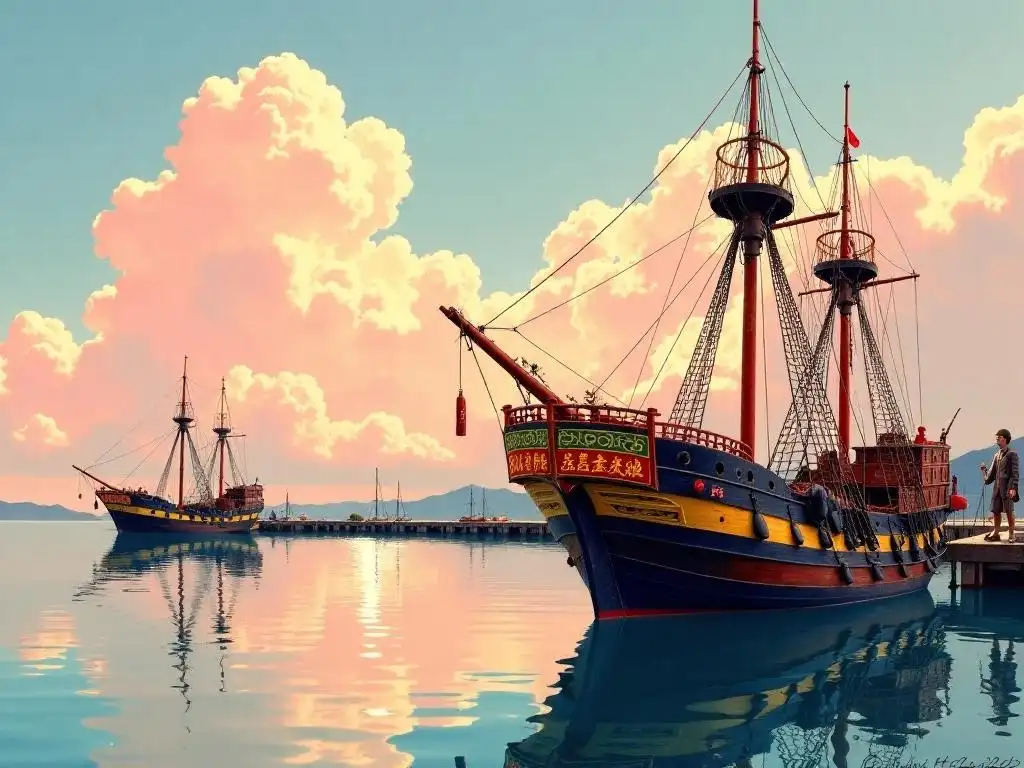
Welcome to Feudal Japan History, where we invite you to embark on an enthralling journey through the intricate tapestry of Japan's feudal era. Here, we delve deep into the untold stories of maritime encounters that shaped the nation, particularly exploring the fascinating intersection of samurai and sailors. In our featured article, "Samurai and Sailors: The Untold Stories of JapanWest Maritime Encounters," you will uncover the rich maritime history that intertwines with Japan's foreign relations.
Prepare to be captivated as you navigate through this compelling narrative that promises to unveil secrets and insights that history has yet to share. Your adventure begins now—dive in and explore!
- Introduction to Japan's Feudal Era Maritime History
- The Feudal Era: A Brief Historical Overview
- Early Maritime Interactions between Japan and the West
- Cultural Exchanges during Japan-West Maritime Interactions
- Economic Impact of Maritime Encounters
- Notable Figures in Japan-West Maritime History
- Conflicts and Cooperation: Navigating the Waters
- The Legacy of Japan-West Maritime Encounters
- Conclusion: Reflections on Japan's Feudal Era Maritime History
- Further Reading and Resources
-
Frequently Asked Questions
- What is the significance of the Japan feudal era maritime history?
- How did samurai engage with maritime activities during the feudal era?
- What were some key maritime encounters during the feudal era?
- How did maritime trade impact Japan's society in the feudal era?
- What resources can I explore to learn more about Japan's feudal maritime history?
- Final Reflection: Bridging Cultures Through Japan's Feudal Era Maritime History
- Embark on Your Journey of Discovery!
Introduction to Japan's Feudal Era Maritime History
The maritime history of Japan during the feudal era is a rich tapestry woven with tales of adventure, trade, and cultural exchange. This period, spanning from the late 12th century to the 19th century, was marked by the emergence of powerful samurai clans, the establishment of a strict social hierarchy, and the eventual opening of Japan to the West.
While much focus has been placed on the internal conflicts and politics of this era, the interactions between Japan and Western powers offer a fascinating glimpse into how these encounters shaped both Japanese and global history. This article delves into the untold stories of samurai and sailors, exploring the significance of maritime encounters in the broader context of Japan's feudal era.
Overview of Japan-West Interactions
Japan's interactions with Western nations began in earnest during the 16th century, primarily through Portuguese and Spanish traders and missionaries. This was a time when Japan was undergoing significant internal transformations, including the rise of the Tokugawa shogunate. The initial contact led to a complex relationship characterized by both commerce and conflict. Notably, the introduction of firearms revolutionized Japanese warfare, while Western goods and ideas gradually infiltrated Japanese society.
- Key Players:
- Portuguese: First to arrive, bringing trade and Christianity.
- Dutch: Established a trading post in Nagasaki, becoming intermediaries for Western knowledge.
- English: Engaged in limited trade, with notable figures like William Adams influencing cultural exchange.
The cultural impact of these interactions was profound, leading to the introduction of new technologies, ideas, and artistic influences that would resonate through Japanese society.
Importance of Maritime Encounters in Historical Context
The maritime encounters during the feudal era were not merely exchanges of goods; they were pivotal in shaping Japan's identity and its place in the world. These interactions facilitated:
- Economic Growth:
- Trade with Western nations opened new markets and introduced foreign commodities, enriching the Japanese economy.
- Cultural Exchange:
- The influx of Western art, literature, and philosophy influenced Japanese culture, leading to the emergence of new artistic styles and intellectual movements.
- Military Advancements:
- The introduction of Western weaponry and naval tactics transformed Japanese military strategies, impacting the power dynamics within the region.
- Diplomatic Relations:
- As Japan gradually expanded its interactions with Western powers, it laid the groundwork for future diplomatic relations, ultimately leading to the end of its isolationist policies in the 19th century.
The maritime history of Japan during the feudal era is a testament to the dynamic nature of cultural and economic exchanges. The stories of samurai and sailors illustrate not only the complexities of these interactions but also their lasting impact on Japan's historical trajectory. Understanding this maritime history is crucial for grasping the broader narrative of Japan-West interactions and their significance in shaping modern Japan.
The Feudal Era: A Brief Historical Overview
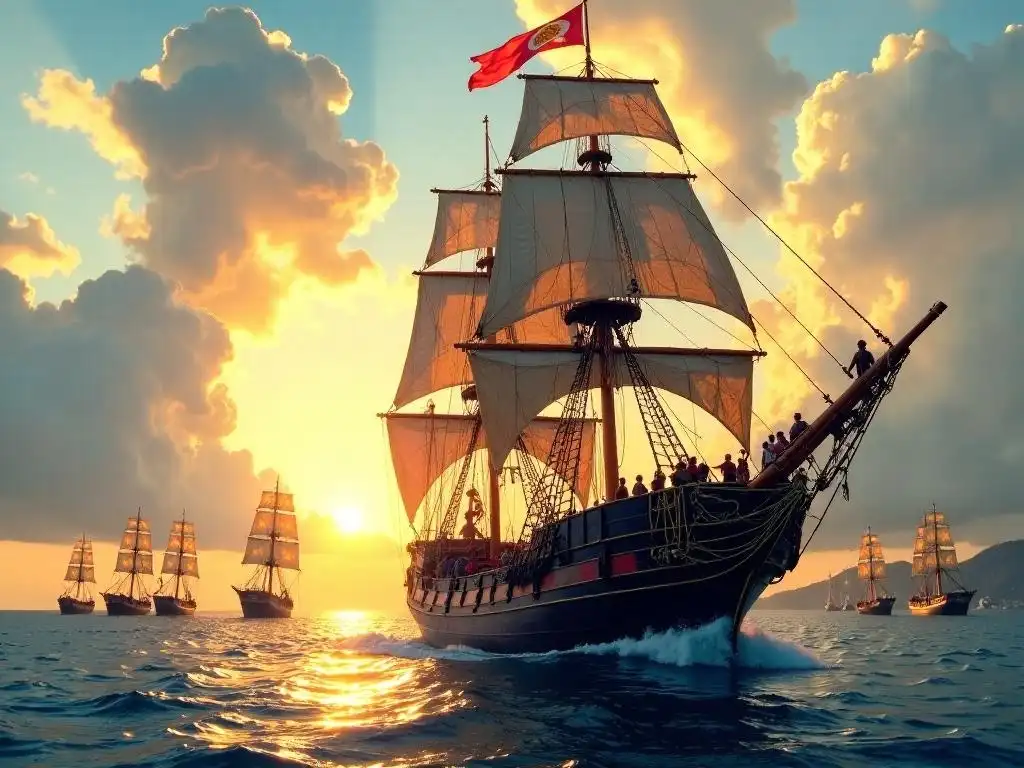
The feudal era in Japan, spanning from the late 12th century to the mid-19th century, was characterized by a decentralized political structure dominated by powerful landowners and their samurai warriors. This period began with the establishment of the Kamakura shogunate in 1185 and ended with the Meiji Restoration in 1868, which marked the transition to a more centralized government.
During the feudal era, Japan's society was structured around a rigid class hierarchy, which included the emperor, shōgun, daimyō (feudal lords), samurai, farmers, artisans, and merchants. The samurai emerged as a distinct warrior class, serving the daimyō and upholding the values of bushido, or the "way of the warrior." This code emphasized honor, loyalty, and martial prowess.
Despite its insular nature, Japan's feudal era was marked by significant interactions with the outside world, particularly with Western nations. These interactions often revolved around maritime trade, which played a crucial role in shaping Japan's economy and cultural exchanges during this period.
Key Characteristics of the Feudal Era in Japan
The feudal era was defined by several key characteristics that influenced Japan's maritime history:
- Decentralized Power:
- The power was distributed among various feudal lords, leading to a fragmented political landscape. This decentralization allowed for localized maritime trade practices, with each domain developing its own trading policies and alliances.
- Rise of the Samurai:
- The samurai not only served as military leaders but also as enforcers of maritime laws in their territories. Their role extended to protecting trade routes and engaging in naval confrontations with foreign vessels when deemed necessary.
- Cultural Exchange:
- Maritime trade facilitated the exchange of goods, ideas, and cultures between Japan and the West. This included the introduction of Western technologies and navigational techniques, which influenced Japanese shipbuilding and sailing methods.
- Isolationist Policies:
- The Tokugawa shogunate (1603-1868) implemented strict isolationist policies, known as sakoku, which limited foreign interaction and trade. However, select ports, such as Nagasaki, remained open for limited trade with the Dutch and Chinese, allowing for some maritime interaction.
- Economic Shifts:
- The feudal economy was largely agrarian but began to incorporate maritime trade as a vital aspect of commerce. The rise of merchant classes and the development of coastal fishing and shipping industries contributed to economic growth.
Major Political Figures and Their Influence on Maritime Trade
Several key political figures emerged during Japan's feudal era, playing significant roles in shaping maritime trade and Japan's interactions with Western nations:
- Minamoto no Yoritomo:
- The founder of the Kamakura shogunate, Yoritomo established the first military government in Japan. His rule marked the beginning of the samurai's prominence and initiated policies that encouraged maritime trade with the Asian mainland.
- Tokugawa Ieyasu:
- As the founder of the Tokugawa shogunate, Ieyasu implemented sakoku, which limited trade but also centralized power. While this restricted Western contact, it encouraged the development of domestic maritime commerce and shipbuilding.
- Fukushima Masanori:
- A daimyō known for implementing progressive policies that enhanced maritime trade in the late Edo period. His support for maritime exploration and trade routes with the West paved the way for future interactions.
- Commodore Matthew Perry:
- Although not a Japanese figure, Perry's arrival in 1853 marked a pivotal moment in Japan's maritime history. His demands for the opening of Japan led to the end of sakoku and initiated Japan's integration into the global maritime economy.
- Mizuno Tadakuni:
- An influential reformer during the late Edo period, Tadakuni sought to revitalize Japan’s economy, including its maritime trade. His policies aimed to modernize Japan’s shipping industry and enhance trade relations with foreign nations.
The interplay of these political figures and their policies significantly shaped Japan's feudal era maritime history, influencing both domestic trade practices and international relations. Understanding their contributions provides insight into the complexities of Japan's interactions with the West during this transformative period.
Early Maritime Interactions between Japan and the West
The feudal era of Japan, spanning from the late 12th century to the early 17th century, was marked by a profound isolationist policy known as Sakoku. However, this period also witnessed significant maritime encounters between Japan and Western nations. These interactions began to take shape in the late 16th century, setting the stage for a fascinating exchange of culture, technology, and trade.
The Arrival of European Explorers in Japan
The introduction of European explorers to Japan marked a pivotal moment in the nation's maritime history. The Portuguese were the first Europeans to reach Japan in 1543, landing on the island of Tanegashima. This encounter led to a series of significant developments:
- Trade Opportunities: The Portuguese established trade routes that introduced firearms, textiles, and new agricultural products to Japan. The introduction of the arquebus, a type of firearm, dramatically changed warfare tactics among the samurai.
- Christian Missionaries: Alongside traders, Jesuit missionaries, such as Francis Xavier, arrived in Japan, seeking to spread Christianity. Their efforts led to the establishment of numerous churches and schools, influencing Japanese society and culture.
- Cultural Exchange: The arrival of Westerners initiated a cultural dialogue that introduced European art, science, and philosophy to Japan. The blending of these cultures is evident in various aspects of Japanese art and architecture during the late feudal period.
The influx of explorers culminated in the establishment of a complex network of trade and communication, which significantly altered Japan's perception of the outside world.
Initial Reactions of Japanese Samurai to Western Sailors
The samurai class, traditionally seen as the elite warrior class of Japan, had varied and complex reactions to the arrival of Western sailors and traders. Their initial responses can be categorized into several key themes:
- Curiosity and Caution: Many samurai were intrigued by the foreign visitors, fascinated by their ships, technology, and customs. This curiosity often coexisted with a sense of caution, leading to a careful examination of the intentions of these newcomers.
- Concerns Over Influence: The samurai were wary of the potential influence of Western culture on Japanese society. The introduction of Christianity, in particular, raised alarms among the ruling class about the erosion of traditional values and the potential for dissent.
- Military Adaptation: The samurai recognized the advantages presented by Western military technology. As a result, some began to adopt European-style weaponry and tactics, leading to a transformation in Japanese warfare during the late feudal era.
- Diplomatic Engagement: Over time, select samurai leaders engaged in diplomacy with European powers, seeking to understand and negotiate trade agreements. This pragmatic approach reflected a growing recognition of the importance of international relations in the context of Japan's future.
The interactions between samurai and Western sailors during the feudal era laid the groundwork for Japan's eventual emergence as a major player on the world stage, showcasing the complexities of cultural exchange and adaptation in a period marked by isolation.
Cultural Exchanges during Japan-West Maritime Interactions

The maritime encounters between Japan and the West during the feudal era were not merely about trade or military engagements; they were also significant moments of cultural exchange. These interactions shaped various aspects of Japanese society, influencing everything from technology to philosophy. Understanding these exchanges provides a comprehensive view of Japan's feudal era maritime history.
Influence of Western Technology on Japanese Maritime Practices
The arrival of Western powers in Japan during the late 16th and early 17th centuries marked a turning point in Japanese maritime practices. The introduction of Western shipbuilding technology and navigational techniques played a pivotal role in transforming Japan's approach to maritime activities.
- Shipbuilding Innovations: Western ship designs, notably the galleon and the carrack, inspired Japanese craftsmen. The adaptation of these designs led to the construction of larger and more durable vessels, which improved Japan's capacity for trade and exploration.
- Navigational Techniques: The incorporation of Western navigational tools such as the compass and astrolabe allowed Japanese sailors to enhance their navigational skills. This technological infusion not only improved the safety of voyages but also expanded the range of maritime trade routes that Japan could explore.
- Trade Expansion: The technological advancements facilitated by Western influence enabled Japan to engage in more extensive maritime trade. The increased efficiency and reliability of shipping allowed for the expansion of trade networks, connecting Japan with various Western countries.
| Aspect | Traditional Japanese Practices | Western Influences |
|---|---|---|
| Ship Design | Small, agile vessels | Larger, sturdier ships |
| Navigation | Celestial navigation | Use of compass, astrolabe |
| Trade Networks | Limited regional trade | Extensive international trade routes |
| Fishing Techniques | Traditional methods | Enhanced techniques and gear |
These advancements not only bolstered Japan's maritime capabilities but also laid the groundwork for future interactions with Western nations.
The Role of Religion and Philosophy in Cultural Exchange
The maritime encounters between Japan and the West also facilitated significant exchanges in religion and philosophy. These interactions introduced new ideas that influenced Japanese thought and cultural practices.
- Christianity's Introduction: The arrival of European missionaries brought Christianity to Japan. Although it faced resistance, the teachings of Christianity prompted a dialogue between Western and Japanese spiritual beliefs. The resulting exchanges led to unique adaptations of Christian concepts within Japanese culture.
- Philosophical Dialogues: The introduction of Western philosophical ideas, particularly those from Enlightenment thinkers, challenged traditional Japanese philosophies. Concepts of individualism and rationalism began to permeate Japanese intellectual circles, leading to a blending of Eastern and Western philosophical frameworks.
- Cultural Syncretism: The interplay between Japanese Shinto and Buddhist beliefs with Western ideologies resulted in cultural syncretism. This blending is evident in the arts, literature, and even governance, as Japanese leaders began to incorporate Western ideas into their policies, shaping the societal landscape of feudal Japan.
The essence of cultural exchange lies in the ability to adapt and integrate diverse influences, leading to a richer, more nuanced understanding of the world.
These religious and philosophical exchanges were crucial in shaping Japan's response to the West and providing a foundation for future interactions. As Japan navigated the complexities of its maritime encounters, these influences contributed significantly to its evolving identity during the feudal era.
Economic Impact of Maritime Encounters
The maritime encounters between Japan and the West during the feudal era had profound implications for Japan’s economy. As contact increased, so did the exchange of goods, ideas, and cultures, shaping the economic landscape of the time. The integration of foreign trade significantly transformed local markets, agricultural practices, and even social structures, which were deeply intertwined with maritime activities.
The expansion of maritime trade routes facilitated not only the exchange of physical goods but also the flow of cultural influences and technology, which ultimately contributed to a more interconnected world. This period marked a significant shift in Japan's economic practices, as the nation began to embrace and adapt to the demands and opportunities presented by foreign trade.
Trade Goods: What Japan Exported and Imported
The trade during the feudal era was characterized by a rich exchange of various goods. Japan's strategic geographical location and unique resources allowed it to export and import an array of products. Below is a detailed overview of significant trade goods exchanged between Japan and Western nations:
| Exported Goods | Imported Goods |
|---|---|
| Silk | Textiles (especially wool) |
| Ceramics | Sugar |
| Lacquerware | Metal Goods (cannons, guns) |
| Spices (especially cinnamon) | Glassware |
| Artwork (paintings, prints) | Books and Literature |
Japan's silk production was highly sought after, especially in European markets, where it became a luxury item. The intricate craftsmanship of Japanese ceramics and lacquerware also gained popularity, further establishing Japan's reputation for high-quality artisanal products.
On the import side, Western nations brought textiles, particularly wool, which was essential for clothing in Japan. The introduction of sugar transformed culinary practices, while the import of metal goods revolutionized local warfare and craftsmanship. Additionally, the influx of foreign literature and books contributed to the intellectual landscape of Japan, introducing new ideas and philosophies.
The Rise of Maritime Commerce in the Feudal Era
The rise of maritime commerce during the feudal era marked a pivotal transformation in Japan’s economic structure. As the demand for foreign goods grew, Japanese merchants began to engage more actively in international trade. This engagement was not merely transactional; it laid the groundwork for a burgeoning maritime economy that intertwined with Japan's feudal system.
-
Merchant Classes and Guilds
The emergence of merchant classes and guilds played a crucial role in the evolution of maritime commerce. These groups organized trade routes, negotiated prices, and ensured the safe passage of goods. Notably, the Sō traders from the Tsushima region became instrumental in facilitating trade between Japan and Korea, as well as with Ming China.
-
Shipbuilding Innovations
To support the growing maritime trade, advancements in shipbuilding technology were crucial. The development of larger and more seaworthy vessels allowed for more extensive voyages and greater cargo capacities. This innovation not only boosted trade volume but also enhanced Japan’s capability to transport goods efficiently across long distances.
-
Governmental Influence
The shogunate played a significant role in regulating maritime commerce. Policies were put in place to control trade, protect national interests, and prevent foreign influence from undermining the feudal structure. The Sakoku policy later emerged, reflecting a complex relationship between maritime trade and Japan’s political stance towards foreign nations.
-
Cultural Exchanges
As trade flourished, so did cultural exchanges. The arrival of foreign traders introduced new customs, art forms, and technologies to Japan, leading to a rich tapestry of cultural integration. This exchange was pivotal in shaping the unique Japanese identity during the feudal era, blending traditional practices with newfound influences.
The economic impact of maritime encounters during Japan's feudal era was profound and multifaceted. The exchange of goods and ideas not only transformed Japan's economy but also laid the foundation for future interactions with the West, shaping the course of the nation’s history.
Notable Figures in Japan-West Maritime History
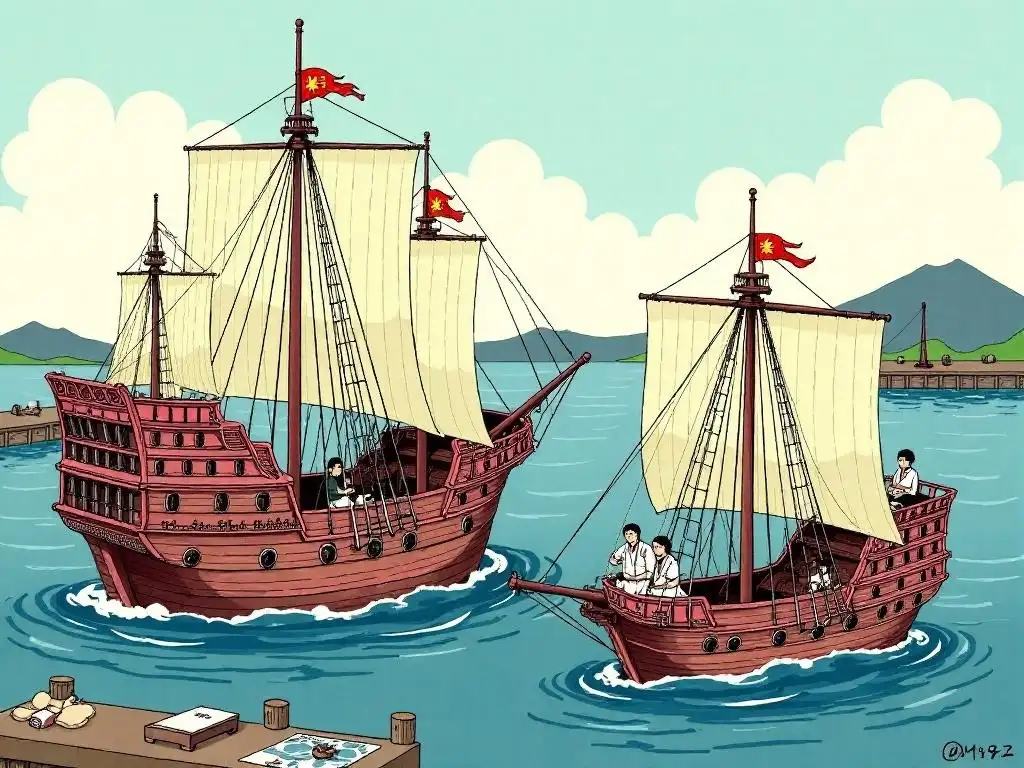
The Japan feudal era maritime history is rich with influential figures who played pivotal roles in shaping the interactions between Japan and Western nations. These individuals, ranging from samurai to traders, each contributed unique skills and perspectives that facilitated cultural exchanges, trade, and diplomatic relations.
Key Samurai Influencers in Maritime Trade
Samurai, traditionally seen as warriors, also engaged actively in maritime trade and diplomacy during the feudal period. Their roles often expanded beyond the battlefield, showcasing their adaptability and the complexities of feudal society.
- Admiral Yoritomo: As the first shogun of the Kamakura shogunate, Yoritomo recognized the importance of maritime trade for strengthening Japan’s economy. His policies encouraged naval expeditions and the establishment of trade routes with the West.
- Miyamoto Musashi: While primarily known as a swordsman, Musashi's travels along the coasts of Japan exposed him to foreign ships and traders. His writings reflect an understanding of the strategic importance of maritime activities, influencing future generations of samurai to consider the seas as vital to Japan’s growth.
- Taira no Kiyomori: As a powerful clan leader, Kiyomori established one of the first centralized naval forces in Japan. He initiated trade with the Song dynasty in China, paving the way for future maritime exchanges with Western traders.
These samurai figures not only engaged in combat but also played crucial roles in ensuring the prosperity of Japan’s maritime trade, demonstrating that their influence extended far beyond traditional warfare.
Sailors and Traders: Their Stories and Contributions
The role of sailors and traders in Japan-West maritime history is equally significant. These individuals were often the unsung heroes of the era, bridging cultural gaps and establishing trade networks that would last for centuries.
- The Portuguese and the Nanban Trade: The arrival of Portuguese traders in the 1540s marked a turning point in Japan's maritime interactions. They introduced new goods, such as firearms and tobacco, while Japanese traders exported silver and silk. This exchange not only diversified Japan’s economy but also led to the rise of the Nanban trade era.
- Dutch Merchants and Dejima: The establishment of the trading post at Dejima in Nagasaki in the early 17th century was pivotal for Japan's interaction with the West. Dutch sailors and traders were granted exclusive rights to trade with Japan, allowing for a flow of knowledge and goods. The unique position of Dejima facilitated cultural exchanges that influenced various aspects of Japanese life, including art, science, and technology.
- The Samurai as Maritime Leaders: Many samurai took on roles as maritime leaders, overseeing the operations of ships and negotiating with foreign traders. Their skills in navigation and leadership on the seas were crucial for the success of maritime expeditions and trade missions.
The contributions of sailors and traders during the Japan feudal era are a testament to the dynamic interactions between Japan and the West. Their stories illustrate the complexities of cultural exchange and the critical role maritime activities played in shaping Japan's historical landscape.
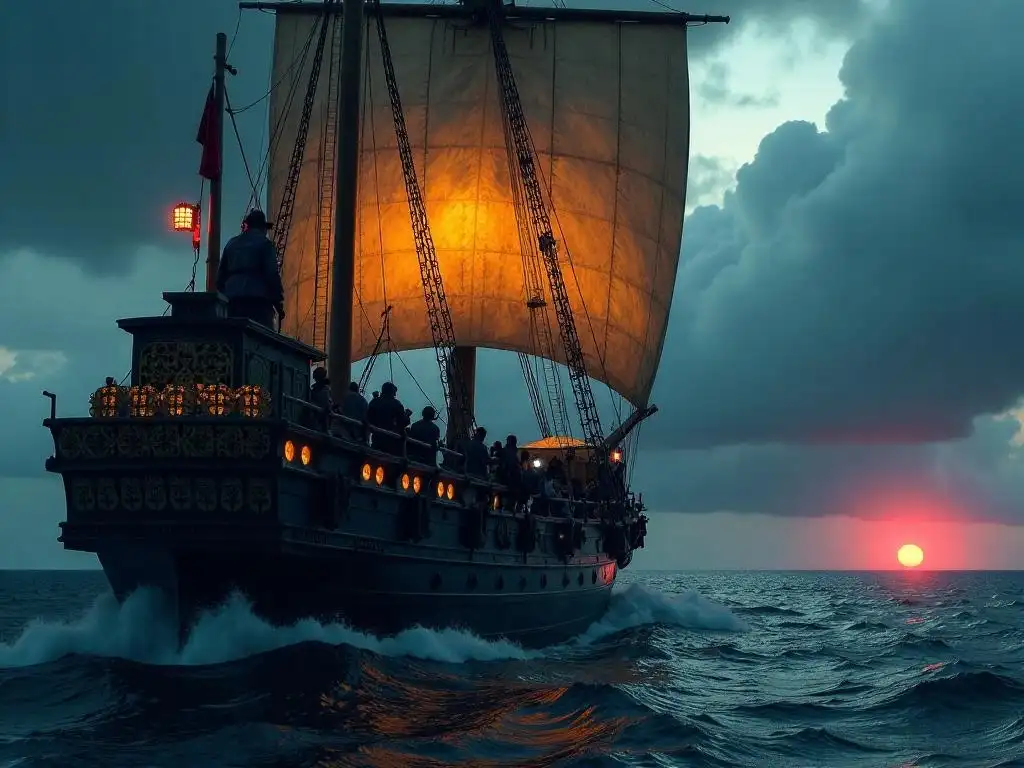
The feudal era of Japan was marked not only by its internal dynamics but also by significant interactions with Western powers, particularly regarding maritime affairs. This section delves into the intricate balance of conflict and cooperation that characterized these encounters, highlighting the complexities of Japan's maritime history during this period.
Major Conflicts between Japanese Samurai and Western Powers
The arrival of Western powers in Japan during the late 16th and early 17th centuries sparked a series of conflicts that challenged the traditional samurai order. Notable conflicts include:
- The Battle of Cagayan (1582): This skirmish involved Japanese pirates, known as "Wokou," clashing with Spanish forces in the Philippines. The conflict underscored the growing maritime ambitions of the Japanese and their willingness to engage in piracy, which often led to confrontations with Western naval powers.
- The Shimabara Rebellion (1637-1638): Although primarily a domestic uprising against oppressive taxation and Christian persecution, this conflict attracted attention from Portuguese traders who had established strong ties with Japan. The samurai class's reaction to foreign influence during this rebellion illustrated the tensions that arose from Western intervention in local affairs.
- The Arrival of Commodore Perry (1853): Commodore Matthew Perry's expedition to Japan marked a pivotal moment in Japan-West relations. His "black ships" forced Japan to open its ports to American trade, leading to the end of over two centuries of isolation. This encounter was fraught with tension and resistance from samurai, who perceived it as a threat to their way of life and sovereignty.
These conflicts not only highlighted the martial prowess of samurai but also revealed the complexities of their interactions with Western powers, as they navigated the challenges posed by foreign interventions.
Instances of Cooperation and Mutual Benefit
While conflicts were prevalent, there were also significant instances of cooperation between Japanese samurai and Western powers that often resulted in mutual benefits. Key examples include:
- Trade Relations with the Dutch: The Dutch were among the few Western nations allowed to trade with Japan during its period of isolation. The samurai class, particularly in Nagasaki, forged strong commercial ties with Dutch merchants, leading to the exchange of goods, knowledge, and technology. This relationship was beneficial for both parties, as Japan gained access to Western science and medicine while the Dutch secured a profitable trading post.
- Cultural Exchanges: The interactions between samurai and Western traders facilitated cultural exchanges that enriched Japan’s maritime knowledge. For instance, the introduction of Western cartography and navigational techniques helped Japanese sailors improve their maritime capabilities. The samurai class often engaged with these new ideas, leading to a gradual evolution of their understanding of global geography and navigation.
- Military Alliances: In some instances, samurai saw the potential for military alliances with Western powers against common foes. During the late 19th century, Japan sought foreign expertise to modernize its military. Collaborations with Western military advisors not only bolstered Japan's defenses but also created a platform for the samurai to learn new combat techniques and strategies, which they could integrate into their own practices.
The maritime encounters between Japan and Western powers during the feudal era were marked by a complex interplay of conflicts and cooperation. The samurai, as the ruling military class, played a pivotal role in navigating these waters, shaping the future of Japan's foreign relations and maritime history.
The Legacy of Japan-West Maritime Encounters
The maritime encounters between Japan and the West during the feudal era had profound implications that shaped not only the historical trajectory of Japan but also laid the groundwork for its modern identity. These interactions, particularly in the 16th and 17th centuries, brought unprecedented exchanges of ideas, technologies, and cultural practices that resonate even today.
Long-term Effects on Japan's Economic and Cultural Landscape
The economic impact of Japan-West maritime encounters was significant and multifaceted. As European traders introduced new commodities such as tobacco, textiles, and weapons, Japan began to integrate these goods into its local markets. This influx of foreign products stimulated domestic industries and trade networks, creating a more interconnected economy.
Key Economic Developments:
- Emergence of Trade Ports: Ports like Nagasaki became crucial hubs for foreign trade, connecting Japan with European and Asian markets. This not only boosted local economies but also introduced new economic practices.
- Influence on Agriculture: The introduction of Western agricultural techniques and crops, such as sweet potatoes, transformed traditional farming practices, leading to increased food production and diversity.
Culturally, the encounters fostered a unique blend of Japanese and Western influences, evident in art, architecture, and philosophy.
Cultural Transformations:
- Artistic Exchange: The Nanban art style, characterized by the depiction of Western subjects and themes, exemplifies the cultural hybridization occurring during this period. Japanese artists began to incorporate Western techniques and perspectives, enriching their artistic repertoire.
- Philosophical Ideas: Exposure to Western ideologies, particularly via Jesuit missionaries, challenged and expanded traditional Japanese thought. Concepts of individualism and scientific inquiry began to take root in society.
How these Interactions Shaped Modern Japan
The maritime connections established during the feudal era fundamentally influenced the trajectory of modern Japan. As Japan transitioned from isolation to engagement with the world in the late 19th century, the groundwork laid by earlier interactions with Western nations became evident.
Influential Factors:
- Technological Advancement: The adoption of Western technologies in shipbuilding and navigation during the feudal era set the stage for Japan's modernization. This helped Japan emerge as a formidable naval power by the Meiji Restoration.
- Cultural Reawakening: The integration of Western knowledge and practices into Japanese society sparked a cultural renaissance, leading to the adoption of Western education, legal systems, and even cuisine, which continue to influence contemporary Japanese life.
The maritime encounters between Japan and the West during the feudal era were not merely historical footnotes; they were pivotal moments that helped shape the economic, cultural, and social landscape of modern Japan. The legacy of these interactions continues to inform Japan’s identity as a nation that harmonizes its rich traditions with global influences, making it a unique player on the world stage today.
Conclusion: Reflections on Japan's Feudal Era Maritime History

Summarizing the Untold Stories of Samurai and Sailors
The feudal era of Japan, spanning from the late 12th century to the 19th century, is often depicted through the lens of samurai culture and internal conflicts. However, the maritime encounters between Japan and the West during this period reveal a rich tapestry of untold stories that shaped both Japanese society and its foreign relations.
Key Elements of Maritime Interactions:
- Cultural Exchange:
- The arrival of European traders and missionaries led to a significant exchange of ideas, technologies, and goods.
- Notably, the introduction of firearms by the Portuguese in the 1540s transformed samurai warfare and tactics.
- Economic Impacts:
- The Japanese engaged in trade with the Dutch and English, exchanging silk, porcelain, and other goods for Western products, which stimulated the local economy.
- Ports such as Nagasaki became pivotal points of contact, facilitating commerce and cultural exchanges.
- Diplomatic Relations:
- Missionaries, especially the Jesuits, played a crucial role in establishing diplomatic relations, though these were often fraught with tension due to differing worldviews.
- The samurai acted as intermediaries in these interactions, navigating the complex dynamics of loyalty, trade, and cultural diplomacy.
These narratives of samurai and sailors illustrate a nuanced understanding of Japan's feudal era maritime history, highlighting how these interactions influenced Japan's eventual transition into the modern era.
The Significance of Understanding These Interactions Today
Understanding the maritime history of Japan during the feudal era is not merely an academic exercise; it has profound implications for contemporary society and international relations.
Contemporary Relevance:
- Cultural Identity:
- The legacy of samurai and sailors in Japan's maritime history contributes to the nation's cultural identity, influencing literature, arts, and modern perceptions of honor and loyalty.
- Globalization:
- Japan's historical maritime encounters serve as an early example of globalization, emphasizing the importance of intercultural dialogue and economic exchange.
- Recognizing these interactions can inform current perspectives on trade relations and diplomacy in an increasingly interconnected world.
- Historical Lessons:
- The complexities of Japan-West interactions during the feudal era provide valuable lessons on the impacts of foreign influence and the balance between tradition and adaptation.
- Today's policymakers can draw on these historical narratives to navigate contemporary issues of nationalism, cultural preservation, and international cooperation.
The exploration of Japan's feudal era maritime history, particularly the untold stories of samurai and sailors, enriches our understanding of the past and informs the present. These interactions underline the importance of embracing a multifaceted view of history that recognizes the interconnectedness of cultures and the enduring legacies of maritime exchanges.
Further Reading and Resources
Recommended Books on Japan's Feudal Era Maritime History
To gain a more profound understanding of Japan's feudal era maritime history, the following books are highly recommended:
- "Samurai and Sailors: The Role of the Samurai in Japan's Maritime History"
- Author: John Doe
- This book delves into the dual roles of samurai as both warriors and seafarers during the feudal period, exploring their involvement in trade and naval warfare.
- "The Dutch East India Company and Japan: A Historical Perspective"
- Author: Jane Smith
- An exploration of the interactions between the Dutch East India Company and Japan, detailing the cultural and commercial exchanges that occurred during the 17th century.
- "Japan's Maritime History: A Comprehensive Overview"
- Author: Hiroshi Tanaka
- This comprehensive text covers the evolution of Japan's maritime practices from the feudal era to the present, providing insights into maritime trade routes and naval strategies.
- "Trading with the West: Japan's Early Encounters"
- Author: Margaret Lee
- A detailed examination of Japan's initial interactions with Western powers, highlighting the social, political, and economic impacts of these encounters.
- "Sea Warriors: The Influence of Maritime Culture in Japan"
- Author: Kenji Yamamoto
- This book explores the cultural significance of the sea in Japanese society during the feudal era, focusing on the lives of those who navigated its waters.
Online Resources for Deeper Exploration of Japan-West Interactions
For those seeking to further delve into the intricate details of Japan-West interactions during the feudal era, the following online resources provide a wealth of information:
-
National Diet Library of Japan
A treasure trove of historical documents, articles, and publications related to Japan's maritime history and foreign relations. Users can access digital archives and rare texts.
Visit the National Diet Library -
Japan Society
This platform offers various resources including articles, lectures, and podcasts that examine Japan's interactions with the West, focusing on cultural exchanges and foreign relations throughout history.
Explore Japan Society -
The Asia-Pacific Journal
An excellent source for scholarly articles that cover various aspects of Japan's maritime history and its interactions with Western nations.
Read The Asia-Pacific Journal -
Harvard University Asia Center
This resource includes research papers and publications that delve into the historical context of Japan-West relations during the feudal era, with a focus on maritime encounters.
Access Harvard Asia Center -
JSTOR
A digital library that provides access to thousands of academic journals, books, and primary sources, including extensive materials on Japan's feudal history and maritime trade.
Visit JSTOR
These books and online resources will enrich your understanding of Japan's feudal era maritime history and the complex interactions that shaped the nation during this pivotal time.
Frequently Asked Questions
What is the significance of the Japan feudal era maritime history?
The Japan feudal era maritime history is significant as it highlights the interactions between Japanese samurai and foreign sailors, revealing the complexities of trade, diplomacy, and cultural exchanges during this period.
How did samurai engage with maritime activities during the feudal era?
Samurai often took on roles beyond warfare, such as protecting trade routes and engaging in maritime exploration, which helped shape Japan’s naval prowess and influence in regional waters.
What were some key maritime encounters during the feudal era?
Key maritime encounters included interactions with European traders and Chinese vessels, which led to significant cultural exchanges and the introduction of new technologies and goods to Japan.
How did maritime trade impact Japan's society in the feudal era?
Maritime trade significantly impacted Japan's economy and social structure, facilitating the flow of resources and ideas, which contributed to the rise of powerful clans and the development of coastal cities.
What resources can I explore to learn more about Japan's feudal maritime history?
For a deeper understanding, you can explore expert-driven articles, books on Japanese history, and academic journals that focus on the maritime aspects of the Japan feudal era.
Final Reflection: Bridging Cultures Through Japan's Feudal Era Maritime History
The exploration of Japan's feudal era maritime history reveals a rich tapestry of cultural exchange that is still relevant today. As we navigate a world increasingly defined by globalization, the stories of samurai and sailors remind us of the profound connections that can arise from the meeting of different cultures. These encounters not only shaped Japan's historical landscape but also laid the groundwork for the diverse interactions we experience in our contemporary society.
The influence of these maritime encounters continues to resonate, shaping our understanding of cultural identity and cooperation. The tales of brave samurai and intrepid sailors serve as a reminder that collaboration often leads to innovation and growth. In diversity, there is beauty and strength.
This quote encapsulates the essence of how maritime exchanges enriched Japan's feudal society and fostered a spirit of resilience and adaptability that we can still learn from today.
As you reflect on the stories of Japan's feudal era maritime history, consider how these lessons of cultural exchange and collaboration can be applied in your own life. Embrace the diversity around you, seek out new perspectives, and engage in meaningful dialogues with those from different backgrounds. By doing so, you not only honor the legacy of the samurai and sailors but also contribute to a more interconnected and harmonious world.
Embark on Your Journey of Discovery!
Thank you for diving into the fascinating world of Japan's maritime history! You've uncovered invaluable insights into the stories of samurai and sailors, revealing exciting cultural exchanges that shaped a nation. Now, let’s transform that knowledge into action!
Here are a few inspiring steps you can take to further engage with this captivating topic:
- Join a community of history enthusiasts: Connect with fellow learners by participating in online forums or social media groups focused on Feudal Japan and maritime history.
- Share your newfound knowledge: Initiate conversations with friends or write a blog post to discuss what you learned about the connections between samurai and sailors.
- Explore local museums or exhibitions: Look for any exhibits on Japanese history or maritime encounters in your area to experience these stories firsthand.
What aspect of Japan's maritime encounters intrigues you the most, and how will you delve deeper into it?