
Bridging the Gap: Education for NonSamurai Classes in Feudal Japan

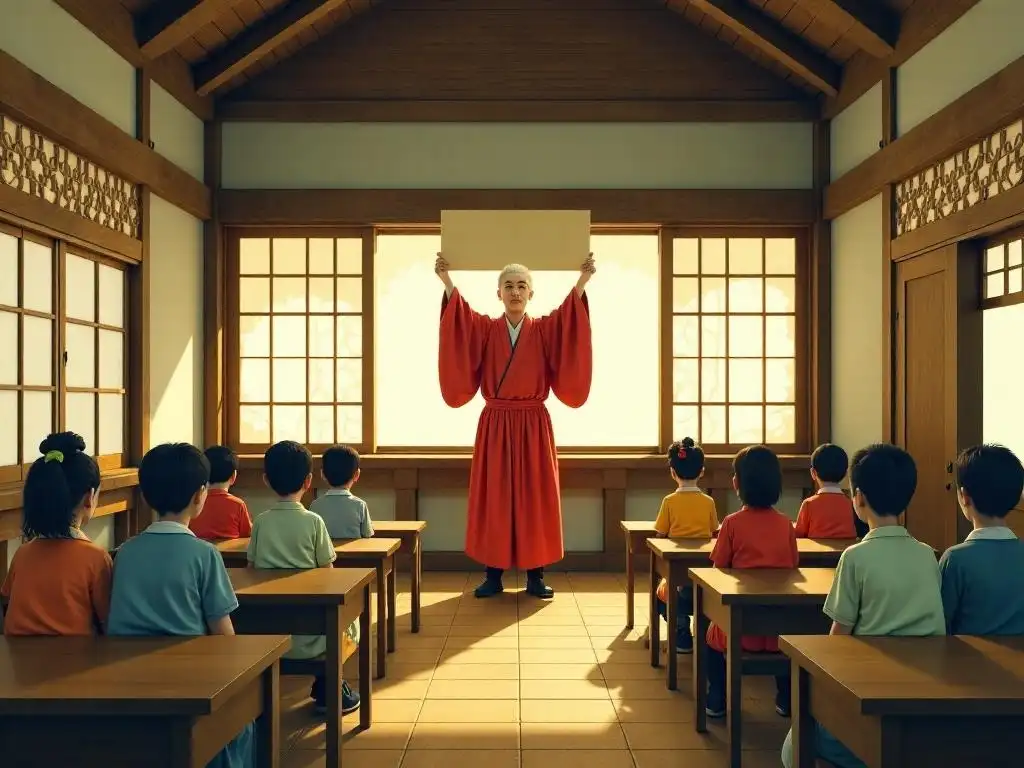
Welcome to Feudal Japan History, where we embark on a captivating journey through the intricate tapestry of Japan's feudal era. In our featured article, "Bridging the Gap: Education for Non-Samurai Classes in Feudal Japan," we delve into the often-overlooked educational experiences of the non-samurai populace. Discover how these foundational aspects of society shaped cultural norms and societal structures, sparking curiosity about the lives of those beyond the warrior class. Prepare to uncover the rich narratives that lie within Japan’s past, and let your exploration begin!
Introduction to Education in Feudal Japan
The education system in Feudal Japan was predominantly shaped by the rigid social hierarchy of the time, which was heavily influenced by Confucian ideals. Education primarily catered to the samurai class, who were the ruling elite, while the majority of the population—comprised of farmers, artisans, and merchants—had limited access to formal education.
This article seeks to explore the often-overlooked aspects of education for non-samurai classes, highlighting the developments that enabled these groups to acquire knowledge and skills during Japan's feudal era. By examining the societal structures and the transformative changes in educational opportunities, we aim to bridge the gap in understanding how education evolved beyond the samurai, ultimately contributing to Japan's cultural and economic fabric.
Overview of Feudal Japan's Social Structure
Feudal Japan was characterized by a highly stratified social structure, broadly divided into four main classes:
- Samurai: The warrior class, which held power and influence over the land and its people.
- Farmers: Responsible for agriculture, they formed the backbone of the economy but often lacked educational opportunities.
- Artisans: Skilled craftsmen who produced goods and contributed to local economies.
- Merchants: Traders who facilitated commerce, often viewed with disdain by the samurai due to their wealth generated from trade rather than land.
This hierarchical system not only dictated social interactions but also determined the access to education, with the samurai class receiving the most formal instruction.
Importance of Education for Non-Samurai Classes
Education played a crucial role in the lives of non-samurai classes, enabling them to improve their social standing and economic conditions. While samurai were educated in martial skills and governance, farmers, artisans, and merchants sought knowledge primarily for practical applications:
- Farmers benefited from agricultural techniques and practices that enhanced productivity.
- Artisans learned specialized skills that allowed them to refine their crafts and improve the quality of their goods.
- Merchants pursued literacy and numeracy to navigate trade and commerce effectively.
The rise of a more educated non-samurai class contributed to social mobility and economic development, fostering a more dynamic society.
Historical Context of Education for Non-Samurai
The Rise of the Merchant and Farmer Classes
During the feudal period, especially in the Edo period (1603-1868), there was a notable shift in the social and economic landscape of Japan. The merchant and farmer classes began to gain prominence, leading to increased demand for education. As commerce flourished, merchants became wealthier and started investing in their children’s education, often hiring private tutors or attending informal schools (terakoya). This access to education allowed them to gain financial literacy and business acumen.
Changes in Educational Opportunities During the Edo Period
The Edo period marked a significant turning point in educational opportunities for non-samurai classes. With the establishment of terakoya, informal schools run by Buddhist temples, literacy began to spread among commoners. These schools offered basic reading and writing skills, mathematics, and moral instruction.
- Curriculum Focus: The curriculum often included practical subjects relevant to daily life, such as:
- Agriculture: Techniques for better crop yields.
- Craftsmanship: Skills in various trades.
- Commerce: Understanding of trade practices and bookkeeping.
The increase in literacy rates among farmers and merchants not only empowered these classes but also laid the groundwork for Japan's modernization in the subsequent Meiji era. By recognizing the significance of education for non-samurai, we can appreciate the broader implications of knowledge as a vehicle for social change in Feudal Japan.
The Role of Temples and Shrines in Education
In feudal Japan, temples and shrines played a crucial role in the education of non-samurai classes, serving not only as religious centers but also as hubs of learning and cultural transmission. These institutions were foundational in disseminating knowledge to the wider community, particularly among the commoners who had limited access to formal education. Temples, primarily Buddhist, and Shinto shrines contributed to a multifaceted educational landscape that influenced various aspects of daily life, from moral teachings to practical skills.
The educational functions of these religious institutions were diverse, encompassing the teaching of literacy, philosophy, and arts, as well as vocational skills. They provided a space where individuals from non-samurai backgrounds could gather to learn, fostering a sense of community and shared knowledge. The teachings imparted in these settings were often aligned with the moral and ethical frameworks of Buddhism and Shinto, emphasizing harmony, respect for nature, and social responsibility.
Furthermore, the role of temples and shrines in education was not limited to local communities; they also facilitated the exchange of ideas and cultural practices across regions. This cross-pollination of knowledge helped to bridge the gap between different social strata, allowing for a more cohesive society that valued education as a means of personal and communal growth.
Educational Functions of Buddhist Temples
Buddhist temples emerged as vital educational institutions during the feudal era, providing a structured approach to learning for non-samurai classes. These temples often housed monastic schools where monks would educate villagers in various subjects, including reading, writing, and religious teachings. The curriculum was designed to cultivate moral virtues and practical skills essential for daily life.
Monks played a pivotal role as educators, utilizing their extensive knowledge of Buddhist texts to teach students about ethical living, meditation, and the importance of community service. Many temples also engaged in the preservation of literature, ensuring that essential texts were copied and maintained for future generations. This function was critical in promoting literacy among commoners, as access to written materials was otherwise limited.
Additionally, Buddhist temples offered apprenticeships in crafts and trades, thus facilitating vocational training alongside academic education. This dual approach ensured that while students learned spiritual and philosophical principles, they also acquired skills that could help them contribute economically to their families and communities.
Confucian Influence on Non-Samurai Education
The influence of Confucianism on education for non-samurai classes in feudal Japan cannot be overstated. Confucian ideals, which emphasized moral integrity, social harmony, and the importance of education, began to permeate Japanese society during the early modern period. This philosophy encouraged the establishment of educational institutions that catered specifically to commoners, promoting the idea that education was not solely the privilege of the samurai class.
Confucian scholars often served as educators in both temples and community schools, teaching subjects such as ethics, history, and governance. This curriculum aimed to cultivate virtuous citizens who would contribute positively to society. The emphasis on moral education was particularly significant, as it encouraged individuals to strive for personal betterment while adhering to social responsibilities.
Moreover, the Confucian model of education stressed the importance of familial relationships and respect for elders, reinforcing societal hierarchies while simultaneously providing non-samurai individuals with the knowledge to navigate their social roles effectively. This educational approach played a crucial role in bridging the gap between the samurai and non-samurai classes, fostering a more educated populace that could engage meaningfully in societal affairs.
Types of Education for Non-Samurai Classes
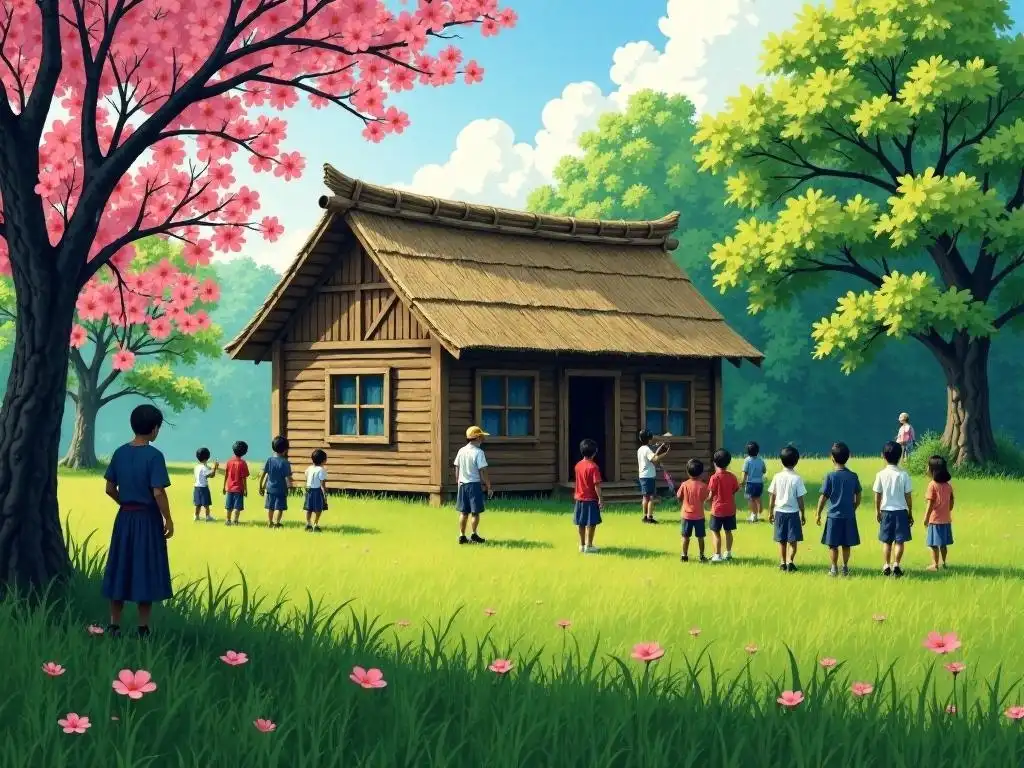
The education system for non-samurai classes in feudal Japan was diverse, encompassing both formal and informal methods tailored to meet the needs of various communities. These educational frameworks were crucial in empowering commoners and ensuring their participation in the socio-economic landscape of the time.
Formal Education Systems for Commoners
Formal education for non-samurai classes primarily took place in village schools, known as terakoya, which were often affiliated with Buddhist temples or local elites. These schools provided basic literacy and numeracy skills, enabling students to engage with essential texts and perform practical calculations needed for trade and agriculture.
The curriculum in terakoya included reading, writing, arithmetic, and moral instruction drawn from Buddhist and Confucian teachings. The schools typically catered to boys, but some institutions began to offer education for girls, reflecting a gradual shift towards inclusivity in educational access. This formal education provided a foundation for many commoners, allowing them to improve their social standing and engage more effectively in their communities.
Additionally, these schools were often community-driven initiatives, supported by local resources and volunteer teachers. This grassroots approach ensured that education was accessible and relevant to the needs of the local population, encouraging lifelong learning and community development.
Vocational Training for Farmers and Artisans
In addition to formal education, vocational training for farmers and artisans played a significant role in the education of non-samurai classes. Recognizing the importance of practical skills in sustaining the economy, various informal training programs emerged within communities. These programs were typically passed down through generations, with experienced craftsmen and women teaching their trades to apprentices.
Farmers received training in agricultural techniques, crop rotation, and sustainable practices, which were vital for improving yields and ensuring food security. Artisans, on the other hand, were taught specialized skills such as pottery, weaving, and carpentry, which not only met local needs but also contributed to the broader economy through trade.
This hands-on approach to education emphasized experiential learning, allowing individuals to gain proficiency in their chosen crafts while fostering a sense of pride and identity within their communities. The combination of practical skills and ethical teachings from religious institutions ensured that non-samurai classes were well-equipped to thrive in feudal Japan's complex social and economic landscape.
Key Figures in Non-Samurai Education
Education for non-samurai classes in feudal Japan was significantly shaped by various key figures who advocated for the importance of learning and enlightenment among the lower classes. These individuals played crucial roles in establishing educational practices and philosophies that were accessible to those outside the samurai elite.
One of the most notable figures was Yamaga Sokō, a samurai turned educator, who emphasized the importance of morality and ethics in education. His teachings were revolutionary, as he believed that education should not be limited to the samurai class but should include merchants, farmers, and artisans. His works encouraged a broader understanding of Confucian principles, promoting the idea that all classes could benefit from education.
Another significant contributor was Miyazaki Toushinsai, who founded a school in the late 17th century that focused on practical education for commoners. He aimed to teach not just academic subjects, but also skills pertinent to daily life and trade, thus demonstrating that education could serve practical purposes beyond the philosophical or literary.
Influential Educators and Philosophers
Several philosophers and educators emerged during the Edo period (1603-1868) who sought to democratize education for non-samurai classes. Confucian scholars were particularly influential, advocating for moral education and civic responsibility. Figures like Kato Shusho and Nakae Tōju promoted the idea that education should cultivate virtuous citizens who would contribute to society.
In addition, Hirata Atsutane, a proponent of Shintoism, blended religious teachings with educational practices, encouraging students to engage with their cultural heritage. His approach inspired many commoners to pursue studies that connected them with their ancestry and societal roles, fostering a sense of identity and belonging.
These educators not only laid the foundation for a more inclusive educational system but also inspired a cultural shift towards valuing knowledge across all social strata, thus paving the way for future reforms.
Contributions of Non-Samurai Scholars
Non-samurai scholars made significant contributions to education, particularly in the fields of agriculture, commerce, and the arts. They engaged in practical studies that directly benefited their communities. For instance, Kōsaku, a farmer scholar, developed new farming techniques that improved crop yields, demonstrating how education could lead to tangible improvements in daily life.
Moreover, scholars like Ishikawa Goemon not only made strides in the arts, particularly in kabuki and ukiyo-e, but also promoted the idea that artistic expression was essential for all classes. Their works often contained moral lessons and societal critiques, encouraging a more educated populace to challenge existing norms and advocate for social change.
The collective efforts of these non-samurai scholars highlighted the diverse educational needs of the lower classes and showcased how knowledge could empower individuals and communities.
Challenges in Accessing Education for Non-Samurai
Despite the advancements in education for non-samurai classes, significant challenges remained that hindered access to learning opportunities. These obstacles were often deeply rooted in the social and economic structures of feudal Japan.
Socioeconomic Barriers to Education
Socioeconomic status played a crucial role in determining access to education during feudal Japan. The rigid class system often relegated the lower classes, such as peasants and artisans, to limited educational opportunities. Many families could not afford to send their children to schools or hire private tutors, as they prioritized daily survival over education.
Additionally, the cost of educational materials and fees often excluded the poorest families from formal education. This economic disparity perpetuated a cycle of illiteracy and limited upward mobility, as those without access to education struggled to improve their social standing.
Furthermore, societal attitudes towards education for non-samurai reinforced these barriers. Many viewed education as a privilege reserved for the samurai class, leading to a general lack of support for initiatives aimed at educating the lower classes.
Geographic Disparities in Educational Resources
Geographic location also significantly influenced access to education in feudal Japan. Urban areas, particularly those with thriving merchant communities, often had better educational resources, including schools and libraries. In contrast, rural regions faced severe limitations, with few facilities available for learning.
The lack of transportation and communication infrastructure further exacerbated these disparities, making it difficult for non-samurai in remote areas to access educational materials or attend schools. This geographic divide meant that while some non-samurai classes benefited from emerging educational practices, others remained isolated and uneducated.
These challenges underscored the need for reforms and innovative approaches to education that could bridge the gap between different social classes and geographical regions, ensuring that knowledge was accessible to all.
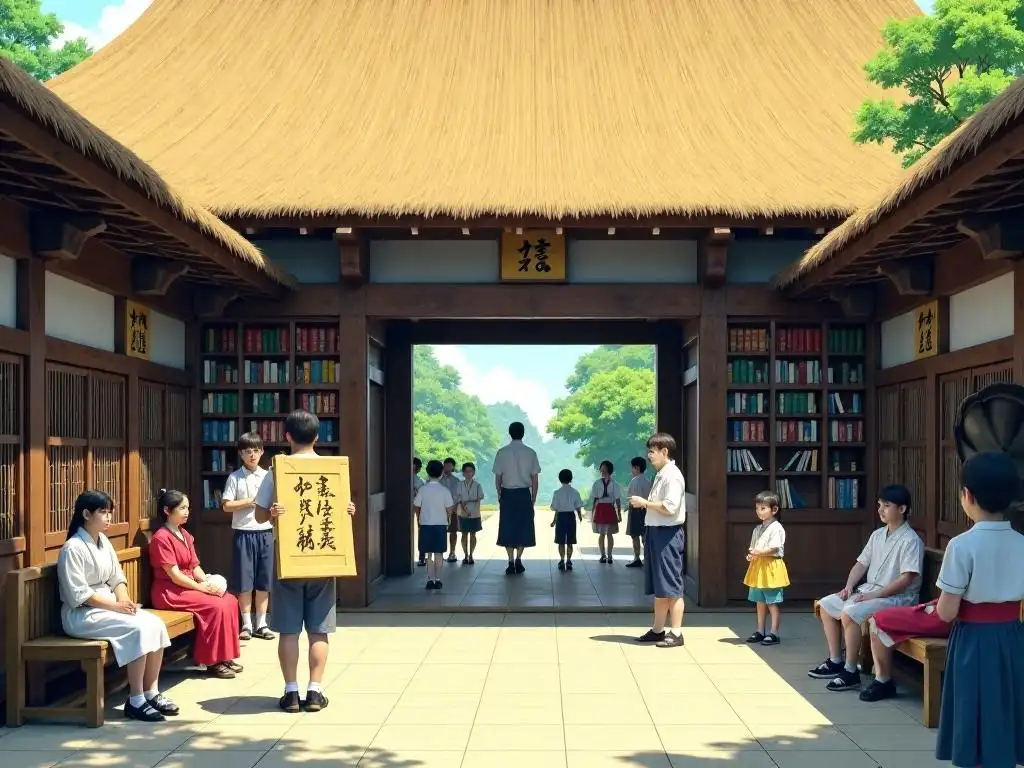
Education in feudal Japan played a pivotal role in shaping the social mobility of non-samurai classes, including farmers, artisans, and merchants. While the samurai class held a monopoly on formal education, various informal educational practices emerged that allowed non-samurai to gain knowledge and skills, thereby enhancing their social standing.
The rise of temple schools and private tutors facilitated access to education for those outside the samurai class. These institutions often taught practical skills such as reading, writing, and mathematics, which were essential for trade and agriculture. By acquiring these competencies, non-samurai individuals could improve their economic prospects, negotiate better terms in commerce, and gain respect within their communities.
Moreover, education contributed significantly to the emergence of a literate population. As literacy rates increased among non-samurai, individuals began to participate more actively in local governance and cultural affairs. This shift gradually eroded the rigid class distinctions of feudal society, allowing for a degree of upward mobility that had not been previously possible.
Case Studies of Successful Non-Samurai Individuals
Several notable figures exemplify the potential for social mobility through education among non-samurai classes. One such individual is Mitsukuri Kaoru, a commoner who rose to prominence during the late Edo period. Through self-study and mentorship from local scholars, he mastered the arts of calligraphy and literature, eventually becoming a respected educator and writer. His success inspired others in his community to pursue education, thereby fostering a culture of learning among non-samurai.
Another example is Katsu Kaishu, who, despite being born into a lower-ranking samurai family, leveraged his education to become a significant political figure during the Meiji Restoration. His ability to articulate ideas and negotiate effectively stemmed from his extensive education, which included both formal and informal learning environments. Katsu's career illustrates how education transcended traditional boundaries, enabling individuals to navigate the complexities of political change.
These case studies highlight the transformative power of education, demonstrating that, while the samurai class predominantly controlled formal education, non-samurai individuals could still carve out paths to success through dedication and skill development.
Education as a Tool for Social Change
Education served as a catalyst for social change in feudal Japan, challenging the established hierarchies and promoting a more inclusive society. As non-samurai began to access educational opportunities, they not only improved their individual circumstances but also contributed to a collective shift in societal values.
The dissemination of knowledge through informal educational channels encouraged critical thinking and fostered a sense of civic responsibility among the non-samurai. This newfound awareness often led to collective actions such as community meetings and local governance participation, where citizens voiced their opinions on matters affecting their lives.
Furthermore, the Confucian ideals that permeated educational practices emphasized moral integrity, respect for hard work, and the importance of social hierarchy based on merit rather than birth. As these principles took root, they reinforced the idea that knowledge and education could empower individuals, irrespective of their class origins.
Conclusion: The Legacy of Non-Samurai Education in Japan
The legacy of education for non-samurai classes in feudal Japan is profound and multifaceted. It laid the groundwork for a more equitable society by providing individuals with the tools necessary for self-improvement and active participation in civic life. The ripple effects of this educational empowerment can still be observed in contemporary Japanese society.
Lasting Effects on Modern Japanese Education
The educational advancements made by non-samurai classes during the feudal era have significantly influenced modern Japanese education. The emphasis on literacy, practical skills, and social responsibility established a foundation that remains integral to Japan’s educational philosophy today.
Modern education in Japan continues to prioritize inclusivity and meritocracy, reflecting the historical struggles for educational access during the feudal period. Initiatives aimed at improving education for all, regardless of socio-economic background, echo the efforts made by non-samurai individuals to secure a brighter future for themselves and their communities.
Reflection on Social Equity and Education
The history of education for non-samurai in feudal Japan serves as a powerful reminder of the importance of social equity in education. It underscores the idea that education should not be a privilege of the elite but a right accessible to all members of society.
As we reflect on this legacy, it becomes clear that the pursuit of knowledge and the empowerment it brings have the potential to bridge social divides. The experiences of non-samurai individuals in feudal Japan highlight the enduring relevance of education as a tool for social change, advocating for a society where opportunities for learning are available to everyone, regardless of their background.
Further Reading and Resources on Non-Samurai Education
To deepen your understanding of education for non-samurai classes during the feudal era in Japan, several resources offer comprehensive insights into the social dynamics, educational practices, and cultural significance of this period. Below is a curated list of books, articles, and online resources that can serve as valuable references.
Books
-
"The Origins of Japanese Education: The Influence of Confucianism in Early Modern Japan" by David H. Slater
This book explores the foundational philosophies that shaped educational practices in Japan, particularly the impact of Confucian ideals on non-samurai education.
-
"Education in Tokugawa Japan" by Conrad Totman
A detailed examination of educational systems in Tokugawa Japan, focusing on the role of terakoya (temple schools) and how they catered to the needs of the common people.
-
"The Japanese Way of Life: A Cultural History" by Hideo Kato
This cultural history provides context on how education influenced the daily lives of non-samurai classes, weaving in various aspects of societal norms and values.
Articles
-
"The Role of Terakoya in the Education of Commoners"
An insightful article that discusses the significance of terakoya, detailing their curriculum and the impact on literacy rates among the non-samurai population.
-
"Rethinking Education in Feudal Japan: Social Mobility and Learning"
This scholarly article challenges traditional narratives about education in Japan, highlighting paths for social mobility that were available through non-samurai educational institutions.
Online Resources
-
National Diet Library of Japan
The library's digital collections provide access to historical documents, educational materials, and records from the feudal era, offering a wealth of primary source information.
-
Japan Society
This organization often publishes articles and hosts webinars discussing various aspects of Japanese culture and history, including education during the feudal period.
-
The Japan Times Archives
An extensive compilation of articles that discuss various educational practices throughout Japanese history, including the non-samurai classes' contributions to literacy and learning.
Documentaries
-
"Samurai and Commoners: The Hidden Histories of Feudal Japan"
A documentary that explores the contrasting lives of samurai and non-samurai, including insights into the educational opportunities available to the latter.
These resources not only enhance your knowledge of education for non-samurai in Japan but also provide a broader context for understanding the societal structures of the time. Engaging with these texts will offer a more nuanced perspective on how education shaped the lives of commoners and contributed to the rich tapestry of Japan's feudal history.
- Introduction to Education in Feudal Japan
- Historical Context of Education for Non-Samurai
- The Role of Temples and Shrines in Education
- Types of Education for Non-Samurai Classes
- Key Figures in Non-Samurai Education
- Challenges in Accessing Education for Non-Samurai
- The Impact of Education on Non-Samurai Social Mobility
- Conclusion: The Legacy of Non-Samurai Education in Japan
- Further Reading and Resources on Non-Samurai Education
- What was the main focus of education for non-samurai classes in feudal Japan?
- Were there any formal schools for non-samurai in feudal Japan?
- How did education differ between samurai and non-samurai classes?
- What role did family play in the education of non-samurai children?
- Did non-samurai classes have access to any cultural education?
Frequently Asked Questions
What was the main focus of education for non-samurai classes in feudal Japan?
The education for non-samurai classes primarily aimed at practical skills, such as agriculture, craftsmanship, and trade, which were essential for their livelihoods.
Were there any formal schools for non-samurai in feudal Japan?
Yes, while formal education was limited, some temples and local communities established small schools to teach basic literacy and numeracy to non-samurai children.
How did education differ between samurai and non-samurai classes?
Samurai education emphasized martial skills, strategy, and literature, while non-samurai education focused on vocational training and practical knowledge necessary for daily life.
What role did family play in the education of non-samurai children?
Family was crucial in the education of non-samurai children, as parents often taught their children trades, skills, and the values necessary for their professions.
Did non-samurai classes have access to any cultural education?
Yes, non-samurai classes could access certain forms of cultural education, such as traditional arts, music, and local customs, which were often passed down through community gatherings and festivals.
Final Reflection: The Enduring Legacy of Education Beyond the Samurai
Education for Non-Samurai Japan remains a pivotal theme that resonates profoundly in today's society, where access to education continues to be a critical issue. The historical context of feudal Japan illustrates how education was not solely the privilege of the elite but a potential pathway for social mobility and empowerment for the lower classes. This realization underscores the timeless value of inclusive education in shaping equitable societies.
The influence of education for non-samurai classes in feudal Japan has left an indelible mark on our cultural and social landscape. By recognizing the importance of education for all, we can appreciate how it fosters resilience and innovation across diverse communities. As we reflect on this historical narrative, we are reminded of the words of Nelson Mandela: Education is the most powerful weapon which you can use to change the world.
This sentiment echoes through the ages, highlighting the transformative power of education that transcends social hierarchies.
As we look to the future, let us embrace the lessons learned from the past and advocate for equitable education systems that empower every individual, regardless of their background. I invite you to reflect on your own educational journey and consider how you can contribute to bridging gaps in access and opportunity. Together, we can honor the legacy of those who fought for education in feudal Japan by ensuring that the right to learn remains a universal promise for generations to come.
Unveil New Perspectives on Education in Feudal Japan!
Thank you for journeying with us through the fascinating world of education during feudal Japan! We've explored how knowledge transcended social classes, providing insights that can inspire us today. Now, it's time to take action and deepen your understanding even further.
Here’s how you can continue this enlightening journey:
- Dive deeper into non-Samurai education: Explore the lives and teachings of notable figures from the lower social classes. We have curated a list of recommended resources for in-depth readings!
- Join the conversation: Share your thoughts or questions in the comments below. How do you think the lessons from feudal Japan’s educational system apply to today’s society?
- Spread awareness: Share this article with friends or on social media to foster discussions about the importance of education across all social spheres.
Which aspects of non-Samurai educational practices do you find most intriguing, and how might they influence modern learning approaches?