
The Exchange of Architectural Styles: Western Influence on Japanese Temples

Welcome to Feudal Japan History, where we invite you to embark on a fascinating journey through Japan's rich and intricate feudal era. Dive deep into the enthralling exchange of architectural styles, as we explore the Western influence on Japanese architecture and how these cultural intersections shaped iconic temples and structures. What secrets lie within the walls of these architectural marvels? Join us as we uncover the layers of history, culture, and society, revealing the profound impact of foreign relations on Japan's architectural heritage. Your adventure into the past begins here—don't miss out!
- Introduction to Western Influence on Japanese Architecture
- Historical Context of Western Influence on Japanese Temples
- Characteristics of Western Influence on Japanese Architecture
- Case Studies of Notable Japanese Temples with Western Influence
- The Impact of Western Influence on Japanese Architectural Identity
- Comparison of Traditional Japanese Architecture and Western Styles
- Conclusion: The Lasting Legacy of Western Influence on Japanese Architecture
-
Frequently Asked Questions
- What was the primary influence of Western architecture on Japanese temples?
- How did the Meiji Restoration impact Japanese architectural styles?
- Are there specific examples of Western influence in Japanese temple architecture?
- How did cultural exchanges between Japan and the West affect temple design?
- What is the significance of studying Western influence on Japanese architecture?
- Final Reflection: Embracing the Fusion of Cultures in Architecture
- Embrace the Fusion of Cultures Today!
Introduction to Western Influence on Japanese Architecture
The architectural landscape of Japan is a fascinating tapestry woven from various cultural threads, each contributing to its unique aesthetic and functionality. Among these threads, the Western influence on Japanese architecture stands out as a significant factor during the modernization period, particularly from the late 19th century onwards. This article delves into the intricate exchange that transpired between Western and Japanese architectural styles, examining how this fusion has shaped the design of Japanese temples and other structures.
Understanding this influence not only highlights the evolution of architectural practices in Japan but also reflects broader themes of cultural exchange, adaptation, and innovation that have characterized Japan's history. As we explore this compelling narrative, we will uncover the nuanced ways in which Western architectural principles have been integrated and reinterpreted within the context of Japanese aesthetics and traditions.
Overview of Architectural Styles in Japan
Japan’s architectural styles have evolved through centuries, influenced by various cultural interactions and historical events. Traditional Japanese architecture, characterized by wooden structures, tatami mat flooring, and sliding doors (fusuma), emphasizes a harmonious relationship with nature. Key styles include:
- Shinto Shrines: Simple and natural, often featuring thatched roofs and raised wooden platforms.
- Buddhist Temples: Heavily adorned with intricate carvings and elaborate roofs, reflecting the influence of Chinese architecture.
- Castle Architecture: Combining defensive functionality with aesthetic appeal, featuring stone walls and multiple tiers.
With the arrival of Western design principles in the Meiji Restoration era, a new wave of architectural styles emerged, including:
- Gothic Revival: Introduced through churches and public buildings, showcasing pointed arches and vaulted ceilings.
- Neoclassical Styles: Characterized by grand columns and symmetrical forms, influencing government and educational buildings.
- Modernist Architecture: Incorporating minimalism and functionality, leading to the rise of sleek, contemporary designs.
Importance of Cultural Exchanges in Architecture
Cultural exchanges play a pivotal role in shaping architectural practices, serving as a conduit for innovation and transformation. The exchange of architectural styles between the West and Japan is a prime example of how such interactions can lead to hybrid forms that reflect a blend of influences. The significance of these exchanges can be summarized as follows:
- Innovation and Adaptation: The integration of Western design elements prompted Japanese architects to experiment with new materials and techniques, leading to innovative designs that maintained cultural significance.
- Cultural Identity: While adopting Western styles, Japanese architects imbued their works with local traditions and aesthetics, creating a distinctive architectural identity that resonates with both historical roots and modern influences.
- Global Perspective: The interaction between Western and Japanese architecture highlights the importance of a global perspective in the field, fostering dialogue and understanding across cultures.
- Architectural Preservation: This exchange has also encouraged a renewed appreciation for traditional Japanese architecture, as modern architects seek to preserve and reinterpret these styles within contemporary frameworks.
Understanding the Western influence on Japanese architecture not only provides insights into the physical structures themselves but also reveals the broader cultural narratives that define Japan's architectural evolution.
Historical Context of Western Influence on Japanese Temples
The Arrival of Western Ideas During the Meiji Era
The Meiji Era (1868-1912) marked a significant turning point in Japan's history, characterized by the country's rapid modernization and Westernization. This period saw Japan opening its doors to the West after centuries of isolation, which had profound effects on various aspects of Japanese society, including architecture.
- Cultural Shift: The adoption of Western architectural styles began as a reflection of Japan's desire to modernize and compete on the global stage. This cultural shift was facilitated by the government's promotion of Western education and practices.
- Influence of Foreign Architects: Foreign architects played a crucial role in introducing Western design principles. Notable figures such as William Merrell Vories and Josiah Conder were invited to Japan to help design public buildings and institutions, leading to the incorporation of Western elements into traditional Japanese designs.
- Blend of Styles: The result was a unique architectural synthesis where traditional Japanese aesthetics were fused with Western techniques. For instance, the use of brick and stone, which were previously uncommon in Japan, became more prevalent in temple construction.
This era not only transformed the physical landscape of Japan but also reshaped the cultural identity of its people as they began to embrace elements from different civilizations.
Key Events Leading to Architectural Transformation
Several key events throughout the Meiji Era contributed to the architectural transformation resulting from Western influence on Japanese temples. These events illustrate the dynamic interplay between tradition and modernity in Japan's architectural narrative.
- The Iwakura Mission (1871-1873):
- This diplomatic journey involved high-ranking Japanese officials visiting the United States and Europe to study Western systems. Upon their return, they were instrumental in advocating for the adoption of Western building techniques and styles, which sparked interest in modern architectural practices.
- Establishment of the Tokyo National University of Fine Arts and Music (1887):
- This institution became a hub for architectural education, emphasizing Western styles. It trained a new generation of architects who would later integrate these styles into religious structures, including temples.
- The Reconstruction of the Imperial Palace:
- Following a fire in 1873, the decision to reconstruct the Imperial Palace employed Western architectural elements, setting a precedent for other public and religious buildings. This event illustrated a clear endorsement of Western design ideals by the Japanese government.
- The Great Kanto Earthquake (1923):
- Though occurring slightly after the Meiji Era, this disaster prompted further architectural evolution as many traditional wooden structures were destroyed. In the rebuilding efforts, Western influence became even more pronounced, leading to reinforced and fire-resistant designs.
- International Exhibitions:
- Participation in international exhibitions allowed Japan to showcase its architectural advancements and absorb ideas from other nations. These events were pivotal in changing perceptions about Japanese architecture and encouraging innovation.
Through these key events, the Western influence on Japanese architecture became more pronounced, creating a foundation for a new architectural language that continued to evolve throughout the 20th century and beyond. The blend of traditional Japanese elements with Western techniques resulted in a distinctive architectural style that reflected Japan's journey towards modernization while still honoring its rich heritage.
Characteristics of Western Influence on Japanese Architecture
The influence of Western architecture on Japanese temple design is characterized by a unique blend of styles, materials, and structural elements that emerged during the late 19th and early 20th centuries. This period marked a significant shift in architectural practices due to Japan's increased exposure to Western cultures, particularly after the Meiji Restoration in 1868. Key characteristics include the incorporation of new building materials, innovative construction techniques, and aesthetic principles derived from European architectural traditions.
One notable feature of this Western influence is the use of brick and stone as primary materials, contrasting with the traditional wooden structures predominant in earlier Japanese architecture. This shift not only enhanced durability but also enabled the construction of larger and more complex structures. Moreover, the introduction of glass windows allowed for greater natural light in temple interiors, creating a more open and inviting atmosphere.
Another significant aspect is the adaptation of neoclassical elements, such as columns and porticos, which were integrated into the design of certain temples. These features often served to evoke a sense of grandeur and authority, reflecting the newly adopted values of modernization and Western-style governance.
Architectural Elements Adopted from the West
The Western influence on Japanese architecture is evident in several specific elements that were adopted and adapted for use in Japanese temples. These include:
- Gabled Roofs: Western architectural styles introduced more pronounced gabled roofs, which contrasted with the traditionally curved eaves of Japanese roofs. This change not only impacted aesthetics but also functionality, improving rainwater drainage.
- Symmetrical Layouts: Western designs emphasized symmetry, leading to a shift in the layout of temples. While traditional Japanese architecture often embraced asymmetry, the influence of Western principles encouraged a more balanced and organized spatial arrangement.
- Use of Ornamentation: The incorporation of decorative elements such as reliefs, friezes, and statues became more prevalent as Western artistic styles were embraced. This led to a rich blend of traditional Japanese motifs with Western artistic expressions.
- Interior Spaces: The concept of open interior spaces, characterized by high ceilings and expansive areas for congregational activities, was influenced by Western church architecture. This facilitated communal gatherings and rituals in a manner that was less common in traditional temple designs.
Integration of Western Design Principles in Japanese Temples
The integration of Western design principles into Japanese temples was not merely an imitative process but rather a thoughtful adaptation that respected the cultural context of Japan. This integration can be explored through several critical aspects:
- Functional Adaptations: Many Japanese temples began to incorporate functional elements inspired by Western designs, such as improved ventilation systems and the use of open spaces for ceremonies. This was especially important for accommodating larger congregations.
- Blending Aesthetics: Architects and builders sought to blend Western aesthetics with indigenous styles, resulting in hybrid structures that maintained cultural significance. For example, the use of Western-style stained glass in temple windows allowed for a unique interplay of light and color, enriching the temple experience.
- Cultural Symbolism: The adoption of Western architectural features was often imbued with new symbolism. Structures like the Yasukuni Shrine, which combined traditional and Western elements, served to represent Japan's modernization while honoring its historical roots.
- Public Engagement: The new architectural styles encouraged greater public engagement with the temples. By creating more accessible spaces and visually striking designs, temples became focal points for community gatherings and cultural events, reflecting the evolving role of these institutions in Japanese society.
Through these adaptations, the Western influence on Japanese architecture is a testament to the dynamic nature of cultural exchanges, showcasing how architectural styles can evolve while preserving essential cultural identities.
Case Studies of Notable Japanese Temples with Western Influence
Nikkō Tōshō-gū: A Blend of Western and Japanese Styles
Nikkō Tōshō-gū, a UNESCO World Heritage Site, is a prime example of the architectural melding between Western and Japanese styles. Constructed in the early 17th century, this temple complex honors Tokugawa Ieyasu, the founder of the Tokugawa shogunate. The architectural design showcases intricate woodwork and vibrant colors, typical of Japanese aesthetics, while also incorporating elements influenced by Western architecture.
One notable feature is the Yomeimon Gate, renowned for its elaborate carvings and opulent decoration. Its design reflects the Baroque style that was gaining prominence in Europe during the same period. The use of symmetry and ornate detailing demonstrates a departure from traditional Japanese simplicity, creating a visual dialogue between East and West.
Additionally, the temple's use of perspective and depth in its layout is reminiscent of Western design principles. The spatial organization invites visitors to engage with the surroundings in a way that mirrors Western architectural practices, where emphasis on grand entrances and layered spaces enhances the visitor's experience.
Kinkaku-ji: Architectural Innovations Inspired by the West
Kinkaku-ji, also known as the Golden Pavilion, stands as a testament to the innovative fusion of architectural styles during the Muromachi period. Originally built in 1397, the temple underwent significant renovations that incorporated Western influences, particularly during the late 19th century when Japan opened its borders to the West.
The most striking feature of Kinkaku-ji is its gold leaf-covered exterior, which symbolizes wealth and power. However, the architectural structure itself exhibits a three-story layout that borrows from Western concepts of verticality and ornate design. Each level reflects different styles, with the first floor embodying the Shinden-zukuri style, while the second floor showcases Buddhist hall architecture, and the third floor reflects Zen architectural principles, which were influenced by Western aesthetics.
The incorporation of Western-style gardens around Kinkaku-ji also illustrates the blend of cultural influences. These gardens were designed to reflect the surrounding natural beauty while providing an experience that resonates with Western landscaping traditions, thus enhancing the temple's aesthetic appeal.
Tōdai-ji: Preservation of Tradition Amidst Western Influence
Tōdai-ji, famous for housing the Great Buddha (Daibutsu), is another remarkable example of how Western influence has interacted with traditional Japanese architecture. Established in the 8th century, this temple complex has undergone various modifications throughout its history, particularly during the Meiji Restoration when Japan began to embrace Western innovations.
Despite these changes, Tōdai-ji has maintained its fundamental Nara period architectural style, characterized by bold wooden structures and expansive spaces. However, the introduction of Western construction techniques, such as the use of iron beams and modern building materials, has allowed for better preservation of the temple against natural disasters and the passage of time.
Moreover, the temple's Daibutsuden (Great Buddha Hall) was rebuilt in 1709, and although it adheres to traditional Japanese architectural principles, the scale and proportions were influenced by Western ideas of monumental buildings. This adaptation demonstrates Tōdai-ji's ability to integrate new techniques while honoring its historical roots, showcasing a balance between innovation and tradition.
Through these case studies, we can observe how the Western influence on Japanese architecture has led to a rich tapestry of styles and practices. Each temple reflects a unique narrative of cultural exchange, showcasing the evolving nature of architectural trends in Japan while preserving the essence of its historical and cultural identity.
The Impact of Western Influence on Japanese Architectural Identity

Changes in Aesthetic Values and Design Philosophy
The introduction of Western influence on Japanese architecture during the late 19th and early 20th centuries marked a significant transformation in aesthetic values and design philosophy. Prior to this period, Japanese architecture was characterized by its wooden structures, intricate craftsmanship, and a harmonious relationship with nature. However, as Japan opened up to the West during the Meiji Restoration, architects began to integrate Western design elements, leading to a unique fusion of styles.
One of the most notable changes was the shift towards the use of brick and stone in construction. Traditional Japanese architecture primarily utilized wood for its flexibility and availability; however, Western influence introduced durable materials that allowed for taller and more robust structures. For instance, the Tokyo Station, completed in 1914, exemplifies this blend, showcasing a Renaissance-inspired facade paired with traditional Japanese stylistic elements.
Moreover, the aesthetic values began to shift from the previously emphasized simplicity and minimalism to a more ornate and eclectic approach. The incorporation of columns, arches, and elaborate facades became prevalent, reflecting a Western penchant for grandeur. This change is particularly evident in structures like the National Diet Building, which integrates European neoclassical elements while maintaining aspects of Japanese design.
In addition to material changes, the design philosophy evolved to embrace functionalism and utilitarianism, which were hallmarks of Western architecture. This shift encouraged architects to prioritize practicality and efficiency, leading to the development of modern public buildings that served specific societal needs, such as schools and government offices.
The Role of Western Influence in Modern Japanese Architecture
Western influence continues to play a pivotal role in shaping modern Japanese architecture, as contemporary architects draw inspiration from both traditional and Western styles to create innovative designs. This interplay can be observed in numerous projects across the country, highlighting a dynamic architectural landscape.
One prominent example is the work of Tadao Ando, who blends minimalist aesthetics with Western architectural principles. His use of concrete and glass in structures like the Water Temple reflects a synthesis of modern techniques while retaining a deep respect for natural elements that characterize traditional Japanese architecture. This approach underscores the ability of contemporary architects to honor Japan's architectural heritage while embracing global influences.
The incorporation of sustainable practices also illustrates the ongoing dialogue between Western influence and Japanese architecture. Many modern architects are adopting eco-friendly design elements, such as green roofs and energy-efficient materials, inspired by Western sustainability movements. This trend is evident in projects like the Kengo Kuma's Nagasaki Prefectural Art Museum, which integrates natural landscapes with innovative architectural solutions to create a seamless connection between the built environment and nature.
Furthermore, the rise of international architectural competitions has fostered cross-cultural exchanges, allowing Japanese architects to showcase their work globally while simultaneously incorporating Western styles and techniques. Events like the Venice Biennale and the Tokyo Design Week serve as platforms for this exchange, promoting a deeper understanding of how Western influences can coexist with traditional Japanese practices.
The impact of Western influence on Japanese architecture has not only transformed aesthetic values and design philosophy but has also paved the way for a modern architectural identity that celebrates both heritage and innovation. The ongoing dialogue between these influences continues to shape the future of architecture in Japan, illustrating a rich tapestry of cultural exchange that enhances the nation's architectural narrative.
Comparison of Traditional Japanese Architecture and Western Styles
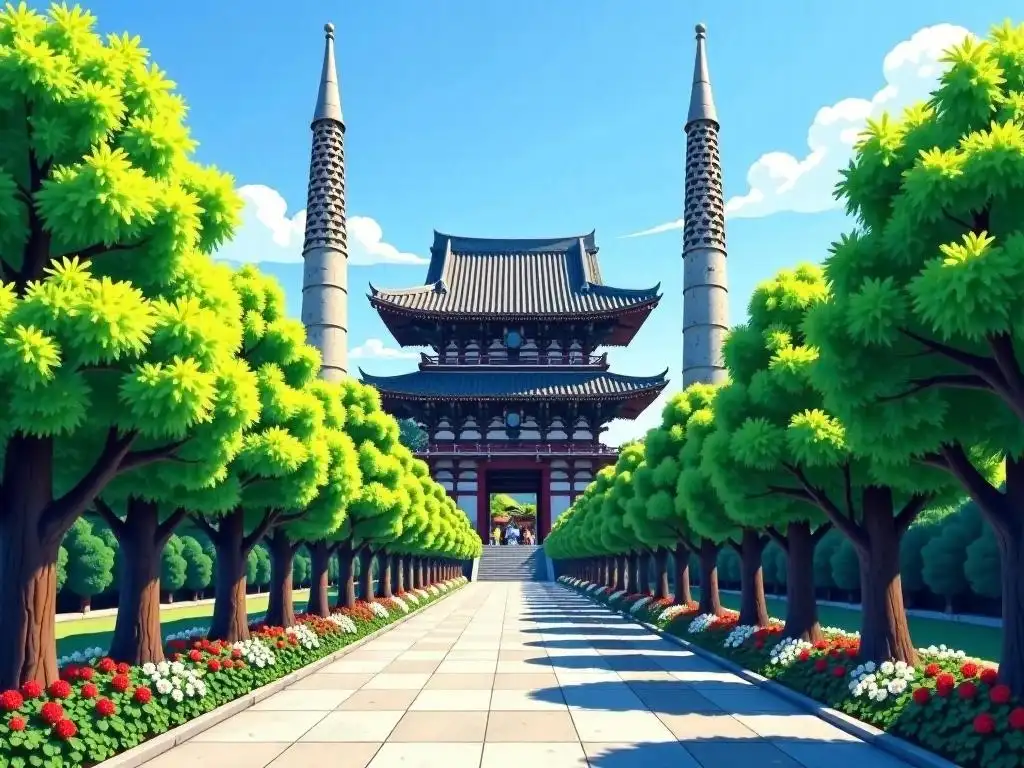
The architectural landscape of Japan during the feudal era was deeply influenced by its unique cultural and environmental context. However, the introduction of Western architectural styles brought significant changes that transformed traditional designs. This section explores the key differences and similarities between traditional Japanese architecture and Western styles, focusing on structural design, cultural significance, and functionality.
Key Differences in Structural Design
Japanese architecture is characterized by its distinct features that reflect the country’s natural environment and cultural philosophies. Some key differences when compared to Western styles include:
- Material Usage:
- Wooden Structures: Traditional Japanese buildings predominantly utilize wood, which allows for flexibility and harmony with nature. This contrasts with Western architecture, which often employs stone, brick, and concrete.
- Tatami Mats: Traditional interiors often incorporate tatami mats, influencing room dimensions and layouts, unlike the tiled or carpeted flooring common in Western designs.
- Roof Design:
- Curved Rooflines: Japanese roofs are typically steeply pitched and curved, designed to shed snow and rain efficiently. Western architecture often features flatter roofs or gabled designs.
- Eaves and Overhangs: Extensive eaves in Japanese buildings provide shade and protect wooden walls from moisture, while Western styles may have less emphasis on these features.
- Spatial Arrangement:
- Open Floor Plans: Japanese homes often emphasize open spaces that can be reconfigured with sliding doors (fusuma), allowing for flexible use. In contrast, Western designs tend to segregate spaces into distinct rooms.
- Connection to Nature: Traditional Japanese architecture incorporates elements such as gardens and water features, creating a seamless transition between indoor and outdoor spaces, which is less prevalent in Western designs, particularly during the feudal period.
These differences highlight how architectural styles not only reflect material choices but also embody cultural values and environmental adaptations.
Similarities in Cultural Significance and Functionality
Despite the differences in structural design, both traditional Japanese and Western architecture share similarities in their cultural significance and functionality:
- Religious and Spiritual Importance:
- Temples and Churches: Both architectural styles serve as spaces for worship, with Japanese temples and Western churches designed to inspire reverence and community gathering. For example, the use of intricate carvings and symbolic motifs is common in both traditions, reflecting each culture’s spiritual beliefs.
- Community Spaces:
- Public Gathering Areas: Structures such as shrines in Japan and town halls in the West function as community centers, fostering social interaction and cultural exchange. Both serve as venues for festivals, ceremonies, and communal events, reinforcing social bonds.
- Aesthetic Values:
- Emphasis on Beauty and Harmony: In both architectural styles, aesthetic values play a crucial role. Japanese architecture often seeks to blend with the natural environment, while Western architecture can range from the ornate details of Gothic cathedrals to the minimalist aspects of modernist designs.
These shared functions underscore the universal human desire to create spaces that reflect cultural identity and foster community cohesion, regardless of geographical boundaries.
While traditional Japanese architecture and Western styles exhibit significant differences in structural design, they converge in their cultural significance and functionality. This exchange of architectural styles illustrates a rich tapestry of cultural interactions that has shaped Japan's architectural heritage throughout history.
Conclusion: The Lasting Legacy of Western Influence on Japanese Architecture
The impact of Western influence on Japanese architecture is a fascinating narrative that showcases the dynamic interplay between cultures. This exchange has not only enriched the aesthetic and functional aspects of Japanese temples but has also left a lasting legacy in the broader context of architectural evolution. From the introduction of Gothic and Neoclassical elements to the integration of modern materials and construction techniques, Western influence has played a pivotal role in reshaping the architectural landscape of Japan.
Reflection on the Evolution of Architectural Styles
The evolution of architectural styles in Japan is marked by an intricate tapestry of influences that reflect the country's adaptability and creativity. Historically, Japanese architecture was characterized by wooden structures with intricate joinery and minimal ornamentation. However, the arrival of Western architectural styles during the Meiji Restoration (1868-1912) heralded a new era of experimentation and innovation.
- Gothic Revival: One significant influence was the Gothic Revival, which saw the introduction of pointed arches, ribbed vaults, and flying buttresses in various public buildings. Notable examples include the Tokyo Station, built in 1914, which showcases a blend of Renaissance and Gothic elements.
- Neoclassicism: Similarly, Neoclassical designs brought a sense of grandeur and monumentality to Japanese architecture. The National Diet Building, completed in 1936, exemplifies this influence with its massive dome and symmetrical façade.
- Modernism: The post-war era witnessed a further shift towards modernism, incorporating minimalist aesthetics and innovative materials. Architects like Kenzo Tange began to fuse traditional Japanese concepts with modern techniques, creating structures such as the Hiroshima Peace Memorial Museum that resonate with both cultural significance and contemporary design.
The interplay between these styles is not merely a matter of aesthetic preference; it reflects broader societal changes in Japan, including shifts in ideology, technology, and urbanization.
Future Implications for Cultural Exchange in Architecture
As we look to the future, the implications of Western influence on Japanese architecture continue to evolve. The ongoing dialogue between Western and Japanese architectural traditions presents opportunities for further innovation and cultural exchange.
- Sustainable Practices: With growing awareness of environmental issues, architects are increasingly drawn to sustainable practices that blend traditional Japanese methods with modern technologies. This synthesis could lead to the development of eco-friendly structures that honor both heritage and innovation.
- Globalization of Architecture: As globalization continues to shape architectural practices, the fusion of styles from various cultures may lead to new architectural languages. Japanese architects are likely to play a crucial role in this dialogue, promoting a unique blend of Eastern and Western elements that reflect a globalized identity.
- Cultural Preservation: While embracing new influences, it remains essential to preserve the unique characteristics of Japanese architecture. Future architectural endeavors will need to strike a balance between innovation and tradition, ensuring that the cultural heritage is not overshadowed by modern trends.
The lasting legacy of Western influence on Japanese architecture serves as a testament to the power of cultural exchange. It encourages a continuous exploration of architectural identity, fostering creativity that honors the past while looking toward the future. As Japan navigates its architectural journey, the interplay between tradition and modernity will undoubtedly yield exciting new possibilities that resonate within the global architectural community.
Frequently Asked Questions
What was the primary influence of Western architecture on Japanese temples?
The primary influence of Western architecture on Japanese temples included the incorporation of neoclassical elements and structural innovations, blending traditional styles with new design principles.
How did the Meiji Restoration impact Japanese architectural styles?
The Meiji Restoration marked a significant shift in Japan, leading to the adoption of Western architectural styles in temple design, which emphasized functionality and modern aesthetics, transforming the landscape of Japanese architecture.
Are there specific examples of Western influence in Japanese temple architecture?
Yes, notable examples include the Tokyo National Museum, which features Renaissance-style elements, and the Kinkaku-ji, which reflects a mix of traditional Japanese and Western design influences.
How did cultural exchanges between Japan and the West affect temple design?
Cultural exchanges led to a fusion of architectural techniques, resulting in temples that combined Japanese spiritual symbolism with Western structural elements, creating a unique architectural identity.
What is the significance of studying Western influence on Japanese architecture?
Studying this influence reveals how global interactions shape cultural expressions, highlighting the dynamic nature of architectural evolution and the ability of societies to adapt and innovate.
Final Reflection: Embracing the Fusion of Cultures in Architecture
The exchange of architectural styles between the West and Japan is not merely a historical curiosity; it is a testament to the enduring power of cultural dialogue. Today, as globalization continues to shape our world, the influence of Western architecture on Japanese temples serves as a vivid reminder of how interconnected our societies have become. This blending of styles not only enriches the aesthetic landscape but also fosters a deeper understanding of diverse cultural identities.
The impact of Western influence on Japanese architecture is profound and ongoing, shaping not just buildings but the very essence of cultural expression. This fusion has led to a unique architectural language that speaks to both tradition and modernity, inviting us to appreciate the beauty in diversity. As architect Tadao Ando once said, The essence of architecture is the spirit of the place.
This spirit is undoubtedly enhanced by the layers of influence that have shaped Japan's architectural identity, creating spaces that resonate with both local and global narratives.
As we reflect on the lessons of architectural exchange, let us embrace the idea that our environments are a canvas for cultural collaboration. I invite you to explore how the influences around you shape your own perspective and creativity. Consider how you can contribute to this ongoing dialogue in your own life, whether through design, art, or simply by appreciating the diverse influences that surround us. In doing so, we not only honor the past but also pave the way for a future where cultural exchange continues to inspire and innovate.
Embrace the Fusion of Cultures Today!
Thank you for diving into the fascinating exploration of Western influence on Japanese temples! By reading this article, you've uncovered the intricate ways architectural styles can weave cultures together. Now, it's time to take your interest a step further!
Here are some actionable suggestions to deepen your understanding and appreciation of this unique blend:
- Visit a local museum or cultural site that showcases the architectural styles of both Western and Japanese influences to experience these integrations firsthand.
- Share your newfound knowledge with friends or online communities by summarizing key points from this article and initiating a conversation about the fusion of architectural styles.
- Participate in an online forum dedicated to architectural history to connect with like-minded individuals and gain valuable insights from their experiences.
Which culture or architectural style do you believe will be the next to significantly influence another? We invite you to share your thoughts in the comments!