
The Influence of Confucianism on Samurai Daily Life and Values

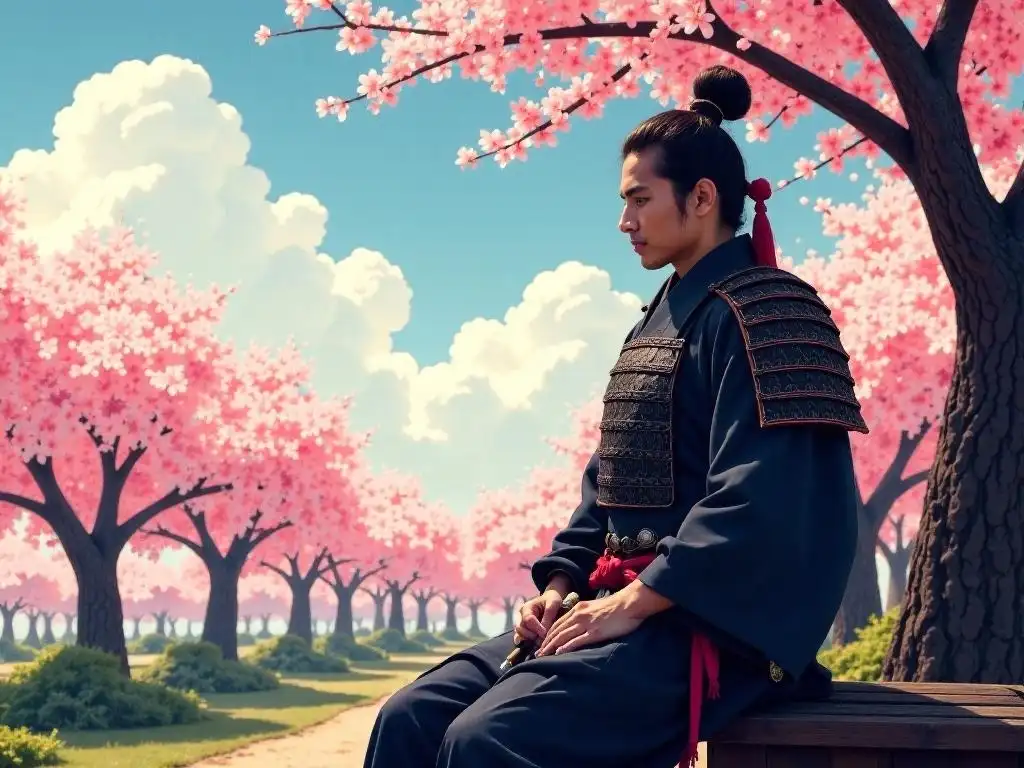
Welcome to Feudal Japan History, where we embark on an intriguing journey through the captivating tapestry of Japan’s feudal era. Here, we delve deep into the multifaceted influences that shaped this remarkable period, and today we shine a light on the profound impact of Confucianism on Samurai life. What values did this ancient philosophy instill in the warriors of the realm, and how did it shape their daily existence? As you explore our in-depth articles, prepare to uncover the intricate relationships between culture, society, and the revered Samurai class. Join us as we unravel these compelling narratives and more!
The interplay between Confucianism and the daily lives of the samurai in feudal Japan is a fascinating topic that reveals the profound impact of philosophical thought on societal values and individual behavior. Confucianism, rooted in the teachings of Confucius, emphasizes moral integrity, social harmony, and the importance of familial relationships.
As samurai navigated their roles as warriors, leaders, and members of their communities, the principles of Confucianism significantly shaped their values, ethics, and daily practices. This article delves into the intricate ways in which Confucian thought influenced the samurai way of life, providing a comprehensive understanding of their societal roles and the moral framework that guided their actions.
Understanding Confucianism and Its Core Principles
Definition of Confucianism
Confucianism is a philosophical and ethical system based on the teachings of Confucius, a Chinese philosopher who lived from 551 to 479 BCE. It focuses on personal and governmental morality, correctness of social relationships, justice, and sincerity. At its core, Confucianism seeks to cultivate virtuous individuals who can contribute to a harmonious society.
Key Principles of Confucianism
The foundational tenets of Confucianism can be distilled into several key principles:
- Ren (仁): Often translated as "benevolence" or "humaneness," ren is the central virtue that encourages compassion and kindness towards others.
- Li (礼): This principle refers to proper conduct, rituals, and etiquette, highlighting the importance of respect in social interactions.
- Xiao (孝): Filial piety emphasizes respect and duty towards one's parents and ancestors, forming the backbone of familial relationships.
- Zhong (忠): Loyalty, particularly towards one's ruler and community, is vital in maintaining social order and governance.
These principles collectively advocate for a society where individuals act with moral integrity and fulfill their roles based on established social hierarchies.
Historical Context of Confucianism in Japan
Confucianism was introduced to Japan primarily through China, where it had already gained considerable influence. By the time of the Heian period (794-1185), Confucian thought began to permeate Japanese society, playing a crucial role in shaping the values of the ruling elite and influencing the samurai class. The samurai, who were initially guided by a code of conduct known as bushido, found many of their values echoed in Confucian ideals, leading to a unique fusion of philosophies that emphasized loyalty, honor, and moral duty.
The Arrival of Confucianism in Japan
Introduction of Confucian Thought During the Heian Period
During the Heian period, the Japanese court began to adopt Confucian principles as part of its governance and philosophy. Scholars and officials recognized the value of Confucian teachings in promoting ethical leadership and social harmony. This era marked the beginning of Confucianism's integration into the fabric of Japanese culture, as its concepts began to influence various aspects of daily life, including education, politics, and social conduct.
The Role of Confucian Scholars in Japanese Society
Confucian scholars played an instrumental role in disseminating Confucian thought throughout Japan. They served as educators, advisors, and bureaucrats, establishing schools and institutions that taught Confucian values. Their influence extended to the samurai class, as many samurai sought education in Confucian texts to enhance their understanding of governance, ethics, and social responsibilities. This educational pursuit not only reinforced the samurai's commitment to their duties but also elevated their societal status, as they became more knowledgeable and morally grounded leaders within their communities.
Confucianism's Impact on Samurai Values
Confucianism played a pivotal role in shaping the values and ethical framework of the samurai class during Japan's feudal era. The teachings of Confucius emphasized virtues such as loyalty, righteousness, and proper conduct, which resonated deeply with the samurai's own code of ethics. The integration of Confucian principles into samurai life not only influenced their personal behavior but also defined their social roles within the hierarchical structure of feudal society.
The samurai adopted Confucian ideals to enhance their sense of duty towards their lords and society. This philosophical framework encouraged them to adhere to a strict moral code, prioritizing social harmony and ethical governance. As a result, the samurai were seen not merely as warriors but as custodians of moral integrity who upheld the values of loyalty, honor, and respect—hallmarks of both Confucianism and the samurai ethos.
The Samurai Code: Bushido and Confucian Ethics
Bushido, the code of conduct for samurai, is deeply intertwined with Confucian ethics. While Bushido outlines the behavioral expectations of a samurai, including courage and loyalty, Confucianism enriches this code with a moral dimension that emphasizes the importance of relationships and social responsibilities.
Key elements of Bushido, such as gi (righteousness), rei (respect), and shinjitsu (truthfulness), align closely with Confucian values. The concept of ren (benevolence), a central tenet of Confucianism, encourages samurai to act with compassion and humanity toward others, reinforcing the idea that a true warrior must also be a morally upright individual. This synthesis of ideals not only governed the samurai's personal conduct but also their interactions with peers and subordinates, creating a hierarchical yet benevolent societal structure.
Loyalty, Honor, and Filial Piety in Samurai Life
Loyalty and honor are foundational to both Confucianism and the samurai way of life. Confucian teachings place great emphasis on loyalty to one's family and superiors, which resonates with the samurai's unwavering commitment to their daimyo (feudal lord) and clan. This loyalty was not just a matter of duty; it was a deeply ingrained principle that defined a samurai’s identity.
In addition, the Confucian value of xiao (filial piety) influenced samurai family dynamics. Samurai were expected to honor their ancestors and maintain family honor, which involved adhering to traditions and fulfilling familial obligations. This focus on familial relationships fostered a sense of responsibility that extended beyond immediate kin, promoting a broader social cohesion within samurai society.
The Influence of Confucianism on Samurai Education and Training
Confucianism greatly impacted the education and training of samurai, blending martial skills with moral instruction. Samurai were not only trained in the arts of war but also in Confucian texts, philosophy, and ethics, ensuring that they were well-rounded individuals capable of both combat and governance.
This educational paradigm encouraged samurai to develop not only physical prowess but also intellectual capabilities. The study of Confucian classics instilled a sense of moral duty and civic responsibility, preparing samurai to serve as leaders and administrators. Consequently, the samurai became not just warriors but also scholars who were expected to embody the virtues of wisdom and integrity in both their professional and personal lives.
Daily Life of Samurai Under Confucian Influence
The daily life of samurai was significantly shaped by Confucian values, which permeated various aspects of their existence. Their routines, social interactions, and roles were all influenced by the ethical frameworks established by Confucian teachings, creating a structured and disciplined lifestyle.
Family Structure and Relationships Among Samurai
Within the samurai household, Confucian ideals dictated family structure and relationships. The patriarchal system predominated, with the eldest male serving as the head of the family, reflecting the Confucian emphasis on hierarchy and respect for authority. The samurai's duty to uphold family honor was paramount, leading to arranged marriages that aligned with social status and political alliances.
Filial piety shaped interactions within the family unit, with younger generations expected to respect and support their elders. This dynamic reinforced loyalty not only to the immediate family but also to the broader clan, fostering a sense of unity and collective identity among samurai families.
The Role of Rituals and Ceremonies in Samurai Culture
Rituals and ceremonies in samurai culture were deeply influenced by Confucianism, serving as expressions of loyalty, respect, and social harmony. Important life events, such as marriages, funerals, and coming-of-age ceremonies, were conducted with strict adherence to Confucian protocols, emphasizing the significance of these rites in reinforcing social bonds and hierarchical relationships.
Rituals also provided a framework for the samurai to demonstrate their adherence to the values of honor and respect. For instance, formal greetings, gift exchanges, and expressions of gratitude were all integral to maintaining social harmony and demonstrating one’s commitment to Confucian ethical standards.
Confucianism and the Samurai's Duty to Society
Confucianism instilled in samurai a profound sense of duty to society, which extended beyond personal loyalty to their lords. The teachings emphasized the importance of governance and social responsibility, urging samurai to act in the best interests of their communities and the state.
This societal obligation manifested in various ways, including participation in local governance and public service. Samurai were expected to uphold justice, protect the weak, and contribute to the welfare of society, embodying the Confucian ideal of the "gentleman" or junzi. This perspective not only elevated the samurai's role in society but also reinforced their identity as moral leaders who were responsible for maintaining order and harmony within the feudal structure.
Confucianism vs. Other Philosophies in Samurai Life

Confucianism significantly influenced the daily lives and values of the samurai, often contrasting and complementing other philosophies prevalent during Japan's feudal era. While Shinto and Buddhism also played vital roles in shaping the samurai ethos, Confucianism introduced an emphasis on moral integrity, social hierarchy, and familial loyalty, which became cornerstones of samurai conduct.
The samurai, who were not only warriors but also administrators and leaders, adopted Confucian ideals to navigate their complex societal roles. The focus on ethics and governance in Confucian thought helped samurai to justify their positions within the rigid social structure of feudal Japan, creating a framework where loyalty to one's lord and family were paramount. This philosophical backdrop provided a moral compass that guided samurai behavior in times of both peace and conflict.
Comparison with Shinto Beliefs
Shinto, the indigenous spirituality of Japan, emphasizes harmony with nature and the veneration of kami (spirits). Unlike Confucianism, which is more concerned with human relationships and societal order, Shinto practices revolve around rituals and shrines that foster a connection to the divine. Samurai often engaged in Shinto rituals, such as purification rites and offerings to kami, which underscored their connection to the land and its spiritual heritage.
However, while Shinto provided a spiritual dimension to samurai life, it was Confucianism that offered a structured ethical framework. The samurai's duty to their lords and adherence to the Bushido code were heavily influenced by Confucian principles of loyalty and righteousness. Thus, while samurai embraced both philosophies, Confucianism's focus on societal roles complemented Shinto's spiritual practices, enriching the cultural tapestry of samurai identity.
The Relationship Between Confucianism and Buddhism in Samurai Culture
Buddhism, particularly Zen Buddhism, also had a profound impact on samurai culture, introducing concepts such as mindfulness, meditation, and the acceptance of impermanence. While Confucianism emphasized social order and moral duties, Buddhism offered a pathway to inner peace and enlightenment. This duality allowed samurai to cultivate both their martial prowess and their spiritual well-being.
The samurai often blended these philosophies, drawing on Confucian ethics to inform their conduct in society while utilizing Buddhist practices to achieve mental discipline and clarity. For instance, the Zen practice of meditation was adopted by samurai to enhance their focus and calmness in battle, while Confucian teachings reinforced the importance of loyalty and honor in their relationships. This synthesis of philosophies created a unique cultural identity for the samurai, allowing them to navigate the complexities of their societal roles while maintaining a sense of spiritual balance.
The Long-term Effects of Confucianism on Samurai Society
Confucianism left a lasting impact on samurai society, influencing not only their values but also the broader structure of Japanese culture. The emphasis on hierarchy, respect for authority, and the importance of education cultivated a society where knowledge and moral integrity were highly valued. This foundation laid by Confucian thought helped shape the governance systems in Japan for centuries.
Evolution of Samurai Values Through the Edo Period
During the Edo period (1603-1868), the influence of Confucianism became even more pronounced as the samurai transitioned from a warrior class to a more bureaucratic role within a peaceful society. The teachings of Confucius were integrated into the education of samurai, promoting ideals such as benevolence, righteousness, and loyalty. This shift was reflected in the evolution of the Bushido code, which increasingly emphasized moral conduct and social responsibility over mere martial prowess.
As the samurai adapted to their new roles, Confucian ideals encouraged them to become scholars and administrators, further embedding these values into the social fabric of Japan. The result was a society where the samurai were not only warriors but also custodians of moral order and governance, a legacy that would influence Japanese culture long after the samurai class itself faded.
Lasting Legacies of Confucianism in Modern Japanese Culture
The legacies of Confucianism can still be observed in various aspects of modern Japanese culture. Values such as respect for elders, the importance of education, and a strong sense of family loyalty remain deeply ingrained in Japanese society. Confucian teachings on social harmony and ethical conduct continue to influence contemporary Japanese business practices and interpersonal relationships.
Furthermore, the integration of Confucian thought into the educational system has fostered a culture that values discipline and academic achievement. As Japan navigates the complexities of modern globalization, the principles derived from Confucianism serve as a reminder of the historical significance of moral integrity and social responsibility. Thus, the impact of Confucianism on samurai life has transcended time, leaving an indelible mark on the cultural identity of Japan today.
Conclusion
The impact of Confucianism on Samurai daily life and values is profound and multifaceted. It not only shaped the ethical frameworks within which Samurai operated but also influenced their social interactions, duties, and responsibilities. By integrating Confucian principles, Samurai cultivated a sense of duty, loyalty, and respect that extended beyond their immediate obligations to their lords, influencing their relationships with family, peers, and the broader community.
Understanding the influence of Confucianism helps us appreciate the complexities of Samurai life, illustrating how philosophical teachings can permeate cultural and social structures. The principles of benevolence, righteousness, and propriety reinforced the Samurai's role as both warriors and moral exemplars in society. In this way, Confucianism served as a guiding philosophy, ensuring that even amidst the chaos of feudal conflicts, there remained a semblance of order and ethical conduct among the Samurai.
Summary of Confucianism’s Impact on Samurai Life
Confucianism's impact on Samurai life can be encapsulated through several key aspects:
- Hierarchy and Loyalty: Confucian teachings emphasized the importance of hierarchical relationships, which resonated deeply within the Samurai code (Bushido). Samurai were expected to exhibit absolute loyalty to their lords, reflecting the Confucian ideal of loyalty within familial and social hierarchies.
- Moral Conduct: The Samurai adopted Confucian virtues such as righteousness (义, yì) and benevolence (仁, rén), instilling a moral compass that guided their actions both on and off the battlefield. This moral framework was essential in maintaining the respect and honor that defined their status.
- Education and Self-Cultivation: Confucianism placed a strong emphasis on education and self-cultivation. Samurai were not only warriors but also scholars who engaged in the study of literature, philosophy, and the arts. This intellectual pursuit was integral to their identity and further elevated their status within society.
- Social Responsibility: The Confucian ideal of serving the greater good influenced Samurai to act not only as warriors but also as protectors of their communities. Their sense of duty extended beyond personal ambition, aiming to uphold societal harmony.
These elements combined to create a unique Samurai identity that was deeply intertwined with Confucian values, influencing their daily life, ethics, and roles in feudal Japan.
Reflection on the Relevance of Confucian Values Today
The relevance of Confucian values in contemporary society is a topic of significant interest. While the context has shifted dramatically since the feudal era, many of the core principles still resonate today:
- Importance of Family: Confucianism emphasizes filial piety and respect for family, values that continue to be honored in many cultures. This focus on familial relationships can be seen as a cornerstone for stability in modern society.
- Ethical Leadership: The concept of benevolent governance highlighted by Confucianism is increasingly pertinent in today’s political landscape. Ethical leadership is crucial for fostering trust and cooperation among communities and nations.
- Education and Lifelong Learning: The Confucian dedication to education remains relevant, as modern societies continue to prioritize knowledge acquisition and personal development as a means of achieving individual and communal growth.
- Social Harmony: The emphasis on social responsibility and community welfare can inform contemporary discussions on civic duty and social justice, urging individuals to contribute positively to society.
While the Samurai may no longer walk the earth, the values influenced by Confucianism live on, offering timeless lessons that encourage ethical conduct, respect for others, and a commitment to the greater good in our daily lives.
- Understanding Confucianism and Its Core Principles
- The Arrival of Confucianism in Japan
- Confucianism's Impact on Samurai Values
- Daily Life of Samurai Under Confucian Influence
- Confucianism vs. Other Philosophies in Samurai Life
- The Long-term Effects of Confucianism on Samurai Society
- Conclusion
- What is the primary focus of the article "The Influence of Confucianism on Samurai Daily Life and Values"?
- How did Confucianism influence Samurai values?
- In what ways did Confucian teachings manifest in Samurai culture?
- Did Confucianism affect the Samurai's approach to governance?
- How does the article connect Confucianism to the broader context of Feudal Japan?
Frequently Asked Questions
What is the primary focus of the article "The Influence of Confucianism on Samurai Daily Life and Values"?
The article explores the impact of Confucianism on the daily life and values of the Samurai, highlighting how these teachings shaped their societal roles and personal conduct.
How did Confucianism influence Samurai values?
Confucianism instilled ethical principles and moral obligations in Samurai life, emphasizing loyalty, honor, and the importance of education in shaping a Samurai's character and responsibilities.
In what ways did Confucian teachings manifest in Samurai culture?
Confucian teachings influenced Samurai culture through practices emphasizing hierarchical relationships, filial piety, and the importance of community, thereby reinforcing their roles as both warriors and societal leaders.
Did Confucianism affect the Samurai's approach to governance?
Yes, Confucianism encouraged Samurai to adopt a benevolent governance style, promoting the idea that leaders should act with virtue and prioritize the welfare of their subjects, thus shaping their approach to rulership.
How does the article connect Confucianism to the broader context of Feudal Japan?
The article places Confucianism within the broader framework of Feudal Japan, illustrating its influence on Samurai life as part of a larger cultural and societal paradigm that defined the era's values and norms.
Final Reflection: The Enduring Legacy of Confucianism in Samurai Life
The influence of Confucianism on Samurai daily life and values remains profoundly relevant today, as it shapes not only historical understanding but also contemporary cultural identities. The principles of loyalty, honor, and discipline that were central to the Samurai ethos continue to resonate in modern society, reminding us of the importance of ethical conduct and personal integrity. As we navigate a world often marked by rapid change and moral ambiguity, the teachings of Confucianism offer a timeless framework for cultivating character and purpose.
Confucianism's impact on Samurai life is a testament to the power of philosophical thought in shaping social norms and personal values. The Samurai, as both warriors and scholars, embodied the fusion of martial prowess and moral rectitude, illustrating how deeply ingrained values can influence behavior and societal structures. As noted by philosopher and historian Yuval Noah Harari, “The most important thing in history is not the events themselves, but the stories we tell about them.” This highlights the ongoing relevance of Confucian ideals, as they continue to inform narratives around honor, duty, and respect in various cultures today.
As we reflect on the lessons derived from the intersection of Confucianism and Samurai life, I invite you to consider how these values can be integrated into your own life. What principles do you hold dear, and how can they guide your actions in a complex world? Embrace the opportunity to cultivate a life of integrity and purpose, drawing inspiration from the rich legacy of the Samurai and the enduring wisdom of Confucianism. Let us strive to embody these virtues in our daily interactions, fostering a society that values respect, loyalty, and ethical living.
Embrace the Timeless Wisdom of Confucianism!
Thank you for taking the time to delve into the profound influence of Confucianism on the daily lives and values of the Samurai. Understanding this historical interplay not only enriches our appreciation for Samurai culture but also illuminates **timeless principles** we can apply in our own lives. Are you ready to dive deeper?
Here are some actionable steps you can take to further explore this fascinating topic:
- Start a dialogue: Discuss the values of Confucianism and Samurai ethics with friends or in online communities to gain diverse perspectives.
- Read more: Explore literature on Samurai philosophy or Confucian teachings to deepen your understanding.
- Reflect personally: Consider how the principles of respect, loyalty, and integrity can be integrated into your daily life.
As you think about these steps, I invite you to ponder: How can the values of the Samurai, rooted in Confucianism, inspire your approach to life and relationships today?