
Fashion and Identity: The Role of Kimono in Leisure and Social Status

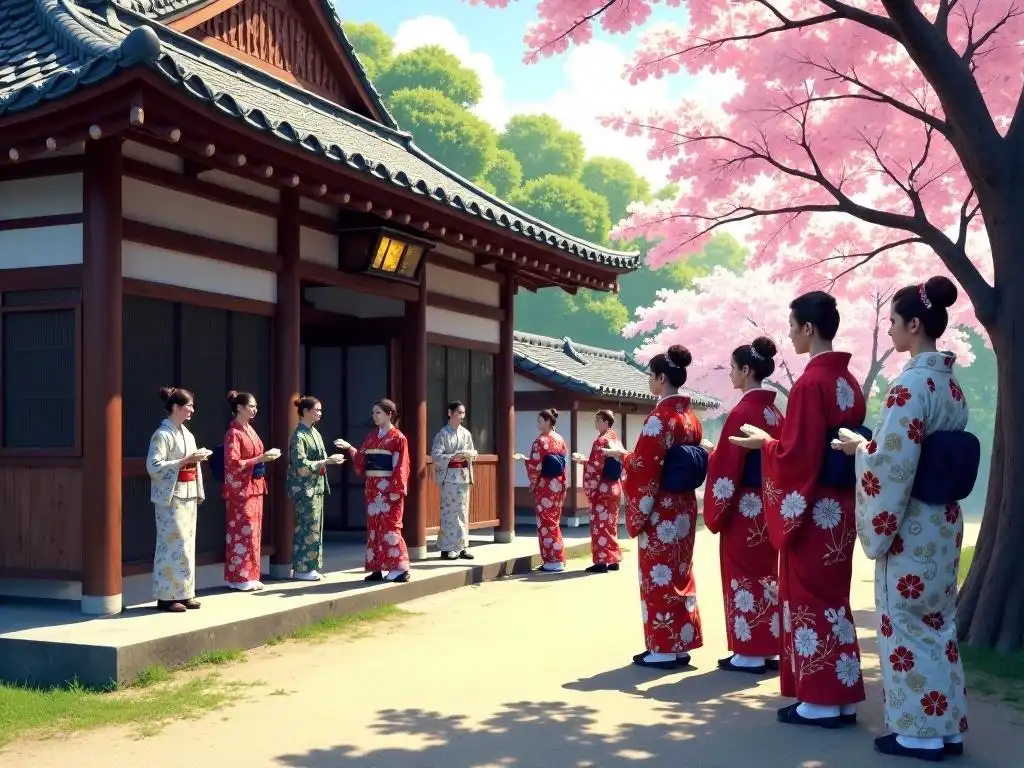
Welcome to Feudal Japan History, where we invite you to embark on a captivating journey through the intricate tapestry of Japan’s feudal era. Here, we delve into the rich historical, cultural, and societal aspects that shaped this fascinating period. In our featured article, “Fashion and Identity: The Role of Kimono in Leisure and Social Status,” we uncover how the elegant kimono served not only as a garment but also as a powerful symbol of social hierarchy and personal identity.
What secrets lie behind the fabric and patterns of this iconic attire? Join us as we unravel the threads of history and reveal the profound connections between kimono fashion and the societal norms of the time. Your exploration starts now!
The kimono, a traditional garment synonymous with Japanese culture, has played a pivotal role in shaping not only individual identity but also societal structures throughout Japan’s feudal era. This elegant attire is much more than mere clothing; it serves as a visual language that communicates the wearer's social status, gender, and even the occasion.
By examining the intricate relationship between kimono fashion and social status, we can gain deeper insights into the values, aesthetics, and societal norms of feudal Japan. As we delve into this exploration, we will uncover how the kimono has influenced leisure activities, social interactions, and the cultural identity of the Japanese people.
Overview of Kimono in Japanese Culture
The kimono has long been an emblematic part of Japanese culture, characterized by its distinctive design, vibrant colors, and intricate patterns. Originating in the Heian period (794-1185), the kimono's style and significance evolved over the centuries, adapting to the changing tides of Japanese society. Each element of the kimono, from its fabric to its accessories, is laden with meaning, often reflecting the wearer's season of life, regional identity, and social standing.
- Structure of the Kimono: The garment is typically made from a single piece of fabric, expertly tailored to create an elegant silhouette.
- Materials Used: Common materials include silk, cotton, and synthetic fibers, each chosen for its aesthetic appeal and appropriateness for the season.
- Symbolism: Patterns and colors often signify social status and personal milestones, such as marriage or coming-of-age ceremonies.
Importance of Kimono in Feudal Japan
In feudal Japan, the kimono was not just a fashion statement; it was a critical indicator of one's social rank and role in society. Samurai, merchants, and farmers all had distinct styles and colors associated with their class, making the kimono a tool of both expression and conformity. The importance of kimono fashion extended beyond mere appearance; it was intertwined with the values of honor, beauty, and tradition that defined Japanese society.
- Class Distinctions: Certain colors and styles were restricted to particular classes, reinforcing social hierarchies.
- Cultural Rituals: The kimono often played a central role in important ceremonies, such as weddings, tea ceremonies, and festivals, marking significant life transitions.
Historical Context of Kimono Fashion
To understand the evolution of kimono fashion and its implications on social status, it is essential to explore its historical context. The development of the kimono reflects broader social transformations, including shifts in power, economics, and cultural influence.
Evolution of Kimono Styles Through the Ages
The styles of kimono have undergone significant transformations, influenced by historical events, foreign interactions, and changes in social structures.
- Heian Period (794-1185): Characterized by elaborate layers and vibrant colors, the kimono was a symbol of aristocracy.
- Edo Period (1603-1868): The rise of the merchant class led to the democratization of kimono styles, with increased diversity in patterns and fabrics.
- Modern Era: Today, the kimono continues to evolve, blending traditional elements with contemporary fashion trends.
Kimono as a Reflection of Social Hierarchy
The kimono has always been a powerful reflection of social hierarchy in Japan. Its usage and design were strictly regulated, with specific rules governing who could wear what.
- Color Codes: Certain colors were reserved for the ruling class, while others were accessible to commoners, establishing a clear distinction.
- Occasions for Wear: The context in which a kimono was worn—be it a festival, a wedding, or a formal gathering—often indicated the wearer's social status and role within the community.
The exploration of kimono fashion provides a fascinating lens through which to view not only the aesthetic preferences of feudal Japan but also the deeper societal structures that governed daily life. As we continue our examination, we will further uncover how the kimono continues to shape the identity and cultural landscape of Japan today.
The Role of Kimono in Leisure Activities
The kimono, a traditional garment of Japan, plays a significant role in various leisure activities, deeply intertwined with the cultural fabric of Japanese society. Historically, the kimono was not merely a piece of clothing but a reflection of one's identity, social status, and the values of the time. During leisure activities, the choice of kimono often indicates personal taste as well as adherence to tradition, showcasing an individual's appreciation for aesthetic expression and cultural heritage.
In contemporary Japan, the kimono remains a popular choice for several leisure activities, such as attending festivals, participating in tea ceremonies, or enjoying seasonal hanami (flower viewing) picnics. Each of these activities carries its own set of expectations regarding kimono style, color, and formality. Through these choices, individuals communicate their cultural knowledge and social standing, reinforcing the kimono's dual role as both a fashion statement and a social symbol.
Kimono in Traditional Japanese Festivals
Traditional Japanese festivals, known as matsuri, are vibrant occasions where the kimono is prominently featured. During these events, participants often wear elaborate kimonos that reflect local customs and seasonal themes. For example, during the cherry blossom festivals in spring, pastel-colored kimonos adorned with floral patterns are commonly worn to celebrate the beauty of nature.
Festivals also provide an opportunity for individuals to showcase their craftsmanship through the selection of kimonos. Many people choose to wear hand-crafted garments that represent their family's history or regional heritage. This practice not only honors tradition but also enhances social interaction among attendees, as kimonos often serve as conversation starters regarding their designs, materials, and the stories behind them.
Leisure Activities and Kimono Fashion Choices
Leisure activities in Japan are often accompanied by specific styles of kimono, each serving a unique purpose and reflecting the occasion’s formality. For instance, during a casual outing to a tea house, one might opt for a yukata, a lightweight cotton kimono ideal for warm weather. In contrast, more formal occasions, such as a wedding or a traditional banquet, would call for a more ornate furisode, characterized by its long sleeves and elaborate designs.
The choice of kimono for leisure activities reflects an individual’s understanding of etiquette and fashion norms, showcasing a blend of personal preference and societal expectations. Furthermore, many individuals engage in kimono dressing workshops or classes to better understand how to appropriately select and wear kimonos for various leisure activities, highlighting the garment's continuing relevance in modern Japanese culture.
The Influence of Seasonal Changes on Kimono Wear
Seasonality plays a crucial role in the selection of kimono styles and fabrics. Each season in Japan brings a unique palette of colors and motifs that influence kimono fashion. For example, spring sees the emergence of delicate floral patterns, while autumn is characterized by warm hues and leaf motifs.
Moreover, specific fabrics are preferred during different seasons, with lighter materials like cotton or silk used in summer, while heavier fabrics such as wool or silk brocade are favored in winter. This seasonal approach not only reflects the beauty of Japan's changing landscape but also aligns with the cultural significance of nature in Japanese aesthetics. The ability to adapt one’s kimono selection to the seasons further emphasizes the wearer's sensitivity to their environment and social context.
The kimono has historically been a powerful symbol of social status in Japan, with various aspects of its design serving as indicators of an individual's position within society. From colors and patterns to the quality of fabric, each element of the kimono can convey a wealth of information about the wearer's identity, background, and social standing.
How Kimono Colors and Patterns Indicate Status
In the world of kimono fashion, colors and patterns serve as visual cues that indicate an individual's social standing and personal history. For example, certain colors, like deep blue or rich red, may be reserved for particular ceremonies or formal occasions, while brighter or pastel shades may be more appropriate for casual wear.
Patterns also carry significant meaning; intricate designs such as family crests ( mon) are often displayed prominently on formal kimonos, signifying lineage and heritage. Additionally, specific patterns may be associated with certain social classes, with more elaborate designs reserved for nobility and less complex patterns for commoners. Understanding these nuances is essential for interpreting the social dynamics at play within Japanese culture.
The Significance of Fabric Quality in Kimono Fashion
The quality of fabric used in a kimono significantly impacts its perceived value and the social status of the wearer. High-quality silk kimonos, often hand-dyed and intricately patterned, are considered prestigious and are typically worn by those of higher social standing. Conversely, less expensive materials, such as synthetic fibers or lower-grade cotton, are more commonly worn by the general populace.
In many cases, the craftsmanship involved in creating a kimono also plays a role in its social implications. Techniques such as shibori (tie-dyeing) or yuzen (hand-painted designs) are labor-intensive and often associated with luxury, further enhancing the status of the wearer. Thus, the fabric and craftsmanship of a kimono are not just aesthetic choices but are deeply intertwined with cultural identity and social stratification.
Regional Variations of Kimono and Their Cultural Implications
Regional variations of kimono add another layer of complexity to the garment's significance in Japanese society. Different regions boast unique styles, colors, and patterns that reflect local culture, history, and resources. For instance, the Kyo-yaki style from Kyoto is known for its rich colors and intricate designs, while the Echigo Jofu from Niigata is celebrated for its exquisite handwoven silk.
These regional variations not only highlight the diversity of kimono fashion but also serve as markers of identity for individuals. When wearing a kimono that represents their region, individuals express pride in their heritage and reinforce cultural connections within their community. This emphasis on regional identity through kimono fashion illustrates the broader cultural tapestry of Japan, where clothing serves as a powerful vehicle for social expression and historical continuity.
Case Studies: Famous Figures and Their Kimono Styles
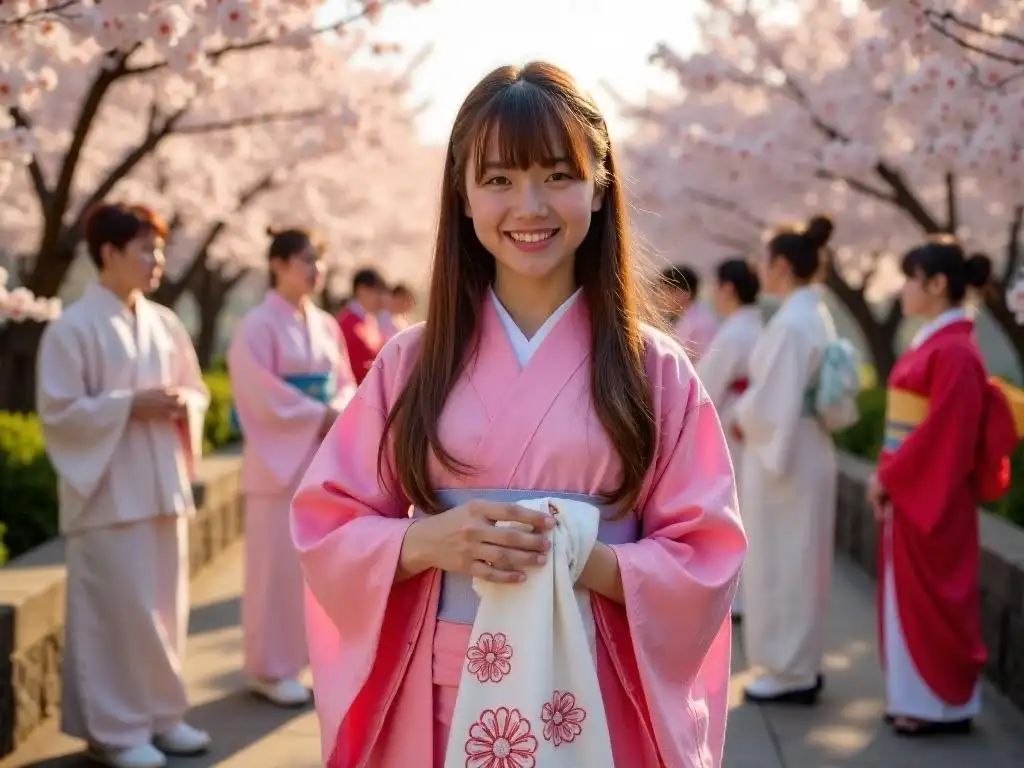
Examining the styles and choices of notable figures throughout history provides insight into the relationship between kimono fashion and social status. This section explores how famous individuals have influenced or reflected the trends of their times through their unique kimono selections.
Notable Historical Figures and Their Kimono Choices
Throughout Japanese history, several prominent figures have made significant contributions to the evolution of kimono fashion. For instance, Empress Shōken, known for her advocacy of Western dress, nevertheless wore traditional kimono at ceremonial events, showcasing the enduring status of the garment. Her choices often blended traditional elements with modern aesthetics, influencing the fashion of the era.
Another notable figure is Tōgō Heihachirō, a celebrated admiral during the Russo-Japanese War, who often donned a formal kimono during public appearances. His choice reflected a blend of military and traditional Japanese values, emphasizing the kimono's role in representing honor and status.
In the arts, Kawai Gyokudō, a prominent painter of the early 20th century, frequently depicted women in vibrant, intricately designed kimono, which contributed to the perception of kimono as not just clothing but as an art form. His works helped elevate the kimono's status in the cultural landscape of Japan.
The Impact of Samurai Class on Kimono Fashion Trends
The samurai class played a pivotal role in shaping kimono fashion, particularly during the Edo period (1603-1868). Samurai were distinguished by their specific styles of kimono, often characterized by their use of luxurious fabrics and intricate designs that signified their rank and status.
The kamishimo, a formal attire composed of a jacket and trousers, was exclusively worn by the samurai, symbolizing their social status and martial prowess. Moreover, the patterns and colors of their kimonos often indicated family lineage and clan affiliation, further intertwining fashion with identity.
This influence extended beyond the samurai class; merchants and commoners began to adopt elements of samurai fashion into their own kimonos, leading to a gradual democratization of styles. The blending of these influences resulted in diverse kimono designs that reflected social hierarchies while allowing for individual expression.
Women’s Kimono Fashion: Influences from Geisha Culture
Women’s kimono fashion, particularly as influenced by geisha culture, reveals a fascinating layer of social status and identity within leisure contexts. Geishas, known for their artistry and elegance, adopted specific styles of kimono that emphasized beauty and sophistication.
The furisode, a long-sleeved kimono worn by young unmarried women, became a symbol of youth and potential. The vibrant colors and elaborate patterns of these kimonos not only highlighted the wearer’s beauty but also their social status, as they were often crafted from expensive silk and adorned with intricate designs.
Moreover, the obi, a wide belt used to secure the kimono, played a significant role in showcasing a woman's status. The way an obi was tied often indicated the wearer's marital status and age, further emphasizing the connection between fashion and identity within the geisha community.
Changing Perceptions of Kimono Fashion in Modern Times
As Japan transitioned into the modern era, perceptions of kimono fashion began to shift dramatically. The influences of globalization, Western fashion, and changing social dynamics have all contributed to a reevaluation of the kimono’s place in contemporary society.
The Revival of Traditional Kimono in Contemporary Japan
In recent years, there has been a noticeable revival of interest in traditional kimono among younger generations in Japan. This resurgence is partly attributed to a growing appreciation for cultural heritage and a desire to reconnect with traditional customs.
Fashion events and festivals celebrating kimono have become increasingly popular, encouraging young people to wear these garments not just for special occasions but as part of their everyday lives. The incorporation of modern fabrics and designs into kimono fashion has also made them more accessible and appealing to a contemporary audience.
Educational initiatives aimed at teaching the art of kimono wearing and maintenance have further supported this revival, empowering individuals to embrace traditional clothing as a form of self-expression and cultural pride.
Kimono in Global Fashion Trends and Influences
The global fashion scene has also taken notice of the kimono, integrating its elements into various styles around the world. Designers have incorporated kimono-inspired silhouettes, fabrics, and patterns into their collections, showcasing the garment's versatility and timeless appeal.
Fashion weeks and exhibitions have highlighted the kimono, elevating it to a symbol of cultural fusion. This international interest has led to collaborations between Japanese artisans and global fashion brands, resulting in innovative designs that honor the tradition while appealing to modern consumers.
This globalization of kimono fashion not only reflects changing trends but also serves as a conduit for cultural exchange, allowing for a broader appreciation of Japanese aesthetics in the global marketplace.
The Role of Kimono in Modern Leisure Activities
In contemporary Japan, the kimono continues to play a significant role in leisure activities, particularly during cultural festivals, weddings, and other ceremonial occasions. Events such as hanami (cherry blossom viewing) and matsuri (festivals) often see participants donning vibrant kimonos, blending traditional practices with modern enjoyment.
Moreover, the rise of kimono rental services has made it easier for individuals to experience wearing a kimono without the commitment of ownership. These services cater to both locals and tourists, allowing them to engage with Japanese culture more intimately.
Kimono fashion also finds its place in modern art and performance, as artists and performers incorporate traditional attire into their works, enhancing the cultural narrative while promoting leisure and enjoyment of Japan's rich heritage.
The kimono remains an iconic symbol of Japanese culture, intertwining with the social fabric of Japanese society throughout history. Its evolution from a garment of utility to a complex representation of identity and social status underscores the profound impact of fashion on cultural expressions. Even in contemporary times, the kimono continues to serve as a bridge to Japan's past, embodying a unique blend of tradition and modernity.
In leisure contexts, the kimono has been celebrated for its elegance and versatility, enhancing social interactions and cultural celebrations. From traditional ceremonies to casual gatherings, the kimono plays a vital role in expressing individuality while adhering to cultural norms. This enduring legacy highlights how fashion can influence personal identity and societal perception, creating a dynamic interplay between the individual and the collective.
Summary of Kimono's Influence on Identity and Leisure
Throughout Japan's feudal era and into modern times, the kimono has influenced identity and leisure in several significant ways:
- Cultural Significance: The kimono reflects not just personal taste but also social status, regional identity, and cultural heritage. Different styles, colors, and patterns often denote age, marital status, and occasion, making the kimono a rich visual language of self-expression.
- Leisure Activities: Kimonos are integral to various leisure activities, from tea ceremonies to festivals. Wearing a kimono during these events enhances the experience, allowing individuals to connect with tradition while participating in modern leisure practices.
- Social Cohesion: The shared practice of wearing kimonos during communal events fosters a sense of belonging and cultural continuity. It reinforces social bonds, allowing individuals to express their identity within the context of the larger community.
- Fashion Evolution: The adaptation of kimono styles to modern fashion trends illustrates how traditional garments can coexist with contemporary lifestyles. This fusion allows for personal expression while preserving historical and cultural significance.
The kimono's rich heritage and its role in leisure underscore its lasting influence on Japanese identity, serving as a powerful reminder of the interplay between fashion and social status.
Future Perspectives on Kimono in Japanese Society
As Japan continues to navigate the complexities of modernization and globalization, the future of kimono fashion will likely evolve in response to changing societal values and cultural dynamics. Here are some key perspectives on the kimono's future in Japanese society:
- Revival of Tradition: There is a growing interest among younger generations in reviving traditional clothing, including kimonos. This resurgence may lead to innovative designs that blend traditional aesthetics with contemporary fashion sensibilities, making kimonos more accessible and relevant in everyday life.
- Cultural Education: Efforts to educate both locals and tourists about the significance of kimono culture may enhance appreciation for this traditional garment. Workshops, exhibitions, and fashion shows can promote understanding of the kimono's historical and cultural importance.
- Sustainable Fashion: With increasing awareness of sustainable fashion, there may be a shift towards crafting kimonos using eco-friendly materials and practices. This movement could align with global trends focused on sustainability while preserving traditional craftsmanship.
- Global Influence: As international interest in Japanese culture grows, the kimono may become a symbol of cultural exchange. Collaborations with global fashion designers could further popularize kimono-inspired designs, bridging cultural gaps and enhancing the garment's global presence.
The future of kimono fashion in Japan is poised for exciting transformations that respect its rich heritage while adapting to modern realities. This evolution will continue to reflect and shape social identities, ensuring that the kimono remains a vital part of Japan's cultural landscape.
- Introduction to Kimono Fashion and Social Status
- Historical Context of Kimono Fashion
- The Role of Kimono in Leisure Activities
- Kimono and Social Status: A Symbol of Identity
- Case Studies: Famous Figures and Their Kimono Styles
- Changing Perceptions of Kimono Fashion in Modern Times
- Conclusion: The Enduring Legacy of Kimono Fashion and Social Status
Frequently Asked Questions
What is the significance of the kimono in Japanese culture?
The kimono is a traditional garment that symbolizes Japanese identity and reflects the cultural heritage. Its design and materials often indicate the wearer's social status and personal style.
How did kimono fashion evolve during the feudal era?
During the feudal era, kimono fashion was influenced by social hierarchy and regional differences. The styles and fabrics used were often dictated by status and occupation, showcasing one's position in society.
The kimono serves as a visual marker of social status in Japan. Different styles, colors, and patterns can signify wealth, age, and even marital status, making it an important aspect of identity.
Are there specific occasions where the kimono is traditionally worn?
Yes, the kimono is traditionally worn on special occasions such as weddings, tea ceremonies, and festivals. Each event often dictates the style and color choices of the garment, further emphasizing social status.
How does modern kimono fashion differ from that in the past?
While modern kimono fashion retains its cultural significance, it is more diverse and accessible. Contemporary styles often blend traditional elements with modern aesthetics, allowing for personal expression while still reflecting social identity.
Final Reflection: The Kimono's Enduring Legacy in Fashion and Identity
The exploration of kimono fashion and social status reveals a profound connection between clothing and identity that remains incredibly relevant today. In a world where personal expression is often filtered through trends and societal expectations, the kimono stands as a powerful symbol of cultural heritage and individuality. It serves as a reminder that our choices in fashion can transcend mere aesthetics, acting as a canvas for our identities and social narratives.
Culturally, the kimono has influenced not only Japanese society but has also left an indelible mark on global fashion trends. The ongoing revival of interest in traditional garments highlights a collective yearning for authenticity and connection to one's roots. As fashion continues to evolve, the kimono reminds us that clothing can be a bridge between the past and the present, shaping our social interactions and perceptions. Fashion is the armor to survive the reality of everyday life.
– Bill Cunningham. This quote encapsulates the essence of how garments like the kimono can empower individuals, allowing them to navigate their social worlds with confidence and pride.
As we reflect on the lessons of kimono fashion and social status, let us consider how we can incorporate these insights into our own lives. Embrace the stories behind your clothing choices and recognize the power they hold in shaping your identity. Whether through the adoption of traditional garments or the conscious selection of modern attire, each choice is an opportunity to express who we are and where we come from. In doing so, we not only honor our own identities but also contribute to a richer, more diverse tapestry of cultural expression.
Embrace Your Unique Style! Rediscover the Kimono's Legacy
Thank you for diving into the intricate world of fashion and identity through the lens of the kimono! Your interest not only enriches your understanding of cultural heritage but also highlights the powerful connections between style and social narrative. Now, let's take this journey a step further!
Here are some inspiring actions you can take to celebrate and explore the legacy of the kimono:
- Wear or style a kimono to add a unique touch to your wardrobe while showing appreciation for cultural traditions.
- Explore local or online workshops to gain insights into kimono craftsmanship and wearing techniques.
- Share this article with your friends and community to spark discussions about the deeper meanings behind traditional garments.
How can embracing the symbolism of garments like the kimono influence your personal identity and strengthen community connections today?