
The Samurai's Encounter with European Chivalry: Lessons and Legacies

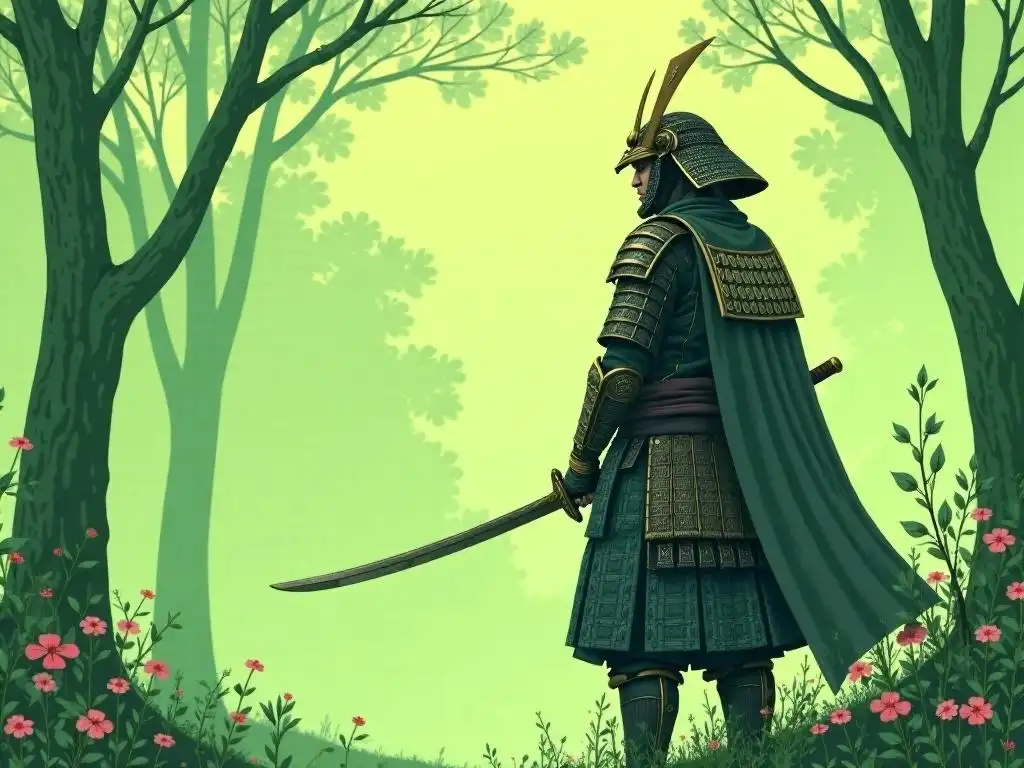
Welcome to Feudal Japan History, your gateway to the captivating world of Japan’s feudal era. Here, we delve deep into the intricate tapestry of historical, cultural, and societal narratives that shaped this remarkable period. In our featured article, “The Samurai's Encounter with European Chivalry: Lessons and Legacies,” we uncover the fascinating parallels and influences between the noble Samurai and the chivalric codes of Europe.
What lessons did these warriors learn from each other, and how did their legacies intertwine? Prepare to embark on a journey that promises to challenge your perceptions and ignite your curiosity about this unique convergence of cultures. Explore further, and let the story unfold!
Introduction to Samurai and European Chivalry Influence
The intersection of Samurai culture and European chivalry marks a fascinating chapter in the annals of history, illuminating how two distinct warrior traditions interacted and influenced one another during their respective eras. As Japan transitioned through periods of isolation and engagement with the West from the 16th century onwards, the influences of European chivalric ideals began to seep into the ethos of the Samurai.
This article delves into the lessons and legacies of these cultural exchanges, exploring how the concepts of honor, loyalty, and martial prowess were reinterpreted across continents. By examining both the Samurai's unique code of conduct, Bushido, and the principles of European chivalry, we can better understand the depth and complexity of this cross-cultural dialogue.
Overview of Samurai Culture in Feudal Japan
The Samurai were more than just warriors; they embodied a unique social class that played a pivotal role in shaping Japanese culture. Emerging in the late 12th century, Samurai were known for their martial skills, adherence to the Bushido code, and a deep sense of loyalty to their lords. This code emphasized virtues such as bravery, honor, and respect, forming the backbone of Samurai identity.
Key Aspects of Samurai Culture:
- Bushido: The ethical code governing the Samurai's conduct.
- Martial Arts: Skilled in various forms of combat, including kenjutsu (swordsmanship) and kyudo (archery).
- Cultural Contributions: Involvement in the arts, including poetry (haiku) and tea ceremonies.
The Origins of European Chivalry: A Historical Context
European chivalry emerged in the Middle Ages, evolving from the feudal system and the knightly class. Initially rooted in the need for military service, it gradually transformed into a complex code of conduct that emphasized virtues such as valor, courtesy, and protection of the weak.
Historical Milestones:
- Carolingian Era: The rise of knights and feudalism.
- Crusades: Chivalry ideals were solidified through warfare and protection of Christian territories.
- Literature: The tales of Arthurian legends and epic poems propagated the chivalric ideals.
The Significance of Cultural Exchanges between Japan and Europe
The cultural exchanges between Japan and Europe during the late 16th to early 19th centuries were significant in shaping both societies. As Portuguese traders and missionaries arrived in Japan, they brought with them ideas and practices that would resonate with the Samurai ethos. This exchange wasn't merely transactional; it led to a deeper understanding of honor and valor through a global lens.
Historical Background of Samurai and Chivalric Traditions
The Emergence of the Samurai Class in Japan
The Samurai class emerged during Japan's Heian period, gaining prominence in the following Kamakura period (1185-1333). They were originally provincial warriors who served the aristocracy, but as Japan entered a time of conflict and instability, they became essential to the governance of the land.
Factors Contributing to Their Rise:
- Military Conflicts: Constant warfare necessitated skilled warriors.
- Land Ownership: Lords granted land to Samurai in exchange for loyalty and military service.
- Cultural Patronage: Samurai became patrons of the arts, influencing Japanese culture significantly.
Key Characteristics of European Chivalry
European chivalry is characterized by a set of ideals that knights were expected to uphold. These included bravery in battle, loyalty to one's lord, and protection of the innocent.
Core Tenets of Chivalry:
- Honor: A knight's reputation was paramount.
- Courtly Love: The romantic ideal that influenced social behaviors.
- Religious Faith: Chivalric duties often intertwined with religious obligations.
Comparative Analysis: Samurai Bushido vs. Chivalric Code
When comparing Samurai Bushido and the European chivalric code, we find both similarities and differences in their guiding principles.
| Aspect | Samurai Bushido | European Chivalric Code |
|---|---|---|
| Honor | Central to identity | Essential for reputation |
| Loyalty | Loyalty to lord is paramount | Service to king and faith |
| Combat Ethics | Combat as an art | Valor in battle |
| Cultural Contributions | Involvement in arts and philosophy | Influence on literature and art |
The encounter between Samurai culture and European chivalry is a testament to the enduring influence of societal values across different cultures. The lessons learned from these exchanges continue to resonate, offering insights into the complexities of honor, duty, and the warrior ethos.
The First Encounters: Samurai and European Knights
The encounter between samurai and European knights during the 16th century marked a significant chapter in the history of cross-cultural exchanges. As Japan began to open its borders to foreign influences, European traders and missionaries arrived, bringing with them not just goods but also ideas and philosophies that would leave a lasting impact on the samurai class. The juxtaposition of the highly ritualized life of the samurai with the chivalric ideals of European knights created a fascinating interplay of cultures, ultimately resulting in a blend of martial practices, ethical considerations, and artistic expressions.
Early Contacts: Trade and Diplomacy in the 16th Century
The first meaningful contact between samurai and Europeans occurred during the age of exploration, particularly with the arrival of the Portuguese in Japan around 1543. This contact was primarily driven by trade, with Europeans seeking valuable commodities such as silk and silver. As trade relations developed, the samurai became increasingly aware of European customs and military practices.
The establishment of diplomacy, especially through the interactions with Jesuit missionaries, further facilitated cultural exchanges. These missionaries not only introduced Christianity but also shared knowledge about European chivalric values and military technologies. Reports from these early contacts highlight the samurai's fascination with European weaponry and tactics, which prompted them to reassess their own martial techniques.
Notable Figures: Samurai and European Knights Interactions
Several notable figures emerged from these early interactions, exemplifying the blending of samurai and European chivalric cultures. One such figure was the samurai daimyo, Oda Nobunaga, who was open to adopting new technologies and strategies. His interest in firearms and European military tactics was evident in his campaigns, where he successfully incorporated these elements into his warfare approach.
On the European side, figures like the Portuguese explorer Francisco Almeida and Jesuit missionaries such as Francis Xavier played a crucial role in establishing initial contacts. Xavier's efforts to understand and engage with samurai culture provided valuable insights into Japanese society, while Almeida's military experiences highlighted the efficacy of European military formations, which intrigued the samurai.
Cultural Exchange: Art, Literature, and Warfare Techniques
The cultural exchange between samurai and European knights extended beyond martial practices to encompass art and literature. The introduction of Western art forms influenced Japanese aesthetics, leading to a unique blend of styles in painting and ceramics. Samurai began to adopt European themes in their artwork, showcasing knights and battles alongside traditional Japanese motifs.
In literature, stories of chivalry and honor resonated with samurai values, leading to the creation of hybrid narratives that celebrated both cultures. Furthermore, the samurai's interest in European warfare techniques prompted them to experiment with new battle formations and tactics, integrating elements such as cavalry charges and organized infantry lines into their own military practices.
Lessons Learned: The Impact of Chivalry on Samurai Practices
The influence of European chivalry on samurai practices was profound, leading to adaptations in various aspects of their martial culture. The samurai not only absorbed new techniques and strategies but also reflected on their own ethical frameworks in light of the chivalric ideals they encountered.
Adaptations in Warfare: Techniques and Strategies
The samurai's adaptation of European warfare techniques marked a significant evolution in their military strategies. The use of firearms, which the Portuguese had introduced, transformed traditional combat approaches. Samurai began integrating gunpowder weapons into their arsenals, leading to changes in battlefield tactics.
Moreover, the organization of troops into more structured units mirrored European military formations, allowing for greater coordination during conflicts. The samurai's ability to blend these new techniques with their existing martial skills resulted in a more versatile and effective fighting force, adapting to the changing dynamics of warfare in the 16th century.
Influence on Samurai Ethics and Honor Codes
The encounter with European chivalry also prompted a reevaluation of samurai ethics and honor codes. The chivalric ideals of bravery, loyalty, and honor resonated with samurai values, leading to a synthesis of the two cultures' perspectives on warrior conduct.
This blending is evident in the evolving samurai literature that began to reflect European notions of heroism and valor, ultimately enriching the samurai code of conduct. The concept of bushido, or the way of the warrior, was influenced by these ideals, reinforcing the importance of honor and moral integrity in samurai society.
The Role of European Weapons and Armor
The introduction of European weaponry and armor had a significant impact on samurai warfare. European swords, such as the rapier and broadsword, were studied and adapted by samurai blacksmiths, leading to innovations in blade design.
Additionally, the samurai began to incorporate elements of European armor into their own, enhancing their protective gear while retaining traditional Japanese aesthetics. This fusion not only improved combat effectiveness but also symbolized the interconnectedness of the two martial cultures, showcasing how the samurai embraced and adapted European influences while maintaining their identity.
The Legacy of Samurai and European Chivalry Influence
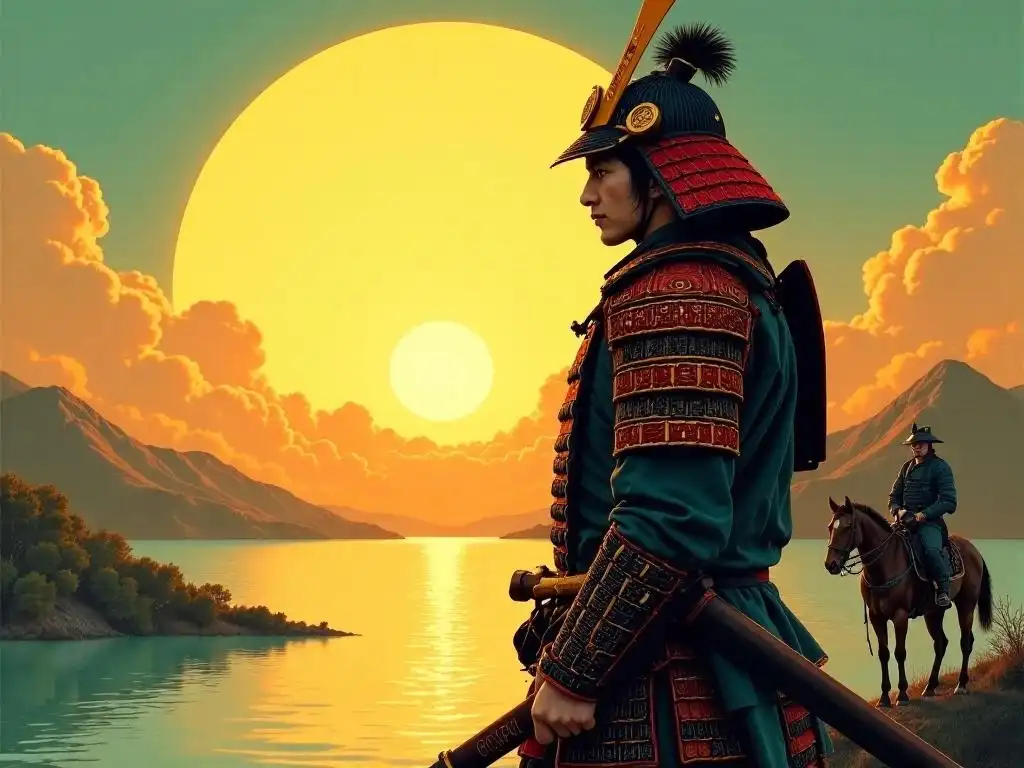
The intersection of Samurai culture and European chivalry created a unique legacy that has influenced various aspects of Japanese society and military practices throughout history. This cultural exchange, sparked by early encounters between Japan and European nations in the 16th century, led to the adaptation and integration of ideals, martial techniques, and ethical codes. As a result, both Samurai and chivalric values have left an indelible mark on Japan’s cultural identity, shaping not only military practices but also the arts, literature, and modern perceptions of honor and duty.
Lasting Effects on Japanese Military Practices
The influence of European chivalry on Japanese military techniques can be traced back to the introduction of firearms and new tactics during the Nanban trade period. Samurai warriors quickly recognized the effectiveness of European arms and strategies, leading to a significant transformation in their combat practices.
- Introduction of Firearms: The arrival of Portuguese arquebuses in Japan revolutionized warfare. Samurai adapted their training, incorporating gunpowder weapons into their arsenal, which changed the dynamics of battles.
- Tactical Innovations: European military formations, such as the use of infantry and cavalry in coordinated assaults, inspired Japanese commanders to rethink their strategies. This adaptation was evident during the unification wars of the late 16th century, where new tactics played a crucial role in achieving victory.
- Ethics of Warfare: The chivalric code emphasized honor, bravery, and loyalty—principles that resonated with Samurai values. This mutual respect for ethical conduct in warfare fostered a deeper understanding of martial honor, enhancing the Samurai’s commitment to their code of conduct.
The lasting effects of these military adaptations can still be observed in Japan’s modern Self-Defense Forces, which continue to embody some of these historical influences.
The Cultural Synthesis: Art and Literature Influences
The blending of Samurai ideals and European chivalric principles also permeated Japan's artistic and literary landscapes. This synthesis resulted in a rich tapestry of cultural expressions that reflect both influences.
- Artistic Representations: Ukiyo-e prints began to depict not only traditional Samurai themes but also European motifs and perspectives. Artists like Katsushika Hokusai incorporated Western techniques of perspective, leading to new visual narratives that highlighted the heroic nature of Samurai alongside chivalric themes.
- Literature: The introduction of European literary genres, such as the novel and drama, inspired Japanese writers. Works like “The Tale of the Heike” and “The Book of Five Rings” began to incorporate elements of chivalric romance, focusing on themes of honor, loyalty, and the warrior’s journey, resonating with both Samurai and European ideals.
- Performing Arts: The influence on Noh and Kabuki theater is notable, where stories often intertwined the valor of Samurai with the romanticized ideals of knights, creating performances that celebrated both cultures' values.
This cultural synthesis enriched the artistic heritage of Japan, creating a legacy that continues to inspire contemporary artists and writers.
Modern Interpretations of Samurai and Chivalry Values
In contemporary society, the values of Samurai and European chivalry remain influential, evolving into new interpretations that resonate with modern audiences.
- Film and Literature: Modern portrayals of Samurai in films and literature often emphasize themes of honor, sacrifice, and loyalty, drawing parallels with the chivalric code. Works such as Akira Kurosawa’s “Seven Samurai” and various anime series reflect these enduring ideals.
- Martial Arts: The practice of martial arts in Japan, particularly Kendo and Aikido, embodies the spirit of the Samurai, promoting discipline, respect, and ethical conduct. This parallels the chivalric emphasis on honor and the warrior’s path in European cultures.
- Cultural Festivals: Events celebrating Samurai heritage, such as the annual festivals in cities like Kanazawa and Kyoto, showcase the continued reverence for Samurai values and their connections to European chivalry, fostering a sense of identity and pride.
These modern interpretations illustrate how historical values continue to shape contemporary cultural narratives, reinforcing the legacy of both Samurai and European chivalry.
Conclusion: The Enduring Influence of Samurai and European Chivalry
The encounter between Samurai and European chivalry has left a profound and enduring legacy on Japanese culture, shaping military practices, artistic expressions, and modern interpretations of honor and duty. This historical interaction serves as a testament to the power of cultural exchange in enriching societies.
Reflections on Historical Interactions
Reflecting on the historical interactions between Samurai and European knights reveals a fascinating dialogue that transcended mere military engagement. It was a convergence of ideals that fostered mutual respect and understanding, paving the way for a unique synthesis of cultures. The adaptations made by both sides in response to each other's practices exemplify the dynamic nature of cultural exchange, showcasing how societies can grow and evolve through shared experiences.
The Continued Relevance of Samurai and Chivalric Ideals in Contemporary Culture
Today, the ideals rooted in Samurai and European chivalry continue to resonate across various facets of contemporary culture. Themes of honor, loyalty, and ethical conduct are not only celebrated in popular media but also find expression in personal values and societal norms. The legacy of these two warrior cultures serves as a moral compass, guiding individuals in navigating complex ethical landscapes. As we look to the future, the enduring influence of Samurai and European chivalry will undoubtedly remain a vital part of Japan's cultural identity, continuing to inspire new generations.
Additional Resources on Samurai and European Chivalry Influence
To gain a deeper understanding of the intricate relationship between the samurai and European chivalry, a variety of resources are available. These resources encompass scholarly articles, historical texts, and contemporary analyses that shed light on the cultural exchanges that occurred during this period. Below are some invaluable materials that can further enhance your knowledge and appreciation of this fascinating topic.
Recommended Readings and References
-
"Samurai and Chivalry: The Japanese and European Warrior Traditions" by John A. McNair
This book provides a comparative analysis of the samurai and European knights, exploring their respective codes of conduct, valor, and societal roles. McNair delves into the philosophical underpinnings of both traditions and how they influenced each other during their encounters.
-
"The Book of Five Rings" by Miyamoto Musashi
Although primarily a treatise on martial arts and strategy, Musashi's work reflects the samurai ethos and offers insights into the values that shaped the samurai spirit. This text serves as a backdrop for understanding how these values interacted with the concepts of honor and chivalry.
-
"The Influence of European Chivalry on the Samurai: A Historical Perspective" by Hiroshi Takeda
This scholarly article examines specific instances of European influence on samurai culture, including the adoption of certain military strategies and the concept of nobility in warfare. Takeda provides evidence from historical documents and accounts that illustrate these exchanges.
-
"Chivalry and the Samurai: Cultural Exchanges during the Age of Exploration" by Linda A. Brown
This comprehensive study analyzes the broader cultural exchanges between Europe and Japan during the Age of Exploration, focusing specifically on the samurai's encounter with European chivalric ideals. Brown discusses the implications of these exchanges on both cultures.
-
"Warriors in Transition: The Samurai and European Knights" by Eric J. Smith
This work offers a detailed exploration of the similarities and differences between samurai and European knights, emphasizing their roles during times of conflict and peace. Smith's analysis highlights the transformative effects of these interactions on both warrior classes.
Related Articles on Cultural Exchanges in Feudal Japan
-
"The Arrival of Europeans in Japan: A Clash of Cultures"
This article explores the first encounters between Japanese society and European explorers, detailing the initial cultural exchanges and misunderstandings that shaped future interactions.
-
"Trade and Diplomacy: The Dutch Influence on Japanese Society"
Focusing on the Dutch presence in Japan, this piece examines how trade relations facilitated cultural exchanges and the introduction of European ideas, technologies, and customs to Japanese society.
-
"Artistic Interactions: The Impact of European Techniques on Japanese Art"
This article delves into how European artistic techniques influenced Japanese artists during the feudal era, showcasing specific examples of blended styles and the resultant cultural significance.
-
"Religion and Philosophy: The Exchange of Ideas between Japan and Europe"
This exploration highlights the philosophical dialogues that emerged between Japanese thinkers and European scholars, focusing on how these exchanges shaped religious and ethical viewpoints.
These resources and related readings provide a robust framework for understanding the multifaceted interactions between samurai and European chivalry, enriching our comprehension of their enduring legacies in history and culture.
- Introduction to Samurai and European Chivalry Influence
- Historical Background of Samurai and Chivalric Traditions
- The First Encounters: Samurai and European Knights
- Lessons Learned: The Impact of Chivalry on Samurai Practices
- The Legacy of Samurai and European Chivalry Influence
- Conclusion: The Enduring Influence of Samurai and European Chivalry
- Additional Resources on Samurai and European Chivalry Influence
- What were the key influences of European chivalry on the Samurai?
- How did the Samurai adapt elements of European military practices?
- What role did cultural exchange play between the Samurai and European knights?
- Were there significant political impacts resulting from the interaction between Samurai and European chivalry?
- How has the legacy of the Samurai and European chivalry influenced modern societies?
Frequently Asked Questions
What were the key influences of European chivalry on the Samurai?
The Samurai were influenced by European chivalry through exchanges of military tactics, codes of honor, and the concept of nobility in warfare, which shaped their own Bushido code.
How did the Samurai adapt elements of European military practices?
The Samurai adopted certain European military strategies and technologies, such as the use of firearms, which enhanced their combat effectiveness during conflicts with foreign powers.
What role did cultural exchange play between the Samurai and European knights?
Cultural exchange allowed for the sharing of philosophies and artistic expressions, influencing both Samurai values and European perceptions of honor, loyalty, and martial prowess.
Were there significant political impacts resulting from the interaction between Samurai and European chivalry?
Yes, the interactions fostered political alliances and allowed for the introduction of new ideas about governance and social structure, impacting the feudal system in Japan.
How has the legacy of the Samurai and European chivalry influenced modern societies?
The legacies of both the Samurai and European chivalry continue to influence contemporary notions of honor, leadership, and ethics in military and civilian contexts worldwide.
Final Reflection: Bridging Cultures Through Honor and Valor
The encounter between the Samurai and European chivalry serves as a powerful reminder of how cultural exchanges can shape our understanding of honor, duty, and valor in today's interconnected world. As we navigate a global society, the lessons drawn from these two esteemed warrior traditions resonate more than ever, highlighting the importance of mutual respect and understanding in overcoming differences. The legacy of the Samurai and European knights is not merely historical; it is a call to embrace the virtues that unite us across cultures.
The influence of Samurai and European chivalry continues to permeate our cultural and social landscapes, inspiring modern interpretations of honor and ethics in various fields, from martial arts to leadership. The ideals of loyalty, courage, and respect championed by these warriors remind us that values transcend borders and time. Honor is not the exclusive property of any one culture; it is a universal aspiration that binds us all.
This ongoing dialogue between cultures encourages us to reflect on our own values and how they shape our interactions with others, fostering a deeper appreciation for the diverse tapestry of human experience.
As we contemplate the legacies of the Samurai and European chivalry, I invite you to reflect on how these principles can be woven into your own life. Consider the ways in which you can embody the spirit of honor and respect in your daily interactions, fostering connections that bridge cultural divides. By embracing the lessons of the past, we can create a more harmonious future, where the virtues of courage and loyalty guide our actions and inspire generations to come.
Unveil the Timeless Connection Between Samurai and Chivalry!
Thank you for delving into the fascinating world of the Samurai and their encounters with European chivalry! You've explored rich lessons and legacies that transcend time. Now, let’s take your interest to the next level and embrace the wisdom of both cultures.
Here are some actionable steps you can take to continue your journey:
- Dive Deeper: Research a Samurai or a notable knight from history that intrigues you, and explore their life, values, and contributions. Reflect on how these lessons can be applied in today's world.
- Join the Conversation: Share your thoughts on social media or in the comments section below. What qualities do you admire most about the Samurai or knights of the past?
- Explore a Modern Parallel: Seek out local martial arts or historical reenactment groups that embody the principles of honor and discipline inherent in these traditions. Consider participating in or attending an event!
What legacy of the Samurai or European knights resonates with you the most, and how can you embody their values in your daily life?