
The Legendary Duel at the Battle of Kawanakajima: Takeda vs. Uesugi


Welcome to Feudal Japan History, where we embark on an intriguing journey through the captivating world of Japan's feudal era. Here, you'll uncover the rich tapestry of historical, cultural, and societal narratives that have shaped this remarkable period. Dive deeper into the legendary duel at the Battle of Kawanakajima, where the fierce rivalry between Takeda and Uesugi unfolds in a clash of strategy and valor. What secrets lie within this pivotal moment of military history? Continue exploring with us to reveal the dramatic tales and expert insights that await!
Introduction to the Battle of Kawanakajima History
The Battle of Kawanakajima stands as one of the most significant and legendary confrontations in Japan's feudal history. Fought between two of the era's most formidable warlords, Takeda Shingen and Uesugi Kenshin, this epic struggle not only showcased military prowess but also illustrated the complex political and social dynamics of the time.
Spanning multiple encounters during the 16th century, the battles at Kawanakajima are emblematic of the samurai spirit and the tumultuous nature of Japanese warfare. This article delves into the rich history surrounding the Battle of Kawanakajima, exploring its causes, key figures, and enduring legacy in the context of military history.
Background of the Battle of Kawanakajima
Overview of the Feudal Era in Japan
The feudal era in Japan, spanning from the late 12th century to the early 17th century, was characterized by a decentralized political structure where local lords (daimyōs) wielded significant power over their territories. This period saw the rise of the samurai class, renowned for their martial skills, code of honor, and loyalty to their lords. The intricate relationships between these daimyōs often led to conflicts over land, power, and influence, resulting in a landscape marked by warfare and shifting alliances.
Key features of the feudal era include:
- The Samurai Code: Loyalty, honor, and martial prowess were central tenets.
- Daimyōs and Their Domains: Regional lords controlled lands and vassals, often leading to conflicts with neighboring daimyōs.
- The Emergence of Warfare: Technological advancements in weaponry and tactics transformed the nature of battles.
Significance of the Battle in Military History
The Battle of Kawanakajima is a pivotal moment in Japanese military history due to its tactical innovations and the legendary reputation of its commanders. The engagements between Takeda Shingen and Uesugi Kenshin not only showcased their military strategies but also reflected the broader socio-political context of the time.
Important aspects of this significance include:
- Military Strategy: The battles highlighted innovative tactics, including the use of cavalry and terrain advantage.
- Rivalry: The legendary rivalry between Takeda and Uesugi became a symbol of honor and valor in samurai culture.
- Cultural Impact: The encounters inspired countless tales, art, and folklore, embedding the battle in the cultural consciousness of Japan.
Key Figures: Takeda Shingen and Uesugi Kenshin
The central figures in the Battle of Kawanakajima, Takeda Shingen and Uesugi Kenshin, were not only military leaders but also icons of their time. Each brought unique strengths and philosophies to the battlefield, shaping the course of the conflict.
- Takeda Shingen: Known for his bold tactics and charismatic leadership, Shingen was a master of warfare who implemented innovative strategies that often outmaneuvered his opponents.
- Uesugi Kenshin: Revered as a warrior of unmatched skill and honor, Kenshin's strategic brilliance and deep sense of ethics made him a formidable adversary.
Both figures remain celebrated in Japanese history, their legacies intertwining with the narratives of the battles fought at Kawanakajima.
Political Climate Leading Up to the Battle
The political climate leading up to the Battle of Kawanakajima was fraught with tension and rivalry, characterized by shifting alliances and territorial disputes. The struggle for dominance in the Shinano province brought Takeda and Uesugi into direct conflict, as each sought to expand their influence and secure their domains.
Key elements of this political landscape included:
- Territorial Ambitions: Both daimyōs aimed to control the strategic Kawanakajima area, vital for trade and military movements.
- Alliances and Betrayals: The fluid nature of alliances often led to unexpected confrontations, as former allies could quickly become enemies.
- Cultural and Religious Factors: The rivalry was not merely about land; it also encompassed deep-seated cultural and spiritual beliefs, influencing the motivations of both commanders.
This complex interplay of personal ambition and broader socio-political factors set the stage for the legendary duels that would unfold at Kawanakajima, marking a crucial chapter in Japan's feudal history.
The Sequence of Events at the Battle of Kawanakajima
The Battle of Kawanakajima, fought between Takeda Shingen and Uesugi Kenshin in the mid-16th century, is one of the most iconic military confrontations in Japanese history. The conflict, characterized by its fierce rivalry and legendary duels, unfolded over several engagements, each marked by strategic maneuvers and tactical brilliance.
The first significant encounter occurred in 1553 when Takeda launched an assault on Uesugi territory, leading to a skirmish at Kawanakajima. Despite Takeda's initial success, the battle ended inconclusively, setting the stage for future confrontations. The second battle in 1555 saw a more organized clash, where both sides engaged in a heated exchange of artillery and cavalry, showcasing their respective strengths.
However, the most famous engagements occurred in 1561, marking the full-scale confrontation known as the Fourth Battle of Kawanakajima. This battle was defined by a series of well-coordinated attacks and counterattacks, with Takeda employing cavalry charges and Uesugi relying on defensive formations. The sequence of these encounters not only highlighted the tactical abilities of both leaders but also contributed to the evolving nature of samurai warfare during this period.
Timeline of the Key Engagements
- 1553: The first skirmish between Takeda Shingen and Uesugi Kenshin takes place, resulting in an inconclusive outcome.
- 1555: The second battle occurs, featuring a more structured engagement with significant use of artillery.
- 1561 (April): The Fourth Battle of Kawanakajima begins, marked by intense conflict and strategic maneuvers.
- 1561 (May): The climax of the battle occurs, with both commanders engaging in direct combat.
- 1561 (Post-battle): Following the confrontation, both sides retreat, assessing the heavy losses incurred.
This timeline illustrates the escalating tensions and tactical developments that characterized the Battle of Kawanakajima, ultimately shaping the course of samurai warfare in Japan.
Major Tactics Employed by Takeda and Uesugi
The tactical genius of Takeda Shingen and Uesugi Kenshin was pivotal in the outcomes of the Kawanakajima battles. Each leader employed unique strategies that capitalized on their strengths and exploited the weaknesses of their opponent.
- Takeda Shingen:
- Cavalry Charges: Takeda was renowned for his cavalry tactics, often utilizing swift and powerful charges to break enemy lines.
- Flanking Maneuvers: By positioning his troops strategically, Takeda was able to encircle Uesugi forces, creating confusion and disorder.
- Use of Spies: Takeda employed a network of spies to gather intelligence on Uesugi’s movements, allowing for preemptive strikes.
- Uesugi Kenshin:
- Defensive Formations: Uesugi favored a more defensive approach, often creating strong positions that were difficult for Takeda's cavalry to penetrate.
- Counterattacks: Uesugi's strategy included launching surprise counterattacks when Takeda's forces appeared overextended.
- Psychological Warfare: Uesugi was known for his ability to inspire his troops, fostering a strong sense of loyalty and morale that proved crucial during the battles.
These tactics not only contributed to the immediate engagements but also influenced the evolution of military strategies in feudal Japan.
The Role of Terrain and Weather in the Battle
The geography of the Kawanakajima region played a significant role in the dynamics of the battle. The area is characterized by its mountainous terrain and river systems, which both hindered and facilitated various tactical maneuvers.
- Terrain: The presence of hills and valleys allowed for ambush tactics, with both sides exploiting the natural landscape to gain an advantage. Takeda's cavalry benefited from open plains for swift charges, while Uesugi utilized the rugged terrain for defensive positioning.
- Weather: Weather conditions significantly impacted the battles. Rain and fog often obscured visibility, complicating the deployment of forces and leading to confusion during engagements. Additionally, adverse weather could affect troop morale and the effectiveness of weapons.
The interplay of terrain and weather not only shaped the immediate outcomes of the battles but also highlighted the necessity for commanders to adapt their strategies to environmental conditions.
Analysis of the Battle's Outcomes
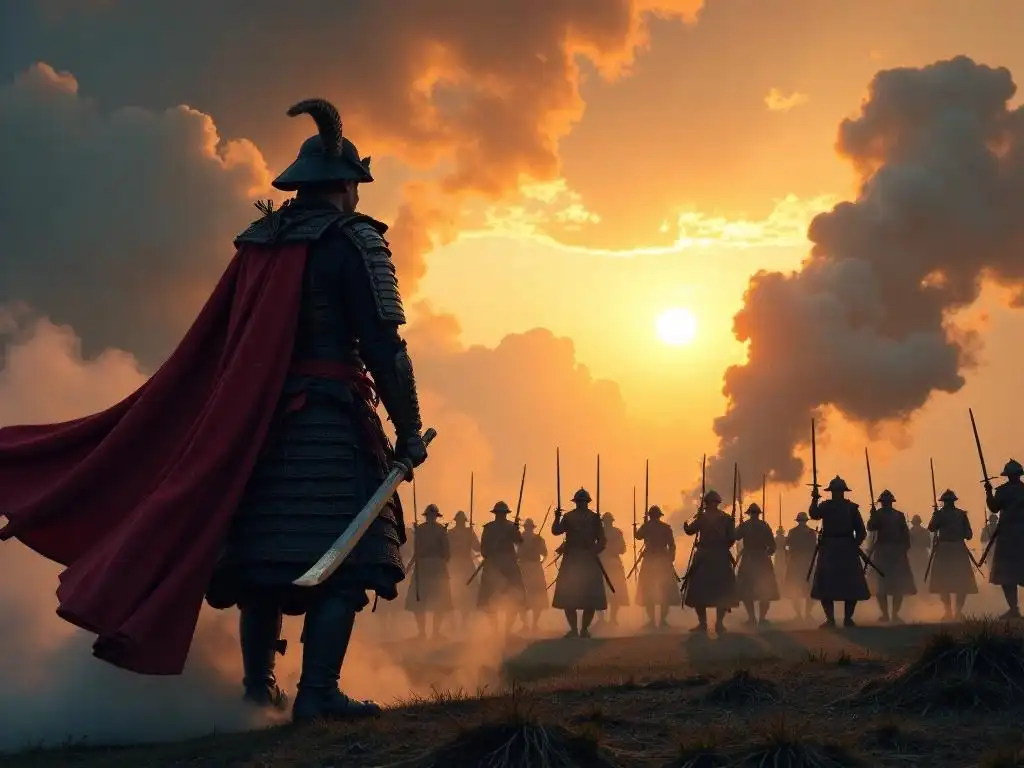
The aftermath of the Battle of Kawanakajima was profound, influencing the course of samurai warfare and the power dynamics in feudal Japan. Both Takeda and Uesugi emerged from the battles with a mix of victories and defeats, but the consequences of their engagements were far-reaching.
Immediate Consequences of the Battle of Kawanakajima
The immediate fallout from the clashes at Kawanakajima included significant casualties on both sides, with estimates suggesting that tens of thousands of warriors were lost during the most intense battles. This loss of life not only affected the armies but also had broader implications for the local population, leading to displacement and economic strain in the region.
Furthermore, the outcome of the battles solidified the rivalry between Takeda and Uesugi, perpetuating ongoing conflicts that would shape alliances and enmities in subsequent years. The battles also enhanced the reputations of both leaders, solidifying their legacies as formidable samurai commanders in Japanese history.
Long-term Effects on Samurai Warfare
The Battle of Kawanakajima had lasting implications for samurai warfare, influencing tactics, military organization, and the cultural perceptions of warfare in Japan.
- Tactical Innovations: The battles spurred innovations in military strategy, leading to the development of more sophisticated formations and the integration of new weapons.
- Cultural Legacy: The legendary status of the duel between Takeda and Uesugi contributed to the romanticization of the samurai ethos, emphasizing honor, bravery, and loyalty. This cultural narrative would resonate through Japanese history, influencing literature and folklore.
- Political Dynamics: The ongoing conflict between the two clans had a significant impact on the political landscape of Japan, shaping alliances and animosities that would play a role in the unification efforts of the late 16th century.
Overall, the Battle of Kawanakajima stands as a pivotal moment in the history of samurai warfare, with its consequences echoing through the ages.
Cultural and Historical Legacy of the Battle
The Battle of Kawanakajima, fought between the warlords Takeda Shingen and Uesugi Kenshin in the mid-16th century, has left a profound mark on Japanese culture and history. This legendary conflict is emblematic of the larger struggles during Japan's Sengoku period, a time defined by military strife, shifting alliances, and the quest for power. The battles themselves, particularly their dramatic confrontations, have become a symbol of honor and tactical brilliance in Japanese martial tradition.
The clash at Kawanakajima is not merely a military event; it represents the intense rivalry between two of the most formidable figures in feudal Japan. Their strategies, philosophies, and the very essence of their characters have been dissected and romanticized in various forms of Japanese cultural expression. From literature to theater, the legacy of this battle continues to shape the narrative of Japan's historical identity.
The Battle of Kawanakajima in Japanese Literature and Art
The Battle of Kawanakajima has inspired countless works of literature and art, reflecting its significance in Japanese history. Notable literary works, such as the historical novels that depict the Sengoku period, often highlight the tactical genius of both Takeda and Uesugi. These narratives typically explore themes of loyalty, honor, and the tragic consequences of war, resonating deeply with readers and audiences.
In the realm of visual arts, ukiyo-e woodblock prints have immortalized scenes from the battle. Artists like Katsushika Hokusai and Utagawa Kuniyoshi crafted striking images that capture the epic nature of the conflict, portraying the warriors in action, their armor glinting in the sun, and the chaos of battle swirling around them. These artistic representations not only serve as historical documentation but also emphasize the romanticized ideals of bravery and heroism associated with the samurai.
Commemorations and Historical Reinterpretations
The legacy of the Battle of Kawanakajima is commemorated in various ways throughout Japan. Local festivals and reenactments celebrate the events of the battle, particularly in the Nagano Prefecture, where the conflict took place. These commemorations serve not only as a tribute to the historical figures involved but also as a way to foster community identity and pride.
Moreover, historical reinterpretations of the battle have emerged over time, influenced by changing societal values and perspectives. Modern scholars and historians examine the battle through various lenses, including gender studies, military strategy, and the impact of war on society. This evolving understanding highlights the complexity of the battle's legacy, revealing how the narratives surrounding Takeda and Uesugi have transformed in response to contemporary issues.
Conclusion: The Enduring Legacy of the Battle of Kawanakajima
The Battle of Kawanakajima remains a significant touchstone in the study of feudal Japan. Its enduring legacy is reflected in both the cultural practices that commemorate the battle and the historical analyses that continue to explore its implications. The rivalry between Takeda Shingen and Uesugi Kenshin transcends mere military conflict; it encapsulates the spirit of an era fraught with ambition, conflict, and the relentless pursuit of honor.
Reflections on Takeda vs. Uesugi Duel
The personal duel that symbolizes the Battle of Kawanakajima serves as a powerful metaphor for the overarching themes of the Sengoku period. The fierce competition between Takeda and Uesugi is emblematic of the broader struggles for power and influence among Japan's feudal lords. This legendary confrontation invites reflection on the nature of leadership, the ethics of warfare, and the personal motivations that drive individuals in times of conflict.
The duel also highlights the tactical innovations of the period, as both leaders employed unique strategies that would influence future generations of military leaders. The respect they held for each other, despite being fierce rivals, adds a layer of complexity to their legacies, illustrating that even amidst rivalry, there can be admiration and honor.
The Importance of Understanding Battle of Kawanakajima History in Feudal Japan
Understanding the history of the Battle of Kawanakajima is crucial for comprehending the broader context of feudal Japan. It provides insights into the political dynamics, social structures, and cultural values of the time. By studying this battle, we gain a clearer picture of the complexities involved in the feudal system, including the relationships between lords and vassals and the role of warfare in shaping society.
Furthermore, the battle serves as a lens through which we can examine the evolution of samurai culture and the ideals of bushido, the way of the warrior. The lessons learned from Kawanakajima continue to resonate today, reminding us of the enduring themes of honor, sacrifice, and the quest for power that define not only Japanese history but the human experience as a whole.
Further Reading and Resources on the Battle of Kawanakajima
For those interested in delving deeper into the intricacies of the Battle of Kawanakajima, a variety of resources are available ranging from scholarly books to engaging documentaries. These materials provide valuable insights into the historical context, key figures, and tactical maneuvers that defined this legendary conflict.
Recommended Books and Articles
- "The Samurai: A Military History" by Stephen Turnbull
- This comprehensive book details the military strategies and cultural significance of the samurai, providing context for the Battle of Kawanakajima and the warriors involved.
- "Kawanakajima 1553: Samurai Clash in the Mountains" by Stephen Turnbull
- A focused account of the first battle at Kawanakajima, this work offers an in-depth analysis of troop movements and battlefield tactics utilized by both Takeda Shingen and Uesugi Kenshin.
- "Takeda Shingen: The Last Samurai" by John Young
- This biography of Takeda Shingen highlights his life, leadership, and military strategies, including his role in the significant battles against Uesugi Kenshin.
- "The Kawanakajima Battles: A Study of the Warfare during the Warring States Period" by Richard H. Okada
- This academic article explores the broader implications of the Kawanakajima battles within the context of the Warring States period, revealing how these conflicts shaped Japan's future.
- "Legends of the Samurai: The Epic Battles of Kawanakajima" (Various Authors)
- A collection of essays that examine the folklore surrounding the battles and the legendary status of the samurai involved.
Documentaries and Online Resources
- "The Battles of Kawanakajima" (YouTube Documentary)
- This documentary provides visual representations of the battles, accompanied by expert commentary that explains the strategies and significance of each encounter.
- "Samurai: The Last Warrior" (Documentary Series)
- Episodes in this series cover key historical figures and battles of the samurai, including a segment dedicated to the Kawanakajima conflict.
- Online Archives and Databases
- Websites such as the National Diet Library of Japan offer digital archives containing historical documents, maps, and illustrations related to the battles.
- Podcasts on Japanese History
- Look for episodes focused on the Sengoku period, where discussions on the Battle of Kawanakajima are often featured, providing a more conversational exploration of the events and their impact.
These resources will enrich your understanding of the Battle of Kawanakajima, offering various perspectives and detailed analyses that are essential for anyone interested in this pivotal moment in Japan’s feudal history.
- Introduction to the Battle of Kawanakajima History
- Background of the Battle of Kawanakajima
- Key Figures: Takeda Shingen and Uesugi Kenshin
- The Sequence of Events at the Battle of Kawanakajima
- Analysis of the Battle's Outcomes
- Cultural and Historical Legacy of the Battle
- Conclusion: The Enduring Legacy of the Battle of Kawanakajima
- Further Reading and Resources on the Battle of Kawanakajima
Frequently Asked Questions
What was the Battle of Kawanakajima?
The Battle of Kawanakajima refers to a series of five major encounters fought between the warlords Takeda Shingen and Uesugi Kenshin during the 15th and 16th centuries in feudal Japan.
Why is the Battle of Kawanakajima significant in Japanese history?
This battle is significant due to its strategic importance and the legendary rivalry between Takeda and Uesugi, which has become a symbol of samurai honor and military tactics.
How did the Battle of Kawanakajima impact feudal Japan?
The outcomes of the Battle of Kawanakajima influenced regional power dynamics, showcasing the persistence of samurai culture and contributing to the eventual unification of Japan under stronger warlords.
What tactics were used in the Battle of Kawanakajima?
Both sides employed innovative military strategies, including cavalry charges, terrain advantages, and deception, which are studied for their impact on Japanese warfare during the feudal era.
Are there any cultural representations of the Battle of Kawanakajima?
Yes, the Battle of Kawanakajima has been depicted in various literary works, films, and video games, highlighting its historical significance and the heroic tales surrounding Takeda and Uesugi.
Final Reflection: The Enduring Legacy of the Battle of Kawanakajima
The Battle of Kawanakajima stands as a testament to the fierce rivalries and strategic brilliance that defined Japan's Warring States period. Today, as we navigate our own complex social and political landscapes, the lessons from this legendary duel resonate more than ever. The struggle for power, honor, and legacy that characterized the conflict between Takeda Shingen and Uesugi Kenshin reminds us that the choices we make in the face of adversity can shape not only our own destinies but also the course of history itself.
Culture and society are often molded by the stories we tell and the battles we remember. The Battle of Kawanakajima is not merely a historical event; it is a narrative that continues to inspire countless generations. It serves as a reminder of the virtues of courage, strategy, and respect for one's adversary.
As the historian John W. Hall once said, "> History is not just about the past; it is about the present and the future." This battle exemplifies how historical narratives can influence contemporary values and behaviors, urging us to reflect on our own conflicts and the legacies we wish to create.
As you ponder the lessons from the Battle of Kawanakajima, I invite you to consider how you can apply these insights to your own life. Reflect on your personal battles—whether they be in your career, relationships, or self-discovery. Embrace the spirit of resilience and strategic thinking that defined Takeda and Uesugi, and let their legendary duel inspire you to confront your challenges with honor and determination. The past is not just a series of events; it is a source of wisdom that can guide us toward a brighter future.
Unleash Your Inner Samurai: Dive Deeper into Feudal Japan!
Thank you for joining us on this exciting exploration of the legendary duel between **Takeda Shingen** and **Uesugi Kenshin**! We hope this journey through the epic tales of the Battle of Kawanakajima has ignited your passion for Feudal Japan’s rich history. Now, it's time to take that enthusiasm and channel it into action!
- Join a local history group or an online community focused on Feudal Japan to engage with like-minded enthusiasts.
- Share your insights about the Takeda and Uesugi battle on social media using #FeudalJapanStories and inspire others to learn.
- Create your own narrative! Write a short story or blog post inspired by this legendary battle, allowing your creativity to flow and expanding your understanding of these iconic figures.
What aspects of the rivalry between Takeda Shingen and Uesugi Kenshin resonate most with you, and how do you think their stories can influence our understanding of courage and honor in today's world?