
Cultural Syncretism: The Fusion of Shinto and Foreign Beliefs

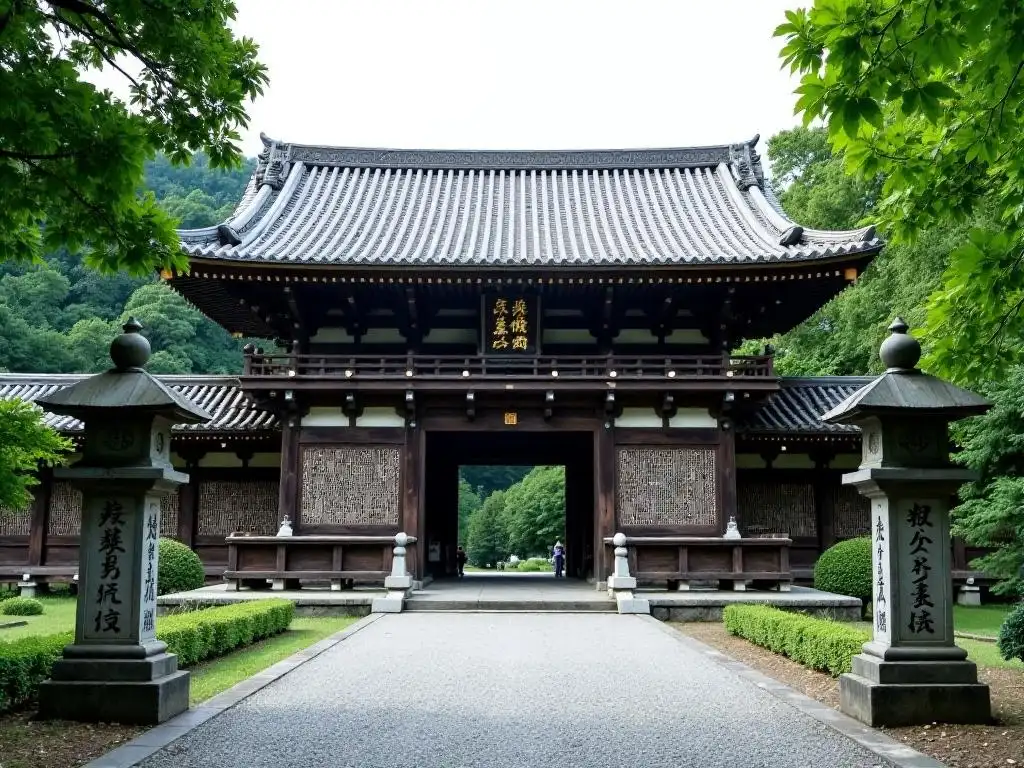
Welcome to Feudal Japan History, where we invite you to journey through the captivating tapestry of Japan's feudal era. Dive deep into the intricate world of cultural syncretism, where the fusion of Shinto and foreign beliefs shaped the very fabric of society. What drove this remarkable blend? How did these influences transform the spiritual landscape of ancient Japan? Prepare to uncover the answers and more as you explore our expert-driven insights into this fascinating chapter of history. Your adventure into the past begins now—let's unravel the mysteries together!
- Introduction to Cultural Syncretism in Feudal Japan
- Historical Context of Shinto and Foreign Beliefs
- The Process of Shinto Foreign Beliefs Fusion
- Case Studies of Cultural Syncretism
- Impacts of Shinto Foreign Beliefs Fusion on Japanese Society
- Contemporary Reflections on Cultural Syncretism
- Conclusion: The Legacy of Shinto Foreign Beliefs Fusion
- References and Further Reading
-
Frequently Asked Questions
- What is cultural syncretism in the context of Japan's feudal era?
- How did Shinto beliefs interact with foreign religions?
- What are some examples of foreign beliefs that influenced Shinto?
- Why is the fusion of Shinto and foreign beliefs significant?
- How does understanding this fusion enhance our knowledge of Japanese history?
- Final Reflection: Embracing the Harmony of Shinto and Foreign Beliefs
- Unveil the Rich Tapestry of Cultural Syncretism!
Introduction to Cultural Syncretism in Feudal Japan
Cultural syncretism in Feudal Japan represents a fascinating and complex interplay between indigenous beliefs and external influences, particularly evident in the fusion of Shinto with various foreign ideologies. This dynamic process not only shaped spiritual practices but also influenced social structures, artistic expressions, and community life.
Understanding this fusion helps illuminate the broader historical context of Japan, revealing how cultural exchanges have enriched and transformed its identity. As we delve into the intricate layers of this topic, we will explore the definitions, significance, and the various foreign beliefs that have intertwined with the core tenets of Shinto, providing a comprehensive overview of this pivotal aspect of Japanese history.
Definition of Cultural Syncretism
Cultural syncretism refers to the blending of different religious and cultural traditions, creating new, hybrid practices and beliefs. In the context of Feudal Japan, this phenomenon was particularly pronounced as Shinto, the indigenous spirituality of Japan, encountered various foreign influences, primarily from Buddhism, Confucianism, and later Western ideologies.
- Key Characteristics of Cultural Syncretism:
- Adaptation: Local beliefs adapt and incorporate elements from foreign systems.
- Hybrid Practices: New rituals or beliefs emerge that reflect a combination of influences.
- Continuity and Change: Traditional beliefs may persist alongside new arrivals, leading to a rich tapestry of cultural expression.
This blending often occurred through peaceful means such as trade and diplomacy, but also through conflict and conquest, demonstrating the fluidity of cultural boundaries in shaping societal norms.
Importance of Shinto in Japanese Culture
Shinto is more than just a religion; it is a vital component of Japanese identity, deeply embedded in the country’s cultural fabric. It emphasizes the worship of kami (spirits or gods) and nature, fostering a profound connection to the land and ancestors.
- Cultural Significance of Shinto:
- Rituals and Festivals: Shinto rituals play a crucial role in marking life events, seasonal changes, and community cohesion.
- Moral Framework: The principles of purity and harmony in Shinto inform social behaviors and personal conduct.
- Cultural Heritage: Many traditional Japanese art forms, architecture, and literature are heavily influenced by Shinto beliefs and practices.
By understanding the role of Shinto, we can better appreciate how foreign beliefs were integrated into this pre-existing framework, leading to a unique spiritual landscape in Feudal Japan.
Overview of Foreign Beliefs Influencing Shinto
The fusion of Shinto with foreign beliefs can be traced through various historical encounters, each leaving a lasting impact on Japanese spirituality and culture. Notable influences include:
- Buddhism: Arriving in Japan from Korea in the 6th century, Buddhism introduced concepts such as enlightenment and the afterlife, which harmonized with Shinto practices.
- Confucianism: This philosophical system emphasized social harmony and ethical governance, influencing both Shinto rituals and the Japanese view of authority.
- Western Beliefs: The arrival of Western ideologies during the Meiji Restoration introduced new ideas of individualism and scientific reasoning, further augmenting the Shinto framework.
These interactions exemplify the dynamic nature of religious practice in Japan, showcasing how syncretism not only enriched Shinto but also fostered a broader understanding of identity and belief systems throughout the centuries.
Historical Context of Shinto and Foreign Beliefs
Origins of Shintoism in Japan
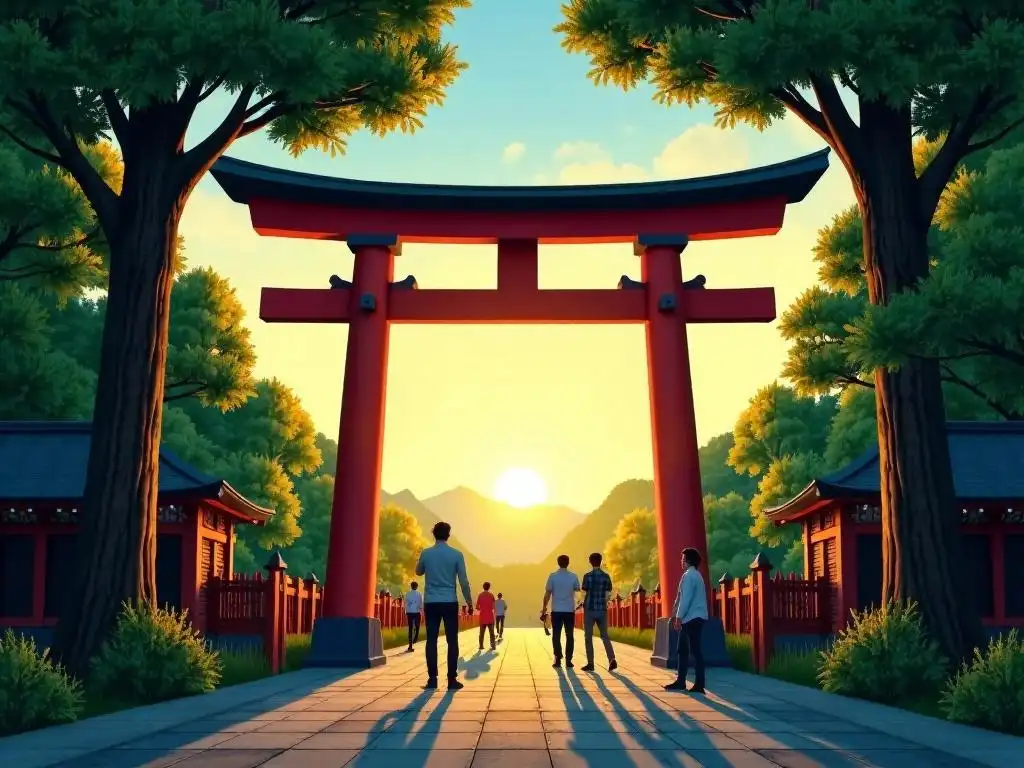
Shinto, Japan's indigenous spirituality, has roots that extend deep into the prehistorical period. Emerging as a collection of animistic beliefs, rituals, and practices, Shinto centers around the worship of kami—spirits or deities associated with natural elements like mountains, rivers, and trees. The term "Shinto" itself, meaning "the way of the gods," was coined later as a way to distinguish indigenous beliefs from imported religions.
Historically, Shinto practices were closely tied to the social and political structures of ancient Japan. Local clans and communities held specific kami dear, often leading to the establishment of shrines. Over time, these practices evolved, influenced by regional variations and the introduction of foreign beliefs. The syncretism between Shinto and other religions marks a significant aspect of Japan’s cultural history, illustrating a dynamic interplay of spiritual traditions that shaped societal norms.
Key Foreign Beliefs Entering Japan during the Feudal Era
The feudal era of Japan saw a rich tapestry of cultural exchanges, with several foreign beliefs making their way into the archipelago. This period was marked by significant interactions with neighboring countries, especially through trade, diplomacy, and conquest. Below are the key foreign beliefs that influenced and fused with Shinto during this era.
Buddhism and Its Integration
Buddhism, introduced to Japan from Korea in the 6th century, became a dominant religious force by the time of the feudal period. The integration of Buddhism into Japanese culture was not merely a matter of coexistence; rather, it led to a profound transformation of spiritual practices.
- Syncretic Practices: Many Shinto shrines began to incorporate Buddhist elements, leading to the establishment of syncretic practices known as Shinbutsu shūgō. This fusion often included the worship of bodhisattvas alongside kami, creating a dual worship system that appealed to a broader audience.
- Cultural Influence: The artistic and architectural styles of Buddhism influenced Shinto shrine design, with many shrines adopting pagoda structures. Festivals and rituals also saw the blending of Buddhist themes with Shinto rites, such as the incorporation of Buddhist prayers in Shinto ceremonies.
Confucianism’s Influence on Japanese Society
Confucianism, although primarily a philosophical system rather than a religion, played a crucial role in shaping the social fabric of feudal Japan. Its principles of morality, ethics, and governance resonated with the samurai class and the ruling aristocracy.
- Social Hierarchy: Confucian ideals reinforced the existing social hierarchy, emphasizing loyalty, filial piety, and respect for authority, which aligned well with the samurai code of bushido. This led to a reinforcement of societal norms that were already present in Shinto beliefs.
- Education and Bureaucracy: The implementation of Confucian education systems contributed to a more structured society, with an emphasis on learning and civil service. This educational framework often included Shinto teachings, creating a blended approach to governance and moral education.
Taoism and Its Philosophical Contributions
Taoism, which originated in China, began influencing Japanese thought during the Tang dynasty and further solidified its presence in the feudal era. The focus of Taoism on harmony with nature and the cosmos aligned closely with Shinto principles.
- Philosophical Synergy: The Taoist concept of the "Tao" or "the Way" paralleled the Shinto emphasis on living in accordance with the natural world. This shared worldview fostered a philosophical dialogue that enriched both traditions.
- Ritual Practices: Elements of Taoist rituals, such as divination and alchemy, were adopted by some Shinto priests, leading to an expansion of ritual practices. This exchange also influenced the aesthetic aspects of Japanese gardens and art, which often reflected Taoist ideals of harmony and balance.
Through these interactions, the Shinto foreign beliefs fusion became a defining characteristic of Japan’s cultural and spiritual landscape during the feudal era. This period of syncretism not only shaped religious practices but also had lasting effects on societal values that continue to resonate in modern Japan.
The Process of Shinto Foreign Beliefs Fusion
Mechanisms of Cultural Exchange in Feudal Japan
The fusion of Shinto with foreign beliefs during Japan's feudal era was a complex process influenced by various mechanisms of cultural exchange. These mechanisms facilitated interactions between different belief systems and allowed for the adaptation and integration of foreign elements into the indigenous Shinto practices.
Trade Routes and Their Role in Cultural Diffusion
The establishment of trade routes, particularly during the Kamakura (1185–1333) and Muromachi (1336–1573) periods, significantly contributed to the cultural diffusion that enabled the fusion of Shinto and foreign beliefs.
- Maritime Trade: Japan's location made it a hub for maritime trade, connecting it with China, Korea, and Southeast Asia. This interaction led to the importation of ideas, religious practices, and cultural artifacts.
- Silk Road Influence: Although geographically distant, the Silk Road played a role in transmitting Buddhist texts and practices from India to Japan, which then influenced Shinto beliefs.
- Trade Centers: Cities like Sakai and Nagasaki became melting pots where merchants, pilgrims, and scholars exchanged not only goods but also religious ideas.
The influx of foreign merchants and travelers introduced new philosophical concepts and religious practices, which were often adapted to fit the existing Shinto framework.
The Influence of Missionaries and Scholars
Missionaries and scholars were pivotal in the transmission of foreign beliefs, particularly Buddhism, Confucianism, and later Western ideologies.
- Buddhist Monks: Early Buddhist monks traveled to Japan to spread their teachings. They often found ways to coexist with Shinto, setting a precedent for syncretism.
- Confucian Scholars: During the Edo period (1603–1868), Confucianism gained prominence, and scholars introduced Confucian values into Shinto practices, emphasizing morality and societal harmony.
- Western Influence: With the arrival of Portuguese and Dutch traders in the 16th century, Western philosophies began to permeate Japanese culture, leading to further adaptations within Shinto.
These interactions allowed for a dynamic exchange of ideas, resulting in a rich tapestry of beliefs that characterized the spiritual landscape of feudal Japan.
Examples of Syncretism Between Shinto and Foreign Beliefs
The fusion of Shinto with foreign beliefs is evident in various aspects of Japanese culture and religious practices. Notable examples illustrate how Shinto and foreign systems of thought intermingled, creating a unique religious identity.
Shinto and Buddhism: A Unique Coexistence
The relationship between Shinto and Buddhism serves as one of the most prominent examples of syncretism in Japan.
- Dual Practice: Many Japanese people during the feudal era practiced both Shinto and Buddhism, often visiting Shinto shrines and Buddhist temples within the same day. This dual practice highlights the fluidity of religious boundaries in Japan.
- Syncretic Deities: Certain deities emerged from this fusion, such as Hachiman, who was worshipped as a Shinto god of war but also revered in Buddhist contexts. This blending allowed for the incorporation of Buddhist rituals into Shinto ceremonies.
- Cultural Festivals: Festivals like the Gion Matsuri in Kyoto blended Shinto rituals with Buddhist elements, showcasing the intertwined nature of these beliefs in public and spiritual life.
The coexistence of Shinto and Buddhism exemplified how foreign beliefs could enrich and coexist harmoniously with indigenous practices.
Confucian Values in Shinto Practices
Confucianism, introduced to Japan primarily through Chinese texts and scholars, also left an indelible mark on Shinto practices.
- Emphasis on Morality: Confucian values such as filial piety and loyalty became integrated into Shinto teachings, emphasizing the importance of family and social harmony.
- Rituals and Ethics: Shinto rituals began to reflect Confucian ethical principles, shaping the conduct of individuals within the community and their relationship with the kami (gods).
- Education and Governance: The influence of Confucian thought extended to governance and education in feudal Japan, promoting a societal structure in which Shinto served as a spiritual backbone to Confucian ideals.
This integration of Confucian values into Shinto practices illustrates the adaptive nature of religious beliefs in Japan, demonstrating how foreign ideologies can enhance and refine indigenous traditions.
Case Studies of Cultural Syncretism
Exploring the cultural syncretism between Shinto and foreign beliefs reveals the intricate ways in which these two systems have influenced each other throughout Japan's history. This section presents case studies that highlight the fusion of rituals, architecture, and artistic expressions, demonstrating how Shinto foreign beliefs fusion has shaped Japanese culture.
The Fusion of Rituals: Shinto Festivals and Buddhist Ceremonies
The integration of Shinto and Buddhist practices is most evident in the rituals and festivals celebrated across Japan.
- Shared Festivals: Many festivals, or matsuri, have evolved to incorporate both Shinto and Buddhist elements. For instance, the Gion Matsuri in Kyoto, originally a purification ritual to appease the gods during an epidemic, now features Buddhist processions and ceremonies that reflect the influence of foreign beliefs.
- Ritual Practices: Daily rituals often blend Shinto and Buddhist customs. For example, it is common for families to display Shinto altars ( kamidana) alongside Buddhist altars ( butsudan). This duality allows practitioners to honor both ancestral spirits and Buddhist deities, showcasing a harmonious coexistence.
- Ceremonial Adaptations: Certain rites, such as wedding ceremonies, have also combined elements from both traditions. Shinto weddings usually include rituals like the san-san-kudo, where couples sip sake to symbolize unity, while Buddhist elements may be incorporated in the form of blessings or chanting.
“The beauty of these festivals lies in their ability to bring together diverse beliefs, creating a unique tapestry of spiritual expression.”
Architectural Syncretism: Shinto Shrines and Buddhist Temples
The architectural landscape of Japan vividly illustrates the fusion of Shinto and foreign beliefs through the design and construction of shrines and temples.
- Design Features: Shinto shrines, characterized by their simplicity and natural materials, often show Buddhist influence in their structural elements. For example, the use of pagoda styles or the incorporation of ornate carvings can be seen in some Shinto shrines that were built during the Kamakura period (1185-1333).
- Integrated Sites: Sites such as the Ise Grand Shrine feature architectural elements that have been inspired by Buddhist structures, and vice versa. The Kinkaku-ji (Golden Pavilion) in Kyoto serves as a prime example of Buddhist architecture enriched with Shinto aesthetics, blending gold leaf decor with serene garden settings.
- Cultural Significance: These architectural fusions not only serve as places of worship but also as symbols of Japan's complex religious landscape. The coexistence of Shinto shrines and Buddhist temples in close proximity underscores the acceptance and integration of diverse beliefs within the community.
Artistic Expressions: How Shinto and Foreign Influences Shaped Art
Artistic expressions in Japan have been profoundly influenced by the interplay between Shinto and foreign beliefs, resulting in a rich cultural heritage.
- Painting and Sculpture: The evolution of Japanese painting often reflects a blend of Shinto themes and Buddhist iconography. The Fudo Myoo (Acala) is a striking example where the fierce deity is depicted in a manner that resonates with Shinto's reverence for nature, embodying the fusion of protective spirits.
- Craftsmanship: Traditional crafts such as pottery and textiles exhibit motifs that draw from both Shinto and Buddhist symbolism. The use of natural elements like waves, mountains, and trees in textiles often reflects Shinto's connection to nature while also incorporating Buddhist themes of enlightenment.
- Performing Arts: The world of performing arts, particularly in Noh and Kabuki, showcases the syncretism of Shinto and Buddhist narratives. These performances often depict tales of gods and spirits from Shinto mythology alongside Buddhist teachings, creating a dynamic storytelling tradition.
“Art serves as a bridge between these two belief systems, allowing for a dialogue that enriches both traditions.”
The case studies of cultural syncretism highlight how Shinto foreign beliefs fusion has manifested in various aspects of Japanese life. From rituals to architecture and art, the blending of these traditions illustrates a unique cultural identity that continues to evolve.
Impacts of Shinto Foreign Beliefs Fusion on Japanese Society
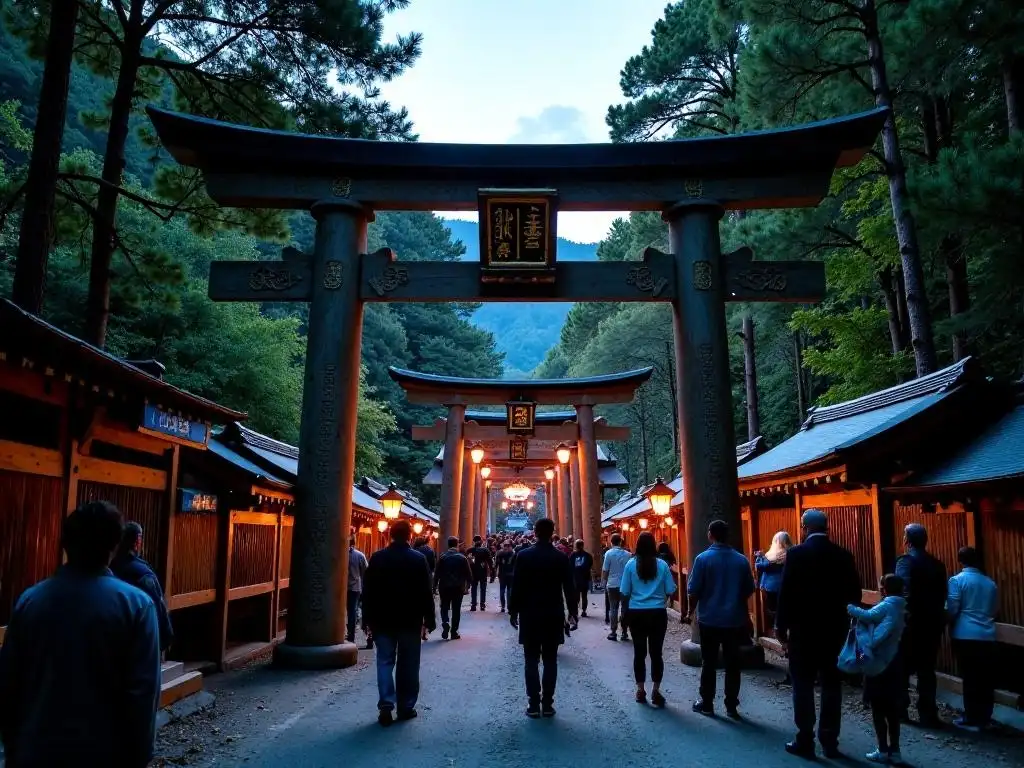
The fusion of Shinto with foreign beliefs, particularly Buddhism, Confucianism, and Taoism, has significantly impacted Japanese society throughout history. This syncretism has manifested in various aspects of life, including religious practices, social structures, and the formation of a unique national identity. Understanding these impacts provides insight into how Japan has navigated cultural exchanges and integrated diverse influences into its own traditions.
Changes in Religious Practices
The integration of foreign beliefs into Shinto has led to profound changes in religious practices within Japan. Initially, Shinto was characterized by its animistic elements, focusing on kami (spirits) associated with natural phenomena and ancestral worship. However, with the arrival of Buddhism in the 6th century, a transformative shift occurred.
- Syncretic Rituals: The merging of Shinto and Buddhist practices led to the development of syncretic rituals. For instance, the concept of shinbutsu shūgō (神仏習合) refers to the coexistence and blending of Shinto and Buddhist elements in rituals and festivals. These combined ceremonies enriched the spiritual landscape of Japan, allowing for a more inclusive approach to worship.
- New Deities and Pantheons: The fusion introduced new deities into the Shinto pantheon. For example, certain Buddhist figures were venerated as kami, effectively expanding the Shinto belief system. This layering of beliefs allowed for greater flexibility in religious practice, accommodating diverse spiritual needs.
- Adaptation of Festivals: Many traditional festivals, or matsuri, began incorporating Buddhist elements, reflecting this fusion. Events such as the Gion Matsuri in Kyoto showcase how Shinto rituals were infused with Buddhist motifs, emphasizing communal participation and spiritual reflection.
The syncretism of Shinto and foreign beliefs also had a significant impact on Japan's social hierarchies and governance structures. The adoption of Confucian ideals alongside Shinto practices contributed to a more stratified society.
- Legitimization of Authority: Shinto's divine connection to the imperial family, combined with Confucian principles, reinforced the legitimacy of rulers. The belief that emperors were descendants of the kami positioned them as both political and spiritual leaders, centralizing power within the aristocracy.
- Social Stratification: The fusion of these beliefs led to a more defined social hierarchy, where samurai and nobility were seen as possessing divinely sanctioned authority. This stratification was further cemented by Confucian ideals of loyalty, filial piety, and social responsibility, which became integral to the samurai code of conduct.
- Educational Systems: The influence of Confucianism on education and governance fostered a system that prioritized moral instruction and bureaucratic governance. This shift established a framework for governance that emphasized ethical leadership, further intertwining religious beliefs with societal structure.
The Role of Cultural Syncretism in National Identity
Cultural syncretism has played a crucial role in shaping Japan's national identity, blending indigenous Shinto beliefs with foreign influences to create a unique cultural tapestry.
- Cultural Resilience: The ability to incorporate foreign beliefs without losing the essence of Shinto has demonstrated Japan's cultural resilience. This syncretism reflects a broader trend of adaptability, allowing Japan to maintain its core identity while embracing external influences.
- Art and Literature: The fusion of beliefs has also inspired artistic and literary expressions. Traditional Japanese arts, such as Noh and Kabuki theater, often draw upon themes from both Shinto and Buddhist narratives, illustrating the cultural dialogue that enriches Japan's artistic heritage.
- Contemporary Perspectives: In modern Japan, the legacy of Shinto and foreign beliefs fusion continues to influence national identity. Contemporary practices, such as Shinto weddings and Buddhist funerals, reflect this duality, highlighting the ongoing relevance of cultural syncretism in everyday life.
The fusion of Shinto with foreign beliefs has profoundly impacted Japanese society, shaping religious practices, social hierarchies, and national identity. This cultural syncretism not only enriches Japan's historical narrative but also continues to inform its contemporary cultural landscape.
Contemporary Reflections on Cultural Syncretism
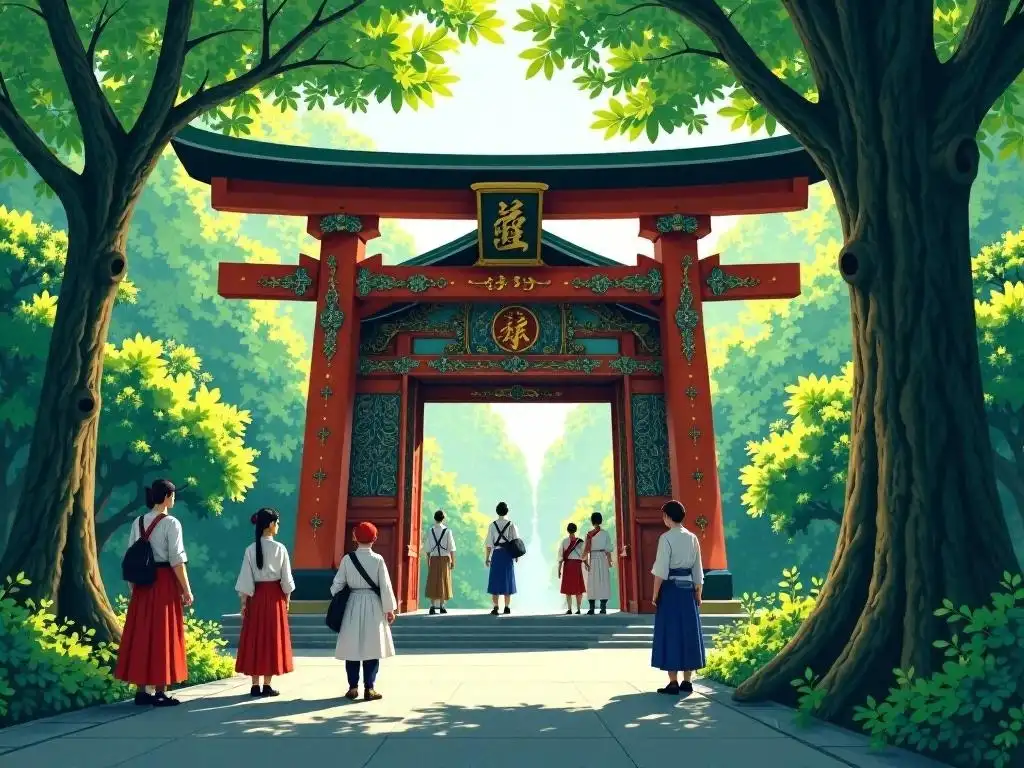
Lasting Effects of Shinto and Foreign Beliefs Fusion
The fusion of Shinto and foreign beliefs has had profound and lasting effects on Japanese culture, shaping various aspects of everyday life, traditions, and societal practices. One of the most significant outcomes of this syncretism is the incorporation of Buddhist elements into Shinto rituals. This integration can be observed in practices such as Shinto-Buddhist syncretism, where both religious practices coexist harmoniously, evident in festivals, shrines, and temples throughout Japan.
- Cultural Practices: Many traditional Japanese festivals, such as Gion Matsuri and Aoi Matsuri, showcase the blending of Shinto and Buddhist practices. These festivals often include rituals that honor both Shinto deities and Buddhist figures, illustrating the seamless integration of beliefs.
- Art and Literature: The influence of foreign beliefs on Shinto is also visible in Japanese art and literature. Iconography in paintings and sculptures often reflects Buddhist themes intertwined with Shinto symbolism, creating a rich tapestry of cultural expression.
- Social Structures: The fusion of beliefs has impacted social hierarchies and community structures, where Buddhist monks and Shinto priests historically collaborated in various capacities, influencing local governance and community cohesion.
Modern Interpretations of Ancient Practices
In contemporary Japan, ancient practices rooted in the fusion of Shinto and foreign beliefs have evolved, taking on new meanings while retaining their historical significance. Modern interpretations of these practices can be seen in various domains, including spirituality, festivals, and even popular culture.
- Spirituality: Many Japanese people today identify as shinbutsu shūgō, meaning they appreciate both Shinto and Buddhist practices. This coexistence allows individuals to navigate their spiritual needs flexibly, drawing from both traditions during significant life events such as births, weddings, and funerals.
- Festivals and Celebrations: Modern adaptations of traditional festivals often include performances, art installations, and community participation that highlight the historical fusion of Shinto and foreign beliefs. Events like Tanabata and Setsubun reflect both Shinto origins and influences from other cultures, showcasing a vibrant cultural landscape.
- Popular Culture: The influence of this cultural syncretism extends into contemporary media, where anime, manga, and literature often explore themes derived from both Shinto and Buddhist narratives. Such representations not only entertain but also educate audiences about the complexities of Japan's religious and cultural heritage.
The Relevance of Cultural Syncretism Today
Cultural syncretism, particularly the fusion of Shinto and foreign beliefs, remains highly relevant in today's globalized society. As Japan continues to engage with the world, this syncretism offers valuable insights into how cultures can interact and evolve.
- Cultural Identity: In an era of rapid globalization, the blending of Shinto and foreign beliefs provides a framework for understanding Japanese cultural identity. It exemplifies how traditions can adapt and thrive while maintaining their core essence, allowing for a diverse cultural landscape that honors history.
- Social Cohesion: The ability of Shinto and foreign beliefs to coexist has fostered a sense of unity in Japan, demonstrating the importance of respecting and integrating multiple perspectives. This principle is crucial in a world where cultural exchanges are more prominent than ever, encouraging dialogue and understanding among different societies.
- Tourism and Cultural Exchange: The rich tapestry of beliefs and practices rooted in this syncretism attracts tourists from around the world, eager to experience Japan's unique blend of spirituality and culture. This influx of visitors not only promotes cultural exchange but also supports local economies and preserves traditions.
The fusion of Shinto and foreign beliefs continues to influence Japanese culture, offering modern interpretations that resonate with contemporary society while underscoring the importance of cultural syncretism in fostering understanding, identity, and community in an interconnected world.
Conclusion: The Legacy of Shinto Foreign Beliefs Fusion
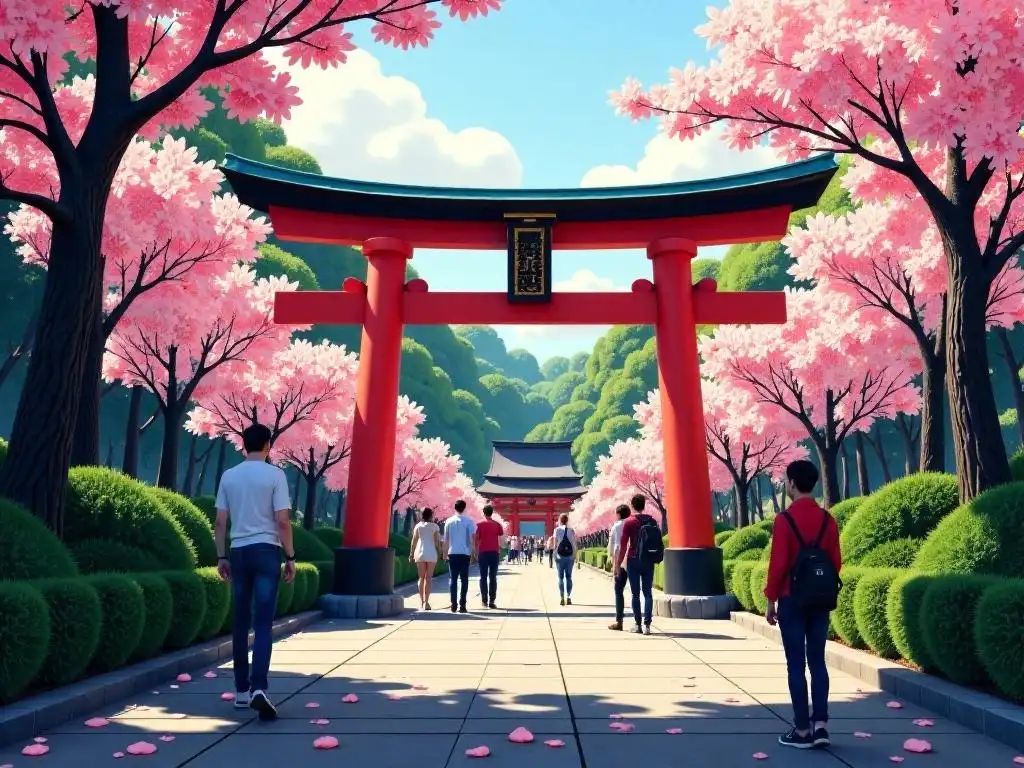
The fusion of Shinto and foreign beliefs has left an indelible mark on Japan's cultural landscape, shaping not only religious practices but also social norms, art, and community life. Understanding this legacy is crucial to appreciating the complexities of modern Japanese identity and spirituality.
Summary of Key Points
The synthesis of Shinto with various foreign beliefs, including Buddhism, Confucianism, and even Western ideologies, has exhibited a remarkable adaptability throughout history. Some key points to consider include:
- Historical Interactions: The initial contact with Buddhism in the 6th century initiated a period of religious syncretism, leading to the emergence of practices that combined elements of Shinto and Buddhist rituals.
- Cultural Integration: As foreign beliefs were introduced, they did not simply replace Shinto; rather, they were incorporated into existing frameworks. This resulted in a unique blend of practices, such as the celebration of festivals that honor both Shinto deities and Buddhist figures.
- Philosophical Contributions: Confucianism's emphasis on social harmony and ethics has influenced Shinto practices, especially in terms of community governance and familial obligations, reinforcing the idea of collective well-being.
- Modern Adaptations: In contemporary Japan, the fusion of Shinto and foreign beliefs continues to evolve, incorporating aspects of popular culture, such as anime and global spiritual practices, which reflect a more open and diverse approach to spirituality.
The Future of Shintoism in a Globalizing World
As Japan becomes increasingly interconnected with global cultures, the future of Shintoism faces both challenges and opportunities. Considerations for the evolution of Shinto in a globalizing context include:
- Global Awareness: The rise of multiculturalism is prompting a reevaluation of traditional practices. Shinto shrines are seeing more international visitors, which may lead to adaptations in rituals to accommodate diverse beliefs.
- Interfaith Dialogues: The fusion of Shinto with foreign beliefs may foster interfaith dialogues, encouraging collaboration among different spiritual communities to promote mutual understanding and respect.
- Cultural Preservation vs. Innovation: Balancing the preservation of ancient traditions with the innovation necessary to remain relevant in modern society will be key. This includes the potential for new interpretations of Shinto practices that resonate with younger generations.
- Environmental Consciousness: In a world increasingly aware of environmental issues, the Shinto connection to nature may gain renewed significance, inspiring both local and global movements that incorporate Shinto beliefs into environmental stewardship.
The legacy of Shinto foreign beliefs fusion is a testament to Japan's rich cultural tapestry. The interplay between tradition and modernity will shape the future of Shinto, allowing it to adapt while retaining its core essence as a vital component of Japanese identity.
References and Further Reading
Recommended Books on Shinto and Cultural Exchange
To gain a deeper understanding of the Shinto foreign beliefs fusion, a selection of books can provide valuable insights into the historical, cultural, and spiritual dimensions of this syncretism. Here are some recommended titles:
- "Shinto: The Kami Way" by Sokyo Ono
- This classic text offers a foundational understanding of Shinto, its rituals, and its integration with other belief systems. It covers the fundamental principles of Shinto practice and its historical evolution.
- "Shinto and the State, 1868-1984" by John Breen and Mark Teeuwen
- This book explores the relationship between Shinto and the Japanese state, especially during significant historical periods. It provides context for how foreign beliefs influenced Shinto practices in modern Japan.
- "Religion in Japan: Arrows to Heaven and Earth" by Inoue Nobutaka
- Inoue's work examines the complexity of religious practices in Japan, shedding light on the interactions between Shinto and various foreign beliefs throughout history.
- "Japanese Religion: A Cultural Perspective" by Joseph Mitsuo Kitagawa
- This comprehensive volume discusses the various religious traditions in Japan, including the fusion of Shinto with foreign influences. Kitagawa’s analysis of cultural exchange offers a broad perspective on the subject.
- "Gods of Japan: An Introduction to Shinto" by Robert Ellwood
- This introduction to Shinto emphasizes its deities and rituals while also addressing the syncretism with Buddhism and other foreign beliefs, making it essential for understanding cultural exchanges.
Articles and Journals for In-Depth Study
For those seeking academic insights into the Shinto foreign beliefs fusion, the following articles and journals provide well-researched analyses:
- "The Syncretic Nature of Japanese Religiosity"
- This article examines how Shinto has absorbed elements from Buddhism and other foreign religions, highlighting specific examples of syncretism in rituals and beliefs.
- "Cultural Exchange and Religious Syncretism in Japan"
- Published in the Journal of Japanese Studies, this paper discusses the historical context of cultural exchange and its impact on Shinto practices, providing case studies of notable syncretic traditions.
- "Shinto and Buddhism: A Historical Overview of Their Interaction"
- This scholarly article reviews the historical interactions between Shinto and Buddhism, detailing how these two belief systems influenced each other over the centuries.
- "The Role of Ancestor Worship in Shinto and Foreign Religions"
- This study looks at the role of ancestor worship in Shinto and how it has been shaped by external religious influences.
- "Cultural Syncretism in Japan: A Historical Perspective"
- Featured in the Asian Philosophy journal, this article provides an expansive view of cultural syncretism in Japan, focusing on the interplay between Shinto and various foreign beliefs throughout history.
These resources will enhance your understanding of the intricate relationships between Shinto and foreign beliefs, offering a comprehensive view of cultural exchanges in feudal Japan.
Frequently Asked Questions
What is cultural syncretism in the context of Japan's feudal era?
Cultural syncretism refers to the blending of different belief systems, practices, and traditions. In Japan's feudal era, Shinto merged with various foreign beliefs, creating a unique spiritual landscape.
How did Shinto beliefs interact with foreign religions?
Shinto incorporated elements from Buddhism, Confucianism, and other foreign beliefs, leading to a rich tapestry of spiritual practices. This fusion allowed for greater adaptability within Japanese culture.
What are some examples of foreign beliefs that influenced Shinto?
Key influences included Buddhism, which introduced new rituals and philosophies, as well as Taoism and Confucianism, which shaped ethical and social structures within Shinto practices.
Why is the fusion of Shinto and foreign beliefs significant?
The fusion highlights Japan's ability to adapt and integrate external influences while maintaining its cultural identity, contributing to a unique and resilient societal framework during the feudal era.
How does understanding this fusion enhance our knowledge of Japanese history?
Exploring the Shinto foreign beliefs fusion provides deeper insights into Japan’s cultural evolution, showcasing how historical interactions shaped national identity and societal values over time.
Final Reflection: Embracing the Harmony of Shinto and Foreign Beliefs
Cultural syncretism, particularly the fusion of Shinto and foreign beliefs, remains profoundly relevant in our increasingly interconnected world. As societies continue to blend and borrow from one another, the ability to embrace diverse spiritual practices fosters understanding and unity among cultures. This ongoing dialogue between Shinto and foreign beliefs exemplifies how traditions can coexist and enrich one another, reminding us that our differences can be a source of strength rather than division.
The impact of this syncretism is evident in contemporary cultural expressions, where the blending of Shinto with other spiritual practices has created vibrant communities that celebrate diversity. The fusion of beliefs not only shapes rituals and festivals but also influences art, literature, and social interactions. As the renowned philosopher Joseph Campbell once said, Myth is much more important and true than history. For the myth is the story of the human experience.
This underscores the significance of cultural narratives that arise from such fusions, as they reflect our shared human experience and the universal quest for meaning.
As we reflect on the lessons of cultural syncretism, let us invite ourselves to explore and appreciate the rich tapestry of beliefs that surround us. Consider how you can engage with and learn from the diverse spiritual practices in your community. By opening our hearts and minds to the fusion of Shinto and foreign beliefs, we not only honor the past but also pave the way for a more inclusive and harmonious future. Embrace the beauty of diversity and let it inspire your journey toward understanding and connection.
Unveil the Rich Tapestry of Cultural Syncretism!
Thank you for joining us on this fascinating journey through the fusion of Shinto and various foreign beliefs. Understanding these intricate intersections not only deepens your appreciation of history but also enriches your own worldview. Now, it's time to take that knowledge further!
Here are some powerful steps you can take to engage with this captivating topic:
- Dive deeper: Explore how Shinto has influenced other cultures by reading academic articles and books that detail cross-cultural exchanges.
- Share your insights: Discuss this topic with friends or online communities interested in cultural studies. Your perspective can spark meaningful conversations!
- Experience it firsthand: If possible, visit a local shrine or engage with cultural festivals celebrating Shinto traditions to witness the syncretism in action.
What aspect of cultural syncretism intrigues you the most, and how do you see it shaping modern beliefs? We’d love to hear your thoughts!