
The Transformation of Samurai Identity: From Feudal Servants to National Heroes

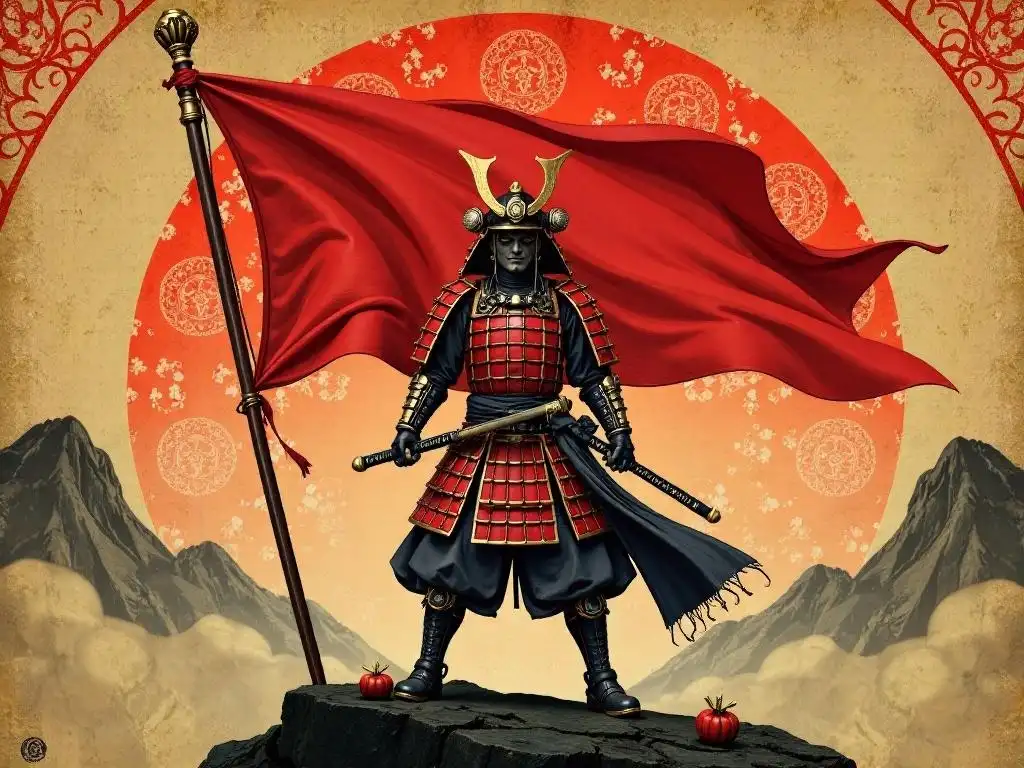
Welcome to Feudal Japan History, where we invite you to embark on a captivating journey through the intricate tapestry of Japan's feudal era. Here, you will uncover the profound transformation of samurai identity, tracing their evolution from loyal feudal servants to revered national heroes. What drove this monumental shift, and how did it shape the very fabric of Japanese society? Dive into our in-depth articles, rich with expert analysis and historical insight, and discover the compelling narratives that define this remarkable period. Your exploration begins now—unravel the mysteries of the samurai and their enduring legacy!
Introduction to Samurai Identity Transformation History
The evolution of samurai identity throughout Japan's feudal era is a fascinating narrative that reflects broader societal shifts and political dynamics. The samurai, originally conceived as elite warriors serving feudal lords, underwent a significant transformation, evolving from mere servants of the ruling class to revered national symbols and cultural icons.
This metamorphosis is not only pivotal in understanding the samurai's role in Japanese history but also sheds light on the intricate relationship between warfare, governance, and identity. As we delve into the samurai identity transformation history, we will explore the multifaceted nature of their evolution and the factors that contributed to their enduring legacy in Japanese culture.
Overview of Samurai Identity in Feudal Japan
In feudal Japan, the samurai were distinguished members of the warrior class, characterized by their adherence to the bushido code, which emphasized loyalty, honor, and martial prowess. Initially, their identity was tightly interwoven with their role as protectors of the land and servants to the daimyō (feudal lords). The samurai's status was not only a reflection of their military capabilities but also their cultural contributions, including literature, arts, and philosophy.
- Key Aspects of Samurai Identity:
- Warriors: Skilled fighters trained in various martial arts.
- Loyal Servants: Vowed loyalty to their lords, often leading to a strict code of conduct.
- Cultural Patrons: Engaged in the arts, promoting literature and aesthetics.
As Japan transitioned through different historical phases, the samurai's identity began to shift, influenced by changing political landscapes and societal expectations.
Importance of Studying Samurai Identity Transformation
Understanding the transformation of samurai identity is essential for several reasons:
- Cultural Insight: It provides a lens through which to view the evolution of Japanese culture and societal values.
- Historical Significance: It highlights pivotal moments in Japanese history that shaped the samurai's role and perception.
- Modern Relevance: The samurai ethos continues to resonate in contemporary Japanese society and global culture.
By examining these transformations, we can better appreciate the samurai's enduring legacy and their impact on Japan's national identity.
Historical Context of the Samurai Class
Origins of the Samurai: From Warriors to Feudal Servants
The samurai class emerged during the late Heian period (794-1185), initially as provincial warriors tasked with defending their territories. As feudalism took hold, the samurai's role expanded, leading to a reliance on them by powerful landowners. This transition marked the beginning of their dual identity as both warriors and feudal servants, which would characterize their existence for centuries.
The Role of Samurai in Japanese Political Structure
Throughout the Kamakura (1185-1333) and Muromachi (1336-1573) periods, the samurai became integral to Japan's political structure. They served as military leaders, administrators, and enforcers of their lords' will, thereby solidifying their power within the feudal hierarchy. Their influence extended beyond the battlefield, as they participated in governance and local administration.
Key Historical Events Influencing Samurai Identity
Several pivotal events significantly impacted the samurai's identity transformation:
- The Gempei War (1180-1185): A civil war that established the samurai as a formidable political force.
- The Mongol Invasions (1274 and 1281): Solidified the samurai's role as national defenders.
- The Sengoku Period (1467-1603): A time of constant warfare that further entrenched the samurai's military and social standing.
These events not only shaped their identity but also laid the groundwork for their eventual transformation into national heroes during the Edo period and beyond.
Through this exploration of samurai identity transformation history, we can better understand the complex narrative of a class that continues to capture the imagination of people both within Japan and around the world.
The Evolution of Samurai Identity
The identity of the samurai has undergone significant transformations throughout Japan's history, particularly during the feudal era. Initially, samurai were primarily seen as warriors serving feudal lords, whose primary function was to provide military service in exchange for land and sustenance. However, as the socio-political landscape of Japan evolved, so too did the perception of the samurai. By the late Edo period, samurai began to be viewed not merely as soldiers but as guardians of cultural and ethical values, embodying ideals of loyalty, honor, and discipline.
The transition from a focus on martial prowess to a broader cultural role was influenced by various factors, including shifts in governance, economic changes, and the adoption of new philosophical ideas. This complex evolution ultimately led to the samurai being revered as national heroes, especially during the Meiji Restoration, when their legacy was utilized to foster a sense of nationalism and unity in a rapidly modernizing Japan.
The Shift from Feudal Servants to Protectors of the Realm
The samurai's role as feudal servants began to change notably during the Kamakura period (1185–1333), when they started to assume more significant responsibilities in the governance of their domains. Rather than merely serving their lords, they became local rulers and protectors of the realm, enforcing law and order within their territories. This shift was further solidified during the Muromachi period (1336–1573), where the samurai class began to establish a more defined social hierarchy and governance structure.
As the power of the shogunate expanded, samurai were tasked with the protection of their communities, leading to a growing sense of duty and responsibility. This transformation was also reflected in the samurai’s code of conduct, known as "bushido," which emphasized virtues such as loyalty, courage, and righteousness. The samurai began to see themselves not only as warriors but as stewards of peace and order, further solidifying their identity as protectors of the realm.
Cultural Influences on Samurai Identity Transformation
The transformation of samurai identity was heavily influenced by cultural developments. The introduction of Zen Buddhism played a pivotal role in shaping the samurai's worldview, emphasizing self-discipline, meditation, and a deeper philosophical understanding of life and death. This spiritual dimension added layers to the samurai identity, moving it beyond mere martial skills to incorporate elements of introspection and ethical living.
Additionally, the flourishing of Confucianism during the Edo period reinforced the samurai's role as moral exemplars in society. The teachings emphasized loyalty to superiors, filial piety, and social harmony, which aligned with the samurai’s evolving identity as leaders and educators in their communities. These cultural influences helped to reshape the samurai from mere fighters into respected figures of authority and virtue.
The Impact of Buddhism and Shinto on Samurai Ideals
Both Buddhism and Shintoism significantly impacted the ethical and spiritual framework of samurai identity. Buddhism introduced concepts such as impermanence and the cyclical nature of life, which resonated with the samurai's understanding of honor and sacrifice. The emphasis on mindfulness and inner peace allowed samurai to cultivate a more profound sense of purpose beyond the battlefield.
Shinto, Japan's indigenous spirituality, contributed to the samurai's connection to the land and the divine. The reverence for nature and ancestral spirits fostered a sense of duty to protect not only their lords but also the cultural heritage and sacred sites of Japan. This dual influence of Buddhism and Shinto helped establish a unique samurai ethos that blended martial skills with spiritual depth and commitment to the nation.
The Role of Literature and Art in Shaping Samurai Identity
Literature and art have played crucial roles in reflecting and shaping the samurai identity throughout Japan's history. As samurai transitioned from feudal servants to revered cultural figures, their representation in various art forms mirrored these changes. Through literature, visual arts, and performance, the samurai's ideals, struggles, and values were both celebrated and scrutinized, contributing to a rich narrative of their evolving identity.
Samurai in Japanese Literature: A Reflection of Changing Identity
Japanese literature has long served as a medium for exploring the complexities of samurai identity. Classic works, such as "The Tale of the Heike," depict samurai not only as warriors but also as tragic heroes grappling with themes of loyalty, honor, and the fleeting nature of glory. These narratives evolved over time, particularly during the Edo period, when samurai were portrayed in a more nuanced light, often facing moral dilemmas and personal conflicts.
Modern literature, like the works of writers such as Yukio Mishima, further explores the samurai ethos, reflecting contemporary struggles with identity and culture. Through these literary explorations, the samurai's identity has been both romanticized and questioned, allowing for a deeper understanding of their place in Japanese society.
Visual Arts Depicting Samurai: The Shift in Representation
The representation of samurai in visual arts has also evolved significantly. Early depictions focused heavily on their martial prowess and battlefield heroics, often capturing the excitement of combat and the valor of individual warriors. However, as the samurai's role changed, so too did their representation in art.
By the Edo period, ukiyo-e prints began to highlight the samurai in more serene, contemplative settings, emphasizing their cultural and social roles. Artists like Katsushika Hokusai and Utagawa Kuniyoshi portrayed samurai in everyday life, engaging in cultural pursuits or demonstrating ethical virtues, thus contributing to a more rounded portrayal of their identity.
The Influence of Noh and Kabuki Theatre on Samurai Perception
Theatrical traditions such as Noh and Kabuki have significantly shaped public perception of samurai. Noh, with its austere and poetic style, often depicted samurai as noble figures, exploring themes of honor and tragedy through subtle performances. The slow-paced, contemplative nature of Noh allowed audiences to reflect on the samurai’s virtues and the weight of their responsibilities.
Conversely, Kabuki offered a more dynamic and flamboyant representation of samurai, often incorporating elements of drama and spectacle. Through exaggerated portrayals and elaborate costumes, Kabuki highlighted the samurai's valor but also their flaws, creating a more complex image that resonated with the common people. Both forms of theatre played crucial roles in solidifying the samurai's status as cultural icons while revealing the intricacies of their evolving identity in society.
The Meiji Restoration and the Redefinition of Samurai Identity
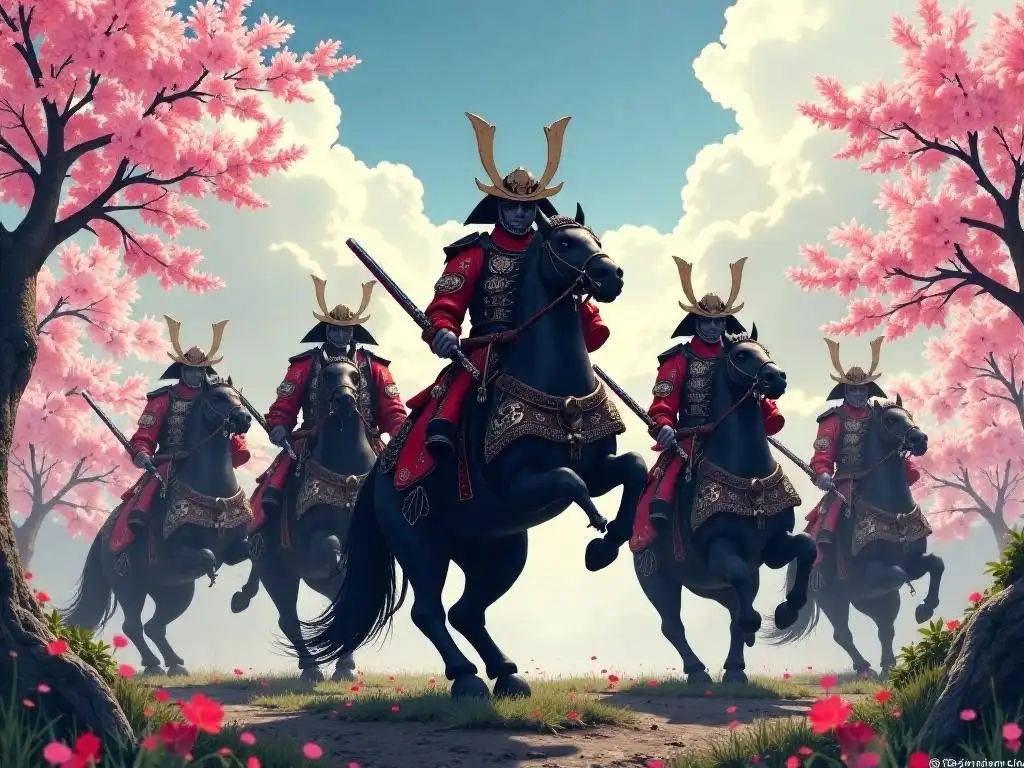
The Meiji Restoration, which began in 1868, marked a significant turning point in Japanese history, profoundly impacting the identity of the samurai. As Japan transitioned from a feudal system to a modern state, the samurai class faced a crisis in their traditional roles.
The restoration aimed to centralize power and modernize the country, which required the dismantling of the feudal hierarchy that had defined the samurai's existence for centuries. As a result, the samurai identity underwent a dramatic transformation, shifting from that of warriors bound to the service of feudal lords to a more complex and varied role in a rapidly changing society.
This period saw the introduction of new political ideologies that emphasized loyalty to the emperor rather than to individual daimyos (feudal lords). The samurai, who once derived their status from their martial skills and loyalty to their lords, began to be redefined as patriotic citizens tasked with serving the nation.
This identity shift was not merely ideological; it was also legislative, as the government enacted reforms that abolished the samurai's privileges and restructured the military, leading to the establishment of a conscript army. Consequently, many samurai were left to navigate a new social landscape where their historical roles were no longer relevant.
Political Changes During the Meiji Era
The political landscape during the Meiji era was characterized by significant changes that influenced the samurai class. The abolition of the feudal system in 1871 eliminated the daimyos' power and authority, effectively dissolving the samurai's traditional feudal loyalties. This transition was marked by the introduction of the Meiji Constitution in 1889, which established a constitutional monarchy and laid the groundwork for modern governance in Japan.
Alongside these structural changes, the government implemented a series of reforms that aimed to streamline administration and foster national unity. The Land Tax Reform of 1873 and the establishment of a national army in 1872 were pivotal in diminishing the samurai's socio-economic position. As the samurai lost their stipends and privileges, many were forced to adapt to new roles in society, often leading to their involvement in education, bureaucracy, and industry.
Moreover, the push for modernization initiated by the Meiji government included the adoption of Western technologies and ideologies. This shift further marginalized the samurai class, as their traditional warrior skills became less relevant in a rapidly industrializing Japan. The political changes during this era fundamentally altered the fabric of Japanese society, leading to the redefinition of samurai identity from that of feudal warriors to citizens of a modern nation.
Samurai as National Heroes: The Birth of a New Identity
As the Meiji Restoration progressed, the samurai began to be romanticized as national heroes, embodying the virtues of loyalty, honor, and courage. This transformation was partly a strategic move by the government, which sought to harness the samurai's historical prestige to foster a sense of nationalism among the populace. By elevating the samurai's status, the government aimed to inspire a collective identity centered around loyalty to the emperor and the nation.
Literature, art, and education played crucial roles in this redefinition. The government commissioned works that celebrated samurai exploits, framing them as paragons of virtue and bravery. Additionally, the study of Bushido, the traditional samurai code of conduct, was promoted as a moral framework for the new Japanese citizen. This narrative not only legitimized the samurai's historical importance but also encouraged contemporary values aligned with the emerging national identity.
As a result, samurai identity began to merge with notions of patriotism and national pride. Celebrated figures from the samurai past were exalted in public consciousness, and their legacies were used to instill a sense of duty and sacrifice in the face of modernization. The samurai's transformation into national heroes marked a significant departure from their previous role as feudal servants, highlighting the complex interplay between tradition and modernity in shaping Japan's identity.
The Abolition of the Samurai Class and Its Implications
The formal abolition of the samurai class in 1876, through the Sword Abolishment Edict, signified the end of an era. This decree prohibited the wearing of swords, a symbol of the samurai's status and authority, leading to a profound identity crisis among former samurai. The loss of their privileges and the inability to fulfill their traditional roles forced many to seek new avenues for social and economic survival.
The implications of the abolition were multifaceted. Economically, many samurai who relied on stipends found themselves in dire straits, prompting some to engage in trade, agriculture, or other professions that were previously deemed beneath their status. Socially, the dissolution of the class system blurred the lines of hierarchy, allowing for greater mobility but also leading to a loss of identity for many former samurai.
Moreover, the abolition contributed to the broader narrative of modernization in Japan, as it signified a rejection of the rigid feudal structure that had dominated the society for centuries. The transition from a warrior elite to a diverse citizenry mirrored the nation’s movement toward a more democratic and egalitarian society. However, it also left a legacy of nostalgia and romanticism surrounding the samurai, which continues to influence Japanese identity today.
Modern Perceptions of Samurai Identity
In contemporary Japan, the perception of samurai identity is a complex interplay of history, culture, and popular media. While the samurai are often celebrated as symbols of Japan's rich heritage and martial prowess, modern interpretations have evolved to reflect changing societal values and global influences.
The Influence of Pop Culture on Samurai Identity Transformation
Pop culture has played a pivotal role in shaping modern perceptions of samurai identity. Films, television series, and literature have romanticized the samurai, often portraying them as noble warriors embodying virtues such as honor, loyalty, and sacrifice. This idealized image, while rooted in historical realities, frequently diverges from the complexities of actual samurai life.
Anime and manga have further popularized the samurai archetype, introducing new narratives that blend traditional elements with fantasy and adventure. Characters like Miyamoto Musashi and Kenshin Himura have emerged as cultural icons, embodying the samurai spirit while appealing to contemporary audiences. These representations often emphasize individualism and personal honor, allowing modern viewers to connect with the samurai ethos in ways that resonate with current values.
However, the over-simplification and dramatization of samurai identity in pop culture can lead to misconceptions about their historical realities. The glorification of samurai combat and lifestyle can obscure the intricate social dynamics and hardships faced by the samurai class during the feudal era, creating a dichotomy between myth and reality.
Samurai in Contemporary Japanese Society
In present-day Japan, the legacy of the samurai continues to influence various aspects of society, from martial arts to cultural festivals. Many traditional martial arts, such as kendo and iaido, retain elements of samurai combat techniques, allowing practitioners to engage with the historical legacy while fostering discipline and respect.
Cultural festivals often celebrate samurai history, showcasing reenactments, parades, and exhibitions that highlight the samurai's contributions to Japanese culture. These events serve not only as a means of honoring the past but also as a way to educate younger generations about the values and traditions associated with the samurai.
Despite these positive representations, some modern Japanese individuals grapple with the romanticized notion of samurai identity. The pressures of contemporary life can create a sense of disconnection from the ideals of honor and loyalty that defined the samurai, leading to a nuanced understanding of what it means to embody the samurai spirit in today's world.
The Global Fascination with Samurai: Myths vs. Realities
The global fascination with samurai culture has led to a myriad of myths and misconceptions that often overshadow the authentic historical narrative. Many non-Japanese audiences view samurai solely through the lens of cinematic portrayals, resulting in an oversimplified understanding of their roles and significance.
One prevalent myth is the perception that all samurai were noble and honorable warriors. In reality, the samurai class was diverse, with individuals exhibiting a wide range of motivations and moral complexities. Some samurai were indeed revered for their loyalty and bravery, while others were involved in less honorable pursuits, including treachery and political maneuvering.
Additionally, the notion of the samurai as solitary warriors perpetuates the misunderstanding of their social structure. Samurai were integral to a broader feudal system, reliant on their lords and communities for support. The emphasis on individual heroism often neglects the collaborative and hierarchical nature of samurai society.
As global interest in samurai culture continues to grow, it is essential to distinguish between myth and reality, fostering a more nuanced understanding of this fascinating aspect of Japanese history. This balanced perspective allows for a richer appreciation of the samurai's enduring legacy and its impact on both Japanese and global culture.
Conclusion: The Legacy of Samurai Identity Transformation
The transformation of samurai identity from feudal servants to national heroes is a profound narrative that has shaped not only the historical context of Japan but also its cultural and social fabric. This evolution reflects a dynamic interplay between the values of loyalty, honor, and martial prowess, which were once confined to the context of feudal governance but later adapted to serve nationalistic ideals. The samurai's transition into symbols of national pride encapsulates a broader shift in Japanese identity, where the past is revered and integrated into contemporary society.
As modern Japan continues to grapple with its historical narratives, the legacy of the samurai persists through various cultural expressions, including literature, art, and popular media. Their image as noble warriors and guardians of tradition continues to evoke admiration and respect, serving as a reminder of the values that once defined an era. Overall, the samurai identity transformation reflects a complex relationship between history and memory, where the past informs the present and shapes future generations.
Lasting Impact on Japanese Culture and National Identity
The impact of the samurai identity transformation on Japanese culture and national identity is profound and multifaceted. The samurai's values of honor, discipline, and loyalty have been ingrained in the national psyche, influencing various aspects of Japanese life. These ideals manifest in practices such as bushido, the way of the warrior, which emphasizes ethical conduct, respect for others, and personal integrity.
In contemporary Japan, the legacy of the samurai is evident in various cultural forms, from traditional martial arts to theater and literature. Works such as The Tale of the Heike and modern representations in films and anime continue to echo the samurai ethos. Moreover, the samurai's romanticized image has been co-opted by nationalistic movements, reinforcing a sense of unity and pride among Japanese people, further embedding this identity within the national narrative.
Reflections on the Historical Journey of Samurai Identity
Reflecting on the historical journey of samurai identity reveals a narrative rich in complexity and evolution. Initially, samurai were seen primarily as feudal servants, bound to their lords through a system of loyalty and service. As Japan transitioned into the modern era, this identity began to shift dramatically, influenced by socio-political changes, the decline of feudalism, and the rise of a centralized state.
The samurai's adaptation to new roles, including that of a national military force, marked a significant transformation. This journey encapsulates broader themes of change, resilience, and the struggle to maintain a distinct identity amidst modernization. The samurai's evolution serves as a lens through which we can explore the tensions between tradition and modernity, and the ongoing quest for cultural identity in a rapidly changing world.
Further Reading and Resources
Recommended Books on Samurai History and Culture
-
"Bushido: The Soul of Japan" by Inazo Nitobe
A classic text that explores the principles of bushido and its influence on Japanese culture and ethics.
-
"Samurai: The Last Warrior" by John Man
This book provides an in-depth look at the samurai's history, culture, and the factors that led to their decline.
-
"The Samurai: A New History of the Warrior Class" by Stephen Turnbull
A comprehensive account of the samurai's rise, evolution, and enduring legacy throughout Japan's history.
-
"Hagakure: The Book of the Samurai" by Yamamoto Tsunetomo
A practical guide to the samurai way of life, offering insights into their philosophies and ethical codes.
Online Resources for Deeper Exploration of Samurai Identity Transformation History
-
The Samurai Archives
An extensive online resource that compiles articles, documents, and discussions related to samurai history and culture.
-
The Japan Society
Offers educational resources and events focused on Japanese culture, including aspects related to samurai history.
-
Digital Collections of the National Diet Library of Japan
A rich repository of historical texts and artifacts that provide insights into the samurai class and their societal roles.
-
Podcasts on Japanese History
Several podcasts delve into samurai culture and history, providing engaging discussions and expert insights on the topic.
These resources serve as a gateway for readers interested in further exploring the rich tapestry of samurai identity transformation and its lasting implications on Japanese culture and identity.
- Introduction to Samurai Identity Transformation History
- Historical Context of the Samurai Class
- The Evolution of Samurai Identity
- The Role of Literature and Art in Shaping Samurai Identity
- The Meiji Restoration and the Redefinition of Samurai Identity
- Modern Perceptions of Samurai Identity
- Conclusion: The Legacy of Samurai Identity Transformation
- Further Reading and Resources
- What is the main focus of the article "The Transformation of Samurai Identity: From Feudal Servants to National Heroes"?
- How did the samurai's role change during the feudal era?
- What factors contributed to the transformation of samurai identity?
- How does the article address the cultural aspects of samurai identity?
- Why is understanding samurai identity important in Japanese history?
Frequently Asked Questions
What is the main focus of the article "The Transformation of Samurai Identity: From Feudal Servants to National Heroes"?
The article explores the evolution of samurai identity throughout Japan's feudal era and how historical events reshaped their roles from servants to national heroes.
How did the samurai's role change during the feudal era?
Initially, samurai served as loyal warriors for feudal lords, but over time, their identity shifted due to political changes, leading them to become symbols of national pride and cultural icons.
What factors contributed to the transformation of samurai identity?
Factors such as political instability, social reforms, and the Meiji Restoration significantly influenced the samurai's transition from a feudal class to prominent figures in modern Japan's national identity.
How does the article address the cultural aspects of samurai identity?
The article delves into the cultural significance of the samurai, highlighting their impact on Japanese art, literature, and philosophy, which collectively contributed to their revered status in society.
Why is understanding samurai identity important in Japanese history?
Understanding samurai identity is crucial as it reflects the broader societal changes in Japan, illustrating how this warrior class shaped the nation's values, traditions, and modern identity.
Final Reflection: The Enduring Legacy of Samurai Identity Transformation
The transformation of samurai identity from feudal servants to national heroes is not just a historical narrative; it is a profound reflection of how societies redefine their values and ideals over time. Today, as we navigate a world increasingly shaped by globalization and cultural exchange, the evolution of the samurai serves as a powerful reminder of the complexities of identity and the ways in which history can be reinterpreted to inspire future generations.
The samurai's journey from warriors of the shogunate to symbols of national pride illustrates the dynamic nature of cultural identity and its ability to adapt to changing societal needs.
Culturally, the samurai have transcended their historical roots to become icons of honor, discipline, and resilience in modern Japan and beyond. Their legacy continues to influence contemporary art, literature, and even popular media, shaping perceptions of heroism and virtue. As we reflect on this ongoing influence, we are reminded of the words of the philosopher Yoshida Shoin: The true samurai is not one who fights, but one who serves.
This perspective invites us to consider how the values embodied by the samurai can inform our own lives and the way we engage with our communities today.
As you contemplate the lessons of samurai identity transformation, I encourage you to reflect on your own journey and the identities you embody. How can the principles of honor, loyalty, and service that defined the samurai inspire you in your personal and professional life? Embrace the opportunity to redefine your own identity in a way that honors your past while contributing positively to the future. Let the story of the samurai remind you that transformation is not only possible but essential in our ever-evolving world.
Embrace the Legacy of the Samurai!
Thank you for journeying through the fascinating transformation of samurai identity with us! We hope you’ve gained insight into how these formidable warriors evolved from feudal servants to revered national heroes. Now, it's time to take your newfound knowledge and explore the rich tapestry of their legacy further!
Here are some exciting actions you can take:
- Dive deeper into samurai culture by exploring their code of honor, Bushido, and its ongoing influence on modern Japan.
- Join the conversation! Share your thoughts on how the samurai's transformation has impacted contemporary views on honor and duty—feel free to comment below or connect with us on social media.
- Visit local museums or cultural exhibits that showcase samurai artifacts to experience their history firsthand. You might uncover surprising elements that resonate with today’s values!
What aspect of samurai identity do you find most intriguing, and how do you believe their journey shapes our understanding of heroism today?