
The Art of War: A Deep Dive into the Samurai Sword and Its Symbolism

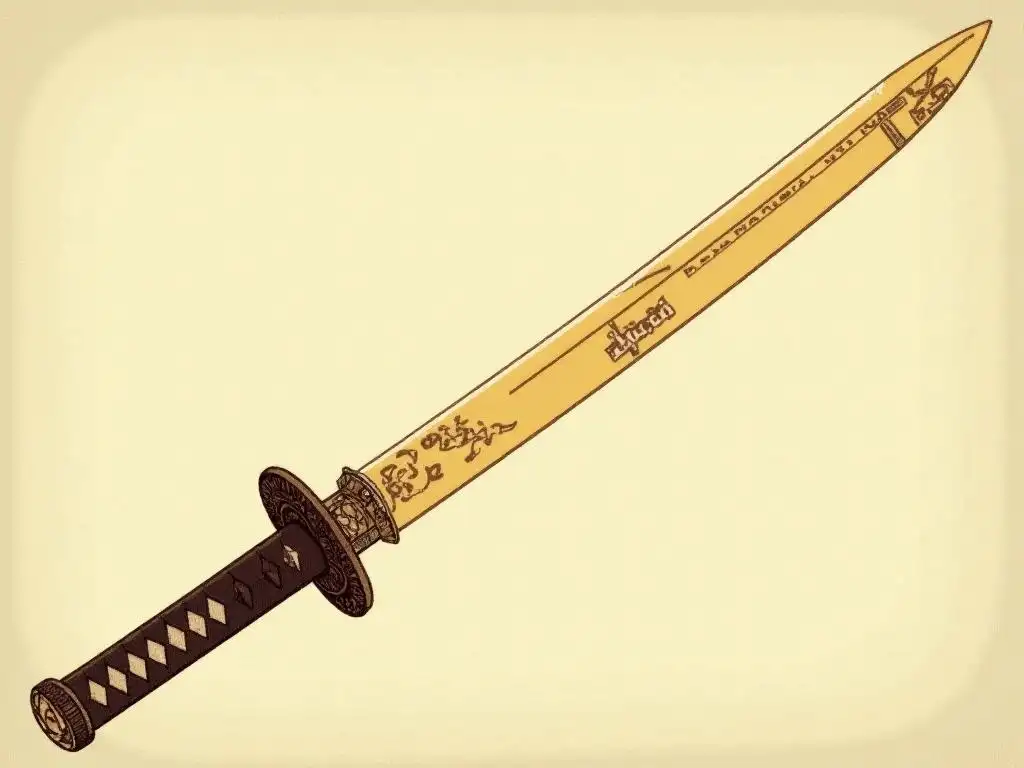
Welcome to Feudal Japan History, where we invite you to journey through the intricate tapestry of Japan’s feudal era. Here, history unfolds in vibrant detail, revealing the profound connections between culture, society, and the warriors of the past. In our featured article, “The Art of War: A Deep Dive into the Samurai Sword and Its Symbolism,” we delve into the captivating world of samurai sword symbolism history.
Discover how this iconic weapon transcended mere utility to embody honor, loyalty, and the warrior spirit. Prepare to unlock the secrets of the samurai and enrich your understanding of this fascinating period—your exploration begins now!
The samurai sword, or katana, is not merely a weapon; it embodies a rich tapestry of history, culture, and symbolism that has shaped Japan's feudal era. This article aims to explore the intricate symbolism associated with the samurai sword, delving deep into its historical significance and the cultural values it represents.
From the battlefield to the spiritual realm, the katana serves as a powerful emblem of the samurai's honor, discipline, and artistry. Understanding the samurai sword's role in society provides profound insights into the ethos of the warrior class, revealing how these blades transcended their physical form to become symbols of status, identity, and legacy.
Introduction to Samurai Sword Symbolism
Understanding the Importance of the Samurai Sword in Feudal Japan
The samurai sword held a central role in the life of a samurai during feudal Japan, not only as a tool of warfare but also as a symbol of social status and personal honor. The katana, with its distinctive curved blade and intricate craftsmanship, was often considered a reflection of its owner's character. A samurai's sword was more than just a weapon; it represented loyalty, bravery, and martial skill. The relationship between a samurai and his sword was profoundly personal, often viewed as a bond akin to that of family.
Key aspects of the sword's importance include:
- Status Symbol: The katana was a sign of nobility and prestige among the samurai class.
- Cultural Significance: Swords were often adorned with intricate designs that illustrated various aspects of Japanese culture.
- Spiritual Connection: Many samurai believed that their sword possessed a spirit, known as tachi, which required respect and care.
Overview of Samurai Sword Symbolism in History
Throughout history, the symbolism of the samurai sword has evolved, reflecting the changing values and beliefs of Japanese society. Initially, the sword was viewed primarily as a weapon for battle. However, over time, it came to symbolize various concepts, including:
- Bushido Code: The samurai's adherence to the way of the warrior emphasized honor and loyalty, with the sword embodying these virtues.
- Life and Death: The katana was often seen as a protector of life, wielded in defense of the innocent, and conversely, as an instrument of death.
- Artistic Expression: The artistry involved in sword-making added layers of symbolism, with each blade telling a story of its own.
Historical Context of the Samurai Sword
The Evolution of the Samurai Sword Throughout Japanese History
The samurai sword has undergone significant transformation over the centuries. Its design, materials, and crafting techniques have evolved in response to the changing needs of warfare and the cultural landscape of Japan.
- Heian Period (794-1185): Early katana designs emerged, reflecting the needs of mounted warriors.
- Kamakura Period (1185-1333): The blade's curvature became more pronounced, enhancing its effectiveness in combat.
- Edo Period (1603-1868): The katana became an art form, with master craftsmen creating blades that were both functional and beautiful.
The development of the samurai sword is marked by notable technological advancements, each contributing to its legendary status.
Key Historical Events Influencing Samurai Sword Design
Several historical events have profoundly influenced the design and significance of the samurai sword:
- The Genpei War (1180-1185): This conflict marked the rise of the samurai and the establishment of the katana as their primary weapon.
- The Mongol Invasions (1274 and 1281): The need for improved weaponry spurred innovations in sword-making practices.
- The Meiji Restoration (1868): The abolishment of the samurai class led to a decline in traditional sword-making, shifting its role from a weapon of war to a cultural artifact.
Through these events, the samurai sword not only adapted to the demands of warfare but also became a profound symbol of the samurai's enduring legacy in Japanese history.
The Cultural Significance of the Samurai Sword
The samurai sword, known as the katana, is more than just a weapon; it is a deeply ingrained symbol of Japanese culture and identity. Throughout Japan's feudal era, the katana represented not only martial prowess but also the spiritual and philosophical beliefs of the samurai class. This sword is often seen as an extension of the samurai themselves, embodying their honor, loyalty, and discipline. The intricate designs, the meticulous craftsmanship, and the rich history associated with each blade contribute to its revered status in Japanese culture.
The katana's significance extends beyond the battlefield; it has also played a crucial role in various cultural practices, including art, literature, and rituals. In many traditional Japanese ceremonies, the katana is present as a symbol of protection and respect. The samurai sword's presence in these cultural contexts emphasizes its importance as a representation of the samurai's way of life and values, making it an enduring symbol of Japanese heritage.
Samurai Sword as a Status Symbol in Feudal Society
In feudal Japan, the samurai sword was not merely a weapon; it was a significant status symbol that conveyed the social standing of its owner. Possessing a katana was a privilege reserved for the samurai class, who were the elite warriors of society. This exclusivity made the sword a tangible representation of power, prestige, and authority. The number of swords a samurai owned, particularly the katana and its companion sword, the wakizashi, indicated their rank and wealth within the social hierarchy.
The intricacies of the sword's design also reflected its owner's status. Elaborate decorations, unique tsuba (hand guards), and the quality of the materials used in its construction were all factors that denoted a samurai's social standing. As a result, the samurai sword became a marker of identity and a means of asserting one's place within the rigid caste system of feudal Japan.
The Role of the Samurai Sword in Bushido Code and Ethics
The samurai sword is deeply intertwined with the Bushido code, the ethical framework that guided the lives of samurai warriors. This code emphasized virtues such as loyalty, honor, and courage, and the katana served as a physical manifestation of these principles. The samurai believed that the sword should be treated with the utmost respect, as it was seen as a partner in their duty to uphold their moral obligations.
In battles, the act of drawing the sword was not merely a physical action; it was a ritualistic expression of the samurai's commitment to their values. The katana was the ultimate tool for enforcing the Bushido code, as it symbolized the samurai's readiness to defend their honor and the honor of their lord. The spiritual connection between the samurai and their sword highlights its importance as a representation of their ethical beliefs and the sacrifices they were willing to make.
The Craftsmanship Behind Samurai Swords
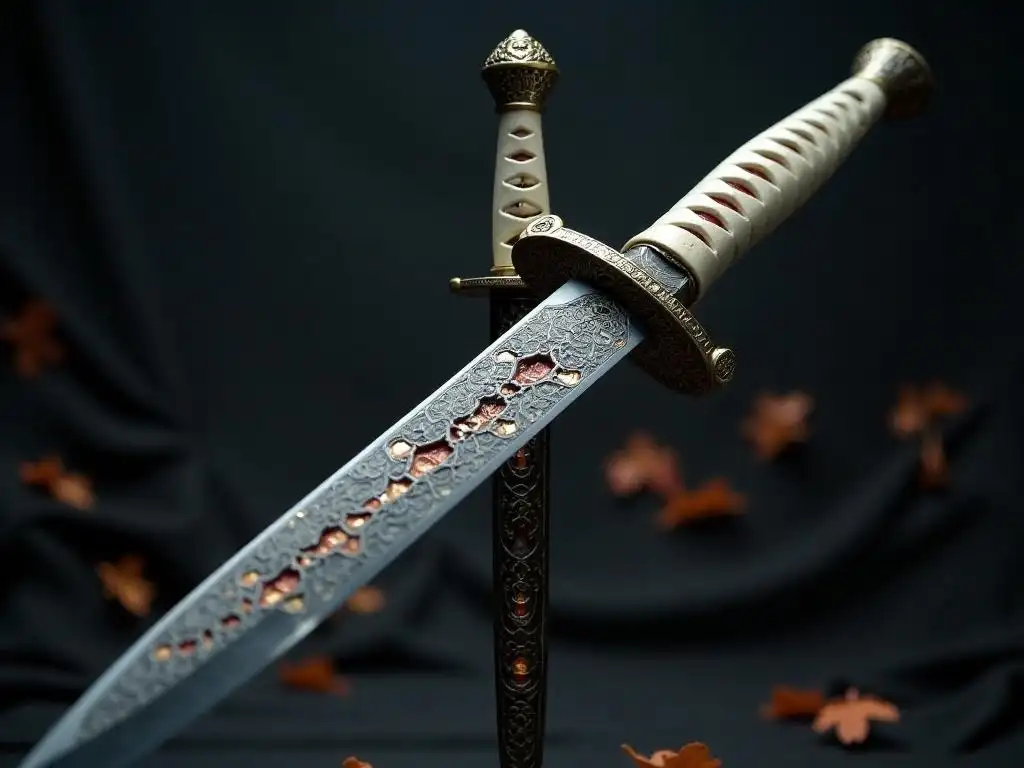
The artistry involved in crafting samurai swords is renowned worldwide, with techniques that have been refined over centuries. The making of a katana is a complex process that combines skill, tradition, and deep respect for the materials used. Each sword is not just a weapon but a piece of art, reflecting the identity and craftsmanship of the swordsmith. The intricate designs and patterns created during the forging process contribute to the katana's beauty and functionality, making it a revered item in both historical and contemporary contexts.
The craftsmanship also embodies a spiritual connection, as swordsmiths often view their work as a sacred duty. The meticulous attention to detail and the time-honored techniques involved in sword-making result in blades that are not only effective in combat but also carry a significant cultural weight.
Traditional Techniques in Samurai Sword Making
Traditional samurai sword making is a meticulous art form that involves several key techniques, each contributing to the final quality of the katana. The process begins with the forging of tamahagane, a special type of steel made from iron sand. This steel undergoes multiple folding and hammering processes, which not only purifies the metal but also enhances its strength and flexibility.
Key techniques include:
- Folding: This process is essential for creating a strong blade. The tamahagane is folded multiple times to eliminate impurities and evenly distribute carbon, resulting in a high-quality steel.
- Differential Hardening: By applying clay to the blade during the quenching process, swordsmiths create a hard edge and a softer spine. This technique enhances the durability and sharpness of the katana.
- Polishing: The final stages involve careful polishing, where several grades of stones are used to bring out the blade's beauty and sharpness. This is a labor-intensive process that can take weeks to complete.
These traditional techniques ensure that each katana is not only a weapon but a unique piece of history, embodying the skill and dedication of the swordsmith.
Materials Used in the Crafting of Samurai Swords
The materials used in crafting samurai swords are crucial to their performance and aesthetic appeal. The primary material, tamahagane, is carefully sourced and produced to ensure the highest quality. However, several other materials also play significant roles in the overall composition of the katana.
- Tamahagane: As mentioned, this high-quality steel is the foundation of the blade, praised for its toughness and ability to hold a sharp edge.
- Copper and Gold: These materials are often used in the fittings and decorations of the sword, enhancing its beauty and indicating the status of the owner.
- Ray Skin (Same): Used for the handle wrap (tsuka), ray skin provides a textured grip and adds to the sword's overall aesthetic.
- Silk and Cotton: These materials are commonly used for the tsuka-ito (handle wrap), and they provide both support and comfort to the wielder.
The combination of these materials not only contributes to the katana's effectiveness in battle but also elevates it to a status of artistic and cultural significance, making each sword a unique representation of its maker's skills and the traditions of the samurai.
Symbolism of Samurai Swords in Japanese Culture
The samurai sword, or katana, is not merely a weapon but a profound symbol deeply embedded in Japanese culture and history. The sword embodies the values, beliefs, and practices of the samurai class, which played a pivotal role in shaping Japan's feudal society. Beyond its functionality, the sword represents the soul of the warrior, reflecting the ideals of loyalty, honor, and the spiritual connection between the samurai and their craft. Each aspect of the katana, from its craftsmanship to its use in rituals, conveys a rich tapestry of symbolism that resonates through centuries.
The katana's significance is also tied to the philosophy of bushido, the way of the warrior, which emphasizes virtues such as courage, respect, and integrity. As such, the sword transcends its physical attributes, becoming a representation of the samurai's identity and values, ultimately serving as a testament to their legacy in Japanese history.
The Spiritual Meaning of the Samurai Sword
The spiritual essence of the samurai sword is profound, intertwining with Shintoism and Zen Buddhism, which were influential in shaping the samurai's worldview. In Shinto, the katana is seen as a sacred object, often thought to house the spirit of the samurai. This belief imbues the sword with a divine quality, elevating it beyond a mere weapon to an artifact of power and protection.
Moreover, the act of drawing the sword is considered a ceremonial act, symbolizing the readiness to confront challenges and uphold justice. The katana is often associated with the concept of "ki," or life force, representing the samurai's inner strength and resolve. The meticulous process of crafting and maintaining the sword is seen as a form of meditation, where the smith and the samurai alike engage in a spiritual dialogue with their weapon, reinforcing the connection between the wielder and the sword.
How Samurai Swords Represent Honor and Loyalty
Honor and loyalty are cornerstones of the samurai ethos, and the sword serves as a physical manifestation of these values. The katana symbolizes the samurai's commitment to their lord and the code of bushido, where loyalty is paramount. A samurai's sword was often passed down through generations, signifying not only familial ties but also the enduring loyalty to their clan and ideals.
In times of conflict, the sword became a tool for honor, where the act of seppuku, or ritual suicide, exemplified the ultimate sacrifice a samurai could make to preserve their honor. This act of taking one's life with a katana rather than facing defeat or disgrace illustrates how deeply intertwined the sword is with the concepts of honor and loyalty. The katana thus stands as a reminder of the samurai's unwavering commitment to their principles, even in the face of death.
The Artistic Elements of Samurai Swords
The samurai sword is renowned not only for its functionality but also for its artistic elements, which reflect the cultural and aesthetic values of Japanese society. Every katana is a masterpiece, intricately designed and crafted to be both beautiful and effective in battle. The artistry involved in sword-making has transformed the katana into a symbol of prestige and craftsmanship, showcasing the skill and dedication of the artisans involved.
The sword's design is not merely decorative; it embodies a story, philosophy, and the spirit of the warrior. These artistic elements contribute to the katana's status as a cultural icon, representing the intersection of art, craftsmanship, and martial prowess.
Aesthetic Features of Samurai Swords
The aesthetic features of samurai swords are characterized by their elegant curves, distinctive blades, and intricate fittings. The blade, traditionally made of high-carbon steel, is forged to create a sharp, resilient edge, reflecting the skill of the smith. The curvature of the katana is not only functional, allowing for swift cutting motions, but also adds to its visual appeal, creating a sense of grace and fluidity.
The tsuka, or handle, is often wrapped in materials like silk or leather, adorned with decorative elements such as menuki (ornamental grips) that showcase the sword's individuality and the owner's status. Similarly, the tsuba (guard) may feature elaborate designs, often depicting motifs from nature or mythology, which add layers of meaning and aesthetic value. Each sword is a unique piece of art, combining functionality with beauty, and serving as a reflection of the samurai's identity.
Symbolic Motifs and Engravings on Samurai Swords
Symbolic motifs and engravings on samurai swords play a crucial role in conveying personal and cultural narratives. These engravings often include auspicious symbols, such as dragons, cranes, or cherry blossoms, which hold specific meanings related to strength, longevity, and beauty. Such motifs not only enhance the sword's aesthetic but also connect it to the broader themes of Japanese culture.
Personal inscriptions, often seen on the tang of the blade, can denote the name of the smith, the date of creation, or even a warrior's family crest, linking the sword to its owner and their legacy. These engravings serve as a form of storytelling, encapsulating the history and significance of the sword within the context of the samurai's life. Thus, the artistic and symbolic elements of samurai swords transcend mere decoration, embodying the essence of the warrior's spirit and the rich cultural heritage of Japan.
The Samurai Sword in Modern Times
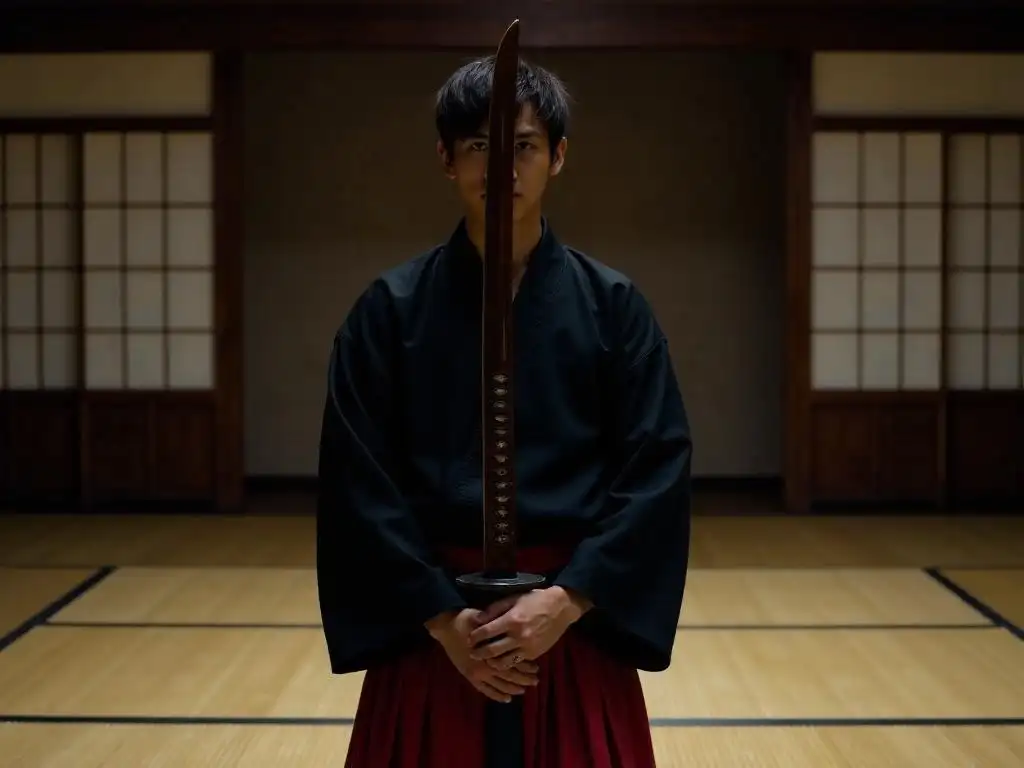
The legacy of the samurai sword, or katana, extends far beyond its historical significance in feudal Japan. In contemporary society, the samurai sword remains a powerful symbol, evoking ideals of honor, discipline, and martial prowess. Its craftsmanship is celebrated in both Japan and around the globe, with artisans and collectors dedicated to preserving the traditional techniques of sword-making. The katana is not merely a weapon; it is an art form, steeped in centuries of cultural significance that continues to inspire modern interpretations.
The samurai sword has found its way into various facets of modern life, from film and literature to martial arts and fashion. With the rise of interest in Japanese culture worldwide, the katana has become a prominent symbol in pop culture, often depicted as a weapon of choice for heroes and antiheroes alike. This enduring fascination highlights the sword's status as a cultural icon, representing not only the martial spirit of the samurai but also the aesthetic values of simplicity and beauty inherent in Japanese craftsmanship.
Contemporary Interpretations of Samurai Sword Symbolism
In contemporary interpretations, the symbolism of the samurai sword encompasses a wide array of themes. It embodies the virtues of loyalty, honor, and sacrifice, which are central to the samurai ethos. Many modern interpretations emphasize the sword as a representation of personal strength and resilience, encouraging individuals to adopt the samurai's disciplined mindset in their own lives. This symbolic meaning resonates deeply with people seeking empowerment and motivation in a fast-paced, often chaotic world.
Additionally, the samurai sword has become a symbol of cultural identity and heritage for many Japanese people. It serves as a reminder of Japan's rich history and the values that have shaped its society over centuries. As such, contemporary artisans and martial artists often infuse their work with the spirit of the samurai, creating a bridge between the past and the present. This connection fosters a sense of pride and continuity, ensuring that the legacy of the samurai sword remains relevant in modern society.
The Influence of Samurai Swords on Modern Martial Arts
Modern martial arts, particularly those that trace their origins to Japan, have been significantly influenced by the samurai sword. Disciplines such as kendo, iaido, and kenjutsu focus on the techniques and philosophies associated with the katana, emphasizing the importance of precision, discipline, and respect. Practitioners of these martial arts often view the sword not just as a tool for combat but as a means of personal development and spiritual growth.
The principles derived from samurai swordsmanship extend beyond the dojo, influencing various aspects of life. For instance, the practice of mindfulness and focus in martial arts reflects the samurai's dedication to mastering their craft. This emphasis on mental discipline and physical prowess resonates with individuals seeking to cultivate a balanced and purposeful life. As a result, the influence of the samurai sword continues to shape modern martial arts and inspire a new generation of practitioners.
Conclusion: The Enduring Legacy of Samurai Sword Symbolism
The samurai sword stands as a timeless emblem of Japan's rich history and cultural heritage. Its significance transcends mere functionality, representing the ideals of the samurai class and the values that have shaped Japanese society. Through its intricate craftsmanship and profound symbolism, the katana has become a powerful icon that resonates with people worldwide.
Recap of the Historical and Cultural Importance of Samurai Swords
Historically, samurai swords were not only weapons of war but also symbols of status and identity for the samurai warriors. The meticulous process of crafting a katana, from folding the steel to the final polish, reflects the dedication and artistry that have been passed down through generations. Culturally, the sword embodies the spirit of bushido, the way of the warrior, emphasizing loyalty, honor, and self-discipline. This rich historical narrative adds layers of meaning to the samurai sword, making it a subject of fascination and reverence.
Final Thoughts on the Symbolic Legacy of the Samurai Sword in Japan
The symbolic legacy of the samurai sword in Japan is profound and multifaceted. It serves as a reminder of the values that once defined the samurai class and continues to inspire individuals today. Whether through the practice of martial arts, the appreciation of traditional craftsmanship, or the exploration of its cultural significance, the samurai sword remains an enduring symbol of strength, discipline, and honor. As Japan navigates its modern identity, the katana will undoubtedly continue to play a vital role in connecting the past with the present, ensuring its place in the hearts and minds of future generations.
References
The study of the samurai sword and its symbolism is a rich field that draws from various historical texts, academic studies, and cultural analyses. Below are some key references that provide valuable insights into the intricate relationship between the samurai sword and its historical context, craftsmanship, and cultural significance.
-
"The Book of Five Rings" by Miyamoto Musashi
This classic text, written by the legendary swordsman Miyamoto Musashi, provides a philosophical perspective on martial arts and strategy, offering insights into the mindset of the samurai and their weaponry.
-
"Samurai: The World of the Warrior" by Stephen Turnbull
Turnbull’s work is an extensive exploration of samurai culture, detailing their weapons, practices, and the historical backdrop that shaped their way of life.
-
"Japanese Sword: A Comprehensive Guide" by Nobuo Nakagawa
This book delves into the craftsmanship of Japanese swords, including the symbolic meanings associated with different sword styles and the rituals surrounding their use.
-
"Bushido: The Soul of Japan" by Inazo Nitobe
Nitobe examines the ethical code of the samurai, known as Bushido, and how it reflects in their choice of weaponry, particularly the sword, as a symbol of honor and loyalty.
-
"The Samurai Sword: A Handbook" by John M. Yumoto
This handbook serves as a detailed resource for understanding the technical aspects of samurai swords, their history, and the significance they held for the samurai class.
Recommended Reading on Samurai Sword Symbolism and History
For those interested in a deeper understanding of the samurai sword's symbolism and history, the following readings are highly recommended:
-
"The Samurai's Garden" by Gail Tsukiyama
A fictional narrative that explores the themes of honor and the samurai spirit, intertwined with the cultural significance of the sword.
-
"The Art of the Japanese Sword" by William H. McEwen
This book presents a detailed examination of the artistry involved in sword-making, along with the cultural importance of the sword in samurai society.
-
"The Sword of Japan" by William A. Adams
A comprehensive overview of the evolution of the samurai sword, highlighting its symbolic role in Japanese culture and history.
-
"Japanese Swordsmanship: Technique and Practice" by Donn F. Draeger
This work offers insights into the martial techniques associated with the samurai sword, emphasizing its tactical applications and symbolic value in combat.
Notable Authors and Works on Samurai Culture and Weaponry
Several authors have made significant contributions to the understanding of samurai culture and weaponry, offering a wealth of knowledge in their writings. Notable figures include:
-
Stephen Turnbull
Known for his extensive works on samurai history and military tactics, Turnbull provides a detailed examination of samurai warfare and weaponry.
-
Miyamoto Musashi
As a legendary swordsman and philosopher, Musashi's writings, particularly "The Book of Five Rings," offer profound insights into the samurai ethos and martial philosophy.
-
Inazo Nitobe
His work, "Bushido: The Soul of Japan," articulates the moral code of the samurai and discusses how the sword symbolizes their values.
-
John M. Yumoto
An expert in Japanese swords, Yumoto's publications emphasize the craftsmanship and cultural significance of samurai weaponry.
-
William H. McEwen
McEwen's explorations into the art and history of the Japanese sword provide a comprehensive understanding of its significance within samurai culture.
- Introduction to Samurai Sword Symbolism
- Historical Context of the Samurai Sword
- The Cultural Significance of the Samurai Sword
- The Craftsmanship Behind Samurai Swords
- Symbolism of Samurai Swords in Japanese Culture
- The Artistic Elements of Samurai Swords
- The Samurai Sword in Modern Times
- Conclusion: The Enduring Legacy of Samurai Sword Symbolism
- References
- What is the significance of the samurai sword in Japanese culture?
- How did the symbolism of the samurai sword evolve over time?
- What role does the samurai sword play in modern Japanese society?
- Can you explain the spiritual significance of the samurai sword?
- How does the samurai sword symbolism relate to the concept of Bushido?
Frequently Asked Questions
What is the significance of the samurai sword in Japanese culture?
The samurai sword, or katana, symbolizes honor, bravery, and the warrior spirit. It represents the status of the samurai and their commitment to the Bushido code.
How did the symbolism of the samurai sword evolve over time?
Initially, the sword was a tool for combat and survival. Over centuries, it came to symbolize protection, loyalty, and artistry, reflecting the cultural values of feudal Japan.
What role does the samurai sword play in modern Japanese society?
In contemporary Japan, the samurai sword is seen as a symbol of heritage and tradition. It is often used in martial arts and is celebrated in art and ceremonies.
Can you explain the spiritual significance of the samurai sword?
The samurai sword is believed to possess a spiritual essence, often viewed as a spiritual companion to the samurai. It represents the connection between the warrior and their inner self.
How does the samurai sword symbolism relate to the concept of Bushido?
The Bushido code, which dictates the ethical conduct of samurai, is deeply intertwined with the symbolism of the sword. The sword embodies the values of honor, loyalty, and self-discipline that are central to this code.
Final Reflection: The Enduring Legacy of Samurai Sword Symbolism
The samurai sword symbolizes not just a weapon, but a profound connection to honor, discipline, and the warrior spirit that resonates deeply in today's world. In an era where the values of courage and integrity are often overshadowed by fleeting trends, the rich history of the samurai sword serves as a powerful reminder of the principles that can guide us through the complexities of modern life. The artistry and craftsmanship behind each blade reflect a commitment to excellence that transcends time, urging us to embrace our own journeys with the same dedication.
Culturally, the symbolism of the samurai sword continues to influence various aspects of society, from martial arts to popular media, reinforcing the ideals of respect and self-discipline. The legacy of the samurai lives on, inspiring countless individuals to seek mastery in their own fields. As the renowned philosopher Miyamoto Musashi once said, "> The ultimate aim of martial arts is not having to use them." This sentiment encapsulates the essence of the samurai sword: it is not merely about combat, but about cultivating a mindset of peace, resilience, and self-awareness that can be applied to all areas of life.
As you reflect on the lessons embedded within the history and symbolism of the samurai sword, consider how these principles can be woven into your own life. Embrace the call to honor your commitments, pursue mastery in your passions, and cultivate a spirit of respect towards yourself and others. Let the legacy of the samurai inspire you to forge your own path, wielding your metaphorical sword with grace and purpose in a world that often challenges our values.
Embrace the Legacy of the Samurai: Take Action Today!
Thank you for diving into the captivating world of the samurai sword and its profound symbolism! Your exploration of this elegant weapon not only unveils a rich heritage but also opens the door to understanding the values of **honor**, **discipline**, and **artistry** that defined the samurai era. Now, it’s time to take that knowledge further and deepen your connection with this incredible history.
Here’s how you can continue your journey:
- Explore a local museum or online exhibition showcasing samurai swords and artifacts to witness their beauty firsthand.
- Share your newfound insights with friends or join online forums dedicated to Japanese history to spark discussions about the samurai spirit and philosophy.
- Consider learning a martial art that emphasizes sword techniques, such as **Kendo** or **Kenjutsu**, to experience the discipline and tradition associated with the samurai way.
What aspect of samurai culture resonates with you the most, and how do you plan to incorporate those values into your daily life?