
How Feudal Japan Responded to European Military Innovations

Welcome to Feudal Japan History, where we embark on an intriguing journey through the captivating world of Japan’s feudal era! Dive into the rich tapestry of historical, cultural, and societal aspects that defined a pivotal time in Japanese history. In our featured article, "How Feudal Japan Responded to European Military Innovations," we unveil the remarkable adaptations and strategies that shaped the military landscape of feudal Japan. Prepare to uncover the secrets behind these innovations and their lasting impact—your adventure into the past begins now!
- Introduction to Feudal Japan Military Innovations Response
- Historical Context of Feudal Japan
- European Military Innovations Impacting Feudal Japan
- Feudal Japan's Military Innovations Response
- Case Studies of Military Encounters
- Cultural and Societal Implications of Military Innovations
- Conclusion: The Legacy of Feudal Japan's Military Innovations Response
- Further Reading and Resources
-
Frequently Asked Questions
- What were the key military innovations introduced by Europeans in Feudal Japan?
- How did the samurai class adapt to European military changes?
- What impact did European military technology have on Japanese societal structures?
- Did Japan respond positively or negatively to European military advancements?
- How did the response to European military innovations shape Japan's future?
- Final Reflection: The Enduring Legacy of Feudal Japan's Military Innovations
- Embrace the Legacy: Dive into Feudal Japan’s Military Evolution!
Introduction to Feudal Japan Military Innovations Response
The interaction between Feudal Japan and European military innovations during the 16th and 17th centuries represents a pivotal moment in Japan's military history. As European powers began to extend their reach across Asia, they brought with them not only trade goods but also advanced military technologies and tactics. This period marked a significant transition in Japan's approach to warfare, as traditional samurai strategies were challenged by the introduction of firearms, artillery, and new naval techniques.
Understanding how Feudal Japan responded to these military innovations is crucial for grasping the broader implications of this era on Japanese society and culture. From adapting weaponry to modifying tactics, Japan's response was a complex interplay of resistance, adaptation, and integration that shaped its future military landscape.
Overview of European Military Innovations
During the late 15th and 16th centuries, European nations were experiencing rapid advancements in military technology. Key innovations included:
- Firearms: The introduction of matchlocks and later flintlocks revolutionized infantry tactics. These firearms allowed soldiers to engage enemies from a distance, fundamentally altering the dynamics of battle.
- Artillery: Cannons and mortars became increasingly effective, leading to changes in fortress design and siege warfare. The ability to breach walls with artillery made traditional defensive strategies less effective.
- Naval Warfare: The development of larger, more powerful ships equipped with cannons changed the nature of naval engagements, allowing for more effective maritime dominance.
- Tactics: European armies began to implement more organized formations and strategies, emphasizing discipline and coordination over individual valor.
These innovations posed a significant challenge to the existing military paradigms in Feudal Japan, which had relied heavily on the samurai warrior class and traditional weapons such as the katana and bow.
Importance of Understanding Japan's Response to Military Changes
Understanding how Feudal Japan responded to European military innovations is essential for several reasons:
- Cultural Adaptation: The response to military changes reflects broader cultural shifts within Japanese society. It showcases how Japan navigated the complexities of foreign influence while maintaining its unique identity.
- Military Evolution: Analyzing Japan's military adaptations reveals insights into the evolution of warfare in Japan, highlighting how traditional samurai tactics were modified to incorporate new technologies.
- Societal Impact: The military response also influenced societal structures, including the role of the samurai class, the emergence of new social hierarchies, and changes in governance and diplomacy.
- Historical Lessons: Examining these historical responses can provide valuable lessons for contemporary military and strategic studies, emphasizing the importance of adaptability in the face of technological change.
The examination of Feudal Japan's military innovations response to European influences offers a comprehensive understanding of the era's complexities and the enduring impacts on Japan's military history.
Historical Context of Feudal Japan
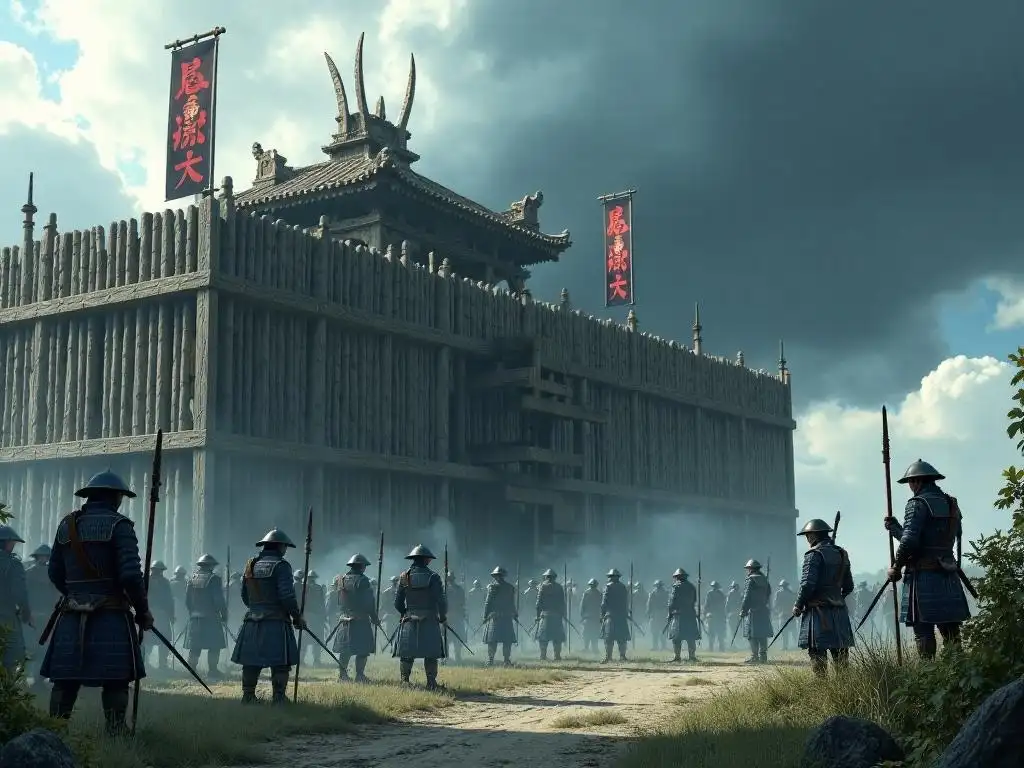
Feudal Japan was characterized by a distinct social, political, and military structure that evolved over centuries. This era, spanning from the late 12th century to the mid-19th century, was marked by the rise of powerful samurai clans and the establishment of a hierarchical system, where land ownership and loyalty defined social status.
The feudal system in Japan operated under a decentralized governance model, where the emperor held nominal power, while actual authority rested with regional warlords known as daimyo. The samurai, as the warrior class, pledged their loyalty to these daimyo, receiving land and stipends in return for military service. This system fostered a culture of loyalty, honor, and martial prowess that would ultimately shape Japan's response to external military influences.
The Feudal System in Japan
The feudal system in Japan was a complex web of relationships and obligations, primarily based on land tenure and military service. Here are the main components:
- Emperor: The figurehead of the state, with little political power during most of the feudal period.
- Shogun: The military dictator who held the real power, often controlling the samurai and the daimyo.
- Daimyo: Powerful landowners who governed their territories and maintained private armies of samurai.
- Samurai: The warrior class, trained in martial arts and code of conduct known as Bushido, dedicated to their daimyo.
The relationships among these classes were defined by a series of contracts and mutual obligations, creating a society that emphasized loyalty and honor. This intricate system laid the groundwork for how Japan would eventually respond to European military innovations, as the samurai ethos and the political structure influenced military strategies and adaptations.
Key Historical Events Leading to European Contact
The period leading up to European contact in Japan was marked by significant events that shaped the nation's military landscape:
- The Mongol Invasions (1274 and 1281):
- These invasions were pivotal, demonstrating the need for a more unified military response. Although Japan successfully repelled the Mongols, the experience highlighted the vulnerabilities in Japan's defense and the importance of naval power.
- The Onin War (1467-1477):
- A civil war that led to the fragmentation of the shogunate's power and increased the autonomy of the daimyo. This conflict escalated the competition among clans and set the stage for military innovations as they sought to gain an upper hand.
- Arrival of the Portuguese (1543):
- The first Europeans to arrive in Japan, bringing firearms and new navigational techniques. This encounter marked a turning point in Japan's military development, as the Portuguese introduced matchlock guns, altering the dynamics of warfare.
- The Unification of Japan (late 16th century):
- Leaders like Oda Nobunaga and Toyotomi Hideyoshi began to unify Japan, which necessitated the incorporation of European military innovations into Japanese tactics. The need for a centralized military force prompted the adaptation of firearms alongside traditional samurai warfare.
Each of these events contributed to a milieu that fostered innovation and adaptation within the Japanese military framework, ultimately leading to a unique response to European military technologies.
The confluence of these historical contexts and events set the stage for a profound transformation in Japan’s military strategies and tactics as it navigated the complexities of European engagement during the feudal era.
European Military Innovations Impacting Feudal Japan
Introduction of Firearms in Japan
The introduction of firearms in Japan during the mid-16th century marked a significant turning point in the military landscape of Feudal Japan. Initially brought to the archipelago by Portuguese traders in 1543, these weapons quickly gained the attention of local warlords (daimyōs) who recognized their potential in warfare.
The Advent of Matchlocks
The first firearms introduced were matchlock guns, known as tanegashima. These weapons allowed soldiers to engage enemies from a distance, fundamentally altering traditional combat tactics that relied heavily on close-quarter engagements. The impact of tanegashima was profound, as they enabled smaller forces to confront larger armies effectively.
- Advantages of Firearms:
- Increased lethality at range
- Ability to penetrate armor
- Psychological impact on enemy troops
The rapid adoption of firearms by samurai warriors led to new military strategies, emphasizing the importance of gunpowder in battle formations. Notably, the famous battle of Nagashino in 1575 showcased the effectiveness of coordinated firearm units, where Tokugawa Ieyasu’s forces utilized a line of matchlock soldiers to devastating effect against cavalry charges.
With the arrival of European military innovations, naval warfare in Feudal Japan also underwent significant transformations. The integration of European shipbuilding techniques and tactics reshaped Japan's maritime engagements.
Introduction of Western Ship Design
The adaptation of Western ship designs, particularly the galleon, allowed for enhanced speed and firepower. Japanese naval commanders began to incorporate larger vessels equipped with cannons, which provided a strategic advantage during maritime confrontations.
- Key changes in naval tactics:
- Use of broadside cannon fire
- Emphasis on mobility and maneuverability
- Strategic boarding actions
The naval conflict during the Battle of Cagayan in 1582 exemplified the significance of these innovations. Japanese pirates, utilizing faster and more maneuverable ships, successfully engaged Spanish ships, demonstrating how European military innovations influenced naval strategies in Feudal Japan.
The Role of European Mercenaries
Another notable consequence of European military innovations was the rise of European mercenaries, who played a pivotal role in shaping the military strategies of Japanese warlords. These mercenaries brought not only their expertise in firearms but also advanced tactics and organizational skills.
The Influence of European Military Advisors
Daimyōs such as Oda Nobunaga and Toyotomi Hideyoshi employed European mercenaries to train their troops and enhance their combat capabilities. The presence of military advisors from Portugal and Spain facilitated the transfer of knowledge regarding European warfare techniques.
- Contributions of European mercenaries:
- Training Japanese troops in the use of firearms
- Advising on battle formations and tactics
- Introducing new concepts of military organization
The collaboration between Japanese leaders and European military experts significantly altered the dynamics of power within Japan, leading to a more centralized military structure and effective strategies that were crucial in the unification of Japan during the late 16th century.
The response of Feudal Japan to European military innovations was multifaceted, involving the rapid integration of firearms, shifts in naval warfare tactics, and the strategic utilization of European mercenaries. These adaptations not only transformed the battlefield but also played a vital role in the eventual unification of Japan under powerful daimyōs.
Feudal Japan's Military Innovations Response
Adaptation of Firearms in Japanese Warfare
The introduction of firearms during the 16th century had a profound impact on the military landscape of Feudal Japan. Initially brought by the Portuguese in 1543, firearms, particularly matchlock guns (known as tanegashima), were met with a mix of intrigue and skepticism by Japanese warlords. Despite early resistance, the adaptability of the samurai class and the strategic necessity of warfare led to a rapid integration of these weapons into existing military practices.
- Initial Adoption: The earliest adopters of firearms were the clans engaged in frequent conflicts, notably the Takeda and Uesugi clans. They quickly recognized the potential of firearms to alter the dynamics of battle, leading to an expanded focus on training and arming troops with matchlock guns.
- Production and Customization: Japanese smiths began to produce their own firearms, enhancing their design to suit local combat styles. The tanegashima was modified for greater accuracy and ease of use, allowing for effective deployment in skirmishes and large-scale battles.
- Tactical Innovations: With the growing prevalence of firearms, traditional formations such as the kavari (shield wall) evolved. Troops were arranged in a way that allowed for overlapping fields of fire, maximizing the effectiveness of gunpowder weapons. This adaptation was critical during battles like the Battle of Nagashino in 1575, where Oda Nobunaga’s forces successfully utilized firepower against the cavalry charges of the Takeda.
Development of New Battle Tactics
As firearms became more common, Feudal Japan saw the emergence of innovative battle tactics that combined traditional samurai warfare with new military technologies. The integration of firearms necessitated a reevaluation of existing strategies, leading to the following developments:
- Formation Changes: The introduction of firearms led to the creation of new formations that maximized their impact. The ashigaru (foot soldiers), who were often equipped with guns, were deployed in large numbers to provide a steady stream of fire, complementing the traditional samurai cavalry units.
- Use of Cover and Terrain: Commanders began to employ the natural terrain to their advantage, utilizing hills, forests, and fortifications to shield firearm-armed troops from enemy assaults. This strategic use of the landscape became a hallmark of Japanese military doctrine during this period.
- Combined Arms Tactics: The collaboration between infantry armed with firearms and traditional cavalry units allowed for a more versatile approach to warfare. While the firearms provided long-range capabilities, the cavalry could engage the enemy in close combat, creating a dynamic battlefield environment where different units supported one another.
Integration of Western Military Strategies
The response of Feudal Japan to European military innovations was not limited to the adoption of firearms; it also involved the incorporation of broader Western military strategies. This integration can be observed through several key aspects:
- Training and Drilling: Inspired by European methods, Japanese warlords began to adopt regimented training and drill practices. This shift emphasized discipline and coordination among troops, which was essential for effectively utilizing firearms in battle.
- Siege Warfare: The tactics of siege warfare, as practiced by European armies, influenced Japanese approaches to fortification and defense. The construction of castles evolved, incorporating features such as thicker walls and strategic layouts designed to withstand gunfire, mirroring European designs.
- Naval Innovations: The influence of Western naval tactics also became apparent, particularly in the formation of naval fleets and the use of cannons on ships. This shift was crucial during the later conflicts with European powers, as Japan sought to protect its shores and assert its military presence in regional waters.
Feudal Japan's military innovations response to European advancements was characterized by a remarkable ability to adapt and incorporate new technologies and strategies. This not only transformed the battlefield but also laid the groundwork for the evolution of Japanese warfare in the centuries to follow.
Case Studies of Military Encounters
The Battle of Nagashino: A Turning Point
The Battle of Nagashino, fought in 1575, stands as a pivotal moment in the military history of Feudal Japan, particularly regarding its response to European military innovations. This battle showcased the effective employment of firearms by Japanese forces, a direct adaptation of European technology that drastically changed traditional samurai warfare.
Context and Background
The conflict arose between the forces of Tokugawa Ieyasu and the Takeda clan, led by Takeda Katsuyori. The Takeda were renowned for their cavalry tactics and aggressive strategies, but their reliance on these traditional methods was soon to be challenged by the introduction of muskets, or "tanegashima," into the battlefield.
Tactical Innovations
The Tokugawa forces, significantly outnumbered, utilized a novel approach by organizing their infantry into a defensive position. They constructed wooden barricades and employed a strategy that involved the simultaneous firing of muskets. This tactical formation allowed them to unleash volleys of gunfire at the advancing Takeda cavalry, disrupting their charges and resulting in devastating losses.
- Key Tactics:
- Defensive Positioning: Utilizing terrain and barricades.
- Volley Fire: Coordinated firing to maximize impact.
- Cavalry Countermeasures: Adapting muskets to counter traditional cavalry charges.
The outcome of the battle was a decisive victory for Ieyasu, marking a significant shift in the warfare paradigm of Feudal Japan. This event highlighted the effective integration of European military innovations into Japanese combat strategies, establishing a new era in samurai warfare.
The Siege of Osaka and Its Implications
The Siege of Osaka, occurring between 1614 and 1615, was another crucial event that illustrated Feudal Japan's military innovations response to European strategies. This siege was characterized by the use of both traditional samurai tactics and more modern military techniques inspired by European warfare.
Prelude to the Siege
Following the death of Toyotomi Hideyoshi, his son Hideyori’s claim to power became a threat to Tokugawa Ieyasu's burgeoning shogunate. The Tokugawa sought to neutralize this threat through military action, leading to the siege of Osaka Castle, which was a formidable fortress and a symbol of the Toyotomi power.
Military Developments
During the siege, Tokugawa forces employed a combination of siege warfare techniques and gunpowder weapons, a stark contrast to the more conventional samurai fighting style of previous battles. The siege involved:
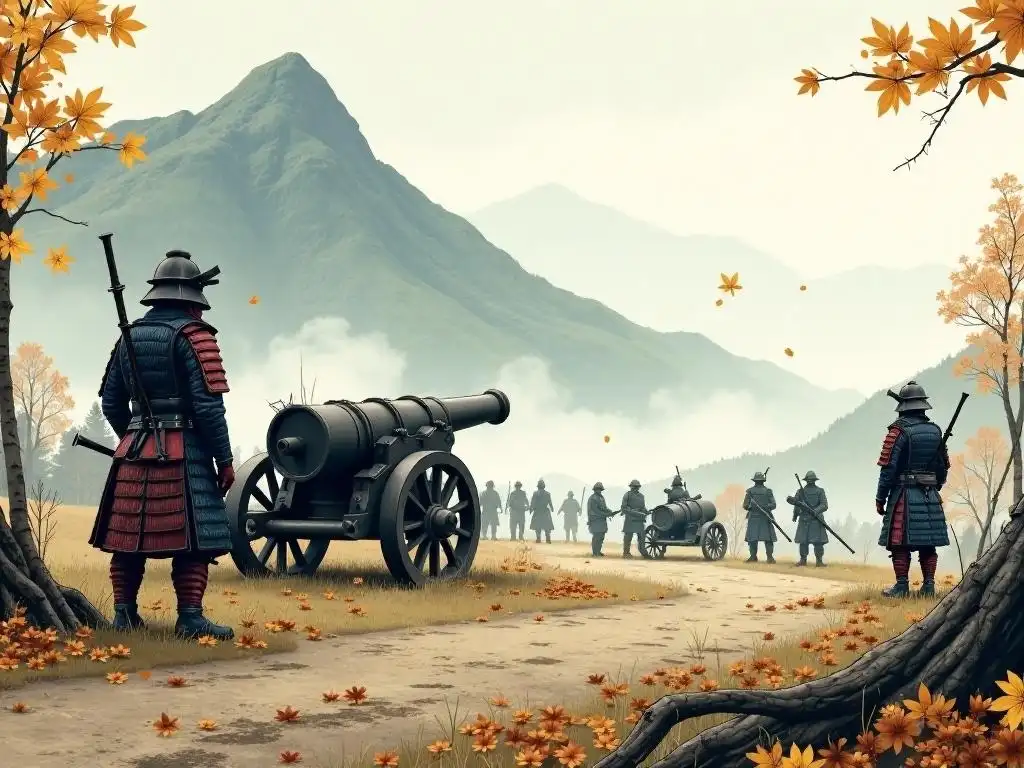
- Artillery Usage: Cannons and other gunpowder weaponry were employed to breach the castle walls.
- Naval Blockades: Tokugawa forces utilized naval power to cut off supply lines to the besieged defenders.
- Psychological Warfare: The siege tactics included strategies aimed at demoralizing the defenders, leveraging the technological superiority of their firepower.
The eventual fall of Osaka Castle not only solidified Tokugawa's control over Japan but also demonstrated how the traditional samurai military structure was evolving to incorporate European innovations, fundamentally altering the military landscape of the era.
Analysis of Samurai versus European Tactics
The interaction between samurai tactics and European military innovations during Feudal Japan's encounters with foreign powers reveals a fascinating dynamic in the evolution of warfare. This section analyzes the strengths and weaknesses of both approaches.
Samurai Tactics
The samurai relied heavily on:
- Individual Combat Skills: Mastery of the katana and martial arts.
- Cavalry Charges: Swift and highly mobile cavalry units that emphasized speed and surprise.
- Code of Honor: Bushido, which dictated their combat ethics and strategies.
While these tactics were effective in earlier battles, the introduction of firearms necessitated a reevaluation of their combat strategies.
European Innovations
European military strategies introduced several key innovations:
- Gunpowder Weapons: Muskets and cannons transformed the battlefield dynamics, allowing for long-range engagements.
- Formation Tactics: Linear formations that maximized firepower and defensive capabilities became standard.
- Logistics and Supply Lines: A focus on organized supply chains and reinforcements enhanced operational effectiveness.
Comparative Analysis
| Aspect | Samurai Tactics | European Tactics |
|---|---|---|
| Combat Style | Individual skill and honor | Collective firepower and formations |
| Mobility | High mobility with cavalry | Utilization of gunpowder for range |
| Engagement Strategy | Close combat and ambush | Long-range attacks and sieges |
| Psychological Warfare | Honor and reputation | Psychological tactics through artillery |
The synthesis of these approaches during conflicts such as Nagashino and the Siege of Osaka illustrates how Feudal Japan's military innovations response was not merely reactive but a proactive evolution in warfare. This adaptation laid the groundwork for future military strategies in Japan, marking a crucial transition in its historical military narrative.
Cultural and Societal Implications of Military Innovations
Influence on Samurai Culture and Warfare
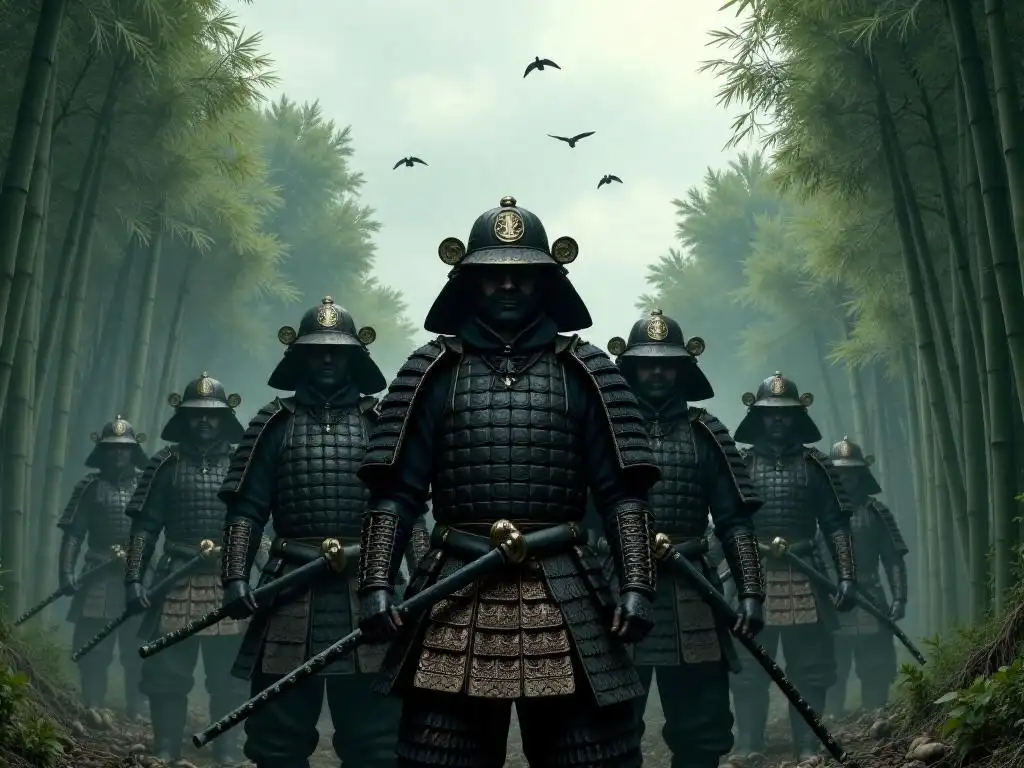
The introduction of European military innovations during the late feudal period significantly altered the landscape of Japanese warfare and, by extension, samurai culture. Before the arrival of firearms and European tactics, samurai warfare was predominantly characterized by the use of swords, bows, and cavalry charges. The advent of matchlock firearms in the 16th century marked a pivotal shift. Samurai had to adapt their combat strategies, transitioning from traditional dueling and honor-based combat to more tactical, distance-oriented warfare.
- Training and Tactics: Samurai began incorporating firearm training into their martial skills. The Tercio formation, used by Spanish and Portuguese forces, influenced Japanese battle formations, leading to new tactics that combined traditional samurai charges with coordinated volleys of gunfire.
- Honor vs. Firepower: The samurai code of Bushido, which emphasized honor and personal valor, began to coexist with the pragmatic realities of gunpowder warfare. This blend led to a re-evaluation of what it meant to be a warrior in feudal Japan.
- Cultural Symbolism: Firearms became symbols of power and prestige. The ability to command gun-toting soldiers became a mark of a strong leader, further entrenching the role of the daimyō as military lords.
Military innovations not only transformed tactics but also reshaped the social fabric of Japan. The shift towards gunpowder warfare diminished the martial superiority of the samurai class, leading to a reconfiguration of social hierarchies.
- Rise of the Ashigaru: The ashigaru, previously considered lower-tier foot soldiers, gained prominence as infantry armed with firearms became essential to battle strategies. This shift allowed for a new social mobility among the lower classes, who could achieve status through military service rather than noble birth.
- Dissolution of Feudal Loyalties: As the significance of individual samurai declined with the rise of massed infantry units, feudal allegiances began to weaken. The reliance on a more diverse military force meant that loyalty was increasingly tied to the effectiveness of leadership rather than the traditional bonds of loyalty to a lord or clan.
- Military Leadership Evolution: With the need for strategic thinking in a rapidly changing battlefield, military leaders had to adapt, resulting in a new breed of general who was not only a seasoned warrior but also a tactician adept in the use of modern weaponry.
The Impact on Japanese National Identity
The response of Feudal Japan to European military innovations had profound implications for Japanese national identity, influencing how the country viewed itself in relation to external powers.
- Perception of Foreign Influence: Initially, European military innovations were viewed with skepticism, and the influx of foreign weapons posed a challenge to traditional Japanese values and identity. However, as these innovations proved effective, Japan began to adopt and integrate aspects of these foreign techniques, leading to a unique blend of Eastern and Western military practices.
- National Unity and Centralization: The need to defend against external threats propelled the idea of a unified nation. As military innovations necessitated greater coordination among clans, this fostered a sense of national identity that transcended local loyalties. The Tokugawa shogunate ultimately capitalized on these changes, using military innovations to centralize power and forge a cohesive national identity.
- Cultural Renaissance: The adaptation to European military practices prompted a cultural renaissance, leading to innovations in art, literature, and philosophy that reflected the changing dynamics of society. This period saw the emergence of a distinctly Japanese identity that embraced both tradition and new influences.
The military innovations introduced by Europeans during the feudal era not only transformed warfare in Japan but also had lasting effects on samurai culture, social hierarchies, and the very notion of Japanese identity. This multifaceted response to foreign influences underscores the complex interplay between tradition and innovation in shaping Feudal Japan's military and cultural landscape.
Conclusion: The Legacy of Feudal Japan's Military Innovations Response
The response of Feudal Japan to European military innovations has left a lasting imprint on Japan's military legacy. During the late 16th and early 17th centuries, the arrival of European powers introduced new firearms and battle tactics that challenged traditional samurai warfare. This pivotal period saw the Japanese adapt and incorporate these innovations, leading to a unique synthesis that shaped both their military strategies and broader societal structures.
The integration of European military technologies, such as cannons and muskets, necessitated significant changes in training and battlefield tactics. The samurai, who had long relied on swords and horseback combat, started to embrace the potency of gunpowder weapons. This transition not only altered the dynamics of warfare but also redefined the role of the samurai class within Japanese society. As the reliance on firearms increased, the social hierarchy began to shift, emphasizing the importance of strategy and technological proficiency alongside traditional martial skills.
Ultimately, the legacy of this military innovations response can be seen in the evolution of Japan's military doctrine and its eventual emergence as a modern power. The lessons learned during this transformative era paved the way for Japan's rapid industrialization and modernization in the late 19th century, positioning the nation as a formidable military presence on the global stage.
Lasting Effects on Modern Japanese Military Practices
The military innovations response of Feudal Japan continues to resonate in contemporary Japanese military practices. The historical integration of European tactics laid the foundation for Japan's approach to military organization and strategy. Notably, the emphasis on discipline, training, and the effective use of technology became cornerstones of the modern Japan Self-Defense Forces (JSDF).
- Adoption of Technology:
- The early adoption of firearms during the Sengoku period mirrors the JSDF's emphasis on technological advancement today, particularly in areas such as cyber warfare and advanced weaponry.
- Modern drills and training programs often reflect historical practices, with a focus on efficiency and rapid adaptation to new technologies.
- Strategic Doctrine:
- The strategic doctrines that emerged from the feudal response to military innovations emphasize flexibility and adaptability, traits that are crucial in contemporary military engagements.
- This historical perspective reinforces the importance of intelligence and reconnaissance, drawing parallels to how information is gathered and utilized in modern combat scenarios.
- Cultural Influence:
- The cultural legacy of the samurai's response to military innovations continues to influence Japan's military ethos, emphasizing honor, discipline, and loyalty, qualities that are ingrained in the JSDF's operational philosophy.
Through these lasting effects, the military innovations response of Feudal Japan has not only shaped historical military practices but also continues to inform the evolution of Japan's defense strategies in the modern era.
Reflections on the Synthesis of Eastern and Western Tactics
The synthesis of Eastern and Western military tactics during Feudal Japan represents a fascinating intersection of cultural exchange and innovation. This melding of ideas resulted in unique battlefield strategies that distinguished Japan's approach to warfare compared to its contemporaries.
- Tactical Adaptation:
- The Japanese military leaders adopted European formations and tactics, such as the use of pike and shot formations, while simultaneously retaining traditional samurai skills. This blending created a hybrid approach that maximized the strengths of both styles.
- Cultural Exchange:
- The exchange of military knowledge also extended beyond tactics to include logistical strategies and supply chain management, which were critical for sustaining prolonged military campaigns.
- Influence on Warfare Philosophy:
- The philosophical implications of this synthesis influenced the way warfare was perceived in Japan, with an increased focus on strategy and planning rather than solely on individual valor and combat prowess.
This complex interplay between Eastern and Western military innovations during the feudal era not only transformed Japan's battlefield effectiveness but also enriched its cultural narrative, creating a legacy that is still evident in the strategic thinking of today's military leaders.
Further Reading and Resources
Recommended Books on Feudal Japan Military History
When exploring the intricate military history of Feudal Japan, several books provide invaluable insights into the strategies, innovations, and cultural shifts that characterized this era. Here are some essential reads:
-
"The Samurai: A Military History" by Stephen Turnbull
This book offers a comprehensive overview of the samurai's evolution, focusing on their military tactics and the impact of European innovations during the latter stages of the feudal era.
-
"Japan's Age of Crisis: 1614-1868" by J. Victor Koschmann
Koschmann delves into Japan's political and military challenges, shedding light on how the feudal system responded to internal strife and external pressures, including European military advancements.
-
"The Making of Modern Japan" by John Dower
A detailed account that outlines Japan’s transition from a feudal society to a modern state, emphasizing the military reforms and adaptations that were essential in this process.
-
"Samurai Warfare" by Anthony J. Bryant
This work provides an in-depth analysis of samurai combat techniques and the strategic responses that emerged in the face of changing warfare dynamics introduced by European powers.
-
"The Science of War: Japan's Military Innovations in the Pre-Modern Era" by David A. Scott
Scott's book focuses on the technological advancements in Japanese warfare, particularly how they adapted and innovated in response to European military technologies.
Documentaries and Educational Resources on Military Innovations
For a visual and engaging exploration of Feudal Japan's military history and its responses to European innovations, several documentaries and educational resources are highly recommended:
-
"The Samurai: Warriors of Japan" (History Channel)
This documentary provides a fascinating overview of the samurai ethos, their military strategies, and how they adapted to new weapons and tactics introduced by European influences.
-
"Feudal Japan's Military Revolution" (PBS)
A detailed exploration of the military transformations during Japan’s feudal period, highlighting key battles and innovations that shaped Japanese warfare.
-
"The Rise and Fall of the Samurai" (BBC)
This series covers the samurai's historical significance, including how they faced the challenges posed by foreign military innovations, maintaining their unique cultural identity while adapting to change.
-
Online Course: "The History of Samurai Warfare" (Coursera)
This course offers a structured approach to understanding the military innovations of Feudal Japan and their responses to external influences, featuring expert lectures and interactive resources.
-
YouTube Channels: "History Time" and "The Armchair Historian"
Both channels offer engaging videos that delve into various aspects of Feudal Japan's military history, including detailed discussions on how Japan responded to European military innovations.
These resources serve as excellent starting points for anyone looking to deepen their understanding of Feudal Japan's military innovations response and the broader historical context of this fascinating era.
Frequently Asked Questions
What were the key military innovations introduced by Europeans in Feudal Japan?
European military innovations included firearms, particularly matchlock guns, and artillery, which significantly altered traditional Japanese warfare tactics.
How did the samurai class adapt to European military changes?
The samurai class began to adopt gunpowder weapons and restructured their combat techniques, integrating European strategies into their own martial practices.
What impact did European military technology have on Japanese societal structures?
European military technology influenced social hierarchies by enhancing the power of those who could afford and effectively use advanced weaponry, shifting traditional power dynamics.
Did Japan respond positively or negatively to European military advancements?
Japan's response was mixed; while they embraced some innovations for defense, there was also a strong desire to preserve traditional values and minimize foreign influence.
How did the response to European military innovations shape Japan's future?
The response to European military innovations led to military modernization that would later play a crucial role in Japan’s emergence as a formidable power during the Meiji Restoration.
Final Reflection: The Enduring Legacy of Feudal Japan's Military Innovations
The exploration of how Feudal Japan responded to European military innovations reveals a profound truth about adaptability and resilience in the face of change. In an era marked by rapid technological advancements and shifting power dynamics, the Japanese response was not merely reactive but strategic, showcasing their ability to integrate foreign concepts while preserving their unique cultural identity. This interplay between tradition and innovation is a lesson that resonates deeply in today's world, where adaptability is key to survival in an ever-evolving landscape.
Clearly, the military innovations of Feudal Japan have left an indelible mark on both historical and contemporary contexts. The way in which Japan adopted and adapted European military techniques not only transformed their own warfare strategies but also influenced global military practices. As we reflect on this, we can appreciate the words of historian John W. Dower: The Japanese were not passive recipients of foreign influence; they were active agents in shaping their own destiny.
This observation underscores the importance of agency in the face of external pressures, a concept that remains relevant as societies navigate the complexities of globalization and cultural exchange today.
As we conclude this exploration, I invite you to reflect on your own responses to change and innovation in your life. How can you embrace new ideas while honoring your own values and traditions? The lessons from Feudal Japan remind us that the ability to adapt does not mean abandoning who we are; rather, it empowers us to grow and evolve. Let this be a call to action: engage with the world around you, learn from it, and find ways to integrate new perspectives into your own journey, just as Feudal Japan did centuries ago.
Embrace the Legacy: Dive into Feudal Japan’s Military Evolution!
Thank you for exploring how Feudal Japan navigated the tides of European military innovations. Your interest reflects a desire to understand the dynamic interplay of cultures and technologies that shaped history. Now, it's time to take your learning further and connect with this captivating legacy!
Here are some actionable steps to deepen your exploration:
- Delve into the Historical Texts: Read primary sources and accounts from the period to gain firsthand insights into military strategies and cultural shifts.
- Join a Discussion Group: Connect with fellow history enthusiasts online or in person to share your thoughts and discoveries. Engaging with others can enhance your understanding and provide new perspectives.
- Explore Military Technology: Research and compare the weaponry and tactics used in Feudal Japan with European innovations to uncover fascinating similarities and differences.
Which aspect of Feudal Japan's response to European military innovations intrigues you the most? Share your thoughts below!