
The Influence of Chinese Warfare on Samurai Strategies

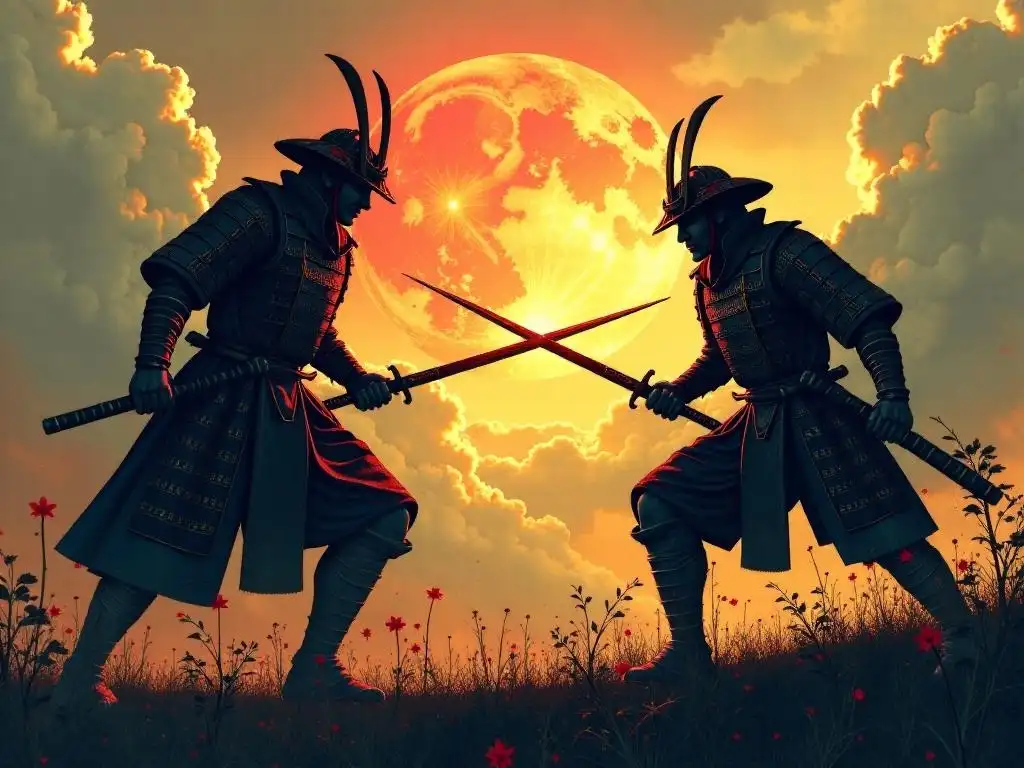
Welcome to Feudal Japan History, where we embark on a captivating journey through the intricate tapestry of Japan's feudal era. Here, you will uncover the profound influence of Chinese warfare on Samurai strategies, a topic that not only reveals the tactical evolution of these legendary warriors but also highlights the rich cultural exchanges that shaped their martial practices. Delve deeper into the pages of history and discover how ancient strategies from the East forged the path for Japan's most iconic fighters. Are you ready to unravel the secrets of the Samurai? Your exploration begins now!
The interplay between Chinese warfare and Samurai strategies is a fascinating subject that delves into the historical, cultural, and military interactions between two significant Asian civilizations. The period of feudal Japan saw the rise of the Samurai class, whose martial prowess and strategic innovations were profoundly influenced by Chinese military doctrines and practices.
Understanding the Chinese warfare influence on Samurai tactics not only sheds light on the evolution of martial strategies in Japan but also highlights how cultural exchanges shaped the societal and political landscapes of both nations. This article will explore the intricate relationships and influences that defined Samurai warfare, drawing parallels to the military frameworks established in ancient China.
Introduction to Chinese Warfare and Samurai Strategies
Overview of Chinese Warfare in Historical Context
Chinese warfare has a rich and complex history that spans thousands of years, characterized by various dynasties and military innovations. From the early conflicts of the Shang and Zhou dynasties to the sophisticated military strategies of the Han and Tang dynasties, Chinese military philosophy emphasized discipline, organization, and the effective use of technology in warfare. Key texts such as The Art of War by Sun Tzu provided foundational principles on strategy, deception, and the importance of understanding both the environment and the enemy. These principles would later be absorbed and adapted by the Samurai, influencing their approach to combat.
Introduction to Samurai Warfare in Feudal Japan
In feudal Japan, Samurai warriors emerged as the elite military class, defined by their code of honor known as Bushido. Samurai warfare was characterized by a combination of individual combat skills and group tactics, emphasizing loyalty and honor on the battlefield. The introduction of new weapons, such as the katana, and the development of unique battle formations marked significant advancements in Samurai strategies. The Samurai were not only skilled fighters but also strategists who learned to adapt and evolve their techniques, often looking to foreign influences, particularly from China, to enhance their military practices.
Importance of the Influence of Chinese Warfare on Samurai
The influence of Chinese warfare on Samurai strategies is significant for several reasons. Firstly, it provided the Samurai with advanced military concepts, such as the use of formations and cavalry tactics, which were crucial during battles. Secondly, the philosophical underpinnings of Chinese military thought encouraged a more sophisticated approach to warfare that included psychological tactics and strategic deception. The cross-cultural exchanges between China and Japan, particularly in military literature and practices, allowed the Samurai to refine their strategies, ultimately contributing to Japan's unique martial identity.
Historical Interactions Between China and Japan
Early Diplomatic Relations and Cultural Exchange
The early interactions between China and Japan were marked by diplomatic missions and cultural exchanges that began as early as the 5th century. Japanese emissaries traveled to China to learn from its advanced civilization, bringing back knowledge that included military strategies and governance structures. These exchanges laid the groundwork for the transmission of Chinese military texts and doctrines to Japan, which would later play a crucial role in shaping Samurai warfare.
The Role of Buddhism in Military Strategies
Buddhism, introduced to Japan from China, also influenced Samurai strategies by promoting concepts such as discipline, mindfulness, and ethical conduct in warfare. The integration of Buddhist principles into Samurai culture reinforced the idea that warfare was not merely a physical endeavor but also a spiritual one. Monastic warriors, or Sohei, exemplified this blending of martial prowess and spiritual discipline, further illustrating the impact of Chinese cultural elements on Japanese military strategies.
The Tang Dynasty's Impact on Japanese Warfare
The Tang Dynasty (618-907 AD) is often regarded as a high point in Chinese civilization, and its military innovations had a profound impact on Japan. The Tang military's organized structure, use of cavalry, and incorporation of advanced weaponry were particularly influential. Japanese Samurai adopted these techniques, adapting them to their own combat styles, which led to significant changes in Japanese military tactics and organization during periods of conflict.
Through this exploration, we can see how the Chinese warfare influence on Samurai strategies not only shaped individual combat techniques but also contributed to the overall evolution of military practices in feudal Japan. The intertwining of these two cultures created a unique tapestry of martial history that continues to be studied and admired today.
Key Elements of Chinese Warfare Influencing Samurai Tactics
The influence of Chinese warfare on samurai strategies is profound and multifaceted, encompassing various elements that shaped the military practices of the samurai class in feudal Japan. Key aspects include the adoption of specific military formations, the integration of various troop types, and the strategic use of terrain.
One significant element is the formation of troops, such as the "tortoise formation" (龜甲陣), which the samurai adapted for their own battles. This formation involved creating a defensive shell that provided protection while allowing for offensive maneuvers. The samurai also learned the importance of logistics and supply chains, which were critical in Chinese military campaigns and became vital to samurai warfare, especially during prolonged conflicts.
Additionally, the philosophies behind Chinese military texts, particularly Sun Tzu's The Art of War, emphasized the importance of strategy, deception, and adaptability—principles that samurai embraced to enhance their battlefield effectiveness.
Strategic Concepts Adopted by Samurai from Chinese Warfare
Samurai strategies were heavily influenced by Chinese military philosophy, particularly in their approach to planning and executing battles. Concepts such as deception, the element of surprise, and adaptability were integrated into samurai tactics.
One prominent concept is the idea of knowing the enemy and oneself. This principle, rooted in Sun Tzu's teachings, encouraged samurai to gather intelligence on opposing forces, analyze their strengths and weaknesses, and develop strategies tailored to exploit vulnerabilities.
Furthermore, the samurai adopted the notion of flexibility in command, allowing for quick decision-making on the battlefield. This adaptability was crucial in responding to the ever-changing dynamics of combat, reflecting the strategic depth observed in Chinese military operations.
The Use of Cavalry and Infantry in Samurai Battles
The integration of cavalry and infantry tactics from Chinese warfare significantly influenced samurai combat. In the Chinese military tradition, the effective use of cavalry units was essential for swift maneuvers and rapid strikes. The samurai adopted similar tactics, developing their own cavalry units known as bushi (武士), who were trained to fight on horseback.
However, unlike the Chinese, who often relied on large infantry formations, the samurai emphasized a more personalized combat style, where individual prowess and skill were paramount. The combination of cavalry for mobility and infantry for close-quarters combat allowed samurai to create a versatile fighting force capable of adapting to various battlefield scenarios.
The Implementation of Psychological Warfare Techniques
Psychological warfare played a crucial role in both Chinese and samurai strategies. The samurai learned from the Chinese how to use fear and misinformation to their advantage, often employing tactics designed to intimidate opponents before battles even commenced.
For instance, the display of banners, loud war cries, and strategic ambushes contributed to creating a psychological edge. The samurai also utilized rituals and ceremonies that underscored their warrior status, aiming to instill fear in their enemies while boosting their morale. This focus on psychological tactics was instrumental in achieving victory, even when faced with numerically superior forces.
Comparison of Chinese and Samurai Military Strategies
Comparing Chinese and samurai military strategies reveals both distinct differences and notable similarities. While each culture developed its own unique approach to warfare, the cross-pollination of ideas significantly enriched the military practices of both.
Tactical Differences Between Chinese and Samurai Warfare
Tactically, Chinese warfare often emphasized mass formations and coordinated attacks, leveraging large armies to dominate the battlefield. In contrast, samurai warfare was characterized by individual skill and smaller, more agile units. This difference reflects the cultural values of each society—Chinese military strategy often aimed for overwhelming force, while samurai tactics focused on honor, bravery, and personal combat prowess.
Moreover, the Chinese military typically employed a more formalized chain of command, while samurai leaders often exercised a degree of autonomy within their ranks. This allowed for greater flexibility in samurai tactics, enabling them to adapt quickly to battlefield conditions.
Similarities in Battle Formations and Strategies
Despite their differences, there are notable similarities in battle formations and strategies. Both cultures recognized the importance of terrain in shaping military outcomes. For instance, both Chinese and samurai commanders sought to exploit advantageous positions, such as high ground or natural barriers, to enhance their tactical effectiveness.
Additionally, both traditions valued the use of flanking maneuvers to disrupt enemy formations. The samurai often employed similar strategies, mirroring the Chinese use of cavalry to outmaneuver and encircle opponents.
Adaptations of Chinese Strategies by Samurai Leaders
Throughout history, many samurai leaders actively adapted Chinese military strategies to suit their own contexts. This adaptation was evident during the Heian and Kamakura periods, where leaders like Minamoto no Yoritomo and Ashikaga Takauji integrated Chinese concepts into their campaigns.
These adaptations included the use of formalized battle plans, drawn from Chinese texts, and the implementation of military drills to ensure troop readiness. The samurai's ability to selectively incorporate these strategies while preserving their unique cultural identity allowed them to enhance their effectiveness and maintain a competitive edge in warfare.
Case Studies of Chinese Warfare Influence on Samurai Battles
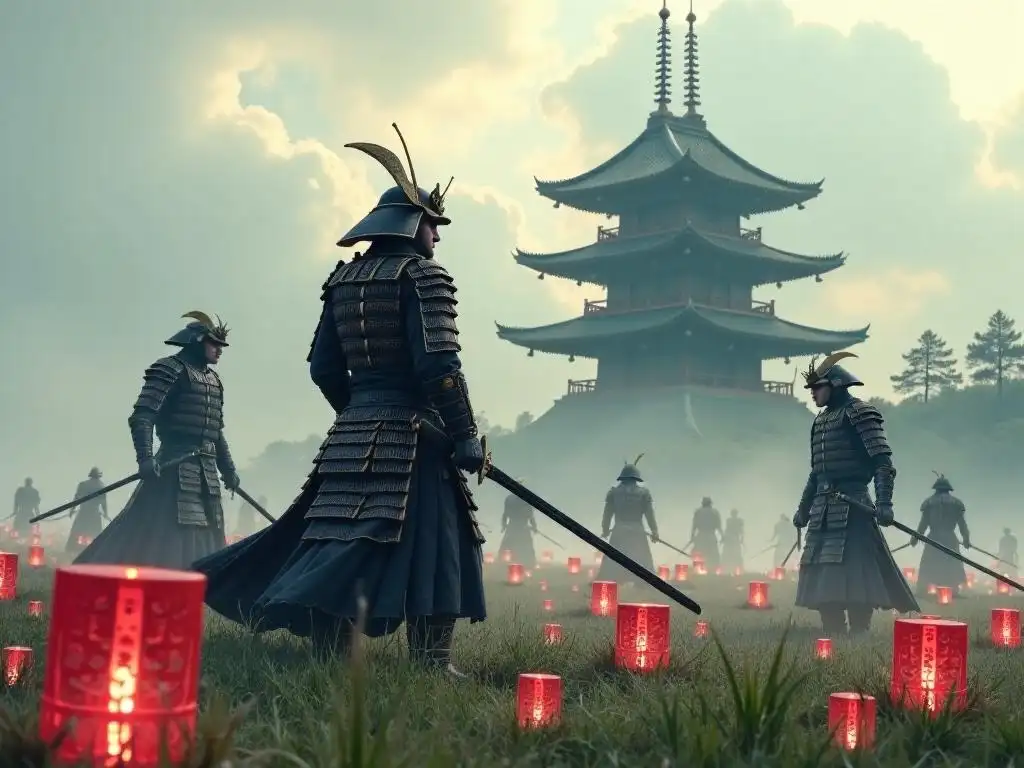
The influence of Chinese warfare on Samurai strategies is a multifaceted topic that can be illuminated through specific historical case studies. These examples reveal how the Samurai adapted and transformed Chinese military tactics to suit their own cultural context and battlefield realities. By examining key battles and theoretical influences, we can gain a deeper understanding of this dynamic interplay between two significant military traditions.
The Battle of Hakusukinoe: A Turning Point in Samurai Warfare
The Battle of Hakusukinoe, fought in 645 AD, marks a pivotal moment in the evolution of Samurai warfare influenced by Chinese military practices. This conflict arose during the Taika Reform period, a time of significant political upheaval in Japan. The Japanese court, keenly aware of the successes of the Chinese military, sought to implement similar strategies in their own campaigns.
During this battle, the Samurai employed formations reminiscent of those seen in Chinese armies, utilizing a combination of archers and infantry to create a more effective battle line. The strategic deployment of troops demonstrated a shift towards organized, disciplined combat, moving away from the more chaotic skirmishes of earlier periods. The victory at Hakusukinoe not only solidified the power of the Yamato court but also set a precedent for the adoption of Chinese military doctrines in subsequent Samurai battles.
The Mongol Invasions and the Response of Samurai Tactics
The Mongol invasions of Japan in 1274 and 1281 are significant events that highlighted the adaptability of Samurai warfare in response to foreign threats, particularly influenced by Chinese experiences with Mongol tactics. The Mongols, utilizing their superior mobility and psychological warfare, posed a unique challenge to the Samurai, who had to rethink their traditional combat approaches.
In preparation for the invasions, Samurai strategists studied the Mongol methods and began to incorporate elements of their warfare, such as the use of coordinated attacks and the importance of intelligence gathering. Notably, the Samurai combined their famed individual combat skills with tactics that emphasized unity and teamwork, echoing lessons from Chinese military writings. The eventual victories against the Mongols, particularly through the use of the "kamikaze" or divine winds, showcased not only the resilience of the Samurai but also the significant impact of Chinese martial concepts on their strategic development.
The Influence of Sun Tzu’s "The Art of War" on Samurai Strategy
Sun Tzu’s seminal work, "The Art of War," has had a profound influence on military thought throughout Asia, including Japan. Samurai leaders and strategists drew upon the principles outlined in this text to refine their tactics and strategies. The emphasis on deception, flexibility, and the importance of terrain in Sun Tzu's philosophy resonated with Samurai warriors who sought to outsmart their opponents rather than merely overpower them.
In practice, Samurai leaders began to implement these concepts in their own military campaigns. For example, the strategic use of ambushes, feigned retreats, and psychological tactics became integral parts of Samurai warfare, reflecting the teachings found in Sun Tzu's work. This adaptation not only enhanced their battlefield effectiveness but also solidified the intellectual connection between Chinese and Japanese military traditions.
Conclusion: The Lasting Impact of Chinese Warfare on Samurai Practices
The influence of Chinese warfare on Samurai strategies is a testament to the interconnectedness of Asian military traditions. By examining specific case studies, it becomes evident that the Samurai did not merely adopt Chinese tactics; they adapted and transformed them to fit their unique cultural and environmental contexts.
Summary of Key Influences
Throughout history, several key influences from Chinese warfare can be identified in Samurai practices:
- Formation and Discipline: Inspired by Chinese military organization, Samurai began to employ more structured formations.
- Adaptability: The response to external threats, such as the Mongol invasions, showcased the Samurai's ability to integrate foreign tactics.
- Philosophical Insights: Works like "The Art of War" provided strategic frameworks that enhanced Samurai decision-making and tactics.
Reflection on the Evolution of Samurai Warfare Through Chinese Influence
The evolution of Samurai warfare through the influence of Chinese military strategies reflects a broader trend of cultural exchange across Asia. As the Samurai incorporated and adapted these concepts, they not only enhanced their combat effectiveness but also laid the groundwork for a distinct Japanese military tradition that would continue to evolve over centuries.
Final Thoughts on the Interconnectedness of Asian Military Traditions
The interconnectedness of Asian military traditions is evident in the profound impact of Chinese warfare on Samurai strategies. This historical relationship underscores the importance of cross-cultural influences in shaping military practices and philosophies. Recognizing these connections enriches our understanding of not only the Samurai but also the broader context of military history in Asia. The legacy of these interactions continues to inform contemporary military thought and strategy, demonstrating the enduring relevance of historical military practices.
Further Reading and Resources on Chinese Warfare and Samurai Strategies
To gain a deeper understanding of the influence of Chinese warfare on samurai strategies, a variety of resources are available for both enthusiasts and scholars. This section provides recommendations for books, articles, and online platforms that delve into the intricate connections between Chinese military practices and samurai techniques.
Recommended Books on Chinese Military History
-
"The Art of War" by Sun Tzu
This ancient Chinese text is fundamental in military strategy, offering insights that have influenced various cultures, including Japan. Its principles on tactics, deception, and battlefield management remain relevant today.
-
"Chinese Military Thought: Considerations and Comparisons" by Daniel Hartnett
This book explores traditional Chinese military philosophy, providing context for how these ideas influenced samurai strategies and Japanese military thought.
-
"The Three Kingdoms: A Historical Novel" by Luo Guanzhong
While primarily a narrative, this historical novel provides rich details about the military strategies employed during the Three Kingdoms period, showcasing the evolution of Chinese warfare that would later impact Japan.
-
"The Chinese Way of War" by Edward L. Dreyer
Dreyer examines the evolution of warfare in China, detailing strategies and tactics that shaped military practices across Asia, including Japan.
-
"Warfare in Ancient China" by Ralph D. Sawyer
This work offers an extensive analysis of ancient Chinese military strategies, presenting a clear picture of how these practices influenced neighboring cultures, particularly the samurai.
Articles on Samurai Warfare and Strategies
-
"The Samurai and Their Influence on Japanese Warfare"
This article discusses the transition of samurai warfare from traditional strategies to those influenced by Chinese practices, highlighting key battles and tactics.
-
"Adaptation and Change: The Samurai and Chinese Military Doctrine"
A comprehensive analysis of how samurai adapted Chinese military concepts, this article provides specific examples of strategic influences and their implications on Japanese warfare.
-
"The Role of Chinese Texts in Samurai Military Education"
This scholarly article explores how samurai warriors studied Chinese military texts and integrated their philosophies into Japanese combat practices, affecting their strategic choices.
-
"From China to Japan: The Evolution of Samurai Warfare"
This piece outlines the historical journey of military strategies as they traveled from China to Japan, emphasizing pivotal moments that altered samurai warfare.
Online Resources for Exploring Feudal Japan’s Military Practices
-
The Samurai Archives
An extensive online resource that houses articles, primary sources, and discussions about samurai history, including their military strategies influenced by Chinese warfare.
-
The Chinese Military History Society
This platform offers a range of articles and research papers focusing on Chinese military history, providing context to its impact on Japanese samurai practices.
-
Feudal Japan Research Consortium
A collaborative resource featuring various academic articles, essays, and multimedia content dedicated to the study of feudal Japan, including the samurai's adaptation of Chinese warfare techniques.
-
YouTube Channels and Documentaries
Channels like "History Time" and "Kings and Generals" feature documentaries that discuss the influence of Chinese military strategies on samurai warfare, offering visual and engaging content for learners.
These resources will equip readers with a comprehensive understanding of how Chinese warfare has significantly influenced samurai strategies throughout Japan's feudal era.
- Introduction to Chinese Warfare and Samurai Strategies
- Historical Interactions Between China and Japan
- Key Elements of Chinese Warfare Influencing Samurai Tactics
- Comparison of Chinese and Samurai Military Strategies
- Case Studies of Chinese Warfare Influence on Samurai Battles
- Conclusion: The Lasting Impact of Chinese Warfare on Samurai Practices
- Further Reading and Resources on Chinese Warfare and Samurai Strategies
- What is the main focus of the article "The Influence of Chinese Warfare on Samurai Strategies"?
- How did Chinese warfare influence Samurai tactics?
- Are there specific examples of Chinese tactics used by Samurai?
- What role did culture play in this influence?
- How does this topic relate to the broader history of feudal Japan?
Frequently Asked Questions
What is the main focus of the article "The Influence of Chinese Warfare on Samurai Strategies"?
The article offers a comprehensive exploration of how Chinese warfare techniques shaped Samurai strategies during Japan's feudal era, highlighting historical and cultural impacts.
How did Chinese warfare influence Samurai tactics?
Chinese warfare introduced various strategic concepts and battle formations that the Samurai adapted, enhancing their combat effectiveness and overall military organization.
Are there specific examples of Chinese tactics used by Samurai?
Yes, the article discusses specific tactics such as the use of archery, cavalry maneuvers, and the formation of troops, which were influenced by Chinese military doctrines.
What role did culture play in this influence?
Cultural exchanges between China and Japan led to the adoption of philosophies and strategies that emphasized discipline, organization, and loyalty, which were crucial to Samurai ethos.
How does this topic relate to the broader history of feudal Japan?
Understanding the influence of Chinese warfare on Samurai strategies provides insight into the evolution of military practices and the interconnectedness of Asian cultures during the feudal period in Japan.
Final Reflection: The Enduring Legacy of Chinese Warfare on Samurai Strategies
The influence of Chinese warfare on Samurai strategies is not merely a historical footnote; it is a testament to the interconnectedness of cultures and the evolution of military thought. Today, as we navigate a world that often feels divided, understanding how ideas and practices can transcend borders serves as a powerful reminder of our shared human experience. The strategies developed through Chinese warfare have not only shaped the Samurai but have also laid the groundwork for modern military tactics, illustrating that innovation often arises from collaboration and adaptation.
The impact of this historical exchange continues to resonate in contemporary society, where the principles of strategy, discipline, and honor remain relevant in various fields beyond warfare. The Samurai's adaptation of Chinese military tactics reflects a broader narrative of cultural synthesis that has influenced everything from business leadership to personal development. As Sun Tzu famously stated, In the midst of chaos, there is also opportunity.
This quote encapsulates the essence of how the Samurai transformed external influences into a unique identity, showcasing the power of adaptability in the face of change.
As we reflect on the lessons drawn from the intricate relationship between Chinese warfare and Samurai strategies, I invite you to consider how you can apply these insights in your own life. Embrace the idea that learning from others can lead to personal growth and innovation.
Whether in your career, relationships, or personal pursuits, let the legacy of the Samurai inspire you to seek out new perspectives, adapt to challenges, and forge your own path with the wisdom of those who came before you. The journey of understanding and growth is ongoing—let us honor this legacy by remaining open to the influences that shape our lives.
Unleash the Warrior Within: Embrace the Strategies of the Samurai!
Thank you for diving into the intriguing world of the influence of ancient warfare on Samurai strategies! We've uncovered the powerful techniques that shaped these legendary warriors and their battles. Now, it’s time to embark on your own journey through this captivating history and implement some of these insights into your life.
Here’s how you can deepen your understanding and appreciation:
- Explore a captivating book or documentary that delves deeper into Samurai or ancient military tactics—expand your knowledge beyond this article!
- Join a discussion group or online community to share insights and perspectives about Samurai history—engaging with others can bring fresh ideas to your journey.
- Create your own strategic game inspired by Samurai principles. Challenge friends and family to see who can apply these tactics most effectively!
As you reflect on the lessons from the battlefield, ask yourself: What strategy will you adopt today to conquer your own challenges, inspired by the legendary samurai?