🏯 Housing and Architecture in Feudal Japan
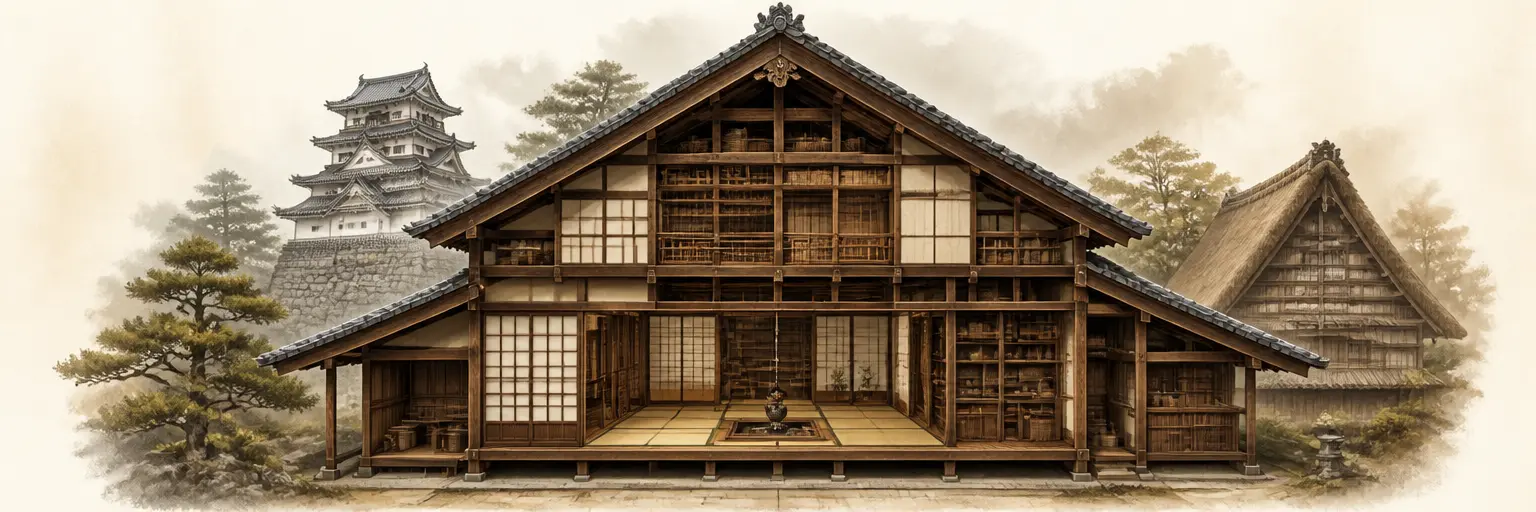
Explore the remarkable world of Housing and Architecture in Feudal Japan, where buildings reflected social status, climate, religion, military strategy, and everyday customs. This subcategory examines Japanese homes, samurai residences, castle towns, Buddhist temples, Shinto shrines, rural farmhouses, merchant districts, and traditional construction techniques. Through expert-driven articles, readers can discover how architecture shaped daily life and how people lived, worked, worshiped, and defended their communities during Japan’s feudal era.
🏠 Traditional Japanese Homes and Daily Life
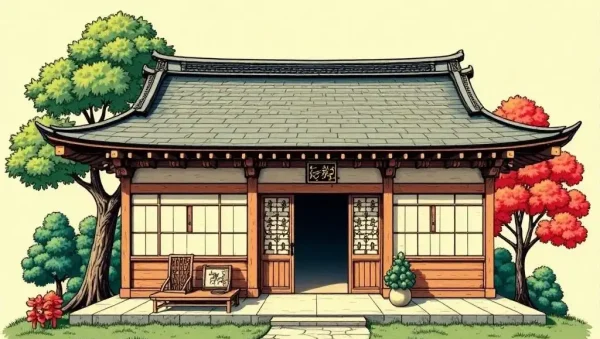
Learn how ordinary people lived in feudal Japan through detailed studies of traditional Japanese houses, including farmhouses, townhouses, samurai residences, and aristocratic compounds. Articles explore tatami flooring, sliding doors, wooden frames, raised floors, thatched roofs, engawa verandas, household storage, kitchens, gardens, and the flexible use of interior space.
Readers can also discover how housing differed according to class, occupation, wealth, and location. From rural villages and fishing communities to urban neighborhoods in Kyoto, Edo, and Osaka, this section explains how Japanese domestic architecture adapted to seasonal weather, natural resources, family structure, and changing social expectations.
⚔️ Samurai Residences and Feudal Homes
Discover the design and purpose of samurai houses, warrior estates, and domain residences. These homes combined practical living spaces with formal reception rooms, gardens, storehouses, gates, defensive walls, and carefully planned entrances. Articles explain how samurai architecture communicated rank while supporting administration, family life, military readiness, and ceremonial obligations.
This section also examines the relationship between the warrior class and the built environment. Readers can learn about castle-town neighborhoods, retainers’ houses, feudal domains, household organization, and the architectural differences between high-ranking daimyo residences and more modest homes occupied by lower-ranking warriors.
🏯 Japanese Castles and Defensive Architecture
Explore the development of Japanese castles and fortified settlements during the Sengoku period and the Edo period. Topics include castle towers, stone walls, moats, baileys, gates, watchtowers, earthen defenses, secret passages, and strategic hillside locations. These articles reveal how castles functioned as military strongholds, administrative centers, political symbols, and residences for feudal lords.
Readers will also learn how castle architecture evolved as warfare, firearms, diplomacy, and centralized rule changed Japan. Detailed explanations of castle towns and defensive planning show how roads, markets, temples, residences, and government buildings were organized around the authority of the daimyo.
⛩️ Temples, Shrines, and Religious Architecture
Study the architecture of Buddhist temples and Shinto shrines, including pagodas, temple halls, worship spaces, torii gates, purification areas, bell towers, and religious gardens. This section explores how sacred buildings expressed Japanese religious beliefs, imported architectural influences, craftsmanship, and relationships with mountains, forests, rivers, and ancestral traditions.
Articles explain the role of temples and shrines in everyday life, education, funerals, festivals, pilgrimage, community organization, and political authority. Readers can compare regional styles and understand how religious architecture changed across the Kamakura, Muromachi, Azuchi-Momoyama, and Edo periods.
🌾 Rural Villages and Farmhouse Architecture
Examine the houses, streets, irrigation systems, storehouses, and communal spaces of feudal Japanese villages. Traditional farmhouses were designed around agricultural work, seasonal weather, family labor, and the storage of rice and other crops. Articles cover thatched roofs, hearths, timber construction, raised granaries, planting patterns, and village boundaries.
This section also shows how rural architecture supported village governance and social cooperation. Readers can learn about farming communities, tax obligations, agricultural production, land use, fire prevention, and the ways local landscapes influenced the design of homes and public spaces.
🏮 Merchant Houses and Urban Neighborhoods
Explore the distinctive architecture of merchant houses, known as machiya, and the bustling urban districts of feudal Japan. These narrow townhouses commonly combined shops, workshops, storage areas, family rooms, courtyards, and rear service spaces. Their layout reveals how commerce and domestic life were integrated within crowded cities.
Readers can discover how merchants, artisans, entertainers, laborers, and officials occupied different urban neighborhoods. Articles discuss street planning, fire-resistant design, markets, inns, pleasure districts, warehouses, and the growth of major cities such as Edo, Kyoto, and Osaka.
🌿 Gardens, Interiors, and Japanese Design
Learn about the close relationship between Japanese architecture and landscape design. Traditional gardens used ponds, stones, bridges, lanterns, moss, trees, and carefully framed views to create spaces for contemplation, ceremony, and social display. Articles explain garden styles associated with samurai estates, temples, tea houses, and aristocratic residences.
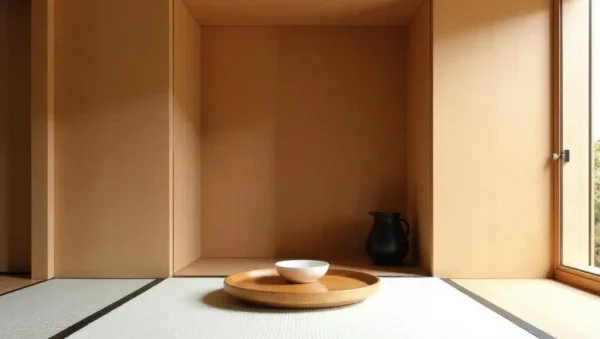
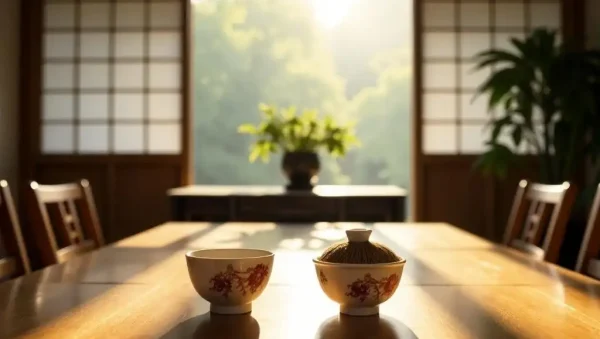
The section also explores Japanese interiors, including tatami room proportions, shoji screens, fusuma panels, tokonoma alcoves, wooden details, natural materials, and seasonal decoration. Readers will see how simplicity, balance, impermanence, and harmony with nature shaped the visual culture of feudal Japan.
🛠️ Construction Techniques and Architectural Materials
Discover the craftsmanship behind traditional Japanese construction, including timber framing, joinery, tiled and thatched roofing, plaster walls, stone foundations, and earthquake-conscious building methods. Articles highlight the skills of carpenters, roofers, plasterers, joiners, metalworkers, and other specialists who created durable and adaptable structures.
Readers can also learn how local materials influenced regional architecture. Wood, bamboo, clay, straw, stone, and paper were selected according to availability, climate, function, and social status. These building traditions help explain the longevity and distinctive appearance of historic Japanese architecture.
❓ Frequently Asked Questions About Housing and Architecture in Feudal Japan
🏠 What were houses like in feudal Japan?
Feudal Japanese houses varied according to social status, occupation, region, and period. Common features included wooden frames, tatami or packed-earth floors, sliding screens, raised platforms, tiled or thatched roofs, and flexible rooms. Wealthier residences often included gardens, reception rooms, gates, storehouses, and separate servant areas.
⚔️ How were samurai houses different from peasant homes?
Samurai residences generally had more formal layouts, larger compounds, stronger gates, reception rooms, gardens, and spaces for weapons or administrative work. Peasant homes were usually more closely connected to farming and household labor, with hearths, storage areas, animal spaces, and practical designs suited to agricultural life.
🏯 What was the purpose of Japanese castles?
Japanese castles served as military defenses, political headquarters, administrative centers, and residences for feudal lords. Their moats, stone walls, gates, towers, and confusing approaches were designed to slow attackers, while castle towns organized the surrounding population, markets, roads, and warrior households.
⛩️ How did religion influence Japanese architecture?
Buddhism and Shinto strongly influenced the design of temples, shrines, pagodas, gates, gardens, and ceremonial spaces. Religious architecture often emphasized harmony with the natural environment, sacred boundaries, ritual movement, ancestral memory, and the relationship between human communities and the spiritual world.
🌿 Why are traditional Japanese buildings important today?
Traditional buildings preserve valuable evidence about Japanese history, social hierarchy, technology, religion, and daily life. Studying them helps historians understand how people lived in the feudal era while also supporting the preservation of castles, temples, shrines, townhouses, farmhouses, and other important elements of Japan’s cultural heritage.