The Tea Ceremony: A Journey Through the Aesthetics of Japanese Hospitality
🌸 The Japanese tea ceremony traditions embody the essence of hospitality, blending artistry and ritual. This exploration unveils the intricate aesthetics and…
Read article
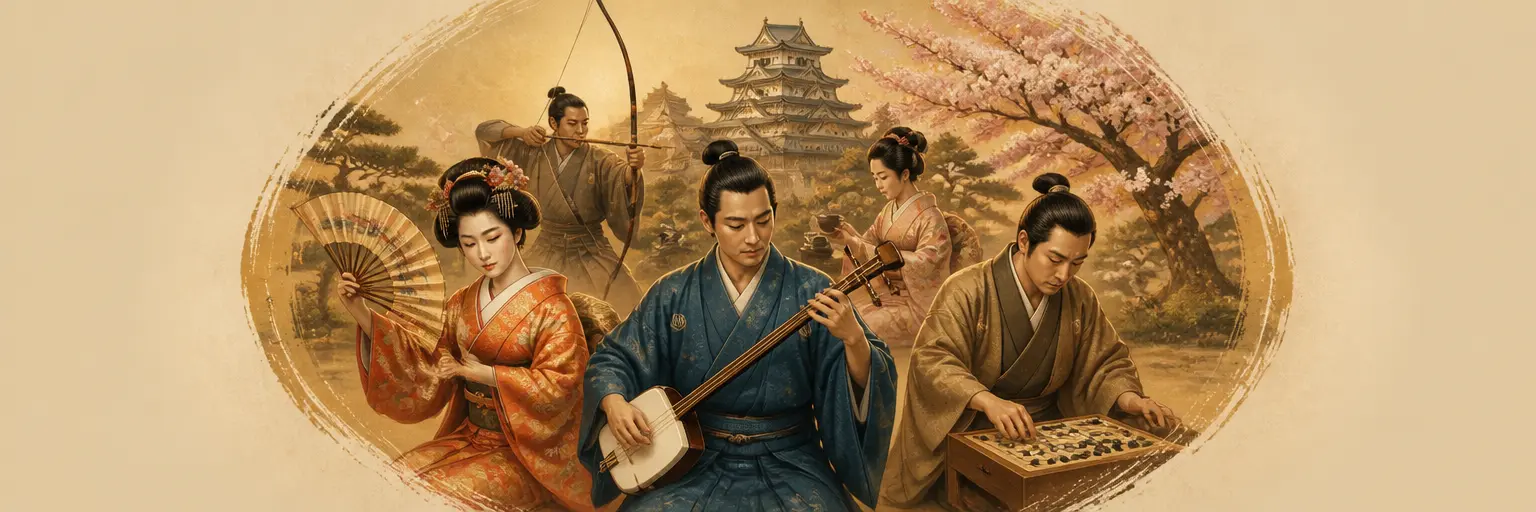
Explore the vibrant world of entertainment and leisure in feudal Japan 🎭 From Noh theater, kabuki, music, and traditional dance to tea ceremonies, festivals, games, and samurai-era pastimes, discover how recreation shaped daily life and reflected the values of Japanese society. Gain fascinating historical insight into the cultural traditions, social customs, and leisure activities that brought communities together during Japan’s feudal era.
🌸 The Japanese tea ceremony traditions embody the essence of hospitality, blending artistry and ritual. This exploration unveils the intricate aesthetics and…
Read article
🌸 Gardens in feudal Japan were not merely aesthetic spaces; they served as vital retreats for samurai, embodying philosophical ideals, social status,…
Read article
The war impact on Japanese culture profoundly transformed leisure activities, as conflicts reshaped societal norms and artistic expressions. This article delves into…
Read article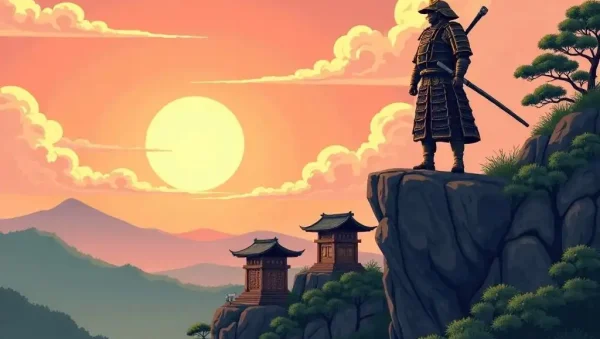
Embarking on a captivating exploration of the samurai lifestyle and duty, this article delves into how these noble warriors balanced their rigorous…
Read article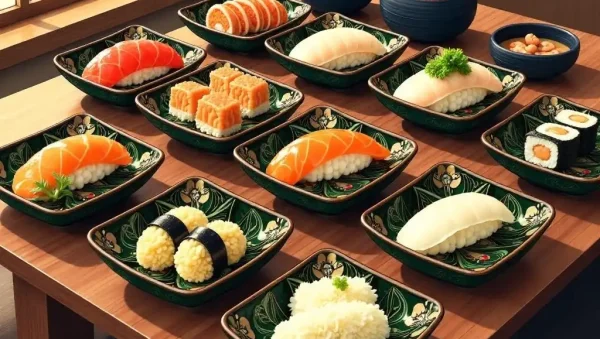
🍣 The article delves into Japanese feudal culinary traditions, tracing their evolution from ancient times to the present. Discover how historical events…
Read article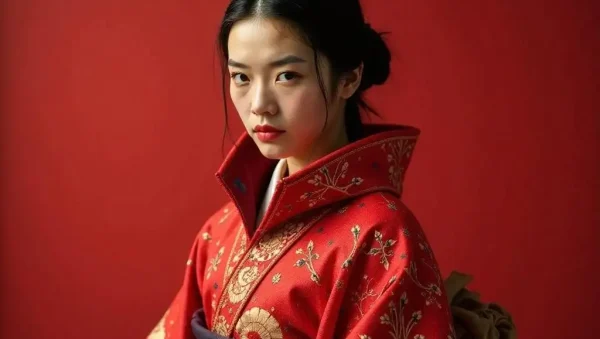
Discover the profound Noh theatre cultural significance in Japan, where each performance embodies a delicate balance of spirituality and elegance. This classical…
Read article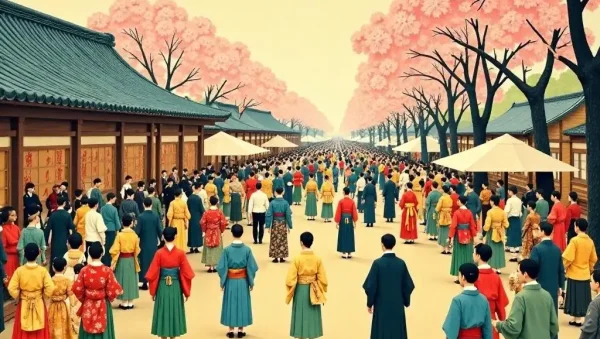
🌿 Discover how feudal Japan seasonal festivals intricately intertwined with nature, celebrating the changing seasons through vibrant rituals and communal gatherings. These…
Read article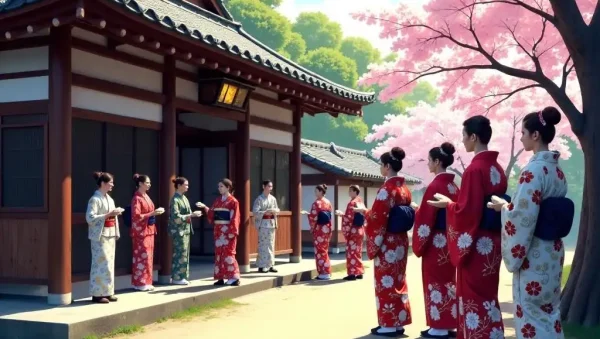
The kimono, a symbol of Japan's rich heritage, intricately weaves together fashion and social status. This article delves into how kimono fashion…
Read article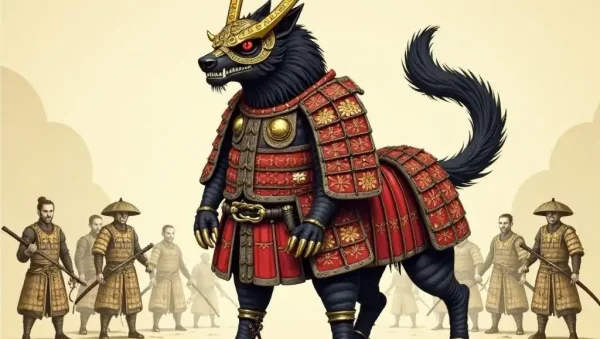
The intricate relationship between Samurai martial arts and performance highlights a unique duality, where the fluidity of dance intertwines with the precision…
Read article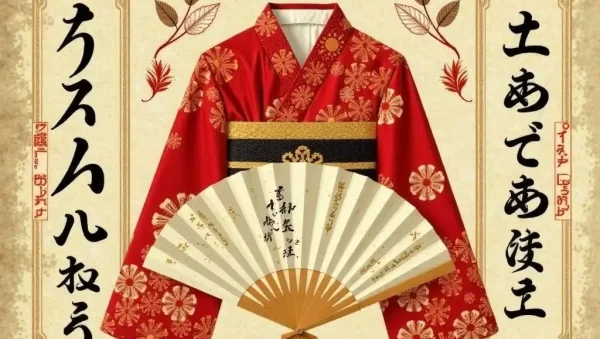
The interplay of Chinese culture in Japanese entertainment has profoundly shaped various artistic expressions, from theater to literature, during Japan's feudal era.…
Read article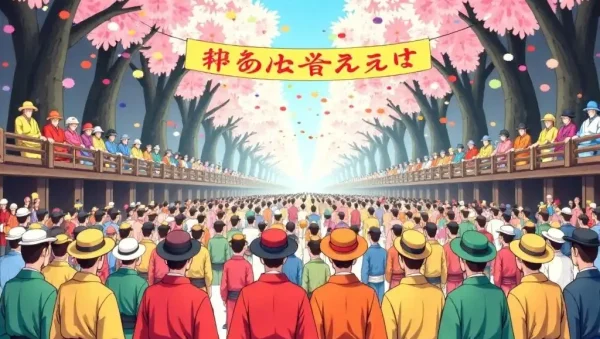
🌸 Festivals in Feudal Japan were vibrant expressions of life, weaving together community spirit, spiritual reverence, and rich traditions. These celebrations not…
Read article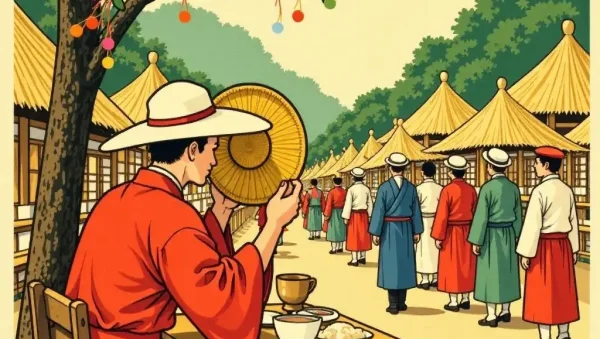
In exploring the role of humor in feudal Japan, we uncover how jokes and satire not only provided entertainment but also served…
Read articleExplore the fascinating world of entertainment and leisure in feudal Japan, where music, theater, festivals, games, sports, poetry, and social gatherings shaped everyday life across the samurai, artisan, merchant, and farming communities. This subcategory examines how people spent their free time during Japan’s medieval and early modern periods, from the Kamakura and Muromachi eras through the Sengoku period and Tokugawa shogunate. Discover how leisure reflected Japanese culture, social class, religious beliefs, artistic traditions, and historical change in an era defined by samurai rule and evolving urban society.
Learn about the development of major performance traditions, including Noh theater, Kyōgen comedy, Kabuki, and Bunraku puppet theater. Articles explore their origins, distinctive costumes, masks, music, storytelling styles, and connections to Buddhist, Shinto, samurai, and urban merchant culture.
Readers can also discover how theater functioned as both entertainment and social commentary. Explore famous performers, historical stages, audience customs, censorship under the Tokugawa government, and the lasting influence of feudal Japanese drama on modern Japanese performing arts.
Discover the instruments and musical traditions that accompanied life in feudal Japan, including the shamisen, biwa, koto, shakuhachi, drums, and courtly ensembles. This section explains how music appeared in religious ceremonies, military settings, theatrical performances, festivals, tea gatherings, and private entertainment.
Explore traditional Japanese dance, folk performances, geisha arts, and regional customs. Content highlights how musicians, dancers, entertainers, and courtesans developed specialized skills while navigating the expectations of Japan’s rigid social hierarchy.
Feudal Japanese festivals brought communities together through processions, shrine rituals, fireworks, performances, food, and religious observances. Learn how matsuri, New Year celebrations, harvest festivals, cherry blossom viewing, lantern ceremonies, and religious holidays shaped the annual calendar.
These events were more than simple recreation. They reinforced community identity, honored ancestors and deities, marked agricultural cycles, and provided opportunities for travel and social interaction. Discover how festivals differed between castle towns, rural villages, temple communities, and major cities such as Edo, Kyoto, and Osaka.
Examine the cultural importance of the Japanese tea ceremony, or chanoyu, and its relationship to Zen Buddhism, samurai values, architecture, gardening, ceramics, calligraphy, and hospitality. Learn how tea gatherings became influential spaces for diplomacy, cultural exchange, and personal reflection.
This section also explores haikai poetry, linked verse, calligraphy, painting, incense appreciation, and flower arrangement. Readers will see how refined leisure developed among warriors, monks, nobles, and wealthy townspeople while shaping ideas about simplicity, impermanence, discipline, and beauty.
Discover the games and physical activities enjoyed in feudal Japan, including kemari, sumo, archery, horseback riding, swordsmanship, board games, and traditional children’s pastimes. Some activities began as courtly or military practices before becoming popular forms of entertainment.
Articles explain how recreation reflected education, social status, and martial values. Explore the history of Go, shogi, karuta, Japanese archery, sumo traditions, and samurai training, as well as the role of competition in festivals, schools, households, and warrior domains.
Learn about the licensed pleasure districts of Edo-period Japan, including famous areas such as Yoshiwara in Edo, Shimabara in Kyoto, and Shinmachi in Osaka. This section discusses geisha, courtesans, teahouses, kabuki theaters, restaurants, publishers, and urban nightlife with attention to historical context.
Readers will gain a balanced understanding of these entertainment quarters as complex cultural centers rather than simple places of amusement. Explore social mobility, artistic training, fashion, literature, popular prints, and the legal restrictions that governed pleasure districts under the Tokugawa shogunate.
Feudal Japan experienced a major expansion of popular culture through illustrated books, travel writing, humorous stories, dramatic narratives, and ukiyo-e woodblock prints. Discover how the growth of literacy and commercial publishing transformed entertainment for urban residents and prosperous townspeople.
Explore the works of writers and artists who depicted samurai legends, historical heroes, actors, beautiful women, landscapes, ghosts, and everyday life. This content reveals how literature and visual art preserved social attitudes while creating new forms of mass entertainment.
Entertainment was shaped by a person’s occupation, wealth, gender, location, and social rank. Compare the leisure activities of samurai households, Buddhist monks, farmers, artisans, merchants, aristocrats, women, and children in castle towns and rural communities.
Learn how ordinary people balanced work with storytelling, local festivals, drinking establishments, religious pilgrimages, music, games, and family celebrations. These articles provide a detailed view of daily life in feudal Japan beyond warfare and politics.
People enjoyed festivals, theater, music, dancing, poetry, tea gatherings, storytelling, gambling, board games, sports, religious pilgrimages, and seasonal celebrations. Leisure varied according to social class, wealth, occupation, gender, and location.
Popular Edo-period entertainment included Kabuki theater, Bunraku puppetry, sumo, ukiyo-e prints, pleasure districts, restaurants, festivals, travel, poetry gatherings, and games such as Go and shogi. Expanding cities and commercial publishing made entertainment increasingly accessible to townspeople.
Yes. Although samurai were expected to serve their lords and maintain martial skills, they also participated in tea ceremonies, poetry, calligraphy, music, theater, hunting, archery, religious study, and board games. Elite leisure often reflected education, discipline, and political relationships.
Festivals combined entertainment with religious and community purposes. They honored Shinto kami, Buddhist figures, ancestors, and seasonal cycles while creating opportunities for food, music, dancing, processions, markets, and social interaction.
Entertainment reveals how people experienced everyday life beyond battles and government. Studying leisure helps explain social class, gender roles, religion, economics, urbanization, artistic development, and cultural exchange across Japan’s feudal eras.