The Art of Kimono: Unraveling the Layers of Feudal Japanese Fashion
🌸 Discover the intricate beauty of feudal Japanese fashion history through the art of the kimono. This exploration reveals the cultural significance,…
Read article
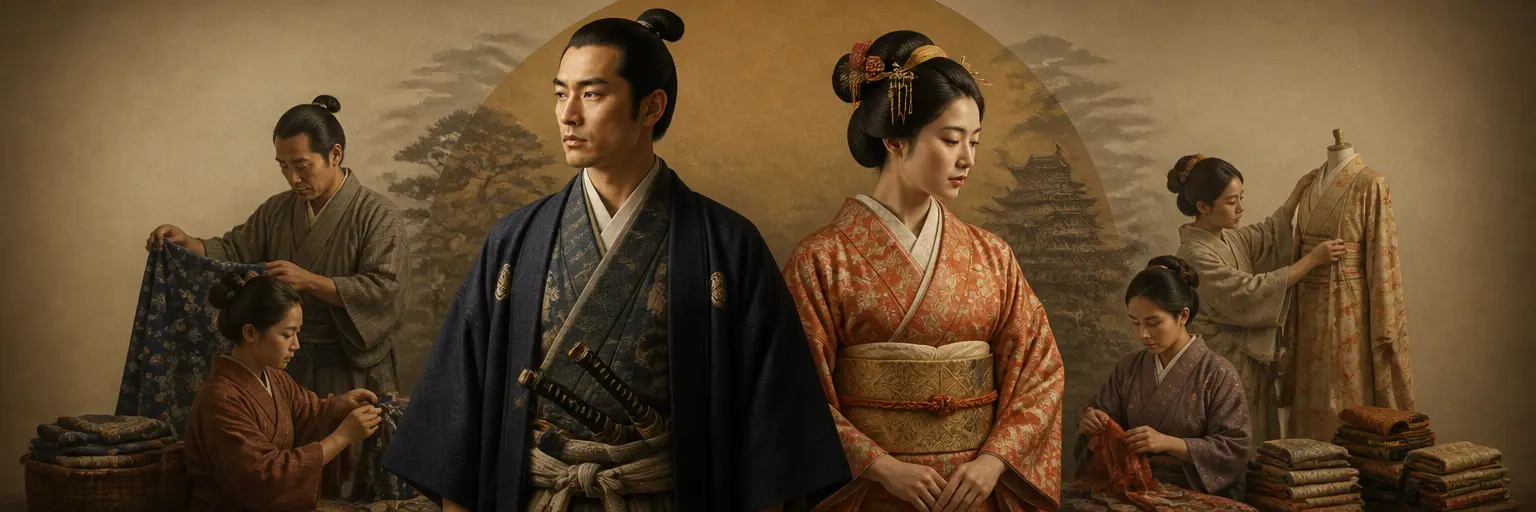
Explore the clothing and fashion of feudal Japan 👘, where garments reflected social rank, occupation, seasonal customs, and cultural identity. Discover the history of kimono, samurai armor, traditional textiles, hairstyles, footwear, and accessories, while learning how fashion shaped daily life and society during Japan’s medieval era. ✨ Dive into expert-informed insights on Japanese dress, craftsmanship, symbolism, and evolving style across the feudal period.
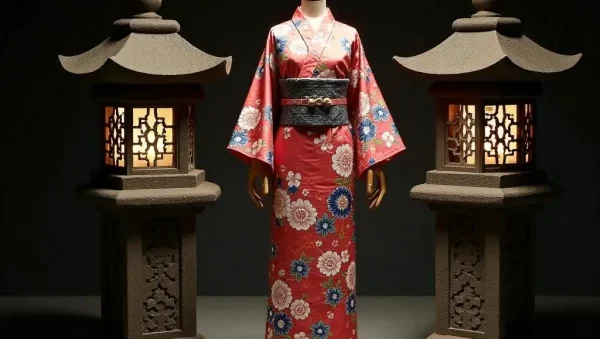
🌸 Discover the intricate beauty of feudal Japanese fashion history through the art of the kimono. This exploration reveals the cultural significance,…
Read article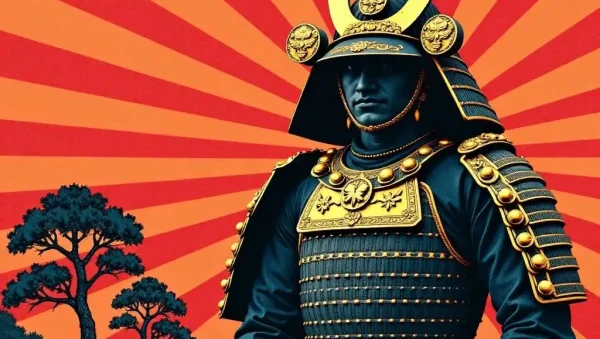
The cultural significance of samurai armor extends beyond mere protection; it embodies the warrior's status, craftsmanship, and the intricate values of Japan’s…
Read article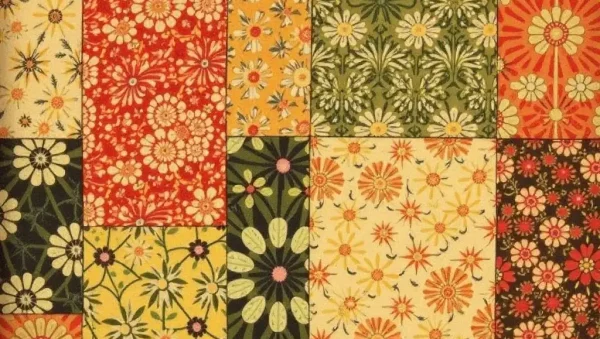
🌸 Japanese fabric design symbolism intricately reflects the cultural and historical narratives of Japan's feudal era. Each motif tells a story, embodying…
Read article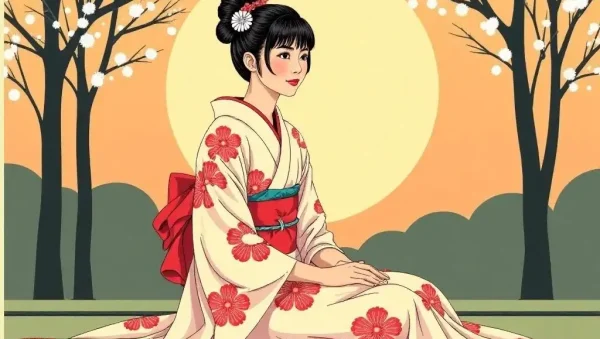
🌱 In Feudal Japan, clothing was deeply intertwined with nature, reflecting seasonal changes and natural elements. This connection enhanced cultural identity, influencing…
Read article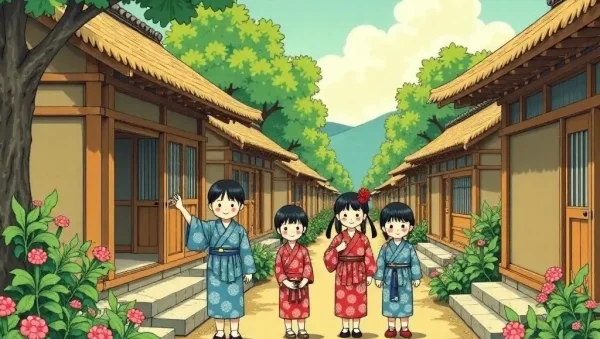
🌸 The evolution of children's clothing in feudal Japan reflects societal values and cultural shifts, showcasing how fashion adapted to class distinctions…
Read article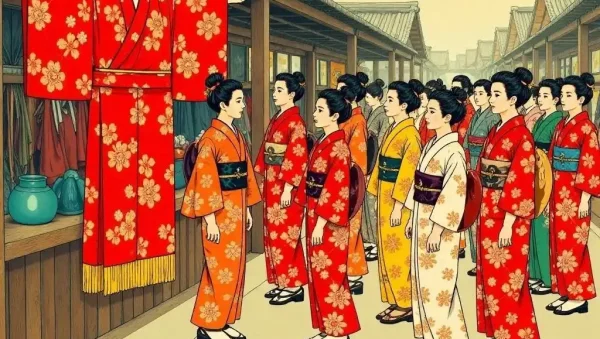
🌸 Discover the intriguing world of fashion mistakes in feudal Japan, where societal status dictated attire. Explore the critical faux pas that…
Read article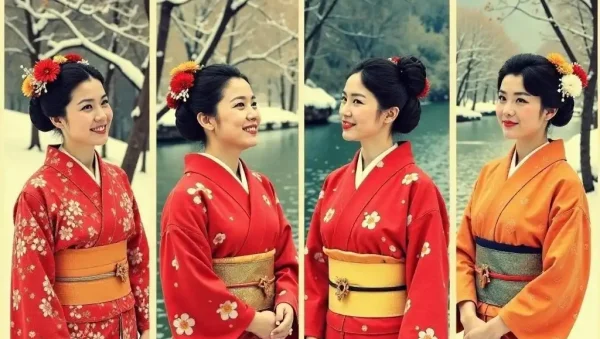
🌸 Japan's seasonal fashion trends reflect the country's rich cultural tapestry, adapting to the unique characteristics of each season. Explore how traditional…
Read article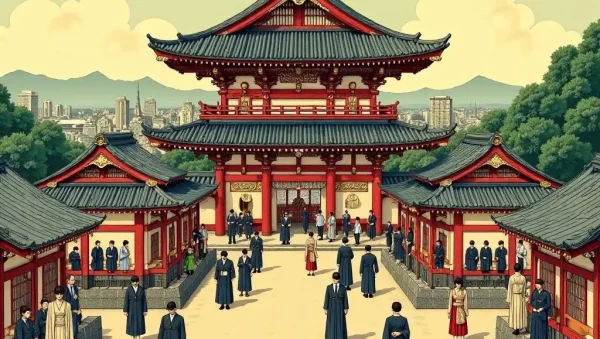
The late feudal era in Japan witnessed significant transformations in fashion, driven by Western influence on Japanese clothing. This period marked a…
Read article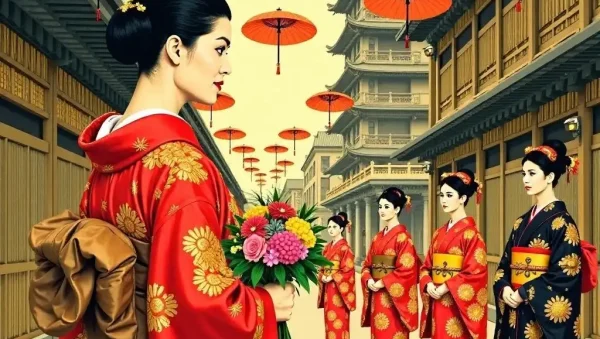
✨ Discover the captivating Edo period fashion trends, where the vibrant world of Kabuki theatre influenced exquisite kimono designs, reflecting the rich…
Read article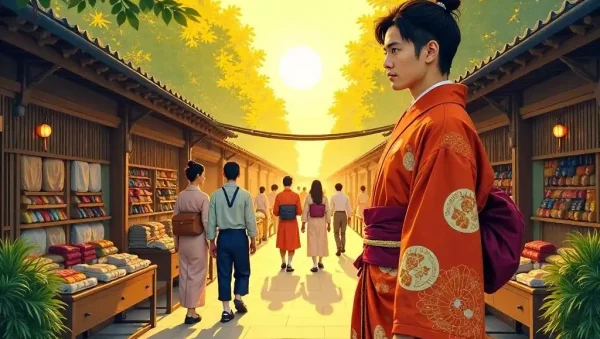
In feudal Japan, clothing choices were pivotal in defining social status and relationships. This article delves into how feudal Japan clothing social…
Read article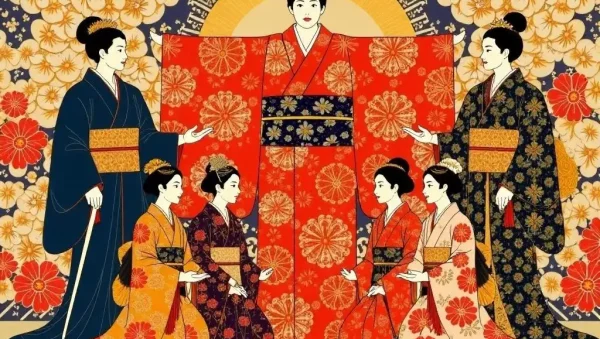
In feudal Japan, clothing rituals played a vital role in ceremonies, symbolizing status and cultural identity. These intricate dress codes not only…
Read article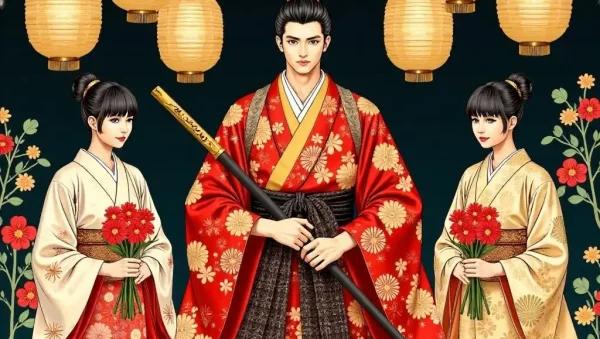
In Japan's feudal era, fashion served as a powerful tool for political alliances and marriages, reflecting societal status and reinforcing connections among…
Read articleExplore the fascinating world of clothing and fashion in feudal Japan, where garments reflected social rank, occupation, gender, season, religion, and regional identity. Within the broader study of daily life and society, this subcategory examines how samurai, farmers, merchants, artisans, monks, courtiers, and warriors dressed during Japan’s medieval and early modern periods. Discover the history of the kimono, kosode, hakama, obi, kataginu, jinbaori, armor, footwear, hairstyles, fabrics, dyes, and accessories that shaped Japanese appearance and identity from the Kamakura through the Edo period.
Learn how samurai clothing combined practicality, authority, and visual symbolism. Articles explore formal court dress, everyday warrior garments, battle clothing, samurai armor, helmets, family crests, jinbaori coats, hakama trousers, and kataginu worn by members of the military class. Readers can also discover how clothing communicated rank, allegiance, wealth, and service to a lord.
This section explains how the demands of warfare influenced Japanese fashion and textile production. Expect detailed discussions of layered garments, protective materials, silk and hemp fabrics, seasonal clothing, and the differences between ceremonial attire and clothing designed for travel, training, or combat. These insights reveal how samurai fashion reflected both military discipline and cultural refinement.
Discover the development of the kimono and kosode, two of the most recognizable forms of traditional Japanese clothing. This section examines garment construction, sleeve shapes, overlapping fronts, obi belts, layering practices, and the evolution of Japanese dress across the feudal era. Readers will learn why particular fabrics, patterns, and colors were selected for different occasions.
Articles also explain how clothing differed between men and women, children and adults, nobles and commoners, and formal and everyday settings. By studying the history of Japanese garments, readers gain a deeper understanding of how fashion expressed age, marital status, social position, regional customs, and seasonal awareness.
Explore the clothing worn by women in feudal Japan, including the garments of aristocratic ladies, samurai women, merchant households, entertainers, farmers, and artisans. Topics may include layered robes, kosode styles, obi arrangements, hairstyles, hair ornaments, footwear, makeup, and wedding clothing. Women’s fashion often communicated family background, social expectations, wealth, and life stage.
This section also considers how women participated in textile production and household economies. Readers can learn about weaving, embroidery, dyeing, sewing, silk cultivation, and the transmission of clothing traditions between generations. The history of women’s dress offers important insight into family life, labor, beauty standards, and social organization in feudal Japan.
Feudal Japanese fashion depended on a sophisticated textile culture. Discover the uses of silk, hemp, ramie, cotton, and wool, as well as the techniques used to spin, weave, decorate, and preserve fabric. Articles explore renowned textile centers, household production, artisan workshops, and the economic importance of cloth in regional and long-distance trade.
Readers can also learn about traditional dyeing methods such as indigo dyeing, shibori tie-dye, plant-based pigments, and resist-dyeing techniques. Discussions of colors, motifs, and decorative patterns show how clothing expressed nature, religious ideas, family identity, and cultural taste while also revealing differences in access to luxury materials.
Examine the relationship between Japanese fashion and warfare through detailed coverage of samurai armor, helmets, masks, protective sleeves, leg guards, and battle robes. This section explains how equipment developed in response to changing weapons, military tactics, and battlefield conditions. Readers will discover how armor balanced protection, mobility, craftsmanship, and visual intimidation.
Beyond its practical function, armor served as a powerful symbol of status and identity. Expect insights into lacquerwork, metal decoration, family crests, banners, helmet ornaments, and the ceremonial presentation of warrior equipment. These subjects connect military history with Japanese craftsmanship, social hierarchy, and the visual culture of the feudal period.
Learn about the clothing worn during court ceremonies, religious rituals, festivals, weddings, funerals, and official appearances. This section covers aristocratic robes, Buddhist monastic garments, Shinto ceremonial clothing, shrine attendants’ dress, and the formal attire of military and administrative officials. Ceremonial clothing often followed strict rules concerning color, fabric, layering, and accessories.
These articles show how dress helped create authority and sacred meaning. Readers can explore the relationship between clothing and court culture, Buddhist institutions, Shinto traditions, seasonal celebrations, and political ceremony. Such details reveal how fashion operated as a visual language within Japan’s religious and political society.
Discover how ordinary people dressed in villages, castle towns, ports, and commercial centers. Clothing among farmers, merchants, craftsmen, fishermen, and laborers was shaped by work requirements, climate, available materials, household income, and local customs. Topics include practical cotton garments, hemp clothing, work jackets, aprons, head coverings, sandals, and regional styles.
This section also examines sumptuary regulations that restricted certain colors, fabrics, patterns, and accessories according to social class. By studying everyday clothing, readers can better understand economic differences, urban growth, trade networks, craftsmanship, and the changing relationship between social status and personal appearance.
Fashion in feudal Japan was closely connected to social hierarchy. Explore how clothing laws regulated the appearance of samurai, farmers, merchants, artisans, courtiers, religious figures, and members of marginalized communities. Articles explain restrictions on silk, elaborate patterns, bright colors, jewelry, hairstyles, and other forms of visible luxury.
Readers will also learn how people adapted to or challenged these rules through subtle designs, hidden decorations, textile techniques, and creative styling. These examples demonstrate that clothing was not merely personal attire; it was a powerful tool for enforcing order, displaying status, and negotiating identity within Japanese society.
Complete your understanding of feudal Japanese fashion by exploring hairstyles, hair ornaments, hats, combs, fans, purses, belts, socks, sandals, and other accessories. Hairstyles could indicate age, gender, marital status, profession, religious affiliation, or social position. Accessories and grooming practices often carried as much cultural meaning as the garments themselves.
This section examines footwear such as geta, zori, waraji, and formal shoes, along with the practical reasons behind their design. Readers can also discover how personal grooming, cosmetics, fragrances, folding fans, umbrellas, and traveling equipment contributed to appearance and everyday life in historical Japan.
People wore garments suited to their social position, occupation, gender, region, and season. Common clothing included kosode robes, kimono-style garments, hakama trousers, obi belts, jackets, aprons, and simple workwear. Samurai and courtiers generally had access to more formal and luxurious fabrics than farmers and laborers.
No. Samurai wore armor primarily during warfare, military training, patrols, and formal martial occasions. In daily life, they commonly wore robes, hakama, jackets, and other civilian clothing. Their attire changed according to whether they were fighting, attending court, traveling, serving a lord, or participating in a ceremony.
Important fabrics included silk, hemp, ramie, and later cotton. Silk was associated with wealth and formal clothing, while hemp and ramie were widely valued for their durability and breathability. Cotton became increasingly important during the later feudal period, especially for practical garments and clothing used by townspeople and farmers.
Clothing communicated status through fabric quality, color, pattern, garment style, embroidery, accessories, and level of formality. Sumptuary laws sometimes restricted luxury materials and elaborate designs. As a result, clothing helped distinguish nobles, samurai, merchants, farmers, artisans, religious figures, and other social groups.
A kosode was a robe with relatively narrow sleeves that became especially important from the medieval period onward. The modern kimono developed from earlier Japanese garments, including the kosode, and the term is now commonly used for traditional Japanese dress. Historical clothing styles changed considerably across the Kamakura, Muromachi, Azuchi-Momoyama, and Edo periods.