The Role of Oral Tradition in Education: Stories Passed Through Generations
📚 Oral tradition in feudal Japan played a crucial role in education, preserving cultural values and historical narratives. Through storytelling, knowledge and…
Read article
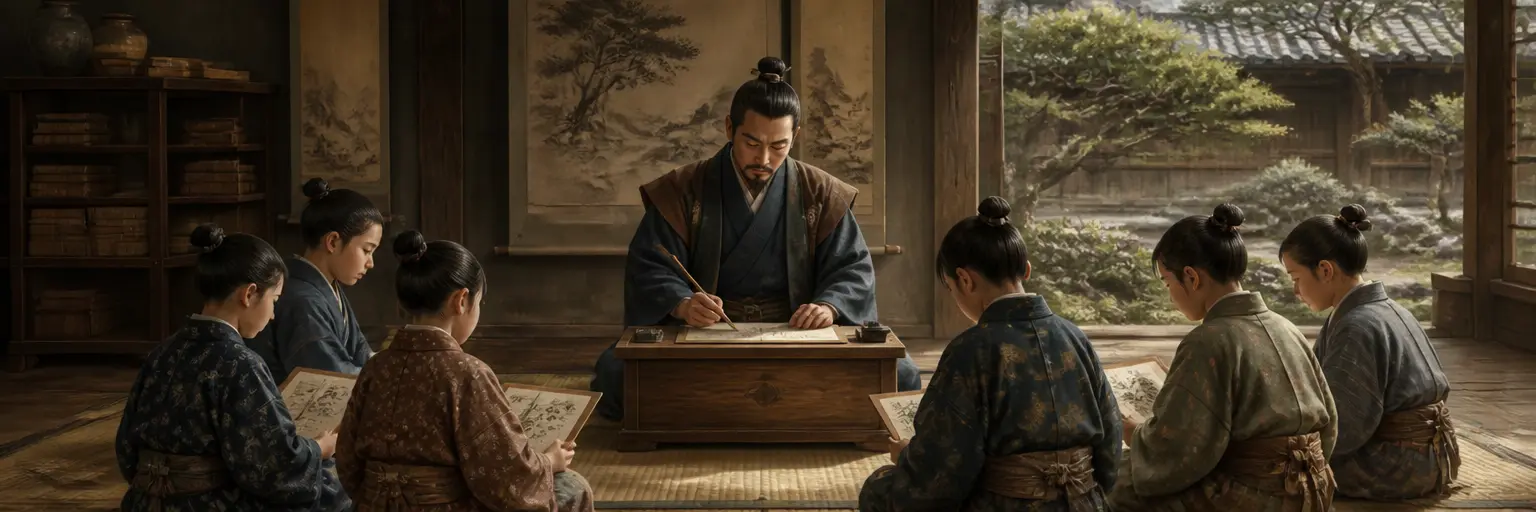
Explore education and schools in feudal Japan 📚🏯 and discover how samurai families, temples, villages, and domain authorities shaped learning during Japan’s medieval and early modern eras. Learn about traditional Japanese education, temple schools, Confucian teachings, literacy, warrior training, and the social role of knowledge through expert-driven historical articles.

📚 Oral tradition in feudal Japan played a crucial role in education, preserving cultural values and historical narratives. Through storytelling, knowledge and…
Read article
The intricate practice of samurai calligraphy education history reveals how mastering this art form elevated warriors' status, blending discipline with creativity and…
Read article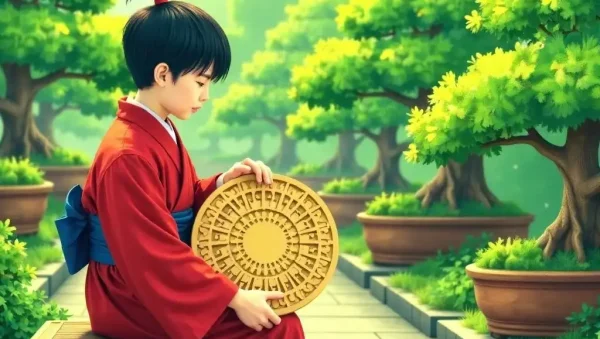
📚 The rise of private tutors in samurai families revolutionized education in Japan, emphasizing specialized knowledge and discipline. This article delves into…
Read article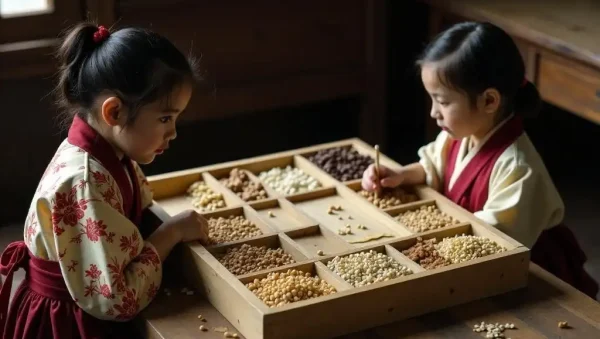
🌸 Explore the transformative journey of written education in feudal Japan, where the shift from ancient scrolls to skilled scribes revolutionized learning,…
Read article
🌟 In Japan's feudal era, storytelling through folklore emerged as a vital educational tool, conveying moral lessons and cultural values. This Japanese…
Read article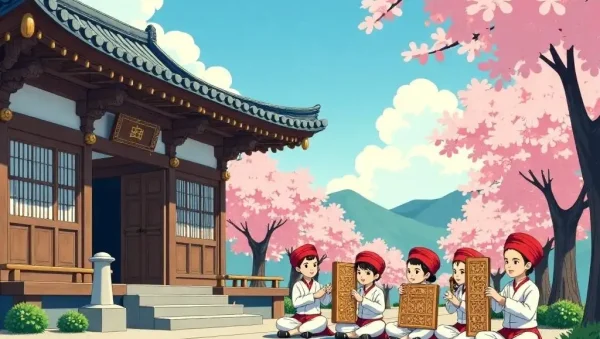
🎨 Art education in feudal Japan played a crucial role in shaping cultural identity and societal values. Through the intricate blend of…
Read article
Zen Buddhism significantly shaped educational philosophy in feudal Japan, promoting mindfulness and self-discipline. This influence fostered a unique approach to learning, emphasizing…
Read article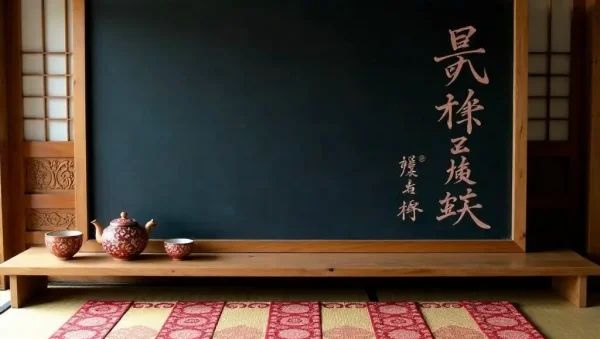
🌸 Cultural practices in Japanese education uniquely intertwine with historical rituals, shaping students' values and community ties. This article delves into how…
Read article
The legacy of feudal education in Japan profoundly shaped contemporary learning methods, blending traditional values with modern practices. Understanding this historical framework…
Read article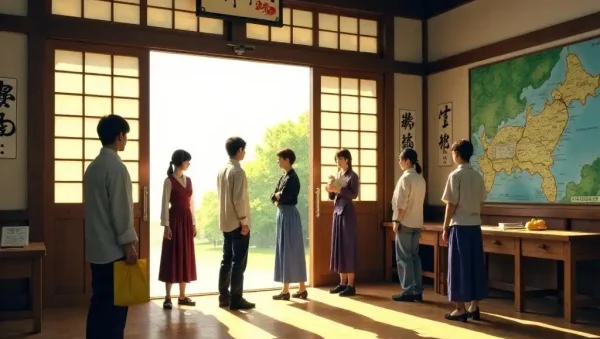
The Meiji Restoration education changes revolutionized Japan's feudal learning systems, transitioning from traditional practices to a modernized curriculum that emphasized science and…
Read article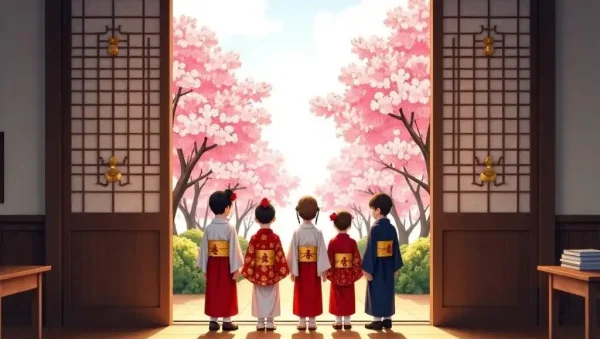
🌸 Discover the intricacies of Kuge education in feudal Japan, where the aristocracy cultivated knowledge, arts, and governance, shaping a distinctive cultural…
Read article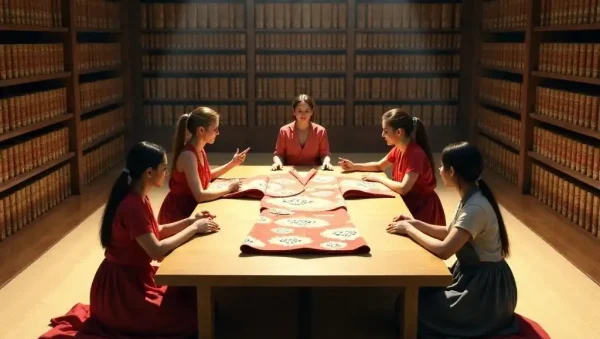
In the shadows of Japan's feudal era, female scholars in feudal Japan emerged as intellectual powerhouses, challenging societal norms. This article uncovers…
Read articleExplore the history of education and schools in feudal Japan and discover how knowledge, literacy, discipline, and social values shaped daily life during the samurai era. This subcategory examines learning systems from the Kamakura, Muromachi, Azuchi–Momoyama, and Edo periods, including samurai education, temple schools, private academies, domain schools, village instruction, and women’s education. Readers can expect carefully researched articles about how children, warriors, merchants, farmers, monks, and aristocrats learned within Japan’s feudal society. Through the broader lens of Daily Life and Society, Feudal Japan History explains the institutions, teachers, texts, and cultural traditions that helped spread literacy and preserve Japanese history.
Learn how samurai education combined military preparation with moral instruction, literacy, poetry, calligraphy, history, and Confucian ethics. Articles in this section explore the role of the warrior class, the education of samurai children, and the skills expected from retainers serving a lord within the feudal Japanese hierarchy.
Discover how training differed according to age, rank, family background, and domain. Topics may include martial arts, archery, swordsmanship, military strategy, etiquette, governance, and the ideal of bushido, offering a deeper understanding of how education shaped samurai identity and political responsibility.
Before formal schooling became widespread, Buddhist temples played an important role in preserving books, teaching reading, and transmitting religious and intellectual traditions. This section examines temple education in feudal Japan, including monastic learning, Buddhist philosophy, Japanese writing, and the influence of temples on local communities.
Readers can explore how monks and religious institutions contributed to literacy, manuscript culture, historical recordkeeping, and the education of elites. These articles also explain how temple schools helped connect spiritual life with practical learning in medieval and early modern Japan.
Discover the development of terakoya schools, or temple schools, which became especially important during the Edo period. These local schools taught children practical skills such as reading, writing, arithmetic, correspondence, and social conduct, helping literacy expand beyond the samurai class.
Content in this section explores who attended terakoya, who served as teachers, what textbooks were used, and how lessons reflected everyday life. Readers will gain insight into Edo period education and the growing ability of townspeople, farmers, and artisans to participate in Japan’s commercial and cultural society.
Explore the role of han schools, also known as domain schools, in educating samurai and preparing them for government service. These institutions taught Confucian classics, administration, history, literature, mathematics, medicine, and military subjects according to the policies of individual feudal domains.
Articles explain how education varied between domains and how schools supported the political structure of the Tokugawa shogunate. Readers can also learn about prominent academies, scholarly networks, domain reforms, and the connection between education and the development of leadership in Edo Japan.
Women’s education in feudal Japan included reading, writing, household management, moral instruction, religious knowledge, music, sewing, and cultural arts. This section investigates education for women in Edo-period Japan and the different expectations placed on women from samurai, merchant, farming, and aristocratic families.
Readers will find balanced discussions of women’s access to literacy, the influence of household manuals, private tutors, and popular books. The content also considers how education supported family organization, marriage preparation, cultural refinement, and women’s participation in Japan’s changing social and economic life.
Feudal Japanese education relied on handwritten texts, primers, moral guides, Buddhist works, Chinese classics, and practical manuals. Explore how calligraphy and literacy functioned as essential educational skills and how students learned to read Japanese, classical Chinese, and specialized documents.
This section also examines the influence of Confucian education, including ideas about loyalty, filial piety, social order, duty, and self-discipline. By studying textbooks and writing practices, readers can better understand the intellectual foundations of Japanese society during the samurai period.
Education was not limited to castles and elite households. Learn how village communities, local teachers, Buddhist institutions, merchants, and family networks supported education for farmers and commoners. Instruction often focused on practical literacy, numeracy, contracts, farming records, and community responsibilities.
These articles reveal how schooling related to taxation, agricultural management, commerce, travel, and social mobility. Readers can discover why literacy increased during the Edo period and how education helped ordinary people navigate the institutions of feudal Japan.
Education varied according to social class, region, gender, and historical period. Samurai often studied military skills, Confucian texts, administration, and etiquette, while commoners learned practical reading, writing, arithmetic, and moral instruction through local schools, tutors, and temple-based institutions.
Yes. Samurai children could receive instruction at home, through private tutors, or in domain schools established by feudal lords. Their education commonly included martial training, classical literature, history, calligraphy, Confucian ethics, and administrative skills needed for service.
Terakoya were local schools that expanded widely during the Edo period. Although many were associated with temples, they could also be run by scholars, former samurai, or community teachers. Students learned literacy, arithmetic, writing, etiquette, and practical knowledge.
Yes, although access differed by class, family, location, and period. Many women learned reading, writing, household management, sewing, etiquette, religion, and cultural arts. Samurai and merchant families were particularly likely to provide structured instruction for daughters.
Education supported government administration, commercial growth, social discipline, family management, and cultural development. Rising literacy allowed more people to read contracts, account books, letters, religious texts, popular literature, and educational manuals, contributing to the intellectual vitality of Edo society.