Tea Ceremony: The Cultural Significance of Matcha in Feudal Society
🌿 The matcha tea ceremony, steeped in rich tradition, played a pivotal role in feudal society, symbolizing harmony and respect. Understanding its…
Read article
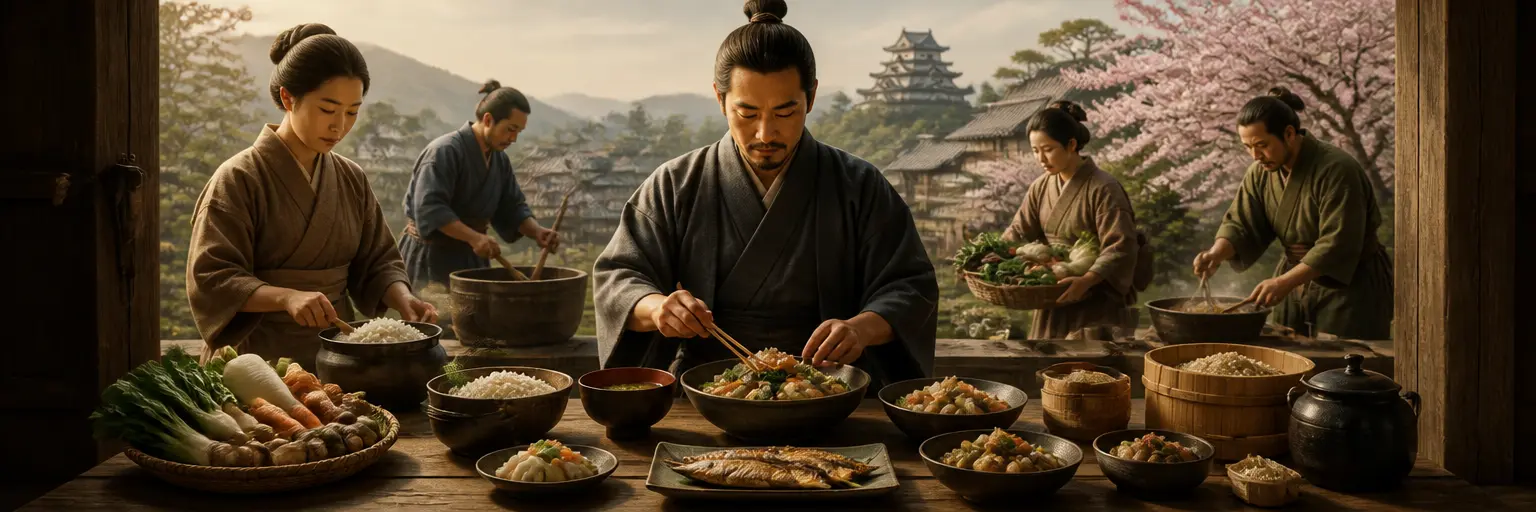
Discover the flavors of Feudal Japan 🍚 through an engaging exploration of traditional food and cuisine. Learn how rice, seafood, vegetables, tea, and seasonal ingredients shaped daily life, social customs, religious practices, and regional identity during Japan’s samurai era. From humble village meals to refined warrior and courtly dining, uncover the culinary traditions, preparation methods, etiquette, and cultural influences that defined Japanese society. 🏯 Explore the history behind iconic dishes, ingredients, and feasts while gaining deeper insight into the everyday experiences of people across feudal Japan.
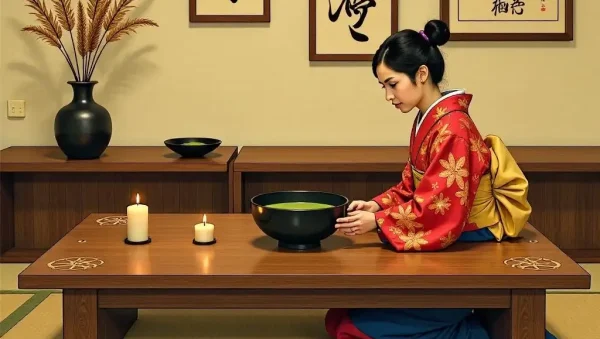
🌿 The matcha tea ceremony, steeped in rich tradition, played a pivotal role in feudal society, symbolizing harmony and respect. Understanding its…
Read article
🌍 The spice trade significantly impacted Japanese cooking, introducing foreign influences that transformed local flavors and culinary techniques. This article delves into…
Read article
🌸 Buddhism's impact on Japanese cuisine is profound, shaping dietary practices through vegetarianism and seasonal mindfulness. This article delves into the historical…
Read article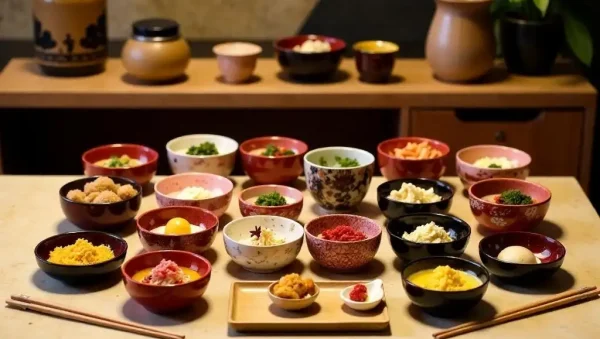
✨ The feudal Japanese dining aesthetics were not merely about food; they encompassed a rich tapestry of cultural significance, reflecting social hierarchy…
Read article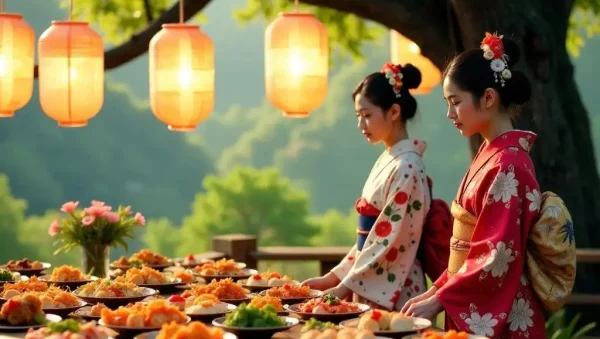
🍣 Experience the rich tapestry of Japanese feudal era festivals, where traditional dishes played a vital role in celebrations. Discover how these…
Read article
The geography influence on Japanese cuisine during the feudal era shaped regional diets and culinary practices. Diverse landscapes and climates fostered unique…
Read article
🌾 Discover the intricate Feudal Japan agricultural practices that shaped the nation’s food systems. This article delves into the techniques, crops, and…
Read article
🍣 The samurai influence on Japanese cuisine is profound, blending warrior traditions with culinary artistry. This article delves into how these noble…
Read article
Explore the intricate Japanese sauces history and usage, tracing the evolution from traditional soy sauce to a diverse array of flavors. Discover…
Read article
🍜 Delve into the rich History of Soba and Udon in Feudal Japan, uncovering how these beloved noodles evolved alongside societal changes,…
Read article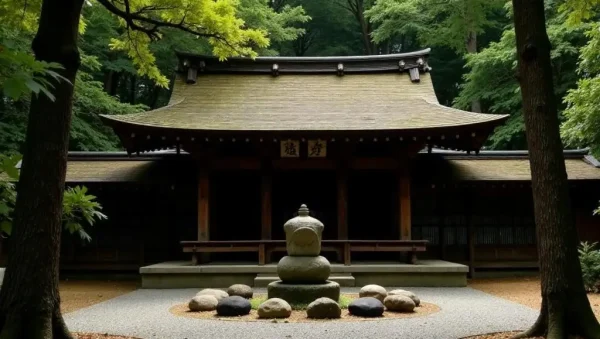
In feudal Japan, Shinto food rituals played a crucial role in spiritual practices, intertwining daily life with divine offerings. These rituals not…
Read article
🌾 The importance of rice in feudal Japan cannot be overstated; it served not only as a vital food source but also…
Read articleExplore the rich culinary history of feudal Japan through detailed articles about food, cooking traditions, dining customs, and everyday meals during the samurai era. This subcategory examines how cuisine reflected Japanese society, social class, geography, religion, agriculture, and seasonal culture from the Kamakura period through the Edo period. Discover what samurai, farmers, merchants, monks, and members of the imperial court ate, how ingredients were prepared, and why food played such an important role in daily life and society.
Learn about the staple foods that sustained people across medieval and early modern Japan. Articles explore rice, millet, barley, noodles, vegetables, beans, pickles, tofu, seaweed, and seasonal ingredients, offering insight into the daily meals of rural communities, castle towns, and samurai households. Readers can expect historically informed explanations of Japanese food history, traditional meals, agricultural production, and household cooking.
This section also examines how food availability varied according to region, climate, harvests, and social status. Discover how farmers preserved food, how families used local resources, and how simple ingredients became nourishing dishes in feudal Japanese homes. These articles help explain the connection between daily life, food security, village society, and traditional Japanese cuisine.
Explore the meals, banquets, and dining practices associated with samurai families, daimyō households, and Japanese castles. Articles cover formal feasts, military provisions, travel rations, gift foods, and the role of cuisine in political hospitality. Readers will discover how samurai cuisine reflected rank, ceremony, loyalty, wealth, and social expectations during Japan’s feudal age.
From carefully arranged seasonal dishes to practical battlefield provisions, this section reveals how food supported both everyday life and elite culture. Learn about banquet etiquette, serving customs, lacquerware, dining rooms, and the symbolic meaning of ingredients in samurai society. The content connects Japanese culinary traditions with warrior culture, castle life, daimyo authority, and feudal social hierarchy.
Discover the important relationship between food, tea, Buddhism, and spiritual practice in historical Japan. Articles discuss Buddhist vegetarian cooking, temple meals, Zen monastic discipline, tea ceremony traditions, and the development of refined culinary aesthetics. Readers can explore how seasonality, simplicity, mindfulness, and presentation shaped Japanese food culture.
This section explains the origins and development of practices such as shōjin ryōri and early tea culture. Learn how monks, temples, tea masters, and aristocratic communities influenced Japanese cuisine, including the use of tofu, vegetables, grains, soups, and carefully prepared tea. These topics reveal how religious customs influenced Japanese dining history and the cultural meaning of food.
Investigate the role of fish, shellfish, seaweed, poultry, wild game, and other animal products in feudal Japanese cuisine. Because Japan is an island nation with diverse coastlines and mountain regions, seafood was central to many local diets. Articles examine fishing communities, coastal trade, preservation techniques, dried foods, fermented ingredients, and the transportation of food throughout Japan.
Readers will also learn how Buddhist beliefs, religious restrictions, regional customs, and social status shaped attitudes toward meat consumption. Discover the historical context behind ingredients such as fish, venison, boar, crane, and poultry, while avoiding modern assumptions about the Japanese diet. This content provides useful insight into historical Japanese ingredients, food taboos, fishing culture, and regional cuisine.
Explore the practical techniques used to store and prepare food before modern refrigeration. Feudal Japanese households relied on drying, salting, smoking, pickling, fermenting, and storing grains to survive seasonal shortages and maintain food supplies. Articles examine miso, soy sauce, vinegar, pickles, dried fish, preserved vegetables, and other foundations of traditional Japanese cooking.
This section explains how cooking methods differed between peasant homes, samurai residences, Buddhist temples, and urban kitchens. Learn about hearths, iron pots, wooden utensils, knives, rice preparation, soups, stews, and grilled foods. The emphasis is on historical accuracy, culinary technology, food preservation, and the connection between cooking and everyday life in feudal Japan.
Food was a visible expression of status in feudal Japanese society. Discover how access to rice, imported goods, rare ingredients, alcohol, elaborate tableware, and formal banquets differed among the imperial court, samurai, farmers, artisans, merchants, monks, and outcast communities. Articles explore social class, taxation, rice stipends, household budgets, and food symbolism.
Readers can expect detailed discussions of how the feudal system influenced diet and consumption. From rice taxes and castle storehouses to market foods and merchant prosperity, this section shows how cuisine reflected economic power and social position. These articles make it easier to understand the relationship between food history, Japanese class structure, political authority, and daily life.
Learn how seasonal change shaped food traditions in feudal Japan. Articles cover New Year celebrations, harvest festivals, religious observances, weddings, funerals, local ceremonies, and other occasions where special foods carried cultural meaning. Readers will discover the importance of seasonal ingredients, ceremonial meals, offerings, sweets, sake, and traditional Japanese hospitality.
This section also explores dining etiquette and the symbolic presentation of food. Discover how dishes were selected, arranged, served, and shared according to the event, season, and status of the guests. By studying celebrations and customs, readers gain a deeper understanding of how food connected families, communities, temples, villages, and political households.
Rice was the most important staple food in feudal Japan, although many people also relied on barley, millet, wheat, beans, vegetables, seaweed, and sweet potatoes depending on region and social status. Rice was both a dietary staple and a major economic measure used in taxation and samurai stipends.
Samurai commonly ate rice, soups, vegetables, pickles, beans, fish, seafood, tofu, and fermented foods. Elite samurai households could enjoy more elaborate meals, seasonal delicacies, sake, and formal banquet dishes, while traveling warriors depended on practical preserved foods and portable provisions.
Meat consumption varied according to region, religion, period, and social custom. Buddhism influenced restrictions on killing and eating certain animals, but wild boar, deer, poultry, and other meats were consumed in some communities. Fish and seafood were generally more common and socially accepted sources of animal protein.
People preserved food by drying, salting, smoking, pickling, fermenting, and storing it in cool or protected locations. Miso, soy sauce, dried fish, salted vegetables, rice, beans, and various pickles helped households maintain supplies throughout winter, poor harvests, and military campaigns.
Food reflected social class through access to rice, rare ingredients, imported goods, refined tableware, and formal dining ceremonies. Farmers often depended on locally produced grains and vegetables, while samurai elites, temples, merchants, and court households could participate in more elaborate meals and ceremonial cuisine.