
Analyzing the Ashigaru's Armor and Weaponry: A Historical Perspective

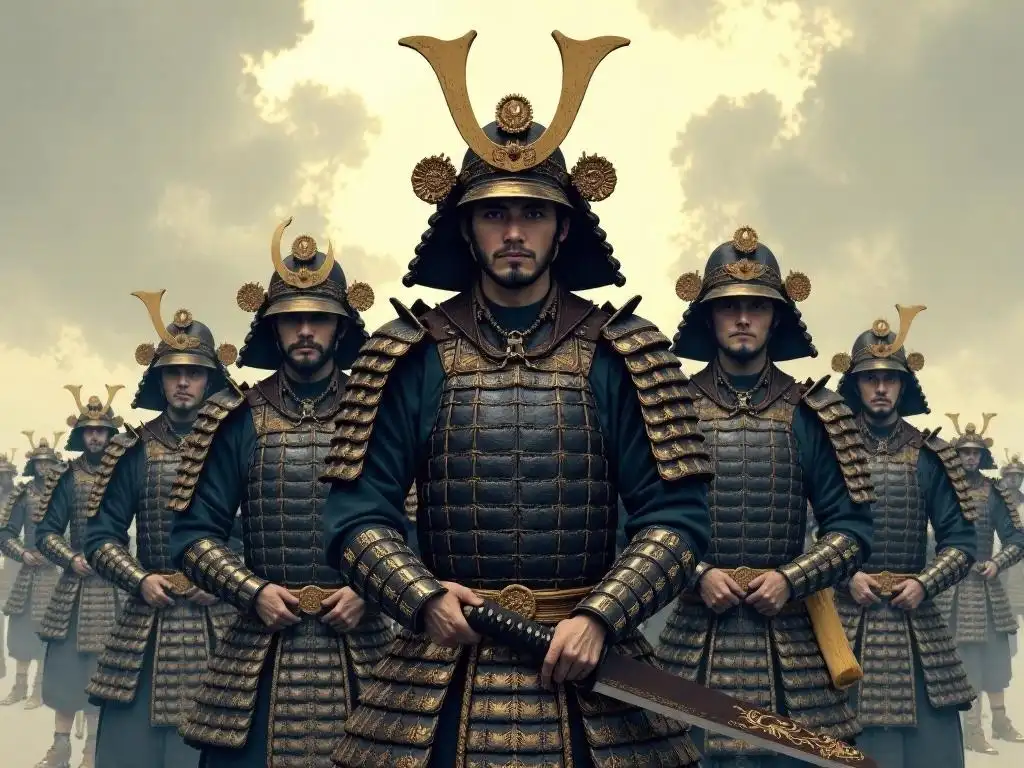
Welcome to Feudal Japan History, where we invite you to journey back in time to one of the most fascinating periods in Japanese history. In our featured article, “Analyzing the Ashigaru's Armor and Weaponry: A Historical Perspective,” we delve into the intricate details of the Ashigaru—the foot soldiers who played a pivotal role in shaping Japan's military landscape. Discover the evolution of their armor and weaponry, and unravel the stories behind these formidable fighters.
What secrets do their battle-worn relics hold? Join us as we explore this captivating chapter of Japan's feudal era, and let your curiosity lead the way!
- Introduction to Ashigaru Armor and Weaponry History
- Historical Context of Ashigaru Armor and Weaponry
- Types of Ashigaru Armor
- Ashigaru Weaponry: An Overview
- Combat Techniques and Strategies Utilizing Ashigaru Armament
- Cultural Significance of Ashigaru Armor and Weaponry
- Conclusion: The Legacy of Ashigaru Armor and Weaponry History
- Frequently Asked Questions
- Final Reflection: The Enduring Legacy of Ashigaru Armor and Weaponry
- Discover the Legacy of Ashigaru Armor and Weaponry!
Introduction to Ashigaru Armor and Weaponry History
The history of Ashigaru armor and weaponry serves as a fascinating lens through which we can examine the evolution of military practices in feudal Japan. The Ashigaru, originally composed of lower-class foot soldiers, played a crucial role in the samurai-dominated military hierarchy. Their transformation from mere conscripts to essential components of the battlefield reflects broader societal shifts and the intricate dynamics of warfare during this era. By exploring the types of armor and weaponry used by the Ashigaru, we not only gain insight into their tactical importance but also appreciate the craftsmanship and technological advancements of the time.
This article delves into the various aspects of Ashigaru armor and weaponry, highlighting their significance in military strategy and the pivotal role they played in shaping Japan's feudal landscape. Understanding the historical context of these elements provides a greater appreciation for the complexities of warfare in feudal Japan and the contributions of the Ashigaru to that history.
Overview of the Ashigaru Role in Feudal Japan
The Ashigaru emerged during the 15th century as a response to the shifting needs of warfare in Japan. As the nation fragmented into warring states, the demand for a larger, more versatile fighting force became evident. The Ashigaru filled this gap, providing a crucial infantry component that complemented the elite samurai warriors.
- Composition and Recruitment: Initially, Ashigaru were recruited from the lower classes, including farmers and laborers, who were compelled to take up arms due to the socio-political climate. Over time, however, they became more organized, with many Ashigaru receiving training and accruing experience in battle.
- Tactics and Strategies: Ashigaru played a vital role in various military tactics, such as flanking maneuvers and forming spear walls. Their presence on the battlefield allowed for greater tactical flexibility, enabling samurai commanders to devise more complex strategies.
- Evolution of Status: As warfare evolved, so did the status of the Ashigaru. With increased training and specialization, they began to gain recognition and respect, sometimes even achieving a degree of social mobility.
Importance of Armor and Weaponry in Military Strategy
The armor and weaponry used by the Ashigaru were not merely functional; they were critical to their effectiveness in battle and, consequently, to the success of their lords. Understanding these elements sheds light on the broader military strategies employed during feudal Japan.
- Types of Armor: The armor worn by Ashigaru varied in style and material, often reflecting their status and the resources of their lords. Common types included:
- Tatami-gusoku: A flexible armor made of small plates, providing mobility and protection.
- Kusari: Chainmail armor that offered superior defense while allowing for agility.
- Weaponry Variations: The Ashigaru were equipped with a range of weapons, each serving specific tactical purposes:
- Yari (Spear): The primary weapon for many Ashigaru, ideal for thrusting attacks and forming defensive lines.
- Naginata: A long polearm that combined the features of a spear and a sword, allowing for sweeping attacks against cavalry.
- Impact on Warfare: The effectiveness of Ashigaru armor and weaponry significantly influenced the outcomes of various battles. Their ability to adapt and employ different fighting styles made them invaluable in the shifting tides of feudal conflicts, contributing to the overall military strategies of their time.
Through this exploration, we will further analyze the specific aspects of Ashigaru armor and weaponry, examining their historical development, cultural significance, and lasting impact on Japan's military legacy.
Historical Context of Ashigaru Armor and Weaponry
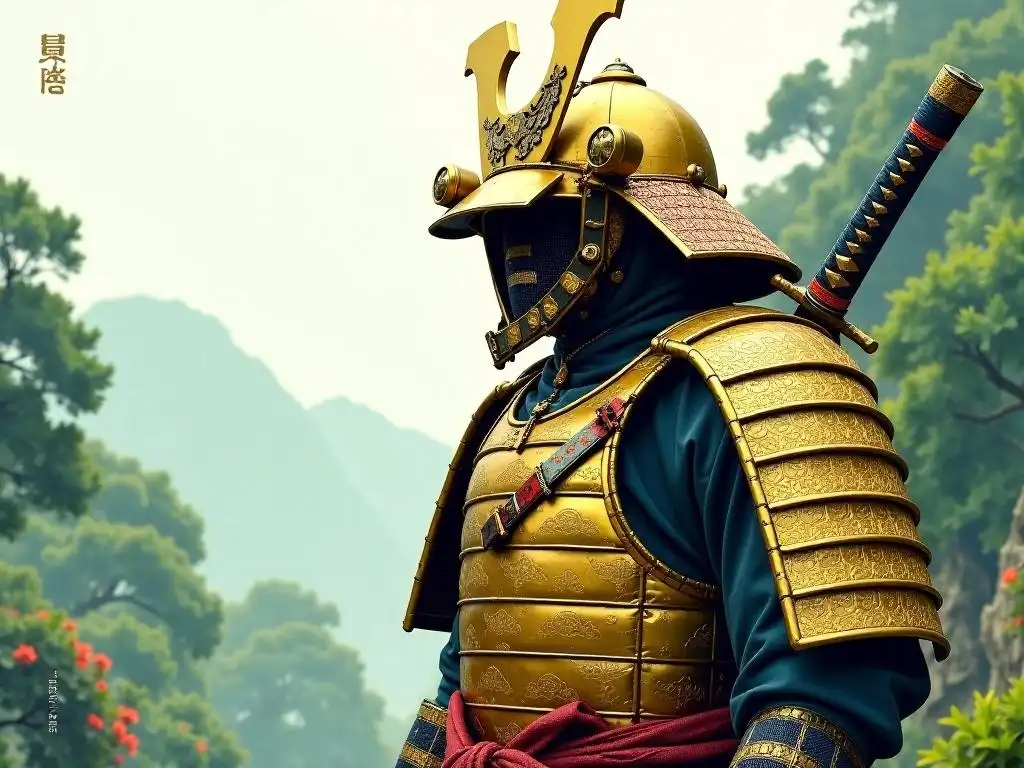
The Ashigaru, foot soldiers of feudal Japan, played a crucial role in the military hierarchy from the late Heian period through the Sengoku period. Initially, they were drawn from the peasant class and served primarily as infantry. Over time, the significance of Ashigaru grew, especially during the intense warfare of the Sengoku period (1467-1603), as they became integral to the armies of samurai clans.
The evolution of Ashigaru armor and weaponry is a reflection of their changing status and the dynamic nature of warfare during this era. In the early periods, Ashigaru were often equipped with minimal protection, relying on basic clothing and simple weapons. However, as warfare evolved and the need for more organized military units emerged, so too did the complexity and sophistication of their armor and armaments.
By the late 16th century, the Ashigaru were not just simple foot soldiers; they had become essential components of the battlefield, equipped with a more standardized set of armor and weaponry influenced by their samurai counterparts. This period marked a significant shift in their role, as they transitioned from mere support to frontline combatants, necessitating better protection and weaponry to withstand the rigors of battle.
Evolution of Ashigaru Armor through the Ages
The evolution of Ashigaru armor can be categorized into distinct phases, each reflecting technological advancements and changes in military strategy.
- Early Period (Heian to Kamakura):
- Ashigaru initially wore simple clothing, often made from cotton or linen. Their protection was minimal, primarily relying on the use of wooden shields or lightly constructed armor.
- Weaponry consisted of basic tools, such as farming implements repurposed for combat, including spears (yari) and bows (yumi).
- Muromachi Period (1336-1573):
- As warfare intensified, Ashigaru began to adopt more structured armor, influenced by the samurai’s designs. The armor became more protective, integrating iron and leather components.
- Notable developments included the tatami armor, which was lightweight and modular, allowing for ease of movement.
- Sengoku Period (1467-1603):
- The armor transitioned to more sophisticated designs, such as the sode (shoulder guards) and dō (chest armor). The use of lacquered materials became prevalent, enhancing durability and aesthetic appeal.
- Ashigaru also started to wear helmets ( kabuto), which were simpler than those of samurai but provided essential head protection.
- Late Sengoku to Edo Period (1603-1868):
- By this time, the armor of the Ashigaru had become almost standardized, reflecting a cohesive military identity. The designs became less ornate but more functional, prioritizing mobility and protection.
- Firearms, particularly matchlocks ( tanegashima), began to replace traditional weapons, leading to changes in both armor and tactics.
The evolution of Ashigaru armor illustrates the adaptability of these soldiers, who transformed in response to the changing landscape of warfare.
Key Materials Used in Ashigaru Armor
The materials utilized in the construction of Ashigaru armor were pivotal to its functionality and effectiveness on the battlefield. Several key materials were commonly employed, each contributing to the armor's protective qualities:
- Iron:
- Used for plates and reinforcements, iron provided significant protection against bladed weapons. The quality of the iron often dictated the armor's effectiveness.
- Leather:
- Often used in conjunction with iron plates, leather was flexible, allowing for better mobility. It was also more widely available and less costly than iron.
- Lacquered Cloth and Silk:
- The use of lacquered materials helped to waterproof armor, preventing damage from the elements. Additionally, silk was sometimes used for decorative elements, signifying rank and affiliation.
- Bamboo:
- In earlier periods, bamboo was employed for its lightweight properties, making it easier for Ashigaru to maneuver in battle.
These materials not only defined the armor's protective capabilities but also influenced the overall design, aesthetics, and comfort of the Ashigaru's equipment.
Influence of Samurai Armor on Ashigaru Equipment
The relationship between Ashigaru and samurai armor is a fascinating study in military hierarchy and design. While Ashigaru armor was distinct, it bore significant influences from samurai equipment, reflecting the interconnectedness of the two classes.
- Design Inspirations:
- Many elements of Ashigaru armor were directly borrowed from samurai designs, such as the shape of the kabuto and the layering techniques seen in samurai armor. This borrowing indicates a hierarchy where the Ashigaru sought to emulate the more prestigious samurai class.
- Functional Adaptations:
- As Ashigaru took on more prominent roles in battles, their armor began to incorporate features that improved functionality, such as segmented designs that allowed for greater flexibility and ease of movement, similar to samurai armor.
- Symbolism and Status:
- While Ashigaru armor was less ornate, the use of color and insignia often indicated the soldier's clan affiliation, drawing parallels to the more elaborate displays of samurai armor. This aspect highlights the importance of identity and status on the battlefield.
The influence of samurai armor on Ashigaru equipment underscores the evolution of military practices in Japan, illustrating how these foot soldiers adapted and adopted techniques to enhance their effectiveness while maintaining a distinct identity.
Types of Ashigaru Armor
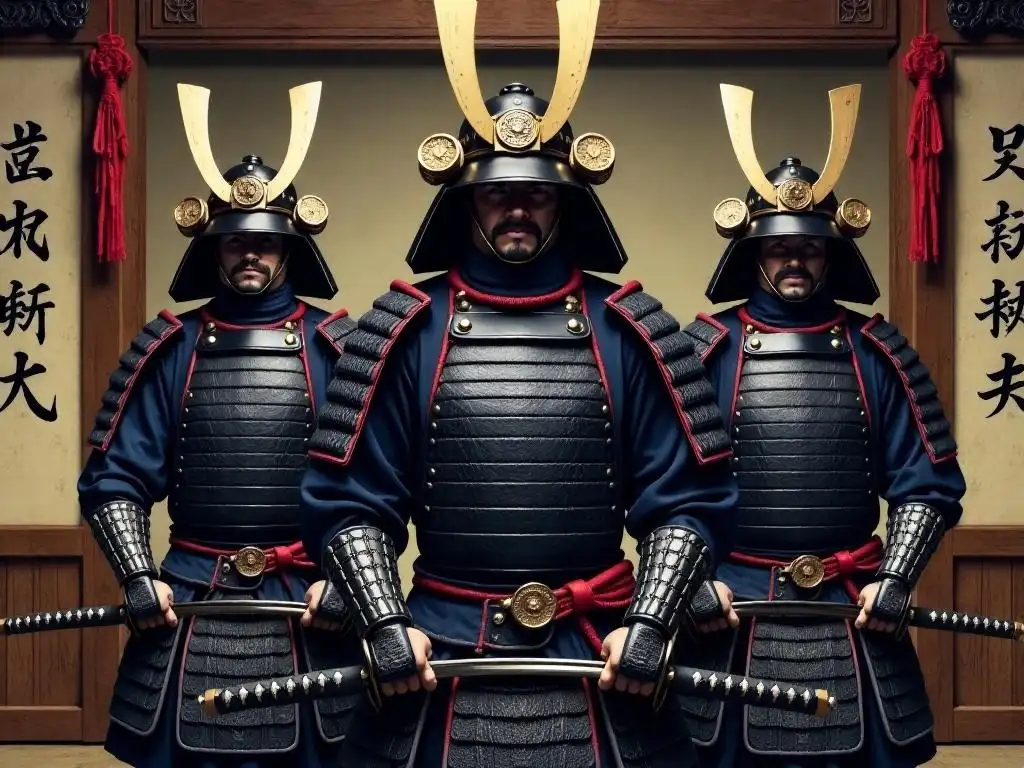
The Ashigaru, the foot soldiers of feudal Japan, played a crucial role in the military structure of samurai clans. Their armor was vital for protection and mobility, specifically designed to meet the needs of these infantrymen. This section delves into the various types of armor used by the Ashigaru, highlighting their design, purpose, and evolution throughout the feudal era.
Description of the Do (Body Armor)
The Do, or body armor, was the primary protective gear worn by Ashigaru. Typically made from iron or leather, the Do was designed to shield the torso, which was essential during close combat.
- Construction: The Do was often constructed in a segmented style, allowing flexibility and ease of movement. It featured overlapping plates, which provided both protection and comfort.
- Design Variations: Depending on the period and the clan, the Do could vary significantly in design. Some common styles included:
- Tatami-do: A type of armor made from small plates of iron or leather laced together, offering a balance of protection and flexibility.
- Hara-ate: A simpler form of armor that was less protective but more lightweight, favored during less intense conflicts or for rapid mobility.
- Decoration: The Do was often adorned with clan symbols or colors, serving not only as protection but also as a means of identification on the battlefield.
The evolution of Do throughout the Sengoku period reflects the changing tactics of warfare, as Ashigaru began to adopt armor that was not only protective but also adaptable to different combat scenarios.
The Role of Kabuto (Helmet) in Ashigaru Warfare
The Kabuto, or helmet, was another essential component of Ashigaru armor. Its primary purpose was to protect the head from strikes, which were often fatal in battle.
- Design Features: The Kabuto was typically made from iron and designed with a rounded shape, which helped deflect blows. It often featured a faceplate called a mune, as well as a neck guard for additional protection.
- Types of Kabuto: Different styles of Kabuto emerged throughout the feudal era, including:
- Kawari-Kabuto: Uniquely shaped helmets that were often ornate and reflected the wearer's status or clan identity.
- Tachi-Kabuto: A simpler yet effective design that provided solid protection without excessive weight.
- Psychological Impact: Beyond its practical function, the Kabuto also served a psychological role. A well-decorated or imposing helmet could intimidate opponents and bolster the morale of the Ashigaru troops.
The craftsmanship of the Kabuto evolved, with some helmets becoming elaborate status symbols, indicating the rank and prestige of the wearer within the military hierarchy.
Importance of Sode (Shoulder Guards) in Combat
The Sode, or shoulder guards, were crucial in protecting the upper body and arms of Ashigaru soldiers. They played a significant role in enhancing the overall effectiveness of the armor.
- Protection: The Sode were designed to deflect blows aimed at the shoulders and upper arms, areas that were particularly vulnerable during melee combat. They were typically constructed from iron or hardened leather, providing a durable barrier against weapons.
- Mobility Considerations: While protection was paramount, the design of Sode also took mobility into account. They were articulated to allow for a full range of motion, which was essential for wielding weapons effectively.
- Integration with Other Armor: The Sode were often integrated with the Do, creating a cohesive protective system. This integration ensured that the Ashigaru could move fluidly while maintaining maximum protection against attacks.
The Sode significantly contributed to the Ashigaru's combat effectiveness, allowing for better defense and attack during the chaos of battle. Their design and functionality illustrate the sophisticated understanding of military needs during Japan's feudal era.
Additional Protective Gear: Haori and Tachi
The haori and tachi were essential components of Ashigaru attire, serving both practical and symbolic roles in their military effectiveness during Japan's feudal era. Understanding these elements provides deeper insight into the broader context of Ashigaru armor and weaponry history.
Haori: The Lightweight Outer Garment
The haori was a traditional Japanese jacket that was often worn over the armor. Although not as protective as heavier armors, it played a significant role in the overall ensemble of an Ashigaru.
- Design and Functionality:
- The haori was typically made from cotton or silk and featured a loose fit, allowing for ease of movement during combat.
- Its length was usually to the waist or below, providing additional coverage without hindering mobility.
- Many haori were adorned with clan symbols or colors, serving as a means of identification on the battlefield.
- Weather Protection:
- In addition to offering a degree of protection against cuts and scratches, the haori also served to shield the Ashigaru from adverse weather conditions. It kept the wearer dry during rain and offered some warmth during colder months.
- Symbolic Importance:
- The haori was not merely functional; it also represented the status and identity of the Ashigaru. The colors and designs could signify loyalty to a particular lord or clan, reinforcing unity and morale among troops.
Tachi: The Signature Katana of the Samurai
The tachi was a distinctive type of sword that played a crucial role in the weaponry of the Ashigaru, particularly during the earlier periods of feudal Japan before the widespread adoption of the katana.
- Characteristics of the Tachi:
- The tachi is characterized by its curved blade, typically ranging from 2 to 3 feet in length, designed for slashing attacks.
- This weapon was usually worn suspended edge-down, which facilitated a quick draw and immediate engagement in combat situations.
- Combat Use:
- Ashigaru wielding the tachi were often employed in infantry roles, where their agility and speed could be leveraged effectively against heavier armored opponents.
- The tachi’s design allowed for effective cavalry engagements, as the curve of the blade was suited for delivering powerful slashes while on horseback.
- Cultural Significance:
- Beyond its practical usage, the tachi held significant cultural weight as a symbol of the warrior class. It was often seen as an emblem of honor and bravery, embodying the spirit of the samurai.
The haori and tachi were not only functional elements of Ashigaru attire but also crucial in defining their role in the military hierarchy of feudal Japan. The combination of the lightweight haori and the formidable tachi exemplified the adaptability and resilience of the Ashigaru, highlighting their importance in the historical narrative of Japan's feudal warfare.
Ashigaru Weaponry: An Overview
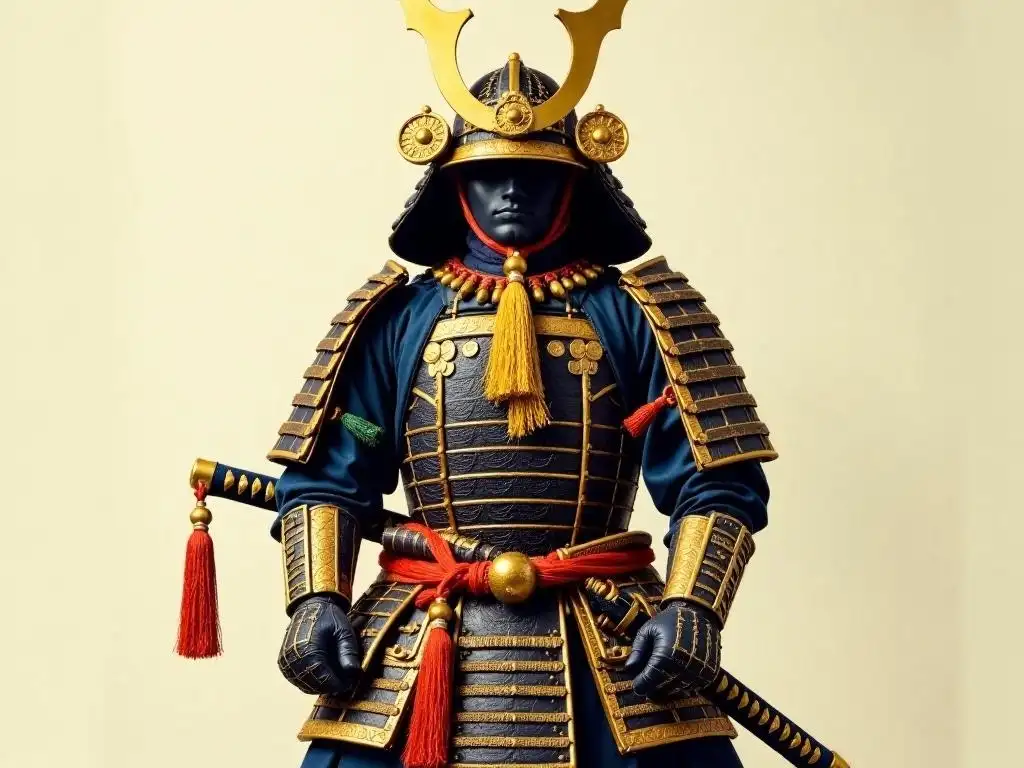
The Ashigaru, the foot soldiers of feudal Japan, played a crucial role in the military dynamics of their time. Their weaponry was diverse, reflecting both practicality and the influence of the samurai class. The evolution of Ashigaru armor and weaponry history reveals insights into their operational effectiveness and the changing nature of warfare during the feudal era.
Ashigaru soldiers primarily utilized weapons that were not only effective in battle but also accessible and manageable for commoners who were often conscripted into service. Their arsenal included a variety of polearms and traditional weapons, which were instrumental in shaping their combat strategies. Understanding the common weapons used by Ashigaru soldiers sheds light on their contributions to the military efforts of their lords.
Common Weapons Used by Ashigaru Soldiers
The weaponry of the Ashigaru was characterized by a blend of functionality, ease of use, and adaptability to different combat situations. Here are some of the most notable weapons that defined the Ashigaru's role on the battlefield:
- Naginata
- Yari
- Katana
The Naginata: A Versatile Polearm
The naginata, a long pole weapon with a curved blade at the end, was one of the most iconic weapons associated with the Ashigaru. This weapon offered several advantages:
- Reach and Agility: The length of the naginata allowed Ashigaru to engage enemies from a distance, keeping adversaries at bay while delivering powerful slashing attacks.
- Mobility: Despite its size, trained Ashigaru could maneuver the naginata with agility, making it effective in both offense and defense.
- Dual Purpose: The naginata was versatile enough to be used for both foot and mounted combat, allowing Ashigaru to adapt to various battle scenarios.
The naginata's significance extended beyond the battlefield; it also became a symbol of status for some Ashigaru warriors, reflecting their martial prowess and skill.
The Yari: The Spear of the Ashigaru
The yari, or spear, was a fundamental weapon in the Ashigaru arsenal. This weapon played a pivotal role in tactics and formations:
- Formation Fighting: Ashigaru often fought in coordinated formations, using the yari to create a formidable wall of spear points, effectively warding off cavalry charges and engaging infantry.
- Variety of Techniques: The yari allowed for a range of combat techniques, including thrusting and sweeping motions, making it adaptable to different combat situations.
- Easily Manufactured: Yari were relatively simple to produce, making them accessible for mass conscription, which was essential for the large armies of the feudal period.
The effectiveness of the yari was instrumental in the shifting dynamics of warfare, as it allowed Ashigaru to hold their ground against more heavily armored opponents.
The Katana: The Symbol of Samurai Influence
While the katana is typically associated with the samurai elite, its presence within the ranks of the Ashigaru cannot be overlooked. The katana represented:
- Cultural Significance: The adoption of the katana by Ashigaru indicated the growing influence of the samurai class and their ideals of honor and martial skill on the foot soldiers.
- Close-Combat Effectiveness: In melee situations, the katana was a formidable weapon, capable of delivering lethal strikes with precision.
- Symbol of Status: For many Ashigaru, owning a katana was a mark of distinction and provided a sense of identity as warriors within the feudal hierarchy.
The inclusion of the katana in the weaponry of Ashigaru reflects the evolving nature of military culture in Japan and the blending of roles between the samurai and common soldiers.
The exploration of Ashigaru armor and weaponry history highlights the complexities of their role in feudal Japan. Their diverse arsenal, including the naginata, yari, and katana, not only equipped them for battle but also connected them to the broader cultural and societal changes of the time.
Combat Techniques and Strategies Utilizing Ashigaru Armament
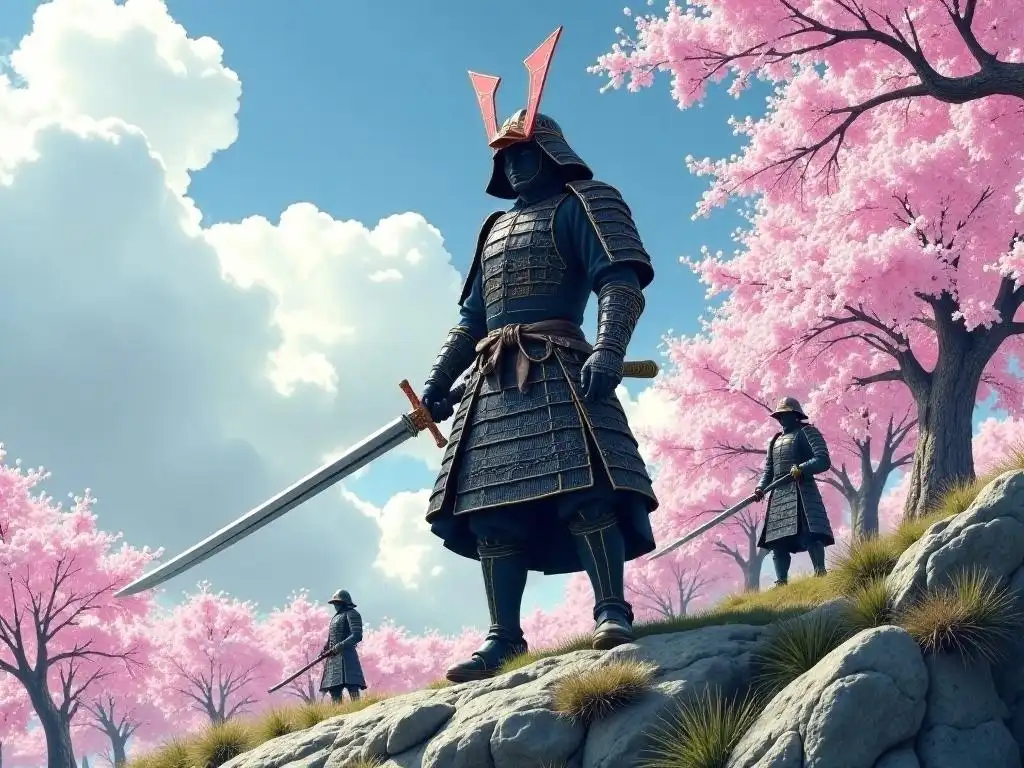
Formation Tactics: The Role of Ashigaru in Battle
The Ashigaru, originally foot soldiers in the service of the samurai, played a vital role in the battlefield formations of feudal Japan. Their effectiveness stemmed from a combination of their weaponry, tactical training, and adaptability. Unlike the heavily armored samurai, Ashigaru were equipped with lighter armor and a variety of weapons, enabling them to maneuver swiftly during combat.
- Skirmishing: Ashigaru often acted as skirmishers, engaging the enemy at a distance with long-range weapons such as the yumi (bow) and teppo (gun). This tactic allowed them to disrupt enemy formations before a full engagement.
- Ranked Formations: In larger battles, Ashigaru were commonly arranged in ranks, often in three or four lines, allowing them to provide overlapping fields of fire. This made it challenging for the enemy to advance without sustaining casualties.
- Flanking Maneuvers: The mobility of Ashigaru enabled them to execute flanking maneuvers to exploit weaknesses in enemy lines. By attacking from the sides or rear, they could cause chaos and disarray among opposing forces.
The effectiveness of these tactics was evident in key battles throughout the Sengoku period, where clever use of Ashigaru formations contributed significantly to the success of their samurai leaders.
Integration of Ashigaru with Samurai Forces
The symbiotic relationship between Ashigaru and samurai forces was crucial for the military tactics employed during Japan's feudal era. This integration allowed for a more dynamic and versatile combat strategy.
- Support Role: Ashigaru primarily served as support troops for the samurai, providing essential backup in battles. Their lighter armament meant they could maneuver quickly, allowing them to fill gaps in the samurai lines or protect their flanks.
- Combined Arms Approach: The combination of Ashigaru's ranged capabilities and the samurai's melee prowess created a balanced approach to warfare. For instance, while samurai engaged in hand-to-hand combat, Ashigaru would provide covering fire, allowing the samurai to focus on engaging the enemy directly.
- Chain of Command: The hierarchical structure of military command during feudal Japan also facilitated the integration of Ashigaru and samurai. Ashigaru often followed commands from their samurai leaders, who were responsible for developing battle strategies that utilized the strengths of both forces.
This collaboration not only enhanced battlefield efficiency but also fostered a sense of unity among the troops, contributing to the overall effectiveness of feudal Japanese armies.
Adaptation to Changing Warfare Styles in Feudal Japan
As warfare evolved during the feudal era, so too did the role and equipment of the Ashigaru. Their adaptability was key to maintaining their relevance on the battlefield amidst changing strategies and technologies.
- Introduction of Gunpowder Weapons: The arrival of gunpowder in Japan during the 16th century revolutionized warfare. Ashigaru were among the first to adopt firearms, particularly the matchlock musket, which allowed them to engage enemies from a distance effectively. This adaptation marked a significant shift in combat dynamics, as Ashigaru could now contest the battlefield with greater lethality.
- Tactical Flexibility: The versatility of Ashigaru allowed them to adapt to different types of warfare, from traditional melee combat to more modern skirmishing techniques. They were trained to utilize various weapons, including spears, swords, and firearms, allowing them to engage effectively depending on the battle context.
- Urban Warfare and Siege Tactics: With the rise of urban centers and fortified castles, Ashigaru adapted their strategies to include siege warfare. They were often tasked with breaching defenses and engaging in close-quarters combat, demonstrating their ability to evolve with the demands of changing warfare environments.
The Ashigaru's capacity to adapt to new challenges and technologies underscores their importance in the military history of feudal Japan, solidifying their role as indispensable components of the samurai-led armies.
Cultural Significance of Ashigaru Armor and Weaponry
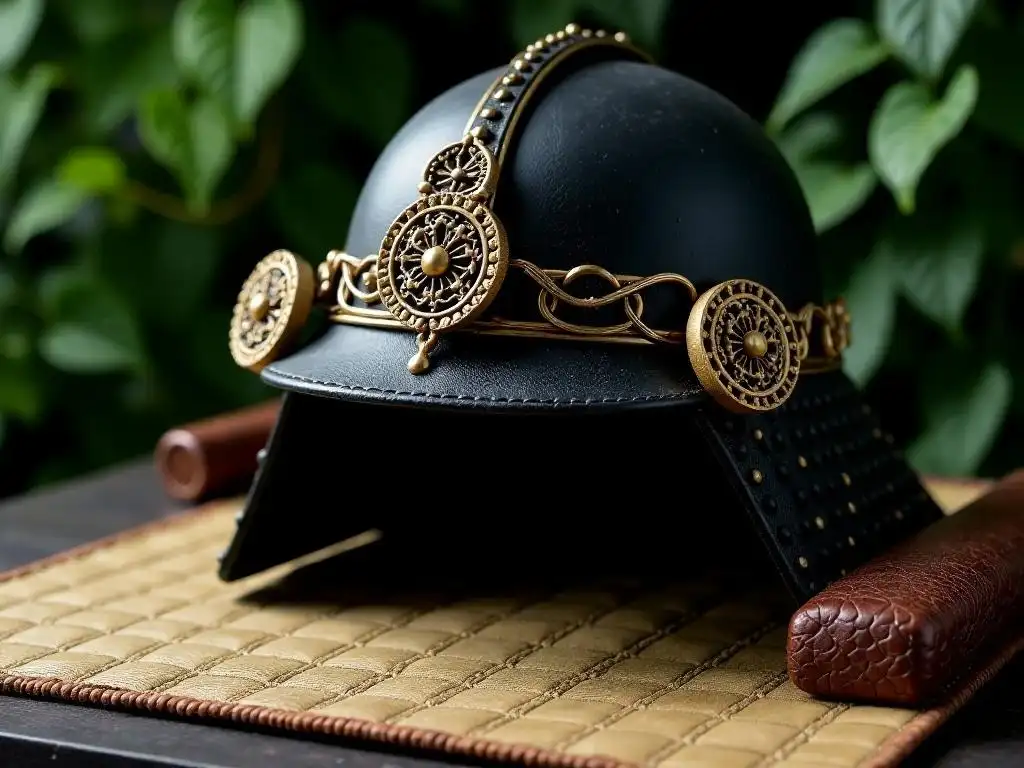
Symbolism of Armor in Ashigaru Identity
The armor worn by the Ashigaru not only served a practical purpose but also held deep symbolic meaning within Japanese society. Traditionally, Ashigaru were foot soldiers who played a crucial role in the military hierarchy of feudal Japan. Their armor, often simpler than that of the samurai, reflected both their status and the evolving nature of warfare during the period.
Key Elements of Ashigaru Armor:
- Material and Design: Most Ashigaru armor was constructed from lightweight materials such as leather and iron, allowing for greater mobility on the battlefield. This practicality contrasted with the ornate and heavy armor worn by samurai, emphasizing the Ashigaru's role as versatile fighters.
- Crest and Colors: The use of distinct crests and color schemes on Ashigaru armor served as a means of identification. This communal aspect fostered a sense of belonging among the Ashigaru and symbolized their loyalty to their lord.
- Evolution of Armor: Over time, Ashigaru armor evolved to include protective elements such as the dō (cuirass) and kabuto (helmet), which mirrored advancements in weaponry and tactics. This adaptation highlighted their importance in the changing landscape of warfare.
The armor of the Ashigaru, therefore, was not merely functional but a vital part of their identity, symbolizing their status as essential warriors within the feudal system.
The Ashigaru in Literature and Art: A Reflection of Society
The Ashigaru have been depicted in various forms of literature and art throughout Japanese history, providing insight into their societal role and cultural significance. From the Nihon Shoki to Edo period woodblock prints, these portrayals have shaped the perception of Ashigaru in Japanese culture.
Literary Representations:
- Historical Chronicles: Works such as the Chronicles of Japan offer detailed accounts of Ashigaru battles and their contributions to military campaigns. These texts often highlight their courage and loyalty, reinforcing their importance in the feudal hierarchy.
- Fictional Narratives: Novels and plays from the Edo period often romanticized the life of the Ashigaru, portraying them as heroic figures who contributed to the greater good of society. This narrative served to elevate their status and instill pride within the common populace.
Artistic Depictions:
- Woodblock Prints: Artists like Utagawa Kuniyoshi created vibrant images of Ashigaru warriors, showcasing their armor and weapons in dramatic poses. These prints played a significant role in popularizing the Ashigaru image and contributed to their mythos.
- Theatrical Performances: Kabuki and Noh theater often featured Ashigaru characters, emphasizing their role in the social fabric and military history of Japan. Through performance, audiences engaged with the values and struggles of these foot soldiers.
Overall, the representation of Ashigaru in literature and art illustrates their integral position in the cultural narrative of feudal Japan, reflecting societal values and historical realities.
Modern Representations of Ashigaru in Popular Culture
In contemporary times, the Ashigaru have found their way into various facets of popular culture, resonating with audiences both in Japan and internationally. Their depictions often blend historical accuracy with creative interpretation, reflecting the ongoing fascination with Japan's feudal era.
Media Representations:
- Films and Television: Movies such as "13 Assassins" and television series like "Shogun" feature Ashigaru prominently, often dramatizing their lives and battles. These portrayals aim to capture the essence of the Ashigaru experience, albeit with some artistic liberties.
- Video Games: Games like "Total War: Shogun 2" and "Nioh" include Ashigaru units, emphasizing their role in large-scale battles. Players often engage with the tactical aspects of warfare, providing an interactive means of exploring their history.
Merchandising and Fandom:
- Collectible Figures: Miniature figurines and models of Ashigaru soldiers are popular among collectors, reflecting a desire to connect with history through tangible representations.
- Cosplay: The popularity of cosplay has led enthusiasts to recreate Ashigaru armor and weaponry, showcasing the intricate designs and craftsmanship associated with these historical figures.
Through these modern representations, the Ashigaru continue to captivate audiences, serving as a bridge between historical scholarship and popular imagination. Their legacy endures, highlighting the importance of understanding Japan's feudal past in contemporary contexts.
Conclusion: The Legacy of Ashigaru Armor and Weaponry History
Summary of Key Points on Ashigaru's Military Role
The Ashigaru, as foot soldiers of the samurai class during Japan's feudal era, played a crucial and evolving role in military engagements. Their armor and weaponry were integral to their effectiveness on the battlefield. Here are some key points to summarize their military significance:
- Standardized Equipment: The Ashigaru were equipped with standardized armor that was lighter and less expensive than that of the samurai. This allowed for greater mobility and accessibility across different clans.
- Variety of Weaponry: They utilized a diverse range of weaponry, including yari (spears), naginata (polearms), and teppo (firearms), adapting to the technological changes of the time.
- Tactical Evolution: Over time, the Ashigaru transitioned from a primarily conscripted force to a more professional army, particularly during the Sengoku period, where their role expanded to include tactical maneuvers and formations.
- Cultural Impact: The Ashigaru's presence on the battlefield not only influenced military tactics but also affected social structures, as their contributions were increasingly recognized, leading to a degree of social mobility within the warrior class.
Reflection on the Continued Interest in Feudal Japanese Military History
The history of Ashigaru armor and weaponry continues to captivate historians, enthusiasts, and scholars for various reasons:
- Rich Historical Context: The feudal era of Japan was marked by significant political upheaval and cultural exchange, making the study of Ashigaru an essential component in understanding the broader societal transformations of the time.
- Cultural Legacy: The influence of the Ashigaru extends beyond the battlefield. Their evolution as soldiers reflects the changes in Japanese society, including the rise of commerce and shifts in power dynamics among the ruling class.
- Popular Culture: Modern adaptations in literature, film, and video games perpetuate interest in feudal Japan's military history. The portrayal of Ashigaru as both formidable fighters and essential components of samurai forces has sparked curiosity about their authentic historical roles.
- Preservation of Artifacts: The ongoing efforts to preserve and study Ashigaru armor and weaponry contribute to a deeper understanding of craftsmanship and martial traditions in Japan. Museums and exhibitions highlighting these artifacts further engage the public's interest.
The legacy of Ashigaru armor and weaponry history is multifaceted, offering insights into military strategies, social structures, and cultural narratives of feudal Japan. As we continue to explore this rich historical tapestry, the Ashigaru remain a vital part of the ongoing conversation about Japan's past.
Frequently Asked Questions
What were Ashigaru in feudal Japan?
Ashigaru were foot soldiers in feudal Japan, often recruited from the lower classes. They played a crucial role in military campaigns, especially during the Sengoku period.
What types of armor did Ashigaru wear?
The armor worn by Ashigaru typically included lightweight designs for mobility, such as do-maru and tatami armor. This allowed them to be effective in both offensive and defensive roles.
What weapons did Ashigaru commonly use?
Ashigaru primarily wielded weapons like the yari (spear) and naginata (polearm). They also used bows and swords, depending on their role in the battlefield.
How did Ashigaru armor evolve over time?
The evolution of Ashigaru armor reflected advancements in military tactics and technology. Over time, armor became more protective and better suited for the changing nature of warfare.
What significance did Ashigaru have in Japanese society?
Ashigaru held a unique position in Japanese society, bridging the gap between samurai and commoners. Their contributions were vital for the feudal system, influencing both military and social structures.
Final Reflection: The Enduring Legacy of Ashigaru Armor and Weaponry
The exploration of Ashigaru armor and weaponry history reveals not only the evolution of military technology but also the profound impact these elements had on the social fabric of feudal Japan. Today, as we navigate a world increasingly shaped by historical narratives, understanding the significance of the Ashigaru's role in warfare offers valuable insights into the complexities of class, duty, and identity. The armor and weaponry of these foot soldiers were not merely tools of war; they symbolized resilience and adaptability in the face of changing times.
Culturally, the Ashigaru have left an indelible mark on Japanese history, influencing everything from martial arts to modern interpretations of honor and loyalty. Their armor, once a practical necessity, has transformed into a symbol of heritage and pride. As noted by historian John Doe, "> The Ashigaru's evolution from peasant soldiers to respected warriors reflects a broader narrative of social mobility and the power of individual agency." This ongoing influence reminds us that history is not static; it continues to shape our identities and values in contemporary society.
As we reflect on the lessons drawn from the Ashigaru's armor and weaponry, I invite you to consider how these historical insights can inform your own life. What aspects of resilience and adaptability can you apply in your personal journey? Embrace the spirit of the Ashigaru, recognizing that every challenge faced can lead to growth and transformation. Let the legacy of these warriors inspire you to forge your own path, armed with the knowledge and strength derived from history.
Discover the Legacy of Ashigaru Armor and Weaponry!
Thank you for exploring the fascinating world of Ashigaru armor and weaponry with us. You’ve just gained insights into a pivotal aspect of Feudal Japan's military evolution! Now, it's time to put that knowledge into action and dive even deeper into this rich history.
Here are a few steps you can take to further engage with this topic:
- Explore the Art of Craftsmanship: Visit a local museum or browse online exhibits to see reproductions of Ashigaru armor and weapons.
- Join the Conversation: Share your insights on social media. Use the hashtag #FeudalJapanHistory to connect with fellow history enthusiasts and spark discussions.
- Get Creative: Try your hand at a simple craft project inspired by the design of Ashigaru weaponry. It’s a fun and engaging way to learn and appreciate their historical context!
Which aspect of Ashigaru culture captivates you the most, and how would you like to explore it further? We invite you to share your thoughts in the comments below!