
Samurai Warfare in Literature: How Stories Shaped Historical Perceptions

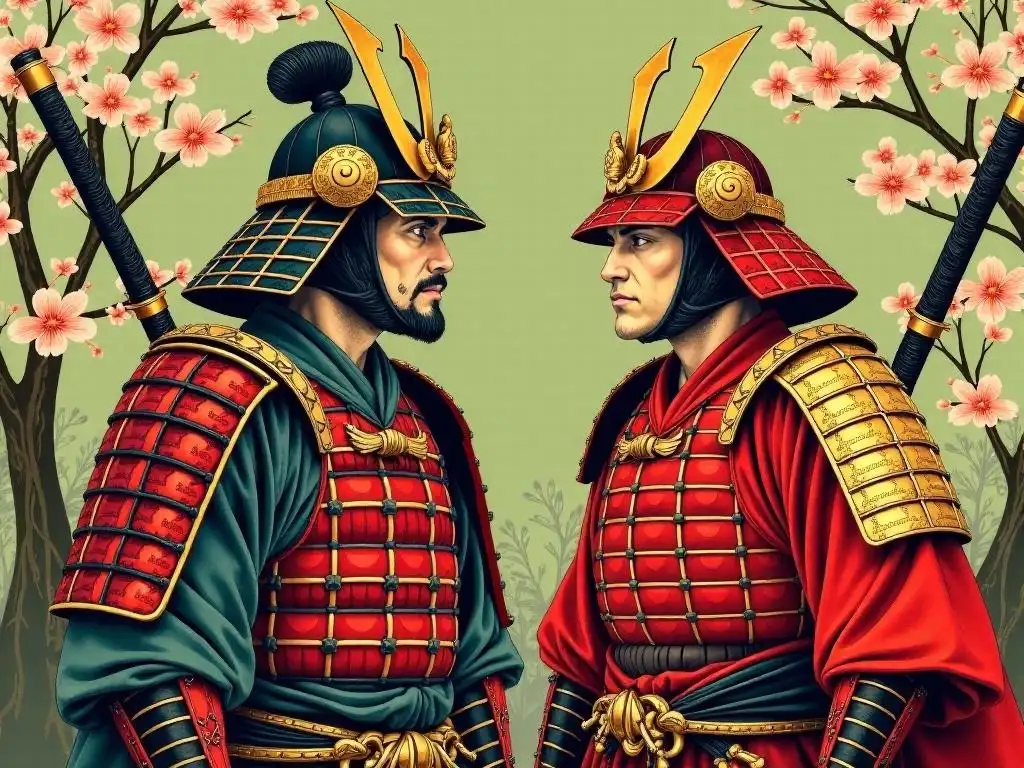
Welcome to Feudal Japan History, where we embark on a fascinating journey through the intricate tapestry of Japan's feudal era. Here, we delve deep into the rich historical, cultural, and societal aspects that define this captivating period. Our featured article, "Samurai Warfare in Literature: How Stories Shaped Historical Perceptions," invites you to uncover the powerful influence of literature on the understanding of samurai warfare.
As you explore, you'll discover how these timeless narratives have not only shaped perceptions but also continue to resonate in modern interpretations of Japan's martial legacy. Prepare to be intrigued and inspired as you unlock the secrets of the past!
- Introduction to Samurai Warfare in Japanese Literature
- Historical Context of Samurai Warfare
- Literary Representations of Samurai Warfare
- Themes in Samurai Warfare Literature
- Comparison of Samurai Warfare in Literature and Historical Reality
- Case Studies of Influential Samurai Characters in Literature
- The Impact of Samurai Warfare Literature on Modern Perceptions
- Conclusion
-
Frequently Asked Questions
- What is the significance of samurai warfare in Japanese literature?
- How did literature shape historical perceptions of samurai?
- Are there specific literary works that focus on samurai warfare?
- How does samurai warfare differ in historical texts versus modern interpretations?
- What role do legends and myths play in the understanding of samurai warfare?
- Final Reflection: The Enduring Legacy of Samurai Warfare in Literature
- Unleash the Warrior Within: Dive into Samurai Literature!
Introduction to Samurai Warfare in Japanese Literature
The intricate tapestry of Samurai warfare in Japanese literature reveals not only the martial prowess of these legendary warriors but also the profound impact of storytelling on societal perceptions throughout history. This era, characterized by its unique blend of honor, strategy, and artistry, has been immortalized in various literary forms, from ancient texts to modern interpretations. As we delve into the narratives surrounding Samurai warfare, we uncover how these stories have shaped both historical understanding and cultural identity, influencing generations' views on conflict, loyalty, and valor.
Defining Samurai Warfare in Japanese Literature
Samurai warfare, as depicted in literature, encompasses a rich array of themes and motifs that reflect the values and beliefs of feudal Japan. Central to this portrayal is the Bushido code, which emphasizes virtues such as honor, loyalty, and courage. Literary works often highlight the following aspects:
- The Role of the Samurai: Samurai were not merely warriors; they were also landowners and administrators. This dual role is frequently explored in literature, where the complexities of their responsibilities in warfare and governance are depicted.
- Battle Strategies and Tactics: Many texts detail specific battles and military strategies, offering insights into the art of war during the feudal era. Notable works like The Tale of the Heike provide vivid accounts of historical conflicts, blending fact with fiction.
- Cultural Significance: Samurai warfare literature also serves as a mirror to the societal values of its time, illustrating how these warriors were revered and what they represented in the broader context of Japanese culture.
By examining these literary representations, we can see how they not only document historical events but also shape the collective memory and identity of the Japanese people.
Importance of Literature in Shaping Historical Perceptions
Literature plays a crucial role in shaping our understanding of history, particularly in the context of Samurai warfare. Through the lens of storytelling, complex events and figures are distilled into narratives that resonate with audiences, influencing their perceptions in significant ways:
- Preservation of History: Literary works act as historical records, preserving the actions and ideologies of the Samurai. They often romanticize or dramatize events, making them accessible and engaging for future generations.
- Cultural Legacy: The portrayal of Samurai in literature has contributed to a cultural legacy that romanticizes their image. This has been instrumental in forming a national identity that venerates the Samurai ethos, even in contemporary Japan.
- Moral and Ethical Lessons: Many narratives serve as moral parables, teaching lessons about honor, sacrifice, and the consequences of warfare. These stories resonate with readers and impart values that transcend time.
The intersection of Samurai warfare and literature is a rich field of study that highlights how narratives shape our understanding of historical events and cultural identities. As we explore this topic further, we will uncover the intricate relationship between the Samurai's martial legacy and its literary representation throughout Japan's history.
Historical Context of Samurai Warfare
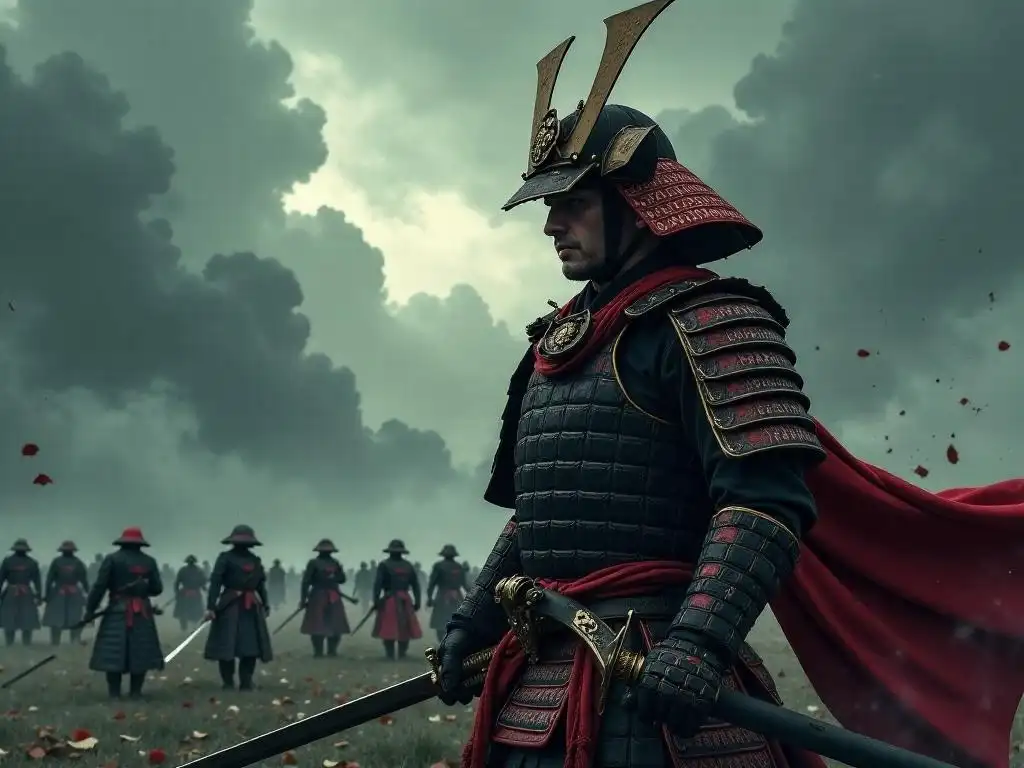
Understanding the historical context of samurai warfare is crucial to appreciating how it has been depicted in Japanese literature. The samurai class emerged during the late Heian period (794-1185) as a powerful military aristocracy, which played a significant role in shaping Japan's feudal system. This period was characterized by a series of political upheavals, civil wars, and the rise of powerful clans, which created a fertile ground for the tales of valor, honor, and conflict that would eventually permeate Japanese literature.
The Evolution of Samurai Warfare in Feudal Japan
Samurai warfare evolved through several distinct phases, influenced by changing political landscapes and advancements in military technology. Initially, during the Heian period, samurai were primarily horse-mounted archers. However, as the need for more organized and strategic military tactics grew, the samurai began to adopt new forms of combat.
- Early Warfare (Heian Period):
- Focus on Archery: The use of bows and arrows was paramount. Samurai were trained in horseback archery known as yabusame.
- Clan Warfare: Conflicts often arose between noble families, leading to localized skirmishes rather than large-scale battles.
- The Rise of the Kamakura Shogunate:
- Introduction of Katana: The development of the katana revolutionized close combat, emphasizing the importance of individual skill and honor in battle.
- The Mongol Invasions (1274 and 1281): These invasions necessitated the formation of more cohesive military strategies, leading to the establishment of fortified castles and organized troop formations.
- The Warring States Period (Sengoku Era):
- Decentralized Warfare: This era saw numerous factions fighting for control, resulting in significant advancements in tactics and weaponry.
- Promotion of the Ashigaru: The rise of foot soldiers, known as ashigaru, changed the dynamics of warfare, making battles more accessible to the lower classes.
- The Unification of Japan:
- Oda Nobunaga and Toyotomi Hideyoshi: These leaders introduced innovative military strategies and centralized command structures, paving the way for the Tokugawa shogunate.
- Peaceful Era: The Edo period (1603-1868) marked a shift from warfare to governance, leading to a romanticized view of samurai culture that would influence literature.
Key Battles and Events Influencing Literature
The literary depiction of samurai warfare has been heavily influenced by significant battles and events throughout Japanese history. These narratives often serve to highlight themes of honor, loyalty, and the tragic nature of conflict.
- The Genpei War (1180-1185):
- This conflict between the Taira and Minamoto clans is immortalized in The Tale of the Heike, showcasing the heroism and tragedies of samurai warriors.
- The Battle of Sekigahara (1600):
- A pivotal battle that led to the establishment of the Tokugawa shogunate, it is often referenced in literature as a turning point for samurai loyalty and the political landscape of Japan.
- The Boshin War (1868-1869):
- The civil war between pro-imperial forces and the Tokugawa shogunate is depicted in various literary works, reflecting the struggle between tradition and modernization.
- The Satsuma Rebellion (1877):
- This uprising by disgruntled samurai against the Meiji government is a common theme in literature, symbolizing the end of the samurai era and the conflict between old and new values.
The historical context of samurai warfare significantly shapes its portrayal in Japanese literature. By examining key battles and the evolution of military tactics, we can better understand how these narratives have influenced cultural perceptions of the samurai and their warfare throughout history.
Literary Representations of Samurai Warfare
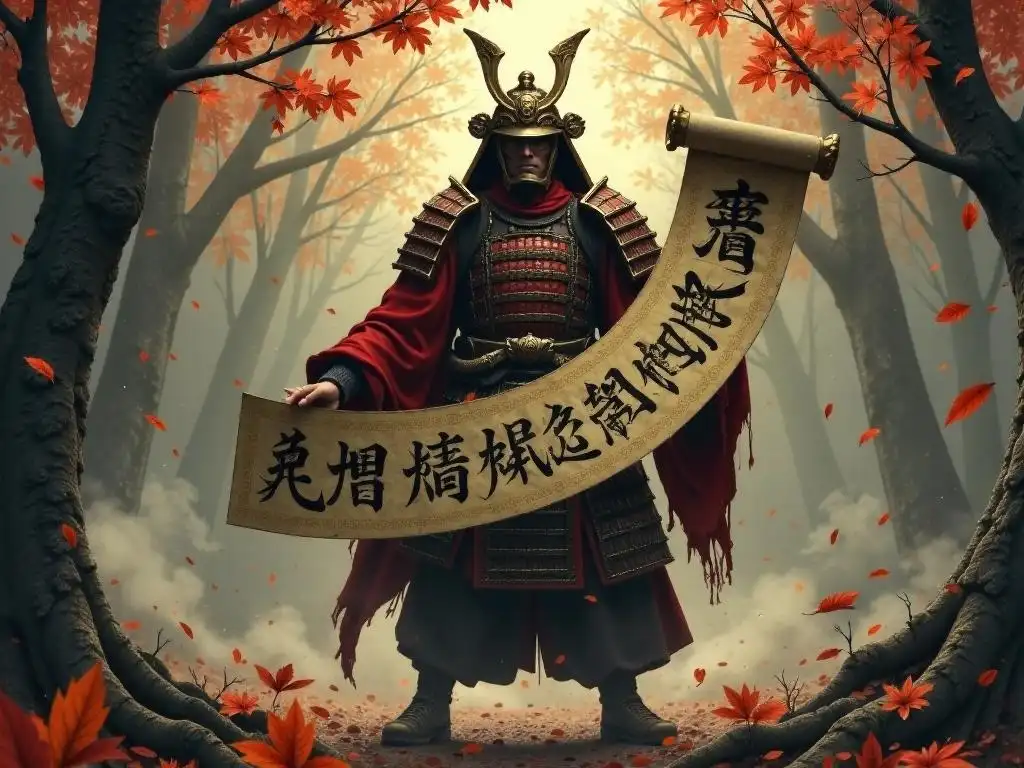
The portrayal of samurai warfare in Japanese literature serves not only as a reflection of historical events but also as a lens through which cultural values, ethics, and societal norms are examined. From ancient epics to contemporary novels, these literary works have played a pivotal role in shaping perceptions of samurai prowess, honor, and the complexities of their martial existence.
Classic Works Featuring Samurai Warfare
Literature from the feudal era of Japan is rich with narratives that encapsulate the essence of samurai warfare, often intertwining battles with themes of loyalty, honor, and tragedy. These classic works have laid the groundwork for understanding the samurai ethos and their martial legacy.
"The Tale of the Heike" and Its Impact on Perceptions
"The Tale of the Heike," a monumental epic chronicling the Genpei War (1180-1185) between the Taira and Minamoto clans, stands as one of the most significant literary representations of samurai warfare.
- Themes of Impermanence: The narrative emphasizes the Buddhist concept of mono no aware, or the beauty of transience, illustrating how the valor and tragedies of warriors are often fleeting.
- Character Development: Key figures, such as Yoshitsune and Kiso no Yoshinaka, embody the virtues and vices of the samurai, leading readers to explore the moral complexities faced by these warriors.
- Cultural Legacy: The tale has influenced not only literature but also theater, art, and modern media, cementing its role in shaping the image of samurai warfare as noble yet tragic.
The impact of "The Tale of the Heike" extends beyond its pages, inviting readers to reflect on the historical realities of samurai life and warfare while fostering a sense of cultural identity.
"Musashi" by Eiji Yoshikawa: A Study of the Warrior's Code
Eiji Yoshikawa's "Musashi," published in the early 20th century, is a historical novel that delves into the life of the legendary swordsman Miyamoto Musashi.
- Exploration of the Samurai Code: The narrative articulates the Bushido spirit, emphasizing virtues such as loyalty, honor, and self-discipline. Musashi’s journey is not just one of martial prowess but also of spiritual and intellectual growth.
- Philosophical Underpinnings: Yoshikawa connects samurai warfare to broader philosophical questions, making the novel a profound meditation on the nature of conflict and the search for meaning in a warrior's life.
- Cultural Influence: "Musashi" has inspired countless adaptations and interpretations, reinforcing the romanticized image of the samurai as both a fierce warrior and a seeker of truth.
Through engaging storytelling, "Musashi" has helped popularize and romanticize the concept of samurai warfare in Japanese literature, influencing how warriors are perceived in both historical and modern contexts.
Modern Interpretations of Samurai Warfare in Literature
In the contemporary literary landscape, samurai warfare continues to be a compelling theme, reflecting both historical reverence and modern reinterpretations of samurai values.
Contemporary Novels and Their Reflection on Samurai Values
Modern authors have taken the samurai archetype and reexamined it through various lenses, often addressing contemporary issues while maintaining the core values of the samurai spirit.
- Diverse Narratives: Works like "Shogun" by James Clavell and "Across the Nightingale Floor" by Lian Hearn showcase samurai warfare within intricate plots that explore themes of power, loyalty, and cultural clash.
- Reimagined Characters: Contemporary literature often features samurai as complex characters grappling with the consequences of their actions, thus providing a more nuanced view of the warrior ideal.
- Cultural Dialogue: Modern interpretations invite readers to engage in dialogue about the relevance of samurai values in today's society, reflecting on issues such as honor, integrity, and the human condition.
Through these narratives, the essence of samurai warfare persists, evolving to resonate with new generations while keeping the core philosophies of the samurai alive in the public consciousness.
The literary representations of samurai warfare, from classical epics to modern novels, reveal the enduring nature of these themes and their significant impact on shaping historical perceptions of samurai life and values.
Themes in Samurai Warfare Literature
The literature surrounding samurai warfare has served not only as entertainment but also as a means of shaping the historical and cultural understanding of Japan's feudal era. Through tales of valor, sacrifice, and the intricate code of conduct known as Bushido, these narratives have created a lasting impression on both contemporary and historical perceptions of samurai warfare. This section delves into the predominant themes that emerge from samurai warfare literature, examining how they reflect the societal values of the time and influence modern interpretations.
Honor and Bushido: The Code of the Samurai
At the core of samurai warfare literature lies the theme of honor, intricately tied to the concept of Bushido, or "the way of the warrior." This ethical code emphasized virtues such as loyalty, courage, and self-discipline, shaping the identity of the samurai class. Literary works often depict samurai as paragons of virtue, willing to sacrifice their lives for their lords, families, or ideals.
Key Elements of Bushido in Literature:
- Loyalty (Chūgi): Samurai were expected to be fiercely loyal to their lords. Betrayal was considered one of the gravest offenses and often led to tragic consequences in narratives. For instance, the tale of The 47 Ronin exemplifies this loyalty, showcasing how samurai avenged their master’s death, adhering to the path of honor even in the face of death.
- Courage (Yū): Literature frequently highlights acts of bravery, portraying samurai who faced overwhelming odds. The epic Heike Monogatari illustrates the valor of samurai in battle, depicting their unwavering resolve against adversity.
- Self-Discipline (Jin): Many stories emphasize the importance of self-control and discipline, showcasing how samurai trained rigorously to master their skills. The famous Book of Five Rings by Miyamoto Musashi serves as a philosophical guide, emphasizing the mental and physical discipline necessary for martial success.
The intricate portrayal of these elements not only romanticizes the samurai but also engrains the ideals of Bushido into the collective consciousness of Japanese society.
The Role of Loyalty and Betrayal in Samurai Narratives
Loyalty and betrayal are central motifs that weave through samurai literature, often driving the plot and character motivations. These themes reflect the complex interpersonal relationships within the samurai class and their lords, creating compelling narratives that resonate with audiences.
Illustrations of Loyalty and Betrayal:
- Loyalty: Stories often depict samurai who go to great lengths to demonstrate their loyalty. The Tale of the Heike frequently contrasts loyal samurai with their treacherous counterparts, highlighting the noble sacrifices made in the name of loyalty. Such tales reinforce the societal expectation that samurai must uphold their commitments, even at great personal cost.
- Betrayal: Conversely, betrayal serves as a catalyst for tension and conflict in many narratives. The infamous Taira vs. Minamoto rivalry in Heike Monogatari showcases how betrayal can lead to catastrophic consequences, illustrating the fragile nature of trust among samurai and their lords. Betrayals often result in dramatic confrontations, emphasizing the volatile nature of loyalty within the feudal hierarchy.
The exploration of these themes not only enriches the narrative depth but also provides insight into the societal values of feudal Japan, where loyalty was paramount, yet the risk of betrayal constantly loomed.
The Influence of Nature and Spirituality in Samurai Warfare Stories
Nature and spirituality play significant roles in samurai warfare literature, often serving as backdrops that enhance the emotional and philosophical undertones of the narratives. The interplay between the natural world and human experience is a recurring motif that reflects the samurai’s connection to their environment and their spiritual beliefs.
Aspects of Nature and Spirituality:
- Nature as a Reflection of Emotion: Many literary works use natural imagery to mirror the emotional states of characters. For example, the changing seasons often symbolize the cyclical nature of life and death, mirroring the samurai's own journey through honor and conflict. The Noh theater incorporates these elements, using scenic representations to evoke the samurai's inner turmoil during battles.
- Spiritual Beliefs: The samurai's spiritual connection to Shinto and Buddhism profoundly influences their actions and decisions. Literature often explores themes of fate and destiny, suggesting that the samurai's life and death are intertwined with the divine will. Works like The Tale of Genji subtly weave these spiritual elements into narratives, highlighting the samurai's quest for enlightenment amid the chaos of warfare.
This fusion of nature and spirituality not only serves to ground the narratives in a distinctly Japanese context but also enhances the philosophical reflections on the nature of life, death, and honor that permeate samurai warfare literature.
The themes found in samurai warfare literature — honor and Bushido, loyalty and betrayal, as well as the influence of nature and spirituality — provide a multifaceted understanding of the samurai ethos. These narratives continue to shape perceptions of samurai warfare in Japanese literature, leaving an indelible mark on both historical interpretation and cultural identity.
Comparison of Samurai Warfare in Literature and Historical Reality
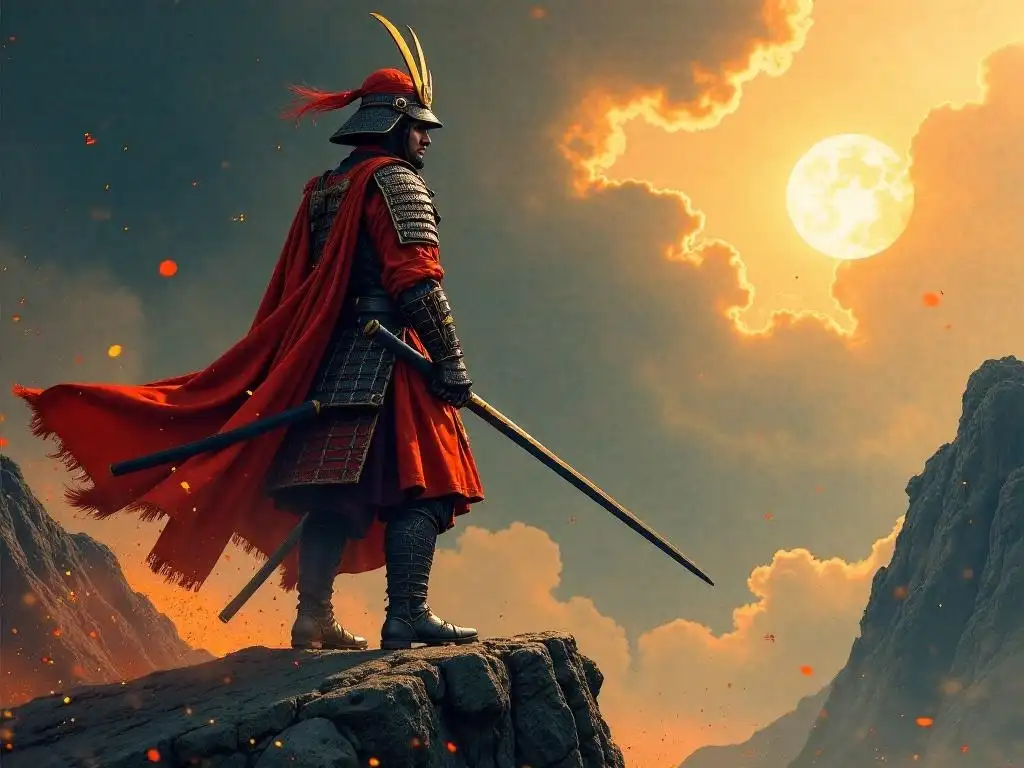
Differences Between Literary Depictions and Actual Samurai Practices
The portrayal of samurai warfare in literature often diverges significantly from the historical reality of their practices. This differentiation can be attributed to several factors, including the cultural context of the time when the literature was produced, the intended audience, and the narrative style employed by the authors. While some literary works aimed to capture the essence of samurai honor and valor, they frequently embellished or altered actual practices for dramatic effect.
-
Combat Techniques:
In many literary accounts, samurai are depicted engaging in elaborate duels with flowing movements and dramatic flair. However, historical records indicate that combat was often chaotic, brutal, and focused on efficiency rather than theatricality. The emphasis on techniques such as kenjutsu (swordsmanship) in literature often overlooks the use of other weapons such as naginata (polearm) and yari (spear) that were prevalent in battle.
-
Honor and Code of Conduct:
Literature often glorifies the samurai’s adherence to bushido, the way of the warrior, illustrating them as paragons of loyalty and honor. In reality, while the code existed, not all samurai adhered strictly to its principles. Historical evidence reveals instances of betrayal, opportunism, and moral ambiguities that challenge the idealized versions found in stories.
-
Battles and Warfare:
Literary narratives frequently focus on individual heroics and personal glory, leading to the impression that samurai warfare was primarily about personal combat. However, historical battles involved complex strategies, large troop movements, and alliances. Many battles were not won by the might of a single warrior, but through careful planning and collaboration among various samurai and their clans.
How Literature Has Romanticized Samurai Warfare
Literature has played a crucial role in the romanticization of samurai warfare, shaping societal perceptions and cultural narratives around these warriors. Various themes and motifs have emerged, contributing to an idealized image that often overshadows the more complex realities of samurai life.
-
Heroism and Valor:
Literary works often depict samurai as heroic figures who embody the virtues of bravery and self-sacrifice. This representation serves to inspire admiration and respect, reinforcing the ideal of the samurai as noble warriors. As a result, these stories have contributed to a cultural legacy that celebrates the samurai's martial prowess and moral integrity.
-
Loyalty and Honor:
The theme of loyalty is a recurring motif in samurai literature. Stories frequently portray samurai as unwaveringly loyal to their lords, even to the point of death. This romanticized view highlights the notion of selfless devotion, which appeals to readers' emotions. However, historical accounts reveal that loyalty was often contingent upon personal gain or political expediency, complicating the narrative.
-
The Aesthetic of War:
Many literary depictions emphasize the aesthetic aspects of samurai warfare, such as the beauty of armor, the elegance of swordplay, and the ritualistic nature of battle. This focus on aesthetics often overshadows the harsh realities of war, including the suffering and devastation that accompanied battles. The romanticized portrayal serves to elevate the samurai's status, transforming them into symbols of cultural pride.
-
Influence on Popular Culture:
The romanticized image of samurai warfare has permeated various forms of media, including film, anime, and video games. These portrayals often draw from literary sources, perpetuating the idealized narrative and influencing contemporary understandings of samurai. The impact of this romanticization can be seen in the global fascination with samurai culture, shaping perceptions far beyond Japan's borders.
While samurai warfare in Japanese literature offers a compelling narrative filled with honor, bravery, and aesthetics, it is essential to recognize the disparities between these depictions and the historical realities of samurai practices. Understanding these differences enriches our appreciation of both the literature and the complex history of the samurai.
Case Studies of Influential Samurai Characters in Literature
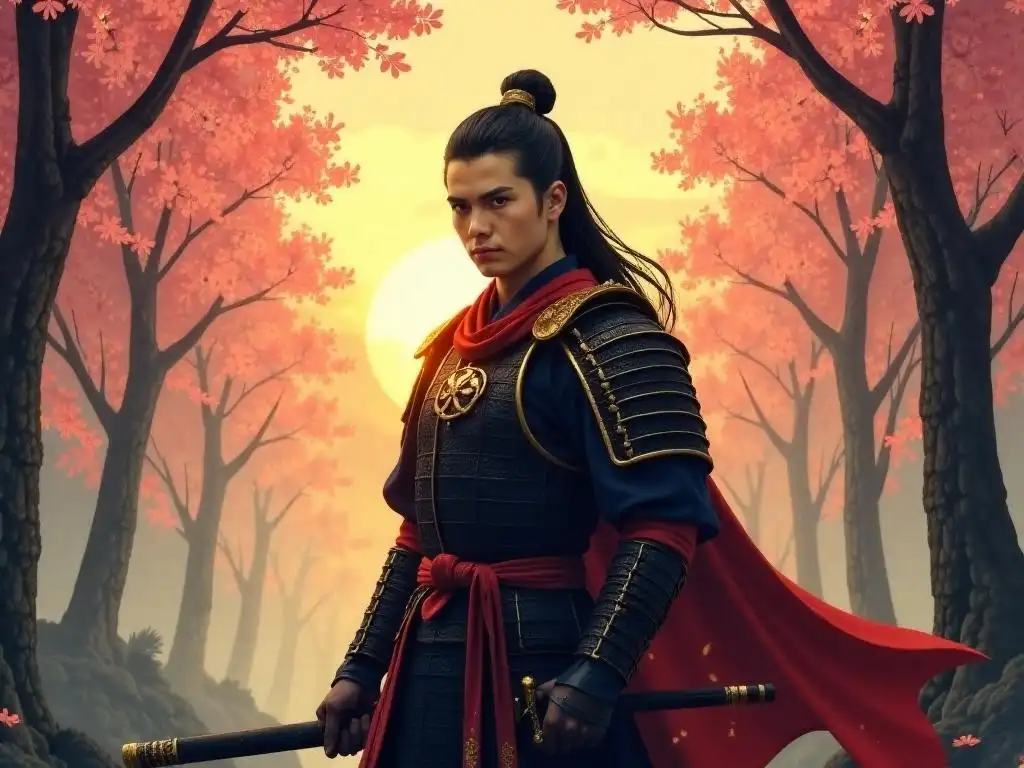
The portrayal of samurai in literature has significantly influenced the understanding and appreciation of their role within Japanese culture and history. This section delves into notable samurai characters that have shaped the narrative around samurai warfare in Japanese literature, providing insights into their historical context and literary significance.
Analyzing Significant Samurai Figures
The depiction of samurai in literature offers a lens through which we can explore the values, ethics, and societal structures of their time. Prominent samurai characters not only reflect the martial prowess associated with these warriors but also embody philosophical and ethical dilemmas faced during the feudal era. Examining these figures allows us to understand how literature has contributed to the romanticization and mythologization of the samurai ethos.
- Cultural Impact: Samurai characters often symbolize loyalty, honor, and martial skill, serving as role models within the literary canon.
- Historical Context: Many of these characters are based on real historical figures, blending fact with fiction, which further complicates our understanding of samurai warfare and its representation.
- Themes Explored: Common themes in samurai literature include the conflict between personal desires and societal obligations, the quest for identity, and the struggle between tradition and change.
Miyamoto Musashi: The Archetype of a Samurai Warrior
Miyamoto Musashi is perhaps one of the most legendary figures in samurai literature, best known for his unmatched skill in swordsmanship and his philosophical insights on martial arts. His life and exploits have been immortalized in various works, most notably in Eiji Yoshikawa's novel "Musashi," which portrays his journey from a wandering swordsman to a master of the sword.
Key Aspects of Musashi's Character
- Duality of Nature: Musashi embodies the duality of the warrior and the philosopher. While he is a fierce combatant, he also reflects deeply on the nature of conflict and the purpose of life.
- Strategic Warfare: His tactics and strategies in battle, including the use of psychological warfare, are extensively documented in his treatise, "The Book of Five Rings." This work remains a foundational text for understanding samurai warfare in Japanese literature.
- Cultural Legacy: Musashi's character has transcended literature, influencing various art forms, including film, theater, and modern martial arts, solidifying his status as the archetype of the samurai warrior.
Tomoe Gozen: A Female Samurai's Legacy in Literature
Tomoe Gozen stands out as one of the few female samurai depicted in literature, challenging the conventional notions of gender roles within the samurai class. Her story is primarily chronicled in the "Heike Monogatari," which recounts the tales of the Genpei War and highlights her exceptional skills on the battlefield.
Key Aspects of Tomoe's Character
- Warrior Strength: Tomoe is often portrayed as a fierce warrior, skilled in combat and capable of holding her own against male adversaries, which was a significant departure from traditional gender norms.
- Symbol of Honor and Loyalty: Her loyalty to her lord and her tragic fate have made her a symbol of honor among samurai, resonating with themes of sacrifice and devotion that are prevalent in samurai literature.
- Cultural Relevance: Tomoe's legacy continues to be celebrated in modern interpretations, serving as an inspiration for discussions around gender in martial traditions and the broader narrative of samurai warfare in Japanese literature.
Through these case studies of influential samurai characters, we can appreciate how literature not only reflects the historical realities of samurai warfare in Japanese culture but also shapes the perceptions and ideals surrounding these iconic figures.
The Impact of Samurai Warfare Literature on Modern Perceptions
How Samurai Literature Influences Contemporary Culture
Samurai warfare in Japanese literature has left an indelible mark on contemporary culture, shaping not only historical understandings but also influencing various forms of modern artistic expression. Works such as "The Tale of the Heike" and "The Book of Five Rings" offer insights into the samurai's code of honor (Bushido) and the complexities of warfare, which resonate with today’s themes of loyalty, honor, and the moral dilemmas of conflict.
- Literary Adaptations:
- Numerous modern novels and graphic novels draw inspiration from classic samurai literature, reinterpreting themes of valor and sacrifice. For example:
- Historical Fiction: Novels like "Shogun" by James Clavell highlight the intricate dynamics of samurai culture while weaving fictional narratives that captivate contemporary audiences.
- Manga and Anime: Series like "Rurouni Kenshin" blend historical elements with fictional storytelling, creating a cultural phenomenon that explores the legacy of samurai warfare.
- Numerous modern novels and graphic novels draw inspiration from classic samurai literature, reinterpreting themes of valor and sacrifice. For example:
- Cultural Festivals and Events:
- Literature has inspired various cultural events, including samurai reenactments and festivals. These events often celebrate the craftsmanship, martial skills, and philosophies depicted in literary works, allowing audiences to engage with the samurai legacy in a tangible way.
- Philosophical Reflections:
- The moral and philosophical underpinnings found in samurai literature continue to influence contemporary discussions on ethics and leadership. The concepts of self-discipline, resilience, and the pursuit of excellence resonate with modern audiences, often serving as guiding principles in personal and professional contexts.
The Role of Film and Television in Reviving Samurai Warfare Narratives
Film and television have played a crucial role in reviving and reshaping narratives surrounding samurai warfare in Japanese literature. Iconic films such as Akira Kurosawa’s "Seven Samurai" not only adapted literary themes but also introduced new audiences to the complexities of samurai culture and warfare.
- Cinematic Interpretations:
- Movies often reinterpret classic samurai tales, blending historical fact with dramatic storytelling. This fusion creates a compelling narrative that both entertains and educates viewers about the samurai’s role in Japanese history.
- Examples:
- "Ran": This film, based on Shakespeare’s "King Lear," illustrates the tragic consequences of power struggles reminiscent of samurai conflicts, highlighting the timelessness of these themes.
- Television Series:
- The rise of period dramas on Japanese television has further popularized samurai narratives. Series like "Samurai Champloo" and "Nobunaga Concerto" provide modern twists on historical figures and events, attracting a younger audience while maintaining ties to traditional samurai literature.
- Cultural Impact: Such series often incorporate elements of samurai philosophy and ethics, sparking discussions on identity, honor, and the nature of conflict in contemporary society.
- Global Reach:
- The international success of samurai-themed films and shows has led to a growing global interest in samurai warfare narratives, influencing not only Japanese culture but also inspiring filmmakers and writers worldwide. This phenomenon reflects the universal appeal of the samurai's disciplined lifestyle and their complex relationships with honor and duty.
Samurai warfare in Japanese literature continues to influence contemporary culture and the arts, bridging the past and present through various forms of expression. Whether through literature, film, or television, the enduring legacy of samurai narratives shapes modern perceptions of honor, conflict, and the human experience in profound ways.
Conclusion
Summary of Key Insights on Samurai Warfare in Japanese Literature
The portrayal of samurai warfare in Japanese literature has played a pivotal role in shaping both historical perceptions and cultural narratives. Various literary works, from classic texts to modern interpretations, have contributed to our understanding of samurai ideals, strategies, and the moral complexities of warfare. Here are some key insights:
- Cultural Representation: Literature often romanticizes the samurai, depicting them as noble warriors bound by a strict code of honor (Bushido). This portrayal has influenced public perceptions of the samurai as symbols of loyalty and bravery.
- Historical Context: Historical novels, such as Musashi by Eiji Yoshikawa, provide a lens through which readers can explore the socio-political dynamics of feudal Japan. These works blend fact and fiction, creating a narrative that captures the essence of the era while also enlightening readers about the realities of samurai life and warfare.
- Moral Dilemmas: Literature often addresses the ethical challenges faced by samurai during conflicts. For instance, works like The Tale of the Heike explore themes of fate, honor, and the consequences of war, prompting readers to reflect on the human experience within the context of samurai warfare.
- Influence on Modern Culture: Contemporary media, including films and anime, draw heavily from literary representations of samurai warfare, perpetuating and evolving these narratives for new audiences. This ongoing influence underscores the importance of literature in shaping both historical understanding and modern interpretations of samurai culture.
Final Thoughts on the Importance of Literature in Understanding Samurai Warfare
Literature serves as a vital conduit for exploring the complexities of samurai warfare in Japanese literature, transcending mere historical accounts to delve into the emotional and philosophical aspects of conflict. Through vivid storytelling and character-driven narratives, literature enables us to:
- Connect with Historical Figures: By humanizing samurai characters, authors allow readers to forge connections with historical figures, enriching our understanding of their motivations and struggles.
- Preserve Cultural Heritage: Literary works preserve vital aspects of Japanese culture and history, ensuring that the lessons learned from the samurai era are not forgotten. They provide a narrative continuity that links past and present.
- Inspire Critical Reflection: The moral and ethical questions posed in these literary works encourage readers to reflect critically on the nature of violence, honor, and duty, fostering a deeper understanding of the samurai ethos.
The interplay between samurai warfare in Japanese literature and historical discourse reveals the profound impact of storytelling on our understanding of the past. As we continue to explore these narratives, we gain valuable insights into the complexities of a society shaped by its warriors and their tales.
Frequently Asked Questions
What is the significance of samurai warfare in Japanese literature?
Samurai warfare is significant in Japanese literature as it reflects the cultural values, heroism, and honor associated with samurai life, influencing public perception and societal norms throughout history.
How did literature shape historical perceptions of samurai?
Literature often romanticized the samurai code, portraying them as noble warriors. This portrayal shaped public perception, embedding the ideals of loyalty, bravery, and sacrifice within Japanese culture.
Are there specific literary works that focus on samurai warfare?
Yes, notable literary works such as "The Tale of the Heike" and "Musashi" depict samurai warfare and its impact on society, highlighting both the glory and the tragedy of battle.
How does samurai warfare differ in historical texts versus modern interpretations?
Historical texts often present samurai warfare with a focus on honor and duty, while modern interpretations may explore themes of conflict, morality, and humanity, reflecting contemporary values and insights.
What role do legends and myths play in the understanding of samurai warfare?
Legends and myths serve to mythologize samurai figures and events, creating a narrative that emphasizes their valor and sacrifice, thereby influencing how samurai warfare is perceived in both history and literature.
Final Reflection: The Enduring Legacy of Samurai Warfare in Literature
Samurai warfare in Japanese literature has transcended time, shaping not only historical perceptions but also our understanding of honor, loyalty, and the complexities of human nature. Today, as we navigate a world rife with conflict and moral ambiguity, the lessons embedded in these narratives resonate more than ever. The tales of samurai, with their intricate codes of conduct and valor, remind us of the timeless struggle between duty and personal desire, urging us to reflect on our own values and choices.
The influence of samurai warfare in literature extends far beyond the pages of history; it has woven itself into the fabric of modern culture, inspiring countless adaptations and interpretations. From films to video games, the archetype of the samurai continues to captivate audiences, serving as a lens through which we explore themes of sacrifice, redemption, and the quest for identity. As the writer Yukio Mishima once said, The samurai is a man who has no fear of death, and who is willing to die for a cause.
This perspective invites us to consider what causes we hold dear and the lengths we would go to uphold them in our own lives.
As we conclude our exploration of samurai warfare in Japanese literature, I invite you to reflect on the narratives that have shaped your understanding of honor and duty. Consider how these stories can inspire you to confront your own challenges with courage and integrity. Let the wisdom of the samurai guide you in your journey, reminding you that the battles we face are not always fought with swords, but often with the choices we make in our everyday lives. Embrace the lessons of the past, and let them illuminate your path forward.
Unleash the Warrior Within: Dive into Samurai Literature!
Thank you for exploring the fascinating intersection of samurai warfare and literature with us! By delving into how stories have shaped historical perceptions, you’ve unlocked insights that reflect both the artistry and the conflict of feudal Japan. Now, it’s time to take that knowledge and put it into action!
- Explore classic samurai texts: Challenge yourself to read iconic works like **“The Tale of the Heike”** or **“Musashi”** to deepen your understanding of the samurai ethos.
- Join our community discussions: Share your thoughts on how literature resonates with your perception of samurai culture by engaging in our forums dedicated to feudal Japan.
- Create your own samurai-inspired story: Let your creativity flow by writing a short story or poem that captures the spirit of samurai warriors and their values.
How have your perceptions of samurai warfare evolved after immersing yourself in literature on the subject? Join the conversation and share your insights!