
The Shogun's Arsenal: Understanding the Weapons of Japan's Military Leaders

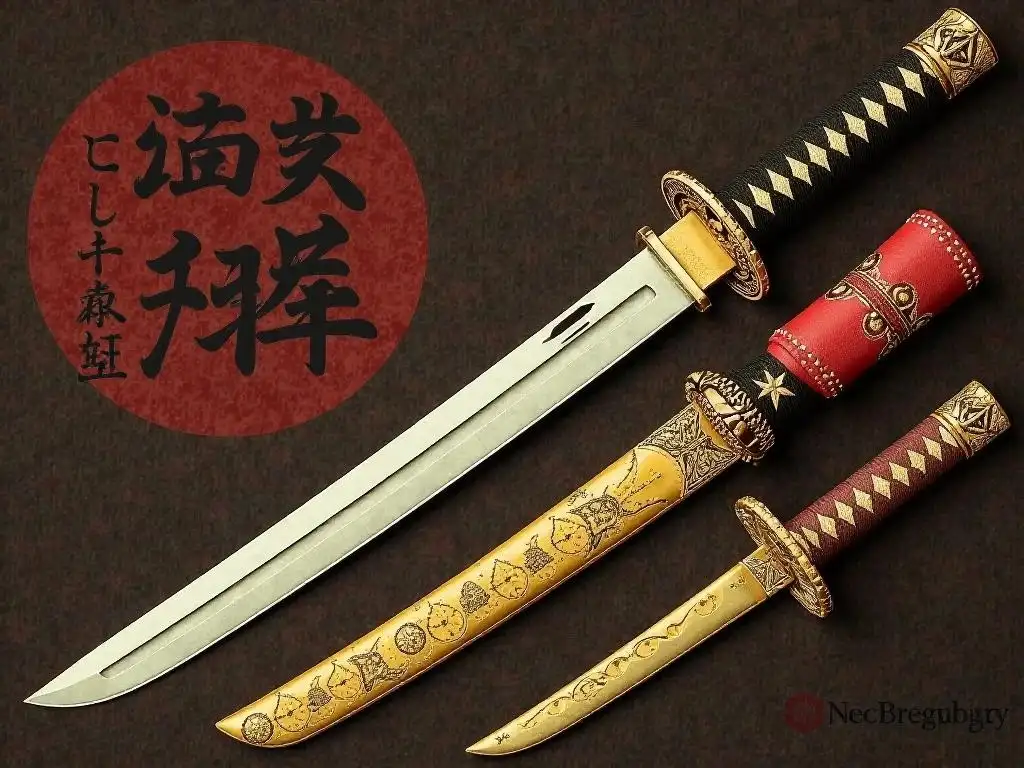
Welcome to Feudal Japan History, where we invite you to embark on a journey through the captivating tapestry of Japan’s feudal era. Delve into the intricate world of military history as we uncover the fascinating Japanese feudal weapons history that shaped the power dynamics of this remarkable period. In our featured article, "The Shogun's Arsenal: Understanding the Weapons of Japan's Military Leaders," we reveal the secrets behind the armaments that defined an era and the warriors who wielded them.
Are you ready to explore the armory of the Shoguns and discover the stories that lie within? Your adventure begins here!
Introduction to Japanese Feudal Weapons History
The history of Japanese feudal weapons is a fascinating journey that reflects the intricate relationship between warfare, culture, and society in Japan. From ancient times through the Edo period, weaponry evolved not only as tools of battle but also as symbols of power and status among Japan's military leaders, particularly the shoguns.
This comprehensive exploration delves into the various types of arms utilized during this era, emphasizing their design, functionality, and the profound impact they had on the course of Japanese history. Understanding these weapons provides invaluable insight into the military strategies employed by feudal leaders and the societal structures that supported them.
Overview of Japan's Feudal Era
Japan's feudal era, spanning approximately from the 12th to the 19th centuries, was characterized by a decentralized political structure dominated by powerful military families and their retainers. This period saw the emergence of the samurai class, which played a crucial role in shaping Japanese society. The feudal system was marked by a series of conflicts, power struggles, and alliances that ultimately led to the establishment of the shogunate—a military government that wielded significant influence over the country.
- Key Features of the Feudal Era:
- Decentralized Power: Local lords (daimyō) held power, with samurai serving as their warriors.
- Bushido Code: A code of conduct governing the behavior and ethics of samurai, emphasizing loyalty, honor, and martial skill.
- Cultural Flourishing: This era also saw advancements in art, literature, and philosophy, which were often influenced by the military class.
Significance of Weaponry in Japanese Military Strategy
Weaponry during Japan's feudal era was not merely a means of combat; it was integral to military strategy and social hierarchy. The choice of weapons and their effective use could determine the outcome of battles and the rise or fall of clans.
- Strategic Importance:
- Symbol of Authority: Weapons were often ornate and personalized, serving as status symbols for the samurai.
- Tactics and Training: Mastery of weaponry, particularly the katana, was essential for samurai training, influencing battlefield tactics.
- Psychological Warfare: The reputation of a warrior and their weaponry could instill fear in opponents, affecting the morale of both sides.
The Evolution of Japanese Feudal Weapons
The evolution of Japanese feudal weapons is marked by innovation and adaptation, reflecting the changing dynamics of warfare and societal needs.
Early Weapons: From the Jomon Period to the Kamakura Era
The journey of Japanese weaponry begins in the Jomon period, where rudimentary tools evolved into more sophisticated arms.
- Jomon and Yayoi Periods:
- Stone Tools: Early inhabitants used stone tools, primarily for hunting and gathering.
- Introduction of Metal: The Yayoi period saw the advent of metalworking, leading to the creation of bronze and iron weapons.
- Kamakura Era (1185-1333):
- The Tachi Sword: A significant development, the tachi sword emerged as the primary weapon of the samurai, characterized by its curved blade and long handle.
- Bows and Arrows: Bows remained central to military strategy, with advancements in design enhancing their range and accuracy.
The Rise of the Samurai and Their Weaponry
As the samurai class solidified its power, the weapons they wielded became more specialized and symbolic.
- Katana:
- Renowned for its craftsmanship and effectiveness, the katana became the quintessential weapon of the samurai, embodying their spirit and values.
- Yari (Spear) and Naginata (Polearm):
- These weapons played crucial roles in battlefield tactics, allowing for versatile combat strategies.
- Armor Development:
- The evolution of armor paralleled weaponry advancements, with designs becoming more sophisticated to offer better protection while allowing for mobility.
Through this exploration of Japanese feudal weapons history, one gains a deeper appreciation for the intricate details and significant developments that shaped the military landscape of feudal Japan.
Key Types of Japanese Feudal Weapons
Japanese feudal weapons are renowned for their craftsmanship, effectiveness, and historical significance. They played a crucial role in the battles and power struggles that defined the feudal era. The primary types of weapons used by samurai and military leaders included swords, polearms, and firearms, each serving unique purposes on the battlefield. Understanding these key weapon types provides insight into Japan's military strategies and the evolution of warfare during this period.
Swords: The Katana and Its Variants
The katana is perhaps the most iconic weapon of Japanese feudal history, symbolizing the samurai's honor and martial prowess. Characterized by its curved, single-edged blade, the katana was designed for quick, effective slashing. The production of a katana involved meticulous craftsmanship, often taking months to forge, temper, and polish to perfection.
Variants of the katana include:
- Tachi: An earlier form of the sword, longer and more curved, primarily used before the 15th century.
- Wakizashi: A shorter companion sword carried by samurai, often used in close combat and ritual suicide (seppuku).
- ** Tanto:** A small dagger used for personal defense and as a utility tool.
The katana was not just a weapon; it was a symbol of status and a trusted companion to the samurai in both battle and daily life. Its effectiveness is illustrated in numerous historical accounts where skilled swordsmen could defeat opponents in combat with swift precision.
Polearms: The Naginata and Yari
Polearms such as the naginata and yari were essential to the battlefield tactics of Japanese feudal warfare.
- Naginata: A versatile weapon featuring a curved blade mounted on a long wooden shaft, the naginata was used by both samurai and warrior monks. It allowed for sweeping strikes and effective reach, making it ideal for mounted and foot combat. The naginata was often associated with the female warriors known as onna-bugeisha, who utilized it for defense of their homes and families.
- Yari: The yari, or spear, was another common polearm in feudal Japan. It came in various lengths and was primarily used for thrusting attacks. The yari's effectiveness in mass formations made it a staple in the armies of feudal lords. Samurai often trained in its use, emphasizing techniques that maximized its reach and impact.
Both polearms played a significant role in shifting battle tactics, allowing for greater versatility in combat and adaptation to changing warfare strategies.
Firearms: Introduction of Gunpowder Weapons
The introduction of firearms to Japan in the 16th century marked a significant turning point in Japanese feudal warfare. Initially brought by Portuguese traders, these gunpowder weapons transformed traditional combat methods. The tanegashima, a type of matchlock firearm, became popular among samurai and was quickly integrated into military tactics.
Key points regarding firearms include:
- Impact on Warfare: Firearms changed the dynamics of battle, allowing for ranged attacks that could disrupt traditional formations and strategies.
- Adaptation: Samurai adapted their tactics to incorporate firearms, leading to the development of new battle formations and strategies that combined traditional weapons with gunpowder technology.
- Production: The establishment of firearms workshops in Japan contributed to the spread and refinement of gunpowder weapons, making them more accessible to various military factions.
The evolution of firearms in feudal Japan exemplifies how weaponry adaptation can significantly influence military history and warfare effectiveness.
Armor and Protective Gear in Japanese Warfare
Armor played a pivotal role in the effectiveness and survival of warriors during Japan's feudal era. The design of samurai armor evolved to provide maximum protection while allowing mobility, reflecting the demands of the battlefield.
The Development of Samurai Armor
Samurai armor, known as yoroi, underwent significant changes throughout the feudal period. Early armor was typically made of leather and iron, designed to provide basic protection. Over time, armor became more sophisticated, incorporating a combination of materials such as lacquered metal plates and silk.
Key features include:
- Kabuto: The helmet, often adorned with decorative crests, provided head protection and intimidation.
- Do: The chest armor, which protected vital organs while allowing for movement.
- Sode: The shoulder guards, designed to deflect blows and protect the upper body.
The evolution of samurai armor reflects the changing nature of warfare, with designs becoming more streamlined and effective against both traditional weapons and emerging firearms.
The Role of Armor in Battle Strategies
The role of armor in battle strategies cannot be overstated. Effective armor allowed samurai to engage in combat with reduced fear of injury, enabling them to execute complex battle tactics.
Considerations of armor in battle include:
- Mobility vs. Protection: While heavier armor provided better protection, it also limited mobility. Samurai had to balance these factors when choosing their gear for specific battles.
- Psychological Impact: The appearance of samurai in full armor could intimidate opponents and bolster the morale of allied troops.
- Adaptation to Firearms: As firearms became prevalent, armor designs began to adapt, with some incorporating plating that could better withstand gunfire.
The development and strategic use of armor were integral to the samurai's effectiveness on the battlefield, reflecting the broader changes in military tactics throughout Japan's feudal history.
Notable Military Leaders and Their Weapons
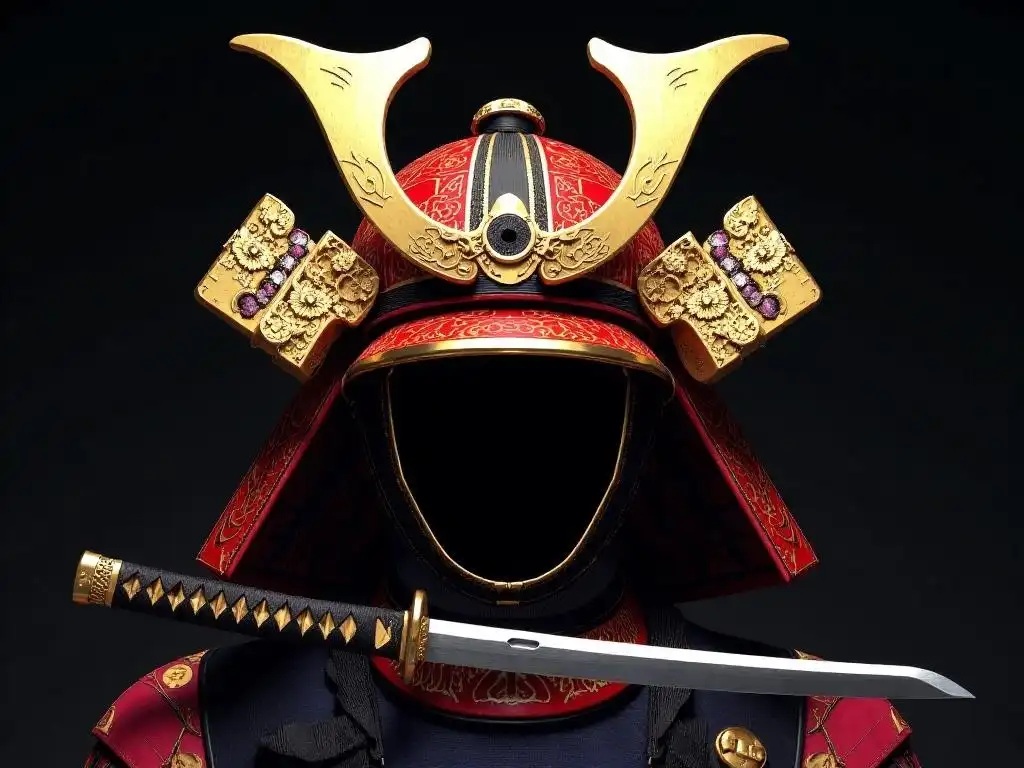
Throughout Japan's feudal era, several military leaders distinguished themselves not only through their strategic acumen but also through their innovative use of weaponry. These leaders relied heavily on their arsenals, which reflected both their military strategies and the socio-political dynamics of their time. From the early days of the samurai to the unification efforts of the Sengoku period, each leader's choice of weapons played a vital role in shaping their legacies.
The weapons used by these military leaders ranged from traditional swords to more advanced artillery, each serving specific purposes on the battlefield. The evolution of these tools of war often mirrored the transformations within Japanese society, impacting everything from warfare tactics to cultural practices. Leaders like Oda Nobunaga and Tokugawa Ieyasu not only utilized weapons effectively but also influenced the broader weaponry landscape of Japan through their innovations and choices.
The Influence of Oda Nobunaga's Arsenal
Oda Nobunaga, one of the most pivotal figures in the unification of Japan during the late 16th century, revolutionized the way warfare was conducted through his unique arsenal. He was known for his strategic incorporation of firearms, particularly matchlock rifles, which he used effectively in battles like the Battle of Nagashino in 1575. His forces employed a coordinated volley fire technique, demonstrating the effectiveness of gunpowder weapons over traditional samurai combat.
Nobunaga also favored the use of heavy artillery, such as cannons, which he integrated into his battlefield tactics. This marked a significant shift in military strategy, as he understood the importance of firepower in overcoming opponents. His arsenal not only showcased his military foresight but also paved the way for future leaders to embrace technological advancements in warfare.
Moreover, Nobunaga's emphasis on firearms and artillery demonstrated a departure from the traditional reliance on swords and close-combat weapons, influencing the evolution of Japanese military doctrine. His innovations would leave a lasting impact on the way samurai engaged in battle, marking a pivotal moment in the history of Japanese feudal weapons.
Tokugawa Ieyasu and His Military Innovations
Tokugawa Ieyasu, the founder of the Tokugawa shogunate, is another key figure whose military innovations significantly shaped Japanese feudal weaponry. Ieyasu's strategies emphasized the importance of versatility and adaptability on the battlefield. He understood that a well-rounded arsenal could provide a tactical edge, leading to his successful consolidation of power after the Battle of Sekigahara in 1600.
One of Ieyasu's notable contributions was the development of the "Tachi" and "Katana" swords, which became symbols of samurai pride and skill. While the katana is often romanticized in modern culture, its design during Ieyasu's time was a culmination of centuries of craftsmanship and battlefield practicality.
Under Ieyasu’s rule, there was also a notable increase in the production and standardization of weapons, including firearms, which were further refined and mass-produced. This not only made weaponry more accessible but also allowed for a more disciplined military structure. The Tokugawa era saw the establishment of a more organized military bureaucracy, which enhanced the strategic use of weapons in warfare and maintained peace throughout Japan for over two centuries.
The Cultural Impact of Weapons in Japanese Society
The significance of weapons in Japanese society extended beyond mere utility; they were deeply intertwined with cultural identity, social status, and personal honor. The samurai class, in particular, viewed weaponry as not only tools of war but also as embodiments of their values and social standing.
Weapons as Status Symbols Among the Samurai
In feudal Japan, weapons served as vital status symbols among the samurai, signifying not only martial prowess but also social hierarchy. The quality and type of weaponry a samurai possessed often reflected their rank and wealth. For instance, the katana was considered the soul of the samurai, and owning a finely crafted sword was a mark of prestige and honor.
Additionally, elaborate fittings and decorations on weapons further showcased a samurai's status. The more intricate and aesthetically pleasing the weapon, the higher the regard it held in society. This obsession with weaponry craftsmanship fostered a culture where artisans dedicated their lives to perfecting their skills, resulting in some of the most exquisite pieces of art in history.
The importance of weapons as symbols of status was also evident in the ritualistic aspects of samurai life. Ceremonies involving the presentation and exchange of swords were common, reinforcing the notion that these weapons were not merely practical items but integral components of a samurai's identity.
The Role of Weaponry in Bushido Philosophy
Weaponry was profoundly linked to the Bushido philosophy, the code of conduct that governed the samurai's way of life. This code emphasized virtues like honor, courage, and loyalty, and it shaped the samurai's relationship with their weapons. The samurai viewed their swords not just as tools for combat but as extensions of their will and spirit.
In Bushido, the act of wielding a weapon was imbued with ethical considerations. A samurai was expected to use their weaponry only in defense of their honor and the protection of others. The disciplined training and mastery of weapons were seen as essential to the samurai's moral and ethical development, reinforcing the belief that a warrior must embody the principles of Bushido in every aspect of their life.
Moreover, the practice of martial arts, such as Kenjutsu (the art of the sword), was integral to the samurai's education. It was believed that through mastering their weapons, samurai could achieve a deeper understanding of themselves and their place in the world. This connection between weapons and philosophy highlighted the cultural significance of Japanese feudal weapons, illustrating how they shaped social norms and individual identities throughout Japan's history.
Conclusion: The Legacy of Japanese Feudal Weapons History
The legacy of Japanese feudal weapons history extends far beyond the battlefields of the Sengoku period. The intricate designs, innovative technologies, and strategic applications of these weapons have profoundly influenced both Japanese culture and military practices throughout history. From the iconic katana to the versatile yumi (longbow), each weapon tells a story of craftsmanship, tradition, and the martial spirit that defined Japan's feudal era. This historical reflection not only sheds light on the military strategies employed by leaders like the shoguns but also highlights the cultural values intertwined with these artifacts.
Today, many of these weapons are revered not just as tools of war but as symbols of artistry and heritage. The methods of forging, the artistry of inlay, and the balance of design reflect a deep respect for both functionality and aesthetics that continues to inspire modern craftsmen. Museums and exhibitions dedicated to Japanese weaponry allow contemporary audiences to appreciate the historical context and significance of these arms, ensuring that the legacy of feudal weapons remains alive in modern consciousness.
The Enduring Influence of Feudal Weaponry on Modern Japan
The influence of feudal weaponry can be observed in various aspects of modern Japanese society. Traditional martial arts, such as Kendo and Iaido, draw heavily upon the techniques and philosophies associated with historical weapons. Practitioners honor the legacy of the samurai by mastering the katana and other traditional weapons, linking contemporary practices with their storied past.
Moreover, Japanese popular culture frequently revisits themes of feudal weaponry through films, anime, and video games, which often romanticize the samurai ethos and the artistry of weapon-making. These portrayals foster a sense of national identity and pride rooted in the historical narratives of the samurai class and their weaponry. Events like sword exhibitions and historical reenactments further cultivate an appreciation for this rich heritage, allowing modern audiences to experience the craftsmanship and cultural significance of these artifacts firsthand.
The craftsmanship of Japanese weapons also continues to thrive in contemporary production. Artisans dedicated to traditional sword-making uphold the ancient techniques of tamahagane steel production and folding methods, ensuring that the skills and knowledge passed down through generations remain intact. This dedication not only preserves the art form but also enhances the understanding of Japan’s feudal history.
Reflection on the Historical Significance of Japanese Military Leaders' Weapons
Japanese military leaders' weapons serve as crucial artifacts for understanding the socio-political landscape of feudal Japan. The design and functionality of these weapons were not mere reflections of personal taste but were deeply intertwined with the strategies and philosophies of warfare that characterized the period. For instance, the katana, with its distinctive curve and razor-sharp edge, symbolized the samurai's honor and their commitment to bushido— the way of the warrior.
The significance of these weapons extends to their role in establishing status and power among the feudal lords. Weapons were often personalized, adorned with family crests and intricate engravings, serving as markers of identity and authority. The way a leader wielded their weapon often influenced their reputation and legacy, shaping the course of history during turbulent times.
Furthermore, the evolution of weaponry throughout the feudal era reflects broader technological advancements and shifts in military tactics. The introduction of firearms, such as the tanegashima (matchlock gun), altered traditional combat strategies and underscored the adaptability of Japanese military leaders in response to new challenges. This continual evolution emphasizes the dynamic interplay between technology and warfare, highlighting the importance of these weapons not just as tools of battle but as instruments of change within Japanese society.
The weapons of Japanese military leaders are more than historical artifacts; they encapsulate the essence of a transformative era. Through their study, we gain insights into the values, identities, and innovations that shaped Japan's past, further enriching our understanding of its complex history.
- Introduction to Japanese Feudal Weapons History
- The Evolution of Japanese Feudal Weapons
- Key Types of Japanese Feudal Weapons
- Armor and Protective Gear in Japanese Warfare
- Notable Military Leaders and Their Weapons
- The Cultural Impact of Weapons in Japanese Society
- Conclusion: The Legacy of Japanese Feudal Weapons History
- What are some key Japanese feudal weapons used during this era?
- How did the design of feudal weapons evolve over time?
- What role did samurai play in the history of feudal weapons?
- How did political changes influence weapon development in feudal Japan?
- Where can I find more detailed information on Japanese feudal weapons history?
Frequently Asked Questions
What are some key Japanese feudal weapons used during this era?
The Japanese feudal era saw a variety of weapons including katanas, yari (spears), and naginata. These weapons were vital for combat and reflected the samurai's skill and honor.
How did the design of feudal weapons evolve over time?
The design of Japanese feudal weapons changed significantly due to advancements in metallurgy, warfare tactics, and the influence of foreign cultures, particularly during periods of conflict and trade.
What role did samurai play in the history of feudal weapons?
The samurai were not just warriors but also guardians of tradition. They shaped the manufacturing, usage, and ritual significance of weapons, making them symbols of their status and code of honor.
How did political changes influence weapon development in feudal Japan?
Political changes, such as the rise and fall of different shogunates, led to shifts in military strategy and demand for new weaponry. This resulted in innovations that catered to the evolving needs of Japanese warfare.
Where can I find more detailed information on Japanese feudal weapons history?
For an in-depth exploration, visit the Feudal Japan History website, which offers expert-driven articles covering the historical, cultural, and societal aspects of Japanese feudal weapons.
Final Reflection: The Enduring Legacy of Japanese Feudal Weapons
The exploration of Japanese feudal weapons history reveals not only the ingenuity of military leaders but also the profound cultural significance these weapons hold in today's society. As we delve into the intricacies of the Shogun's arsenal, we uncover a narrative that transcends mere combat; it is a testament to the artistry, strategy, and philosophy that shaped Japan's historical landscape. The legacy of these weapons continues to resonate, reminding us of the intricate dance between power and culture that defines the human experience.
Cultural artifacts like the katana and the yumi are more than tools of war; they symbolize the values and traditions of a society that revered honor and discipline. The influence of these weapons extends beyond the battlefield, permeating art, literature, and modern martial practices. As the historian John W. Dower once said, The past is not dead; it is not even past.
This sentiment rings true as we witness the ongoing fascination with Japanese feudal weapons, which serve as a bridge connecting us to a rich heritage and a complex identity.
As we reflect on the lessons embedded in the history of these weapons, let us consider how they can inspire our own lives. Embrace the spirit of the samurai—commitment, resilience, and honor—in your daily endeavors. Whether in personal challenges or professional pursuits, the principles that guided Japan's military leaders can serve as a powerful compass. Take a moment to reflect on how you can incorporate these timeless values into your life, shaping not only your journey but also the world around you.
Unleash the Power of Knowledge!
Thank you for diving into the fascinating world of Japan's military leaders and their weapons! Your curiosity about the shogun's arsenal has opened the door to understanding a rich history filled with strategy and craftsmanship. Now, it’s time to take this knowledge further!
- Explore a museum exhibit or an online collection showcasing historic Japanese weapons to see them up close and appreciate their intricate designs.
- Join a local historical group or an online forum to discuss feudal Japan and share your insights with fellow history enthusiasts.
- Consider participating in a historical reenactment experience to witness the artistry and skill of traditional Japanese warfare firsthand.
What new insight about Japan’s military leaders resonates with you the most, and how will you share that passion with others?