
The Evolution of Children's Clothing in Feudal Japan: Dressing the Next Generation

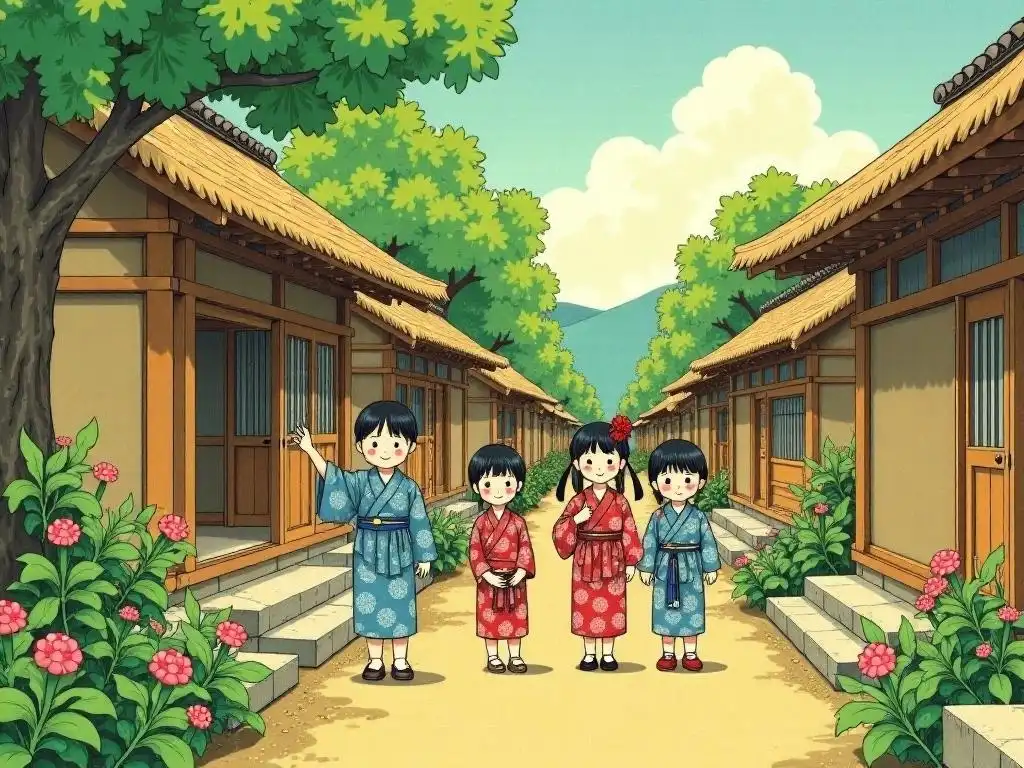
Welcome to Feudal Japan History, where we embark on a captivating journey through the rich tapestry of Japan’s feudal era. Here, we delve into the intricate details of daily life, culture, and societal norms, illuminating the past with expert-driven insights. In our featured article, “The Evolution of Children’s Clothing in Feudal Japan: Dressing the Next Generation,” we unravel the fascinating world of how children dressed during this transformative period.
What secrets do these garments hold about the lives of the young in feudal society? Join us as we explore the styles, materials, and meanings behind children’s clothing, and discover how every stitch tells a story waiting to be revealed.
Introduction to Children's Clothing in Feudal Japan
The clothing worn by children in feudal Japan reflects a rich tapestry of historical, cultural, and societal influences that shaped the era. As a crucial aspect of daily life, children's clothing not only served practical purposes but also conveyed deeper meanings related to family status, cultural identity, and social norms.
From the simple garments of the early periods to the more elaborate styles of later years, the evolution of children's clothing provides a fascinating insight into the lives of the next generation during one of Japan's most significant historical epochs. In this article, we will delve into the various elements that influenced children's clothing in feudal Japan, examining the interplay between social class, cultural traditions, and historical developments that have left a lasting impact on Japanese society.
Overview of Feudal Japan's Historical Context
Feudal Japan, spanning from the 12th to the 19th centuries, was characterized by a strict hierarchical social structure dominated by the samurai class. This period saw the consolidation of power among feudal lords (daimyō) and their vassals, leading to a culture that emphasized loyalty, honor, and duty. As Japan entered different phases, such as the Kamakura, Muromachi, and Edo periods, various cultural influences emerged, shaping not only the lives of adults but also that of children. The clothing worn by children during these times was often a reflection of their social standing and the values upheld by their families.
Importance of Clothing in Japanese Culture
In Japanese culture, clothing has always served as a significant indicator of personal identity, societal status, and cultural heritage. Children's clothing, in particular, was imbued with meanings that transcended mere functionality. It was not only a means of protection from the elements but also a canvas for expressing family lineage, economic status, and regional affiliations. The choice of fabric, colors, and styles often reflected the seasons, festivals, and rituals, reinforcing the importance of tradition in shaping societal values. As such, understanding children's clothing in feudal Japan allows us to appreciate the intricate connections between attire and cultural identity.
The Historical Development of Children's Clothing
The evolution of children's clothing in feudal Japan is marked by various influences, ranging from indigenous practices to the adoption of foreign styles. As Japan engaged in trade and cultural exchanges, new materials and designs began to emerge, altering the landscape of children's fashion. This historical development highlights the dynamic nature of clothing, which evolved to meet the needs and aspirations of society.
Early Influences on Children's Fashion in Japan
In the early periods of feudal Japan, children's clothing was largely influenced by practicality and the need for mobility. Fabrics such as cotton and hemp were commonly used, and garments were often simple and utilitarian. As the samurai class rose to prominence, children's clothing began to incorporate more elaborate designs and materials, reflecting the family's status. The adoption of vibrant colors and intricate patterns marked a shift towards a more expressive form of attire, paving the way for the diverse styles that would emerge in later periods.
The Impact of Social Class on Children's Clothing Styles
Social class played a pivotal role in determining the style and quality of children's clothing in feudal Japan. For instance, children from affluent families wore garments made of silk and adorned with elaborate embroidery, signaling their family's wealth and status. In contrast, those from lower classes often wore simpler, more functional clothing that emphasized durability over aesthetics. This disparity in clothing styles not only showcased the social hierarchy but also reinforced the cultural norms surrounding status and identity, making children's clothing a fascinating lens through which to explore the intricacies of feudal Japanese society.
Materials and Techniques Used in Children's Clothing
The evolution of children's clothing in feudal Japan reflects a rich tapestry of cultural norms, environmental influences, and available materials. The materials and techniques used for crafting garments were crucial in shaping how children dressed during this period.
Traditional Fabrics Commonly Used for Children's Garments
In feudal Japan, children's clothing was primarily made from natural materials, which included:
- Silk: A luxurious fabric often reserved for the upper class, silk was favored for its softness and sheen. Children from noble families wore silk kimonos, which signified their status.
- Cotton: Gaining popularity in the Edo period, cotton became a staple for the clothing of commoners due to its durability and comfort. It was often used for everyday wear.
- Wool: Less common but used in colder regions, wool provided warmth and was used for garments intended for winter wear.
- Bamboo and Hemp: These fibers were utilized in more rustic clothing, particularly for children engaged in labor-intensive activities.
The choice of fabric not only affected the comfort and practicality of the clothing but also indicated the family’s social standing.
Dyeing Techniques and Color Significance in Children's Fashion
The dyeing of fabrics in feudal Japan held deep cultural significance, often dictated by seasonal changes and social customs. Common dyeing techniques included:
- Natural Dyes: Derived from plants, minerals, and insects, natural dyes created a range of colors. For example, indigo from the indigo plant produced deep blues, while safflower yielded vibrant reds.
- Kyo-yaki: This traditional method involved tie-dyeing techniques that resulted in intricate patterns, particularly in children's garments.
- Color Symbolism: Colors carried meanings; for instance:
- Red: Symbolized protection and good fortune, frequently used for baby clothing.
- Blue: Represented stability and was popular among boys’ garments.
- White: Associated with purity, often used for formal occasions.
Dyeing techniques not only enhanced the aesthetic appeal of children's clothing but also played a role in cultural expressions and traditions.
Tailoring and Craftsmanship: The Art of Making Children's Clothing
The craftsmanship involved in tailoring children’s clothing in feudal Japan was meticulous and skilled. Tailors often specialized in creating garments that fit the unique body shapes of children, taking into account their growth and movement. Key aspects of this craftsmanship included:
- Pattern-making: Tailors developed patterns that allowed for ease of movement, which was essential for children who were often active.
- Stitching Techniques: Hand-stitching was prevalent, with various techniques like the kake-oshima (a type of running stitch) used for durability.
- Fittings: Garments were often made with extra fabric to allow for adjustments as children grew, showcasing a practical approach to clothing.
This attention to detail in tailoring not only ensured comfort but also reflected the artistry that was a hallmark of Japanese craftsmanship.
Styles and Trends in Children's Clothing Throughout the Feudal Era
As societal norms and cultural preferences evolved, so too did the styles and trends in children's clothing across different periods of feudal Japan.
The Evolution of Children's Kimono Styles
The kimono is perhaps the most iconic garment in Japanese culture, and children's kimono styles evolved significantly throughout the feudal era. Early on, children's kimonos were simpler in design, often mirroring the adult styles but made from lighter fabric. By the Edo period, distinct features emerged:
- Hifu: A short, sleeveless kimono worn by young boys, often paired with a hifu (a type of sleeveless coat) for warmth.
- Obi: The sash used to secure the kimono began to vary in size and style, with children often wearing more colorful and playful designs.
- Patterns: Patterns became increasingly elaborate, with motifs representing auspicious symbols like cranes and turtles, reflecting hopes for the child’s future.
These changes not only mirrored the social context of the time but also embraced the burgeoning creativity in children’s fashion.
Accessories and Adornments: What Children Wore
Accessories played a vital role in children's clothing, enhancing both functionality and aesthetic appeal. Some of the common accessories included:
- Obiage: A decorative piece worn underneath the obi, often in bright colors or patterns, adding flair to the outfit.
- Hana Kanzashi: Floral hairpins that adorned the hair of young girls, often crafted from silk and decorated with intricate details.
- Zori and Geta: Traditional footwear that accompanied children's kimonos, with styles varying based on region and occasion.
These adornments not only complemented the clothing but also served to express individuality and family pride.
Seasonal Variations in Children's Clothing
Children's clothing in feudal Japan was heavily influenced by the seasons, with different materials and styles adopted to accommodate climate variations.
- Summer Attire: Light cotton kimonos were commonly worn, often featuring short sleeves and airy designs to keep children cool.
- Winter Wear: For colder months, layered garments, such as hifu and heavier fabrics like wool, were utilized. Children would often wear multiple layers to ensure warmth.
- Festival Clothing: During seasonal festivals, children donned special kimonos that were often more colorful and adorned with intricate designs, symbolizing joy and celebration.
These seasonal adaptations not only showcased the versatility of children's clothing but also highlighted the connection between clothing, environment, and cultural practices.
Cultural Significance of Children's Clothing in Feudal Japan
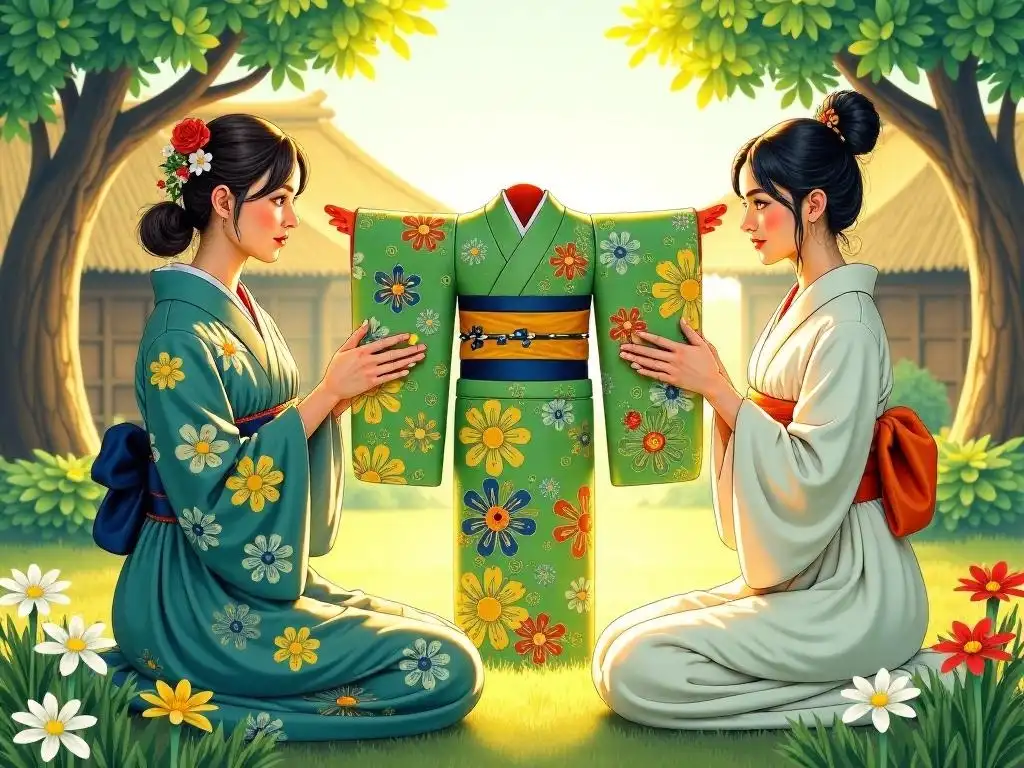
In feudal Japan, children's clothing was not merely a practical necessity but a reflection of cultural values, social status, and family lineage. The garments worn by children were imbued with symbolism and served as a means of expressing familial pride and societal roles. From a young age, children were dressed in ways that indicated their family's position within the rigid class structure of the time. For instance, children of samurai families were often adorned in fabrics and styles that mirrored the clothing of their parents, instilling a sense of honor and expectation regarding their future roles.
Moreover, clothing was often used in ritualistic contexts, particularly during significant life events such as coming-of-age ceremonies and festivals. Specific garments were chosen not only for their aesthetic appeal but also for their spiritual significance, believed to protect the child and bless them with good fortune. Traditional garments, such as the kimono, were commonly embellished with motifs that conveyed messages of hope, growth, and prosperity, highlighting the community's aspirations for the younger generation.
Symbolism of Colors and Patterns in Children's Attire
Colors and patterns played a crucial role in the clothing worn by children in feudal Japan, with each hue and design carrying distinct meanings. For example, the color red was commonly associated with protection and vitality, making it a popular choice for garments intended for infants and toddlers. In contrast, white was often reserved for special occasions, symbolizing purity and new beginnings.
Patterns also held significance; for instance, motifs depicting animals, flowers, and natural elements were not only visually appealing but also served as talismans of good luck and health. Children’s clothing would often feature seasonal patterns that celebrated the changing environment, reinforcing a connection to nature and the cycles of life. This careful selection of colors and patterns reflected a deep understanding of the world around them, allowing families to imbue their children’s attire with layers of meaning.
Role of Clothing in Socialization and Identity Formation
Clothing in feudal Japan played an integral role in socialization and identity formation among children. As children grew, their attire became a medium through which they learned societal norms and values. The styles and fabrics they wore often indicated their family’s social class, teaching them early on the importance of hierarchy and status within society.
In addition, children's clothing facilitated interactions with peers and adults, influencing how they were perceived by others. The way a child was dressed could affect their social standing and acceptance within various groups, making clothing a pivotal factor in their development of self-identity. Furthermore, traditional clothing often included elements that were specific to certain regions or clans, helping children to forge connections with their heritage and community while navigating their individuality within these frameworks.
Comparison of Children's Clothing Across Different Regions in Feudal Japan
Children's clothing varied significantly across the different regions of feudal Japan, reflecting local customs, available resources, and cultural influences. The diversity in attire was shaped by factors such as geography, climate, and the economic conditions of each area, leading to distinct styles and practices in dressing children.
Regional Variations in Style and Fabric Use
In the northern regions, where the climate was colder, children's clothing often featured thicker materials, such as wool or heavier cotton, layered for warmth. This contrasts sharply with the southern regions, where lighter fabrics, like silk and breathable cotton, were more common due to the warmer climate.
Moreover, specific styles were prevalent in different areas; for example, children in the Osaka region were known for their vibrant and intricate designs, often incorporating bold colors and elaborate patterns. In contrast, rural areas tended to favor simpler, more practical clothing that emphasized functionality over flair. These regional variations not only catered to the environmental needs of the children but also reflected the local artistic expressions and cultural identities.
Influences of Local Climate on Children's Clothing
The climate played a crucial role in shaping the types of clothing worn by children across feudal Japan. In regions with harsh winters, such as Hokkaido, children would wear layered garments, often including padded jackets and warm undergarments to protect against the cold. Fabrics like hemp and wool were favored for their durability and insulation properties.
Conversely, in warmer areas like Kyushu, children's clothing would be designed for comfort and breathability. Light kimonos and yukatas made from cotton were common, allowing for ease of movement during hot summer months. This adaptation of clothing to suit local climatic conditions not only ensured the well-being of children but also illustrated the ingenuity and resourcefulness of families in utilizing available materials to create suitable attire for their young ones.
In essence, children's clothing in feudal Japan was a multifaceted reflection of cultural identity, social structures, and environmental influences, making it a rich area for exploration and understanding of the era's daily life and societal norms.
Transition from Feudal Japan to Modern Times
The transition from feudal Japan to modern times marked a significant shift in various aspects of society, including the clothing worn by children. During the feudal era, children's clothing was heavily influenced by the socio-economic status of families, regional customs, and the prevailing cultural norms. As Japan opened up to Western influences in the late 19th century, these traditional clothing styles began to evolve.
The Meiji Restoration in 1868 was a pivotal moment that brought about drastic changes in clothing styles. The introduction of Western clothing led to a blending of traditional and modern aesthetics. Children, once dressed in kimono and other traditional garments, began to wear Western-style clothing, which was perceived as a symbol of modernization and progress. This transition not only affected the physical garments but also the cultural perceptions surrounding childhood, identity, and social status.
How Children's Clothing Evolved After the Feudal Era
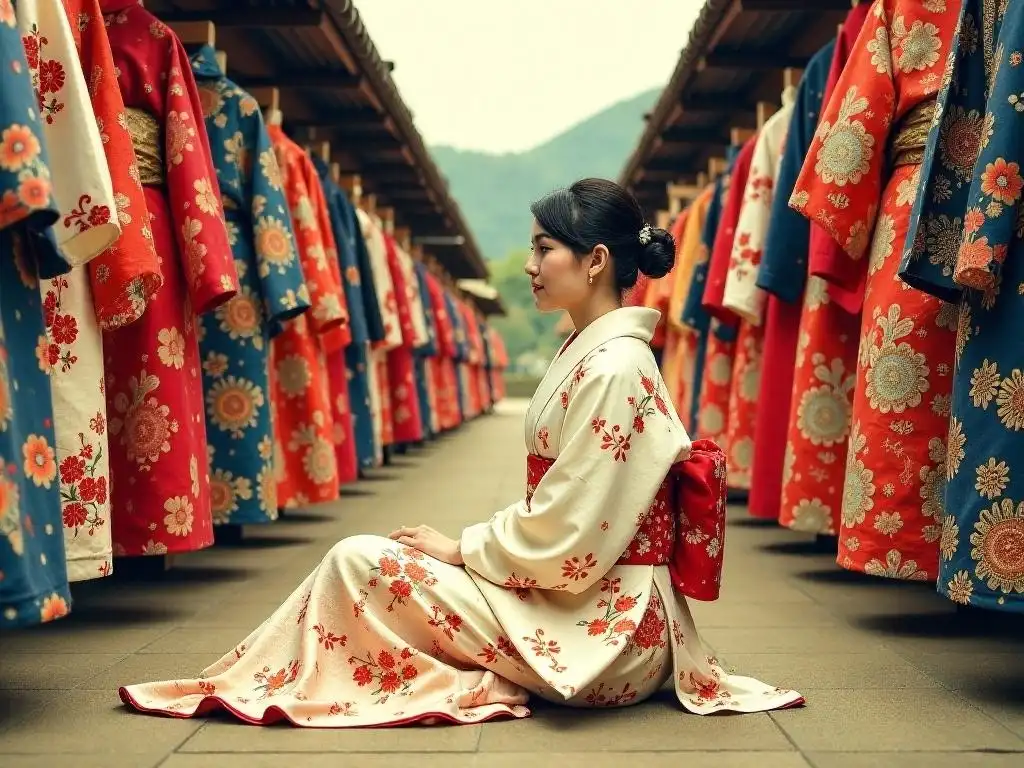
After the feudal era, children's clothing in Japan underwent substantial transformations. The introduction of Western styles played a crucial role in reshaping how children dressed. While traditional garments like the kimono and yoroi (armor) were still present, they began to coexist with Western attire such as suits, dresses, and even casual wear.
In the early 20th century, children's clothing became more practical and less formal. For instance, the adoption of cotton and other lightweight fabrics made clothing more comfortable for children, reflecting a shift in attitudes towards childhood. Instead of dressing children in elaborate styles suitable for adults, the focus shifted to functionality and ease of movement. This evolution also coincided with changes in childhood education and leisure activities, leading to clothing designed for play and everyday activities.
Lasting Impact of Traditional Designs on Contemporary Fashion
Despite the significant changes brought about by Western influences, traditional designs from the feudal era have left a lasting imprint on contemporary children's fashion in Japan. Elements such as vibrant colors, intricate patterns, and the use of natural fabrics can still be seen in modern clothing lines, especially during cultural celebrations and festivals.
Contemporary designers often draw inspiration from historical garments, blending them with modern aesthetics to create unique fashion statements. For example, the use of traditional motifs like cherry blossoms or waves in fabric prints can evoke a sense of nostalgia while appealing to modern sensibilities. Additionally, the kimono continues to be adapted into children's clothing, often reimagined in lighter, more accessible forms suitable for everyday wear.
Conclusion: The Legacy of Children's Clothing in Feudal Japan
The legacy of children's clothing in feudal Japan is a testament to the rich cultural heritage of the nation. The garments worn by children during this era were not merely functional but carried deep cultural significance, reflecting the values and social structures of the time.
Summary of Key Points in the Evolution of Children's Clothing
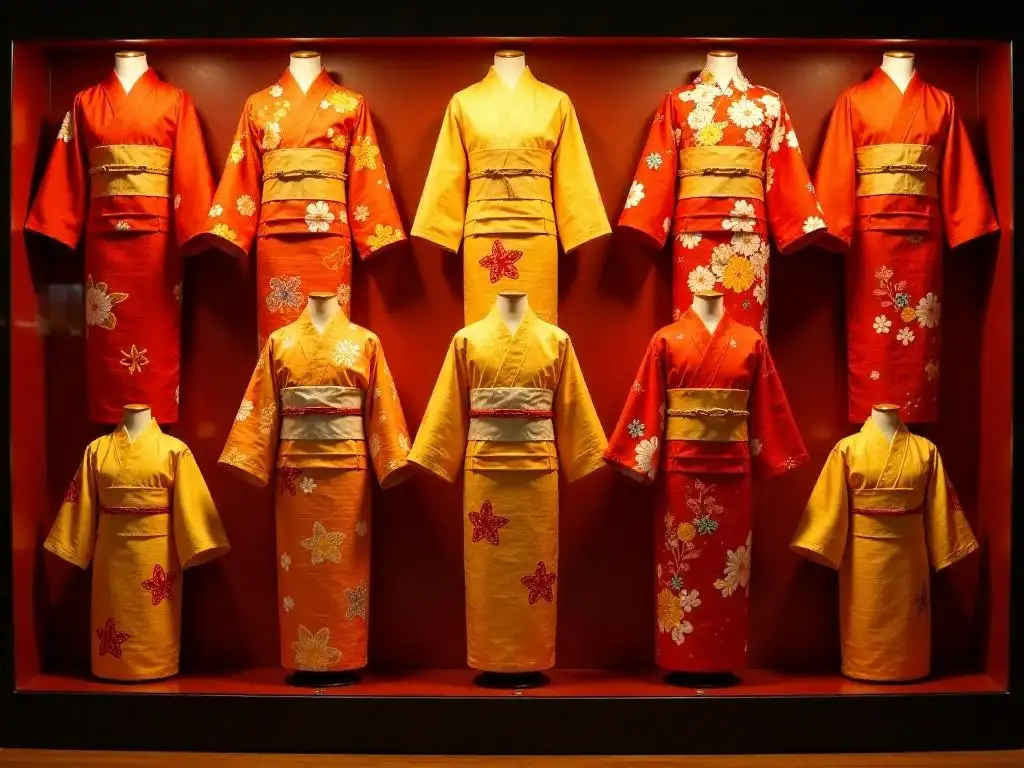
- Influence of Socio-Economic Status: Children's clothing during the feudal era varied significantly based on family wealth and status, with noble families dressing their children in luxurious fabrics.
- Westernization and Change: The Meiji Restoration initiated a shift towards Western clothing styles, leading to a blend of traditional and modern fashion.
- Emphasis on Comfort and Functionality: The evolution in clothing styles emphasized practicality, aligning with changing perceptions of childhood and leisure.
- Cultural Continuity: Elements of traditional designs persist in contemporary fashion, showcasing the enduring influence of feudal clothing on modern styles.
Reflection on the Cultural Heritage of Japanese Fashion
The evolution of children's clothing from the feudal era to modern times highlights the dynamic nature of Japanese fashion and its ability to adapt while preserving cultural heritage. The transition reflects broader societal changes, including shifts in family structure, education, and the role of children in society.
This rich tapestry of history is evident not only in the garments themselves but also in the values they represent, emphasizing the importance of maintaining a connection to one's cultural roots while embracing innovation and change. As contemporary designers continue to explore and reinterpret these traditional elements, the legacy of feudal Japan's children's clothing remains a vibrant part of Japan's fashion narrative.
Further Reading and Resources
To deepen your understanding of children's clothing in feudal Japan, several resources can provide valuable insights into the historical context, cultural significance, and evolution of fashion during this era. This section highlights recommended books, articles, and museums that focus on the subject.
Recommended Books and Articles on Children's Clothing in Feudal Japan
-
"Japanese Costume and Fashion: A Cultural History" by Masako Tsuruta
This book offers a comprehensive overview of Japanese clothing throughout history, including a detailed section on children's attire. Tsuruta explores the fabrics, styles, and the significance of clothing in social contexts, making it a vital resource for understanding children's clothing in feudal Japan.
-
"The World of the Shining Prince: Court Life in Ancient Japan" by Ivan Morris
Although this book primarily focuses on the Heian period, it provides essential background on the aesthetics that influenced later periods, including the clothing of children. Morris discusses the interplay between social status and clothing, offering insights relevant to the feudal era.
-
"Kimono: Fashioning Culture" by Jennifer K. O. Oda
This book examines the kimono's evolution, including children's variations, and discusses how clothing reflects societal changes. Oda's analysis includes illustrations and historical contexts that are particularly useful for readers interested in the cultural aspects of children's clothing.
-
"Fashioning Japanese History: The Politics of Dress in Japan" by Sarah A. Thal
Thal’s work addresses the political implications of clothing choices throughout Japanese history, including children's attire. The book delves into how fashion influenced identity and social structure, providing a broader context for understanding the evolution of children's clothing.
-
Articles in Academic Journals
- "Children's Clothing in Edo Period Japan" - An article that explores the styles and materials used in children's clothing, focusing on how they reflected the broader societal norms of the time.
- "The Impact of Western Fashion on Japanese Children's Clothing" - This article discusses the changes in children's attire during the Meiji Restoration and how Western influences began to reshape traditional garments.
Museums and Exhibitions Focusing on Japanese Fashion History
-
The Kyoto Costume Institute
This museum houses a vast collection of Japanese costumes, including children's clothing from various historical periods. Their exhibitions often feature garments that illustrate the evolution of fashion, providing context for the styles worn by children during the feudal era.
-
The National Museum of Japanese History (Chiba)
The museum offers exhibitions that detail everyday life in Japan, including sections dedicated to clothing. Their collection includes several examples of children's clothing from the feudal period, showcasing how attire varied by region and social class.
-
The Tokyo National Museum
As one of Japan's largest museums, it provides a comprehensive look at Japanese history, including clothing. The museum frequently hosts temporary exhibitions that highlight specific aspects of Japanese fashion, and visitors can find artifacts related to children's clothing throughout its extensive collections.
-
The Edo-Tokyo Museum
Focused on the history of Tokyo during the Edo period, this museum features displays of clothing that include children's garments. The exhibitions provide a look into the daily lives of families in feudal Japan and how clothing played a role in their social status.
-
Specialized Exhibitions and Events
Many cultural festivals and events in Japan often feature traditional clothing displays, allowing visitors to see children's clothing from various historical contexts. Keep an eye on local cultural calendars for exhibitions that showcase the evolution of fashion in Japan, including children's attire.
These resources collectively offer a rich tapestry of information for anyone interested in the intricate world of children's clothing in feudal Japan, providing a deeper understanding of how clothing reflected the cultural and societal dynamics of the time.
- Introduction to Children's Clothing in Feudal Japan
- The Historical Development of Children's Clothing
- Materials and Techniques Used in Children's Clothing
- Styles and Trends in Children's Clothing Throughout the Feudal Era
- Cultural Significance of Children's Clothing in Feudal Japan
- Comparison of Children's Clothing Across Different Regions in Feudal Japan
- Transition from Feudal Japan to Modern Times
- How Children's Clothing Evolved After the Feudal Era
- Lasting Impact of Traditional Designs on Contemporary Fashion
- Conclusion: The Legacy of Children's Clothing in Feudal Japan
- Summary of Key Points in the Evolution of Children's Clothing
- Reflection on the Cultural Heritage of Japanese Fashion
- Further Reading and Resources
- What were the main materials used for children's clothing in feudal Japan?
- How did children's clothing differ across social classes in feudal Japan?
- What role did cultural traditions play in children's clothing during this period?
- Did children's clothing in feudal Japan change over time?
- How did the climate affect children's clothing choices in feudal Japan?
Frequently Asked Questions
What were the main materials used for children's clothing in feudal Japan?
Children's clothing in feudal Japan was primarily made from silk, cotton, and wool. These materials were chosen for their durability and comfort, reflecting the social status of families.
In feudal Japan, children from noble families wore elaborate garments made of fine materials, while commoners typically used simpler, more practical clothing. This difference highlighted the social hierarchy prevalent during the era.
What role did cultural traditions play in children's clothing during this period?
Cultural traditions were significant in shaping children's clothing, with festivals and ceremonies influencing specific attire. Symbolic colors and patterns often represented good fortune and health for the children.
Did children's clothing in feudal Japan change over time?
Yes, children's clothing evolved throughout feudal Japan, influenced by political changes, trade, and cultural exchanges. These changes reflected the transition in societal values and fashion trends.
How did the climate affect children's clothing choices in feudal Japan?
The climate played a crucial role in clothing choices, with lighter fabrics used in summer and thicker materials for winter. This practicality ensured that children remained comfortable and protected from the elements.
Final Reflection: The Timeless Journey of Children's Clothing in Feudal Japan
The evolution of children's clothing in feudal Japan is not just a historical narrative; it is a reflection of cultural values and societal changes that resonate even today. As we explore how children's clothing evolved to meet the needs of the next generation, we uncover the intricate relationship between fashion, identity, and social status that continues to influence modern attire. The way we dress our children today still echoes the traditions and practices established centuries ago, reminding us that clothing is more than mere fabric—it's a statement of who we are.
The impact of children's clothing in feudal Japan extends far beyond its historical context; it shapes our understanding of childhood and societal roles. The garments worn by children were not only practical but also symbolic, representing family status and cultural heritage. This ongoing influence can be seen in contemporary discussions about children's fashion, where parents often navigate the balance between tradition and modernity. As the renowned fashion designer Issey Miyake once said, Fashion is about change, but tradition is about continuity.
This quote encapsulates the essence of how the past informs our present choices, particularly in how we dress our children.
As we reflect on the lessons learned from the evolution of children's clothing in feudal Japan, I invite you to consider the significance of your own choices in dressing the next generation. What values do you wish to impart through the clothing you select for your children? By embracing the rich history of children's fashion, we can foster a deeper appreciation for our cultural heritage while also encouraging creativity and individuality in our children's self-expression. Let us honor the past while paving the way for a future where every garment tells a story.
Unveil the Future of Children's Fashion!
Thank you for diving into the fascinating world of children’s clothing in feudal Japan! Your interest not only enriches your understanding of history but also highlights the evolving nature of fashion and culture. Now, let's channel that knowledge into action!
- Explore further: Visit our historical fashion trends site for more in-depth articles and resources about the evolution of clothing styles through the ages.
- Join the conversation: Share your thoughts or insights on the evolution of children’s fashion in our community forum—connect with fellow history enthusiasts!
- Consider visiting a local museum or cultural exhibition that showcases traditional Japanese clothing—it's a wonderful way to experience history firsthand.
What aspect of children's clothing in feudal Japan surprised you the most, and how do you think those influences persist in today’s fashion?