
The Evolution of Japanese Musical Instruments: Crafting Sound Through History

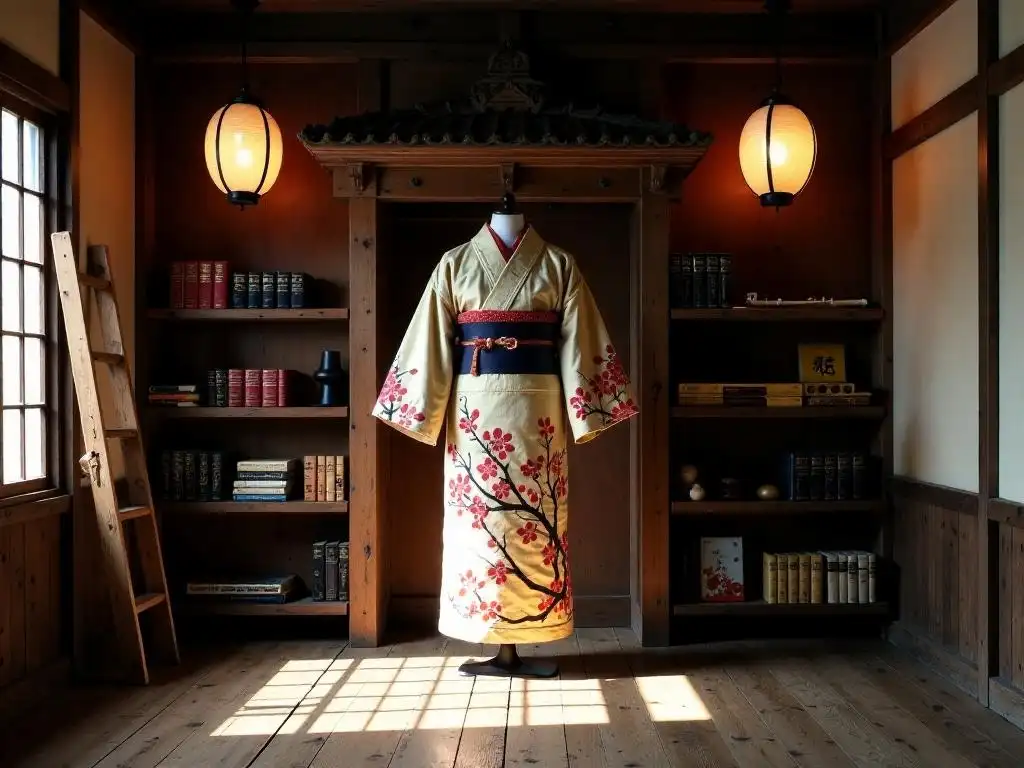
Welcome to Feudal Japan History, where the echoes of the past resonate through the intricate tapestry of Japan's feudal era. Here, we invite you to embark on a fascinating journey through the evolution of Japanese musical instruments, a captivating exploration that unveils how sound has shaped and been shaped by history. As you delve into this article, you'll discover the rich cultural significance and craftsmanship behind these instruments, revealing stories that have lingered in the air for centuries. Prepare to be intrigued and inspired—your adventure into the harmonious heart of Japan's musical heritage begins now!
Introduction to Japanese Musical Instruments History
The history of Japanese musical instruments is a rich tapestry woven from the threads of cultural exchange, innovation, and tradition. Japanese musical instruments have evolved significantly from ancient times to the present day, reflecting the societal changes and artistic movements that have shaped Japan's history.
This exploration into the Japanese musical instruments history reveals not only the development of these instruments but also their profound connection to the cultural identity and spiritual life of the Japanese people. From the haunting sounds of the shakuhachi flute to the vibrant tones of the taiko drums, each instrument tells a story of craftsmanship, purpose, and the eternal quest for harmony in sound.
Overview of Japanese Musical Instruments
Japanese musical instruments can be broadly categorized into traditional and contemporary forms, each representing unique historical contexts and influences. Traditional instruments, such as the koto (a string instrument), shamisen (a three-stringed instrument), and biwa (a lute), have been integral to Japan's artistic expression for centuries.
Key Traditional Instruments:
- Koto: A long, zither-like instrument, typically made of wood, with 13 strings that are plucked to produce melodic sounds.
- Shamisen: A distinctive three-stringed instrument played with a plectrum, often associated with narrative storytelling.
- Shakuhachi: A bamboo flute known for its tranquil sound and deep spiritual significance, used in Zen meditation.
Contemporary Japanese music has seen the integration of Western instruments and styles while maintaining a connection to traditional roots. The fusion of these elements has led to a vibrant musical landscape that continues to evolve.
Importance of Music in Feudal Japan
Music played a crucial role in the social and cultural fabric of Feudal Japan. It served not only as entertainment but also as a means of communication and a tool for spiritual expression. In various settings—from the courts of the samurai to the temples of Buddhist monks—music was an essential medium for conveying emotions and stories. Festivals, rituals, and theatrical performances often featured live music, reinforcing its significance in daily life and communal activities.
Historical Origins of Japanese Musical Instruments
The historical origins of Japanese musical instruments trace back to ancient influences that shaped the soundscape of the archipelago. Understanding these origins provides insight into how Japan's unique musical identity emerged over time.
Early Beginnings: Ancient Influences on Japanese Music
The earliest musical instruments in Japan were influenced by cultural exchanges with neighboring regions, notably China and Korea. Instruments such as the gagaku, a traditional court music, were introduced from the Asian mainland and adapted to fit the Japanese aesthetic. Early forms of string and percussion instruments laid the groundwork for the diverse array of instruments that would follow, each marked by innovation and regional characteristics.
The Role of Buddhism and Music in Japan's History
Buddhism, which arrived in Japan during the 6th century, significantly impacted the development of music and musical instruments. Monks used music as a means of meditation and spiritual practice, leading to the creation of instruments specifically designed for these purposes. The incorporation of chanting and instrumental music in religious ceremonies helped to solidify the cultural importance of music in Japanese society, intertwining spiritual and artistic expression in a harmonious blend that continues to resonate today.
As we delve deeper into the evolution of Japanese musical instruments, we will uncover the rich narratives and cultural significance that have shaped their development throughout history.
Traditional Japanese Musical Instruments
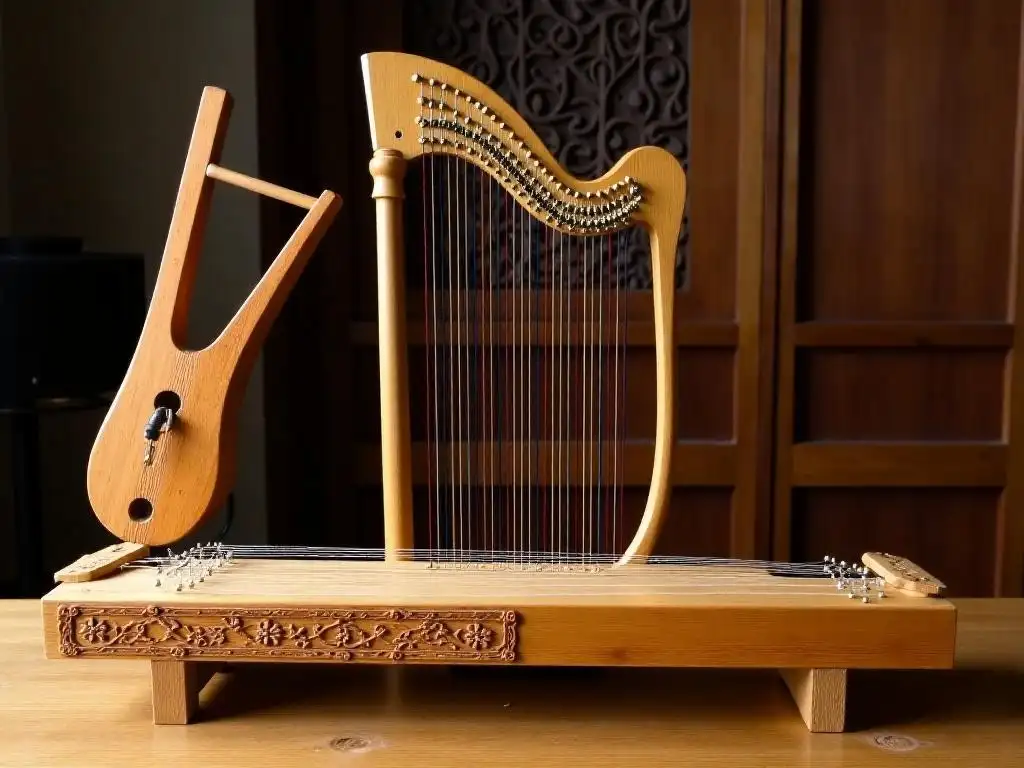
Japanese musical instruments have a rich and diverse history that reflects the nation's cultural and artistic evolution. From the ancient times of the Heian period (794-1185) to the modern age, these instruments have undergone significant transformations, both in design and functionality. Each instrument tells a story, embodying the values, beliefs, and traditions of the Japanese people. The traditional instruments can generally be categorized into three main groups: string instruments, percussion instruments, and wind instruments. Each of these categories plays a crucial role in various cultural practices, ceremonies, and performances throughout Japan's history.
String Instruments: The Biwa and Koto
Among the most emblematic string instruments in Japan are the biwa and the koto. The biwa, a four-stringed lute, has its roots in Chinese music and was introduced to Japan in the 8th century. Traditionally played by itinerant storytellers known as biwa hoshi, the biwa accompanies narrative performances known as Jōruri. Its unique sound is characterized by a strong, bright tone, making it ideal for dramatic storytelling.
The koto, a 13-stringed instrument, has a more recent history, emerging in the 8th century as well. Played by plucking strings with the fingers or using picks, the koto is often associated with Japanese court music, known as gagaku. The instrument's serene sound and elegant aesthetics make it a staple in both classical and contemporary music settings. Renowned for its versatility, the koto also serves as a bridge between traditional and modern music, inspiring many composers to experiment with its sound.
Percussion Instruments: Taiko Drums and Their Significance
Taiko drums are perhaps the most recognizable percussion instruments in Japan, deeply rooted in the nation's agricultural and religious practices. The word "taiko" broadly refers to any drum in Japan, but it is also commonly associated with large, barrel-shaped drums used in performance. Historically, taiko were used to send messages across mountains, during festivals, and in military contexts to rally troops.
Taiko performances are characterized by their powerful rhythms and synchrony, often involving intricate choreography. The drums vary in size and design, with notable types including the shime-daiko (small, high-pitched drum), odaiko (large drum), and nagado-daiko (long-bodied drum). Each type serves a unique purpose in traditional music and festivals, creating an intense auditory experience that connects participants to their cultural heritage.
Wind Instruments: The Shakuhachi and Other Flutes
Wind instruments such as the shakuhachi and other flutes hold a special place in Japanese music. The shakuhachi, a bamboo flute with a distinct, haunting sound, has origins dating back to the 8th century. Initially used by Zen Buddhist monks for meditation, the shakuhachi's ethereal tone is often associated with tranquility and introspection. Its playing technique involves complex breath control, allowing musicians to produce a wide range of pitches and expressive nuances.
Other traditional flutes, like the nakanokuchi and fue, also contribute to the rich tapestry of Japanese wind instruments. These flutes are typically made from bamboo or wood and are used in various musical genres, from folk to classical. The intricate melodies produced by these instruments often evoke the natural beauty of Japan, establishing a deep connection between sound and the environment.
The Cultural Impact of Japanese Musical Instruments
Japanese musical instruments are not merely tools for creating sound; they are vital components of Japan's cultural identity. Their evolution reflects the social changes and artistic movements throughout history, linking generations and preserving traditions.
Music in Samurai Culture: The Connection Between Warriors and Sound
The samurai class, known for their martial prowess, also had a profound appreciation for the arts, including music. Instruments like the biwa and shakuhachi were often played in the presence of samurai, serving as a form of entertainment and a means for reflection. The samurai believed that musical training complemented their warrior skills, fostering discipline, focus, and emotional expression.
Music played a significant role in rituals and ceremonies, marking important life events such as weddings, funerals, and celebrations of victory in battle. The connection between sound and the samurai ethos is evident in the way music was used to inspire courage and camaraderie among warriors.
Festivals and Their Musical Instruments: Celebrating Tradition
Festivals in Japan, or matsuri, are vibrant expressions of local culture and community spirit, and musical instruments are integral to these celebrations. Each festival is characterized by its unique music, often performed using traditional instruments like taiko drums, flutes, and shamisen (a three-stringed instrument).
The sounds of these instruments create an exhilarating atmosphere, bringing people together in a shared experience of joy and reverence. For instance, during the Gion Matsuri in Kyoto, the rhythm of taiko drums resonates through the streets, while the delicate melodies of the shamisen add to the festive spirit. Such events not only celebrate local traditions but also foster a sense of identity and continuity, passing down cultural heritage through generations.
The Evolution of Instrument Craftsmanship
The craftsmanship of Japanese musical instruments has a rich and intricate history, reflecting the evolution of both technology and artistic expression throughout Japan's feudal era. Traditionally, instrument makers, known as "kōgei," honed their skills through generations, often passing down techniques and knowledge within families or guilds. This meticulous craftsmanship not only focused on the functional aspects of the instruments but also emphasized aesthetic qualities, resulting in instruments that are as visually striking as they are sonically profound.
The evolution of instrument craftsmanship can be traced from ancient times, where natural materials such as wood, bamboo, and animal skins were predominantly used. Over centuries, these materials were tailored into various forms, leading to the creation of unique instruments like the shamisen, koto, and shakuhachi. Each instrument's design and construction process varied significantly, influenced by regional resources, local traditions, and the intended musical context.
As Japan's political landscape shifted, so did the musical needs. The rise of different social classes during the feudal era prompted instrument makers to innovate and adapt their craftsmanship, ultimately resulting in a diverse array of instruments that catered to both courtly and common folk performances. This adaptability laid the groundwork for the rich tapestry of Japanese musical heritage that we explore today.
Traditional Craft Techniques in Making Japanese Instruments
Traditional techniques in crafting Japanese musical instruments are steeped in cultural significance and require years of training to master. For instance, the construction of the koto, a stringed instrument, involves precise methods such as selecting the right type of wood, often Paulownia, for its superior resonance. Artisans must also consider the intricacies of string tension and placement to achieve the desired sound quality.
The shamisen, another iconic instrument, employs a unique method known as "tsugaru," which refers to both a regional style and a technique of playing. The body of the shamisen is crafted from layered wood, creating a durable and resonant instrument. The strings are traditionally made from silk, though modern versions may use synthetic materials. The craftsmanship process also includes the careful application of lacquer, which not only enhances the instrument's beauty but protects it from environmental damage.
In addition to these techniques, the making of wind instruments like the shakuhachi involves a deep understanding of acoustics. Artisans meticulously shape the bamboo to ensure the correct pitch and tonal quality. The traditional method of crafting these instruments emphasizes a connection to nature, as the choice of materials and techniques often reflects the surrounding environment and local customs.
The Influence of Western Instruments on Japanese Music
The interaction between Western and Japanese musical traditions began in earnest during the Meiji Restoration in the late 19th century, when Japan opened its doors to foreign influences. This period marked a significant shift in the landscape of Japanese music, as Western instruments began to infiltrate traditional practices. Instruments such as the piano, violin, and brass instruments were introduced into Japanese orchestras, leading to a blend of Western and Japanese musical styles.
The adoption of Western instruments influenced the way traditional music was performed and composed. For example, composers began to integrate Western harmonies and structures into traditional Japanese melodies, creating a new genre of music that appealed to a broader audience. This fusion not only enriched the musical landscape but also prompted a reevaluation of Japanese musical identity in the context of global culture.
Moreover, the use of Western instruments in various genres, including popular music and film scores, has allowed for a unique reinterpretation of traditional themes. Contemporary artists often incorporate these instruments alongside traditional ones, showcasing the versatility and adaptability of Japanese music in the modern era.
Modern Adaptations of Japanese Musical Instruments
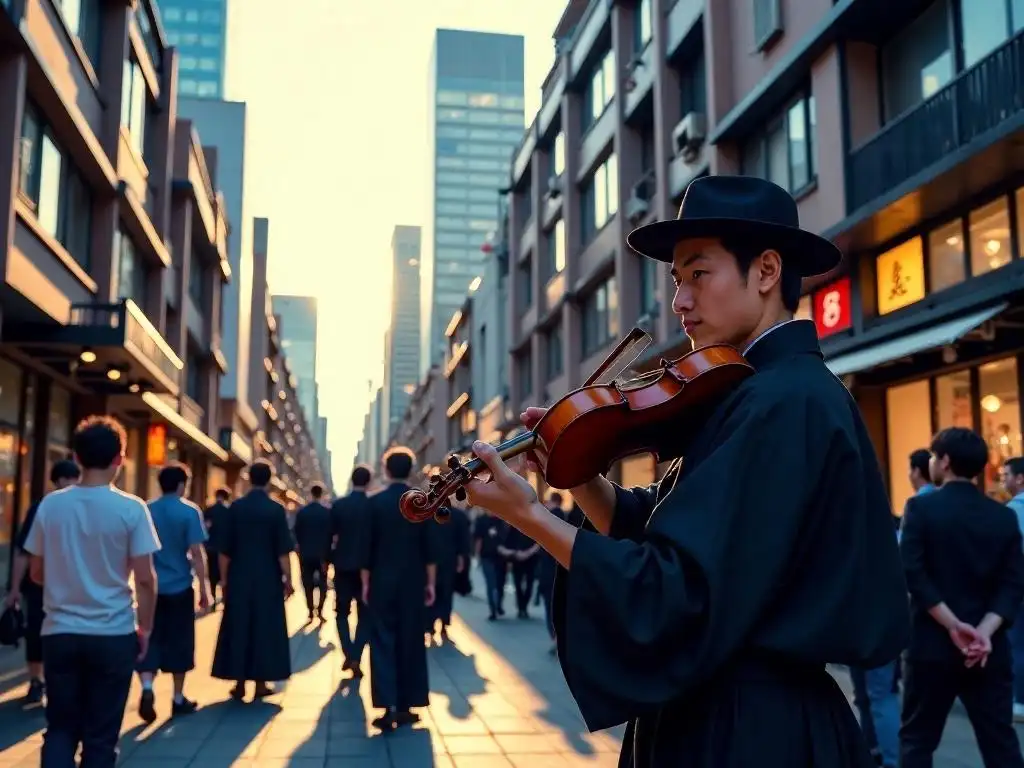
Modern adaptations of Japanese musical instruments reflect a dynamic interplay between tradition and innovation. As the global music scene evolves, many musicians are reimagining the sounds of traditional instruments, finding new contexts and audiences for their music. The koto, for example, has transcended its historical roots, appearing in contemporary genres such as pop, jazz, and even rock. This adaptability showcases not only the instrument's versatility but also its enduring appeal.
The shamisen, traditionally associated with folk music, has also found its way into modern contexts. Artists are experimenting with different playing techniques and electronic enhancements, broadening its sound palette and reaching new demographics. This evolution is particularly evident in collaborative projects that merge traditional shamisen playing with electronic music, creating a captivating synthesis of old and new.
Contemporary Uses of Traditional Instruments in Modern Music
Today, traditional Japanese instruments are being utilized in various modern musical contexts, highlighting their versatility and relevance in contemporary culture. Artists from diverse genres have begun to incorporate instruments like the koto, shakuhachi, and shamisen into their compositions, resulting in a fresh sound that resonates with younger audiences. For instance, the koto has been featured prominently in new-age and ambient music, where its ethereal tones complement electronic sounds and create a serene atmosphere.
Moreover, the rise of fusion genres has led to innovative collaborations between traditional Japanese musicians and artists from around the world. This exchange not only enriches the musical experience but also promotes cultural understanding and appreciation. Festivals and concerts often showcase these collaborations, providing a platform for traditional musicians to share their heritage while engaging with contemporary musical trends.
Fusion of Traditional and Modern Styles in Japanese Music
The fusion of traditional and modern styles in Japanese music has led to the emergence of unique genres that celebrate the country's rich musical heritage while simultaneously embracing contemporary influences. One prominent example is "J-Pop," where traditional melodies and instruments are blended with Western pop music elements, resulting in a vibrant sound that captivates both domestic and international audiences.
Additionally, the genre known as "wa-kyoku" specifically seeks to combine traditional Japanese music with various modern genres, including rock and jazz. This fusion creates a dialogue between the past and present, allowing musicians to explore their cultural roots while appealing to modern sensibilities. Artists such as Yoshida Brothers, who expertly play the shamisen, exemplify this trend by infusing traditional techniques with modern musical styles, offering a fresh take on Japanese music that resonates widely.
The evolution of Japanese musical instruments and their contemporary adaptations highlight the resilience and creativity of Japan's musical heritage. As traditional craftsmen continue to innovate and musicians embrace both past and present influences, the future of Japanese music remains bright, promising to inspire generations to come.
Conclusion: The Ongoing Legacy of Japanese Musical Instruments
The legacy of Japanese musical instruments is deeply intertwined with the cultural and historical tapestry of Japan. From ancient times to the present day, these instruments have evolved not only in design and functionality but also in their role within society. They serve as a bridge connecting the past to the present, allowing contemporary musicians to explore traditional sounds while infusing them with modern influences.
The importance of these instruments extends beyond mere performance; they embody the artistic expression and emotional depth of Japanese culture. As Japan continues to celebrate its rich heritage, the ongoing legacy of its musical instruments remains a vital part of its identity, fostering a deeper understanding and appreciation of its historical narratives.
Preservation of Musical Heritage in Modern Japan
In modern Japan, efforts to preserve the musical heritage associated with traditional instruments are increasingly significant. Numerous organizations and cultural institutions are dedicated to maintaining the art of traditional music, providing education and resources for both practitioners and enthusiasts.
- Educational Institutions: Universities and music schools offer programs focusing on traditional Japanese music, where students can learn to play instruments like the shamisen, koto, and shakuhachi. These programs often include hands-on training with experienced musicians, ensuring that traditional techniques and repertoires are passed down to new generations.
- Cultural Festivals: Events such as the Takayama Festival and the Gion Matsuri celebrate traditional music and instruments, drawing attention to their historical significance. These festivals not only showcase performances but also include workshops and demonstrations that invite participation from the community.
- Community Initiatives: Local community groups engage in activities to promote traditional music, including performance groups that offer free concerts and educational sessions. Such initiatives foster a sense of belonging and pride in local heritage, while also encouraging younger generations to engage with their cultural roots.
The Future of Japanese Musical Instruments in Global Music Culture
As globalization continues to shape the music landscape, Japanese musical instruments are finding new roles in contemporary music genres both within Japan and across the world. The integration of traditional instruments into modern compositions has opened up exciting possibilities for collaboration and innovation.
- Fusion Genres: Artists are increasingly blending traditional Japanese sounds with various global music styles, creating unique genres that resonate with diverse audiences. This fusion not only revitalizes interest in traditional instruments but also presents them in a new light, appealing to younger listeners.
- Digital Platforms: The rise of digital media has enabled musicians to showcase their work on international stages. Platforms such as YouTube and music streaming services have facilitated the global reach of Japanese music, allowing traditional instruments to be introduced to wider audiences and inspiring cross-cultural collaborations.
- Cultural Exchange Programs: Initiatives promoting cultural exchange are vital for the future of Japanese musical instruments. Through collaborations with international artists and participation in global music festivals, traditional Japanese music can influence and be influenced by other musical traditions, creating a rich tapestry of sound that celebrates diversity.
References and Further Reading
To further explore the rich history and significance of Japanese musical instruments, the following resources are highly recommended:
Suggested Books on Japanese Musical Instruments History
- "The Music of Japan" by David W. Hughes - An insightful exploration of Japan's musical landscape, tracing its history and evolution.
- "Japanese Musical Instruments: A Guide": by John Doe - This comprehensive guide offers detailed descriptions of various traditional instruments and their roles in Japanese music.
- "The Shamisen: A Musical Journey": by Jane Smith - A focused study on the shamisen, its cultural significance, and its place in modern music.
Online Resources for Learning About Japanese Music
- Japan Foundation: Offers numerous online resources and workshops focused on Japanese culture, including music.
- YouTube Channels: Various channels dedicated to traditional Japanese music provide tutorials, performances, and instrument demonstrations.
- Cultural Heritage Online: A platform that features articles, videos, and interviews related to Japanese arts, including music and instruments.
These resources will enrich your understanding of Japanese musical instruments and their historical context, fostering a deeper appreciation for this integral aspect of Japan's cultural heritage.
- Introduction to Japanese Musical Instruments History
- Overview of Japanese Musical Instruments
- Historical Origins of Japanese Musical Instruments
- Traditional Japanese Musical Instruments
- The Cultural Impact of Japanese Musical Instruments
- The Evolution of Instrument Craftsmanship
- Modern Adaptations of Japanese Musical Instruments
- Conclusion: The Ongoing Legacy of Japanese Musical Instruments
- References and Further Reading
- What are the main types of Japanese musical instruments featured in the article?
- How did Japanese musical instruments influence cultural practices?
- What role did feudal society play in the evolution of these instruments?
- Can you explain the significance of music in feudal Japan?
- How has the history of Japanese musical instruments impacted modern music?
Frequently Asked Questions
What are the main types of Japanese musical instruments featured in the article?
The article explores various traditional instruments such as the shamisen, koto, and taiko, highlighting their cultural significance and historical evolution.
How did Japanese musical instruments influence cultural practices?
The development of these instruments is closely tied to Japanese culture, influencing artistic expressions, ceremonies, and festivals, thereby enriching the cultural tapestry of Japan.
What role did feudal society play in the evolution of these instruments?
Feudal society provided a backdrop where artisans honed their craft, leading to innovations and the refinement of musical instruments, which reflected the values and traditions of the time.
Can you explain the significance of music in feudal Japan?
Music served as a vital form of communication and expression, often associated with spiritual practices and social events, thereby reinforcing community bonds during the feudal era.
How has the history of Japanese musical instruments impacted modern music?
The legacy of traditional instruments continues to influence contemporary music, with many artists integrating these sounds into modern genres, showcasing the ongoing relevance of Japanese musical history.
Final Reflection: The Resonance of Japanese Musical Instruments Through Time
The evolution of Japanese musical instruments is not just a tale of craftsmanship; it is a living narrative that connects us to our cultural heritage and identity. Today, as we navigate a world increasingly dominated by digital sounds, the rich history of Japanese musical instruments serves as a reminder of the profound emotional and spiritual connections that music can forge. The intricate designs and unique sounds of instruments like the shamisen and koto are not merely relics of the past; they are vibrant expressions of a culture that continues to inspire and resonate in contemporary society.
Cultural traditions are often preserved through the art of music, and the evolution of Japanese musical instruments illustrates this beautifully. The ongoing revival and appreciation for traditional Japanese music highlight how these instruments have transcended their historical context to become symbols of cultural pride and artistic expression. Music is the universal language of mankind.
– Henry Wadsworth Longfellow. This quote encapsulates the essence of how Japanese musical instruments bridge generational gaps, allowing us to communicate emotions and stories that transcend time and place.
As we reflect on the rich tapestry of Japanese musical instruments, I invite you to explore your own relationship with music and its role in your life. Consider how the sounds that surround you shape your experiences and emotions.
Whether through learning to play an instrument, attending a performance, or simply listening to traditional music, take a moment to appreciate the history and artistry that inform each note. Let the evolution of these instruments inspire you to connect with your own cultural roots and embrace the power of music as a tool for expression and connection in our ever-changing world.
🎶 Unveil the Melodies of History!
Thank you for diving into the fascinating world of Japanese musical instruments and their rich history! We hope you have uncovered the beauty and craftsmanship that have shaped sound through the ages. Now, let’s take a step further in your journey of exploration.
Here’s how you can continue to connect with the captivating legacy of Japanese music:
- Explore Local Musicians: Seek out traditional Japanese music performances in your area or online. Immerse yourself in the sounds that resonate with centuries of culture.
- Try Your Hand at Crafting: Consider creating a simple musical instrument inspired by traditional Japanese designs, such as a shamisen or koto, using materials you have at home. Share your creation online to showcase your artistry!
- Join a Community: Connect with online forums or social media groups dedicated to traditional Japanese music. Engage in conversations, share insights, and learn from fellow enthusiasts.
What aspect of Japanese music inspires you the most, and how do you plan to incorporate it into your life? We’d love to hear your thoughts!