
Naval Warfare and the Unification of Japan: A Historical Perspective

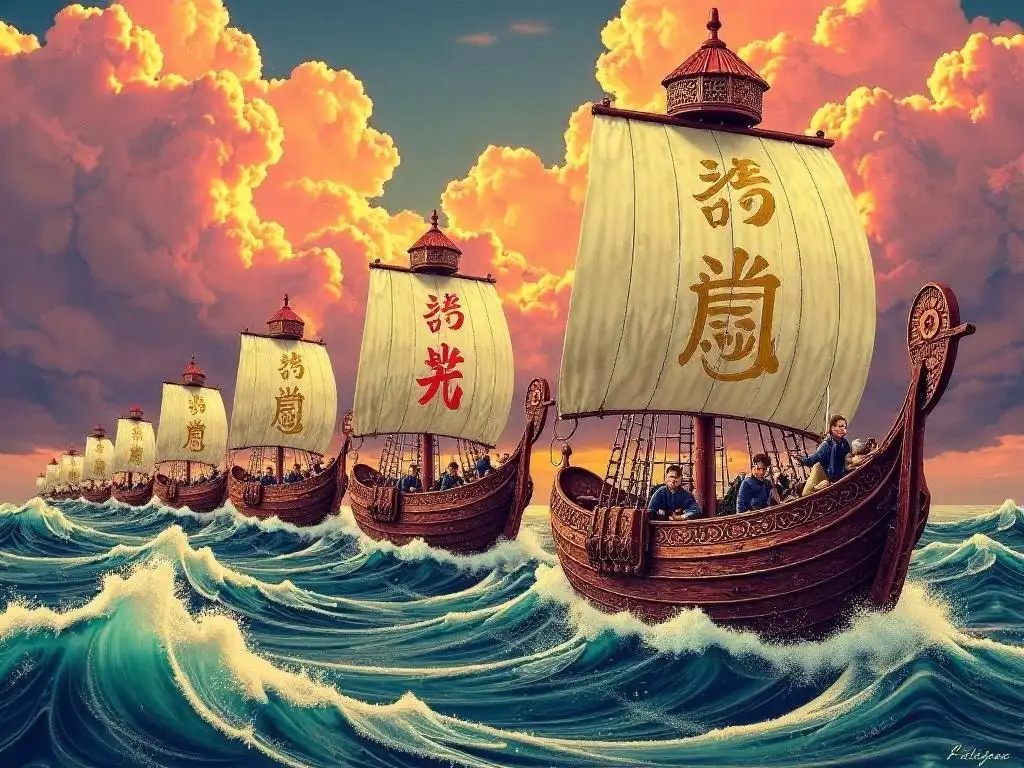
Welcome to Feudal Japan History, where we invite you to embark on an extraordinary journey through the captivating world of Japan’s feudal era. Here, we delve deep into the intricate tapestry of history, culture, and society, shedding light on the pivotal events that shaped a nation. Prepare to be intrigued as we explore our featured article, “Naval Warfare and the Unification of Japan: A Historical Perspective,” which unveils the strategic naval battles that played a crucial role in unifying Japan.
What secrets lie beneath the waves? Join us as we uncover the profound impact of maritime conflicts on the course of history, and discover why this era continues to resonate today.
- Naval Warfare in Feudal Japan: An Overview of Historical Significance
- Major Naval Conflicts in Feudal Japan
- Key Figures in Japanese Naval Warfare
- Naval Technology and Innovations in Feudal Japan
- The Cultural Impact of Naval Warfare on Japanese Society
- The Unification of Japan and Its Effect on Naval Warfare
- Lessons from Naval Warfare in Feudal Japan
- Conclusion: The Lasting Legacy of Naval Warfare in Feudal Japan
-
Frequently Asked Questions
- What is the significance of naval warfare in Feudal Japan?
- How did naval battles influence political power in Japan?
- What were the main naval strategies used during Feudal Japan?
- How did geography affect naval warfare in Feudal Japan?
- What role did technology play in naval warfare during this period?
- Final Reflection: The Enduring Legacy of Naval Warfare in Feudal Japan
- Embark on a Journey Through Japan’s Naval Legacy!
The feudal era of Japan, spanning from the late 12th century to the early 17th century, was a complex tapestry of power struggles, cultural evolution, and military innovation. Among the myriad of factors that influenced this transformative period, naval warfare played a crucial yet often underappreciated role.
This article aims to provide a comprehensive exploration of how naval engagements shaped the political landscape of feudal Japan, contributing significantly to the unification of the nation under powerful warlords. By delving into the strategies, technologies, and historical events that defined naval warfare during this era, we aim to shed light on its profound impact on Japan's military history and the eventual emergence of a centralized state.
Naval warfare in feudal Japan was not merely a series of battles fought on water; it was an essential component of political machinations and territorial expansions. The strategic positioning of Japan as an island nation meant that control over the seas was indispensable for trade, communication, and military operations. The following points highlight the pivotal role of naval warfare during this period:
- Defense and Expansion: Coastal provinces needed robust naval forces to defend against external threats, such as pirate raids and invasions from rival clans. Control of the seas allowed for the expansion of trade routes and territories.
- Communication and Supply Lines: Naval vessels facilitated the movement of troops and supplies, thereby enhancing the effectiveness of land campaigns. The ability to rapidly deploy forces across islands was crucial during conflicts like the Genpei War (1180-1185).
- Cultural Exchange: The maritime activities fostered cultural interactions with neighboring regions, particularly with China and Korea, enriching Japan's own cultural fabric.
The interactions and engagements at sea were often reflections of the larger socio-political dynamics at play, making naval warfare an integral part of feudal Japan's history.
Importance of Maritime Strategies in Feudal Japan
The strategic application of naval power was vital for the success of various clans and warlords throughout Japan's feudal period. Several factors contributed to the significance of maritime strategies, including:
- Tactical Innovations: The development of specialized ships, such as the atakebune, a type of warship designed for combat, showcased the evolution of naval technology and tactics. These vessels were instrumental during key naval battles, such as the Battle of Dan-no-ura in 1185.
- Alliance and Rivalry: Maritime strength often dictated the balance of power among feudal lords. Clans with superior naval capabilities were able to establish alliances and exert influence over coastal regions, leading to shifting power dynamics.
- Economic Impact: Control of sea routes allowed clans to dominate trade, significantly impacting their wealth and resources. This economic advantage translated into greater military capabilities, further solidifying their positions within the feudal hierarchy.
Naval warfare was a defining element of Japan's feudal era, intricately linked to the broader narratives of power, culture, and society. Understanding this maritime dimension provides valuable insights into the complexities of Japan's historical unification and the evolution of its military strategies.
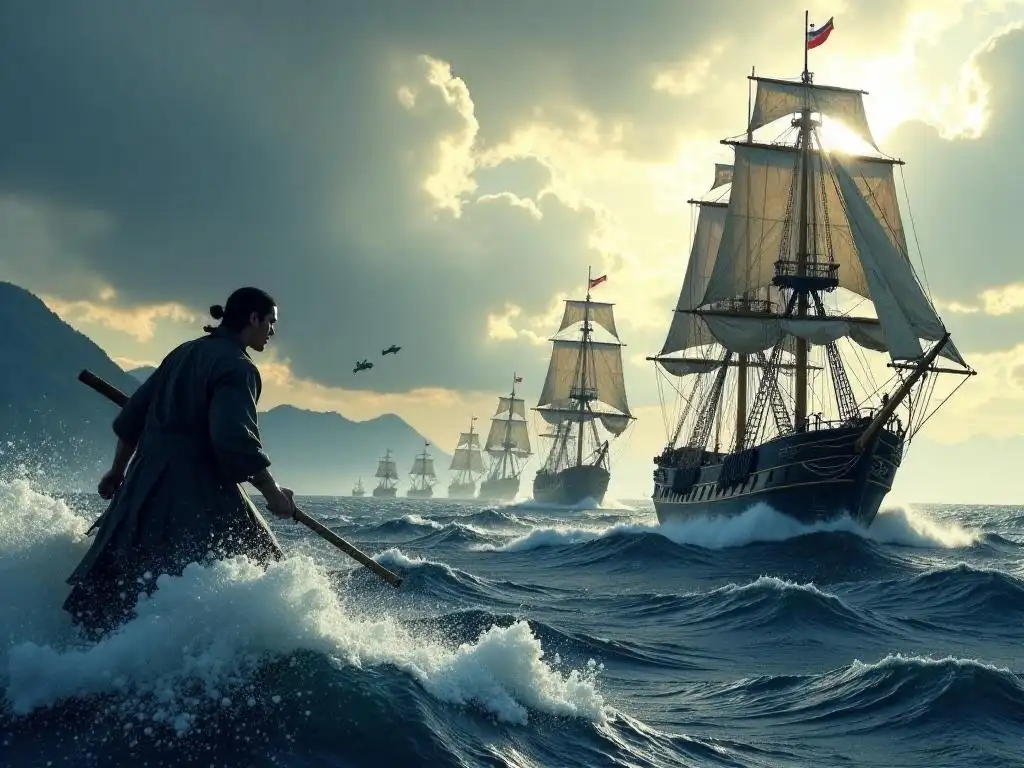
The feudal era in Japan was marked by significant naval conflicts that played a crucial role in shaping the country's political landscape. Understanding these major naval battles provides insight into the strategies employed and the cultural implications of naval warfare in feudal Japan. This section explores three pivotal conflicts: the Genpei War, the Mongol Invasions, and the Onin War, highlighting their respective naval engagements.
The Genpei War (1180–1185) was a decisive conflict between the Taira and Minamoto clans, laying the groundwork for the establishment of the Kamakura shogunate. While much of the fighting was terrestrial, naval confrontations significantly influenced the outcome.
- Naval Engagements: Key battles such as the Battle of Dan-no-ura epitomized the naval strategies of the time. This battle, fought in 1185, was not only a confrontation between warriors but also a tactical showcase of naval prowess. The Minamoto forces, utilizing superior tactics and knowledge of the tides, secured a crucial victory.
- Tactics and Technology: The ships used during this period, called atakebune, were large, flat-bottomed vessels that provided stability in shallow waters. The Taira employed a fleet of these ships, but the Minamoto's strategic maneuvering allowed them to exploit weaknesses in the Taira's formations.
Quote: "The ocean was as much a battlefield as the land, and the outcome of these naval battles determined the fate of clans."
The Genpei War's naval battles not only showcased military strategies but also reflected the importance of maritime power in the unification process of Japan.
The Mongol invasions of Japan in 1274 and 1281 represented a significant threat to the island nation. These invasions highlighted the need for robust naval defenses and demonstrated the effectiveness of Japanese maritime strategies.
- Invasion Attempts: Kublai Khan’s forces launched two major invasions, both of which encountered fierce resistance. The first invasion in 1274 saw the Mongols attempt to land on Kyushu, only to be thwarted by the local samurai and an unexpected typhoon, later termed "kamikaze" or divine winds.
- Naval Preparedness: Japan's defense relied heavily on the coordination of land and naval forces. The samurai's ability to adapt to naval warfare and utilize their knowledge of local waters played a pivotal role in repelling the invasions.
| Year | Event | Outcome |
|---|---|---|
| 1274 | First Mongol Invasion | Stalemate, Mongols retreated |
| 1281 | Second Mongol Invasion | Total defeat due to typhoon and resistance |
The Mongol invasions underscored the evolution of naval warfare in feudal Japan, demonstrating the importance of both strategy and environmental factors in military success.
The Onin War (1467–1477), while primarily a civil conflict in Kyoto, also witnessed notable naval engagements. The war stemmed from disputes between the Hosokawa and Yamana clans and escalated into a broader struggle for power.
- Naval Elements: Though land-based, the conflict involved control over supply routes and coastal areas, leading to engagements that required naval involvement to secure resources and troop movements. The factions utilized their fleets to transport supplies and reinforcements, emphasizing the interconnectedness of land and sea in warfare.
- Impact on Warfare: The naval engagements during the Onin War demonstrated a shift in military strategy, where control of rivers and coastal areas became as crucial as battlefield victories. This period illustrated how naval capabilities could influence land conflicts, leading to a more integrated approach to warfare.
Insight: "In the Onin War, the naval forces served not just as a military arm but as a vital logistical network critical for sustaining land operations."
The Onin War exemplified the complexities of warfare in feudal Japan, revealing how naval power and land battles were intertwined, ultimately affecting Japan's path toward unification.
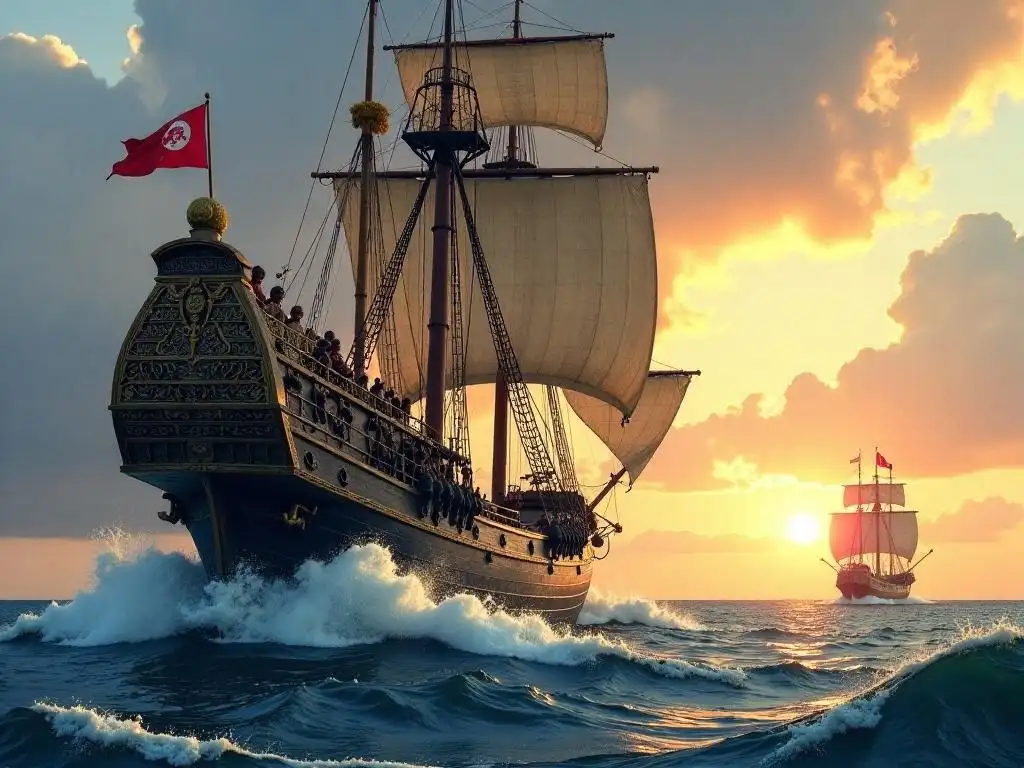
The history of naval warfare in feudal Japan is marked by the contributions of various key figures whose strategic decisions and leadership significantly influenced naval battles and the overall maritime landscape of the era. Understanding these individuals provides insight into how naval power shaped the course of Japanese history.
Admirals and Leaders of Feudal Japan
Throughout the feudal period, several admirals and military leaders emerged as pivotal in the development and execution of naval warfare strategies. Notable figures include:
- Admiral Taira no Kiyomori: A prominent leader of the Taira clan during the late Heian period, Kiyomori was instrumental in expanding Taira naval power. His fleet played a crucial role in the Genpei War (1180-1185), particularly in the Battle of Dan-no-ura, where he commanded a formidable naval force. Kiyomori’s strategies emphasized the importance of controlling vital waterways, which allowed the Taira to dominate their rivals temporarily.
- Minamoto no Yoshitsune: Although primarily known for his land battles, Yoshitsune’s naval engagements, particularly against the Taira clan, were essential in securing victory for the Minamoto. His innovative tactics and ability to adapt to maritime combat contributed to the success of the Minamoto forces during the Genpei War.
- Admiral Kuroda Nagamasa: During the Sengoku period, Kuroda Nagamasa became a prominent figure in naval strategy. His work involved not only traditional naval warfare but also the development of new ship designs and tactics that were well-suited for the tumultuous waters of the time. His strategies often included guerrilla tactics, effectively using smaller, faster ships to outmaneuver larger vessels.
These leaders exemplified the blend of military prowess and strategic innovation that characterized naval warfare during feudal Japan. Their legacies continue to be studied for their impact on Japan's maritime history.
Local warlords, or daimyōs, played a crucial role in shaping naval strategies during the feudal era. Their actions and decisions often dictated the outcomes of naval engagements and influenced the broader political landscape.
- Regional Control: Warlords like Oda Nobunaga and Toyotomi Hideyoshi recognized the strategic importance of controlling coastal regions and trade routes. Nobunaga’s establishment of a powerful naval presence allowed him to secure vital supply lines and disrupt his enemies’ access to resources. This understanding of regional dominance through naval power was key to the unification of Japan.
- Coalitions and Alliances: Many warlords formed temporary alliances to bolster their naval capabilities. The Battle of Kōan in 1584 showcased how coalitions could enhance naval strength. Warlords often pooled their resources to create larger fleets, which led to more significant naval confrontations and shifts in power dynamics. This practice was particularly evident during the Sengoku period, where shifting alliances could alter the balance of power overnight.
- Technological Adaptations: Local warlords also influenced innovations in shipbuilding and naval artillery. The introduction of Portuguese firearms and Western ship designs during the late 16th century transformed naval warfare. Warlords who embraced these technologies gained significant advantages over their adversaries, leading to more sophisticated naval strategies.
Local warlords had a profound impact on naval warfare in feudal Japan. Their strategies, alliances, and technological adaptations were pivotal in shaping the course of naval history, influencing both regional conflicts and the eventual unification of Japan.
Shipbuilding Techniques in Feudal Japan
During the feudal era, shipbuilding in Japan underwent significant innovations that were crucial for naval warfare. The construction of vessels was influenced by geographical factors, available materials, and the evolving needs of naval conflict. Traditional Japanese boats, such as the "waki-bune" and "atakebune," were designed for both transport and combat.
- Materials Used:
- Wood: The primary material was wood, particularly from trees like cedar and cypress, known for their durability and resistance to rot.
- Cordage and Sails: Natural fibers were commonly used for ropes and sails. Hemp and cotton provided the necessary strength for rigging and canvas.
- Construction Techniques:
- Lapped Planking: This method involved overlapping wooden planks to create a watertight hull, enhancing the vessel's ability to withstand rough seas.
- Keel and Frame: A strong keel was essential for stability and maneuverability. Frames were constructed to provide structural support, allowing ships to endure the stresses of naval combat.
The evolution of ship designs also included adaptations for specific warfare scenarios. For instance, larger ships like the "tachi" and "suiōbune" were developed for transporting troops and supplies during military campaigns. The ability to swiftly maneuver and effectively engage in combat became paramount, leading to an emphasis on speed and agility in ship design.
The armament of feudal Japanese naval vessels was as varied as the ships themselves, reflecting the tactical needs of the period. The "katana" and "tanto," traditional melee weapons, were commonly used by samurai aboard ships, but naval warfare also saw the introduction of specialized weaponry.
- Artillery:
- Tachiwari: A type of catapult that launched projectiles, such as stones or incendiary materials, towards enemy ships. These were crucial during sieges or naval blockades.
- Tōkan: Early forms of cannon, which were introduced in the late feudal period. These firearms had limited range and accuracy but represented a significant shift in naval armament.
- Ranged Weapons:
- Bows and Arrows: The longbow was a favored weapon among samurai, used for both naval and land engagements. Archers positioned on ships could provide cover for boarding actions or repel attackers.
- Fire Arrows: Specially designed arrows tipped with flammable materials were utilized to set enemy ships ablaze, creating chaos and destruction.
- Boarding Equipment:
- Grappling Hooks: Used to secure enemy vessels for boarding, allowing samurai to engage in close combat. This tactic was vital for overcoming larger ships with superior firepower.
The integration of these advancements in weaponry and naval technology not only enhanced Japan's naval capabilities but also played a critical role in the unification efforts during the late feudal period. The effectiveness of naval engagements often determined the outcome of land battles, showcasing the importance of naval warfare in feudal Japan as a decisive factor in the historical trajectory of the nation.
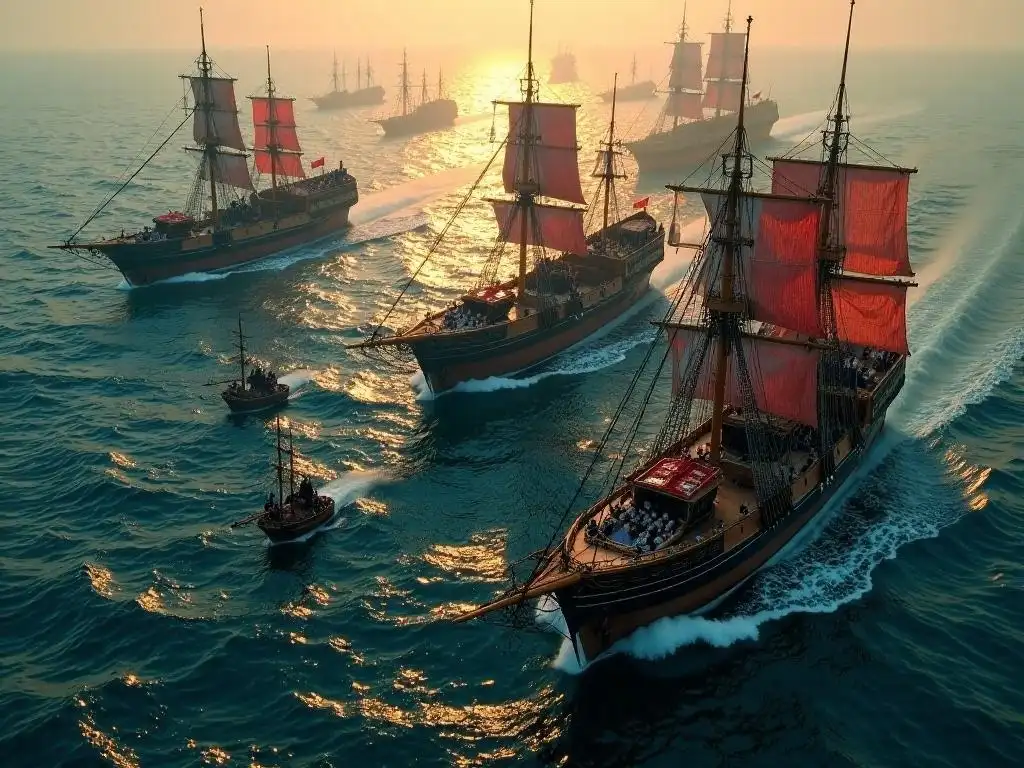
Naval warfare in feudal Japan was not only a significant military endeavor but also a powerful cultural force that shaped the societal landscape of the time. The maritime conflicts and the strategies employed had profound effects on the political, social, and artistic realms of Japanese life. This section explores how naval battles influenced various aspects of Japanese culture and society.
The naval battles of feudal Japan often became subjects of literary and artistic expression, reflecting the valor, strategy, and tragedy of maritime conflicts. Notable works include:
- Epic Poems and Chronicles: Naval battles were chronicled in historical texts such as the Heike Monogatari, which vividly narrates the Genpei War (1180-1185) between the Taira and Minamoto clans. This text highlights the significance of naval engagements and their outcomes, intertwining them with the ethos of honor and bravery.
- Paintings and Woodblock Prints: Artists like Katsushika Hokusai and Utagawa Hiroshige depicted naval battles and maritime scenes in their works. These art forms not only celebrated the beauty of ships and the sea but also immortalized the heroism of the warriors involved in naval conflicts.
- Theatrical Representations: Kabuki and Noh theater incorporated naval warfare themes, portraying the struggles and exploits of samurai at sea. These performances served to educate the public about historical events while reinforcing cultural values, such as loyalty and sacrifice.
The portrayal of naval warfare in these artistic mediums often contributed to the romanticization of the samurai spirit, elevating the status of naval commanders and their legacies within the cultural memory of Japan.
Naval warfare in feudal Japan was closely tied to the samurai code, known as Bushido. This code emphasized virtues such as loyalty, honor, and bravery, which were crucial for samurai engaged in naval conflicts. The principles of Bushido manifested in various ways during maritime engagements:
- Strategic Decision-Making: Samurai warriors were expected to demonstrate tactical acumen during naval battles. The ability to maneuver ships effectively and engage the enemy with precision reflected not only military skill but also personal honor.
- Loyalty to Clans: Naval commanders often fought for their clans, exhibiting unwavering loyalty. This loyalty was a key tenet of Bushido, as losing a battle could bring disgrace not only to the individual warrior but also to their entire clan. This sense of responsibility created a fierce commitment to success in naval warfare.
- Heroic Narratives: The actions of samurai during naval conflicts contributed to the creation of heroic narratives that celebrated their adherence to Bushido. Tales of valor, sacrifice, and unwavering loyalty in the face of adversity were passed down through generations, solidifying the samurai's place in Japanese culture.
Through the lens of naval warfare, the principles of Bushido were not only tested but also reinforced, leading to a deeper understanding of the samurai's role in society and their impact on Japan’s maritime history.
The cultural impact of naval warfare on Japanese society during the feudal era was profound. It traversed literature and art, enriching the narrative of Japan's history and solidifying the samurai's legacy within the cultural fabric of the nation.
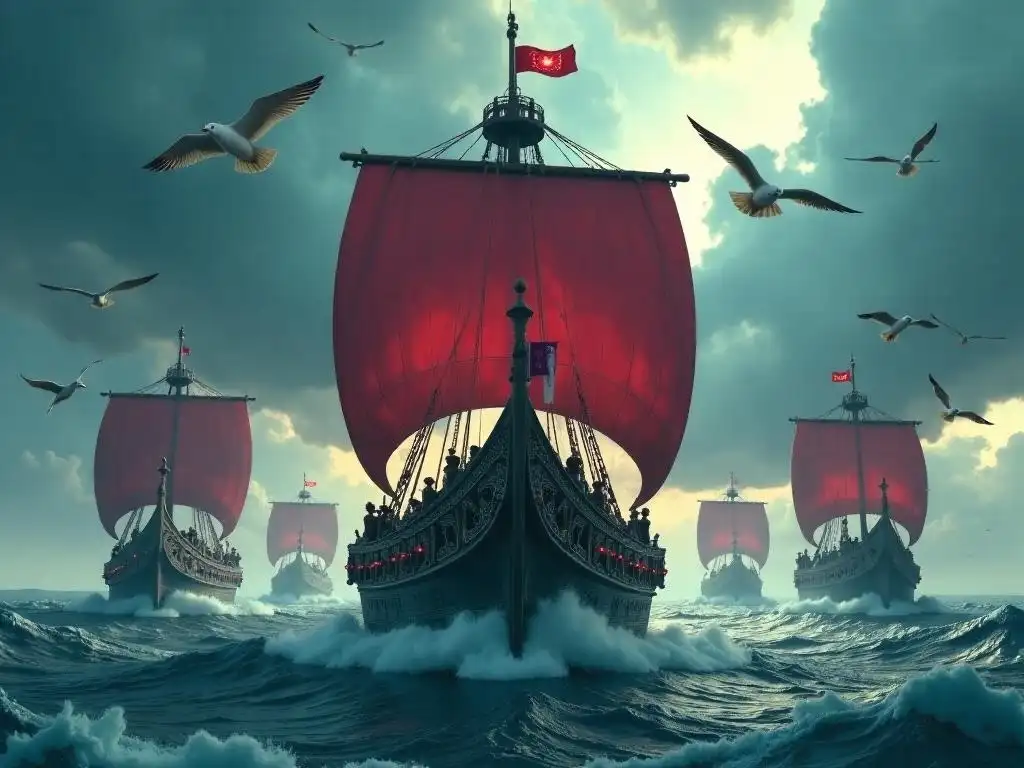
The unification of Japan during the late 16th century marked a significant turning point in its history, particularly in the realm of naval warfare. This period saw the rise of powerful daimyōs, who vied for control over various territories, necessitating the development of effective naval strategies and technologies. As Japan transitioned from a fragmented collection of warring states into a centralized nation under the Tokugawa shogunate, naval warfare evolved to meet the demands of this new political landscape.
Naval power played a crucial role in the unification of Japan, especially during the Sengoku period (1467-1603). The conflicts between daimyōs were not limited to land; control over sea routes and coastal territories was equally vital. The following factors illustrate how naval power was pivotal to the unification process:
- Control of Trade Routes: Control over maritime trade routes allowed daimyōs to secure vital resources and wealth. The emergence of powerful clans, such as the Wokou pirates, illustrated the importance of naval strength in protecting and controlling maritime commerce.
- Strategic Alliances: Naval capabilities facilitated alliances between clans. For instance, the alliance between Toyotomi Hideyoshi and the powerful naval clan of the Ōtomo allowed for increased naval operations, which were essential during his campaigns in Kyushu and beyond.
- Invasions and Expeditions: Hideyoshi's attempted invasions of Korea (the Imjin War, 1592-1598) highlighted how naval forces were employed in larger military strategies. Although these campaigns ultimately failed, they showcased the significance of a strong navy in executing expansive military operations.
- Technological Advancements: The introduction of European ships and gunpowder during this era led to advancements in naval warfare tactics. Junks and other vessels were adapted to improve combat effectiveness, reshaping the naval landscape.
As Japan unified under the Tokugawa shogunate, the approach to naval warfare underwent a significant transformation. This transition marked the shift from decentralized feudal naval engagements to a more organized and centralized military strategy. Key aspects of this transformation include:
- Institutionalization of Naval Forces: The Tokugawa regime established a formalized navy, which differed from the previous reliance on feudal lords and their personal fleets. This move allowed for better coordination and resource allocation, ultimately leading to more effective maritime operations.
- Focus on Internal Security: With the unification of Japan, the need for offensive naval campaigns diminished. Instead, the shogunate concentrated on internal security and the suppression of piracy, which had become a significant threat. This shift necessitated a reevaluation of naval priorities.
- Development of Naval Infrastructure: The Tokugawa shogunate invested in the construction of ports and shipyards, enhancing Japan’s naval capabilities. This infrastructure enabled the shogunate to maintain a standing navy that could respond to internal and external threats effectively.
- Integration of Western Naval Tactics: The late Edo period saw the introduction of Western naval tactics and technologies, as Japan began to open up to foreign influences. This integration marked a departure from traditional feudal practices and laid the groundwork for modernization in the Meiji Restoration.
The unification of Japan was a catalyst for the evolution of naval warfare, transitioning from a fragmented feudal system to a centralized military strategy that emphasized the importance of naval power in maintaining control and security. The developments during this period not only shaped Japan's military landscape but also influenced its interactions with the world beyond its shores.
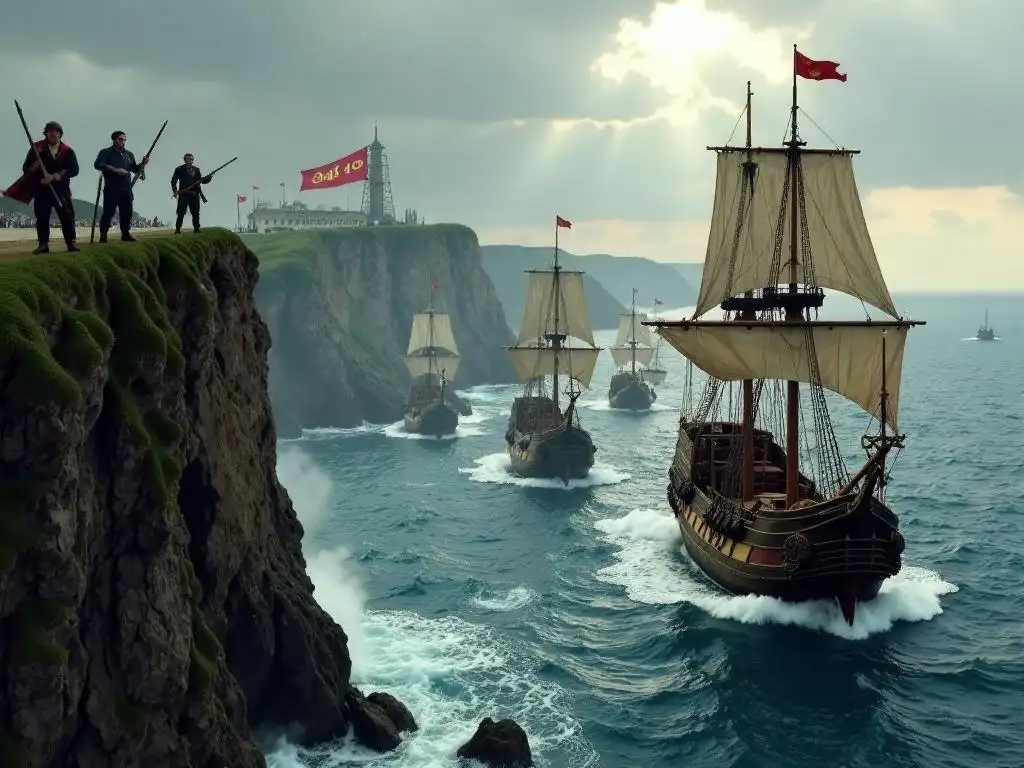
The naval warfare in feudal Japan was not merely a series of battles fought on water; it represented a critical component in the broader context of political power, territorial control, and cultural exchange. The lessons drawn from this era can provide valuable insights into both historical analysis and modern military strategies.
During the feudal period, particularly from the late 12th century to the early 17th century, control of the seas was essential for regional domination. Notable clans, such as the Minamoto and the Taira, understood that naval power could dictate the outcomes of land campaigns. The following points outline the strategic significance of naval control:
- Logistics and Supply Lines:
- Control over maritime routes allowed clans to secure supply lines for troops and resources. This logistical advantage was crucial during prolonged conflicts, enabling clans to sustain their military efforts over time.
- Troop Movement and Rapid Deployment:
- Naval forces provided the ability to quickly transport troops to strategic locations. For instance, during the Genpei War (1180-1185), the Minamoto clan utilized ships to move forces swiftly across the Inland Sea, often catching their opponents off guard.
- Economic Dominance:
- Economic control was intertwined with naval dominance. Clans that commanded the seas could oversee trade routes and maritime resources, enriching themselves and their allies. This economic power often translated into military strength.
- Psychological Warfare:
- The mere presence of a formidable naval fleet could deter potential adversaries. The fear of naval engagements often led to negotiations and surrenders without conflict, showcasing the psychological dimension of naval power.
- Cultural Exchange and Diplomacy:
- Naval control facilitated cultural exchanges and alliances through trade and diplomacy with neighboring countries, such as China and Korea. These interactions enriched Japanese culture and strengthened political ties, demonstrating the multifaceted role of naval warfare.
Implications for Modern Maritime Security in Japan
The lessons learned from naval warfare during the feudal era have significant implications for contemporary maritime security in Japan. As the geopolitical landscape evolves, Japan's historical experiences can inform its current strategies:
- Reinforcement of Maritime Defense:
- Recognizing the historical importance of naval power, Japan has been increasing its focus on maritime defense capabilities, especially in light of regional threats. This includes enhancing naval technology and fostering alliances with other maritime nations.
- Importance of Supply Chain Security:
- The feudal era highlighted the necessity of secure supply lines. Modern Japan must prioritize the protection of its maritime supply routes, particularly in the context of global trade dependencies and potential conflicts in the Asia-Pacific region.
- Strategic Alliances:
- Just as historical clans formed alliances for mutual benefit, Japan today continues to strengthen partnerships with allies like the United States and Australia. These alliances are crucial for a coordinated response to maritime threats.
- Crisis Management and Rapid Response:
- The ability to deploy forces quickly remains a critical aspect of national security. Modern naval strategies must incorporate rapid response capabilities, drawing lessons from the efficient troop movements of feudal Japan.
- Cultural Diplomacy:
- Finally, Japan can leverage its rich maritime history to strengthen cultural ties and diplomatic relations with neighboring countries. By fostering mutual understanding and cooperation, Japan can create a more stable maritime environment.
The lessons from naval warfare in feudal Japan not only shaped the historical landscape but also provide a framework for understanding and enhancing modern maritime security strategies. The strategic importance of naval control remains relevant as Japan navigates contemporary geopolitical challenges.
The impact of naval warfare in feudal Japan is significant, shaping not only the military strategies of the time but also the political landscape and cultural identity of the nation. The maritime conflicts and the development of naval technology during this period laid the groundwork for Japan's future naval prowess. Understanding this legacy is crucial for appreciating how naval warfare influenced the unification of Japan and its emergence as a formidable maritime power.
Reflections on Historical Maritime Practices
During feudal Japan, naval warfare was characterized by a series of engagements that reflected the complexities of both regional power dynamics and maritime strategies. The Genpei War (1180-1185), for instance, was pivotal in demonstrating the effectiveness of naval engagements, particularly the battles of Dan-no-ura, which ultimately decided the fate of the Taira clan. This conflict highlighted the importance of sea routes and naval dominance in securing territorial claims.
The Mongol invasions in the late 13th century further exemplified the strategic significance of naval warfare. The Japanese successfully repelled these invasions, in part due to their naval preparedness and the favorable weather conditions that led to the destruction of the Mongol fleet by typhoons, famously referred to as kamikaze or "divine winds." Such events not only fortified Japan's maritime defenses but also cultivated a sense of nationalism and cultural pride.
In addition to military engagements, the period saw advancements in shipbuilding techniques and the integration of maritime resources into the feudal economy. The development of the atakebune (a type of battleship) allowed for more robust naval engagements and was a testament to the evolving maritime technology of the time. These practices laid the foundations for Japan’s future naval innovations and its eventual emergence as a global naval power in the 19th century.
As scholars and enthusiasts continue to explore the complexities of naval warfare in feudal Japan, several avenues for future research emerge. The integration of archaeological findings with historical texts can provide deeper insights into the naval strategies employed by various clans and their technological advancements.
Moreover, comparative studies between Japanese naval warfare and that of other contemporary maritime powers, such as China and Korea, can enrich our understanding of regional dynamics and cultural exchanges. This comparative approach may reveal how Japan adapted and innovated in response to external threats and internal challenges.
The ongoing interest in maritime history also invites interdisciplinary studies that incorporate environmental history, examining how Japan's geographic features influenced naval tactics and strategies. Such research can offer a comprehensive view of how the natural landscape shaped the course of naval engagements and influenced cultural perceptions of the sea.
The legacy of naval warfare in feudal Japan is not merely a historical curiosity; it is a vital component of Japan's cultural and military heritage. As research continues to evolve, the nuanced understanding of this topic will undoubtedly contribute to broader discussions on military history and the role of naval power in shaping national identity.
Frequently Asked Questions
Naval warfare played a crucial role in the unification of Japan, impacting trade, military strategies, and regional power dynamics during the feudal era.
Naval battles were pivotal in establishing territorial control and asserting dominance over rival clans, thus shaping the political landscape of Feudal Japan.
The primary naval strategies included the use of fast ships for surprise attacks, effective positioning during battles, and the coordination with land forces for comprehensive military campaigns.
Japan's island geography significantly influenced naval tactics, facilitating coastal defenses and encouraging the development of a strong naval fleet for both trade and warfare.
Advancements in shipbuilding techniques and the adoption of new weapons greatly enhanced the effectiveness of naval forces, allowing for more strategic engagements and better defensive capabilities.
Naval warfare in Feudal Japan was not merely a series of battles fought on the waves, but a pivotal force that shaped the very fabric of the nation. Today, as we navigate a world where maritime power continues to play a crucial role in international relations, the lessons learned from Japan's historical naval conflicts resonate with striking clarity. The strategic innovations and alliances forged during this tumultuous period remind us that the tides of history are often influenced by the mastery of the seas.
Cultural narratives surrounding naval warfare have left an indelible mark on Japan's identity, influencing everything from literature to national pride. The stories of legendary naval commanders and their daring exploits serve as a testament to the courage and ingenuity of those who fought for unification and sovereignty. As historian John W. Dower aptly stated, The sea has always been a mirror reflecting the struggles and aspirations of a nation.
This reflection invites us to consider how the past informs our present and shapes our future, particularly in a world where maritime disputes remain a pressing concern.
As we contemplate the lessons of naval warfare in Feudal Japan, I invite you to reflect on your own connection to history and its implications for today. Consider how the strategies, alliances, and conflicts of the past can inform your understanding of contemporary issues, both locally and globally. Let the stories of resilience and adaptation inspire you to engage with the world around you, recognizing that the currents of history continue to flow into our lives, urging us to navigate them with wisdom and purpose.
Thank you for diving into the intriguing world of naval warfare and its pivotal role in the unification of Japan! We hope this article has shed light on the rich tapestry of history and the strategic importance of naval forces in shaping the nation as we know it today. Now, it’s time to take the next steps in your historical exploration!
- Dive deeper into the maritime strategies of the Sengoku period by visiting our dedicated resource hub; discover maps, documents, and analyses that will transport you back in time.
- Share your insights with fellow history enthusiasts! Join our community forum to discuss your thoughts and ask questions about naval tactics and their impact on Japanese unification.
- Explore related articles on feudal military innovations and their significance in world history; uncover how naval advancements influenced not just Japan but the globe as well.
What aspect of Japan’s naval history fascinates you the most, and how do you believe it shapes modern perceptions of military strategy?