
Armor and Identity: How Samurai Gear Reflected Status and Role

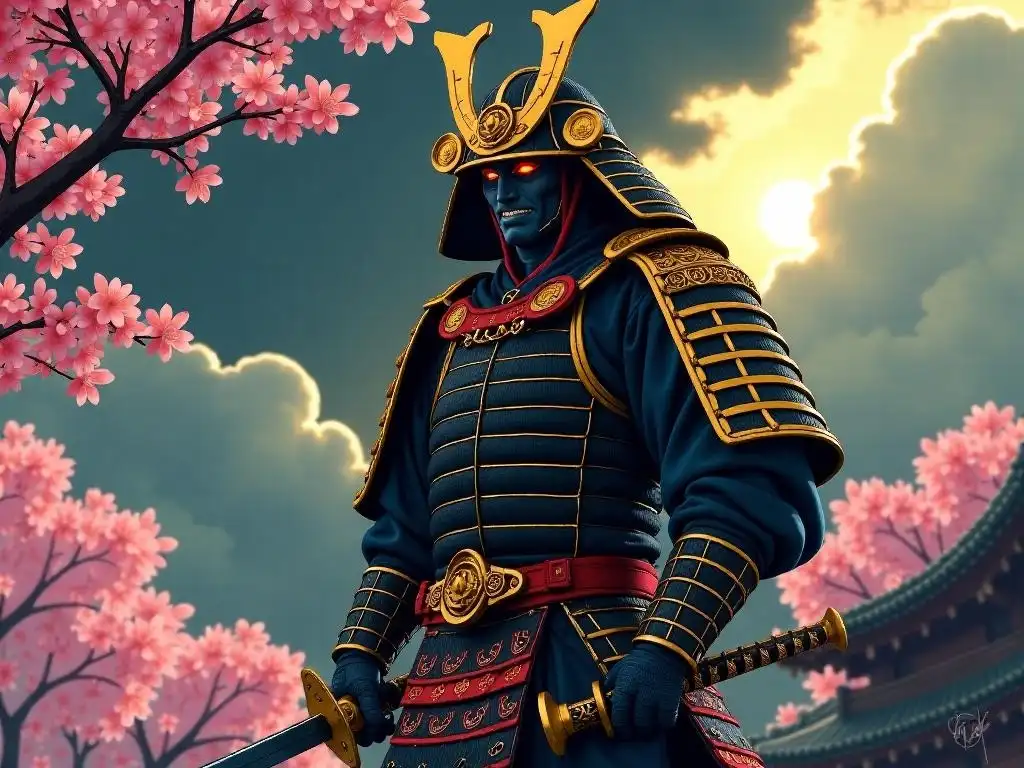
Welcome to Feudal Japan History, where we invite you to journey through the captivating tapestry of Japan's feudal era. Here, you'll uncover the intricate narratives that shaped a society steeped in honor, tradition, and valor. Our featured article, "Armor and Identity: How Samurai Gear Reflected Status and Role," delves into the cultural significance of samurai armor, revealing how these remarkable artifacts were not merely protective gear but powerful symbols of identity and status. Join us as we unravel the layers of history, culture, and societal structure that defined an iconic period—your exploration begins now!
- Introduction to Samurai Armor Cultural Significance
- Historical Context of Samurai Armor
- The Role of Samurai Armor in Social Hierarchy
- Cultural Significance of Samurai Gear
- Practical Functionality vs. Cultural Expression
- The Legacy of Samurai Armor in Modern Culture
- Conclusion: The Lasting Impact of Samurai Armor on Identity
- Frequently Asked Questions
- Final Reflection: The Cultural Significance of Samurai Armor in Shaping Identity
- Unveil the Legacy of the Samurai!
Introduction to Samurai Armor Cultural Significance
The armor worn by samurai during Japan's feudal era is more than just protective gear; it embodies a rich tapestry of cultural significance and social status. This intricate relationship between samurai armor and identity reflects the complex dynamics of power, honor, and tradition within the samurai class.
As we delve into the nuances of this topic, we will explore how the design, materials, and symbolism of samurai gear not only served practical purposes in warfare but also conveyed the wearer's rank and role in society. Understanding the cultural significance of samurai armor offers valuable insights into the broader historical context of feudal Japan, where martial prowess and aesthetic expression were intertwined.
Overview of Samurai Armor in Feudal Japan
Samurai armor, known as yoroi, evolved significantly throughout the feudal period, characterized by its unique construction and design that combined functionality with artistry. The early forms of armor were primarily made from leather and iron, designed to provide mobility and protection on the battlefield. As warfare tactics changed and the need for more robust protection arose, armor became increasingly complex, incorporating a variety of materials such as:
- Iron plates: For enhanced durability.
- Silk and leather: To ensure comfort and flexibility.
- Lacquer: To provide weather resistance and aesthetic appeal.
The aesthetic elements of armor also played a crucial role. Many samurai adorned their gear with family crests (mon) and vibrant colors, signifying loyalty and lineage. The overall design often reflected the individual samurai's personal style and social standing, making armor a visual representation of identity and status.
Importance of Armor in Reflecting Status and Role
The significance of samurai armor extends beyond its practical use in battle; it was a powerful indicator of a samurai's status within the feudal hierarchy. Hierarchy and rank were crucial in samurai culture, and armor served as a tangible representation of these social structures. Key aspects of how armor reflected status and role include:
- Material and Craftsmanship: Higher-ranking samurai often wore armor made from superior materials with intricate designs, showcasing their wealth and position.
- Unique Features: Specialized armor types, such as the ō-yoroi for mounted samurai and the nanban-gusoku adopted from European styles, indicated a samurai's role in warfare and their adaptability to changing combat scenarios.
- Ceremonial Use: Armor was not only used in battle but also in ceremonial contexts, further emphasizing the samurai's identity and the cultural importance of their role within society.
Samurai armor was a multifaceted symbol of identity, power, and cultural significance in feudal Japan. Its study provides critical insights into the societal values and historical contexts that shaped the samurai class and their enduring legacy.
Historical Context of Samurai Armor
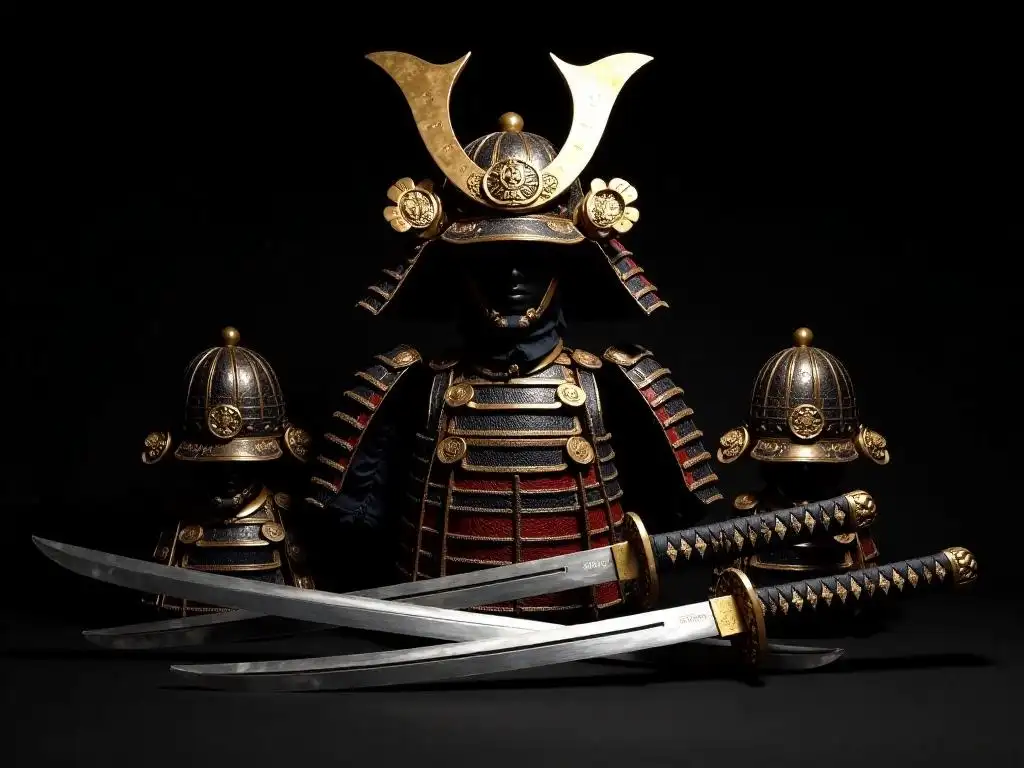
Evolution of Samurai Armor Through the Ages
The evolution of samurai armor is a fascinating reflection of Japan's military history and the changing nature of warfare. Initially, early samurai armor, known as "hōzō", emerged during the Heian period (794-1185). This armor was primarily composed of leather and fabric, offering minimal protection compared to later designs. The most significant changes began during the Kamakura period (1185-1333), as the rise of the samurai class necessitated more effective protective gear.
Key Developments in Samurai Armor Design:
- Kamakura Period (1185-1333):
- Introduction of "dō" (chest armor) made from iron and leather.
- The use of "kabuto" (helmets) with distinctive crests symbolizing clan identity.
- Muromachi Period (1336-1573):
- Development of "sode" (shoulder guards) and "kusazuri" (skirt-like armor).
- Armor became more ornate, reflecting the warrior's status and clan affiliation.
- Edo Period (1603-1868):
- Armor design focused on aesthetics, with intricate lacquering and embellishments.
- Adoption of lighter, more flexible materials allowing for greater mobility during combat.
This progression illustrates how samurai armor adapted to the requirements of warfare while simultaneously becoming a symbol of status and cultural identity. As the samurai transitioned from battlefield warriors to bureaucratic leaders, their armor began to reflect not only martial prowess but also social standing and artistic expression.
Key Materials Used in Samurai Armor Construction
The materials used in the construction of samurai armor played a crucial role in its effectiveness and significance. Understanding these materials provides insight into the cultural and practical aspects of samurai armor.
Primary Materials Used:
- Iron:
- The most prominent material used in armor construction. Iron plates provided enhanced protection against weapons and projectiles.
- Techniques such as "tatara" (traditional iron-making) allowed for the production of high-quality steel.
- Leather:
- Often used in combination with metal, leather was favored for its flexibility and lightweight properties.
- Early armor consisted mainly of hardened leather, which was easier to produce and repair.
- Silk and Cotton:
- These materials were commonly used for the inner linings of armor, providing comfort and additional padding.
- Decorative elements, such as silk cords and tassels, were used to enhance the visual appeal.
- Lacquer:
- A vital finishing technique that protected armor from the elements and added a layer of aesthetic beauty.
- Lacquered surfaces were often adorned with clan motifs, reinforcing the identity of the samurai.
The choice of materials was not only a matter of practicality but also a reflection of the samurai’s status and identity. High-ranking samurai often wore armor crafted from the finest materials, showcasing their wealth and power. This blend of functionality and artistry made samurai armor a significant cultural artifact, embodying the values and traditions of feudal Japan.
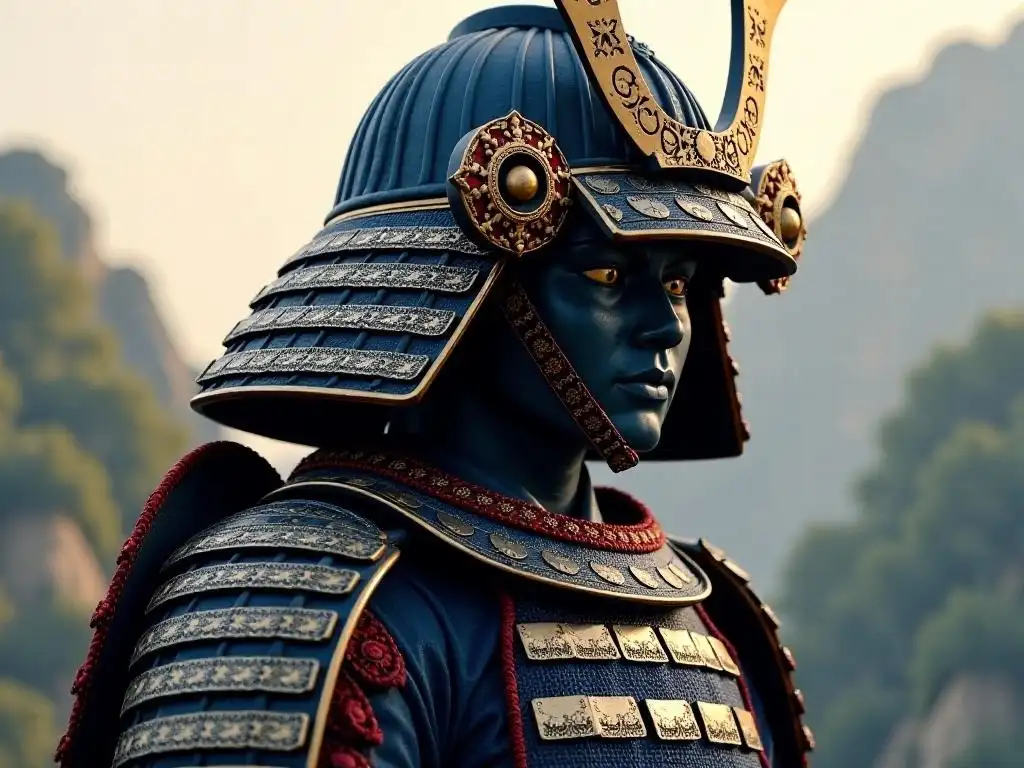
How Armor Signified Rank and Status
Samurai armor was not just a protective gear; it was a potent symbol of identity, reflecting the social hierarchy within feudal Japan. The design, materials, and decoration of the armor served to convey the wearer’s status and rank within the samurai class.
- Material and Craftsmanship:
- High-ranking samurai often wore armor made from rare materials, such as silk and lacquered iron, showcasing superior craftsmanship. This armor was meticulously crafted by skilled artisans, often featuring intricate designs and embellishments that highlighted their elevated status.
- Lower-ranking samurai typically wore more utilitarian armor made from less expensive materials. While functional, these armors lacked the ornate decorations of their higher-ranking counterparts.
- Color Schemes and Emblems:
- The color and motifs used in samurai armor also played a crucial role in signifying rank. For instance, the use of specific colors, like red or gold, was reserved for higher-ranking samurai, while earth tones were more common among lower ranks.
- Emblems, known as mon, were another critical aspect. Each samurai clan had specific symbols that were displayed prominently on the armor, allowing quick identification of allegiances and status on the battlefield.
- Functional Design:
- The structure of the armor often reflected the samurai's role. For instance, those in command positions wore armor that allowed for greater movement and visibility, indicating their role as leaders.
- Conversely, foot soldiers' armor was designed primarily for protection, reflecting their rank and battlefield role without the need for elaborate designs.
Distinctive Features of Armor Based on Class
The distinctive features of samurai armor varied significantly across different classes within the feudal hierarchy. Understanding these differences provides insight into the cultural significance of samurai armor.
- Kabuto (Helmet):
- High-ranking samurai often sported elaborate kabuto adorned with crests and unique designs. These helmets not only protected the head but also served as visually striking representations of the warrior's status.
- Lower-ranking samurai wore simpler kabuto, focusing more on functionality than aesthetics.
- Do (Chest Armor):
- The do of elite samurai was often crafted from multiple layers of materials, providing both protection and a striking appearance. The use of bright colors and intricate designs made their armor stand out on the battlefield.
- In contrast, lower-ranked warriors had simpler do made from fewer materials, often lacking the elaborate decorations and colors.
- Sode (Shoulder Guards):
- Sode varied widely based on rank. High-ranking samurai wore large, ornate shoulder guards that enhanced the silhouette of their armor, while lesser samurai had more practical and smaller versions that prioritized mobility over display.
Case Studies of Prominent Samurai and Their Armor
To illustrate the cultural significance of samurai armor, examining prominent figures and their distinctive armor can provide valuable insights.
- Minamoto no Yoshitsune:
- Renowned for his military prowess, Yoshitsune’s armor was a blend of functionality and artistry. The use of vibrant colors and intricate designs, including his clan’s mon, set him apart as a leader and a hero of the Genpei War.
- Oda Nobunaga:
- Nobunaga’s armor was not just a tool of war; it was a statement of power. His use of black lacquer and bold designs symbolized his authority and ambition. Nobunaga’s armor was often adorned with motifs that reflected his tactical innovations and leadership style.
- Tokugawa Ieyasu:
- The founder of the Tokugawa shogunate, Ieyasu’s armor reflected his strategic mind. His distinctive kabuto, featuring a unique crest, symbolized his legacy and the peace he ultimately brought to Japan. The simplicity of his armor compared to previous warlords indicated a shift towards governance and stability.
Samurai armor served as a powerful indicator of rank and identity, deeply intertwined with the social hierarchy of feudal Japan. Its intricate designs and distinctive features not only offered protection but also communicated the wearer’s status and role within the samurai class, reinforcing the cultural significance of this iconic symbol of Japanese history.
Cultural Significance of Samurai Gear
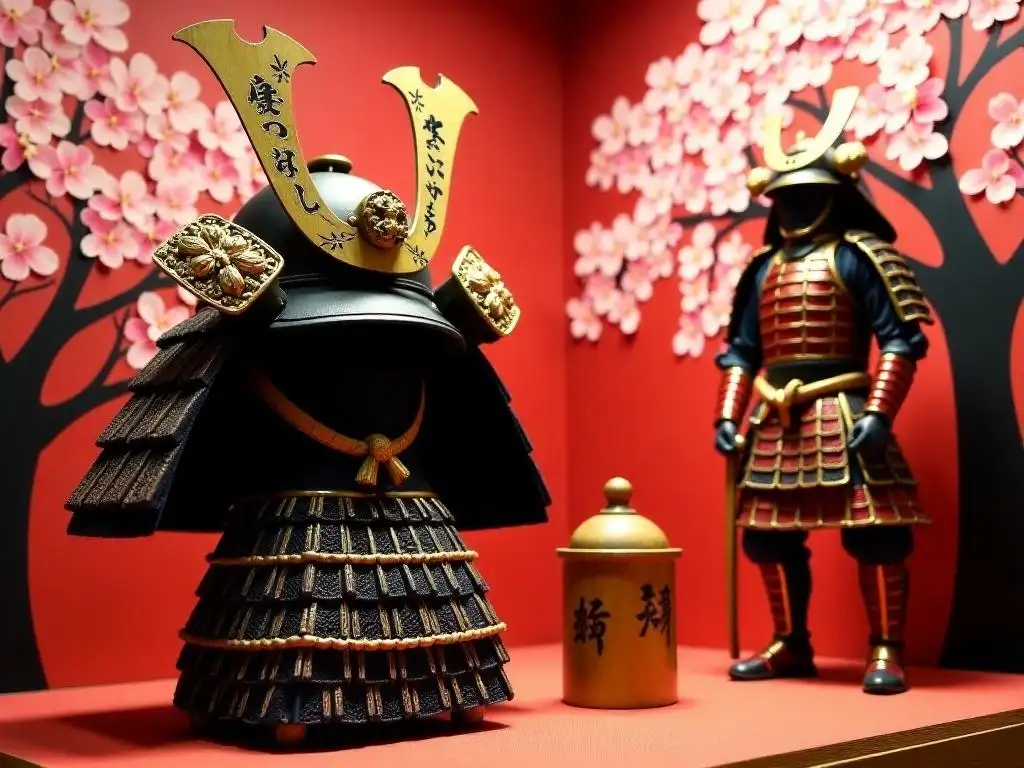
The cultural significance of samurai armor transcends mere functionality; it embodies the identity, values, and social hierarchy of the samurai class in feudal Japan. Each piece of armor was not only a protective gear but also a symbol of the wearer’s status, allegiance, and aesthetic sensibility. Understanding the intricate relationship between armor and identity reveals the complex tapestry of medieval Japanese society.
Symbolism Behind Armor Designs and Decorations
The designs and decorations of samurai armor were rich in symbolism and often conveyed profound meanings that reflected the wearer's social standing, clan affiliation, and personal beliefs.
- Colors and Materials:
- Black was often associated with stealth and power, while red symbolized bravery and strength.
- The use of gold and silver embellishments was typically reserved for higher-ranking samurai, signifying wealth and prestige.
- Clans and Emblems:
- Clan symbols, or mon, were prominently displayed on armor to signify loyalty and heritage.
- For instance, the famous Taira and Minamoto clans each had distinct motifs that not only represented their lineage but also invoked a sense of unity among their warriors.
- Decorative Elements:
- Complex designs, such as crane motifs for longevity and tiger patterns for strength, were often incorporated in the armor, imbuing the gear with attributes that the samurai aspired to embody.
- The use of lacquered finishes not only enhanced durability but also provided a canvas for artistic expression, making each suit of armor unique.
The careful consideration of these elements highlights how samurai armor served as a visual language, communicating the identity and values of its wearer to allies and adversaries alike.
The Influence of Religion and Mythology on Armor Aesthetics
Religion and mythology played a significant role in shaping the aesthetics of samurai armor. The samurai were not only warriors but also practitioners of various religious beliefs, including Shinto, Buddhism, and Confucianism.
- Spiritual Protection:
- Many samurai believed that their armor could provide spiritual protection in battle. As a result, armor often featured talismans and prayers inscribed on metal plates or sewn into the fabric, invoking the favor of deities during combat.
- Mythological Creatures:
- Designs inspired by mythological creatures, such as dragons and phoenixes, were common. These motifs symbolized power, resilience, and the divine right to rule, reinforcing the samurai's connection to the spiritual realm.
- Influence of Shinto:
- The concept of kami (spirits) in Shinto also influenced armor design. Many samurai sought to embody the virtues of specific kami, and their armor reflected these aspirations through intricate designs that honored these deities.
By integrating religious and mythological elements into their armor, samurai not only enhanced their personal identity but also connected their martial prowess to a larger metaphysical framework.
Armor as a Reflection of Samurai Ideals and Values
The samurai code of conduct, known as Bushido, profoundly influenced the design and significance of armor. This code emphasized virtues such as loyalty, honor, and courage, which were mirrored in the characteristics of samurai gear.
- Honor and Reputation:
- A samurai’s armor was a direct reflection of his honor and reputation. The quality and craftsmanship of the armor signified the level of respect the individual commanded within his clan and society.
- Practicality and Aesthetics:
- While functionality was paramount, the aesthetic appeal of armor was equally important. It was a way for samurai to express their individuality while adhering to the collective values of their class.
- Ceremonial Significance:
- Beyond the battlefield, samurai armor also held ceremonial significance. It was worn during important rituals and events, reinforcing the cultural identity of the samurai as noble warriors within the societal structure.
The interplay between armor design and samurai ideals illustrates how this gear was not merely a means of protection but a vital component of the samurai's identity, encapsulating their values and societal roles within the feudal hierarchy.
Practical Functionality vs. Cultural Expression
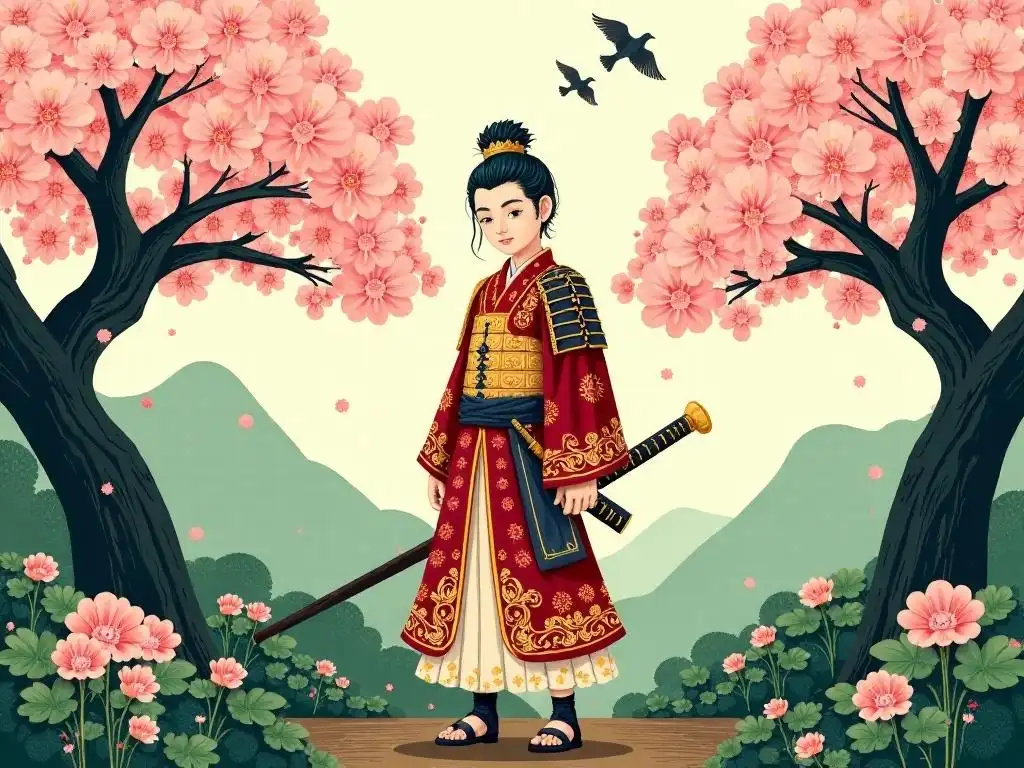
In the context of samurai armor, the dual roles of practical functionality and cultural expression are intricately woven together. Samurai armor, known as yoroi, was not merely a means of protection in battle; it also served as a powerful symbol of the samurai's status, identity, and values.
Balancing Protection and Status in Samurai Armor
The design of samurai armor reflects a careful balance between the need for physical protection and the desire to convey a specific social status. Armor was crafted to shield the warrior from the rigors of combat while simultaneously showcasing their rank and family heritage.
- Material Selection: The materials used in the construction of samurai armor varied according to the samurai's status. Lower-ranking samurai often wore armor made from simpler materials like leather, while those of higher rank donned intricate suits made from metal, silk, and lacquered leather. This distinction not only provided protection but also highlighted the social hierarchy within the samurai class.
- Design Elements: Armor pieces such as the kabuto (helmet) and dō (chest armor) were adorned with family crests ( mon) and elaborate decorations. These embellishments not only served as a mark of identity but also instilled a sense of pride and belonging among the samurai. The visual appeal of the armor was as crucial as its protective capabilities, making it essential for samurai to maintain a dignified appearance on the battlefield.
- Functionality: Samurai armor was designed for mobility and ease of movement, allowing the wearer to engage effectively in combat. The layered structure of the armor provided flexibility, enabling samurai to execute swift maneuvers. However, this functionality did not come at the cost of aesthetics; the armor was often crafted with an artistic flair that emphasized the warrior's nobility.
In essence, the samurai armor exemplifies the tension between practicality and expression, representing both the physical demands of warfare and the cultural significance of the samurai’s social role.
Innovations in Armor Design for Warfare Efficiency
Throughout the feudal era, innovations in armor design played a critical role in enhancing the efficiency of samurai warfare. As battles evolved and new weapons emerged, so too did the materials and techniques used in armor construction.
- Advancements in Materials: The introduction of new materials, such as iron and steel, marked a significant evolution in armor design. These materials provided superior protection against increasingly sophisticated weaponry. For example, the tachi (long sword) and later the katana necessitated armor that could withstand slashing blows.
- Strategic Features: Innovations such as the kusazuri (skirt) and articulated joints allowed for better mobility and protection in combat. The kusazuri helped shield the lower body while allowing for leg movement, which was essential for horseback riding and foot combat. Additionally, the use of lacing techniques to attach armor plates improved flexibility while maintaining structural integrity.
- Adaptation to Warfare Techniques: As warfare strategies shifted, so did armor design. The rise of gunpowder weapons in the late feudal period prompted armorers to create designs that could withstand bullets while still providing mobility. The introduction of tatami armor, a form of portable and flexible armor, allowed samurai to adapt quickly to changing battlefield conditions.
The continuous innovation in armor design not only reflects the samurai's adaptability to warfare challenges but also emphasizes the evolving cultural significance of armor as a symbol of status, strength, and identity in feudal Japan. Each advancement contributed to the intricate tapestry of samurai culture, showcasing how armor transcended mere functionality to embody the very essence of what it meant to be a samurai.
The Legacy of Samurai Armor in Modern Culture
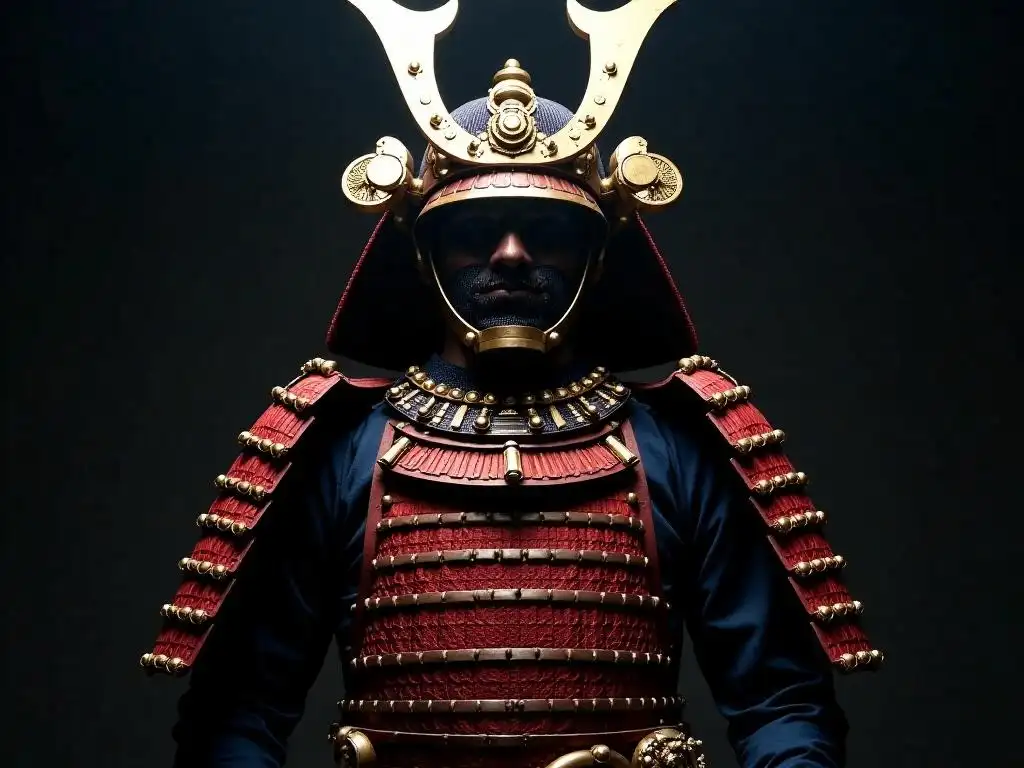
Influence on Contemporary Japanese Culture and Media
The cultural significance of samurai armor extends far beyond the historical period in which it was used. Today, it plays a vital role in contemporary Japanese culture and media, influencing various artistic expressions and societal values.
- Film and Television: Samurai armor frequently appears in Japanese cinema and television dramas, often symbolizing honor, bravery, and the complex codes of bushido—the way of the warrior. Iconic films such as Seven Samurai by Akira Kurosawa have elevated the image of samurai and their armor to a status of cultural reverence. Modern adaptations often utilize visually stunning representations of armor to captivate audiences, reinforcing the armor's status as an emblem of historical significance.
- Anime and Manga: In the world of anime and manga, samurai characters clad in ornate armor are a staple. Series like Rurouni Kenshin and Samurai Champloo showcase the intricate designs and varied styles of samurai armor, often embedding these visuals with deeper themes of loyalty and conflict. The armor not only serves as a costume but also as a narrative device that connects characters to their heritage and identity.
- Fashion and Aesthetics: The aesthetic appeal of samurai armor has also infiltrated modern fashion, inspiring designers who incorporate traditional elements into contemporary clothing. Brands may utilize color schemes, patterns, and materials reminiscent of samurai armor, creating a fusion of old and new that resonates with both domestic and international audiences.
- Festivals and Cultural Events: Samurai armor is a prominent feature in numerous festivals across Japan, such as the Kamakura Matsuri and Kanto Matsuri. Participants don replica armor, celebrating historical traditions while fostering a sense of community. These events often emphasize the importance of heritage and identity, inviting both locals and tourists to engage with Japan's samurai legacy.
Preservation and Display of Samurai Armor in Museums
The preservation and display of samurai armor in museums serve a dual purpose: they safeguard historical artifacts while educating the public about the cultural significance of these items.
- Collections and Exhibitions: Numerous museums in Japan and worldwide house extensive collections of samurai armor. The Tokyo National Museum, for instance, showcases a variety of armor styles, demonstrating the evolution of design and functionality. Special exhibitions, such as “The Armor of the Samurai,” highlight the craftsmanship and artistry involved in armor-making, allowing visitors to appreciate the intricate details that reflect the wearer's status and role.
- Conservation Efforts: Museums employ advanced conservation techniques to maintain the integrity of samurai armor. The materials used, such as leather, metal, and silk, require specific conditions to prevent deterioration. Experts often conduct research to develop best practices for preserving these artifacts while also ensuring that they remain accessible to the public.
- Educational Programs: Educational initiatives are crucial in fostering an appreciation for samurai armor among younger generations. Museums often organize workshops, lectures, and interactive sessions that delve into the history and cultural significance of samurai armor. By engaging with these programs, visitors can gain a deeper understanding of the societal roles that armor played and how it continues to influence modern culture.
- Cultural Exchange: International exhibitions featuring samurai armor promote cultural exchange, allowing global audiences to connect with Japan's feudal history. These exhibitions often include contextual information that explains the armor's significance, bridging cultural gaps and enriching the global understanding of samurai heritage.
The legacy of samurai armor transcends its original purpose as protective gear, evolving into a symbol of identity and cultural significance that continues to resonate in contemporary society. Through media, preservation, and educational efforts, the legacy of samurai armor remains a vital part of Japan's cultural narrative.
Conclusion: The Lasting Impact of Samurai Armor on Identity
The legacy of samurai armor extends far beyond its practical application in warfare; it intricately weaves itself into the identity and cultural significance of the samurai class. This armor not only served as protection in battle but also as a powerful symbol of status, honor, and the samurai's role within the feudal hierarchy of Japan.
Summary of Armor’s Role in Defining Samurai Identity
The armor worn by samurai was meticulously crafted, reflecting both the individual warrior's status and the broader cultural values of the time. Each piece of armor—be it the kabuto (helmet), do (chest armor), or sode (shoulder guards)—was designed with specific materials, colors, and embellishments that conveyed personal and familial identity. For instance:
- Materials: High-ranking samurai often wore armor made from rare materials such as lacquered leather or metal, while lower-ranking warriors might use simpler, more accessible materials.
- Design: The intricacy of the designs often signified a samurai’s lineage and achievements. Elaborate motifs, such as family crests (mon), featured prominently on armor, showcasing a warrior's heritage and allegiance.
- Functionality vs. Aesthetics: While functionality in battle was crucial, the aesthetic appeal of armor played a vital role in ceremonial contexts, reinforcing the samurai's identity as both a warrior and a noble figure in society.
The samurai armor thus became a vehicle for expressing identity, embodying the ideals of loyalty, bravery, and honor that were central to the bushido code. The visual and tactile elements of armor served to reinforce a samurai's place within the societal hierarchy, contributing to a complex interplay between personal identity and cultural significance.
Future Research Directions on Samurai Armor Cultural Significance
As we continue to explore the cultural significance of samurai armor, several research avenues present themselves:
- Interdisciplinary Studies: There is a need for more interdisciplinary research that combines history, anthropology, and art history to fully understand the cultural implications of samurai armor. Examining armor within the broader context of Japanese art, literature, and philosophy could yield deeper insights into its significance.
- Regional Variations: Future studies could investigate regional variations in armor design and usage, exploring how local cultures influenced the evolution of samurai gear and its symbolism. Understanding these regional distinctions could illuminate the diverse identities within the samurai class.
- Impact on Modern Identity: Another promising area of research is the impact of samurai armor on contemporary Japanese culture and identity. Analyzing how modern representations of samurai armor in media, fashion, and tourism reflect or distort historical significance could provide valuable perspectives on cultural heritage.
- Technological Innovations: Investigating the technological advancements in armor crafting throughout the feudal era, including the materials and techniques utilized, could shed light on the relationship between warfare and identity. This exploration could also consider how innovations in armor influenced martial tactics and strategies.
The cultural significance of samurai armor remains a rich and multifaceted area of study, with the potential to uncover deeper understandings of identity, status, and the enduring legacy of the samurai in both historical and modern contexts. As research evolves, it will continue to reveal the intricate connections between armor, identity, and the broader tapestry of feudal Japan.
Frequently Asked Questions
What is the cultural significance of samurai armor?
Samurai armor, known for its intricate design and symbolic elements, reflected the warrior's status and role in society, often showcasing their clan affiliation and personal achievements.
How did samurai armor evolve over time?
Over the centuries, samurai armor evolved in response to changes in combat styles, technology, and cultural influences, with each era introducing new materials and designs that enhanced both protection and aesthetic appeal.
What materials were commonly used in samurai armor?
Samurai armor was typically made from a combination of iron, leather, and silk, with artisans carefully crafting each piece to ensure both durability and flexibility during battle.
How did the design of samurai armor reflect identity?
The design of samurai armor often included family crests and personal motifs, serving not only as protection but also as a visual representation of the wearer’s heritage and values.
What role did samurai armor play in rituals and ceremonies?
Samurai armor was integral to various rituals and ceremonies, symbolizing the warrior's honor and commitment to their duty, and often being worn during significant events such as ceremonial battles or initiation rites.
Final Reflection: The Cultural Significance of Samurai Armor in Shaping Identity
The intricate designs and materials of samurai armor not only served practical purposes but also symbolized the cultural significance of status and identity in feudal Japan. Today, as we navigate a world increasingly defined by personal and collective identities, the lessons from samurai armor resonate deeply, reminding us of the powerful narratives woven into the fabric of our own lives. The armor was more than a protective shell; it was a statement of honor, lineage, and the warrior's role in society, reflecting the values and beliefs of an entire culture.
The legacy of samurai armor continues to influence modern perceptions of identity and status, transcending time and geography. The artistry and craftsmanship of these historical artifacts inspire contemporary discussions about how we express ourselves through clothing and symbols. As we consider the ongoing impact of these traditions, we are reminded of the words of the philosopher Joseph Campbell: The privilege of a lifetime is being who you are.
This sentiment underscores the importance of understanding and embracing our identities, much like the samurai did through their armor.
As you reflect on the themes presented in this article, I invite you to consider how your own armor—be it physical, emotional, or social—shapes your identity and the way you navigate the world. What stories do your choices tell about who you are? Embrace the opportunity to craft your narrative, drawing inspiration from the samurai's legacy of honor and purpose. In doing so, you not only honor their cultural significance but also empower yourself to define your own identity in a meaningful way.
Unveil the Legacy of the Samurai!
Thank you for diving into the fascinating world of samurai armor and its profound significance in feudal Japan! We hope you enjoyed discovering how these magnificent pieces not only protected but also symbolized identity and status. Now, it's time to take your newfound knowledge one step further!
Here are some exciting ways to deepen your understanding and appreciation of samurai culture:
- Explore local museums or online exhibits showcasing authentic samurai armor and artifacts. Witness the craftsmanship and intricate details up close!
- Join discussion forums or social media groups dedicated to Japanese history. Share your insights and learn from fellow enthusiasts!
- Engage in a creative project: sketch your ideal samurai armor or write a short story imagining a day in the life of a samurai.
What aspect of samurai identity fascinates you the most, and how do you plan to explore it further?