
The Tea Ceremony: A Journey Through the Aesthetics of Japanese Hospitality

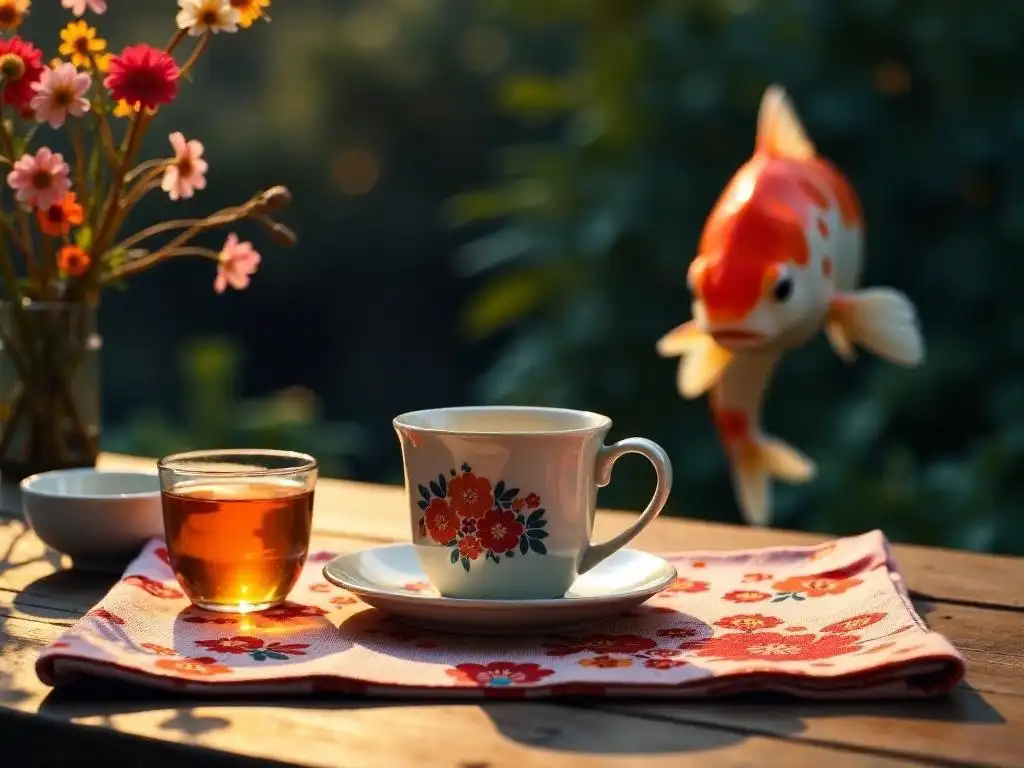
Welcome to Feudal Japan History, where we invite you to embark on a fascinating journey through time, delving into the rich tapestry of Japan's feudal era. Today, we explore the enchanting world of Japanese tea ceremony traditions, a practice that transcends mere ritual to embody the very essence of hospitality and aesthetics. As you unravel the layers of this cultural phenomenon, prepare to be captivated by its profound significance in daily life and society during feudal times. Join us as we sip from the cup of history and discover the artistry that defines this timeless tradition!
The Japanese tea ceremony, known as "Chanoyu" (茶の湯), is much more than a simple act of serving tea; it is a profound ritual that embodies the essence of Japanese culture and hospitality. This intricate ceremony encapsulates the principles of harmony, respect, purity, and tranquility — all of which are foundational to the broader framework of Japanese aesthetics.
As we embark on this journey through the aesthetics of the Japanese tea ceremony, we will explore its historical roots, cultural significance, and the various traditions that have evolved over centuries. Whether you are a seasoned aficionado or a curious newcomer, understanding these traditions will deepen your appreciation for the meticulous artistry and the serene experience that the tea ceremony offers.
Introduction to Japanese Tea Ceremony Traditions
The Japanese tea ceremony traditions serve as a reflection of the nation's historical journey and societal values. Rooted in Zen Buddhism, these practices emphasize mindfulness and the beauty of simplicity. The ceremony is meticulously choreographed, with each movement and object holding symbolic significance, transforming the act of drinking tea into a meditative experience. Participants are encouraged to engage all their senses — from the delicate aroma of the tea to the subtle sounds of the utensils — fostering a deep connection with the moment and those present.
Historical Context of Japanese Tea Ceremony
Understanding the Japanese tea ceremony requires a look back into its historical context. The evolution of tea drinking in Japan is intricately linked to the country's cultural exchanges and philosophical developments.
Origins of Tea in Japan
Tea was first introduced to Japan in the early 9th century, believed to have been brought by Buddhist monks returning from China. Initially consumed for its medicinal properties, tea gained popularity among the elite and, over time, became a staple in Japanese culture. The practice of preparing and consuming tea evolved alongside the influences of various Chinese tea practices, leading to the establishment of distinct Japanese customs.
Evolution of Japanese Tea Ceremony Traditions
The formalization of the tea ceremony began in the 15th century when tea masters such as Sen no Rikyū refined the practice to emphasize simplicity and natural beauty. This period marked the transition from a mere social gathering to a structured, spiritual experience.
Over the centuries, the tea ceremony has continued to evolve, incorporating different styles and philosophies, each with its unique characteristics. Today, the Japanese tea ceremony is celebrated not only as a cultural heritage but also as a means of fostering connection and understanding among participants, making it a timeless tradition that resonates with the values of hospitality and respect intrinsic to Japanese society.
Key Elements of the Japanese Tea Ceremony
The Japanese tea ceremony, known as chanoyu or sado, is a meticulously choreographed ritual that goes beyond mere tea drinking, embodying principles of harmony, respect, purity, and tranquility. Several key elements contribute to the profound experience and aesthetics of this tradition, shaping the way tea is prepared, served, and consumed.
One of the most essential components is the matcha, a finely ground green tea powder that forms the basis of most tea ceremonies. The preparation of matcha involves precise techniques, emphasizing the importance of attention to detail and the quality of the tea leaves used. The utensils, such as the tea bowl ( chawan), tea whisk ( chasen), and tea scoop ( chashaku), are also significant, often crafted by skilled artisans and chosen for their aesthetic qualities, reflecting the season and the host's intent.
The setting in which the ceremony takes place is equally important. A traditional tea room, often characterized by tatami mat flooring and minimalist decor, is designed to create a serene and intimate atmosphere. This space is a sanctuary away from the hustle and bustle of everyday life, allowing participants to immerse themselves fully in the experience.
Tea Types Used in the Ceremony
In the Japanese tea ceremony, the predominant tea type used is matcha, which is celebrated for its rich flavor and vibrant color. This powdered tea is whisked with hot water to create a frothy beverage that is both visually appealing and enjoyable to drink. It is typically served in two main styles during the ceremony: thin tea ( usucha) and thick tea ( koicha).
- Usucha (Thin Tea): This style is prepared with a smaller amount of matcha and a greater volume of water, resulting in a lighter flavor and a frothy texture. It is the more common form served in tea ceremonies, allowing for a more casual experience.
- Koicha (Thick Tea): Made with a higher concentration of matcha and less water, koicha has a more intense flavor and creamy consistency. It is usually reserved for more formal occasions and is prepared with great care and skill, reflecting the host's dedication to the tradition.
Other types of tea may occasionally be included, such as sencha or gyokuro, but these are less common in the traditional tea ceremony setting, where the focus remains primarily on matcha.
The Role of the Tea Host and Guests
In the Japanese tea ceremony, the roles of the host and guests are distinctly defined, each contributing to the overall harmony and aesthetic of the experience. The tea host, or teishu, plays a crucial role in orchestrating the ceremony. Their responsibilities include not only the preparation and serving of the tea but also creating an atmosphere of tranquility and respect. The host's demeanor, gestures, and attention to detail reflect their understanding of wa, kei, sei, and jaku—the four core principles of the tea ceremony.
Guests, or kyaku, also hold significant importance in the ceremony. Their role is to appreciate the host's efforts and the aesthetics of the setting, participating in the experience with gratitude and mindfulness. The interaction between host and guests is characterized by mutual respect and consideration, with a focus on fostering a sense of connection and harmony.
Aesthetic Principles in Japanese Tea Ceremony
The Japanese tea ceremony is steeped in aesthetic principles that reflect the cultural values and philosophies of Japan. These principles guide not only the visual aspects of the ceremony but also the emotional and spiritual experiences of those involved.
A key element of this aesthetic is the concept of wabi-sabi, which emphasizes finding beauty in imperfection and transience. This philosophy is evident in the choice of utensils, the simplicity of the tea room, and the natural elements incorporated into the ceremony.
Wabi-Sabi: Embracing Imperfection
Wabi-sabi is a fundamental aesthetic principle in Japanese culture that celebrates the beauty of imperfection, transience, and the natural world. In the context of the tea ceremony, this concept manifests in various ways:
- Natural Materials: The utensils and decorations often reflect the raw beauty of nature, using unrefined materials that may show signs of wear or irregularity. This appreciation for the natural state of objects invites participants to embrace the fleeting nature of life.
- Simplicity: The minimalist approach to decor and arrangement encourages mindfulness and focus on the moment, fostering a deeper connection with the experience. Each element, from the tea bowl to the flowers, is chosen for its beauty and significance, rather than extravagance.
- Transience: The impermanence of the tea ceremony itself, with each gathering being unique and unrepeatable, aligns with wabi-sabi. This fleeting nature encourages participants to savor the moment and find joy in the present.
The Importance of Space and Environment
The environment in which the tea ceremony is held plays a crucial role in enhancing the overall experience. The tea room, or chashitsu, is designed to promote tranquility and reflection, often featuring natural materials and simple, elegant design elements.
- Tatami Mats: The use of tatami mats contributes to the serene atmosphere, providing a soft, natural feel underfoot and grounding participants in the moment. The arrangement of the mats is also intentional, often aligning with specific cultural practices and customs.
- Natural Light and Views: Many tea rooms are designed to incorporate natural light and views of gardens or nature, creating a harmonious connection between the inside and outside. This integration allows participants to appreciate seasonal changes and the beauty of the natural world.
- Minimal Decoration: The sparse decoration in the tea room invites focus on the ritual itself, with elements such as hanging scrolls and floral arrangements serving as focal points that enhance the aesthetic without overwhelming the senses.
The Japanese tea ceremony is a multifaceted tradition that embodies deep cultural significance and aesthetic principles, inviting participants to engage in a mindful experience that transcends the act of drinking tea.
Rituals and Practices in Japanese Tea Ceremony
The Japanese tea ceremony, known as "chanoyu" or "sado," is a meticulous ritual that embodies the principles of harmony, respect, purity, and tranquility. This ceremonial practice is not just about serving tea; it encompasses a wide range of rituals and practices that reflect the deep cultural heritage of Japan.
At the heart of the tea ceremony is the preparation and serving of matcha, a finely powdered green tea. The ceremony is typically held in a tea room or a dedicated tea house, often located in a tranquil garden setting, allowing participants to immerse themselves in nature. The atmosphere is carefully curated, with elements such as tatami mats, sliding doors, and minimalist decorations that emphasize simplicity and serenity.
The process begins with the host's careful selection of utensils, including the tea bowl (chawan), tea whisk (chasen), and tea scoop (chashaku). Each item holds significance and is handled with great care. The host cleans and arranges these tools as part of the ritual, symbolizing respect for both the tea and the guests.
Once guests are seated, the host performs a series of prescribed movements to prepare the tea. These movements are deliberate and slow, reflecting a meditative state. Guests are encouraged to observe and appreciate every step, fostering a sense of mindfulness. The ritual is often accompanied by seasonal decorations and the serving of sweets (wagashi), which enhance the overall experience.
Step-by-Step Guide to the Tea Ceremony
- Preparation of the Space: The tea room is cleaned and arranged, ensuring a serene environment. Seasonal flowers and art may be displayed to enhance the aesthetic.
- Welcoming Guests: The host greets the guests with a bow and invites them to enter the tea room. Guests are encouraged to appreciate the surroundings and the beauty of the moment.
- Cleaning Utensils: The host cleans all tea utensils in front of the guests, signifying respect and purity. This process is a key ritual that emphasizes the importance of cleanliness.
- Preparing the Tea: The host measures the powdered tea (matcha) into the tea bowl using the tea scoop. Hot water is then added, and the tea is whisked to create a frothy consistency.
- Serving the Tea: The host presents the tea bowl to the first guest, who accepts it with both hands, turns the bowl slightly to avoid drinking from the front, and takes a sip. After enjoying the tea, the bowl is returned to the host.
- Engaging in Conversation: Guests may comment on the tea, the utensils, or the setting, fostering a sense of connection and community.
- Cleaning Up: After the tea has been served, the host cleans the utensils once again, demonstrating gratitude and respect for the tools of the ceremony.
- Departure: The ceremony concludes with a final bow, and guests express their appreciation before leaving the tea room.
Symbolism and Meaning Behind the Actions
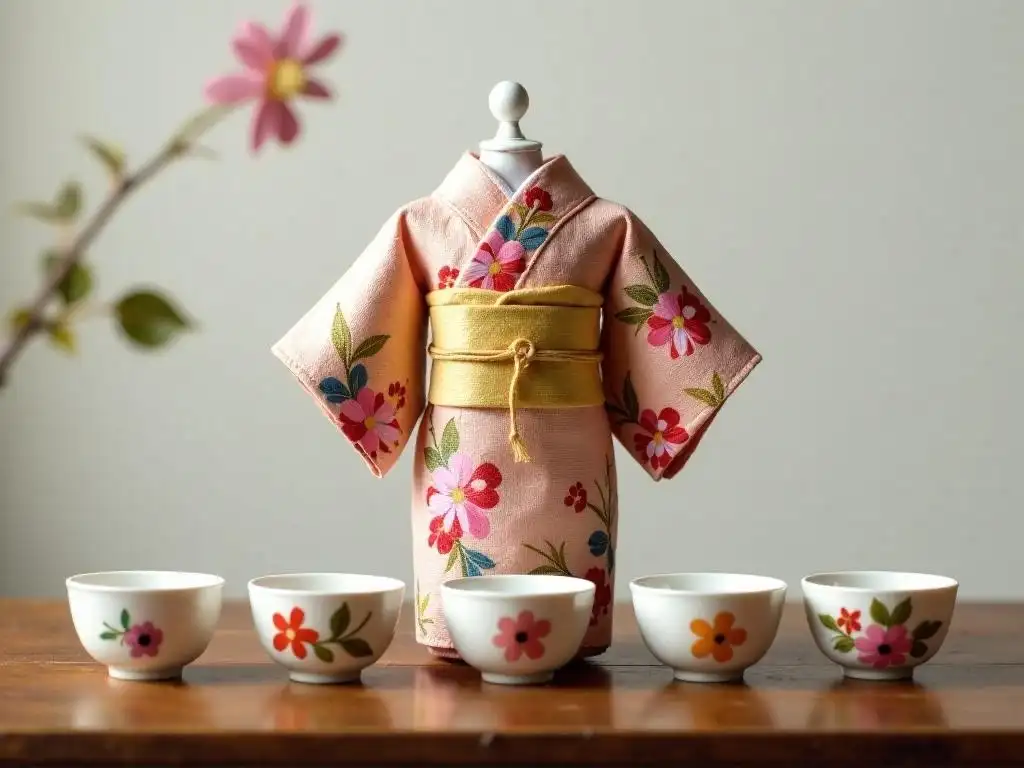
Every action in the Japanese tea ceremony is imbued with deep symbolism, reflecting the core values of Japanese culture. The meticulous preparation signifies respect and mindfulness, while the act of serving tea embodies hospitality and generosity.
- Harmony (Wa): The tea ceremony aims to create a harmonious atmosphere among participants. The careful arrangement of the tea room and the selection of seasonal elements enhance this sense of unity.
- Respect (Kei): Each participant, including the host and guests, demonstrates respect for one another through their actions, language, and the use of utensils. This mutual respect fosters a deeper connection.
- Purity (Sei): The rituals of cleaning utensils and the tea room highlight the importance of purity, both physically and spiritually. This emphasis on cleanliness reflects a broader cultural appreciation for simplicity and aesthetics.
- Tranquility (Jaku): The slow pace of the ceremony encourages mindfulness and tranquility, allowing participants to appreciate the moment fully. The act of enjoying tea becomes a meditative experience, inviting participants to reflect and find peace.
Variations of Japanese Tea Ceremony Traditions
Japanese tea ceremony traditions are diverse and vary significantly depending on regional practices, styles, and the occasion. These variations reflect the adaptability and richness of the tea culture in Japan.
Different Styles of Tea Ceremonies
- Urasenke: This style emphasizes simplicity and accessibility, making it popular among modern practitioners. Urasenke ceremonies often feature a relaxed atmosphere and less formal procedures.
- Omotesenke: Known for its emphasis on beauty and tradition, this style often incorporates elaborate tea utensils and detailed rituals. Omotesenke ceremonies are typically more formal and adhere closely to historical practices.
- Mugai-ryū: A style rooted in Zen Buddhism, Mugai-ryū focuses on the spiritual aspects of the tea ceremony. It emphasizes a minimalistic approach, allowing for deep contemplation during the process.
- Kōdō: This variation integrates the art of incense into the tea ceremony, creating a multisensory experience. Participants engage in the appreciation of both tea and fragrance, enhancing the overall ambiance.
Modern Adaptations of Traditional Practices
As society evolves, so too do the practices surrounding the Japanese tea ceremony. Contemporary adaptations reflect changing lifestyles and the need for inclusivity.
- Casual Tea Gatherings: Modern practitioners often host informal tea gatherings, breaking away from strict rituals. These events may feature a variety of teas and snacks, encouraging a more relaxed atmosphere.
- Fusion Ceremonies: Some hosts incorporate elements from other cultures, creating hybrid ceremonies that blend traditional Japanese practices with influences from Western tea culture or other international customs.
- Workshops and Classes: Many tea schools now offer workshops that cater to a broader audience, teaching the basics of the tea ceremony in a more approachable, hands-on manner. These classes often emphasize enjoyment over strict adherence to tradition.
- Digital Experiences: In recent years, virtual tea ceremonies have emerged, allowing participants from around the world to engage in the practice via online platforms. This adaptation has made the experience more accessible, especially for those unable to attend in person.
Through these variations and modern adaptations, the Japanese tea ceremony continues to evolve while retaining its foundational principles of hospitality, artistry, and mindfulness.
Conclusion: The Enduring Legacy of Japanese Tea Ceremony
The Japanese tea ceremony, or chanoyu, stands as a profound testament to the cultural heritage of Japan, embodying values such as simplicity, mindfulness, and harmony. Rooted in Zen Buddhism, it transcends mere beverage preparation, evolving into a spiritual and artistic expression. As participants engage in this ritual, they are drawn into a world where every movement is deliberate, every object is imbued with meaning, and every sip of tea becomes a moment of connection—both with the host and the natural world.
The enduring legacy of the Japanese tea ceremony is reflected in its continued practice and evolution in modern society. While traditional elements remain intact, contemporary interpretations often incorporate new aesthetics and flavors, showcasing the adaptability of this art form. Workshops and demonstrations are increasingly popular, inviting individuals from all walks of life to experience the tranquility and mindfulness associated with the ceremony.
Moreover, the tea ceremony has inspired various cultural practices beyond Japan’s borders, influencing global tea traditions and hospitality customs. As people seek deeper connections and respite from the fast-paced modern world, the principles of the tea ceremony resonate widely, promoting a lifestyle centered around appreciation, presence, and gratitude.
In essence, the Japanese tea ceremony is not merely an event; it is a philosophy that encourages us to slow down, appreciate the moment, and cultivate a sense of community and beauty in our everyday lives.
References and Further Reading on Japanese Tea Ceremony Traditions
For those seeking to delve deeper into the rich traditions surrounding the Japanese tea ceremony, the following references and sources provide valuable insights and comprehensive knowledge:
- Books:
- The Book of Tea by Okakura Kakuzō - A classic text that explores the aesthetics of tea and its significance in Japanese culture.
- Japanese Tea Ceremony: A Cultural History by K. R. K. R. - This book presents a detailed history of the tea ceremony and its evolution through various cultural influences.
- Articles and Journals:
- "Zen and the Art of Tea: The Aesthetics of Japanese Tea Ceremony" - An exploration of how Zen principles inform the practices and philosophies of the tea ceremony.
- "The Role of Tea Culture in Japanese Society" - An academic review of how tea traditions shape social interactions and cultural identity in Japan.
- Online Resources:
- The Urasenke Foundation - Offers extensive information on tea ceremony practices, philosophy, and educational resources.
- The Tea Ceremony Society - A platform for enthusiasts that includes tutorials, event calendars, and community discussions about tea ceremonies.
- Documentaries:
- “The Way of Tea” - A documentary that captures the essence of the tea ceremony and its practitioners, providing visual insights into its rituals and aesthetics.
These resources not only enrich one’s understanding of the Japanese tea ceremony traditions but also invite greater appreciation for the cultural heritage that continues to thrive in modern Japan.
- Introduction to Japanese Tea Ceremony Traditions
- Historical Context of Japanese Tea Ceremony
- Key Elements of the Japanese Tea Ceremony
- Tea Types Used in the Ceremony
- The Role of the Tea Host and Guests
- Aesthetic Principles in Japanese Tea Ceremony
- Rituals and Practices in Japanese Tea Ceremony
- Step-by-Step Guide to the Tea Ceremony
- Symbolism and Meaning Behind the Actions
- Variations of Japanese Tea Ceremony Traditions
- Conclusion: The Enduring Legacy of Japanese Tea Ceremony
- References and Further Reading on Japanese Tea Ceremony Traditions
- What is the significance of the Japanese tea ceremony in feudal Japan?
- How do the aesthetics of the tea ceremony influence its practice?
- What are the main components of a traditional Japanese tea ceremony?
- How do cultural aspects shape the tea ceremony?
- What role does hospitality play in the tea ceremony?
Frequently Asked Questions
What is the significance of the Japanese tea ceremony in feudal Japan?
The Japanese tea ceremony represents a profound expression of hospitality and aesthetics, reflecting the values of simplicity, tranquility, and respect which were central to feudal society.
How do the aesthetics of the tea ceremony influence its practice?
The aesthetics of the tea ceremony emphasize natural beauty, harmony, and the importance of mindfulness, creating a serene atmosphere that enhances the overall experience for both the host and guests.
What are the main components of a traditional Japanese tea ceremony?
A traditional Japanese tea ceremony includes several key components such as tea preparation, the serving of sweets, and the use of specific utensils, all aimed at creating a moment of tranquility and connection.
How do cultural aspects shape the tea ceremony?
The cultural aspects of the tea ceremony are deeply rooted in Zen Buddhism, emphasizing spirituality, the appreciation of nature, and the importance of ritual in everyday life, which reflect the broader societal values of feudal Japan.
What role does hospitality play in the tea ceremony?
Hospitality is a cornerstone of the tea ceremony, where the host demonstrates care and attention to detail, ensuring that each guest feels valued and contributes to a shared experience of peace and community.
Final Reflection: Embracing the Essence of Japanese Tea Ceremony Traditions
The Japanese tea ceremony traditions are not merely rituals; they are profound expressions of hospitality and mindfulness that resonate deeply in today’s fast-paced world. As we navigate our daily lives filled with distractions and superficial interactions, the elegance and intentionality of the tea ceremony remind us of the importance of presence and connection. This ancient practice serves as a poignant reminder that hospitality is not just about serving tea, but about creating a sacred space for genuine human interaction.
Cultural traditions like the Japanese tea ceremony continue to shape our understanding of community and connection in an increasingly fragmented society. The grace and artistry involved in each step of the ceremony invite us to slow down and appreciate the beauty of simplicity. As the renowned Japanese tea master Sen no Rikyū once said, Tea is a religion of the art of life.
This perspective encourages us to view our daily interactions as opportunities for mindfulness and appreciation, fostering a deeper sense of belonging and understanding among individuals.
As you reflect on the lessons of the Japanese tea ceremony, I invite you to consider how you can incorporate its values of mindfulness, respect, and connection into your own life. Take a moment to pause, appreciate the beauty in the mundane, and cultivate meaningful relationships with those around you. By embracing these traditions, we can create our own moments of tranquility and connection, enriching our lives and the lives of others in profound ways.
Embrace the Serenity of the Tea Ceremony!
Thank you for joining us on this journey through the fascinating world of the Japanese tea ceremony! We hope you've gained insights into the rich aesthetics and profound hospitality that this tradition embodies. Now, let's transform that inspiration into action!
Here are a few ways you can deepen your connection with this beautiful practice:
- Participate in a Local Tea Ceremony: Seek out a community center or cultural organization hosting a tea ceremony. Experience firsthand the grace and tranquility that come with each ritual.
- Try Your Hand at Making Matcha: Gather some matcha powder and the necessary utensils, and host your own tea session with friends to explore the art of preparing this delightful beverage together.
- Share Your Experience: Connect with others by sharing your newfound appreciation for the tea ceremony on social media or in community groups. Your insights might inspire someone else to explore this beautiful tradition!
As you engage with the spirit of the tea ceremony, we’d love to hear your thoughts: What aspect of the tea ceremony intrigues you the most, and how do you plan to incorporate it into your daily life?