
The Samurai’s Role in the Rise of the Tokugawa Shogunate

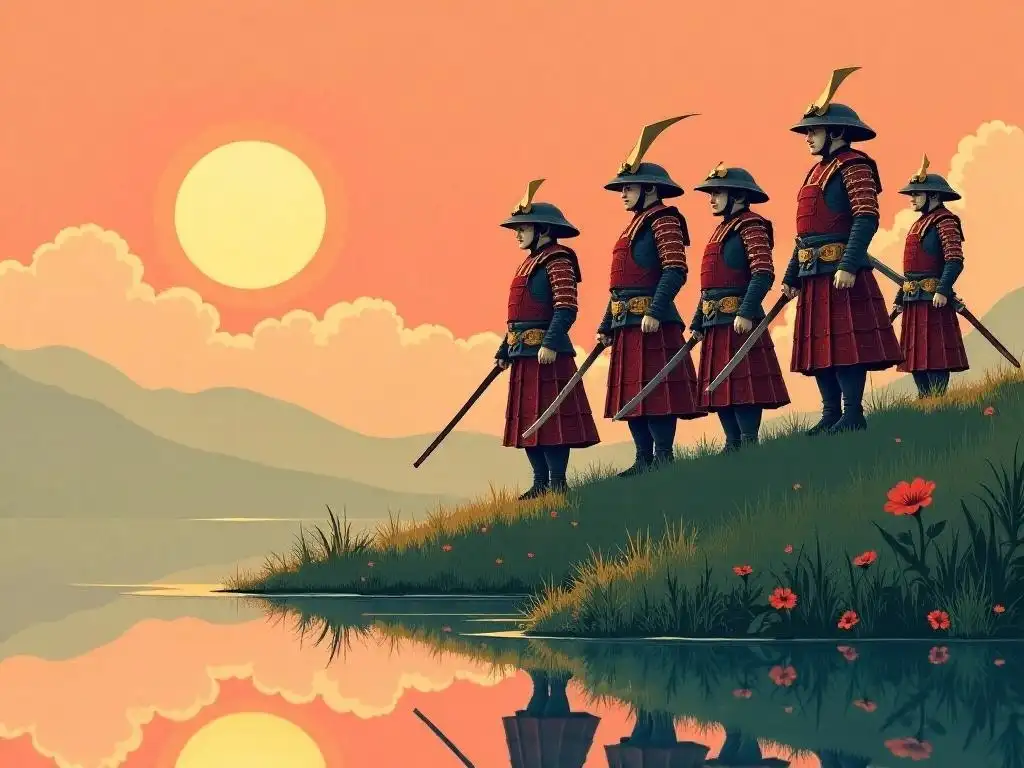
Welcome to Feudal Japan History, where we embark on a fascinating journey through the intricate tapestry of Japan's feudal era. Here, you will uncover the profound Samurai influence on the Tokugawa Shogunate, a pivotal force that shaped the very foundations of Japanese society. As you delve into our expertly crafted articles, prepare to be captivated by tales of honor, power, and the indomitable spirit of the samurai.
What secrets lie within this era, and how did these warriors carve their legacy? Join us as we unravel the complexities of military history and reveal the enduring impact of the samurai on Japan's past. Your adventure awaits!
Introduction to the Samurai Influence on the Tokugawa Shogunate
The samurai, as emblematic warriors of feudal Japan, played a pivotal role in shaping the political landscape that led to the establishment of the Tokugawa Shogunate in the early 17th century. This period, characterized by its unique blend of military prowess, cultural flourishing, and social stratification, saw the samurai transition from mere warriors to influential political figures.
Understanding their influence during this era is crucial to grasping the complexities of Japan’s feudal society. The samurai's loyalty, martial skills, and adherence to the bushido code not only shaped their conduct in battle but also laid the groundwork for the Tokugawa regime's stability and governance.
Overview of the Tokugawa Era
The Tokugawa era, also known as the Edo period, lasted from 1603 to 1868 and marked a significant departure from the chaotic warfare of the preceding Sengoku period. Under the rule of Tokugawa Ieyasu and his successors, Japan experienced unprecedented peace and stability. This era was defined by a rigid class structure, economic growth, and cultural advancements, which were all heavily influenced by the samurai class.
The samurai not only served as military leaders but also became bureaucrats and landowners, participating actively in the administration of the shogunate. Their dual role in both warfare and governance was instrumental in maintaining the order that characterized this period.
Importance of Samurai in Feudal Japan
The samurai were not just warriors; they held a prestigious position in the feudal hierarchy of Japan. Their influence extended beyond the battlefield and permeated various aspects of society, including politics, culture, and philosophy. The bushido code, which emphasized loyalty, honor, and discipline, became the ethical foundation of samurai conduct, influencing not only their peers but also the broader societal norms.
As protectors of the realm, samurai were tasked with upholding the shogunate's authority and ensuring the loyalty of the warrior class. This crucial role solidified their importance in the feudal system and their contributions to the rise of the Tokugawa Shogunate.
The Historical Context of the Tokugawa Shogunate
The Sengoku Period: Prelude to the Shogunate
The Sengoku period, stretching from the mid-15th century to the late 16th century, was a time of intense social upheaval and military conflict in Japan. Feudal lords, known as daimyo, constantly vied for power, leading to widespread warfare and instability. During this tumultuous era, the samurai emerged as key players in the struggle for dominance, honing their skills in battle and solidifying their identities as warriors. This period set the stage for the eventual unification of Japan under the Tokugawa Shogunate, as powerful leaders like Oda Nobunaga and Toyotomi Hideyoshi laid the groundwork for Ieyasu's ascendance.
Key Figures Leading to the Tokugawa Rise
Several pivotal figures played essential roles in the unification of Japan that preceded the Tokugawa Shogunate. Oda Nobunaga's innovative military strategies and ruthless tactics dismantled the power of rival clans, while Toyotomi Hideyoshi further consolidated control, bringing most of Japan under a centralized authority. However, it was Tokugawa Ieyasu who, following Hideyoshi's death, capitalized on the political landscape to establish the Tokugawa Shogunate in 1603. The samurai's loyalty to these leaders, combined with their military expertise, proved critical in the eventual establishment of a lasting shogunate.
The Role of Warfare in Shogunate Establishment
Warfare was a defining element in the establishment of the Tokugawa Shogunate. The decisive Battle of Sekigahara in 1600, where Ieyasu's forces defeated rival factions, marked a turning point in Japanese history. Samurai warriors played a crucial role in this conflict, showcasing their martial skills and strategic acumen.
The victory not only secured Ieyasu's position but also facilitated the consolidation of power that characterized the Tokugawa era. The influence of the samurai in warfare was instrumental in shaping the political realities of the time, establishing the shogunate as the dominant force in Japan and setting the stage for centuries of relative peace and cultural development.
The Samurai Class: Structure and Significance
The samurai class emerged as a pivotal force during the feudal era of Japan, playing a crucial role in shaping both military and social structures. Initially, samurai were warriors serving the nobility and providing military support. Over time, they evolved into a distinct social class characterized by a strict hierarchy and code of conduct. The samurai were often divided into various ranks, including daimyō (feudal lords), hatamoto (direct retainers), and gokenin (lower-ranking samurai). This stratification helped maintain order and loyalty within the ranks, creating a cohesive military force that was essential for the stability of the Tokugawa Shogunate.
The significance of the samurai class extended beyond mere military prowess. They were also tasked with governance and administration, acting as intermediaries between the ruling shogunate and the peasantry. This dual role reinforced their importance in maintaining peace and order during a period marked by constant warfare and shifting allegiances. The samurai's influence was not limited to the battlefield; they also played a vital role in cultural and artistic developments, contributing to Japan's rich heritage during the Tokugawa period.
Origins and Evolution of the Samurai
The origins of the samurai can be traced back to the Heian period (794-1185), when the need for military protection arose due to increasing conflict among noble families. As regional clans competed for power, warriors began to emerge as a distinct group, initially serving as private retainers for powerful nobles. The term "samurai" itself means "to serve," signifying their role as loyal warriors.
As Japan transitioned into the Kamakura period (1185-1333), the samurai class began to solidify its status. The establishment of the Kamakura Shogunate marked a significant shift in power from the imperial court to military leaders, further entrenching the samurai's role in governance. The rise of the samurai continued through the Muromachi period (1336-1573), where they played a central role in the political landscape, participating in various conflicts and power struggles.
The Tokugawa Shogunate (1603-1868) represented the culmination of the samurai's evolution. Under Tokugawa Ieyasu, the samurai transformed from a warrior class engaged in constant battle to a more bureaucratic and administrative role. This shift allowed the samurai to maintain their status in a time of relative peace, leading to the development of a new social order that emphasized loyalty and discipline.
Samurai Values: Bushido and Loyalty
At the heart of the samurai ethos was Bushido, the "way of the warrior." This code emphasized virtues such as loyalty, honor, courage, and discipline. Bushido guided the samurai's conduct both on and off the battlefield, influencing their relationships with lords, peers, and commoners alike. The strict adherence to this code fostered a sense of identity and purpose among samurai, reinforcing their commitment to their lords and the shogunate.
Loyalty was perhaps the most revered aspect of Bushido. Samurai were expected to demonstrate unwavering allegiance to their daimyō, often placing their lord's interests above their own lives. This loyalty was not just a matter of duty; it was deeply ingrained in samurai culture. The concept of seppuku (ritual suicide) exemplified the ultimate expression of loyalty, where a samurai would take his life rather than betray his lord or face dishonor.
The values of Bushido also had a broader impact on Tokugawa society. They influenced the samurai's role in governance and their interactions with the peasantry, promoting a sense of responsibility and ethical conduct. As a result, the samurai class became not only a military elite but also a moral compass for the society they governed.
The Economic Role of Samurai in Society
The samurai class played a significant economic role in Tokugawa Japan, particularly in the agricultural sector. Samurai were often granted land by their daimyō, allowing them to cultivate rice and other crops. This agricultural productivity was vital for sustaining the feudal economy and supporting the samurai's lifestyle, as they relied on the income generated from their estates.
Additionally, samurai participated in local governance, overseeing agricultural production and ensuring the welfare of their vassals and peasant populations. They were involved in tax collection and the enforcement of laws, which helped maintain order within their domains. This involvement in administration and economy reinforced the samurai's status and provided them with a tangible connection to the land and its people.
Moreover, the peace established under the Tokugawa Shogunate allowed for the growth of urban centers, where samurai could engage in commerce and various crafts. While traditionally viewed as warriors, many samurai adapted to the changing economic landscape by participating in trade and the burgeoning merchant class. This economic versatility further solidified their importance in Tokugawa society.
Military Strategies Employed by Samurai
The samurai's approach to warfare was characterized by a combination of strategy, discipline, and adaptability. Unlike the chaotic battles of previous eras, the rise of the Tokugawa Shogunate brought about a more organized and strategic framework for military engagements. Samurai employed various military strategies that were essential for securing victories and solidifying their power.
Tactics and Techniques Used by Samurai Warriors
Samurai warriors utilized a range of tactics and techniques that reflected their training and expertise in combat. Central to their approach was the use of the katana, a curved sword that became emblematic of the samurai class. Mastery of swordsmanship was crucial, with training emphasizing quick strikes and precise movements.
In addition to close combat, samurai also employed mounted warfare, utilizing horses for mobility and speed. Cavalry units were often deployed to flank enemy formations or pursue retreating foes. The use of archery was another important aspect of samurai tactics, allowing them to engage enemies from a distance and disrupt formations before close combat ensued.
Strategically, samurai favored surprise attacks and ambushes, leveraging their knowledge of the terrain to outmaneuver opponents. This tactical flexibility was particularly evident during the Sengoku period, where various clans vied for control. The Tokugawa Shogunate further refined these tactics, emphasizing discipline and coordination among samurai units in large-scale battles.
The Impact of Samurai Warfare on Tokugawa Policies
The warfare tactics employed by samurai had a significant impact on the policies of the Tokugawa Shogunate. The need for a stable military force led to the establishment of a strict class hierarchy, where samurai were distinguished from peasants and merchants. The shogunate relied on a well-trained samurai class to maintain peace and suppress dissent, leading to policies that prioritized loyalty and discipline.
Furthermore, the samurai's military prowess influenced the shogunate's approach to diplomacy and conflict resolution. The Tokugawa leaders understood the importance of maintaining strong military capabilities while promoting diplomatic relations among the various daimyō. This dual approach helped to prevent widespread warfare and foster stability, allowing the shogunate to focus on economic growth and cultural development.
Over time, the emphasis on military preparedness led to the establishment of a comprehensive system of laws and regulations governing samurai conduct. These policies aimed to reinforce loyalty to the shogunate and ensure that the samurai remained a reliable force for maintaining order.
Key Battles and Their Outcomes
Several key battles during the rise of the Tokugawa Shogunate showcased the influence and capabilities of the samurai. One notable engagement was the Battle of Sekigahara in 1600, which marked a decisive turning point in Japanese history. In this battle, Tokugawa Ieyasu's forces faced off against a coalition of rival clans. The victory at Sekigahara solidified Ieyasu's power and laid the foundation for the Tokugawa Shogunate.
Another significant conflict was the Siege of Osaka (1614-1615), which involved a series of battles between Tokugawa forces and the Toyotomi clan. The successful siege resulted in the complete destruction of the Toyotomi stronghold, effectively eliminating one of the last threats to Tokugawa rule. These battles exemplified not only the military prowess of the samurai but also their strategic importance in shaping the political landscape of Japan during the feudal era.
The outcomes of these battles reinforced the samurai's role as both warriors and administrators, establishing a legacy that would endure throughout the Tokugawa period and beyond.
The Transition to Peace: Samurai's Role in Governance
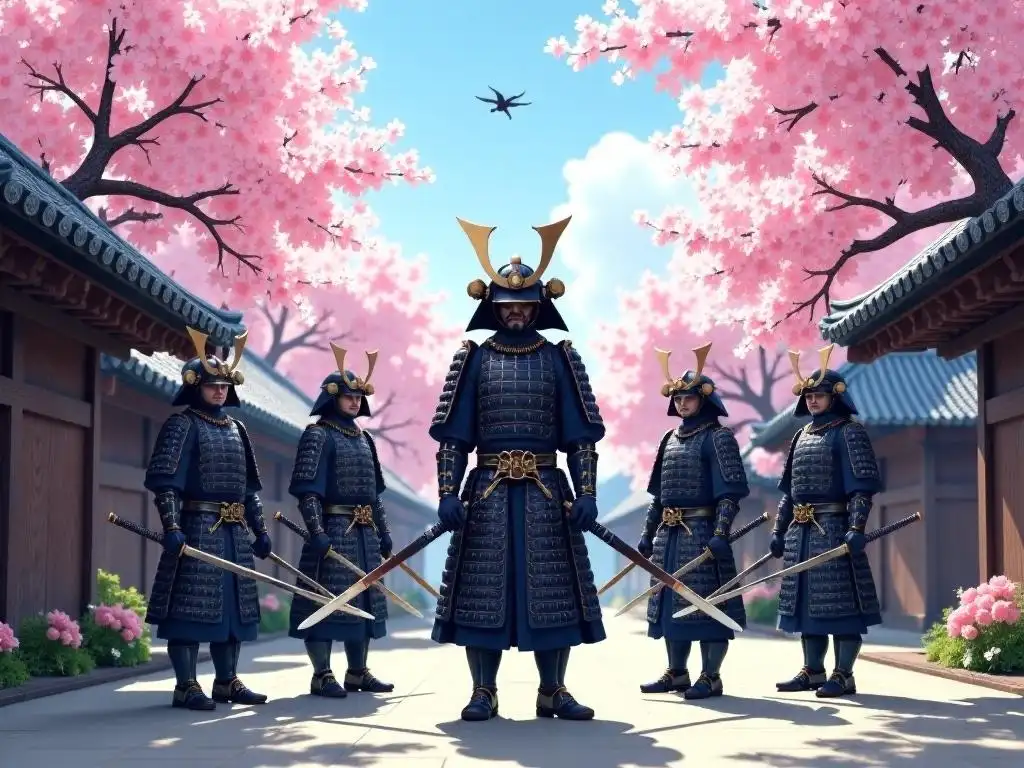
The establishment of the Tokugawa Shogunate in 1603 marked a significant shift in Japan's political landscape. After centuries of continuous warfare during the Sengoku period, the Tokugawa regime initiated a long era of peace known as the Edo period. This transition was not merely a change in military leadership; it also involved a profound transformation in the role of the samurai. As the warriors who had once thrived in battle, samurai became integral to the governance and administration of the state.
The Shift from Warfare to Governance
With the unification of Japan under Tokugawa Ieyasu, the samurai found themselves in a new role where their martial skills were less critical than their administrative and bureaucratic abilities. The previously fragmented feudal system gave way to a centralized government, where the samurai were tasked with maintaining order and implementing the shogunate's policies. Many samurai took on positions as local governors, responsible for the collection of taxes, law enforcement, and the management of lands.
This shift required samurai to adapt their skills. They embraced education, learning to read and write, and engaging with Confucian ideals, which emphasized governance and ethics. As a result, the samurai class evolved from mere warriors into a learned and disciplined ruling elite, capable of managing the complexities of a unified Japan.
Samurai as Administrators and Landholders
As the Tokugawa Shogunate solidified its power, the role of samurai as administrators became more pronounced. They were often placed in charge of specific domains, where they exercised authority over peasants and local affairs. This administrative role came with significant responsibilities, including maintaining agricultural productivity and ensuring the stability of their regions.
Samurai were also granted land in exchange for their service, which further solidified their status as landholders. This system, known as the han, divided the country into various domains controlled by daimyōs (feudal lords), who were often samurai themselves. The samurai's ability to manage these lands effectively was crucial in sustaining the shogunate’s economy and maintaining social order.
Influence of Samurai on Tokugawa Laws and Order
The samurai's influence extended deeply into the legal framework of the Tokugawa Shogunate. They played a pivotal role in formulating laws that would govern society during the Edo period. The samurai code of conduct, known as bushido, emphasized loyalty, honor, and discipline, which became core values in the governance of the shogunate.
This moral framework informed the development of legal systems and societal norms. The samurai were not only enforcers of the law but also exemplars of the ethical standards expected within Japanese society. Their influence helped to foster a sense of order and stability, crucial for the shogunate's long-standing peace.
Cultural Contributions of the Samurai to the Tokugawa Shogunate
Beyond their political and administrative roles, samurai also significantly contributed to the cultural landscape of the Tokugawa Shogunate. Their influence permeated various aspects of Japanese culture, shaping art, literature, philosophy, and social customs.
Art, Literature, and Philosophy Influenced by Samurai
The samurai's engagement with the arts during the Edo period fostered a rich cultural environment. Many samurai were patrons of artists and writers, leading to the flourishing of genres such as ukiyo-e (woodblock prints) and kabuki theater. The samurai's aesthetics often emphasized themes of nature, honor, and the transient nature of life, reflecting their philosophical underpinnings.
Literature, particularly the tales of heroic samurai, gained popularity, with works such as "The Tale of the Heike" and the "Samurai Chronicles" capturing the essence of their values. Furthermore, samurai were instrumental in the development of Japanese philosophy, as they embraced Zen Buddhism, which influenced their approach to life, art, and governance.
Samurai and the Development of Japanese Culture
The samurai class played a crucial role in shaping Japanese culture during the Tokugawa period. Their values not only influenced the elite but also permeated the broader society. The principles of bushido became intertwined with national identity, promoting ideals of loyalty, courage, and self-discipline among all classes.
Additionally, samurai were key figures in the promotion of traditional Japanese practices such as tea ceremonies (chanoyu), martial arts (bujutsu), and calligraphy. These cultural practices fostered a sense of community and continuity, allowing the samurai to leave an indelible mark on Japanese cultural heritage.
Legacy of Samurai in Tokugawa Society
The legacy of the samurai in Tokugawa society is profound and multifaceted. As warriors turned administrators and cultural figures, they helped establish a framework for governance that prioritized order and stability. Their contributions to culture and the arts created a vibrant societal backdrop that would define Japan for centuries.
Even after the dissolution of the samurai class following the Meiji Restoration in the late 19th century, the values and cultural contributions of the samurai continued to resonate within Japanese society. Their influence is visible in modern Japan, where the ideals of loyalty, honor, and discipline still hold significant importance in various aspects of life, from business practices to personal conduct. The samurai’s role in the rise of the Tokugawa Shogunate thus remains a vital chapter in the narrative of Japan's rich history.
Conclusion: Lasting Impact of Samurai on the Tokugawa Shogunate
The samurai played a pivotal role in the establishment and consolidation of the Tokugawa Shogunate, shaping not only military strategies but also the governance and social structures of Japan during this period. The Tokugawa era, lasting from 1603 to 1868, was marked by peace and stability known as the Pax Tokugawa, largely supported by the samurai class.
Their influence extended beyond the battlefield; samurai were instrumental in the promotion of Confucian ethics, which emphasized loyalty, duty, and honor—values that became central to the Tokugawa ideology. As enforcers of Tokugawa law, samurai maintained order and upheld the social hierarchy, ensuring the stability necessary for the shogunate to thrive.
Moreover, the samurai's connection to land ownership and agricultural production solidified their status as both warriors and landholders, intertwining their fate with that of the Tokugawa regime. This duality facilitated the shogunate’s ability to extract resources and maintain economic stability, which was crucial for its longevity. The samurai's influence on governance, society, and culture during this period remains a testament to their integral role in shaping Japanese history.
Reflection on Samurai Influence in Japanese History
The impact of the samurai extends far beyond the Tokugawa period, permeating various aspects of Japanese culture and social structure. From the establishment of the bushido code, which emphasized martial honor and ethical conduct, to the samurai's role as cultural patrons fostering the arts, their influence is evident in many facets of Japanese life. The samurai's ideals shaped the perception of honor and loyalty in Japanese society, impacting everything from military conduct to interpersonal relationships.
In reflection, one can see that the samurai's contributions during the Tokugawa Shogunate laid the groundwork for modern Japanese identity. Their legacy is woven into the fabric of Japan’s historical narrative, influencing both contemporary culture and national values. As such, understanding the samurai's role during this crucial period is essential for appreciating the complexities of Japan's history.
The Enduring Legacy of Samurai in Modern Japan
Today, the legacy of the samurai can be seen in various aspects of modern Japanese culture. Symbols of the samurai, such as the katana and traditional armor, continue to evoke national pride and cultural identity. Furthermore, the principles of bushido still resonate, informing ethical frameworks in various fields, from business to martial arts.
Modern Japan also celebrates its samurai heritage through festivals, literature, and media, illustrating the enduring fascination with these historical figures. Movies, anime, and literature often romanticize the samurai, reinforcing their image as noble warriors. This cultural representation not only preserves the samurai's legacy but also inspires new generations to explore Japan's rich history. Thus, the samurai's influence is not merely a relic of the past but a living part of Japan's ongoing narrative.
Further Reading on Samurai and the Tokugawa Shogunate
For those interested in delving deeper into the intricate relationship between the samurai and the Tokugawa Shogunate, a wealth of resources is available that can provide comprehensive insights and detailed analyses. Below are suggestions for books and articles that cover various aspects of this historical intersection.
Suggested Books and Resources for In-Depth Knowledge
-
"Samurai: The World of the Warrior" by Stephen Turnbull
This book offers a detailed exploration of the samurai class, their weapons, and their role in society, providing historical context relevant to the Tokugawa period.
-
"The Tokugawa World" by Gary P. Leupp
A scholarly examination of the Tokugawa Shogunate, this work delves into the social, political, and military structures that characterized this pivotal era.
-
"Bushido: The Soul of Japan" by Inazo Nitobe
A classic text that articulates the philosophy of bushido, this book provides insights into the ethical underpinnings of the samurai and their influence on Japanese culture.
Related Articles on Feudal Japan History
-
"The Evolution of Samurai Warfare"
This article discusses the transformation of samurai military tactics and strategies from the Heian to the Tokugawa periods.
-
"The Role of the Samurai in Japanese Society"
An exploration of the social status and duties of samurai, highlighting their influence on Japanese culture and governance.
-
"Confucianism and the Samurai: Ideological Foundations of the Tokugawa Shogunate"
This piece examines how Confucian values were integrated into samurai ethics and governance during the Tokugawa era.
- Introduction to the Samurai Influence on the Tokugawa Shogunate
- The Historical Context of the Tokugawa Shogunate
- The Samurai Class: Structure and Significance
- Military Strategies Employed by Samurai
- The Transition to Peace: Samurai's Role in Governance
- Cultural Contributions of the Samurai to the Tokugawa Shogunate
- Conclusion: Lasting Impact of Samurai on the Tokugawa Shogunate
- Further Reading on Samurai and the Tokugawa Shogunate
- What was the Samurai's role in the Tokugawa Shogunate?
- How did the Samurai influence Japanese society during this era?
- What social changes occurred due to the Samurai's prominence?
- How did the Tokugawa Shogunate impact the Samurai's role?
- What were the long-term effects of Samurai influence on Japan?
Frequently Asked Questions
What was the Samurai's role in the Tokugawa Shogunate?
The Samurai served as the military elite during the Tokugawa Shogunate, providing essential support in establishing and maintaining political stability and enforcing the Shogunate's authority.
How did the Samurai influence Japanese society during this era?
The Samurai were pivotal in shaping Japanese culture and values, embodying principles such as loyalty, honor, and a strict code of conduct, which influenced societal norms and behaviors across all classes.
The rise of the Samurai led to a hierarchical society where the Samurai class gained special privileges, altering the dynamics between different social groups and reinforcing the feudal system.
How did the Tokugawa Shogunate impact the Samurai's role?
The Tokugawa Shogunate established a peaceful era, which diminished the Samurai's military functions but transformed them into administrators and guardians of the cultural heritage, fostering a new societal role.
What were the long-term effects of Samurai influence on Japan?
The legacy of the Samurai continued to shape Japan's national identity, influencing modern concepts of discipline, loyalty, and the appreciation of traditional arts, even beyond the feudal era.
Final Reflection: The Enduring Legacy of Samurai Influence on the Tokugawa Shogunate
The intricate relationship between the samurai and the rise of the Tokugawa Shogunate remains profoundly relevant today, as it highlights the enduring impact of warrior culture on societal structures. The samurai were not merely soldiers; they were the architects of a new political order that shaped Japan for centuries. Their influence transcends time, reminding us that the values of loyalty, honor, and discipline continue to resonate in modern society.
The samurai's legacy is woven into the very fabric of Japanese culture, influencing everything from governance to art and philosophy. Their role in establishing the Tokugawa Shogunate serves as a powerful reminder of how a dedicated class can steer the course of history. As noted by historian John W. Hall, The samurai were not just warriors; they were the custodians of a way of life that defined Japan.
This observation underscores the importance of understanding the samurai's multifaceted contributions to Japan's historical narrative and cultural identity.
As we reflect on the lessons from the samurai's influence on the Tokugawa Shogunate, let us consider how these principles can be applied in our own lives. Embrace the values of integrity and commitment in your pursuits, and recognize the power of collective effort in shaping a better future. In a world that often feels fragmented, the samurai's legacy invites us to cultivate a sense of purpose and community, reminding us that our actions today can create ripples of change for generations to come.
Unleash Your Inner Samurai: Take Action Today!
Thank you for diving into the fascinating world of the Samurai and the Tokugawa Shogunate! You've gained valuable insights into how these noble warriors shaped a pivotal era in Japanese history. Now, it's time to build upon that knowledge and take meaningful steps to explore this remarkable period further.
Here are a few exciting ways to deepen your connection to this history:
- Visit a local museum that features Samurai armor, weaponry, and artifacts, allowing you to experience this rich culture firsthand.
- Engage with a community group or online forum dedicated to Feudal Japan, where you can discuss insights, share ideas, and learn from fellow history enthusiasts.
- Read a historical novel or biography centered around a Samurai figure or the Tokugawa era to immerse yourself in captivating stories and significant events.
What aspect of the Samurai's legacy do you find most inspiring, and how do you believe it influences modern culture today?