
The Ashigaru: Unsung Heroes of Feudal Japan's Battlefields

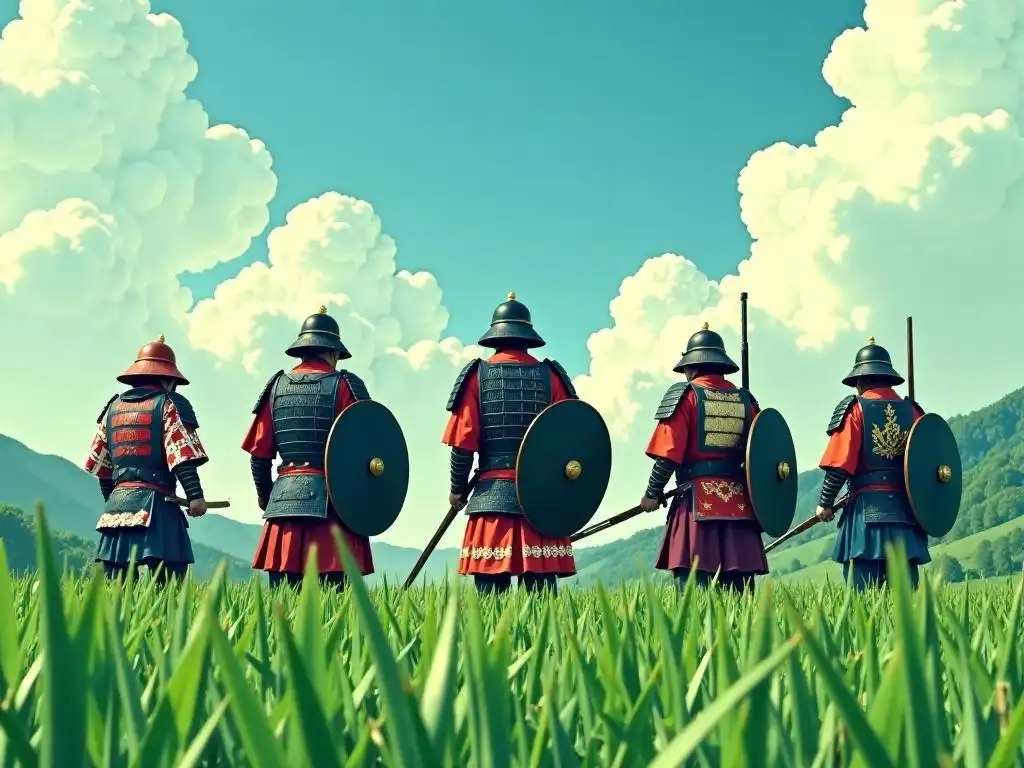
Welcome to Feudal Japan History, where we embark on an intriguing journey through the rich tapestry of Japan’s feudal era. This is not just a glimpse into the past; it’s a deep dive into the unsung heroes that shaped the battlefield— the Ashigaru warriors. In our featured article, "The Ashigaru: Unsung Heroes of Feudal Japan's Battlefields," you’ll discover the pivotal role these foot soldiers played in the military landscape of their time.
What motivated these warriors, and how did they influence the course of history? Prepare to uncover the layers of bravery and strategy that defined an era, and let your curiosity lead you deeper into the fascinating world of feudal Japan!
Introduction to Ashigaru Warriors in Feudal Japan
The Ashigaru warriors represent a pivotal yet often overlooked segment of Japan's military history during the feudal era. Emerging as foot soldiers in the 12th century, they played a crucial role on the battlefields of feudal Japan, contributing significantly to the dynamics of warfare and the rise of samurai clans. Unlike the noble samurai, Ashigaru were typically commoners, recruited for their physical abilities and loyalty rather than noble lineage.
Their presence not only reshaped the composition of armies but also influenced military strategies and social structures within the samurai-dominated society. This article delves into the multifaceted legacy of Ashigaru warriors, exploring their definitions, historical contexts, and evolution over time. By understanding the role of these unsung heroes, we can gain deeper insights into Japan's feudal military history and the societal changes that accompanied it.
Definition and Role of Ashigaru
The term Ashigaru literally translates to "foot soldiers," and these warriors were crucial in the ranks of feudal armies. Unlike the elite samurai, who were often bound by strict codes of conduct and honor, Ashigaru were more versatile and could be found in various roles on the battlefield. Their primary responsibilities included:
- Infantry Support: Ashigaru formed the backbone of many armies, providing essential infantry support in battles.
- Archers and Spearmen: They were often equipped with yari (spears) and bow and arrows, adapting their tactics to the needs of their commanders.
- Skirmishers: Ashigaru would frequently engage in skirmishes, harassing enemy formations and disrupting their strategies.
In essence, the Ashigaru were the pragmatic soldiers of feudal Japan, whose adaptability and sheer numbers were vital for the success of military campaigns.
Historical Context of Ashigaru in Japanese Warfare
The rise of the Ashigaru is closely tied to the evolving nature of warfare in Japan. Initially, military conflicts were dominated by samurai warriors, but as the need for larger armies grew—especially during the Kamakura and Sengoku periods—military leaders began to enlist commoners as foot soldiers. This shift allowed for the following developments:
- Increased Army Size: With Ashigaru augmenting the ranks of samurai, armies could swell in numbers, enabling more extensive military campaigns.
- Democratization of Warfare: The inclusion of Ashigaru in battles marked a significant shift in the social structure of Japan, as commoners gained a measure of power and influence on the battlefield.
- Tactical Innovations: The presence of Ashigaru led to new military tactics that incorporated both traditional samurai strategies and the more adaptable approaches of common soldiers.
As we explore the evolution of Ashigaru warriors, it becomes clear that their contributions were fundamental to the changing landscape of Japanese warfare.
The Evolution of Ashigaru Warriors
Origins of Ashigaru During the Kamakura Period
The origins of the Ashigaru can be traced back to the Kamakura period (1185-1333), a time marked by the rise of the samurai class and the establishment of a military government. Initially, Ashigaru served as auxiliaries, supporting samurai in warfare. Key points about their origins include:
- Military Necessity: The need for more soldiers to defend territories and engage in conflicts prompted the recruitment of commoners.
- Social Mobility: Some Ashigaru were able to improve their social standing through military service, gaining land and status after successful campaigns.
This period set the foundation for the Ashigaru's evolution into recognized and valued members of the military hierarchy.
Development of Ashigaru Tactics and Equipment
As the role of Ashigaru evolved, so did their equipment and tactics. Key developments included:
- Standardization of Weapons: Ashigaru were typically armed with yari, naginata, and later, firearms, reflecting a shift towards more standardized military equipment.
- Formation Tactics: They began to operate in organized formations, complementing the samurai's cavalry charges with their infantry tactics.
These changes enhanced the effectiveness of Ashigaru in battle, allowing them to adapt to various combat scenarios.
Ashigaru in the Sengoku Period: Rise and Significance
The Sengoku period (1467-1615), known as the "Age of Warring States," marked the height of Ashigaru prominence in Japanese warfare. During this tumultuous time, several factors contributed to their rise:
- Increased Warfare: The constant conflicts among feudal lords led to a higher demand for soldiers, resulting in greater reliance on Ashigaru.
- Strategic Importance: Military leaders recognized the tactical advantages of employing large numbers of Ashigaru, using them to outmaneuver and overwhelm enemy forces.
- Cultural Integration: The Ashigaru began to integrate into the social fabric of Japan, establishing their legacy as essential contributors to the military might of feudal lords.
The evolution of Ashigaru warriors reflects a significant chapter in Japan's feudal military history, illustrating their role as vital participants in shaping the outcomes of battles and the fate of clans. Their legacy continues to resonate in the narrative of Japan's past, highlighting the importance of recognizing all contributors to its rich history.
Ashigaru Warriors in the Feudal Military Structure
The Ashigaru warriors played a pivotal role in the military structure of feudal Japan, serving as the backbone of samurai armies during the Sengoku period (1467-1603). Unlike the elite samurai, Ashigaru were typically foot soldiers who could be recruited from various social strata, including peasants and lower-ranking individuals. Their presence on the battlefield was essential for providing the necessary manpower to engage in large-scale conflicts that defined this tumultuous era.
Ashigaru were organized into units and often fought alongside samurai, although they were not considered equals in terms of social status or military prestige. However, their contributions were significant; they were often used for support roles in battle, including skirmishing, flanking maneuvers, and holding strategic positions. The evolution of the Ashigaru from mere conscripts to valued soldiers reflects the broader changes in Japanese military tactics and social dynamics during the feudal era.
The Recruitment of Ashigaru: Who They Were
The recruitment of Ashigaru was a strategic process, driven by the need for large numbers of soldiers in the face of constant warfare. Unlike samurai, who were bound by a code of honor and social standing, Ashigaru could come from various backgrounds. Many were farmers or commoners who sought to gain wealth and status through military service.
During the height of the Sengoku period, warlords began to formalize the recruitment process, often offering incentives such as land or money to attract volunteers. In some instances, entire villages were compelled to provide a certain number of men for military service. This recruitment not only supplied the armies with foot soldiers but also helped integrate the Ashigaru into the evolving social fabric of feudal Japan.
Training and Discipline of Ashigaru Soldiers
Training for Ashigaru soldiers was crucial to their effectiveness on the battlefield. Typically, their training was less rigorous than that of samurai, but it focused on essential skills such as basic combat techniques, weapon handling, and unit cohesion. This training was often conducted by seasoned veterans who imparted knowledge on tactics, discipline, and survival in the chaos of battle.
Discipline among Ashigaru was maintained through a combination of fear and respect. While they were not bound by the same strict honor codes as samurai, they understood the importance of following orders and maintaining unit organization. As they began to play more significant roles in battles, the need for disciplined formations and coordinated tactics became increasingly apparent.
Combat Strategies and Tactics of Ashigaru
The combat strategies and tactics employed by Ashigaru were integral to the success of feudal Japanese armies. These foot soldiers were often utilized in various roles, depending on the specific needs of the battlefield. Their versatility allowed commanders to adapt strategies based on the enemy and the terrain.
Types of Weapons Used by Ashigaru
Ashigaru warriors were typically equipped with a range of weapons, which varied depending on their role and the resources available. Commonly used weapons included:
- Yari (spear): The yari was a primary weapon for Ashigaru, allowing them to engage enemies at a distance while providing a means for effective thrusting in close combat.
- Naginata (polearm): Some Ashigaru were armed with naginata, which combined the reach of a spear with the cutting power of a sword.
- Bow and arrows: Ashigaru archers could provide ranged support, utilizing bows to rain arrows down on enemy formations.
- Tanto (dagger): While not their main weapon, the tanto served as a secondary weapon for close-quarters combat.
These weapons not only enhanced their combat effectiveness but also allowed for a flexible approach to warfare, catering to various battlefield scenarios.
Formation and Battle Tactics: The Role of Ashigaru
In battle, Ashigaru were often organized into formations that complemented the more heavily armored samurai. A common tactic was to use Ashigaru in the front lines to absorb the initial impact of enemy charges, allowing samurai to execute flanking maneuvers or counterattacks.
Ashigaru formations were typically designed for maximum effectiveness, employing techniques such as:
- Hedgehog formation: This defensive tactic involved creating a dense line of spears to fend off cavalry charges.
- Loose formations: In situations requiring mobility, Ashigaru would spread out to avoid concentrated attacks and facilitate rapid movement across the battlefield.
The adaptability of Ashigaru tactics allowed feudal lords to employ these warriors effectively in various combat situations, demonstrating their value beyond mere numbers.
Notable Battles Involving Ashigaru Forces
Several notable battles illustrate the critical role of Ashigaru in feudal Japan's military history.
- The Battle of Nagashino (1575): This iconic confrontation showcased the effectiveness of Ashigaru as musketeers. They played a crucial role in the defensive strategies employed by the forces of Tokugawa Ieyasu against the cavalry charges of Takeda Katsuyori.
- The Battle of Sekigahara (1600): Ashigaru were also instrumental in this decisive conflict that ultimately led to the establishment of the Tokugawa shogunate. Their presence in the ranks helped shape the outcome, demonstrating their importance in the broader context of Japanese warfare.
These battles highlight the evolution of Ashigaru warriors from simple foot soldiers to essential components of military strategy, solidifying their legacy as unsung heroes of feudal Japan's battlefields.
Cultural Significance of Ashigaru in Feudal Japan
The Ashigaru, often regarded as the foot soldiers of feudal Japan, held a vital role that extended far beyond mere battlefield engagement. Emerging during the Kamakura period (1185–1333) and evolving throughout the subsequent centuries, these warriors were instrumental in shaping both military tactics and societal structures. Their cultural significance lies not only in their military contributions but also in their representation of the evolving Japanese warrior class.
Ashigaru warriors were typically of lower social status, often recruited from peasantry. This shift allowed for a more democratized military structure where commoners could rise to prominence through valor and skill. Their inclusion in the samurai ranks challenged the rigid class distinctions prevalent in Japanese society, reflecting a dynamic cultural landscape. As a result, the Ashigaru became symbols of resilience and adaptability, embodying the spirit of the common people during Japan's turbulent times.
Moreover, the Ashigaru played a crucial role in the development of military tactics during the Sengoku period (1467–1603). Their ability to quickly adapt to new weapons and strategies, such as the introduction of firearms, demonstrated their importance in the evolution of warfare in Japan. This adaptability not only contributed to the success of various military campaigns but also laid the groundwork for the modern Japanese military ethos.
Ashigaru in Literature and Folklore
The presence of Ashigaru in Japanese literature and folklore has been significant, as these warriors have become emblematic of the struggles and aspirations of the common people. Various texts and stories from the feudal era portray Ashigaru as brave yet humble soldiers, often fighting alongside their samurai counterparts. For instance, in the famous Heike Monogatari, Ashigaru are depicted as crucial participants in the battles of the Genpei War, showcasing their valor and commitment to their lords.
Folklore also contributes to the understanding of Ashigaru, portraying them as the heart of the samurai army. Tales often highlight their loyalty and bravery, creating a narrative that emphasizes the importance of every soldier, regardless of rank. This cultural representation serves to humanize the Ashigaru, reminding audiences of the sacrifices made by those who fought on the front lines.
Additionally, the Ashigaru's role in literature has evolved over time, with modern interpretations often romanticizing their contributions to Japanese history. Works of fiction, films, and anime frequently feature Ashigaru as key characters, reflecting their enduring legacy in popular culture. This portrayal not only honors their historical significance but also reinforces their status as unsung heroes in the tapestry of Japan's feudal past.
The Perception of Ashigaru in Samurai Culture
In samurai culture, the perception of Ashigaru was complex. While they were often seen as lower-status warriors compared to the elite samurai, their contributions were recognized and valued, particularly during times of war. Samurai lords relied heavily on Ashigaru for their numbers and versatility, especially in large-scale battles where infantry was essential.
Despite their lower social standing, Ashigaru could earn respect through acts of bravery and loyalty. Successful Ashigaru who distinguished themselves in battle might even receive rewards or promotions, blurring the lines between classes. This dynamic created a unique relationship between samurai and Ashigaru, where mutual respect could flourish despite societal hierarchies.
However, this perception was not universally positive. Some samurai looked down upon Ashigaru, viewing them as mere foot soldiers lacking the noble virtues of the samurai class. This tension between the two groups reflected the broader societal divisions of feudal Japan, where honor and status were paramount. Yet, as history progressed, the growing recognition of Ashigaru's importance in warfare began to reshape the samurai's outlook, leading to a more integrated view of their role within the military hierarchy.
Legacy of Ashigaru Warriors in Modern Japan
The legacy of Ashigaru warriors in modern Japan is profound, influencing various aspects of Japanese culture, including military tradition, social structures, and popular media. Their story serves as a reminder of the common soldier's contributions to Japan's historical narrative, emphasizing that valor and loyalty are not reserved for the elite.
In contemporary Japanese society, the Ashigaru are often celebrated in history books and cultural exhibitions, representing the evolution of the Japanese warrior class. Educational programs and museums frequently highlight their role in shaping military tactics and strategies during the Sengoku period, ensuring that their contributions are remembered and honored.
Additionally, Ashigaru have captured the imagination of modern storytellers, appearing in films, novels, and video games. This portrayal not only preserves their historical significance but also reinterprets their story for new generations, ensuring that the legacy of these unsung heroes continues to resonate.
Conclusion: The Lasting Impact of Ashigaru Warriors on Japanese History
The Ashigaru warriors have left an indelible mark on Japanese history, influencing both military practices and societal structures. Their rise from commoners to vital components of the samurai army signifies a shift in the traditional warrior paradigm, allowing for a more inclusive understanding of what it meant to be a soldier in feudal Japan.
Reflection on the Contribution of Ashigaru in Feudal Japan
Reflecting on the contributions of Ashigaru warriors reveals a narrative of resilience and adaptability. Their ability to evolve alongside changing military technologies and tactics illustrates their significance in the broader context of Japanese warfare. The Ashigaru were not merely foot soldiers; they were integral to the success of many feudal lords in their quests for power.
Furthermore, their role in the military hierarchy challenges prevailing notions of class and status in Japanese society. The Ashigaru's legacy serves as a testament to the importance of every individual's contribution, regardless of rank, in shaping the course of history.
The Modern Interpretation of Ashigaru's Role in Military History
Today, the role of Ashigaru in military history is increasingly acknowledged and celebrated. Modern interpretations focus on their strategic importance and the tactical innovations they brought to the battlefield. As historians and scholars continue to explore the intricacies of feudal Japan, the Ashigaru warriors emerge as pivotal figures whose influence extended far beyond their status as foot soldiers.
This renewed interest in the Ashigaru reflects a broader trend in military history, where the contributions of all soldiers, regardless of rank, are recognized and valued. Their legacy continues to inspire discussions about honor, bravery, and the evolution of warfare, ensuring that the Ashigaru remain an essential part of Japan's rich historical tapestry.
Further Reading and Resources on Ashigaru Warriors in Feudal Japan
To gain a deeper understanding of the Ashigaru and their integral role in the military history of feudal Japan, a variety of resources are available. These materials range from academic texts to engaging documentaries that explore the lives, battles, and societal contributions of these often-overlooked warriors.
Recommended Books and Articles
-
"Warriors of Japan: The Story of the Samurai" by Stephen Turnbull
This book provides a comprehensive overview of the samurai and their retainers, including the Ashigaru. Turnbull delves into the social hierarchy and the evolution of warrior classes throughout Japanese history.
-
"The Samurai and the Sacred" by Richard J. Smethurst
In this work, Smethurst explores the connection between the samurai class and spirituality, including insights into the role of Ashigaru in the broader context of Japanese warfare and culture.
-
"Ashigaru: The Samurai's Foot Soldiers" by John M. Smith
This specialized book focuses exclusively on the Ashigaru, detailing their origins, training, and pivotal contributions to battles during the Sengoku period. Smith provides rich narratives and analysis based on historical texts.
-
"The Role of the Ashigaru in Feudal Japanese Warfare" - Journal of Japanese Military History
This scholarly article examines the tactical significance of Ashigaru warriors in various battles, analyzing their equipment, strategies, and the impact they had on the outcomes of key conflicts.
-
"Feudal Japan: A History" by Michael J. McCarthy
McCarthy's book offers a broader historical context, situating the Ashigaru within the political and military developments of feudal Japan, making it an essential read for those interested in the era.
Documentaries and Films Featuring Ashigaru History
-
"The Last Samurai" (2003)
While primarily focused on the samurai, this film provides insights into the social structure of Japan during the 19th century, including the remnants of the Ashigaru class. It highlights the transformation of Japanese warfare and the roles of various soldiers.
-
"Samurai: Behind the Blade" (2007)
This documentary includes segments that discuss the life of the Ashigaru, showcasing their training, weaponry, and the evolution of their role in feudal battles. It combines expert interviews with historical reenactments to illustrate their story.
-
"The Samurai Chronicles" (Series)
This documentary series takes an in-depth look at various aspects of samurai culture and warfare, including episodes that focus on the Ashigaru, their lives, and their contributions to military campaigns.
-
"The Age of the Samurai: Battle for Japan" (2021)
This Netflix documentary series provides a vivid portrayal of the Sengoku period, emphasizing the importance of Ashigaru soldiers in various battles. It combines historical analysis with dramatized battle scenes to engage viewers.
These resources serve as a gateway to understanding the multifaceted role of Ashigaru warriors in feudal Japan, shedding light on their contributions to the military landscape of the era.
- Introduction to Ashigaru Warriors in Feudal Japan
- The Evolution of Ashigaru Warriors
- Ashigaru Warriors in the Feudal Military Structure
- Combat Strategies and Tactics of Ashigaru
- Cultural Significance of Ashigaru in Feudal Japan
- Conclusion: The Lasting Impact of Ashigaru Warriors on Japanese History
- Further Reading and Resources on Ashigaru Warriors in Feudal Japan
Frequently Asked Questions
What were Ashigaru warriors in feudal Japan?
Ashigaru were foot soldiers who played a crucial role in Japan's feudal military system. They were typically lower-class men who served samurai and were essential to many battles.
How did Ashigaru differ from samurai?
Unlike samurai, who were noble warriors with a code of honor, Ashigaru were often commoners without the same social status. They were mainly trained for infantry combat and lacked the extensive training of samurai.
What was the role of Ashigaru in battles?
Ashigaru served as support troops, providing crucial manpower on the battlefield. They were responsible for holding positions, engaging the enemy, and sometimes even flanking maneuvers during battles.
How were Ashigaru recruited during feudal Japan?
Ashigaru were often recruited from peasant populations, especially during times of war. Landowners would call upon local men to serve, providing them with minimal training and basic weaponry.
What impact did Ashigaru have on Japanese warfare?
The presence of Ashigaru significantly changed Japanese warfare by allowing larger armies to be fielded. Their mass mobilization tactics helped shift the balance of power during conflicts in the feudal era.
Final Reflection: The Legacy of Ashigaru Warriors in Feudal Japan
The Ashigaru warriors, often overshadowed by their samurai counterparts, played a pivotal role in shaping the battlefields of feudal Japan. Today, as we explore the complexities of social hierarchies and the contributions of marginalized groups, the story of the Ashigaru resonates more than ever. Their courage and resilience remind us that every voice matters, and every contribution, no matter how seemingly small, can have a profound impact on history.
Culturally, the Ashigaru symbolize the spirit of perseverance and adaptability in the face of adversity. Their evolution from foot soldiers to essential components of military strategy reflects the dynamic nature of society and the importance of recognizing all contributors to a collective effort. As historian John W. Hall once said, “The history of Japan is a history of the common people.” This sentiment underscores the significance of the Ashigaru, whose sacrifices and valor continue to inspire discussions about class, honor, and the true meaning of heroism.
As we reflect on the legacy of the Ashigaru, let us carry their story into our own lives. Consider how you can honor the unsung heroes in your community, the individuals whose efforts often go unnoticed. Embrace the lessons of resilience and unity that the Ashigaru exemplified, and strive to uplift those around you. In doing so, we not only pay homage to the past but also pave the way for a more inclusive and compassionate future.
Honor the Ashigaru: Take Action and Educate!
Thank you for exploring the captivating world of the Ashigaru and their significant role on the battlefields of feudal Japan. Your interest not only enhances your understanding but also helps preserve this crucial part of history. Now, let’s turn that knowledge into meaningful action!
- Explore further: Dive deeper into feudal Japan by reading related articles on our website and discover other often-overlooked heroes of history.
- Engage with others: Share your insights! Discuss what you've learned about the Ashigaru in our comments section or on social media to ignite a conversation about their lasting legacy.
- Honor their legacy: Consider visiting a historical site or museum dedicated to feudal Japan to experience the culture and history of the Ashigaru firsthand.
Which aspect of the Ashigaru's story resonates with you the most, and how do you believe their contributions have influenced modern perceptions of samurai culture?