
Zen Gardens: The Symbolism and Serenity of Feudal Japanese Landscapes


Welcome to Feudal Japan History! Step into a world where the serene beauty of zen gardens reveals the profound symbolism embedded in feudal Japanese landscapes. Our in-depth exploration not only uncovers the intricate designs and cultural significance of these tranquil spaces but also invites you to discover how they reflect the broader societal and historical tapestry of Japan’s feudal era. Are you ready to unveil the mysteries of feudal Japan zen garden symbolism? Dive into our featured article and let the journey begin!
Introduction to Feudal Japan Zen Garden Symbolism
Zen gardens, or karesansui, are more than just visually striking landscapes; they embody the philosophical and spiritual principles of Zen Buddhism, which profoundly influenced the cultural fabric of feudal Japan. These meticulously designed spaces invite contemplation and reflection, serving as a bridge between the physical and spiritual worlds.
As we delve into the rich symbolism and serene aesthetics of feudal Japan zen gardens, we uncover layers of meaning that resonate with the values and beliefs of an era marked by social stratification, artistic achievement, and profound spiritual exploration. This article aims to illuminate the intricate ties between zen gardens and the broader cultural and historical contexts of feudal Japan.
Overview of Zen Gardens in Feudal Japan
Zen gardens are typically characterized by their minimalistic design, featuring carefully arranged stones, gravel, and moss, often without the presence of water. This simplicity encourages a meditative state, inviting individuals to reflect on nature, existence, and the self. The arrangement of elements within these gardens is intentional, often representing larger concepts such as mountains, rivers, and islands, each bearing significant symbolic meaning.
- Key Features of Zen Gardens:
- Raked Gravel: Symbolizes water and creates a sense of movement.
- Stones: Represent islands or mountains, serving as focal points.
- Moss and Plants: Add layers of life and softness, enhancing the tranquil atmosphere.
These gardens are not merely decorative but serve as a physical manifestation of Zen principles, where each element is imbued with meaning, reflecting the harmony and balance sought in both nature and life.
Importance of Symbolism in Japanese Culture
Symbolism plays a vital role in Japanese culture, deeply interwoven into various aspects of life, art, and spirituality. In the context of zen gardens, every stone and rake line holds significance, often influenced by Shinto beliefs and Buddhist philosophies. The act of maintaining and viewing a zen garden is a ritualistic practice, fostering an environment conducive to mindfulness and introspection.
- Cultural Significance:
- Mindfulness: Gardens promote moments of stillness and contemplation.
- Aesthetics: Reflect the Japanese aesthetic principle of wabi-sabi, celebrating imperfection and transience.
- Connection to Nature: Reinforce the harmony between humanity and the natural world.
This rich tapestry of symbolism invites individuals to engage with their surroundings on a deeper level, encouraging a personal journey toward enlightenment and understanding.
Historical Context of Zen Gardens in Feudal Japan
The origins of zen gardens can be traced back to the emergence of Zen Buddhism during the Kamakura period (1185-1333), a time marked by political upheaval and the rise of the samurai class. As Zen teachings spread, they influenced not only the spiritual practices of the time but also the artistic expressions that emerged in this era, including the creation of zen gardens.
The Emergence of Zen Buddhism during the Feudal Era
Zen Buddhism emphasizes direct experience and meditation as pathways to enlightenment, contrasting with more doctrinal forms of Buddhism. This philosophy resonated with the samurai class, who sought a means of spiritual fulfillment amidst the chaos of feudal warfare. The establishment of Zen monasteries became pivotal in shaping the cultural landscape, leading to the development of gardens that reflected these spiritual ideals.
- Key Developments:
- Monastic Gardens: Early zen gardens were often part of temple complexes, designed for meditation.
- Integration with Samurai Culture: Many samurai adopted Zen practices to cultivate discipline and mindfulness.
Through these gardens, the ideals of Zen Buddhism were visually articulated, creating spaces that reflected the values of simplicity, tranquility, and harmony.
Influential Figures in the Development of Zen Gardens
Several key figures played a crucial role in the evolution of zen gardens during the feudal period, blending artistic vision with spiritual practice. Their contributions helped to shape not only the design of these gardens but also the broader cultural appreciation for them.
- Notable Figures:
- Dōgen Zenji: The founder of the Soto school of Zen, whose teachings emphasized the importance of practice and meditation.
- Muso Soseki: A renowned monk and garden designer credited with creating some of the most famous zen gardens, including the garden at Daitoku-ji temple.
These individuals helped to establish zen gardens as a significant aspect of Japanese culture, influencing generations of artists and practitioners who sought to emulate their vision of tranquility and spiritual depth.
Key Elements of Feudal Japan Zen Gardens
Zen gardens, also known as karesansui or dry landscape gardens, are meticulously designed landscapes that reflect the philosophical and spiritual ideals of Zen Buddhism. These gardens typically consist of several key elements that convey profound symbolism and promote a sense of tranquility. The arrangement of rocks, sand, gravel, plants, and water features is not random; each component serves a purpose and contributes to the overall aesthetic and spiritual experience of the garden.
These gardens are a form of meditation space, inviting contemplation and reflection. The careful selection and placement of each element play a crucial role in representing the natural world, emphasizing simplicity and harmony. As we explore the specific components of feudal Japan's zen gardens, we can appreciate how they embody the principles of balance, peace, and enlightenment.
Rocks and Stones: Representing Mountains and Islands
Rocks and stones are fundamental elements in feudal Japan zen gardens, symbolizing mountains and islands. They are often arranged in clusters to create a visual representation of the natural landscape. Larger stones typically represent mountains, while smaller stones symbolize islands. This arrangement embodies the idea of nature's grandeur and permanence, contrasting with the fleeting nature of human existence.
The positioning of rocks is also significant; they are strategically placed to guide the viewer's gaze and create a sense of depth and perspective. For example, a tall stone may be placed in the background to evoke a distant mountain range, while smaller stones may be scattered around to mimic nearby islands. This thoughtful arrangement encourages contemplation and a deeper appreciation of the natural world, inviting observers to reflect on their own place within it.
Sand and Gravel: Symbolizing Water and Serenity
In zen gardens, sand and gravel play a vital role in symbolizing water and the serenity that it brings. The raked patterns in the sand mimic the ripples of water, creating an illusion of a tranquil sea or flowing river. This representation of water is essential as it reflects the Zen Buddhist belief in the cleansing and purifying properties of water, both physically and spiritually.
The act of raking the sand is often a meditative practice, allowing the gardener to engage in mindful reflection. Each line drawn in the sand is a form of expression, representing the transient nature of life and the importance of living in the present moment. The interplay between the sand's texture and the minimalistic design of the garden fosters a sense of calm and introspection, inviting visitors to find peace in the simplicity of the landscape.
Plants and Trees: The Role of Nature in Zen Gardens
Although zen gardens are predominantly dry landscapes, the inclusion of plants and trees is essential in creating a harmonious environment. These elements introduce life and color, breaking the monotony of rocks and gravel. Trees, such as pine and cherry, are often utilized for their beauty and symbolic meanings, representing resilience and the transient nature of life, respectively.
Plants are carefully selected and placed to enhance the overall composition of the garden without overwhelming it. The use of moss, for instance, can evoke a sense of age and wisdom, while flowering plants may symbolize the beauty of impermanence. This thoughtful integration of flora emphasizes the connection between nature and spirituality, reinforcing the Zen principle of finding beauty in simplicity and the natural cycles of life.
The Symbolism Behind Zen Garden Design
The design of zen gardens is steeped in symbolism, reflecting the core tenets of Zen Buddhism. Each aspect of the garden's layout, structure, and features conveys deeper meanings that resonate with the principles of mindfulness, tranquility, and the interconnectedness of all things. By examining the symbolic significance behind these design elements, we can gain insights into the philosophical underpinnings of feudal Japan's zen gardens.
The Meaning of Layout and Structure in Zen Gardens
The layout and structure of zen gardens are meticulously planned to create a sense of balance and harmony. The arrangement of elements follows specific principles, such as asymmetry and simplicity, which are central to Japanese aesthetics. This design philosophy encourages the viewer to engage with the space actively, inviting them to explore and discover the various focal points within the garden.
Paths may be incorporated to guide visitors through the garden, symbolizing the journey of life and the importance of mindfulness in every step taken. The interplay between open spaces and clusters of rocks or plants creates a dynamic visual experience, representing the duality of chaos and order inherent in nature. Ultimately, this intentional design fosters a meditative atmosphere, allowing individuals to reflect on their thoughts and feelings.
Spiritual Significance of Garden Features
Every feature within a zen garden carries spiritual significance, reinforcing the connection between nature and the Zen Buddhist philosophy. For instance, lanterns often found in these gardens represent enlightenment and the pursuit of knowledge. They serve as reminders of the light of understanding that guides individuals on their spiritual journeys.
Water basins, or tsukubai, symbolize purification and the importance of cleansing oneself of distractions and impurities. The presence of these features encourages visitors to engage in rituals of reflection and contemplation, deepening their spiritual experience while in the garden. The careful selection and placement of each element reflect the belief that nature is a mirror of the self, inviting introspection and growth.
The Influence of Nature on Zen Philosophy
Nature is at the heart of Zen philosophy, and this connection is vividly expressed in the design of zen gardens. The simplicity and serenity of these landscapes echo the principles of living in harmony with the natural world. Zen teachings emphasize the importance of observing nature, as it provides essential lessons about impermanence, balance, and interconnectedness.
In zen gardens, the representation of natural elements serves as a reminder of the beauty found in simplicity and the cycle of life. By engaging with these spaces, individuals are encouraged to cultivate mindfulness and appreciation for the present moment. The tranquil environment fostered by the gardens allows for a deeper understanding of one's place within the larger tapestry of existence, embodying the essence of Zen philosophy and its reverence for nature.
The Role of Zen Gardens in Feudal Japanese Society
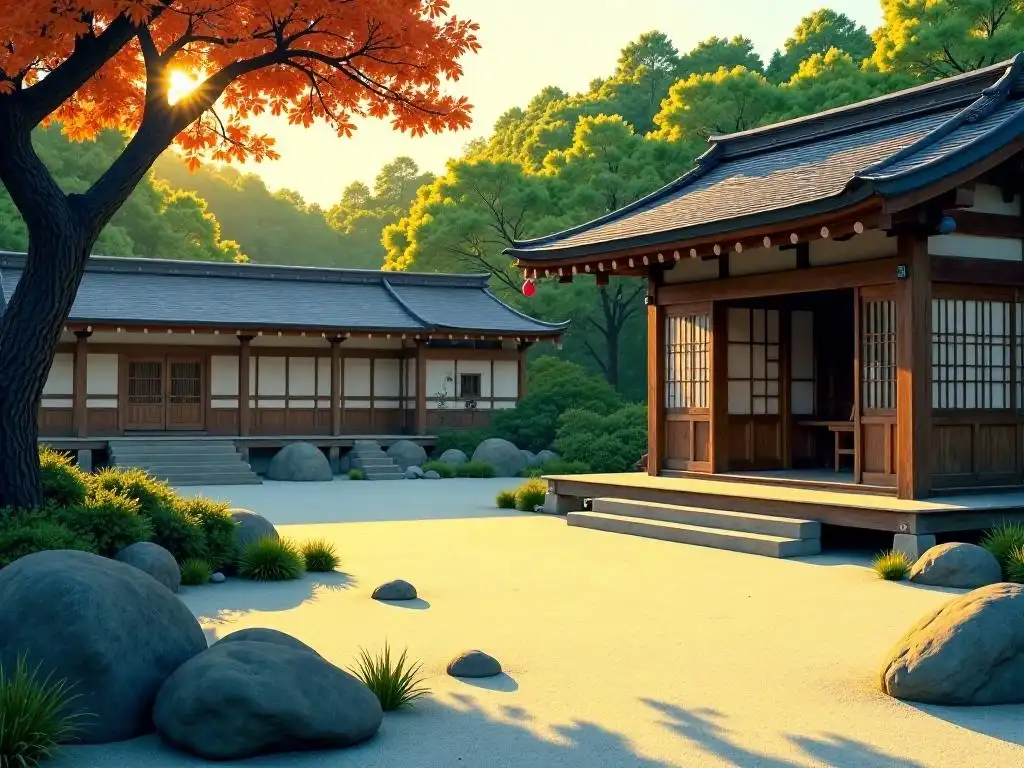
Zen gardens, also known as karesansui or dry landscape gardens, played a significant role in the cultural and spiritual landscape of feudal Japan. These gardens were not merely aesthetic creations; they served as sacred spaces that reflected the philosophies of Zen Buddhism. During the feudal era, these gardens were essential in promoting mindfulness and contemplation among the practitioners of Zen, allowing individuals to connect with nature and achieve a state of tranquility amidst the chaos of daily life.
The design of Zen gardens is characterized by their minimalist approach, using carefully raked gravel or sand to represent water, along with strategically placed rocks and plants to signify islands or mountains. This simplicity is a reflection of the Zen principle of wabi-sabi, which embraces the beauty of imperfection and transience. The gardens functioned as microcosms of the universe, inviting viewers to meditate on their meaning and the interconnectedness of all things.
Moreover, these gardens were often associated with Zen temples and monasteries, serving as spaces for meditation and spiritual practice. The act of raking the gravel was not only an artistic endeavor but also a meditative practice that allowed monks and laypeople alike to focus their minds and cultivate inner peace. As such, Zen gardens became integral to the spiritual and cultural fabric of feudal Japanese society.
Zen Gardens as Spaces for Meditation and Reflection
Zen gardens were specifically designed to facilitate meditation and reflection, providing a serene environment conducive to introspection. The layout of these gardens encourages the observer to engage with their surroundings thoughtfully. The arrangement of rocks, gravel, and vegetation invites contemplation and serves as a focal point for meditation.
The raked patterns in the gravel symbolize the ripples of water, creating a visual representation of the fluidity of life. As individuals walk through the garden or sit quietly on a bench, they are encouraged to reflect on their thoughts and feelings, fostering a deeper connection with their inner selves. This practice aligns with Zen Buddhism's emphasis on mindfulness, where being present in the moment is paramount.
Additionally, the simplicity of Zen gardens promotes a distraction-free environment. In a world filled with noise and chaos, these tranquil spaces offer a sanctuary where individuals can escape from their daily stresses. The sound of wind rustling through the leaves, the gentle crunch of gravel underfoot, and the sight of meticulously arranged stones all contribute to a calming atmosphere that nurtures reflection.
The Cultural Importance of Zen Gardens Among Samurai and Nobility
Zen gardens held significant cultural importance among the samurai and the nobility of feudal Japan. For the samurai, who were often engaged in the art of warfare and strategy, these gardens provided a space for contemplation and mental clarity. The disciplined aesthetics of Zen gardens mirrored the values of the samurai, emphasizing strength through simplicity and the importance of inner peace.
Nobility often commissioned elaborate Zen gardens as a demonstration of their wealth and status. These gardens were designed to impress and inspire, serving as venues for tea ceremonies and social gatherings. The intricate designs and careful maintenance showcased the patron's appreciation for beauty and refinement, while also embodying their philosophical beliefs.
The samurai and noble classes saw Zen gardens as a way to cultivate virtue and wisdom. Engaging with the garden's landscape allowed them to reflect on their actions and decisions, reinforcing the ideals of honor and integrity that were central to their code of conduct. In this way, Zen gardens transcended mere decoration; they became essential tools for personal development and ethical reflection.
Zen Gardens in Monasteries: A Refuge for Practitioners
Within the context of Zen monasteries, gardens took on an even deeper significance. They served as sanctuaries for monks and practitioners seeking refuge from the distractions of the outside world. The gardens provided a space for solitary meditation, allowing individuals to immerse themselves in the practice of Zen without interruption.
Monastic Zen gardens were often designed with specific features that catered to the needs of the practitioners. Pathways were created to guide movement and contemplation, while secluded areas offered privacy for deep meditation. The simplicity of these gardens facilitated a focus on the essentials, stripping away the extraneous to reveal the core of Zen teachings.
The act of maintaining these gardens was also a form of practice for the monks. Raking the gravel, pruning the plants, and caring for the stones became meditative exercises that reinforced their commitment to mindfulness. This connection between the physical labor of gardening and spiritual practice exemplifies the Zen understanding of work as a path to enlightenment.
Contemporary Interpretations of Feudal Japan Zen Garden Symbolism
As society has evolved, the symbolism of feudal Japan's Zen gardens has been reinterpreted in contemporary contexts. Modern interpretations continue to draw on the core principles of Zen, yet they also reflect the complexities of contemporary life. Today, Zen gardens are often integrated into urban landscapes, providing a tranquil escape from the fast-paced environment of city living.
The symbolism of Zen gardens can now be seen as a representation of balance and harmony in a chaotic world. They serve as reminders of the importance of mindfulness and self-reflection, urging individuals to pause and reconnect with the natural world. In this way, the legacy of feudal Japan's Zen gardens endures, adapting to the needs of modern society while maintaining their intrinsic value.
Modern Zen Gardens and Their Connection to Tradition
Modern Zen gardens often incorporate traditional elements but are designed to suit contemporary aesthetics and lifestyles. These gardens may feature minimalist designs, using natural materials such as stone, gravel, and wood to create a serene environment. The principles of balance, harmony, and simplicity remain at the forefront of these designs, emphasizing a connection to nature and the inner self.
In many cases, modern Zen gardens are used as therapeutic spaces, promoting wellness and relaxation. Urban dwellers seek out these gardens as a means of escaping the hustle and bustle of city life, finding solace in the tranquility they provide. As a result, the essence of feudal Japan's Zen garden symbolism is preserved, even as it is adapted to fit the needs of contemporary society.
The Influence of Feudal Japan Zen Garden Aesthetics in Today’s Landscaping
The aesthetics of feudal Japan's Zen gardens have had a profound impact on modern landscaping practices worldwide. Elements such as gravel pathways, carefully placed stones, and minimalistic plant arrangements can be found in gardens across various cultures. This influence reflects a growing appreciation for the principles of Zen design, which prioritize simplicity and intentionality.
Today, landscape architects often draw inspiration from Zen gardens to create spaces that foster relaxation and contemplation. Public parks, private gardens, and even corporate landscapes incorporate aspects of Zen aesthetics to cultivate environments that promote well-being. The integration of water features, native plants, and open spaces allows individuals to experience a sense of calm and connection to nature.
The enduring appeal of feudal Japan's Zen garden symbolism speaks to a universal desire for peace and harmony in our lives. As contemporary society grapples with the challenges of modern living, the lessons of Zen gardens remind us of the importance of creating spaces that nourish our spirit and foster mindfulness.
Conclusion: The Lasting Legacy of Feudal Japan Zen Gardens
Zen gardens, or karesansui, serve as a profound testament to the philosophical and aesthetic values of feudal Japan. These serene landscapes, characterized by their meticulous arrangement of stones, gravel, and minimal vegetation, reflect the essence of Zen Buddhism, emphasizing simplicity, tranquility, and the contemplative nature of existence. The careful design and maintenance of these gardens were not merely for visual appeal; they were spiritual exercises, inviting practitioners and visitors alike to engage in deep reflection and meditation.
Moreover, the legacy of these gardens continues to influence contemporary landscape design and urban spaces around the world. The principles of balance, harmony, and the purposeful use of negative space found in Zen gardens resonate with modern minimalism, encouraging a retreat from the chaos of daily life. As such, the symbolism embedded in these gardens transcends time, reminding us of the importance of mindfulness and serenity in an increasingly complex world.
Reflection on Symbolism and Serenity in Modern Culture
In today's fast-paced society, the values embodied by feudal Japan's Zen gardens have become increasingly relevant. The symbolism of these gardens—representing harmony between nature and human creativity—offers a counterbalance to the stressors of modern life. Many find solace in the carefully raked gravel patterns and strategically placed stones, which serve as a metaphor for life’s journey and the pursuit of enlightenment.
The interpretation of Zen gardens has evolved, integrating elements of modern design while retaining their historical significance. Yoga studios, meditation centers, and even personal backyards often incorporate aspects of Zen garden design to foster mindfulness and tranquility. This adaptation underscores the ongoing relevance of these gardens, as they provide a sanctuary for introspection and peace in contemporary culture.
The Enduring Importance of Zen Gardens in Cultural History
The significance of Zen gardens in cultural history cannot be overstated. They represent a unique fusion of art, spirituality, and nature that emerged during the feudal period of Japan. These gardens were not just physical spaces; they were reflections of the philosophical underpinnings of Zen Buddhism, which emphasizes the interconnectedness of all things and the pursuit of enlightenment.
Historically, these gardens served as a retreat for monks and samurai, providing a space for meditation and reflection. Their design principles have influenced various aspects of Japanese culture, from architecture to poetry, illustrating the deep-rooted connection between nature and human experience. As we study cultural history, it becomes clear that Zen gardens encapsulate the essence of feudal Japan's values, offering insights into the spiritual and aesthetic priorities of that era.
Further Reading on Zen Gardens and Feudal Japan
For those looking to delve deeper into the rich history and symbolism of Zen gardens, a variety of resources are available that explore both the aesthetic qualities and the philosophical underpinnings of these serene landscapes.
Recommended Books and Articles on Zen Buddhism and Garden Design
- "The Zen Garden: A Modern Interpretation" by David W. Chalmers: – This book explores how traditional Zen garden principles can be adapted to contemporary landscape design.
- "Zen and the Art of Gardening" by Peter J. Adams – A comprehensive guide that examines the historical context and spiritual significance of Zen gardens.
- "The Art of Japanese Gardens" by David Young – This work provides an in-depth look at the evolution of Japanese gardens, including Zen gardens, over the centuries.
Resources for Exploring Japanese Cultural History
- "A History of Japanese Art" by Yukio T. Saito – A detailed account of the evolution of art and culture in Japan, with sections dedicated to gardening practices and Zen philosophy.
- Online Archives of Japanese Cultural History – Many universities and cultural institutions provide extensive digital resources, including articles, photographs, and academic papers related to Japanese gardens and Zen Buddhism.
- Documentaries on Japanese Gardens – Platforms like streaming services often feature documentaries that explore the artistry and philosophy behind Japanese landscapes, offering visual insights into their enduring beauty and significance.
By engaging with these resources, readers can deepen their understanding of how feudal Japan's Zen gardens have shaped cultural perspectives on nature, spirituality, and art that resonate even today.
- Introduction to Feudal Japan Zen Garden Symbolism
- Historical Context of Zen Gardens in Feudal Japan
- Key Elements of Feudal Japan Zen Gardens
- The Symbolism Behind Zen Garden Design
- The Role of Zen Gardens in Feudal Japanese Society
- Contemporary Interpretations of Feudal Japan Zen Garden Symbolism
- Conclusion: The Lasting Legacy of Feudal Japan Zen Gardens
- Further Reading on Zen Gardens and Feudal Japan
- What is the significance of zen garden symbolism in feudal Japan?
- How did feudal society influence the design of zen gardens?
- What elements are commonly found in zen gardens and what do they symbolize?
- How do zen gardens differ from other types of Japanese gardens?
- Can anyone create a zen garden to experience its benefits?
Frequently Asked Questions
What is the significance of zen garden symbolism in feudal Japan?
The zen garden symbolism in feudal Japan represents tranquility, balance, and the connection between nature and spirituality, serving as a space for meditation and reflection.
How did feudal society influence the design of zen gardens?
Feudal society emphasized hierarchy and simplicity, which is reflected in the minimalistic designs of zen gardens, where each element holds symbolic meaning.
What elements are commonly found in zen gardens and what do they symbolize?
Common elements include rocks, sand, and water features, each symbolizing aspects of nature such as mountains, rivers, and the ocean, contributing to a sense of harmony.
How do zen gardens differ from other types of Japanese gardens?
Unlike other Japanese gardens that may focus on lush greenery, zen gardens prioritize simplicity and asymmetry, emphasizing the meditative aspects of nature.
Can anyone create a zen garden to experience its benefits?
Absolutely! Anyone can create a zen garden at home, using a few simple materials to cultivate a personal space for mindfulness and serenity.
Final Reflection: Embracing Serenity Through Feudal Japan's Zen Garden Symbolism
The intricate beauty and profound symbolism of feudal Japan's Zen gardens remain remarkably relevant in today's fast-paced world. As we navigate the complexities of modern life, the tranquil essence of these landscapes serves as a powerful reminder of the importance of mindfulness and inner peace. The lessons embedded within these gardens urge us to cultivate serenity amidst chaos, illustrating that the pursuit of harmony is not just an aesthetic endeavor but a vital necessity for our well-being.
Cultural and social landscapes are continually shaped by the philosophies that underpin the creation of Zen gardens. The principles of simplicity, balance, and reflection found in these spaces resonate deeply with contemporary movements toward minimalism and mental wellness. As we seek solace in our daily lives, we can draw inspiration from the Zen garden's ability to transform mere earth and stone into a sanctuary for contemplation. In the midst of movement and chaos, keep stillness inside of you.
— Deepak Chopra. This quote encapsulates the essence of what these gardens represent: a sanctuary for stillness in a world that often feels overwhelming.
As you reflect on the symbolism of feudal Japan's Zen gardens, consider how you can incorporate their teachings into your own life. Take a moment to create your own personal sanctuary, whether through a physical space or a mental practice. Embrace the art of mindfulness, allowing the principles of simplicity and balance to guide your daily choices.
By doing so, you not only honor the rich history of these gardens but also cultivate a deeper sense of peace and connection within yourself. Let the legacy of Zen gardens inspire you to find your own path to serenity in the midst of life's complexities.
Embrace the Serenity of Zen Gardens Today!
Thank you for journeying through the tranquil world of Zen gardens with us! You've discovered how these beautiful landscapes symbolize peace and spirituality in feudal Japan. Now, let’s take it a step further and bring a piece of that serenity into your life!
Here are a few ways you can connect more deeply with the essence of Zen gardens:
- Create Your Own Mini Zen Garden: Gather a small tray, some sand, and natural elements like stones or plants to design a personalized retreat at home.
- Explore Local Japanese Gardens: Visit nearby cultural centers or botanical gardens to immerse yourself in the experience.
- Share Your Inspiration: Discuss your newfound knowledge or creations with friends, or showcase your Zen garden designs on social media to inspire others to connect with nature.
What does serenity mean to you, and how can you incorporate it into your daily life? Share your thoughts in the comments!