
Bridging Time with Taste: 7 Feudal Era Recipes That Stand the Test of Time

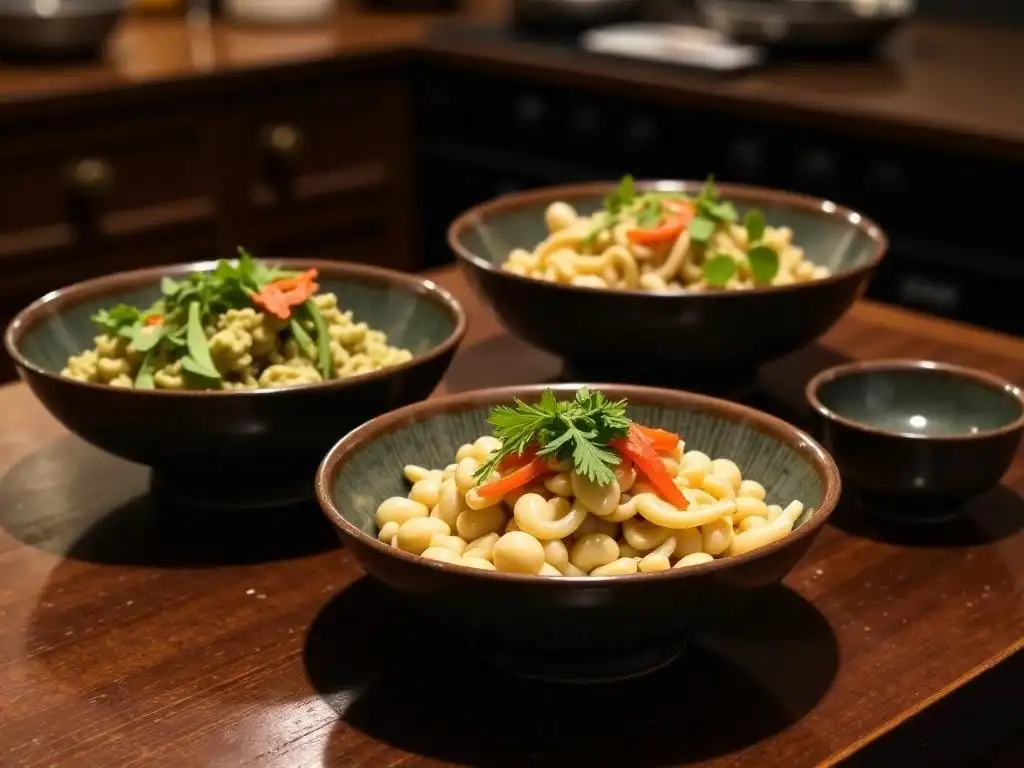
Welcome to Feudal Japan History, where we invite you to embark on a captivating journey through the rich tapestry of Japan’s feudal era. Here, history is not just a collection of facts, but a vibrant narrative woven with cultural significance and societal evolution. In our featured article, “Bridging Time with Taste: 7 Feudal Era Recipes That Stand the Test of Time,” you’ll discover how traditional recipes serve as delicious windows into the past, revealing the flavors that shaped a nation.
Prepare to tantalize your taste buds and ignite your curiosity as we explore the delectable heritage of Feudal Japan traditional recipes—a feast for both the mind and the palate. Dive in and uncover the secrets that time has preserved for you!
- Introduction to Feudal Japan Traditional Recipes
- 1. Takikomi Gohan: A Seasonal Rice Dish
- 2. Yakitori: The Art of Grilled Chicken Skewers
- 3. Miso Soup: A Staple of Japanese Cuisine
- 4. Soba Noodles: Buckwheat Delicacies from the Past
- 5. Unagi: Grilled Eel and Its Culinary Legacy
- 6. Tsukemono: Japanese Pickles as Side Dishes
- 7. Matcha: The Ceremony and Culinary Uses
- Conclusion: Reviving Feudal Japan Traditional Recipes Today
-
Frequently Asked Questions
- What are some traditional recipes from Feudal Japan?
- How did the feudal system influence Japanese cuisine?
- Are there any modern adaptations of Feudal Japan recipes?
- What role did religion play in Feudal Japan's culinary practices?
- Where can I find more information about Feudal Japan traditional recipes?
- Final Reflection: Timeless Flavors of Feudal Japan
- Savor the Past: Try These Timeless Recipes Today!
Introduction to Feudal Japan Traditional Recipes
The culinary landscape of Feudal Japan is a rich tapestry woven with history, culture, and tradition. As we delve into this fascinating era, we uncover not only the flavors and ingredients that defined Japanese cuisine but also the stories and customs that these dishes represent.
In this article, we will explore seven traditional recipes that have stood the test of time, allowing contemporary cooks to embrace the essence of feudal Japan in their kitchens. From savory stews to delicate sweets, these recipes are a testament to the enduring legacy of Japanese culinary practices, showcasing how food can serve as a bridge between past and present.
The Significance of Culinary Heritage in Feudal Japan
Culinary heritage in Feudal Japan is more than just a collection of recipes; it is a vital part of the nation’s identity. The food of this era reflects the social hierarchies, regional variations, and the spiritual beliefs of the time. Key aspects include:
- Social Stratification: The meals prepared for samurai, farmers, and merchants varied significantly, showcasing the class distinctions prevalent in society. For instance, the samurai often enjoyed elaborate meals with a variety of ingredients, while farmers had simpler, seasonal fare.
- Seasonal Ingredients: The use of seasonal ingredients was paramount in feudal cooking. Dishes were crafted to highlight the freshness of the ingredients available, connecting the people to the land and its cycles.
- Spiritual Significance: Many traditional recipes were tied to religious practices and seasonal festivals. Food offerings were made to deities, and certain dishes were prepared for ceremonies, emphasizing the spiritual connection to culinary practices.
This rich heritage not only nourished the body but also connected people to their cultural roots, making these traditional recipes an essential part of Japan's historical narrative.
How Feudal Era Recipes Reflect Cultural and Historical Contexts
Feudal Japan's recipes serve as a mirror reflecting the cultural and historical contexts of the time. They provide insight into the daily lives of the Japanese people, their values, and their societal structure. Key reflections include:
- Influence of Geography: The geographical diversity of Japan influenced local cuisines. Coastal regions relied heavily on seafood, while inland areas focused more on rice and vegetables. This geographical influence is evident in the variety of recipes that have emerged from different regions.
- Culinary Techniques: Cooking methods such as grilling, steaming, and pickling were refined during the feudal era, highlighting the ingenuity of Japanese cooks. These techniques are still prevalent in modern cooking and showcase the evolution of Japanese culinary arts.
- Cultural Exchange: The feudal period was marked by interactions with other cultures, particularly through trade. Ingredients and cooking techniques from China and Korea began to influence Japanese cuisine, leading to the creation of hybrid dishes that enriched the culinary repertoire.
By exploring these traditional recipes, we not only savor the flavors of feudal Japan but also gain a deeper understanding of its historical and cultural fabric. This connection fosters appreciation for the enduring nature of these dishes, inviting us to recreate them in our own kitchens today.
1. Takikomi Gohan: A Seasonal Rice Dish
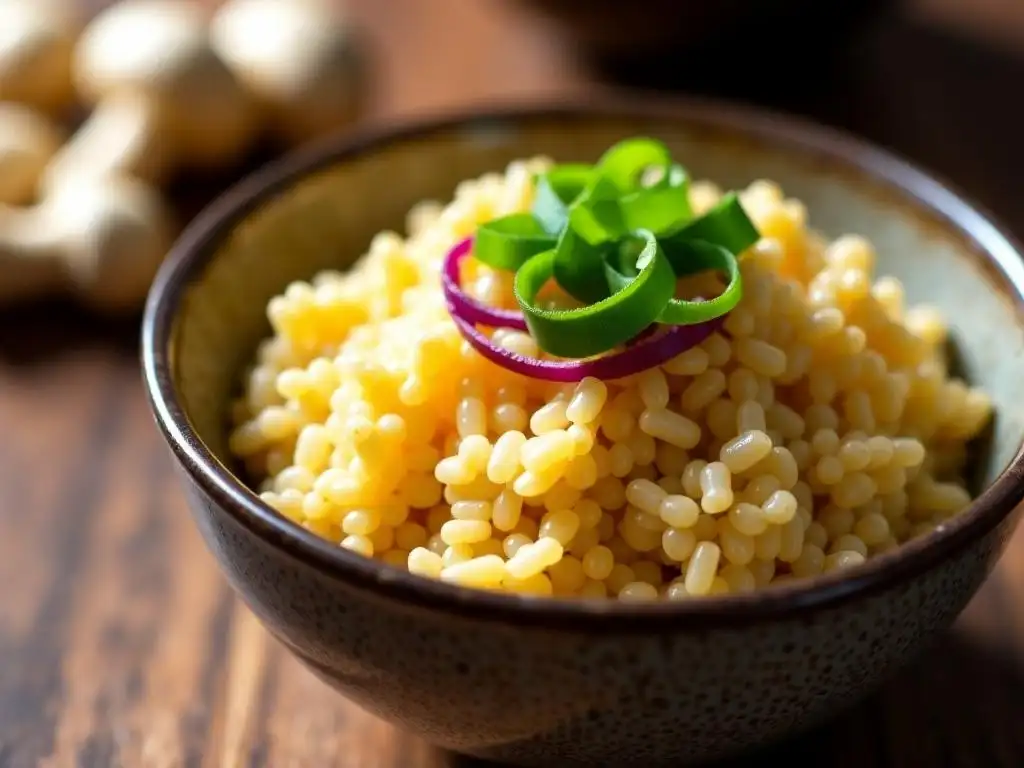
Takikomi Gohan is a beloved dish that embodies the essence of seasonal cooking in Japan, particularly during the feudal era. This flavorful rice dish is not just a staple but also a reflection of the agricultural practices and cultural values of the time. Traditionally made by simmering rice with various seasonal ingredients, Takikomi Gohan showcases the harmony between nature and culinary art.
Ingredients and Preparation of Takikomi Gohan
To prepare a traditional Takikomi Gohan, you'll need the following ingredients:
Basic Ingredients:
- 2 cups of short-grain rice
- 2.5 cups of dashi (Japanese soup stock)
- 1 cup of seasonal vegetables (e.g., shiitake mushrooms, bamboo shoots, carrots)
- Protein options (e.g., chicken, fish, or tofu)
- Soy sauce to taste
- Mirin (sweet rice wine) for flavor enhancement
Preparation Steps:
- Rinse the Rice: Start by rinsing the rice under cold water until the water runs clear. This removes excess starch and helps achieve a fluffy texture.
- Soak the Rice: Let the rice soak in water for about 30 minutes, allowing it to absorb some moisture.
- Prepare the Dashi: If using instant dashi, dissolve it in hot water according to package instructions. For a more authentic flavor, consider making dashi from scratch using kombu (kelp) and bonito flakes.
- Combine Ingredients: In a rice cooker or a pot, combine the soaked rice, dashi, vegetables, protein, soy sauce, and mirin.
- Cook: Cook according to your rice cooker’s settings, or bring to a boil on the stovetop, then simmer on low heat for about 20 minutes until the rice is tender and all the liquid is absorbed.
- Fluff and Serve: Once cooked, let it sit for 10 minutes before fluffing with a rice paddle. Serve warm, garnished with chopped green onions or sesame seeds if desired.
This dish is not only delicious but also versatile, allowing for variations based on available ingredients.
The Historical Background of Takikomi Gohan in Feudal Japan
Takikomi Gohan has roots that trace back to the Heian period (794-1185) when rice was cultivated and used as a staple food across Japan. During the feudal era, particularly in the Edo period (1603-1868), this dish evolved to reflect local seasonal ingredients and the agricultural cycles of various regions.
Rice was considered a symbol of wealth and prosperity, and its preparation often involved communal efforts. Feudal lords and samurai would host elaborate meals where Takikomi Gohan was served, showcasing the bounty of their lands. The dish also played a role in festivals and celebrations, highlighting the significance of rice in Japanese culture.
As Japan's culinary practices developed, Takikomi Gohan became a way to utilize leftover ingredients and minimize waste, aligning with the Japanese ethos of sustainability. The adaptability of this dish mirrors the resilience of the people during the feudal era, as they learned to make the most of their resources.
Modern Adaptations and Where to Find Authentic Ingredients
Today, Takikomi Gohan remains a popular dish in Japanese households, reflecting both tradition and innovation. Modern adaptations often include a variety of ingredients, such as seasonal seafood or even fusion elements like saffron for a unique twist.
To recreate an authentic Takikomi Gohan at home, sourcing the right ingredients is essential. Here are some tips:
- Japanese Grocery Stores: Look for local Japanese or Asian markets where you can find high-quality short-grain rice, dashi powder, and mirin.
- Online Retailers: Websites specializing in Asian ingredients often have a wide selection of authentic products that can be delivered to your door.
- Farmers’ Markets: Seasonal vegetables can be sourced from local farmers’ markets, ensuring freshness and flavor in your dish.
By exploring these avenues, you can create a Takikomi Gohan that not only pays homage to its feudal origins but also caters to modern tastes. Embrace the artistry of this traditional dish, and enjoy a taste of Japan's rich culinary history!
2. Yakitori: The Art of Grilled Chicken Skewers
Yakitori, a beloved dish in Japanese cuisine, encompasses much more than simply grilled chicken skewers. This culinary delight has its roots deeply embedded in the feudal era of Japan, where it not only served as a popular food choice but also reflected the cultural practices and social dynamics of the time.
Traditional Methods of Preparing Yakitori
The preparation of yakitori traditionally involves marinating and grilling chicken pieces on skewers over an open flame. The methods used in feudal Japan were often quite simple, relying on fresh ingredients and minimal seasoning to highlight the natural flavors of the chicken. Here are some key traditional methods:
- Skewering Techniques:
- Types of Skewers: Bamboo skewers were commonly used, as they are lightweight and can be easily handled over an open flame. Metal skewers emerged later but were less prevalent during the feudal period.
- Cutting the Chicken: Chicken was typically cut into bite-sized pieces, including various parts such as thighs, breasts, and even organs like liver, allowing for a variety of flavors and textures.
- Marinades and Seasonings:
- Shio (Salt): The simplest form of seasoning, where the chicken was salted before grilling, allowing the natural taste to shine through.
- Tare Sauce: A more complex marinade made from soy sauce, sake, mirin, and sugar, which provided a sweet and savory glaze.
- Grilling Techniques:
- Charcoal Grilling: Traditionally, yakitori was cooked over binchotan, a type of high-quality charcoal. This method imparts a unique flavor and aroma to the chicken.
- Direct Flame vs. Indirect Heat: Chefs would often alternate between cooking the skewers directly over the flame for a charred exterior and moving them to indirect heat to ensure even cooking throughout.
The Role of Yakitori in Feudal Japanese Society
During the feudal era, yakitori served not only as a meal but also as an integral part of social gatherings and cultural practices.
- Street Food Culture: Yakitori stalls began to appear in towns and cities, providing a quick and affordable meal for the working class. This accessibility made it a staple for laborers and samurai alike, promoting a shared culinary experience across different social strata.
- Ceremonial Significance: Yakitori was often featured in festivals and celebrations, symbolizing community and togetherness. Special occasions would see elaborate preparations, where skewers of various meats were grilled and shared among attendees.
- Economic Aspect: For many, yakitori was a lucrative business opportunity. Street vendors and small taverns (izakayas) would serve it alongside alcoholic beverages, creating a thriving social scene that continues today.
Recommended Cooking Tools for Perfect Yakitori
To recreate authentic yakitori at home, certain tools can enhance your cooking experience and ensure the best results. Here’s a list of recommended cooking tools:
- Grill:
- Charcoal Grill: A traditional charcoal grill (shichirin) offers the best flavor, especially when using binchotan.
- Gas Grill: For convenience, a gas grill can also produce excellent results, though it may lack the smokiness of charcoal.
- Skewers:
- Bamboo Skewers: Ideal for traditional yakitori, they should be soaked in water before use to prevent burning.
- Metal Skewers: Durable and reusable, these can be helpful for larger batches.
- Basting Brush:
- A silicone or natural bristle brush for applying tare or other marinades evenly over the skewers during grilling.
- Tongs:
- Long-handled tongs are essential for safely turning and managing the skewers on the grill.
- Thermometer:
- A meat thermometer can help ensure the chicken is cooked to the proper internal temperature, avoiding undercooked or overcooked meat.
By utilizing these traditional methods and tools, you can enjoy a taste of feudal Japan right in your kitchen, bridging the gap between history and modern culinary practice.
3. Miso Soup: A Staple of Japanese Cuisine
Understanding the Ingredients and Varieties of Miso Soup
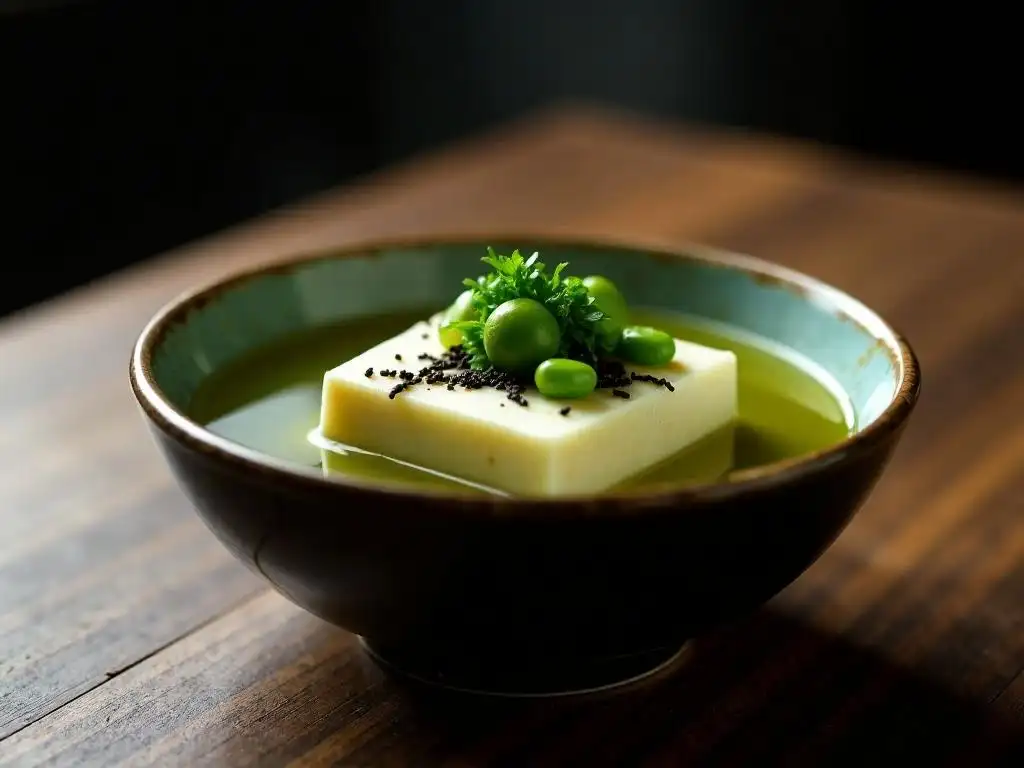
Miso soup, known as "miso shiru" in Japanese, is a fundamental component of Japanese cuisine, celebrated for its rich umami flavor and nutritional benefits. The primary ingredient, miso, is a fermented paste made from soybeans, salt, and koji (a type of mold). There are several varieties of miso, each contributing distinct flavors and colors to the soup:
- White Miso (Shiro Miso): Mild and slightly sweet, it is made with a higher proportion of rice and is often used in lighter soups and dressings.
- Red Miso (Aka Miso): Aged longer than white miso, it has a stronger, saltier flavor and is commonly used in heartier dishes.
- Mixed Miso (Awase Miso): A blend of white and red miso, offering a balanced flavor profile suitable for various recipes.
In addition to miso, traditional miso soup includes dashi (a broth typically made from kombu seaweed and bonito flakes), as well as a variety of ingredients such as:
- Tofu: Soft or firm, providing protein and texture.
- Seaweed: Wakame is commonly used for its flavor and nutritional value.
- Vegetables: Common additions include green onions, mushrooms, and seasonal vegetables.
The versatility of miso soup allows for endless variations, making it a dish that can be adapted to personal tastes and seasonal ingredients.
Miso's Historical Importance During the Feudal Era
Miso has a deep-rooted history in Japan, dating back to the 7th century. During the feudal era, particularly between the 12th and 19th centuries, miso soup became a dietary staple among samurai and common folk alike. It was not only valued for its flavor but also for its health benefits. The fermentation process enhances the nutritional profile of miso, providing essential amino acids, vitamins, and minerals.
In feudal Japan, the availability of ingredients influenced the composition of miso soup. For instance, regions with abundant seafood incorporated fish into their dashi, while mountainous areas relied on local produce. This regional variation reflects the adaptability of miso soup, highlighting its role as a comfort food that evolved along with Japan's cultural and societal changes.
Moreover, miso soup was often served as part of a larger meal, complementing rice and pickled vegetables. Its significance extended beyond nourishment; it was a symbol of hospitality and warmth, often prepared for guests during special occasions and festivals.
Essential Products for Crafting Authentic Miso Soup
To recreate an authentic miso soup at home, certain essential products are necessary. Each component plays a crucial role in achieving the traditional taste and texture:
| Product | Description | Usage |
|---|---|---|
| Miso Paste | The heart of the soup, choose from white, red, or mixed. | Start with 2 tablespoons per serving. |
| Dashi | A flavorful broth made from kombu and bonito flakes. | Use as the base liquid for the soup. |
| Tofu | Soft or firm, cut into small cubes. | Add for protein and texture. |
| Wakame | Dried seaweed, rehydrated before use. | Adds flavor and visual appeal. |
| Green Onions | Finely chopped for garnish. | Enhances flavor and presentation. |
Instructions:
- Prepare the dashi by simmering kombu and bonito flakes in water.
- Add wakame and tofu to the dashi, allowing them to heat through.
- In a separate bowl, dissolve the miso paste in a bit of the hot broth, then mix back into the pot.
- Serve hot, garnished with green onions.
With these ingredients and steps, you can enjoy a bowl of miso soup that pays homage to its feudal-era roots, embodying the flavors and traditions that have endured through centuries.
4. Soba Noodles: Buckwheat Delicacies from the Past
The Process of Making Fresh Soba Noodles
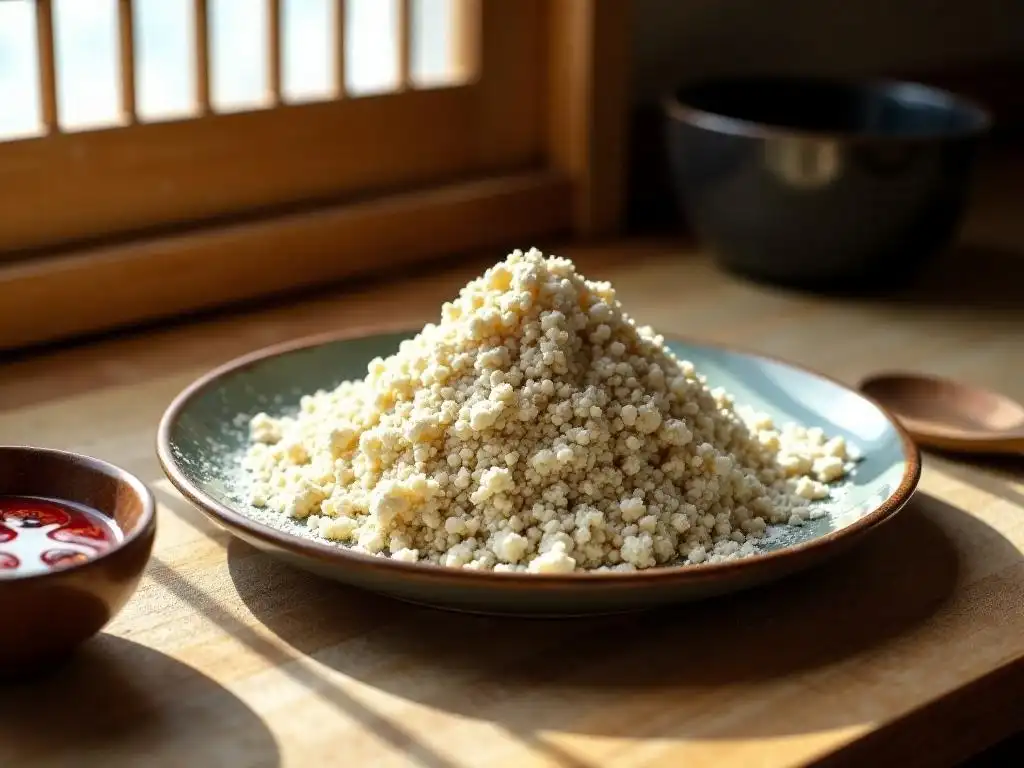
Soba noodles, made from buckwheat flour, are a staple of Japanese cuisine with a rich history dating back to the Heian period (794-1185). The process of making fresh soba noodles is both an art and a science, requiring precise techniques to achieve the perfect texture and flavor.
- Ingredients:
- Buckwheat Flour: The primary ingredient, offering a nutty flavor and gluten-free properties.
- Wheat Flour: Often added to enhance elasticity and aid in the noodle-making process.
- Water: Essential for binding the flours.
- Mixing the Dough:
- Start with a ratio of approximately 80% buckwheat flour to 20% wheat flour, though this can vary based on personal preference.
- Gradually add water to the flour mixture, mixing with your hands until a dough forms. The dough should be smooth and elastic.
- Kneading:
- Knead the dough until it reaches a consistent texture. This step is crucial, as it helps develop the gluten in the wheat flour, making the noodles more pliable.
- Rolling and Cutting:
- Roll out the dough into a thin sheet, ideally around 1-2 mm thick. Use a rolling pin to achieve uniform thickness.
- Once rolled, fold the sheet several times before cutting it into thin strips. This technique ensures even-sized noodles for uniform cooking.
- Cooking:
- Boil water in a pot and cook the noodles for about 3-5 minutes. Fresh soba cooks quickly, so it's essential to monitor closely.
- After cooking, rinse the noodles in cold water to stop the cooking process and remove excess starch.
- Serving:
- Soba can be served hot in a broth or chilled with a dipping sauce, garnished with green onions and wasabi for added flavor.
Cultural Significance of Soba in Feudal Japan
Soba noodles hold a significant place in the culinary landscape of Feudal Japan, not only for their taste but also for their cultural symbolism.
- Historical Roots: Soba was often consumed by samurai and farmers alike, symbolizing sustenance and resilience. The practice of eating soba during the New Year is believed to bring good fortune and longevity.
- Regional Variations: Different regions of Japan have developed their unique styles of soba, reflecting local ingredients and tastes. For instance, the Nagano region is renowned for its high-quality buckwheat due to the area's climate and soil conditions.
- Culinary Versatility: Soba’s versatility allowed it to be enjoyed in various forms, including chilled soba (zaru soba) and hot soba in soup (kake soba). This adaptability made it a popular choice among different classes, from peasants to feudal lords.
- Social Gatherings: Soba is often enjoyed during festivals and gatherings, reinforcing community bonds. The act of sharing a meal of soba signifies hospitality and friendship, echoing the values of feudal society.
Best Brands of Soba Flour for Home Cooking
When it comes to recreating authentic soba noodles at home, the quality of the buckwheat flour is paramount. Here are some of the best brands to consider:
| Brand Name | Description | Availability |
|---|---|---|
| Miyako | Known for its fine texture and rich flavor. | Online and specialty stores |
| Koda Farms | Offers a variety of buckwheat flour, including organic options. | Health food stores, online |
| Bob's Red Mill | Provides a gluten-free buckwheat flour that's perfect for noodle-making. | Grocery stores, online |
| King Arthur | High-quality flour known for its consistency and reliability. | Online and grocery stores |
| Aki's Soba | A premium brand focusing on traditional milling methods for authentic flavor. | Specialty Japanese stores |
Selecting the right brand can significantly impact the final texture and taste of your soba noodles. Experimenting with different types of soba flour can lead to discovering your personal favorite, ensuring an authentic culinary experience that bridges the past with present-day dining.
5. Unagi: Grilled Eel and Its Culinary Legacy
Unagi, or grilled eel, holds a prestigious place in Japanese cuisine, particularly during the feudal era. This dish not only showcases Japan's rich culinary traditions but also reflects the historical importance of freshwater eels in the country's diet. Unagi is typically prepared with a sweet soy-based glaze called tare, which adds depth and flavor to the dish. As we explore the culinary legacy of unagi, we will delve into traditional preparation techniques, the influence of the feudal era on its consumption, and where to source high-quality ingredients today.
Traditional Techniques for Preparing Unagi
The preparation of unagi is steeped in tradition, and various techniques have been passed down through generations. Here are some crucial steps involved in creating this delicacy:
- Selection of Eel:
- The best unagi comes from freshwater eels, particularly the Japanese eel ( Anguilla japonica), known for its rich flavor and tender texture.
- Eels are often sourced from rivers and lakes, with specific regions in Japan, such as Shizuoka and Akita, renowned for their high-quality eels.
- Cleaning and Filleting:
- The eel must be cleaned thoroughly. Traditionally, this is done by making a precise incision down the belly, removing the innards, and then filleting the fish.
- Careful handling is crucial to maintain the integrity of the meat.
- Marinating:
- After filleting, the eel is typically marinated in a mixture of soy sauce, mirin, and sugar. This marinade not only enhances the flavor but also helps to preserve the eel.
- The marinating process can last from a few hours to overnight, depending on the desired intensity of flavor.
- Grilling:
- Unagi is traditionally grilled over charcoal, which imparts a smoky aroma and enhances the taste.
- The grilling process involves basting the eel with tare during cooking to achieve a shiny, caramelized finish.
- Serving:
- Unagi is often served over a bed of rice, known as unadon, and garnished with garnishes like sansho pepper for an added kick.
- The presentation is key, with attention paid to the arrangement and the accompanying side dishes.
The Feudal Era's Influence on Unagi Consumption
During the feudal era, the consumption of unagi was influenced by various cultural and societal factors:
- Nobility and Rituals:
- Unagi was considered a delicacy among the samurai and nobility, often featured in banquets and ceremonies.
- The preparation and serving of unagi became a ceremonial practice, symbolizing prosperity and status.
- Seasonal Consumption:
- Traditionally, unagi consumption peaked during the summer months, particularly on the day of the ox, believed to provide strength and vitality during the hot season.
- This seasonal aspect reflects the deep connection between food and nature, a theme prevalent in feudal Japan.
- Regional Variations:
- Different regions developed unique styles of unagi preparation, influenced by local ingredients and culinary practices.
- For example, the Kanto region favors a sweeter tare, while the Kansai region prefers a saltier flavor profile.
Where to Source High-Quality Unagi for Your Recipes
To recreate authentic unagi dishes at home, sourcing high-quality eel is essential. Here are some tips for finding the best ingredients:
- Local Seafood Markets:
- Visit local seafood markets that specialize in fresh fish and seafood. Ask for Japanese eel, and ensure it is sourced sustainably.
- Japanese Grocery Stores:
- Many Japanese grocery stores carry frozen unagi, often pre-cooked and vacuum-sealed. Look for products labeled as "kabayaki" for the best results.
- Online Specialty Shops:
- Numerous online retailers specialize in Japanese ingredients and may offer fresh or frozen unagi. Check for reviews and ratings to ensure quality.
- Farmers' Markets:
- Regional farmers' markets may have vendors selling locally sourced unagi. This is a great way to support local businesses while ensuring freshness.
By understanding the traditional techniques and historical significance of unagi, as well as sourcing quality ingredients, you can bring the flavors of feudal Japan into your kitchen. Enjoy the rich culinary legacy of this dish, and explore its timeless appeal in today's modern culinary landscape.
6. Tsukemono: Japanese Pickles as Side Dishes
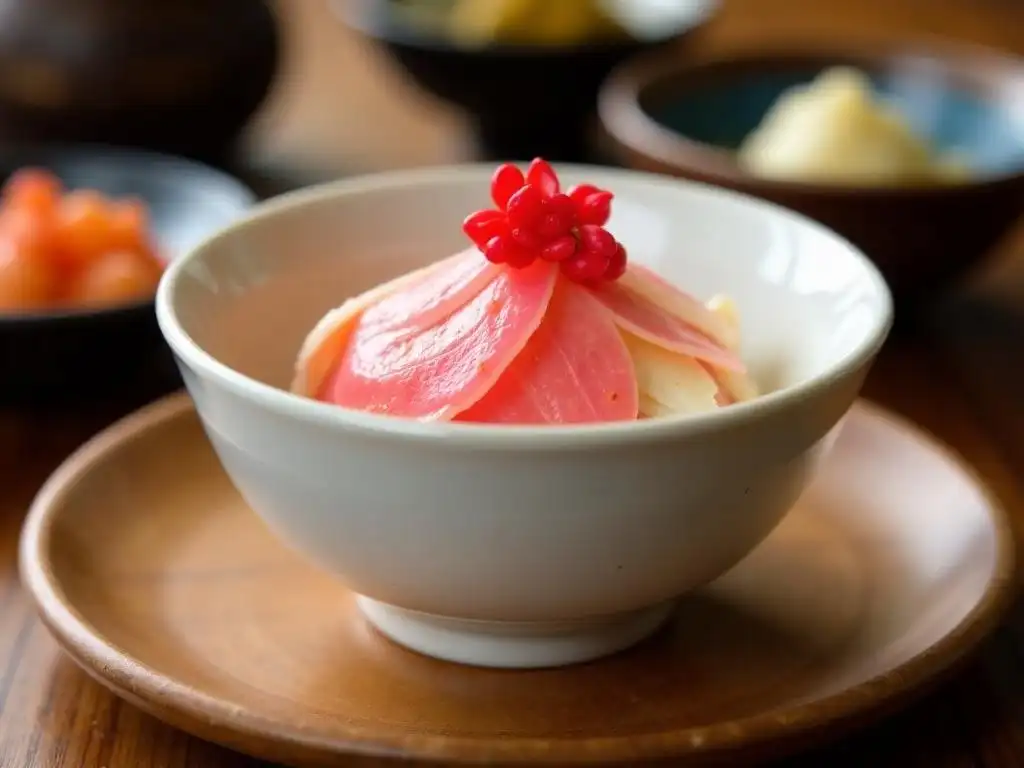
Exploring the Variety of Tsukemono in Feudal Japan
Tsukemono, or Japanese pickles, have held a significant place in the culinary traditions of Japan, particularly during the feudal era. These pickles were not merely side dishes; they were essential components of the daily diet, serving as both flavor enhancers and preservative methods for various ingredients. The diversity in tsukemono reflects the regional ingredients and the seasonal variations available throughout Japan.
In feudal Japan, different regions developed their own unique styles of tsukemono, influenced by local agriculture and climate. For instance:
- Nara-Zuke: Originating from the Nara region, this type of tsukemono is known for its sweet and salty flavor, typically using eggplant and cucumbers fermented with sake lees.
- Shiozuke: A simple salt-pickling method that preserves seasonal vegetables such as radishes and cabbage, allowing for a quick and delicious accompaniment to rice dishes.
- Sukiyaki Tsukemono: Often served with the famous sukiyaki dish, these pickles add a tangy contrast to the rich flavors of the meat and vegetables.
These traditional pickles not only enhanced the taste of meals but also played a role in nutrition, providing essential vitamins and minerals, especially during winter months when fresh produce was scarce.
The Preservation Methods Used in Historical Contexts
The methods of preservation used in feudal Japan were crucial for extending the shelf life of vegetables and fruits, particularly in a time when refrigeration was non-existent. Here are some common techniques employed during this period:
- Fermentation: This method relies on the natural bacteria present on vegetables, which, when combined with salt, creates an environment conducive to fermentation. The process can last several days to weeks, resulting in complex flavors and extended preservation.
- Salting: Simple yet effective, salting involves covering vegetables with salt to draw out moisture. This method was commonly used for cucumbers and daikon radishes, creating a crunchy texture and a salty flavor profile.
- Vinegar Pickling: Introduced later during the feudal period, vinegar pickling involved soaking vegetables in a vinegar solution, which not only preserved them but also imparted a distinct tanginess. This method was particularly popular in coastal regions with access to rice vinegar.
- Drying: While not exclusively a pickling method, drying was often used in conjunction with salting to further extend the preservation of vegetables. This technique was essential for ensuring food security during harsh winters.
These preservation methods reflect the ingenuity of feudal Japanese society in making the most of their agricultural bounty, adapting to changing seasons and environmental conditions.
Recommended Tsukemono Kits for Home Chefs
For those looking to recreate the delicious taste of feudal Japan's tsukemono in their own kitchens, several kits are available that simplify the process while still delivering authentic flavors. Here are some recommended options:
| Kit Name | Contents | Best For |
|---|---|---|
| Nara-Zuke Kit | Sake lees, eggplant, cucumbers | Sweet and salty pickles |
| Shiozuke Set | Sea salt, daikon radish, recipe | Simple, crunchy pickles |
| Sukiyaki Tsukemono | Vinegar, assorted vegetables | Complementing rich dishes |
| DIY Tsukemono Kit | Variety of spices, instructions | Customizable pickling options |
These kits provide novice cooks with the tools needed to explore the culinary heritage of feudal Japan while offering seasoned chefs a way to experiment with traditional flavors. Each kit typically includes detailed instructions, making it easy to create delicious, homemade tsukemono that can accompany a wide range of dishes, bridging the gap between past and present culinary practices.
7. Matcha: The Ceremony and Culinary Uses
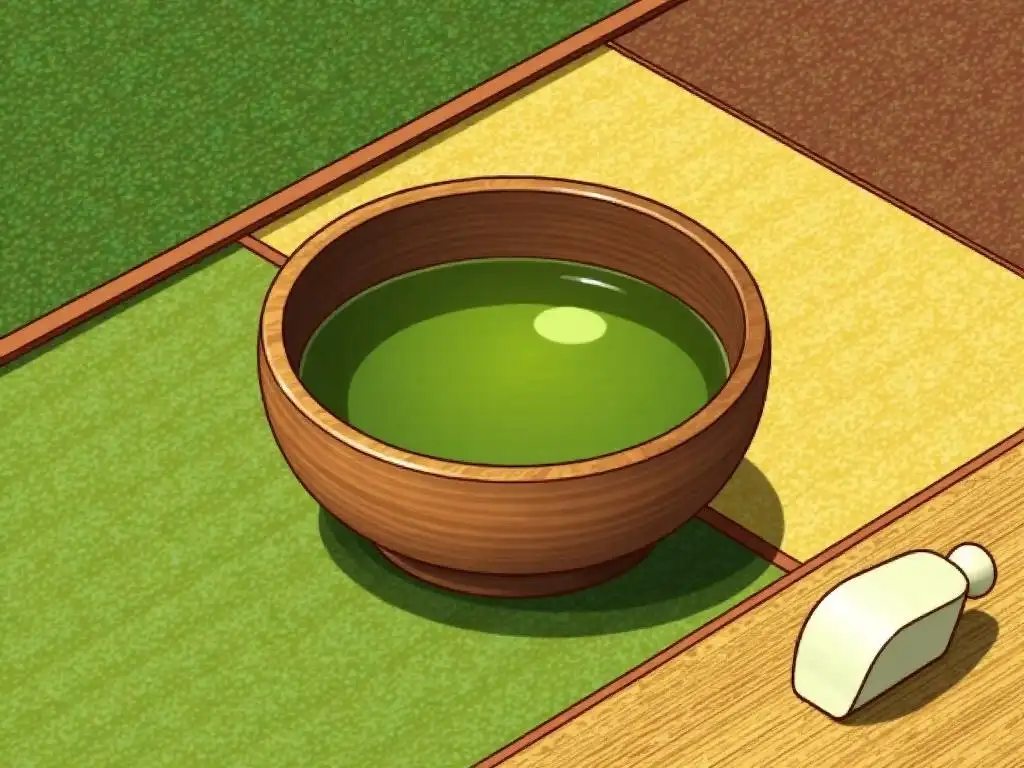
The Historical Role of Matcha in Japanese Culture
Matcha, a finely ground green tea powder, has played a significant role in Japanese culture, particularly during the feudal era. Originating from the Tang Dynasty in China, matcha made its way to Japan in the 12th century, where it became integral to the tea ceremony, known as chanoyu. This ritual was not merely about drinking tea; it was a spiritual and artistic practice that emphasized harmony, respect, purity, and tranquility.
During the feudal period, matcha was favored among the samurai and the aristocracy as a symbol of status and refinement. The meticulous preparation and presentation of matcha reflected the values of discipline and aesthetics held dear by the samurai class. Additionally, matcha was not only consumed for pleasure; it was also used for medicinal purposes, believed to promote longevity and enhance mental clarity.
The Wabi-Sabi philosophy, which appreciates the beauty in imperfection and transience, is deeply intertwined with the matcha tea ceremony. This cultural backdrop adds layers of meaning to the consumption of matcha, making it a cherished element of Japanese heritage that continues to influence modern practices.
How to Incorporate Matcha into Modern Recipes
Incorporating matcha into contemporary cuisine opens up a world of culinary creativity, allowing for both traditional and innovative dishes. Here are some ways to use matcha in your kitchen:
- Beverages:
- Matcha Latte: Combine matcha powder with steamed milk (dairy or plant-based) for a creamy, energizing drink.
- Iced Matcha Green Tea: Whisk matcha with cold water and serve over ice for a refreshing beverage.
- Desserts:
- Matcha Cookies: Use matcha powder in cookie dough for a unique flavor and vibrant color.
- Matcha Cheesecake: Incorporate matcha into the cheesecake mixture for an elegant twist on a classic dessert.
- Savory Dishes:
- Matcha Seasoning: Sprinkle matcha over roasted vegetables or incorporate it into salad dressings for an earthy flavor.
- Matcha Noodles: Add matcha powder to dough when making homemade pasta or noodles, enhancing both flavor and nutrition.
- Baking:
- Matcha Pancakes: Mix matcha powder into pancake batter for a green twist on breakfast.
- Matcha Bread: Infuse bread dough with matcha to create a visually striking and flavorful loaf.
By exploring these diverse applications, matcha transcends its historical roots, allowing modern cooks to enjoy its unique taste and health benefits while honoring its cultural significance.
Best Matcha Brands for Authentic Flavor
When seeking authentic matcha, the quality of the tea is paramount. Here are some of the best brands known for their exceptional matcha:
| Brand Name | Description | Price Range |
|---|---|---|
| Matcha Konomi | Known for its ceremonial grade matcha, sourced from Uji, Kyoto. Ideal for tea ceremonies. | $25 - $45 per 100g |
| Encha | Offers organic matcha from Uji with rich flavor profiles. Great for both drinking and cooking. | $20 - $40 per 30g |
| Jade Leaf | Provides a variety of matcha grades, including culinary and ceremonial options. | $15 - $30 per 30g |
| Ippodo Tea | A traditional Japanese tea company with a reputation for high-quality matcha. | $25 - $50 per 30g |
| Kizuna | Focuses on organic matcha, emphasizing sustainability and quality. | $20 - $35 per 30g |
When selecting matcha, look for vibrant green color, fine texture, and a fresh, grassy aroma—signs of high-quality matcha. Whether for traditional tea ceremonies, modern culinary experiments, or everyday enjoyment, these brands provide an authentic taste of Japan's rich matcha heritage.
Conclusion: Reviving Feudal Japan Traditional Recipes Today
The Importance of Preserving Culinary Traditions
Preserving the culinary traditions of Feudal Japan is essential for several reasons. Firstly, it helps to maintain a connection to the past, allowing modern generations to appreciate the rich history and cultural significance behind each dish. Traditional recipes often carry stories of local ingredients, seasonal practices, and regional specialties that reflect the historical context in which they were created.
Moreover, the art of cooking these recipes fosters a sense of community and belonging. When families gather to prepare Feudal Japan traditional recipes, they not only share a meal but also engage in storytelling, passing down techniques and traditions from one generation to the next. This communal aspect reinforces cultural identity and pride.
Additionally, with the growing interest in sustainability and ethical eating, Feudal recipes often emphasize local, seasonal ingredients. By reviving these dishes, we can promote a more sustainable approach to cooking that honors the environment and supports local agriculture.
Encouragement to Experiment with Feudal Recipes at Home
For those looking to explore the flavors of Feudal Japan, trying your hand at traditional recipes can be a rewarding experience. Here are a few tips to get started:
- Start Simple: Choose a recipe that doesn’t require too many specialized ingredients. Dishes like miso soup or onigiri (rice balls) are great entry points.
- Use Seasonal Ingredients: Embrace the concept of shun (旬) by selecting ingredients that are currently in season. Seasonal cooking not only enhances flavor but also connects you to the natural rhythms of the land.
- Get Creative: While authenticity is important, don’t hesitate to adapt recipes to suit your taste. For instance, if you can’t find specific ingredients, substitute with similar local options, keeping the essence of the dish intact.
- Host a Themed Dinner: Organize a dinner party where you prepare several Feudal era dishes. This not only makes for an enjoyable evening but also encourages sharing knowledge about the historical context of the meals.
By bringing these traditional dishes into your kitchen, you contribute to the preservation of culinary heritage while also enjoying a unique gastronomic experience.
Final Thoughts on the Enduring Appeal of Historic Japanese Cuisine
The allure of historic Japanese cuisine lies in its ability to transcend time and offer a glimpse into the cultural tapestry of Feudal Japan. Each dish tells a story, reflecting the values, beliefs, and practices of a society that revered nature and sought harmony in food.
As we continue to explore Feudal Japan traditional recipes, we not only honor the past but also enrich our present culinary landscape. These recipes serve as a bridge, connecting us to ancestors who cultivated the land, harvested seasonal bounty, and crafted dishes that continue to resonate today.
Incorporating these age-old recipes into modern cooking not only enhances our palates but also deepens our appreciation for the rich cultural history that shapes Japanese cuisine. As we revive these traditional flavors, we ensure that the legacy of Feudal Japan remains vibrant and relevant for future generations. 🍱
Frequently Asked Questions
What are some traditional recipes from Feudal Japan?
Feudal Japan's traditional recipes include dishes like soba noodles, miso soup, and pickled vegetables, showcasing the era's emphasis on fresh ingredients and seasonal flavors.
How did the feudal system influence Japanese cuisine?
The feudal system shaped Japanese cuisine by promoting local ingredients and regional specialties due to the isolation of different provinces, leading to a rich diversity in food traditions.
Are there any modern adaptations of Feudal Japan recipes?
Yes, many chefs today create modern adaptations of Feudal Japan recipes, often incorporating contemporary cooking techniques while retaining the essence of traditional flavors.
What role did religion play in Feudal Japan's culinary practices?
Religion significantly influenced culinary practices, with Buddhist principles promoting vegetarianism, leading to the development of shojin ryori, a type of plant-based cuisine that is still celebrated today.
Where can I find more information about Feudal Japan traditional recipes?
For a deeper dive into Feudal Japan traditional recipes, consider exploring historical cookbooks, food blogs dedicated to Japanese cuisine, or articles on sites like "Feudal Japan History" that focus on cultural heritage.
Final Reflection: Timeless Flavors of Feudal Japan
In exploring the Feudal Japan traditional recipes that have transcended time, we uncover a rich tapestry of culture and history that continues to resonate in our modern culinary landscape. These recipes are not merely relics of the past; they are vibrant expressions of a way of life that valued simplicity, harmony, and the connection between food and nature. As we savor these dishes today, we are reminded that the flavors of our ancestors still hold significance in our contemporary kitchens, bridging the gap between eras and enriching our palates.
The influence of these traditional recipes extends beyond mere sustenance; they shape our understanding of cultural identity and community. As we gather around the table to share these time-honored meals, we honor the traditions that have been passed down through generations. The act of cooking and sharing food fosters connections, allowing us to appreciate the stories and values embedded within each dish. Food is our common ground, a universal experience.
– James Beard. This sentiment encapsulates the essence of our culinary heritage, reminding us that the act of sharing a meal is a powerful way to connect with others and celebrate our shared humanity.
As we reflect on the lessons embedded in these recipes, I invite you to embrace the spirit of exploration in your own kitchen. Consider how you can incorporate elements of these traditional dishes into your meals, not just for the sake of flavor but as a means to honor the past and create new memories. Let the timeless flavors of Feudal Japan inspire you to experiment, share, and connect with those around you. In doing so, you not only preserve a piece of history but also contribute to the ongoing narrative of culinary tradition that binds us all.
Savor the Past: Try These Timeless Recipes Today!
Thank you for exploring the delicious world of historical recipes with us! By diving into these dishes, you’ve not only learned about their rich cultural heritage but also how they connect us to culinary traditions of the past. Now, it’s time to bring that history to life in your own kitchen!
Here are some exciting actions to take next:
- Recreate your favorite historical recipe: Choose one of the recipes from the article, gather the ingredients, and start cooking today! Feel the connection as you taste a dish that has stood the test of time.
- Share your culinary adventure: Snap a picture of your creation and post it on social media! Tag us at @FeudalJapanHistory and use the hashtag #FeudalFlavor to inspire others.
- Join our community: Engage with fellow history and cooking enthusiasts in our forum. Share tips, ask questions, and discover more about the fascinating world of historical cuisine.
What aspect of historical culinary traditions are you most excited to recreate or learn more about?