
Cooking with Tradition: Feudal Era Recipes Passed Down Through Generations

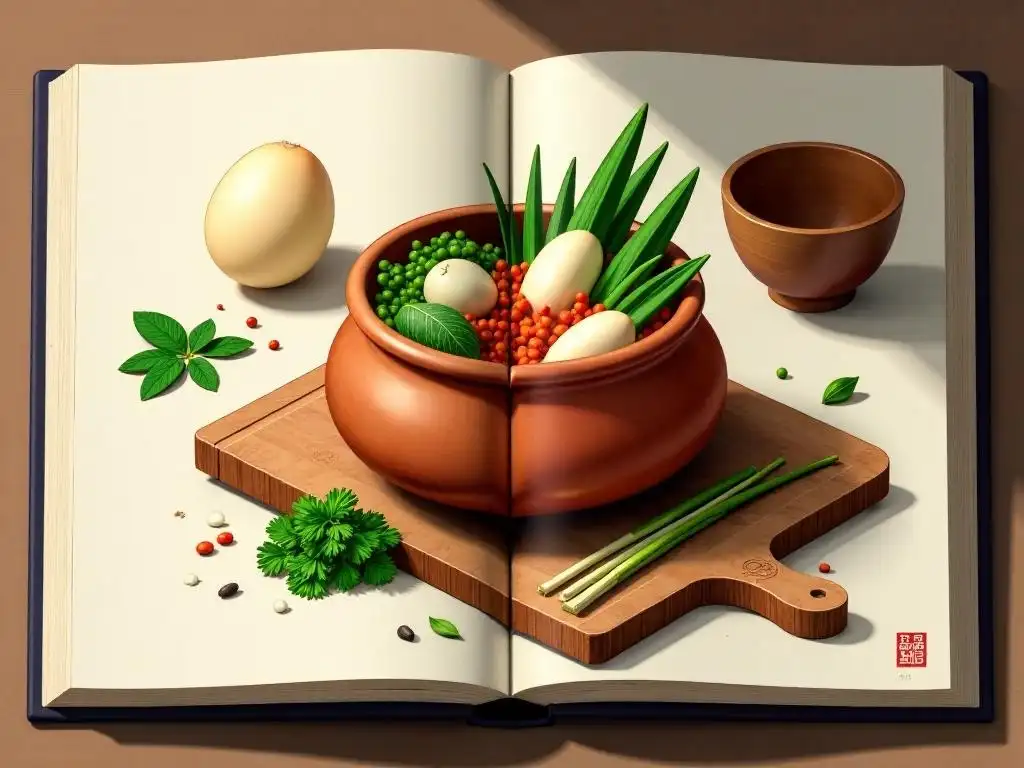
Welcome to Feudal Japan History, where we invite you to embark on a captivating journey through the rich tapestry of Japan’s feudal era. Delve into the delightful world of Feudal Japan traditional recipes, where culinary traditions have been lovingly preserved and passed down through generations.
In our featured article, "Cooking with Tradition: Feudal Era Recipes Passed Down Through Generations," you’ll uncover the secrets behind age-old dishes that not only tantalize the taste buds but also tell the stories of a bygone era. Join us as we explore the flavors, techniques, and history that shaped Japanese cuisine, and let your curiosity lead you deeper into this fascinating culinary heritage!
The culinary landscape of Feudal Japan offers a fascinating glimpse into the country’s rich history and culture. During this era, which spanned from the 12th to the 19th century, cooking was not just a means to nourish the body; it was deeply intertwined with social status, seasonal changes, and regional availability of ingredients.
This article will guide you through the traditional recipes of Feudal Japan, exploring how these time-honored dishes have been passed down through generations and continue to influence modern Japanese cuisine. By delving into the key ingredients and unique cooking methods of the time, we aim to inspire you to recreate these historical flavors in your own kitchen.
Introduction to Feudal Japan Traditional Recipes
Feudal Japan was characterized by a complex social structure and a strong connection to the land, which significantly influenced its culinary practices. Traditional recipes from this period often reflect the agricultural practices of the time, with a heavy reliance on locally sourced ingredients. Common themes in these recipes include simplicity, seasonality, and a deep respect for nature. Understanding the historical context of these dishes not only enhances our appreciation of them but also allows us to connect with the cultural heritage they represent.
Key Ingredients in Feudal Era Dishes
In order to recreate authentic feudal era recipes, it’s essential to understand the key ingredients that were prevalent during this time. These ingredients were often dictated by the seasons and the socio-economic status of the families, leading to a diverse array of flavors and textures in Japanese cuisine.
Traditional Staples of Feudal Japan
- Rice: The cornerstone of Japanese meals, rice was considered a staple food and a symbol of wealth. Various types of rice were cultivated, with koshihikari being one of the most prized varieties.
- Noodles: Made from wheat or buckwheat, noodles were a popular alternative to rice, especially in the colder regions of Japan.
- Fish: As an island nation, fish played a significant role in the Japanese diet. Techniques like drying and fermenting were common methods of preservation.
- Vegetables: Seasonal vegetables such as daikon, carrots, and wild greens were commonly used, showcasing the importance of freshness in feudal cooking.
- Soy Products: Tofu and miso were staple protein sources, providing essential nutrients in a predominantly plant-based diet.
Spices and Seasonings in Historical Context
The flavor profiles of feudal era dishes were largely built upon a few key seasonings, which were critical in enhancing the natural flavors of the ingredients:
- Soy Sauce: Developed during the Heian period, this fermented condiment became a fundamental seasoning in Japanese cooking.
- Mirin: A sweet rice wine that added depth and richness to many dishes, mirin was a staple in both everyday meals and ceremonial cooking.
- Salt: Used not only for seasoning but also for preservation, salt was an invaluable ingredient in feudal kitchens.
- Vinegar: Rice vinegar was commonly used to balance flavors in dishes, particularly in pickling and sushi preparation.
By understanding these ingredients and their historical significance, you can begin to appreciate the depth of flavor and tradition that feudal era recipes offer. As we continue through this article, we will explore specific dishes that you can recreate, bringing a taste of history into your home.
Popular Feudal Era Recipes to Try Today
Exploring the culinary landscape of Feudal Japan opens up a treasure trove of traditional recipes that have stood the test of time. These recipes not only reflect the rich history and culture of the era but also offer a taste of Japan's agricultural heritage. Here are some popular feudal era recipes that you can easily try at home:
- Miso Soup: A staple of Japanese cuisine, miso soup has its roots in the feudal era. Made with fermented soybean paste, dashi stock, and various ingredients such as tofu and seaweed, this comforting dish is a must-try.
- Soba Noodles: These buckwheat noodles were popular among the samurai class. They can be served hot or cold, often accompanied by a dipping sauce or in a broth.
- Nasu Dengaku (Grilled Eggplant): A dish that showcases the umami of eggplant glazed with sweet miso paste, reflecting the feudal era's emphasis on seasonal ingredients.
- Kushi-katsu (Skewered Meat and Vegetables): Featuring a variety of ingredients such as chicken, pork, and seasonal vegetables, this dish is battered and deep-fried, offering a delightful crunch.
- Pickled Vegetables (Tsukemono): These preserved vegetables were essential for feudal households, not only for their flavor but also for their ability to enhance the shelf life of produce.
Classic Dishes from the Feudal Era
The classic dishes from the feudal era often highlight the agricultural practices and seasonal produce of the time. Here are a few iconic dishes that you can replicate in your kitchen:
- Unagi (Grilled Eel): A delicacy that has been cherished since the Heian period, unagi is typically grilled and glazed with a sweet soy-based sauce. It was often enjoyed during the hot summer months to provide stamina.
- Dengaku (Miso-glazed Grilled Tofu): This dish features tofu skewers grilled and coated with a rich miso glaze, often served as a side dish or appetizer, reflecting the importance of tofu in the feudal diet.
- Tamagoyaki (Japanese Omelette): This sweet, layered omelette is a common breakfast item that can be traced back to feudal Japan. Its delicate texture and slightly sweet flavor make it a favorite among many.
- Sukiyaki (Hot Pot): Originating in the late Edo period, sukiyaki is a one-pot dish that combines thinly sliced beef, vegetables, and tofu cooked in a savory-sweet sauce, representing communal dining traditions.
Step-by-Step Cooking Guides for Each Recipe
To help you recreate these traditional dishes, here are simplified cooking guides for each of the highlighted recipes:
- Miso Soup:
- Ingredients: Miso paste, dashi stock, tofu, seaweed, green onions.
- Instructions:
- Prepare dashi stock by simmering kombu and bonito flakes in water.
- Add cubed tofu and rehydrated seaweed to the stock.
- Dissolve miso paste in a small amount of warm broth before adding it to the pot.
- Garnish with chopped green onions before serving.
- Soba Noodles:
- Ingredients: Soba noodles, soy sauce, mirin, scallions.
- Instructions:
- Boil soba noodles according to package instructions.
- Drain and rinse under cold water.
- Serve with a dipping sauce made from soy sauce and mirin, garnished with scallions.
- Nasu Dengaku:
- Ingredients: Eggplant, miso paste, sugar, sake, mirin.
- Instructions:
- Slice eggplants in half and score the flesh.
- Grill until soft.
- Mix miso, sugar, sake, and mirin to create the glaze.
- Brush the glaze onto the eggplants and grill again until caramelized.
The Evolution of Feudal Japan Traditional Recipes
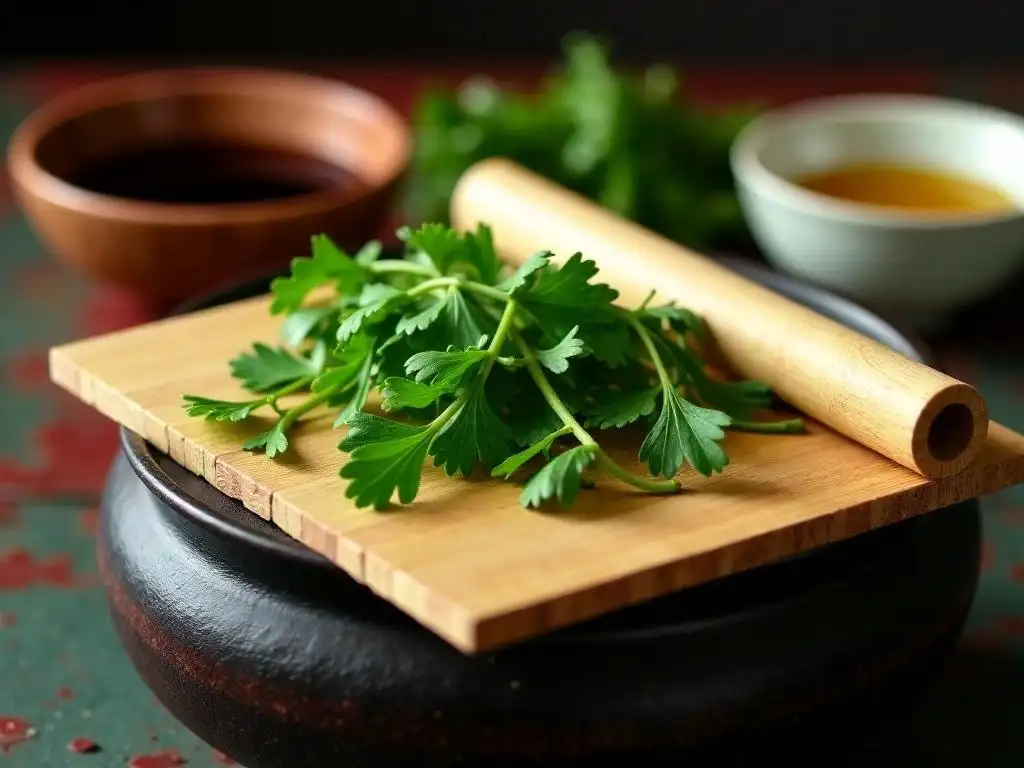
The evolution of feudal Japan traditional recipes is a fascinating journey that reflects the changes in society, agriculture, and trade over the centuries. As Japan transitioned from the Heian to the Edo period, the culinary practices also evolved, influenced by various factors including climate, available ingredients, and cultural exchanges.
How Historical Events Shaped Japanese Cuisine
Historical events played a pivotal role in shaping Japanese cuisine during the feudal era. The arrival of Buddhism in the 6th century introduced vegetarianism, which led to an increased reliance on grains and vegetables. The establishment of trade routes during the Edo period allowed for the introduction of new ingredients and culinary techniques from foreign cultures, such as sweets from China and spices from Southeast Asia.
Additionally, the samurai class's dietary restrictions and preferences influenced the way food was prepared and presented. The focus on seasonality and aesthetics became prominent, as meals were not only about nourishment but also about showcasing nature's beauty.
Modern Adaptations of Traditional Recipes
Today, many feudal Japan traditional recipes have been adapted to suit contemporary tastes and lifestyles. Chefs often blend traditional techniques with modern flair, creating innovative dishes that honor the past while appealing to present-day palates.
- Fusion Cuisine: Many chefs are experimenting with traditional ingredients in unique ways, such as using miso in salad dressings or incorporating soba noodles into pasta dishes.
- Health-Conscious Versions: With a growing focus on health, there are modern variations of classic dishes that emphasize fresh, organic ingredients and reduced sugar or salt content.
- Simplified Cooking Methods: Traditional recipes are often simplified to accommodate busy lifestyles, with quicker cooking methods and fewer steps without sacrificing the essence of the original dish.
Exploring these adaptations allows home cooks to enjoy the flavors of feudal Japan while making them accessible and relevant in today's culinary landscape.
Tools and Resources for Cooking Feudal Era Recipes
To recreate the flavors and traditions of Feudal Japan in your kitchen, having the right tools and access to authentic resources is essential. These elements not only enhance the cooking experience but also ensure that the dishes you prepare reflect the true essence of the era. Below, we explore the essential kitchen tools and recommended cookbooks and online resources that can guide you through the process of cooking Feudal Japan traditional recipes.
Essential Kitchen Tools for Authentic Cooking
To begin your culinary journey into Feudal Japan, consider acquiring the following essential kitchen tools:
- Tatara (Iron Griddle): Used for cooking various dishes over an open flame, this griddle allows for even heating and imparts a unique flavor to grilled items.
- Donabe (Clay Pot): Ideal for simmering stews and soups, a donabe enhances the flavors of the ingredients while maintaining moisture.
- Hōchō (Japanese Knife): A high-quality, sharp knife is crucial for precise cutting and presentation, making it an indispensable tool in Japanese cooking.
- Mizu-iri (Rice Washing Bowl): A traditional bowl for washing and soaking rice, ensuring the grains are clean and ready for cooking.
- Suribachi and Surikogi (Mortar and Pestle): These tools are essential for grinding spices, making pastes, and preparing ingredients like sesame seeds or wasabi.
By equipping your kitchen with these tools, you'll be well-prepared to tackle authentic Feudal era recipes with confidence and precision.
Recommended Cookbooks and Online Resources
To deepen your understanding of Feudal Japan traditional recipes and to find reliable recipes, consider the following cookbooks and online resources:
- "Japanese Cooking: A Simple Art" by Shizuo Tsuji: This comprehensive guide introduces fundamental techniques and traditional recipes, making it perfect for both novices and experienced cooks.
- "The Book of Miso" by William Shurtleff and Akiko Aoyagi: Focused on miso, this book explores its history and uses in traditional Japanese cuisine, featuring recipes that highlight this essential ingredient.
- Online Resources:
- Just One Cookbook: A popular website featuring a variety of traditional Japanese recipes, complete with detailed instructions and tips.
- Japanese Cooking 101: This site offers a wide array of traditional recipes, including videos to guide you through the cooking process.
By leveraging these resources, you'll gain valuable insights and practical knowledge that will elevate your cooking skills and deepen your appreciation of Feudal Japan's culinary heritage.
Conclusion: Embracing Feudal Japan Traditional Recipes Today
Cooking Feudal Japan traditional recipes not only connects us to the past but also enriches our culinary repertoire. As we embrace these time-honored dishes, we pay homage to the rich cultural tapestry of Japan's feudal era, allowing the flavors and techniques to be passed down through generations. Whether you are a seasoned chef or a curious home cook, experimenting with these recipes brings a taste of history to your dining table.
Incorporating traditional tools and utilizing dedicated resources can enhance your cooking experience, making it both educational and enjoyable. As you embark on this culinary journey, remember that each dish tells a story—one of tradition, culture, and the enduring legacy of Feudal Japan. So gather your ingredients, don your apron, and prepare to create delicious meals that celebrate this fascinating era in history!
- Introduction to Feudal Japan Traditional Recipes
- Key Ingredients in Feudal Era Dishes
- Popular Feudal Era Recipes to Try Today
- The Evolution of Feudal Japan Traditional Recipes
- Tools and Resources for Cooking Feudal Era Recipes
- Conclusion: Embracing Feudal Japan Traditional Recipes Today
- What are some popular traditional recipes from Feudal Japan?
- How have Feudal Japan traditional recipes influenced modern Japanese cuisine?
- What ingredients were commonly used in Feudal Japan cooking?
- Why is it important to preserve Feudal Japan recipes?
- Where can I find resources to learn about Feudal Japan traditional recipes?
Frequently Asked Questions
What are some popular traditional recipes from Feudal Japan?
Some popular traditional recipes include soba noodles, miso soup, and tempura, which reflect the ingredients and cooking techniques of the era.
How have Feudal Japan traditional recipes influenced modern Japanese cuisine?
Many Feudal Japan traditional recipes laid the foundation for modern Japanese cuisine, maintaining techniques and flavors that are still celebrated today.
What ingredients were commonly used in Feudal Japan cooking?
Common ingredients included rice, fish, soy sauce, and various seasonal vegetables, often emphasizing freshness and umami flavors.
Why is it important to preserve Feudal Japan recipes?
Preserving Feudal Japan recipes is vital for understanding cultural heritage, fostering appreciation for historical culinary practices, and maintaining culinary diversity.
Where can I find resources to learn about Feudal Japan traditional recipes?
You can find resources in historical cookbooks, culinary blogs, and websites dedicated to Japanese culture, which often feature authentic recipes and cooking techniques.
Final Reflection: Embracing the Legacy of Feudal Japan's Culinary Heritage
The exploration of Feudal Japan's traditional recipes is not just a journey into the past; it is a vibrant connection to our present and future. As we navigate a world increasingly dominated by fast food and convenience, the importance of preserving these culinary traditions becomes ever more significant. The flavors, techniques, and stories embedded in these recipes remind us of our roots and the cultural tapestry that shapes our identities. In a time where authenticity is often overshadowed by modernity, these recipes stand as a testament to resilience and heritage.
Cooking with tradition is more than just preparing a meal; it is an act of honoring our ancestors and the communities that have shaped our culinary landscape. The influence of these recipes extends far beyond the kitchen, weaving into the very fabric of our social interactions and cultural celebrations. As we gather around the table, sharing dishes that have been passed down through generations, we create bonds that transcend time. Food is not just what we eat; it is a reflection of who we are.
This quote encapsulates the essence of how traditional recipes serve as a bridge between the past and the present, enriching our lives with their historical significance.
As we reflect on the importance of these feudal era recipes, I invite you to take a moment to consider how you can incorporate this culinary heritage into your own life. Whether it's trying your hand at a traditional dish or sharing stories of your family’s recipes, each act of preservation contributes to a larger narrative of cultural identity. Let us honor the legacy of Feudal Japan by not only cherishing these recipes but also by passing them on to future generations, ensuring that the flavors of our history continue to resonate in the kitchens of tomorrow.
Rediscover the Flavors of Feudal Japan!
Thank you for exploring the rich culinary heritage of feudal Japan! By diving into these traditional recipes, you've uncovered the lasting influence of history on our plates. Now, it’s time to bring those flavors into your kitchen!
Here’s how you can take the next step:
- Start cooking! Choose one recipe from our collection and prepare it at home to experience the authentic tastes of feudal Japan.
- Document your cooking journey! Share your culinary creations on social media and tag us to inspire fellow food enthusiasts.
- Join a local cooking class focused on Japanese cuisine, and connect with others who share your passion!
What ancient flavors will you bring back to life in your kitchen today? Share your thoughts, and let’s spark a discussion!