
The Influence of Nature on Celebratory Traditions in Feudal Japan

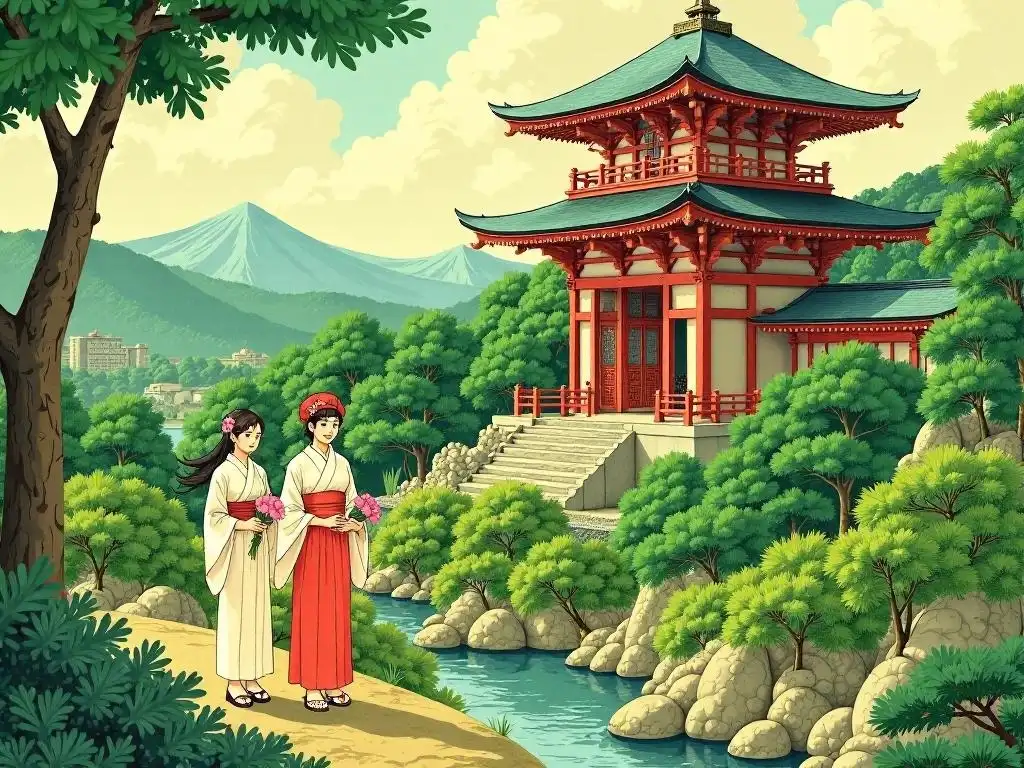
Welcome to Feudal Japan History, where we invite you to embark on a fascinating journey through the rich tapestry of Japan’s feudal era. Here, you will uncover how the intricate relationship between nature and culture shaped the celebratory traditions of this remarkable period. In our featured article, “The Influence of Nature on Celebratory Traditions in Feudal Japan,” delve into the vibrant practices that harmonized the beauty of the natural world with the spirit of celebration.
What secrets do these age-old traditions hold? Join us as we explore the profound impact of nature on the cultural landscape of feudal Japan—your adventure into history begins now!
Introduction to Feudal Japan Nature Traditions
The intricate tapestry of Feudal Japan is woven with threads of nature that significantly influenced its celebratory traditions. During this era, which spanned from the late 12th century to the mid-19th century, the Japanese people developed a profound respect for the natural world. This reverence is reflected in various festivals and traditions that not only highlight the changing seasons but also celebrate the beauty and bounty of nature. In this article, we will delve into how the environment shaped the cultural practices of the time, illustrating the pivotal role nature played in the vibrant tapestry of Feudal Japan's celebrations.
Overview of Feudal Japan and its Cultural Landscape
Feudal Japan was characterized by a hierarchical social structure, with the emperor, shoguns, daimyos, and samurai forming the upper echelons, while peasants and artisans made up the lower classes. This social stratification influenced the ways in which various groups engaged with nature and celebrated seasonal changes. The era is marked by significant cultural developments, including literature, theater, and art—all of which often drew inspiration from natural elements.
Moreover, the spiritual beliefs of the Japanese people during this time were deeply intertwined with nature. Many traditions were rooted in Shinto and Buddhism, where natural phenomena were revered as manifestations of divine spirits. This cultural landscape fostered a unique relationship between the people and their environment, leading to a rich array of nature-inspired festivities.
Significance of Nature in Japanese Culture
Nature in Japan is not merely a backdrop but a vital component of its cultural identity. The Japanese concept of "Mono no Aware," which translates to the "pathos of things," reflects a sensitivity to the ephemeral beauty of nature, emphasizing the transient nature of life. This appreciation is vividly expressed in various celebratory traditions. For example, the changing seasons dictate the rhythm of life, shaping agricultural practices, and influencing when and how communities gather to celebrate.
The integration of natural elements into festivals highlights the cyclical patterns of life and death, growth and decay. The seasons are celebrated not only for their beauty but also for their role in sustaining life, making nature a central theme in the social and spiritual fabric of Feudal Japan.
The Role of Seasons in Feudal Japan Celebrations
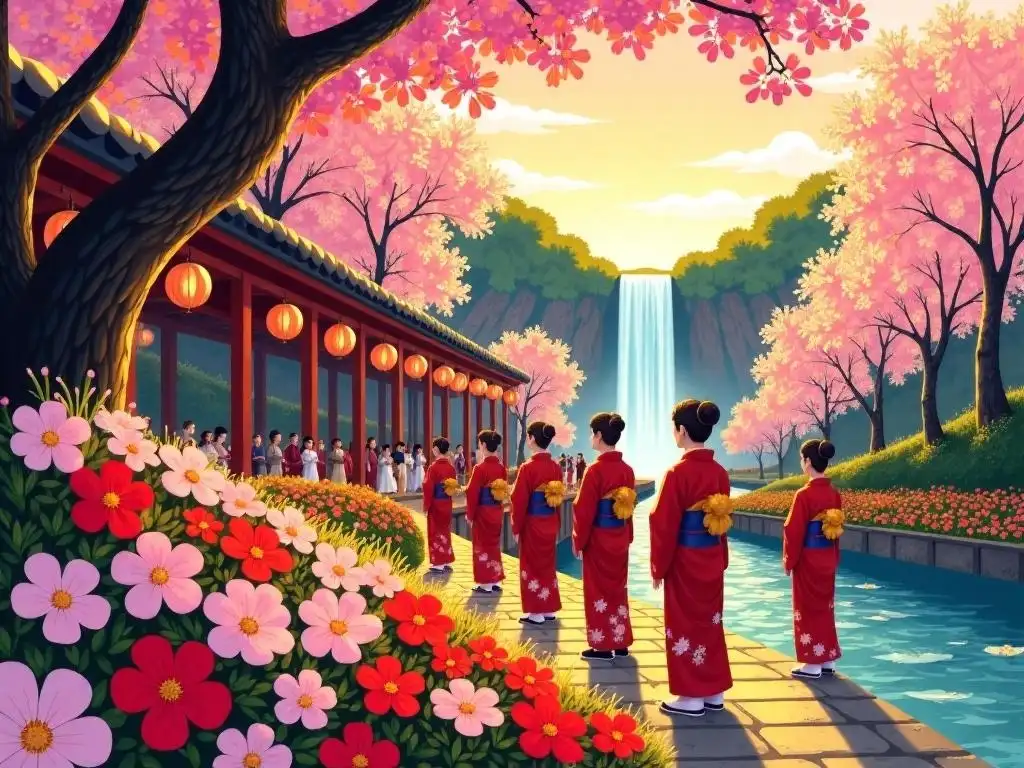
Seasonal Festivals and Their Connection to Nature
In Feudal Japan, each season brought its own set of celebrations, deeply rooted in the natural world. These seasonal festivals served as communal gatherings, allowing people to honor the cycles of nature while fostering social bonds. The alignment of these festivities with the agricultural calendar underscores the symbiotic relationship between the people and their environment, as well as the importance of seasonal changes in shaping their traditions.
Spring Celebrations: Hanami and the Cherry Blossom
Spring is perhaps the most celebrated season in Japan, marked by the breathtaking beauty of cherry blossoms (sakura). The Hanami festival, which translates to "flower viewing," is a quintessential example of how nature influences celebratory traditions. During this time, families and friends gather in parks to appreciate the transient beauty of the blossoms while enjoying picnics beneath the trees.
This practice is steeped in cultural significance, symbolizing renewal and the fleeting nature of life. Cherry blossoms remind us to cherish the present moment, making Hanami a poignant celebration of both nature and human experience.
Summer Traditions: Matsuri and Water Festivals
As the heat of summer sets in, Matsuri (festivals) emerge, often centered around local shrines and deities. These vibrant celebrations frequently incorporate water-related activities, reflecting the importance of rivers and lakes in agricultural practices. Festivals like Gion Matsuri in Kyoto showcase elaborate floats, traditional clothing, and rituals that honor the spirits believed to protect the community.
Additionally, water festivals are celebrated to pray for bountiful harvests and to cool off during the sweltering months. The connection to nature is evident as communities engage with water through rituals, dances, and offerings.
Autumn Events: Harvest Festivals and Moon Viewing
Autumn brings a bounty of crops, and with it, the celebration of harvest festivals. These events, such as Tsukimi (moon-viewing), highlight the importance of rice harvests and the gratitude felt towards nature for its abundance. Families gather to appreciate the full moon, often enjoying traditional foods like mochi (rice cakes) and seasonal produce, reinforcing the bond between the community and the land.
These celebrations serve not only as a time for thanksgiving but also as a reminder of the cyclical relationship between humans and nature.
Winter Observances: New Year Traditions and Snow
Winter in Feudal Japan is marked by New Year celebrations, which often involve rituals that honor the deities of nature. Families clean their homes and prepare special foods, such as osechi (traditional New Year's dishes), to welcome the new year with hopes for prosperity. Snow-covered landscapes are viewed as a time of peace and reflection, leading to unique winter traditions that embrace the stillness and beauty of nature.
The influence of nature on celebratory traditions in Feudal Japan is profound and multifaceted, showcasing a deep-seated respect for the environment that continues to resonate in contemporary Japanese culture. Through seasonal festivals, communities not only celebrate the changes in their surroundings but also reinforce their connection to the land and its cycles.
Natural Elements in Feudal Japan Celebratory Practices
Feudal Japan's celebratory traditions were deeply intertwined with the natural world, reflecting an inherent respect and reverence for the environment. Natural elements such as mountains, rivers, trees, and animals played crucial roles in shaping the festivals and rituals of this era. The Japanese people believed that nature was not just a backdrop but a vital participant in their cultural expressions and spiritual lives. This connection to nature is evident in the way various elements were incorporated into celebrations, symbolizing life, growth, and the cyclical nature of existence.
The Influence of Mountains and Rivers on Festivals
Mountains and rivers held significant spiritual and cultural importance in feudal Japan. Mountains, often considered sacred, were viewed as abodes of deities and ancestors. Festivals such as the Yamaboko Junko celebrated the sacredness of mountains through processions that included portable shrines carried through the streets, symbolizing a journey into the divine realm. Similarly, rivers were revered as sources of life and purification. The Mizukake Matsuri, or Water-Soaking Festival, involved participants splashing water on each other, representing the cleansing power of rivers and their essential role in agricultural prosperity.
Numerous festivals were scheduled around the natural cycles of these geographical features, with many occurring during specific seasons to honor the bountiful blessings derived from them. The interplay between these natural elements and festivals created a rich tapestry of cultural practices that celebrated the beauty and significance of the landscape.
Symbolism of Trees and Plants in Celebratory Traditions
Trees and plants were seen not only as physical entities but also as embodiments of deities and spirits in feudal Japan. The sakura (cherry blossom), for instance, symbolized the transient nature of life and beauty, becoming central to celebrations like Hanami, where people gathered to appreciate the blossoms' fleeting beauty. This festival illustrated the deep connection between nature and the human experience, encapsulating themes of ephemerality and renewal.
Other plants, such as rice, held agricultural significance and were integral to various rituals. The Inaho Matsuri, or Rice Planting Festival, involved offerings to rice deities, emphasizing gratitude for the harvest and the cycle of life supported by nature. The use of specific flora in these celebrations reinforced the notion that the prosperity of the people was intertwined with the health and vitality of the natural world.
The Role of Animals in Feudal Festivals
Animals played a multifaceted role in the celebratory traditions of feudal Japan, often symbolizing various deities and embodying essential qualities of nature. For example, the Tori Matsuri, or Bird Festival, celebrated the arrival of migratory birds, marking the changing seasons and the renewal of life. Participants would engage in rituals to honor these creatures, recognizing their role in maintaining ecological balance.
Moreover, certain animals were believed to possess spiritual significance or to serve as messengers of the gods. The Kamo Matsuri in Kyoto featured offerings and rituals dedicated to wild birds, showcasing the belief that animals could convey messages from the divine. Such festivals underscored the interconnectedness of all living beings and the importance of honoring the natural world.
Rituals and Offerings: Nature's Impact on Spiritual Practices
Rituals and offerings were essential components of feudal Japan's spiritual practices, deeply influenced by the natural environment. The Japanese people engaged in a variety of rituals to express gratitude, seek blessings, and maintain harmony with nature. These practices often involved offerings of food, sake, and symbolic items to deities believed to inhabit natural elements.
Shinto Beliefs and Nature Worship in Feudal Japan
Shinto, the indigenous spirituality of Japan, placed a strong emphasis on nature worship. It teaches that kami, or spirits, reside in natural phenomena such as mountains, rivers, and trees. Celebratory traditions often included rituals to honor these kami, inviting their blessings and ensuring harmony with the surrounding environment. Shrines were commonly located in natural settings, further emphasizing the connection between spirituality and nature.
During festivals, offerings were made to the kami, typically involving rice, sake, and seasonal produce, representing gratitude for the gifts of nature. The Kagura dance, performed at many festivals, was a way to entertain and appease the kami, ensuring their continued favor. This deep-rooted belief in nature’s spiritual essence shaped not only rituals but also the overall worldview of feudal Japanese society.
Seasonal Offerings and Rituals to Nature Deities
Seasonal changes were closely monitored in feudal Japan, and celebrations often coincided with agricultural cycles. Festivals such as Aoi Matsuri and Jizo Bon were held to honor specific deities associated with agriculture and nature, with rituals designed to ensure good harvests and favorable weather conditions. Offerings of freshly harvested crops and flowers were common, symbolizing the cyclical relationship between humans and the natural world.
The shifting seasons influenced the types of offerings and rituals performed, with spring celebrating new life and growth, while autumn marked the time for harvest and gratitude. This cyclical nature of festivals reflected the integration of seasonal rhythms into the spiritual practices of the time, emphasizing a harmonious existence with the environment.
The Integration of Nature in Buddhist Celebrations
Buddhism, which arrived in Japan during the Asuka period, also incorporated nature into its celebratory practices. Many Buddhist temples were designed to blend seamlessly with their natural surroundings, creating serene spaces for reflection and worship. Festivals like Obon, which honors the spirits of ancestors, often involved lighting lanterns and creating offerings that included flowers and fruits, emphasizing the connection between the living and the natural world.
Nature was also celebrated through various rituals that marked significant life events, such as birth, marriage, and death. Elements like water and earth were often included in these ceremonies, symbolizing purification and grounding. The integration of nature into Buddhist celebrations illustrated the shared reverence for the environment found in both Shinto and Buddhist practices, promoting a holistic view of life and spirituality in feudal Japan.
Case Studies of Notable Festivals Influenced by Nature
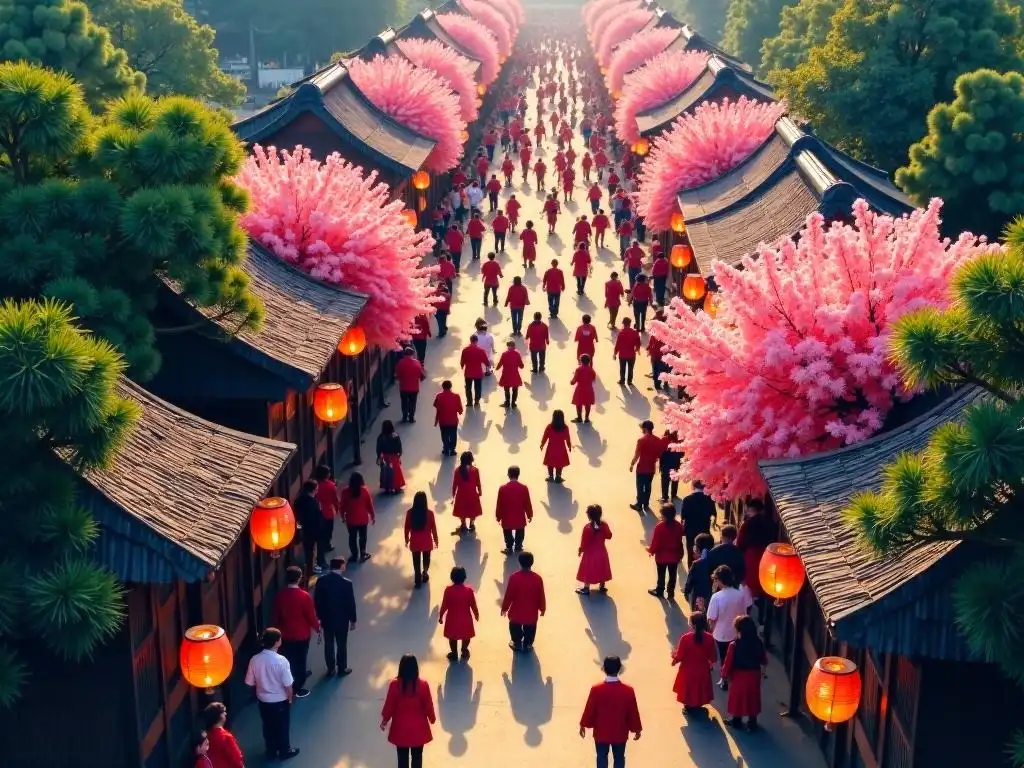
Throughout feudal Japan, the close relationship between nature and cultural celebrations was evident in various festivals that honored the changing seasons, agricultural cycles, and natural landscapes. These festivals not only reflected the reverence the Japanese people held for their environment but also served as vital communal gatherings that strengthened social bonds. Below are notable case studies that illustrate how nature shaped these celebratory traditions.
The Aoi Matsuri: A Celebration of Seasonal Flora
The Aoi Matsuri, held annually on May 15 in Kyoto, is one of the most significant festivals in feudal Japan, deeply rooted in nature's beauty. This festival is dedicated to the deities of the Kamo Shrine and features a vibrant procession adorned with greenery, particularly the leaves of the aoi plant (mallow).
The origins of the Aoi Matsuri date back to the 7th century, with its name deriving from the aoi leaves that are used in ceremonial attire and offerings. Participants dress in the elegant styles of the Heian period, reflecting the aesthetics of the era, while the procession winds its way through the city, showcasing the stunning flora of the region.
The festival symbolizes the connection between humans and nature, highlighting the importance of seasonal changes in agricultural practices. As the procession moves through lush landscapes, it serves as a reminder of the cyclical nature of life and the gratitude owed to the earth for its sustenance.
The Gion Matsuri: River Worship and Its Cultural Significance
The Gion Matsuri, celebrated throughout July in Kyoto, is perhaps the most famous festival in Japan, with roots deeply intertwined with nature and its elements. Originally initiated to appease the gods of the Yasaka Shrine during a time of plague, the festival has evolved into a grand celebration of life, community, and the changing seasons.
Central to the Gion Matsuri is the yamaboko junko, a grand procession of elaborately decorated floats that symbolize the four cardinal directions and the seasonal cycles. The float designs often incorporate natural motifs and materials, such as textiles dyed with natural pigments derived from plants.
The festival’s connection to water is particularly significant; rituals are performed to honor rivers and their vital role in sustaining life. The purification of the river waters is celebrated, and participants engage in activities that highlight the importance of rivers in agriculture and daily life. The Gion Matsuri exemplifies how nature's elements are woven into the fabric of cultural identity and communal celebration.
The Jidai Matsuri: Historical Parades Reflecting Nature's Impact
The Jidai Matsuri, held on October 22 in Kyoto, is a festival that celebrates the rich history of Japan through a magnificent parade. Participants don costumes representing various historical periods, from the Heian to the Edo period, showcasing the evolution of Japanese society and its close ties to the natural world.
Nature’s influence is evident in the selection of colors, materials, and themes that align with seasonal changes. For example, participants wearing costumes of the Heian period often incorporate seasonal flower motifs, reflecting the importance of specific flora during different times of the year.
The parade not only honors historical figures but also emphasizes the relationship between the people and their environment throughout Japan’s history. Each costume and float serves as a reminder of how nature has shaped cultural practices and societal values over centuries, reinforcing the idea that history and nature are inextricably linked.
Modern Implications of Feudal Japan Nature Traditions
Feudal Japan's nature traditions continue to resonate in contemporary society, influencing modern celebrations and cultural practices. These enduring traditions highlight the importance of preserving the natural world and the cultural heritage associated with it.
Preservation of Nature-Inspired Celebrations Today
Many of the traditional festivals that originated in feudal Japan have been preserved and adapted for modern audiences. Events such as the Aoi Matsuri and Gion Matsuri still draw significant crowds, emphasizing the role of nature in cultural identity.
Modern preservation efforts focus on maintaining the authenticity of these festivals while promoting environmental awareness. For example, organizers often engage in eco-friendly practices, ensuring that the natural settings where these festivals take place are protected and celebrated. This commitment not only honors historical traditions but also serves to educate future generations about the importance of nature.
The Continuing Influence of Feudal Traditions on Contemporary Festivals
The influence of feudal Japan's nature traditions is evident in various contemporary festivals across the country. Many local celebrations incorporate elements such as floral displays, seasonal foods, and traditional music, reflecting the ongoing connection between culture and the environment.
Moreover, new festivals are emerging that honor the spirit of nature, often drawing inspiration from ancient practices. The integration of ecological themes into modern festivities encourages communities to engage with their natural surroundings, fostering a deeper appreciation for the environment that sustains them.
The legacy of feudal Japan's nature traditions is not only preserved through festivals but also continues to evolve, ensuring that the relationship between culture and nature remains a vital aspect of Japanese identity.
Conclusion: The Enduring Legacy of Nature in Japanese Celebratory Traditions
The impact of nature on celebratory traditions in Feudal Japan is profound and enduring. From the cherry blossoms that herald the arrival of spring to the harvest festivals that pay homage to the bountiful earth, nature has always been intertwined with the cultural fabric of Japanese society. These traditions not only served as a means of celebration but also as a way to foster a deep respect for the natural world, reinforcing the idea that humanity and nature coexist in a delicate balance.
Through centuries, festivals such as Hanami (flower viewing) and Tsukimi (moon viewing) have evolved, yet their roots in nature remain steadfast. They reflect a collective appreciation for the changing seasons, and this bond has influenced art, literature, and philosophy throughout Japan’s history. Even today, these traditions continue to be celebrated, showcasing the lasting legacy of nature in Japanese culture and the importance of preserving these rituals for future generations.
Reflection on the Interconnectedness of Nature and Culture in Feudal Japan
In Feudal Japan, the interconnectedness of nature and culture was evident in every aspect of life. The agrarian lifestyle of the era dictated much of the rhythm and flow of daily activities, with festivals often aligned with agricultural cycles. The reverence for natural elements was not merely a backdrop but a central theme that shaped communal identities and social cohesion.
The Shinto belief system, which emphasizes the presence of kami (spirits) in natural phenomena, further solidified this bond. Rituals and celebrations were conducted to honor these spirits, ensuring harmony with the surrounding environment. This interaction fostered a sense of stewardship over nature, as communities sought to live in harmony with the land, viewing it as both a provider and a sacred entity.
Art and literature from the era also reflect this relationship, where poets and artists drew inspiration from the beauty of nature, encapsulating its essence in various forms. The aesthetic principles of wabi-sabi, which appreciate the transient beauty found in nature, became a significant cultural philosophy, influencing everything from poetry to garden design.
The Importance of Nature in Understanding Japanese Heritage
Understanding the role of nature in celebratory traditions is crucial for grasping the broader context of Japanese heritage. Nature served not only as a source of inspiration but also as a central component of spiritual and societal values. This connection is evident in the way festivals are celebrated, with each event reflecting the seasonal changes and the natural environment.
By studying these traditions, one gains insights into the values of harmony, respect, and gratitude that permeate Japanese culture. They reveal how deeply ingrained the natural world is in the Japanese psyche, affecting everything from social interactions to artistic expression.
Moreover, these traditions highlight the resilience of cultural practices, demonstrating how they adapt and evolve while retaining their essence. As the world continues to change, the enduring nature of these celebrations offers a lens through which to appreciate Japan's historical narrative and cultural identity. Recognizing the significance of nature in these traditions allows for a deeper understanding of Japan's past and its ongoing relationship with the environment.
- Introduction to Feudal Japan Nature Traditions
- Overview of Feudal Japan and its Cultural Landscape
- Significance of Nature in Japanese Culture
- The Role of Seasons in Feudal Japan Celebrations
- Natural Elements in Feudal Japan Celebratory Practices
- Rituals and Offerings: Nature's Impact on Spiritual Practices
- Case Studies of Notable Festivals Influenced by Nature
- Modern Implications of Feudal Japan Nature Traditions
- Conclusion: The Enduring Legacy of Nature in Japanese Celebratory Traditions
- What role did nature play in feudal Japan traditions?
- How did the seasons affect celebrations in feudal Japan?
- What are some examples of nature-inspired rituals in feudal Japan?
- How did nature's beauty influence Japanese art and literature?
- What is the significance of nature in modern Japanese culture?
Frequently Asked Questions
What role did nature play in feudal Japan traditions?
Nature was a central theme in many celebratory traditions during feudal Japan, influencing festivals, art, and rituals that honored seasonal changes and natural beauty.
How did the seasons affect celebrations in feudal Japan?
Each season brought unique celebrations, such as cherry blossom festivals in spring and harvest festivals in autumn, reflecting the connection to nature in cultural practices.
What are some examples of nature-inspired rituals in feudal Japan?
Nature-inspired rituals included Shinto ceremonies that honored gods associated with rivers, mountains, and forests, emphasizing the spiritual significance of the natural world.
How did nature's beauty influence Japanese art and literature?
Artists and writers drew inspiration from nature, creating works that depicted landscapes and seasonal changes, which became integral to Japanese aesthetic principles.
What is the significance of nature in modern Japanese culture?
The influence of nature from feudal times persists in modern Japan, where traditional practices and celebrations continue to reflect a deep respect for the natural environment.
Final Reflection: The Enduring Legacy of Nature in Feudal Japan's Celebratory Traditions
The intricate relationship between nature and celebratory traditions in Feudal Japan remains profoundly relevant today, as we continue to seek harmony with the natural world. This connection not only shaped the cultural practices of the past but also serves as a reminder of the importance of environmental stewardship in our modern lives. As we navigate an increasingly urbanized and technology-driven society, the lessons drawn from the reverence for nature in Feudal Japan resonate more than ever, urging us to reconnect with the earth and the cycles of life.
The influence of nature on the celebratory traditions of Feudal Japan has left an indelible mark on our cultural landscape, reminding us of the beauty and significance of seasonal changes. The festivals and rituals that once honored the natural world continue to inspire contemporary practices, fostering a deeper appreciation for the environment. Nature does not hurry, yet everything is accomplished.
This quote encapsulates the essence of how the Japanese viewed their surroundings, emphasizing patience and respect for the natural rhythms that govern our lives. As we reflect on these traditions, we can see how they encourage mindfulness and a sense of belonging within the larger tapestry of life.
As we close this exploration of Feudal Japan's nature traditions, I invite you to reflect on your own relationship with the natural world. Consider how you can incorporate elements of nature into your celebrations, fostering a deeper connection to the environment and honoring the traditions that have shaped our cultural heritage. Let us carry forward the wisdom of the past, embracing the beauty of nature in our lives and celebrations, and inspiring future generations to do the same.
Embrace Nature: Ignite Your Own Celebratory Traditions!
Thank you for exploring the captivating world of feudal Japan and discovering the profound influence of nature on its celebratory traditions! You've revealed the deep connection between the natural world and cultural practices, and now it’s time to integrate that inspiration into your own life.
Here are some actionable steps you can take to create meaningful celebrations influenced by nature:
- Choose a seasonal theme: Begin planning your next gathering by selecting a specific season or natural element, such as vibrant blossoms in spring or the warm hues of autumn leaves, that resonates with you and your guests.
- Incorporate local flora: Use fresh, locally sourced flowers or plants as centerpieces for your celebration, honoring the natural beauty that surrounds you.
- Share your experience: Document your unique celebration by writing a blog post or sharing photos on social media to inspire others to connect with nature in their festivities.
How will you let the beauty of nature inspire your next celebration? We invite you to share your thoughts and ideas below!