
Satisfy Your Taste for History: Cooking Feudal Era Japanese Comfort Food


Welcome to Feudal Japan History, where we invite you to embark on a captivating journey through the rich tapestry of Japan’s feudal era. In this exploration, we delve into the historical, cultural, and societal aspects that shaped a nation. Are you ready to discover how comfort food played a role in the lives of those who lived during this fascinating time?
Join us as we serve up delicious insights with our main article on Feudal Japan comfort food recipes. This is not just about food—it's a taste of history waiting to be savored. Dive in and let your curiosity guide you through the flavors of the past!
- Introduction to Feudal Japan Comfort Food Recipes
- Key Ingredients in Feudal Era Japanese Cooking
- Classic Feudal Japan Comfort Food Recipes
- Modern Adaptations of Feudal Era Recipes
- Essential Tools for Cooking Feudal Japan Comfort Food
- Conclusion: Savoring the History of Feudal Japan Through Comfort Food
- Frequently Asked Questions
- Final Reflection: Embracing the Flavors of Feudal Japan
- Unleash Your Inner Chef and Step Back in Time!
Introduction to Feudal Japan Comfort Food Recipes
In the rich tapestry of Japan's history, the feudal era stands out as a time of profound transformation and cultural significance. This period, spanning from the 12th to the 19th century, not only shaped the political landscape of the nation but also left an indelible mark on its culinary traditions. Feudal Japan comfort food recipes encapsulate the essence of this historical epoch, blending simple ingredients with time-honored techniques to create dishes that are both nourishing and deeply satisfying.
In this article, we will delve into the significance of food in feudal Japanese society and explore the cultural phenomenon of comfort food within this context. Join us as we journey back in time to uncover the flavors of the past and discover how you can recreate these comforting dishes in your own kitchen.
Understanding the Role of Food in Feudal Japanese Society
Food during the feudal era was not merely a means of sustenance; it was a reflection of social status, regional identity, and seasonal availability. The samurai, as the ruling class, had access to a variety of foods, often enjoying elaborate meals that showcased their wealth and power. In contrast, the peasantry relied on a more modest diet, heavily based on rice, vegetables, and fish.
- Key Aspects of Food in Feudal Japan:
- Social Hierarchy: Food choices were influenced by one's position in society. The samurai enjoyed luxurious dishes, while farmers and laborers had simpler fare.
- Seasonality: The Japanese calendar played a crucial role in determining what was available for consumption. Seasonal ingredients were celebrated through festivals and special meals.
- Regional Variations: Different regions of Japan developed unique culinary practices based on local resources, leading to a diverse array of dishes.
Understanding these dynamics provides insight into how food functioned as a cultural cornerstone in feudal Japan, influencing everything from daily life to ceremonial practices.
The Comfort Food Phenomenon in Japanese Culture
Comfort food in Japan is often associated with feelings of nostalgia and warmth, transcending generations. In the context of feudal Japan, comfort foods were simple yet hearty, designed to sustain individuals through long days of labor and strife.
- Characteristics of Japanese Comfort Food:
- Simplicity: Many comfort foods emphasize straightforward preparation and familiar ingredients, making them accessible to all.
- Nostalgia: Dishes often evoke memories of family gatherings and traditional celebrations, linking individuals to their heritage.
- Health and Nourishment: Comfort foods are not just about taste; they are also intended to provide sustenance and energy.
Some classic examples of feudal era comfort food include:
- Miso Soup: A staple that combines miso paste with dashi broth, often enriched with seasonal vegetables and tofu.
- Nishime: A simmered vegetable dish that showcases the bounty of the season, reflecting the importance of fresh ingredients.
- Tamago Gohan: A simple dish of rice topped with raw egg and soy sauce, highlighting the beauty of minimalism in Japanese cuisine.
Through these dishes, we can appreciate how the comfort food phenomenon in Japanese culture is deeply rooted in the historical context of feudal Japan, offering us a taste of the past that continues to resonate today.
Key Ingredients in Feudal Era Japanese Cooking
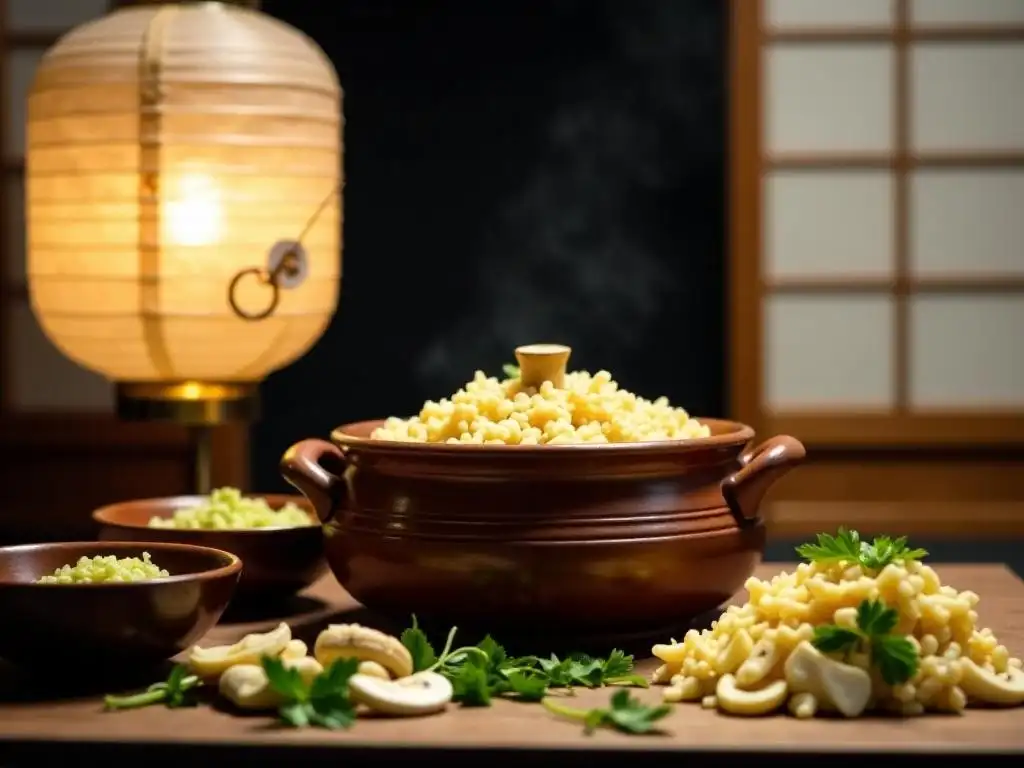
Understanding the essence of Feudal Japan comfort food recipes begins with a deep dive into the key ingredients that defined the culinary landscape of the era. These foundational elements not only shaped the flavors but also reflected the agricultural practices and available resources of feudal society. Below, we explore the staples, unique spices, and traditional preservation methods that characterized cooking during this fascinating period.
Staples of Feudal Japan: Rice, Vegetables, and Seafood
Rice was the cornerstone of Japanese cuisine during the feudal era, serving as both a staple food and a symbol of wealth and status. The cultivation of rice in paddies required meticulous attention and labor, making it a central aspect of agricultural life.
- Rice Varieties: The primary type of rice used was uruchimai, which is sticky and ideal for shaping into rice balls or serving alongside main dishes.
- Vegetables: Seasonal vegetables were integral to daily meals, including:
- Daikon: A versatile radish used in stews and pickles.
- Nasu: Eggplant, often grilled or stir-fried.
- Negi: Green onions, adding flavor to soups and rice dishes.
- Seafood: Given Japan's extensive coastline, seafood played a vital role in the diet. Commonly consumed varieties included:
- Sardines and Mackerel: Often grilled or dried for preservation.
- Seaweed: Used to enhance flavors and as a nutritious addition to meals.
The combination of these staples created a foundation for countless dishes, providing not only sustenance but also a connection to the land and the sea.
Unique Spices and Flavor Profiles of the Era
The flavor profiles in feudal Japan were relatively simple but deeply satisfying, relying on natural ingredients to enhance dishes. The use of spices was limited, as the focus was on the freshness of ingredients; however, certain flavorings became essential.
- Shoyu (Soy Sauce): A key seasoning derived from fermented soybeans, shoyu adds depth and umami to various dishes, from soups to marinades.
- Miso: Another fermented product, miso paste was made from soybeans and used in soups, dressings, and as a glaze for grilled items.
- Sake: This rice wine not only served as a beverage but also played a role in cooking, used to marinate fish and enhance flavors.
- Mirin: A sweet rice wine, mirin added a touch of sweetness to savory dishes and was commonly used in glazes and sauces.
These elements contributed to the unique taste of feudal Japanese cuisine, where the balance of flavors was paramount, often showcasing the inherent qualities of the main ingredients.
Traditional Preservation Methods: Pickling and Fermentation
Preservation methods were vital in feudal Japan, both for extending the shelf life of food and for enhancing flavors. Two of the most prominent techniques were pickling and fermentation.
- Pickling: This method involved immersing vegetables in a solution of salt and vinegar, creating an array of pickled items known as tsukemono. Commonly pickled vegetables included:
- Cucumbers: Crunchy and refreshing, ideal for accompanying rice.
- Radishes: Often pickled for their sharp taste, enhancing the overall meal.
- Fermentation: Fermented foods were staples in the diet, offering not only preservation but also health benefits. Notable fermented products included:
- Natto: Fermented soybeans with a distinctive texture and flavor, rich in protein.
- Miso: As previously mentioned, it served both as a seasoning and as a key ingredient in many dishes.
These traditional methods not only helped in food preservation but also contributed to the development of complex flavors that are still celebrated in contemporary Japanese cuisine. The art of pickling and fermentation allowed feudal cooks to create a variety of textures and tastes, ensuring that meals were both enjoyable and nutritious.
Classic Feudal Japan Comfort Food Recipes
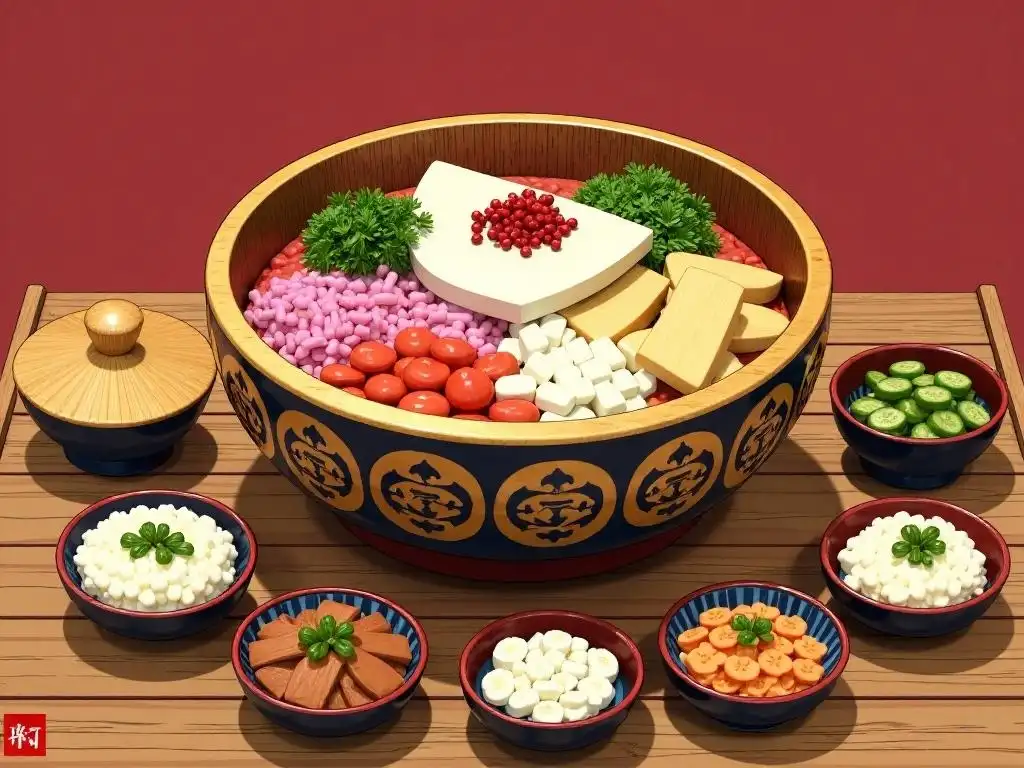
1. Miso Soup: A Staple of Feudal Diets
Miso soup has long been regarded as a quintessential part of Japanese cuisine, particularly during the feudal era. This simple yet nutritious dish is not only a comfort food but also a fundamental component of the daily diet among samurai and common folk alike. The primary ingredients, which include miso paste, dashi (broth), and various vegetables, reflect the local agricultural practices of the time.
Ingredients You’ll Need for Authentic Miso Soup
To craft a truly authentic miso soup reminiscent of feudal Japan, gather the following ingredients:
- Miso Paste (preferably red or white)
- Dashi Stock (made from kombu and bonito flakes)
- Tofu (silken or firm, cut into small cubes)
- Seaweed (wakame is a traditional choice)
- Green Onions (finely sliced)
- Seasonal Vegetables (such as mushrooms or daikon radish)
Step-by-Step Cooking Instructions
- Prepare the Dashi:
- Soak a piece of kombu (dried kelp) in water for about 30 minutes, then bring it to a simmer.
- Add bonito flakes and let it steep for about 10 minutes. Strain to get a clear dashi broth.
- Combine Ingredients:
- In a pot, heat the dashi and bring it to a gentle simmer.
- Add the diced tofu and any seasonal vegetables you desire.
- Incorporate Miso:
- Take a ladle of hot dashi and dissolve the miso paste in it. This prevents clumping.
- Stir the miso mixture back into the pot, ensuring it does not boil—boiling can ruin the flavor of the miso.
- Finish with Seaweed and Onions:
- Add the wakame seaweed and let it rehydrate for a minute.
- Finally, garnish with sliced green onions.
- Serve:
- Ladle the soup into bowls and enjoy warm.
Tips for Enhancing Flavor with Local Ingredients
- Experiment with Miso Varieties: Different regions in Japan have distinct miso pastes, so try using locally sourced varieties to deepen the flavor.
- Incorporate Seasonal Vegetables: Using vegetables that are in season can elevate the soup's taste and authenticity. For example, springtime could bring in fresh asparagus or new potatoes.
- Herbs and Spices: A sprinkle of shichimi togarashi (a Japanese seven-spice blend) can add a delightful kick.
2. Chazuke: The Simple Rice Dish with Endless Variations
Chazuke, or chazuke, is a beloved comfort food that showcases the versatility of rice, which was a staple during the feudal period. This dish consists of cooked rice topped with various ingredients and doused in hot green tea or dashi, making it a warm and satisfying meal. Its simplicity allowed for creativity, enabling diners to utilize leftover ingredients.
Exploring Traditional Toppings for Chazuke
The beauty of chazuke lies in its adaptability. Here are some traditional toppings that were popular during the feudal era:
- Pickled Vegetables (tsukemono)
- Grilled Fish (such as salmon or mackerel)
- Nori (seaweed strips)
- Sesame Seeds
- Shredded Chicken or Pork
- Wasabi or Yuzu for added zest
How to Prepare Chazuke Like a Feudal Samurai
- Cook the Rice:
- Start by cooking short-grain Japanese rice until fluffy. Allow it to cool slightly.
- Choose Your Toppings:
- Select your preferred toppings from the list provided above. Prepare them by grilling, shredding, or slicing as necessary.
- Prepare the Broth:
- If using dashi, follow the same preparation as for miso soup. Alternatively, heat green tea until warm.
- Assemble the Dish:
- Place a generous scoop of rice in a bowl, top with your chosen ingredients, and pour the hot dashi or tea over it.
- Garnish and Serve:
- Finish with a sprinkle of sesame seeds or a dash of wasabi. Serve immediately.
Recommended Products for Authentic Chazuke Experience
| Product | Description |
|---|---|
| Japanese Rice | Look for short-grain rice for the best texture. |
| Dashi Stock | Preferably homemade for an authentic flavor. |
| Nori Sheets | Use high-quality seaweed for wrapping or garnishing. |
| Tsukemono | Pickled vegetables can be homemade or store-bought. |
| Japanese Tea | Sencha or hojicha adds a unique flavor profile. |
Chazuke is not just a meal; it is a comforting reminder of the resourcefulness of feudal Japan's culinary traditions. Whether enjoyed as a quick lunch or a late-night snack, chazuke remains a beloved dish that bridges the gap between past and present.
3. Yudofu: A Comforting Hot Pot for Cold Nights
Yudofu, or "hot tofu," is a beloved dish that embodies the essence of comfort food in Feudal Japan. Traditionally enjoyed during the colder months, this simple yet satisfying hot pot showcases the delicate flavor of tofu and the warmth of a nourishing broth. The dish often served in a communal pot, invites family and friends to gather around, fostering a sense of togetherness that makes it a staple in Japanese households.
The origins of yudofu can be traced back to Buddhist monks who emphasized vegetarian diets, leading to the creation of this wholesome dish. The preparation is straightforward, allowing the natural flavors of the ingredients to shine. As a result, yudofu is not just a meal; it represents the harmony between nature and cuisine, a concept deeply rooted in Japanese culture.
Key Ingredients for a Perfect Yudofu
To create a delicious yudofu, you'll need a selection of fresh and high-quality ingredients. Here are the key components:
- Tofu: The star of the dish, silken or soft tofu works best for yudofu due to its creamy texture that absorbs the broth's flavors.
- Dashi Broth: A fundamental element in Japanese cuisine, dashi is made from kombu (dried kelp) and bonito flakes. This umami-rich broth serves as the base for the hot pot.
- Vegetables: Common additions include:
- Napa cabbage: Adds sweetness and tenderness.
- Mushrooms: Shiitake or enoki mushrooms enhance the umami flavor.
- Green onions: For a fresh, aromatic touch.
- Condiments: Traditionally, yudofu is served with:
- Soy sauce: Adds saltiness and depth.
- Grated daikon: Provides a refreshing contrast.
- Wasabi: Offers a spicy kick.
With these ingredients, you can create a comforting bowl of yudofu that captures the heart of Feudal Japanese cuisine.
Cooking Techniques Passed Down Through Generations
The preparation of yudofu is a time-honored tradition that highlights simple cooking techniques passed down through generations. Here’s how to prepare this comforting dish:
- Prepare the Dashi: Begin by soaking kombu in water for several hours. Heat the water gently, removing the kombu just before it reaches a boil. Add bonito flakes and allow the mixture to steep before straining to create a clear broth.
- Boil the Tofu: Cut the tofu into bite-sized cubes. Bring the dashi broth to a simmer and gently add the tofu. Allow it to cook for about 5-10 minutes, ensuring that it warms through without breaking apart.
- Add Vegetables: Incorporate your chosen vegetables into the pot, letting them cook until tender. The vegetables will absorb the flavors of the broth, enhancing the overall taste of the dish.
- Serve and Enjoy: Ladle the yudofu into individual bowls, accompanied by small dishes of soy sauce, grated daikon, and wasabi for dipping.
This method not only preserves the original flavors but also creates a communal dining experience that reflects the values of feudal society.
Pairing Yudofu with Traditional Side Dishes
While yudofu is delightful on its own, pairing it with traditional side dishes can elevate the meal and provide a more rounded dining experience. Consider these complementary dishes:
- Rice: A bowl of steamed white rice is a classic accompaniment, perfectly balancing the flavors of yudofu.
- Pickled Vegetables (Tsukemono): These add a crunchy texture and tangy flavor that contrast beautifully with the softness of the tofu.
- Salad: A simple salad made with fresh greens and a light sesame dressing can provide a refreshing element to the meal.
- Clear Soup (Suimono): A light, clear soup made with dashi and seasonal ingredients enhances the comforting aspect of the meal.
By combining yudofu with these traditional side dishes, you create a harmonious dining experience that celebrates the flavors and culinary practices of Feudal Japan. Enjoying yudofu in this way not only satisfies the palate but also connects you to a rich cultural heritage.
Modern Adaptations of Feudal Era Recipes
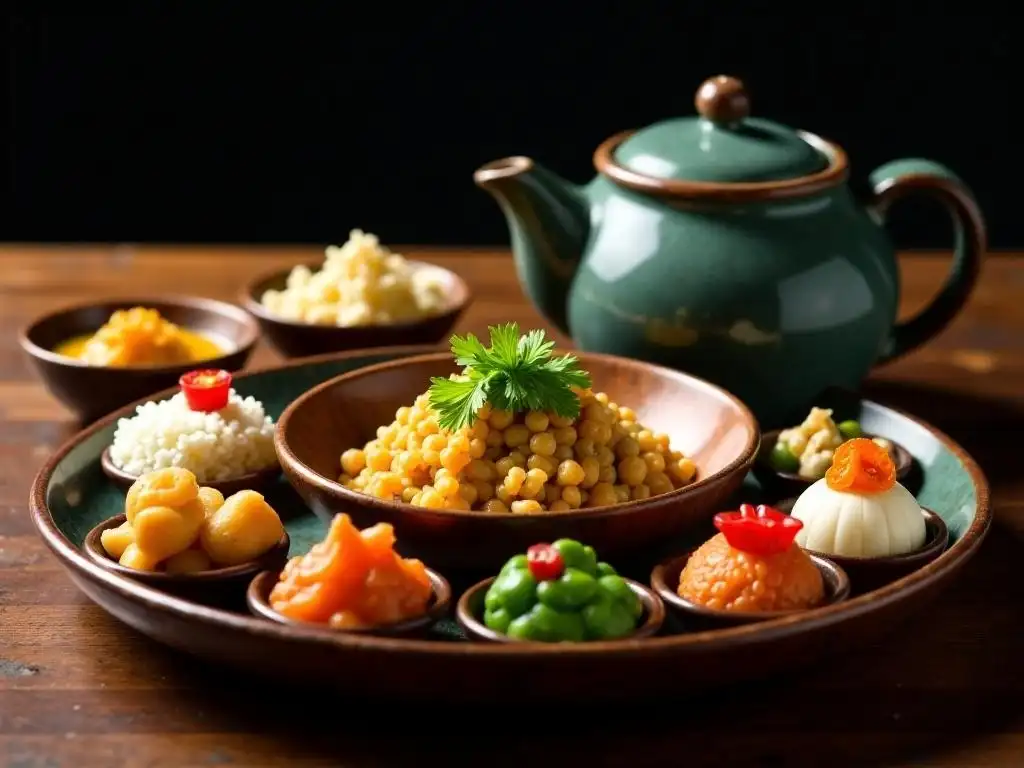
In recent years, there has been a growing interest in reviving and adapting traditional Japanese recipes from the feudal era. Modern adaptations of these dishes are not merely about recreating historical flavors; they also reflect contemporary tastes and ingredient availability. This section explores how chefs and home cooks alike are breathing new life into feudal Japan comfort food recipes, making them accessible and enjoyable for today's palate.
Incorporating Modern Ingredients in Traditional Recipes
One of the most significant changes in adapting feudal era recipes is the incorporation of modern ingredients. While traditional recipes often relied on local and seasonal produce, today's cooks have the luxury of accessing a wider variety of ingredients from around the world. Here are some common adaptations:
- Substituting Proteins: Instead of using only traditional meats like horse or wild boar, many modern recipes opt for chicken, pork, or tofu. This not only caters to dietary preferences but also simplifies the cooking process.
- Enhancing Flavors with Global Spices: Ingredients such as garlic, cumin, and chili peppers, which were not prevalent in feudal Japan, are now being used to add depth to traditional dishes. For instance, a classic miso soup might be enhanced with a touch of garlic for a more robust flavor.
- Using Convenience Products: Many home cooks are incorporating convenience products like pre-made dashi or instant noodles, which saves time without sacrificing authenticity. For example, using instant soba noodles in a traditional broth can create a quick yet satisfying meal.
These adaptations enable cooks to create dishes that honor the past while fitting seamlessly into contemporary cooking practices.
Best Practices for Cooking Feudal Japan Comfort Food Today
To successfully recreate feudal Japan comfort food recipes, it’s essential to follow certain best practices that respect both traditional methods and modern conveniences. Here are some recommendations:
- Respect Traditional Techniques: While it's tempting to take shortcuts, many feudal recipes rely on specific techniques that enhance flavor and texture. Techniques such as steaming, simmering, and fermenting should be preserved wherever possible.
- Use High-Quality Ingredients: The essence of feudal comfort food often lies in the quality of its ingredients. Seek out fresh, seasonal produce, and opt for organic or artisanal products when available. For example, using locally sourced rice can elevate the flavor of a simple donburi.
- Adjust for Taste and Dietary Needs: Modern palates may require adjustments in sweetness, saltiness, or spiciness. Don't hesitate to modify seasonings to suit your taste. For those with dietary restrictions, consider alternative ingredients that maintain the essence of the dish without compromising health.
- Presentation Matters: Modern dining places a strong emphasis on presentation. Consider how feudal dishes were often artfully arranged and take the time to plate your meal beautifully. Use vibrant garnishes like shiso leaves or edible flowers to enhance visual appeal.
By adhering to these best practices, cooks can effectively bridge the gap between historical authenticity and modern culinary trends.
Real-Life Examples: Home Cooks Reviving Feudal Japanese Dishes
Across the globe, home cooks are sharing their experiences of reviving feudal Japanese dishes, creating a community of culinary enthusiasts dedicated to this historical cuisine. Here are some inspiring examples:
- Sakura's Soba Noodles: A home cook named Sakura has taken to using buckwheat flour to make her own soba noodles from scratch, honoring the traditional method while adding a modern twist by incorporating seasonal vegetables and a spicy sesame sauce.
- Kenji's Miso Ramen: Kenji, a culinary blogger, has adapted a classic miso ramen recipe by using a slow-cooked pork belly, a nod to feudal era flavors, while incorporating modern toppings like soft-boiled eggs and scallions for a contemporary finish.
- Emiko's Pickled Vegetables: Emiko, who runs a popular Instagram account, shares her journey of pickling vegetables using traditional methods learned from her grandmother. She encourages her followers to experiment with different vinegars and spices, making the process accessible and fun.
These examples showcase how individuals are not only preserving historical recipes but also making them relevant and exciting for today's cooks. By sharing their stories, they inspire others to explore feudal Japan comfort food recipes and contribute to a growing appreciation for this rich culinary heritage.
Essential Tools for Cooking Feudal Japan Comfort Food
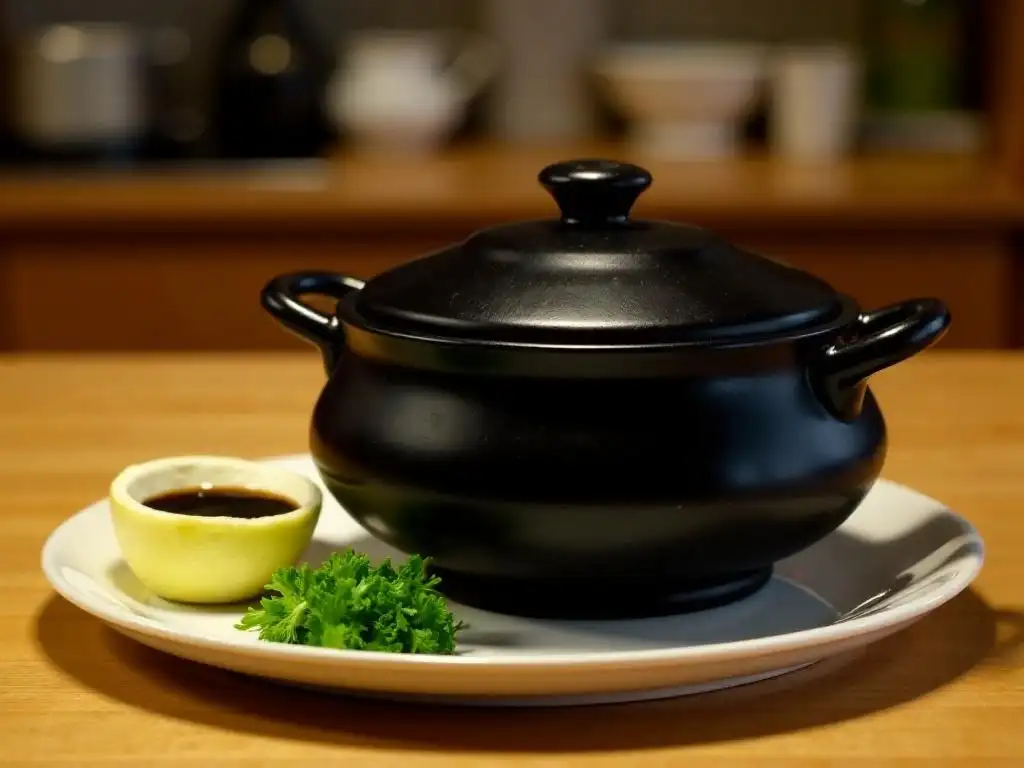
Recommended Cookware for Authentic Japanese Cooking
To recreate the comforting flavors of Feudal Japan, selecting the right cookware is crucial. Here’s a guide to some essential tools that will help you achieve authenticity in your cooking:
- Donabe (Clay Pot): A traditional Japanese clay pot, ideal for slow-cooking stews and simmering soups.
- Nabe (Hot Pot): Perfect for one-pot meals, where ingredients are cooked together, enhancing the flavor.
- Tamagoyaki Pan: A rectangular pan specifically designed for making Japanese omelets, giving them their signature shape and texture.
- Rice Cooker: While modern, a rice cooker can help achieve the perfect texture of rice, a staple in Japanese meals.
“Cooking is an art, and Japanese cuisine is a beautiful canvas.”
The Importance of Donabe for Traditional Dishes
The donabe holds a special place in Japanese culinary tradition, particularly during the feudal era. This versatile clay pot is not only functional but also visually appealing, often used for serving. Here are some reasons why the donabe is essential:
- Heat Retention: The thick walls of the donabe retain heat exceptionally well, allowing for even cooking and maintaining warmth during serving.
- Flavor Enhancement: The porous material absorbs flavors over time, enriching your dishes with depth and authenticity.
- Versatility: Whether you're preparing a hearty stew, simmering vegetables, or cooking rice, the donabe adapts to various recipes, making it a must-have for any feudal era-inspired kitchen.
Must-Have Kitchen Gadgets for Feudal Era Recipes
In addition to traditional cookware, several kitchen gadgets can streamline your cooking process and enhance the authenticity of your feudal Japan comfort food recipes. Here’s a list of must-have tools:
- Grater: A traditional grater for preparing fresh wasabi or daikon radish, which are often used in feudal dishes.
- Miso Whisk (Chashaku): This tool is perfect for whisking miso into soups and sauces, ensuring a smooth texture and even distribution.
- Bamboo Steamer: Ideal for steaming dumplings or fish, the bamboo steamer adds a subtle flavor to your dishes while allowing for healthy cooking.
- Japanese Knife (Yanagiba or Gyuto): A high-quality knife is essential for precision cutting, particularly when preparing sashimi or finely sliced vegetables.
- Mortar and Pestle: Often used to grind spices or make sauces, a traditional mortar and pestle will elevate your cooking by allowing for fresh ingredients.
By equipping your kitchen with these essential tools, you can bring the rich flavors of feudal Japan to life and enjoy a truly authentic cooking experience.
Conclusion: Savoring the History of Feudal Japan Through Comfort Food
The exploration of Feudal Japan comfort food recipes not only tantalizes the taste buds but also serves as a gateway to understanding the rich historical and cultural tapestry of Japan’s feudal era. The dishes from this period reflect the agricultural practices, regional ingredients, and social structures of the time, offering a unique lens through which we can appreciate the past. By engaging with these recipes, we can experience flavors that have been cherished for centuries, bridging the gap between history and modern culinary practices.
Encouragement to Experiment with Feudal Japan Comfort Food Recipes
As you delve into cooking Feudal Japan comfort food recipes, consider this an invitation to experiment and adapt traditional methods to suit contemporary tastes. Here are some suggestions to inspire your culinary journey:
- Utilize Local Ingredients: While many recipes call for specific historical ingredients, don't hesitate to substitute with modern equivalents that are locally available. For instance, if a recipe requires a rare type of rice or fish, using similar types can yield delightful results.
- Incorporate Personal Touches: Feel free to infuse your personality into these dishes. Whether it’s adjusting the spice levels or adding a twist with modern techniques, personalizing recipes can create a more enjoyable cooking experience.
- Host a Themed Dinner: Gather friends and family for a feudal-era themed dinner party, showcasing the dishes you’ve prepared. This not only makes for a fun social event but also allows you to share the historical significance of each dish, enriching everyone's understanding of Japan's culinary heritage.
- Document Your Journey: Keep track of your cooking adventures. Consider writing down variations you’ve tried and how they turned out, which can serve as both a personal journal and a resource for others interested in the same culinary path.
Final Thoughts on Preserving Culinary Heritage
Preserving the culinary heritage of Feudal Japan is crucial, not just for historical accuracy, but also for fostering a deeper appreciation of the cultural roots that shape modern Japanese cuisine. Understanding the origins of dishes like nabe or soba invites us to explore the stories behind them, connecting us with the traditions of our ancestors.
By cooking these Feudal Japan comfort food recipes, we are not merely preparing meals; we are engaging in a dialogue with history. Each bite serves as a reminder of the past, urging us to reflect on the lives of those who came before us, their struggles, and their triumphs. In this way, culinary practices become a means of preserving and honoring our collective heritage, ensuring that the flavors and stories of Feudal Japan continue to resonate in our kitchens today.
Incorporating these dishes into our lives serves to keep history alive, allowing us to savor not just the food, but the rich narrative it represents. So, roll up your sleeves, gather your ingredients, and embark on a delicious journey through time! 🍱
Frequently Asked Questions
What is Feudal Japan known for in terms of cuisine?
Feudal Japan is known for its unique culinary traditions that reflect the societal hierarchies and agricultural practices of the time. Comfort foods often included rice, fish, and seasonal vegetables.
What are some traditional comfort food recipes from the feudal era?
Traditional comfort food recipes include dishes like miso soup, nabe (hot pot), and rice porridge. These dishes are simple yet deeply rooted in Japanese culture and history.
Food in Feudal Japan varied significantly among social classes. The samurai enjoyed more elaborate meals, while peasants primarily consumed rice and vegetables, emphasizing the disparity in food accessibility.
Why are comfort food recipes important in understanding Feudal Japan?
Comfort food recipes provide insight into the daily lives, values, and traditions of people during the feudal era, highlighting the importance of food in cultural heritage.
Where can I find authentic recipes from Feudal Japan?
Authentic recipes can be found in historical cookbooks, online resources dedicated to Japanese cuisine, and specialized articles that explore Feudal Japan comfort food in depth.
Final Reflection: Embracing the Flavors of Feudal Japan
The exploration of Feudal Japan comfort food recipes not only brings to light the rich culinary traditions of a bygone era but also highlights their relevance in our modern lives. In a world where fast food and instant meals dominate, understanding the historical roots of our sustenance can deepen our appreciation for the food we consume today. The flavors, techniques, and stories behind these recipes remind us that food is not just about nourishment; it is a vessel of culture and history that connects us to our ancestors.
The influence of Feudal Japan's culinary practices extends beyond the kitchen, shaping our cultural and social landscapes. As we gather around the table to enjoy these comforting dishes, we are not just feeding our bodies; we are partaking in a shared history that transcends time. The act of cooking and sharing these meals fosters a sense of community and belonging, echoing the communal spirit of feudal times. Food is our common ground, a universal experience.
— James Beard. This sentiment resonates deeply as we recognize that the comfort food of the past can still unite us in the present.
As you reflect on the recipes and stories shared in this article, I invite you to take action: try your hand at cooking a dish from Feudal Japan and savor not just the flavors but the history behind it. Let each bite be a reminder of the resilience and creativity of those who came before us. By embracing these culinary traditions, we can cultivate a deeper connection to our heritage and inspire future generations to appreciate the rich tapestry of history that food weaves into our lives.
Unleash Your Inner Chef and Step Back in Time!
Thank you for joining us on this delightful journey through feudal era Japanese cuisine! We hope you gained valuable insights and are inspired to bring these comforting flavors into your kitchen. Now, let’s take that inspiration and turn it into action!
- Start by cooking your first historical recipe this week! Choose a dish that resonates with you and gather your ingredients to experience the rich flavors of history firsthand.
- Explore local Asian markets to find unique ingredients that were staples in feudal Japan—discover the treasures that can elevate your culinary adventures!
- Join our online community and share your culinary creations! Post photos of your dishes and exchange tips with fellow history and food enthusiasts.
Which dish are you most excited to try, and how do you think it reflects the culture of feudal Japan?