
The Role of Geishas: Understanding the Intricate Dance of Tradition and Entertainment

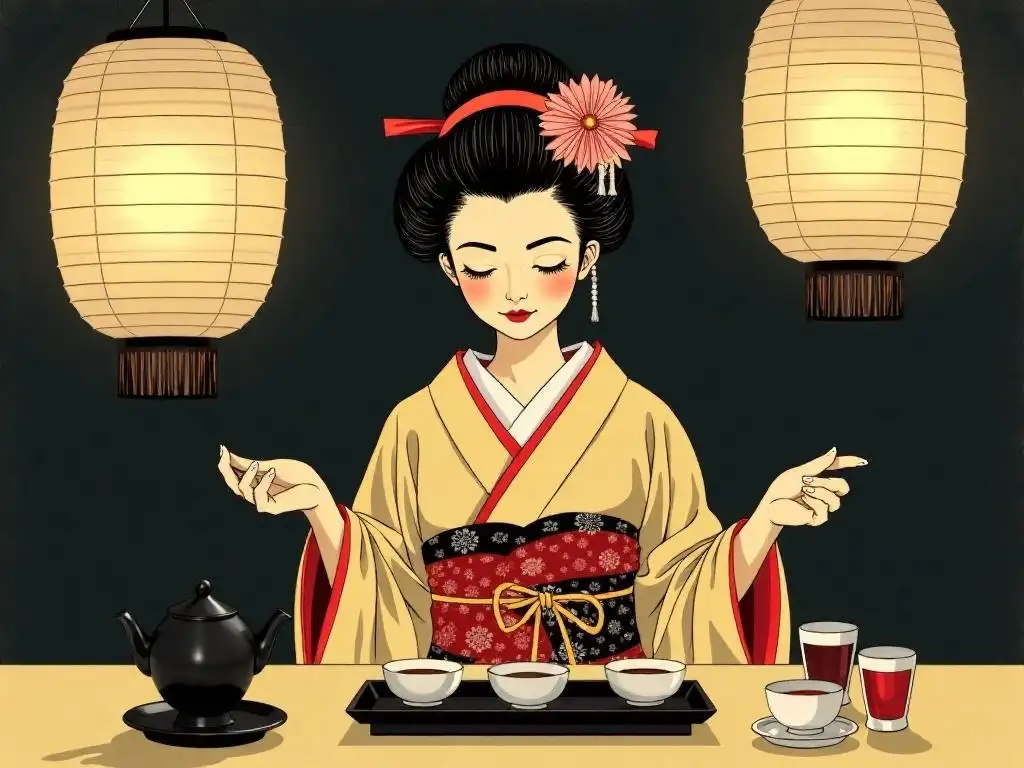
Welcome to Feudal Japan History! Step into the captivating world of Japan’s feudal era, where tradition and entertainment entwine in the delicate art of the geisha. In our featured article, "The Role of Geishas: Understanding the Intricate Dance of Tradition and Entertainment," we invite you to unravel the fascinating history behind these cultural icons. Discover how geishas shaped societal norms and influenced daily life in a time defined by elegance and artistry. Are you ready to explore the layers of tradition and the secrets behind their alluring performances? Dive deeper with us and uncover the enchanting tales that await!
- The Role of Geishas in Japan's Feudal Era: Understanding the Intricate Dance of Tradition and Entertainment
- Historical Context of Geishas in Japan
- The Training and Skills of Geishas
- The Role of Geishas in Entertainment
- Geishas and Their Influence on Japanese Art and Culture
- The Decline of Geisha Culture in the Modern Era
- Conclusion: The Enduring Legacy of Geishas in Japan's Feudal Era
- Frequently Asked Questions
- Final Reflection: The Enduring Legacy of Geishas in Japan's Feudal Era
- Experience the Enchantment of Geishas Today!
The Role of Geishas in Japan's Feudal Era: Understanding the Intricate Dance of Tradition and Entertainment
Introduction to Geishas in Japan's Feudal Era
The role of geishas in Japan's feudal era represents a fascinating intersection of artistry, cultural tradition, and social interaction. Originating during the Edo period (1603-1868), geishas, or geiko as they are known in Kyoto, became iconic figures in Japanese society, embodying the elegance and refinement of traditional Japanese arts. They were not merely entertainers; they were skilled practitioners of various art forms, including music, dance, and conversation, all while adhering to a strict code of conduct that highlighted their grace and poise.
In the context of feudal Japan, geishas contributed significantly to the social fabric of their time. They were often found in teahouses or ochaya, where they entertained guests, creating an atmosphere of sophistication and leisure. This article delves into the multifaceted role of geishas, exploring their historical roots and the intricacies of their art, as well as the societal implications of their existence during a period marked by rigid class structures and cultural flourishing.
Significance of Geishas in Feudal Japanese Society
The significance of geishas in feudal Japanese society can be understood through several key aspects:
-
Cultural Ambassadors:
Geishas served as custodians of traditional Japanese culture. Through their performances, they preserved and promoted various art forms, such as Kabuki, Noh, and traditional music, ensuring these cultural practices were passed down through generations.
-
Social Interaction and Networking:
In a society where social status and connections were paramount, geishas played a crucial role in facilitating social interactions. They were skilled conversationalists and often acted as intermediaries between different social classes, allowing for the exchange of ideas and fostering relationships among patrons, including samurai and merchants.
-
Economic Contributors:
The geisha industry contributed significantly to the economy of feudal Japan. Teahouses and entertainment districts prospered due to the patronage of wealthy individuals seeking leisure and companionship, highlighting the economic importance of geishas in urban centers like Kyoto and Edo (modern-day Tokyo).
-
Gender Dynamics:
The presence of geishas also sheds light on the gender dynamics of the time. While women in feudal Japan faced numerous restrictions, geishas enjoyed a level of agency that was rare for their gender. They could earn their own income and gain a degree of respect, although this came with its own challenges and societal expectations.
Geishas were not just entertainers but integral figures in the tapestry of feudal Japanese society, reflecting the complexities of cultural tradition, social hierarchy, and economic interdependence. Their legacy continues to influence contemporary perceptions of Japanese culture, making an exploration of their role essential for understanding the broader context of Japan's feudal era.
Historical Context of Geishas in Japan
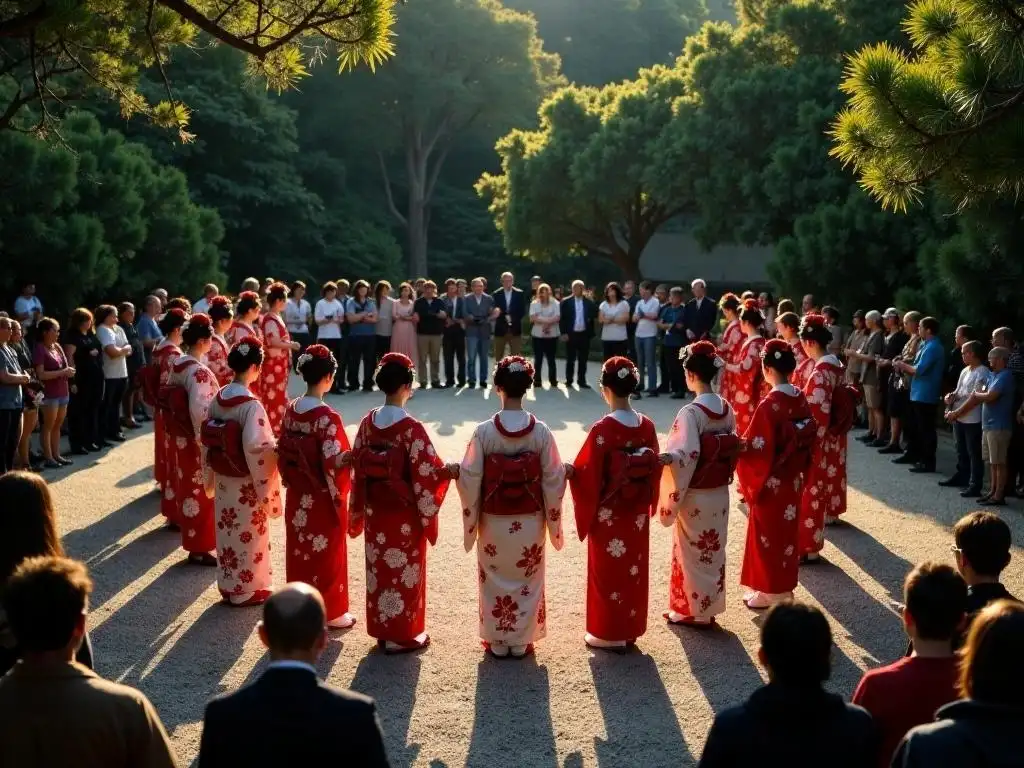
Origins of Geishas: From Courtesans to Artists
The origins of geishas in Japan can be traced back to the 18th century, during the Edo period (1603-1868), when they emerged from the ranks of courtesans. Initially, the term "geisha" referred to male entertainers who performed music and dance. However, as the demand for female entertainers grew, women began to enter the profession.
These early female geishas were often considered courtesans, engaging in both conversation and sexual services. Over time, the distinction between courtesans and geishas became more pronounced. Geishas focused on the performance arts, such as dance, music, and tea ceremonies, while courtesans offered a more intimate and personal experience. This evolution marked a significant transformation in the role of women in Japanese society, as geishas began to be recognized for their artistic talents rather than just their allure.
Geishas were trained in various traditional Japanese arts, including:
- Shamisen (a three-stringed instrument)
- Classical dance
- Flower arranging (Ikebana)
- Calligraphy
- Poetry
These pursuits contributed to the elevation of the geisha's status, allowing them to be seen as cultural icons rather than mere entertainers. As a result, geishas began to play a significant role in the social fabric of Japan, shaping the entertainment landscape of the time.
The Evolution of Geisha Culture During the Feudal Era
During Japan's feudal era, particularly in the Edo period, the geisha culture underwent notable transformations that reflected the broader changes in Japanese society. As urban centers like Kyoto and Edo (now Tokyo) grew, so did the demand for entertainment, leading to the proliferation of geisha houses, known as hanamachi. These districts became cultural hubs where geishas showcased their talents, attracting wealthy patrons and samurai.
The organization of geisha houses was hierarchical, with older, more experienced geishas training younger apprentices. This system ensured the preservation and transmission of traditional arts, allowing geishas to maintain high standards of performance. The training process could take several years, during which apprentices learned not only arts but also how to engage with clients through conversation and etiquette.
In addition, geishas began to adopt distinctive styles and fashion, which included:
- Kimono: Elaborate and colorful garments that marked their status.
- Obi: A wide belt that was often intricately tied to signify rank.
- Geisha make-up: Characterized by white foundation, red and black accents, and elaborate hairstyles adorned with traditional hairpieces.
These visual elements became emblematic of geisha culture, further distinguishing them from other entertainers. The rise of ukiyo-e (woodblock prints) during the Edo period also popularized the imagery of geishas, solidifying their role as cultural symbols in Japanese art.
Despite their esteemed position, geishas faced challenges, particularly during the Meiji Restoration (1868), which aimed to modernize Japan. The introduction of Western entertainment forms and changing societal attitudes towards traditional practices threatened the geisha lifestyle. However, many geishas adapted by embracing new influences while preserving their core traditions.
The evolution of geisha culture during Japan's feudal era reflects a complex interplay of artistic expression, social status, and cultural identity. Geishas in Japan's feudal era became not merely entertainers but vital custodians of tradition, engaging in a delicate dance between modernity and heritage.
The Training and Skills of Geishas
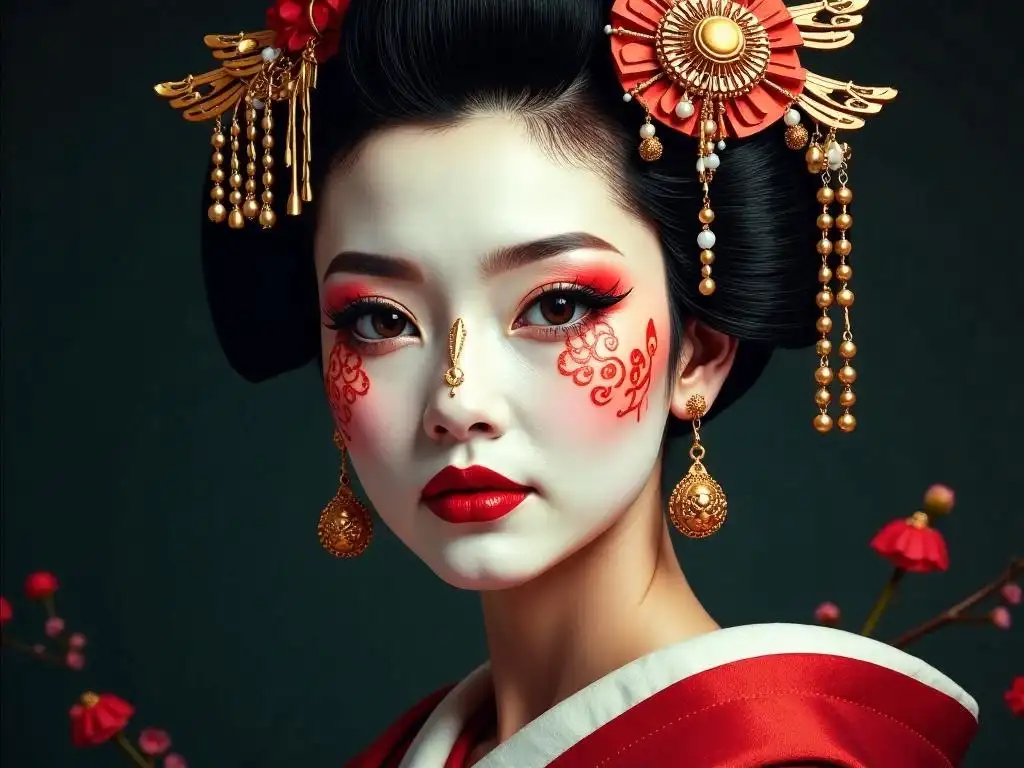
Rigorous Training: The Path to Becoming a Geisha
Becoming a geisha in Japan's feudal era was not merely a vocation; it was a journey steeped in tradition and discipline that required years of rigorous training. This process typically began at a young age, often around the age of 15, when a girl would be taken in by a geisha house, known as an okiya.
The training focused on various aspects of performance and social interaction, reflecting the multifaceted role of geishas in society. During this apprenticeship, known as shikomi, trainees would learn the following:
- Cultural Knowledge: Trainees were educated about Japanese history, literature, and poetry to engage in meaningful conversations.
- Artistic Skills: Geishas were expected to master several traditional arts, which were considered essential for their role in entertaining guests.
- Social Etiquette: Understanding the nuances of Japanese etiquette was crucial, as geishas had to navigate complex social situations gracefully.
The rigorous nature of this training often meant long hours and strict discipline. Successful completion of this apprenticeship would culminate in a ceremony known as mizuage, marking the transition from trainee to fully-fledged geisha, where she would adopt her professional name and begin her career.
Key Skills and Arts Practiced by Geishas
The skill set of a geisha was extensive, encompassing a variety of traditional arts that were critical to their role as entertainers. Here are some of the key areas in which they excelled:
- Traditional Dance: Geishas performed intricate dances that told stories and evoked emotions.
- Music Performance: Mastery of traditional instruments was essential for providing entertainment during gatherings.
- Conversation: Geishas were trained in the art of conversation, ensuring they could engage guests with charm and wit.
The combination of these skills allowed geishas to create an enchanting atmosphere, making them highly sought after in feudal society.
Traditional Dance Forms in Geisha Performances
Dance played a central role in the entertainment provided by geishas. Traditional dance forms, such as nihon buyō and odori, were characterized by their elegance and precision. Each dance was steeped in symbolism and often accompanied by historical narratives or seasonal themes.
- Nihon Buyō: This classical dance form incorporates various styles and often features slow, graceful movements that reflect the beauty of nature.
- Odori: Typically more upbeat, odori dances convey joy and celebration using lively choreography.
Geishas often performed these dances during special occasions, festivals, and private gatherings, captivating their audiences with their artistry.
Music and Instruments: The Sound of Geisha Entertainment
The musical component of a geisha's performance was equally vital. Geishas were trained to play several traditional instruments, most notably the shamisen, a three-stringed instrument played with a plectrum.
- Shamisen: The sound of the shamisen is unique and provides a rich backdrop for dances and songs. Its versatility allows it to convey a wide range of emotions, from melancholy to joy.
- Other Instruments: Geishas might also accompany their performances with traditional percussion instruments, such as taiko drums or shakuhachi flutes, to enhance the overall experience.
The fusion of dance and music created a mesmerizing atmosphere that left a lasting impression on guests.
The Art of Conversation and Social Etiquette
An equally important aspect of a geisha's role was her ability to engage in conversation. This skill required an understanding of social dynamics and a deep knowledge of various topics, which were essential for creating an enjoyable experience for guests.
Geishas were trained to:
- Engage in Wit and Charm: They used humor and charm to entertain guests, often employing clever wordplay and storytelling.
- Navigate Complex Social Situations: Understanding the hierarchies and relationships among guests allowed geishas to foster a comfortable and enjoyable environment.
- Maintain Grace Under Pressure: Geishas were taught to remain composed and graceful, even in challenging social situations, ensuring that the atmosphere remained pleasant.
This intricate dance of conversation and etiquette was as critical to a geisha's success as her artistic performances, making her an essential figure in the social fabric of feudal Japan.
The Role of Geishas in Entertainment
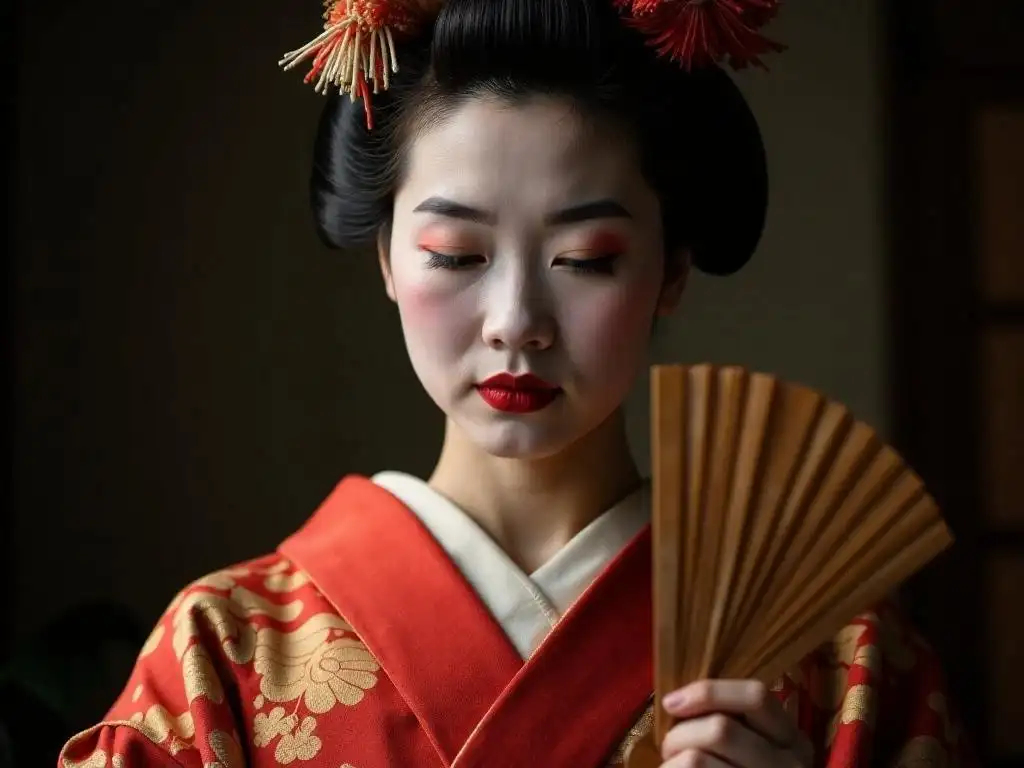
Geishas as Cultural Icons of Feudal Japan
Geishas in Japan's feudal era were not merely entertainers; they were cultural icons that embodied the sophistication and artistry of Japanese society. Originating as early as the 18th century, geishas were trained in various traditional arts, including music, dance, and poetry. Their role extended beyond entertainment, as they served as custodians of cultural heritage, preserving and showcasing Japan's rich traditions.
The visual representation of geishas, characterized by their elaborate kimonos, intricate hairstyles, and distinct make-up, played a significant role in shaping Japan's cultural identity. Each element of their attire was carefully chosen to convey status, seasonal themes, and personal artistry. For instance:
- Kimonos: Often made from expensive silk, kimonos worn by geishas featured vibrant colors and intricate patterns that reflected both their skill and the seasonal aesthetics.
- Obi: The wide belt that secured the kimono was often adorned with elaborate knots, indicating the wearer’s status and level of expertise.
- Makeup: The iconic white face paint, combined with red and black accents, symbolized a geisha's commitment to her art and tradition.
The cultural significance of geishas is further illustrated by their presence in literature and art during the Edo period (1603-1868). They inspired countless artists, poets, and playwrights, leaving an indelible mark on Japan's artistic landscape.
The Types of Events and Gatherings Featuring Geishas
Geishas were integral to various social events and gatherings, serving as entertainers and cultural ambassadors. Their performances were not only a form of entertainment but also a means of fostering social connections and cultural exchange.
Banquets and Festivals: Celebrating with Geishas
During banquets and festivals, geishas played a central role in enhancing the festive atmosphere. These events often featured elaborate meals, traditional games, and performances. The presence of geishas elevated the significance of these gatherings, making them memorable experiences for the attendees.
Key Aspects of Banquets and Festivals with Geishas:
- Traditional Music and Dance: Geishas showcased their talents through various performances, including traditional music played on instruments such as the shamisen and elegant dance routines. These performances were often choreographed to reflect seasonal themes or historical stories.
- Games and Activities: In addition to performances, geishas engaged guests in traditional games, such as karuta (a card game) and ozashiki asobi (entertainment games), fostering interaction and camaraderie among attendees.
- Cultural Demonstrations: Geishas often provided demonstrations of traditional arts, such as tea ceremonies, allowing guests to appreciate the depth of Japanese culture firsthand.
Private Gatherings: Intimacy and Exclusivity in Geisha Performances
Private gatherings were another significant context in which geishas showcased their talents. These intimate settings allowed for a more personal connection between the geishas and their guests. Typically held in teahouses or private homes, these gatherings were exclusive events often attended by wealthy patrons, including merchants, samurai, and dignitaries.
Characteristics of Private Gatherings Featuring Geishas:
- Personalized Performances: The performances at private gatherings were tailored to the preferences of the guests. Geishas would often engage in storytelling, poetry recitation, and music, creating an immersive cultural experience.
- Social Etiquette: The interactions during these gatherings were governed by strict social etiquette, emphasizing the importance of manners and respect. Geishas were not only entertainers but also social advisors, guiding conversations and ensuring a pleasant atmosphere.
- Cultural Exchange: Private gatherings provided a platform for cultural exchange, where guests shared their own stories and experiences, further enriching the social fabric of feudal Japan.
Geishas in Japan's feudal era were essential figures in the entertainment landscape, serving as cultural icons and facilitators of social interaction. Their performances at banquets, festivals, and private gatherings provided not only entertainment but also a deeper appreciation for the traditions and artistry of Japanese culture.
Geishas and Their Influence on Japanese Art and Culture
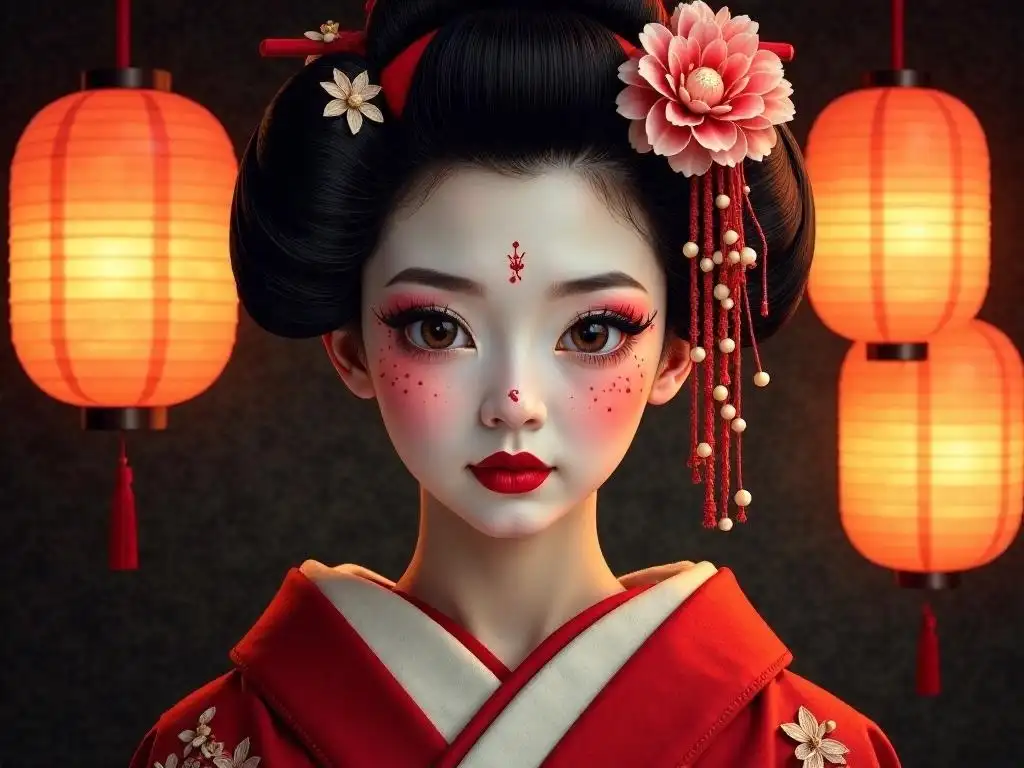
Geishas have played a pivotal role in shaping Japanese art and culture, particularly during Japan's feudal era. Their unique blend of performance, artistry, and social interaction has influenced various aspects of traditional and modern Japanese aesthetics. As skilled entertainers, geishas are not only known for their dance and music but also for their contributions to visual arts, literature, and even fashion.
One of the most significant impacts of geishas on Japanese art is their visual representation in ukiyo-e, a popular woodblock printing technique during the Edo period (1603-1868). These prints often depicted geishas in various settings, showcasing their elaborate kimonos, hairstyles, and makeup. As a result, the imagery of geishas became iconic, symbolizing grace and beauty in Japanese culture. Many renowned artists, such as Katsushika Hokusai and Utagawa Hiroshige, featured geishas in their works, ensuring that their legacy continued through visual art.
In addition to visual arts, geishas have also inspired literary works. Renowned Japanese authors like Matsuo Bashō and Shuntaro Tanikawa have incorporated geisha life into their poetry and prose, emphasizing themes of beauty, transience, and the intricacies of human interaction. The allure of geishas has transcended time, making them a subject of fascination in both traditional and contemporary literature.
Geishas as Muse: Inspiration for Art and Literature
Geishas have served as muses for countless artists and writers throughout Japan's history. Their intricate performances and the enigmatic aura surrounding them have inspired a plethora of artistic expressions that capture the essence of Japanese culture.
- Artistic Inspirations:
- Ukiyo-e Prints: These woodblock prints often portray geishas engaging in various activities, from performing arts to leisurely pastimes. The vivid colors and intricate details of these prints immortalize the fashion and elegance of geishas.
- Sumi-e (Ink Wash Painting): Many ink wash artists have depicted geishas to convey a sense of serenity and beauty, emphasizing their graceful movements and delicate features.
- Literary Inspirations:
- Poetry: Geishas have been featured in haikus and other poetic forms, often symbolizing fleeting beauty and the passage of time. The famous haiku poet Matsuo Bashō wrote about the ephemeral nature of life, often referencing geishas' performances as a metaphor for the beauty of transience.
- Novels: In contemporary literature, geishas continue to captivate readers. Notable works like "Memoirs of a Geisha" by Arthur Golden explore the intricate lives of geishas, offering insights into their world and the cultural significance they hold.
The inspiration drawn from geishas has not only enriched Japanese art and literature but has also provided a lens through which the complexities of Japanese societal norms and traditions can be examined.
The Impact of Geisha Culture on Modern Japanese Society
The legacy of geishas in Japan extends beyond their historical context, influencing modern Japanese society in several ways. Though the traditional role of geishas has evolved, their cultural significance remains relevant today.
- Cultural Preservation:
- Geisha culture has become a symbol of Japan's rich heritage, emphasizing the importance of preserving traditional arts. Many establishments continue to promote the teachings of geisha arts, ensuring that future generations can experience and appreciate this unique cultural phenomenon.
- Tourism and Economic Impact:
- The fascination with geishas has attracted tourists from around the world, contributing significantly to Japan's tourism industry. Areas like Kyoto, known for its traditional teahouses and geisha districts, have become popular destinations for those seeking to experience this aspect of Japanese culture firsthand.
- Representation in Media:
- Modern media, including films, television shows, and documentaries, frequently depict geishas, reinforcing their role as cultural icons. This representation not only educates audiences about the history and significance of geishas but also sparks ongoing conversations about gender roles, artistry, and cultural identity in contemporary Japan.
The influence of geishas extends far beyond their performances in Japan's feudal era. Their contributions to art and literature have left an indelible mark on Japanese culture, while their evolving role continues to shape modern society. The rich tapestry of geisha culture reflects a dynamic interplay between tradition and contemporary life, ensuring that the legacy of geishas will endure for generations to come.
The Decline of Geisha Culture in the Modern Era
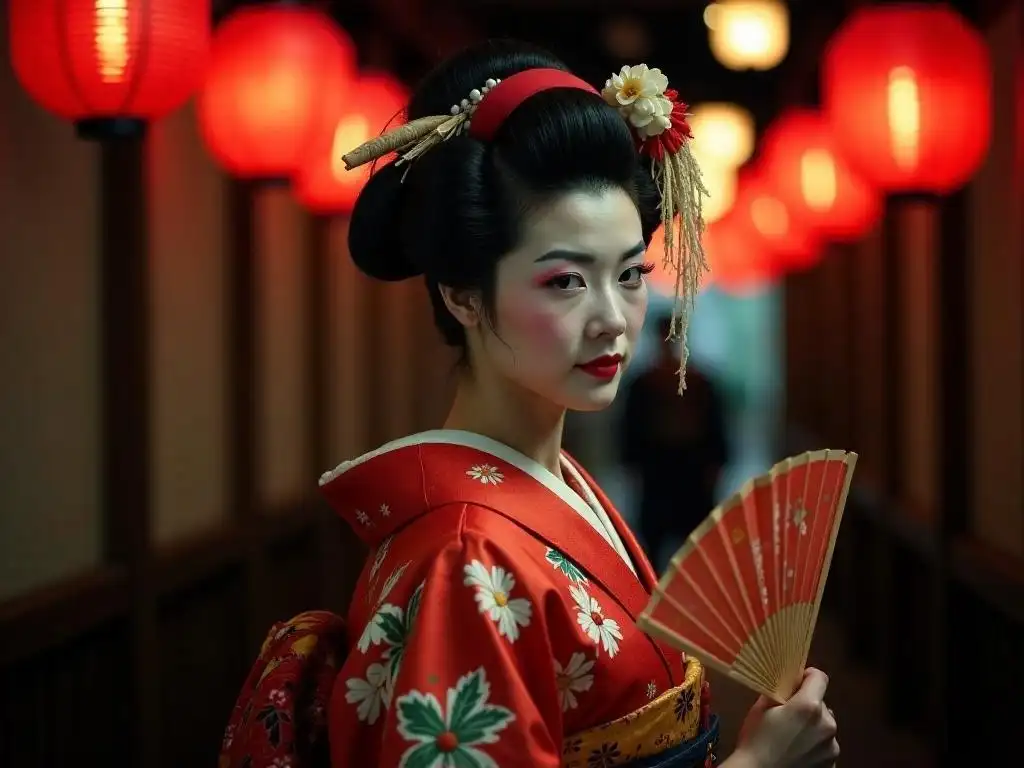
The decline of geisha culture in Japan is a multifaceted issue influenced by various social, economic, and cultural factors. While the geisha tradition thrived during the feudal era, particularly in the Edo period (1603-1868), modern societal changes have led to a significant transformation in the role and perception of geishas. Understanding these changes is crucial to grasping the current state of this iconic cultural profession.
Factors Contributing to the Decline of Geishas in Japan
Several key factors have contributed to the decline of geishas in Japan, particularly from the late 19th century onwards:
- Westernization and Modernization:
- The Meiji Restoration in 1868 marked a shift towards modernization and Western influences in Japan. As the country opened up to the West, traditional practices, including the geisha culture, began to decline. The emergence of new forms of entertainment, such as cinema and Western music, overshadowed the allure of geisha performances.
- Economic Changes:
- The post-war economic boom led to urbanization and changes in leisure activities. As cities grew, many traditional teahouses where geishas performed were replaced by modern entertainment venues. This shift in economic structures diminished the demand for geisha services, leading to a decrease in their numbers.
- Changing Social Norms:
- Traditional views on gender roles and entertainment have evolved. The rise of feminism and changing attitudes towards women’s roles in society led to a decline in the acceptance of geishas as a form of entertainment. Many women pursued careers outside of traditional roles, further contributing to the decrease in aspiring geishas.
- Demographic Factors:
- The aging population of Japan has also played a role in the decline of geisha culture. With fewer young women entering the profession, the number of practicing geishas has dwindled. Many traditional districts, such as Gion in Kyoto, have seen a significant reduction in the number of active geishas.
- Cultural Misunderstanding:
- The popular misconception that equates geishas with prostitution has tarnished their image. This misunderstanding has discouraged some women from pursuing the profession, as it fails to recognize the artistry, skill, and cultural significance behind being a geisha.
The Resurgence of Interest in Geishas Today
Despite the challenges faced by the geisha culture, there has been a notable resurgence of interest in recent years, driven by several factors:
- Cultural Tourism:
- The increase in cultural tourism in Japan has sparked renewed interest in traditional arts and practices, including geishas. Visitors often seek authentic experiences, leading to an appreciation for the intricacies of geisha performances and the history behind them.
- Media Representation:
- Films, books, and documentaries have played a significant role in rekindling interest in geisha culture. Notable works, such as Memoirs of a Geisha, have brought global attention to the profession, showcasing the beauty and skill involved in geisha artistry.
- Cultural Preservation Efforts:
- Organizations and communities are actively working to preserve traditional arts, including those associated with geishas. Workshops, performances, and educational programs aimed at younger generations help maintain interest and involvement in geisha traditions.
- Modern Adaptations:
- Some geishas are adapting to contemporary interests by incorporating modern elements into their performances while maintaining traditional roots. This fusion of old and new has made geisha culture more accessible and appealing to a broader audience.
- Social Media Influence:
- The rise of social media has allowed for a greater dissemination of information about geishas. Platforms like Instagram and YouTube enable geishas to share their performances and lifestyles, reaching an audience that may not have been exposed to traditional arts otherwise.
While the geisha culture in Japan has faced significant decline due to modernization, changing social norms, and economic factors, there is a growing interest and appreciation for this unique aspect of Japanese heritage today. Through cultural tourism, media representation, and preservation initiatives, geishas continue to play a vital role in Japan's rich tapestry of traditions and arts.
Conclusion: The Enduring Legacy of Geishas in Japan's Feudal Era
Reflecting on the Importance of Geishas in Japanese History and Culture
The legacy of geishas in Japan's feudal era is a profound testament to the intricate relationship between art, entertainment, and societal structure. Geishas, often seen as the epitome of grace and poise, played a crucial role in the cultural landscape of feudal Japan. Their influence extended beyond mere performance; they were cultural ambassadors, preserving and promoting traditional Japanese arts such as dance, music, and tea ceremonies.
The Cultural Significance of Geishas
Geishas in Japan's feudal era were not only entertainers but also custodians of culture. They trained rigorously in various performing arts, including:
- Classical Japanese dance (Nihon buyō)
- Shamisen playing (a traditional three-stringed instrument)
- Calligraphy and poetry
These skills were essential, as geishas would often engage in intellectual conversations with their patrons, showcasing their wit and knowledge alongside their artistic talents. The ability to converse on various topics made them esteemed companions in the male-dominated society of feudal Japan.
The Social Dynamics of Geisha Culture
The role of geishas also reflected the complex social hierarchies of Japan's feudal system. They operated within a structured environment, often associated with hanamachi (geisha districts) where they lived and worked. The hierarchy among geishas—ranging from shikomi (trainees) to geiko (fully qualified geishas)—demonstrated a system of mentorship and skill development. This structure not only provided a career path for women but also established a community that fostered female empowerment through the arts.
The Enduring Influence of Geishas
The impact of geishas extends far beyond the feudal era, influencing contemporary Japanese culture and identity. Today, geishas remain a symbol of Japanese heritage, embodying the fusion of tradition and modernity. They are celebrated in festivals, traditional performances, and even in popular media, continually captivating audiences both in Japan and around the world.
The role of geishas in Japan's feudal era exemplifies the rich tapestry of cultural, social, and artistic expression during a pivotal period in Japanese history. Their legacy endures, reminding us of the importance of preserving traditions while embracing the evolution of cultural narratives. As we reflect on their contributions, it becomes clear that geishas are not just figures of the past but are integral to understanding Japan's cultural identity today.
Frequently Asked Questions
What were geishas' primary roles in Japan's feudal era?
Geishas served as entertainers, skilled in traditional arts, including music, dance, and conversation, providing cultural enrichment to the feudal society.
Geishas played a significant role in social gatherings, facilitating connections among the upper classes and enhancing the cultural landscape through their performances.
What skills did geishas need to master during the feudal era?
To succeed, geishas had to excel in various artistic disciplines, such as classical dance, musical instruments, and the art of conversation, ensuring they captivated their audiences.
How were geishas viewed in feudal Japanese society?
Geishas were often seen as symbols of grace and sophistication, but their role also carried complex social implications, as they navigated the boundaries of entertainment and personal relationships.
What impact did the feudal era have on the evolution of geishas?
The feudal system promoted a distinct class of geishas who developed into cultural icons, influencing modern perceptions of traditional Japanese arts and the geisha lifestyle.
Final Reflection: The Enduring Legacy of Geishas in Japan's Feudal Era
The intricate dance of tradition and entertainment embodied by geishas remains profoundly relevant today, as it serves as a reminder of the delicate balance between cultural preservation and modernity. In a world where globalization often threatens to overshadow local customs, the geisha's art form stands as a testament to the resilience of cultural identity. Their role in Japan's feudal era was not merely about performance; it was a complex interplay of social dynamics, artistry, and the preservation of heritage that continues to inspire and captivate audiences worldwide.
Cultural narratives surrounding geishas have evolved, yet their influence persists in shaping perceptions of femininity, artistry, and tradition. The legacy of geishas invites us to reflect on the importance of understanding and respecting cultural practices that may seem foreign to us. As the renowned author Arthur Golden once said, "> The geisha is a woman who has mastered the art of being a woman." This quote encapsulates the essence of what geishas represent: a blend of grace, skill, and an unwavering commitment to their craft, which continues to resonate in contemporary discussions about gender and cultural roles.
As we ponder the lessons from the world of geishas, let us embrace the invitation to reflect on our own cultural narratives and the roles we play within them. Consider how you can honor and preserve the traditions that shape your identity while navigating the complexities of modern life. By doing so, we not only pay homage to the past but also ensure that the rich tapestry of our cultural heritage continues to thrive for future generations.
Experience the Enchantment of Geishas Today!
Thank you for taking the time to explore the fascinating world of geishas with us! You’ve delved into a rich tradition that intertwines artistry, culture, and history. Now, it’s time to carry this inspiration forward and immerse yourself even deeper into the beauty of this unique aspect of Japanese heritage.
Here are some exciting ways you can connect with the world of geishas:
- Visit a local cultural exhibit or festival that features traditional Japanese dance and performances to witness the beauty firsthand.
- Read a book or watch a documentary about geishas to gain a deeper understanding of their art, history, and influence in modern society.
- Engage with the community: Share your insights with friends or join online forums to discuss the captivating elements of geisha culture.
Have you ever considered how the art of geisha could inspire your own creative endeavors?