
The Future of Sushi and Sake: How Tradition Meets Innovation in Modern Japan

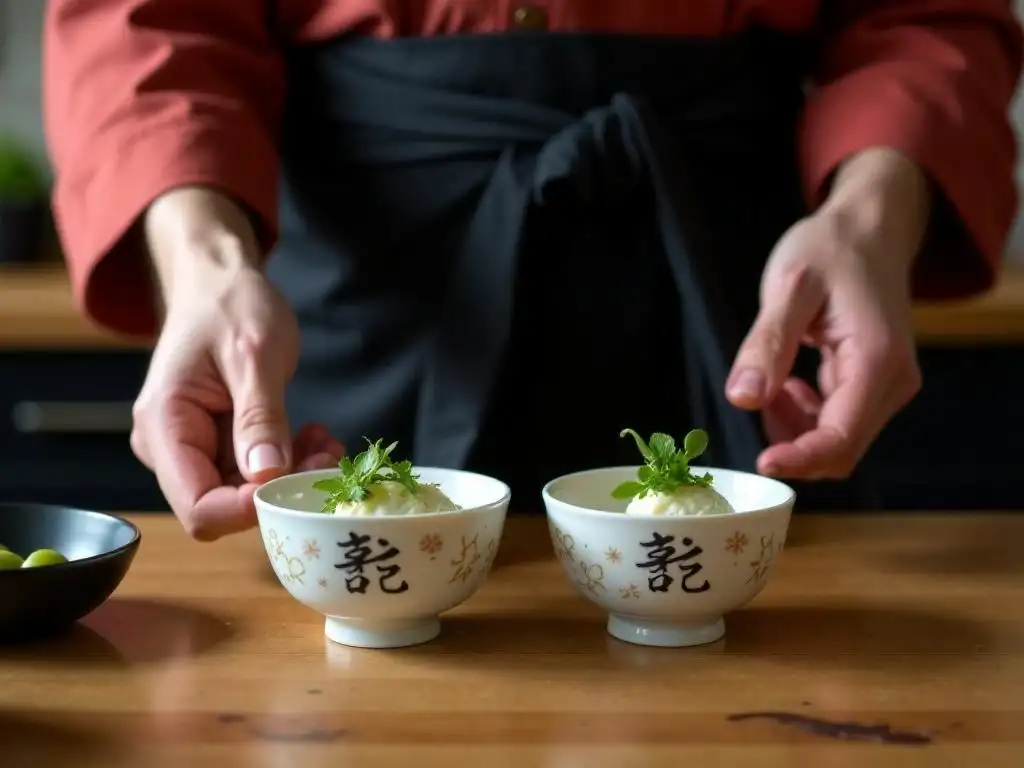
Welcome to Feudal Japan History! Here, we invite you to embark on a captivating journey through Japan's storied feudal era, where tradition and innovation intertwine in fascinating ways. Our latest article, “The Future of Sushi and Sake: How Tradition Meets Innovation in Modern Japan,” delves into how these beloved culinary staples are evolving while honoring their rich heritage. What does the future hold for sushi and sake as they adapt to contemporary tastes and trends? Join us as we explore this delicious intersection of history and modernity, and uncover the intriguing stories that await.
Introduction to the Future of Sushi and Sake
As Japan continues to navigate the complexities of modernity, the culinary landscape, particularly the world of sushi and sake, stands at a fascinating crossroads. The future of sushi and sake embodies a blend of age-old traditions and contemporary innovations, reflecting the dynamic nature of Japanese culture. This article delves into how these iconic elements of Japanese cuisine are evolving, balancing respect for tradition with the demands of modern consumers.
From artisanal craftsmanship to technological advancements in fermentation and preservation, the journey of sushi and sake is as rich and nuanced as the flavors they offer. As we explore this intersection of past and present, we will uncover the influences that shape the future of these beloved culinary staples and what they signify for the global appreciation of Japanese cuisine.
Historical Context of Sushi and Sake
Understanding the future of sushi and sake requires a look back at their historical roots. Both foods have deep-seated ties to Japan's feudal era, where social, cultural, and economic dynamics played a crucial role in their development. By examining the origins and evolution of sushi and sake, we can gain insight into how these culinary traditions have adapted over centuries, setting the stage for their modern interpretations.
The Origins of Sushi in Feudal Japan
Sushi's journey began in the feudal era of Japan, where it was initially a method of preserving fish using fermented rice. This early form, known as narezushi, involved a time-consuming process that highlighted the resourcefulness of Japanese society in utilizing available resources for food preservation. As trade and cultural exchanges flourished, particularly with the influence of the Edo period (1603-1868), sushi evolved into various regional styles, leading to the creation of nigiri sushi—the form we recognize today.
The transition from preservation to a culinary art form illustrates how sushi not only served as sustenance but also became a social experience. This heritage is vital as modern chefs push the boundaries of traditional sushi, incorporating global ingredients and innovative techniques, thus paving the way for a new era of sushi culture.
The Evolution of Sake Production Techniques
Sake, often referred to as Japan’s national drink, has its origins intertwined with rice cultivation, which dates back thousands of years. In the feudal period, sake was produced primarily for religious ceremonies and local festivals, with production techniques that varied by region. The meticulous process of sake brewing, involving the fermentation of polished rice, has seen dramatic changes over the years.
The advent of modern technology has revolutionized sake production, allowing for greater precision and consistency in flavor profiles. Today, brewers are experimenting with new rice strains, yeast varieties, and fermentation methods, resulting in an exciting array of sake options that cater to contemporary palates while honoring tradition. This evolution is a testament to how innovation can coexist with heritage, shaping the future of sake in a rapidly changing culinary landscape.
Current Trends Shaping the Future of Sushi and Sake
The future of sushi and sake is being influenced by a blend of tradition and innovation, reflecting not only the evolving tastes of consumers but also broader societal changes. One notable trend is the rise of fusion cuisine, where traditional Japanese sushi is being creatively combined with flavors and ingredients from other culinary traditions.
This has led to unique offerings such as sushi burritos and poke bowls, which cater to modern palates while still honoring the essence of sushi-making. Furthermore, the advent of technology in food preparation is enabling chefs to experiment with new techniques, enhancing both flavor and presentation.
Another significant trend is the increasing popularity of plant-based alternatives. As more people adopt vegetarian and vegan lifestyles, sushi chefs are exploring innovative ways to create sushi rolls using vegetables, fruits, and plant-based proteins. This movement not only caters to dietary preferences but also promotes a healthier lifestyle, aligning with the global shift towards sustainability. Additionally, sake is also seeing a surge in interest among younger consumers, particularly in craft and artisanal varieties that emphasize quality and unique flavor profiles, thus ensuring that both sushi and sake remain relevant in modern dining culture.
Innovative Techniques in Sushi Making
Innovative techniques in sushi making are transforming how this traditional dish is prepared and enjoyed. One of the most notable advancements is the use of technology, such as precision temperature control and sous-vide cooking, which allows chefs to achieve optimal textures and flavors in their ingredients. These methods help in elevating the quality of sushi, ensuring freshness while minimizing waste. Moreover, advancements in food science have led to the development of new curing and marinating techniques that enhance the umami flavors in fish and other components.
Additionally, the rise of molecular gastronomy is bringing a new dimension to sushi making. Chefs are experimenting with spherification, foams, and gels, creating visually stunning and surprising dishes that challenge the traditional perception of sushi. This innovative approach not only appeals to the aesthetic senses but also enriches the overall dining experience. As chefs continue to push the boundaries of sushi-making, they honor the time-honored practices while integrating modern culinary arts.
New Trends in Sake Crafting
The crafting of sake is experiencing a renaissance, with new trends emerging that reflect both innovation and a return to traditional methods. Craft sake breweries are gaining popularity, focusing on small-batch production and unique flavor profiles that differ from mass-produced varieties. These craft brewers experiment with local rice, different yeast strains, and unconventional brewing methods, resulting in a diverse range of sakes that appeal to a modern audience.
Moreover, there is a growing focus on terroir in sake production, similar to wine. Producers are beginning to emphasize the importance of the geographical region where the rice is grown, leading to a greater appreciation of the nuances in flavor that different environments can impart. This trend not only educates consumers about the complexities of sake but also fosters a deeper connection to the land. As sake culture evolves, these new trends are making the beverage more accessible and appealing to a wider audience.
The Role of Sustainability in the Future of Sushi and Sake
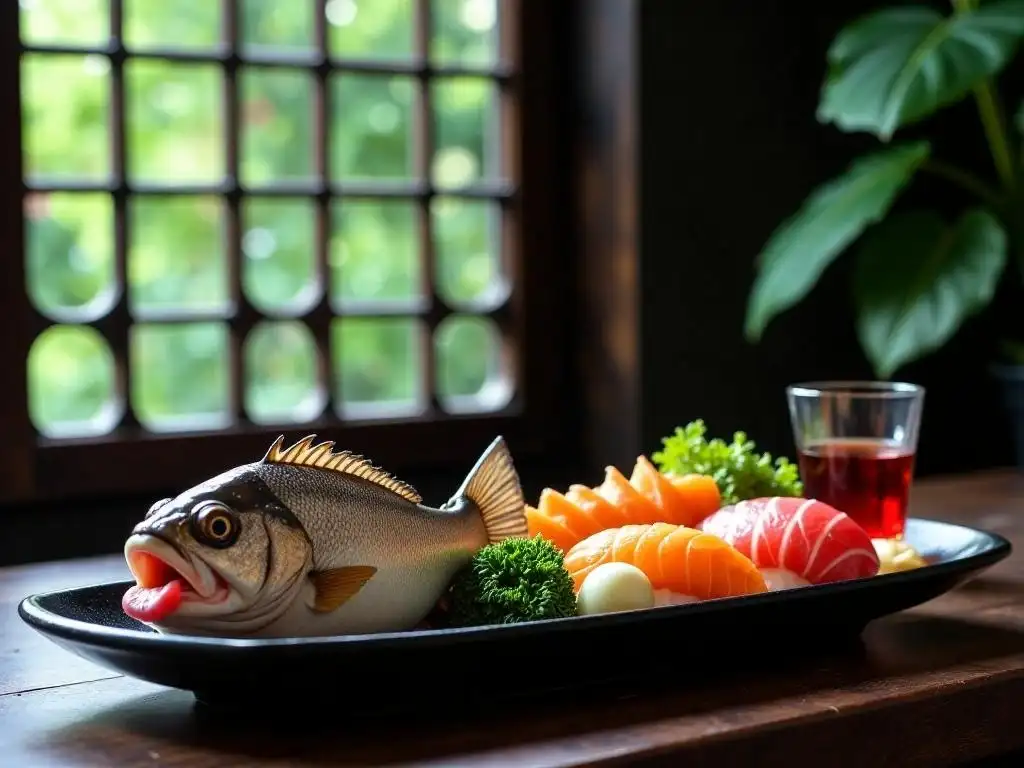
Sustainability is becoming a critical component in the future of sushi and sake, as consumers increasingly demand environmentally responsible practices from their food sources. This shift towards sustainability is evident in both the sourcing of ingredients and production methods. Chefs and brewers are recognizing the importance of ethical sourcing, ensuring that the fish used in sushi is caught responsibly and that the rice for sake is produced with minimal environmental impact.
This commitment to sustainability not only helps preserve marine ecosystems but also aligns with the values of a growing segment of consumers who prioritize environmental responsibility in their purchasing decisions. As a result, many restaurants and breweries are actively seeking certifications and partnerships with organizations dedicated to sustainable practices, further reinforcing their dedication to the cause.
Sustainable Fishing Practices for Sushi
Sustainable fishing practices are essential in ensuring the future of sushi. Overfishing has been a significant concern, leading to the depletion of various fish species that are staples in sushi cuisine, such as tuna and salmon. In response, chefs and restaurants are adopting sustainable sourcing policies, opting for fish that are certified by organizations like the Marine Stewardship Council (MSC) or the Aquaculture Stewardship Council (ASC).
Moreover, there is a growing trend towards using lesser-known fish species that are abundant and sustainable, thus reducing pressure on overfished populations. This not only helps protect marine biodiversity but also encourages consumers to explore and appreciate a wider variety of flavors and textures in their sushi. The emphasis on sustainability is reshaping the sushi landscape, ensuring that future generations can enjoy this cherished cuisine without compromising the health of our oceans.
Eco-Friendly Sake Production
Eco-friendly sake production is becoming more prevalent as brewers acknowledge their environmental impact. Many sake breweries are implementing sustainable practices in their operations, such as using renewable energy sources, recycling water, and reducing waste. For instance, some breweries are now utilizing rice by-products in their production processes, thereby minimizing waste and promoting a circular economy.
Additionally, organic and biodynamic farming practices are gaining traction in the cultivation of sake rice. These methods avoid the use of synthetic fertilizers and pesticides, fostering healthier soil and ecosystems. As a result, the quality of the rice improves, leading to a more flavorful final product. Consumers are increasingly drawn to these eco-friendly options, as they not only support sustainable agriculture but also contribute to the preservation of traditional sake-making practices. The movement towards eco-conscious production is crucial for ensuring the longevity and integrity of sake in the modern world.
Cultural Fusion: How Global Influences Are Shaping Japanese Cuisine
Japanese cuisine, particularly sushi and sake, has undergone significant transformation due to cultural fusion and globalization. As the world becomes increasingly interconnected, culinary boundaries blur, leading to innovative interpretations of traditional dishes. This melding of cultures allows chefs to experiment with flavors, techniques, and ingredients, crafting unique culinary experiences that appeal to diverse palates.
One prominent example of this fusion is the rise of sushi rolls that incorporate non-traditional ingredients, such as avocado, cream cheese, and various sauces. These new creations, often referred to as "Western-style sushi," highlight how international tastes influence the traditional sushi landscape. This adaptability not only attracts a broader audience but also keeps the tradition of sushi alive by evolving with the times.
Moreover, international culinary competitions and collaborations between chefs from different backgrounds foster an environment of creativity and exchange. Japanese cuisine is increasingly featured in global food festivals, where chefs showcase their innovative takes on traditional recipes, further enriching the culinary tapestry of sushi and sake.
The Impact of Globalization on Sushi
Globalization has profoundly impacted the sushi industry, leading to both opportunities and challenges. On one hand, the demand for sushi has surged worldwide, resulting in a proliferation of sushi restaurants and markets. This boom has stimulated the growth of the seafood industry, with suppliers sourcing high-quality ingredients from various regions to meet diverse consumer preferences.
However, globalization also brings challenges, such as the risk of overfishing and the threat of compromising traditional practices. As sushi becomes a mainstream meal choice, it is essential to promote sustainable sourcing and responsible consumption. The rise of sustainable sushi practices, including the use of farmed fish and local ingredients, reflects a growing awareness among consumers and chefs alike.
Furthermore, the internationalization of sushi has led to the emergence of fusion cuisines that blend Japanese techniques with local flavors. This trend not only makes sushi more accessible but also encourages culinary innovation, allowing sushi to maintain its relevance in an ever-evolving food landscape.
Sake's Growing Popularity Outside Japan
Sake, Japan's traditional rice wine, is experiencing a renaissance on the global stage. Once predominantly consumed within Japan, sake has gained traction internationally, with an increasing number of bars and restaurants featuring this revered beverage. The growing interest in sake can be attributed to various factors, including increased exposure through travel, cultural exchange, and the rise of Japanese gastronomy worldwide.
Educational initiatives, such as sake tastings and workshops, have played a crucial role in demystifying this unique beverage. As consumers become more knowledgeable about sake varieties, flavors, and food pairings, they are more likely to explore and appreciate its complexities. This newfound interest has led to the establishment of sake breweries outside Japan, which experiment with local ingredients and brewing techniques, contributing to the global sake movement.
Moreover, the pairing of sake with international cuisines is becoming more commonplace, showcasing its versatility. Chefs are increasingly recommending sake alongside dishes from various cultures, further solidifying its position as a globally appreciated beverage.
The Future of Sushi and Sake: Predictions and Innovations
As we look toward the future of sushi and sake, several trends and innovations are poised to shape their evolution. The integration of technology, sustainability, and changing consumer preferences will influence how these traditional elements of Japanese cuisine are experienced and enjoyed.
Technological Advances in Sushi and Sake Production
Technology is transforming the production processes of both sushi and sake, enhancing quality and efficiency. In the sushi realm, advancements in refrigeration and transportation have improved the freshness of seafood, allowing restaurants to source high-quality ingredients from around the world. Additionally, robotics and automation in sushi preparation are emerging, with machines capable of producing sushi rolls and nigiri with precision, though the human touch remains essential for authentic artistry.
In the sake industry, innovation is paving the way for more refined brewing techniques. Data analytics and fermentation technology help brewers monitor and optimize the brewing process, resulting in higher quality sake. Furthermore, the introduction of new yeast strains and rice varieties is leading to a broader range of flavors and aromas, enticing both traditionalists and newcomers to explore the nuances of sake.
Emerging Trends in Consumer Preferences
Consumer preferences are evolving, driven by an increasing awareness of health, sustainability, and culinary experiences. As more people embrace plant-based diets and seek healthier options, sushi is adapting to include a wider array of ingredients, such as vegetables, grains, and alternative proteins. This shift not only caters to health-conscious consumers but also aligns with sustainability efforts by reducing reliance on marine resources.
In terms of sake, consumers are showing interest in premium and artisanal products, with a growing appreciation for small-batch brews and craft sake. This trend reflects a desire for authenticity and quality, prompting sake producers to highlight their unique brewing methods and regional characteristics. Additionally, the rise of sake cocktails and innovative pairings with international cuisines demonstrates a shift toward a more adventurous approach to drinking sake.
As the future unfolds, the continued fusion of tradition and innovation in sushi and sake will undoubtedly create exciting opportunities for culinary exploration, ensuring that these beloved elements of Japanese cuisine remain vibrant and relevant in a changing world.
Conclusion: Bridging Tradition and Innovation

The future of sushi and sake in modern Japan reflects a delicate balance between honoring age-old traditions and embracing innovative practices. As culinary artists experiment with new ingredients, techniques, and presentation styles, they are redefining how these revered staples are perceived and enjoyed. This fusion of the traditional and the contemporary not only enhances the dining experience but also serves to engage a broader audience, including younger generations and international food enthusiasts.
In this evolving landscape, the importance of preserving the essence of sushi and sake cannot be overlooked. Master chefs and brewers continue to uphold the time-honored methods that have been passed down through generations, ensuring that the rich cultural heritage is maintained. At the same time, the embrace of sustainability and health-conscious practices is paving the way for a future where sushi and sake can adapt to modern dietary trends without sacrificing quality or authenticity.
Ultimately, the future of sushi and sake lies in the collaboration between tradition and innovation, creating a vibrant culinary scene that respects the past while looking forward to what lies ahead. This dynamic interplay not only enriches the gastronomic fabric of Japan but also allows sushi and sake to thrive as global ambassadors of Japanese culture.
Recommendations for Further Exploration
For those interested in delving deeper into the world of sushi and sake, a range of experiences and resources can enhance your understanding and appreciation of these culinary treasures. Here are some tailored suggestions to guide your exploration.
Best Sushi and Sake Experiences in Japan
- Tokyo Sushi Tours: Embark on guided tours through Tokyo’s renowned sushi districts, such as Tsukiji and Ginza, where you can sample sushi from top-rated restaurants and learn about the craft from experienced sushi chefs.
- Sake Brewery Visits in Niigata: Visit sake breweries in Niigata Prefecture, celebrated for its high-quality sake. Many breweries offer tours that include tastings and insights into the brewing process.
- Kaiseki Dining: Experience a traditional kaiseki meal, where multiple courses highlight seasonal ingredients paired with the perfect sake, showcasing the art of Japanese cuisine.
- Sushi-Making Classes: Participate in sushi-making workshops in cities like Kyoto or Osaka, where you can learn the techniques behind crafting sushi while enjoying sake pairings.
- Sake Festivals: Attend local sake festivals, such as the Niigata Sake Festival, to explore a wide variety of sake brands and meet local brewers while enjoying food pairings and cultural performances.
Suggested Reading and Resources
- "Sushi: A Soul Searching Journey" by Tessa K.: This book offers a personal exploration of sushi's cultural significance and its evolution over time, providing readers with a deeper understanding of its place in Japanese society.
- "The Book of Sake: A Connoisseurs Guide" by Philip Harper: Written by a British sake expert and brewer, this comprehensive guide includes insights into sake production, tasting notes, and food pairings, making it an essential read for enthusiasts.
- Online Courses on Japanese Cuisine: Websites like MasterClass and Udemy offer courses that delve into sushi and sake, providing valuable skills and knowledge for both novice cooks and seasoned chefs.
- Documentaries and Culinary Shows: Watching series like "Jiro Dreams of Sushi" can inspire appreciation for the art of sushi-making, while programs focused on Japanese culture often highlight the significance of sake in culinary traditions.
By engaging with these experiences and resources, you can deepen your appreciation for the rich tapestry of flavors and traditions that define the future of sushi and sake in Japan.
Final Thoughts on the Future of Sushi and Sake
As we stand on the brink of a new culinary era, the future of sushi and sake is poised to reflect a remarkable blend of tradition and innovation. This unique juxtaposition not only preserves the rich heritage of Japanese cuisine but also embraces the dynamic influences of globalization and technological advancement.
The art of sushi-making, deeply rooted in centuries-old practices, is evolving in fascinating ways. Chefs are experimenting with diverse ingredients and innovative techniques, creating fusion dishes that pay homage to traditional flavors while appealing to contemporary palates. This evolution is exemplified in the rise of plant-based sushi, catering to the growing demand for sustainable and vegetarian options without sacrificing taste or authenticity.
Similarly, the realm of sake is witnessing a renaissance. Producers are increasingly adopting modern brewing techniques and experimenting with new rice varieties, which are expanding the flavor profiles of this iconic beverage. Moreover, the integration of technology in brewing processes allows for greater precision and consistency, ensuring high-quality sake that resonates with both traditionalists and new consumers alike.
Sustainability remains a critical focus for both sushi and sake. As awareness of environmental issues grows, many establishments are prioritizing eco-friendly practices, such as sourcing local ingredients and reducing waste. This conscientious approach not only supports the local economy but also fosters a deeper connection between consumers and the cultural significance of their food and drink.
Ultimately, the future of sushi and sake lies in their ability to adapt while honoring their roots. As chefs and brewers continue to innovate, they will undoubtedly inspire a new generation of enthusiasts and connoisseurs. By merging time-honored traditions with modern creativity, the culinary landscape of Japan will continue to flourish, ensuring that sushi and sake remain cherished staples of both Japanese culture and global gastronomy.
The journey ahead for sushi and sake is one of exciting possibilities. As the lines between tradition and innovation blur, we can expect to see a vibrant evolution that respects the past while eagerly embracing the future. 🍣🍶
- Introduction to the Future of Sushi and Sake
- Historical Context of Sushi and Sake
- Current Trends Shaping the Future of Sushi and Sake
- The Role of Sustainability in the Future of Sushi and Sake
- Cultural Fusion: How Global Influences Are Shaping Japanese Cuisine
- The Future of Sushi and Sake: Predictions and Innovations
- Conclusion: Bridging Tradition and Innovation
- Recommendations for Further Exploration
- Final Thoughts on the Future of Sushi and Sake
- What is the significance of sushi and sake in Japanese culture?
- How is the future of sushi evolving in modern Japan?
- What role does sustainability play in the sake industry?
- How are technology and innovation influencing the production of sake?
- Why is the fusion of tradition and innovation important for the future of sushi and sake?
Frequently Asked Questions
What is the significance of sushi and sake in Japanese culture?
Sushi and sake are integral components of Japanese culture, representing culinary artistry and social bonding. They reflect the tradition and innovation that characterize Japan's food scene.
How is the future of sushi evolving in modern Japan?
The future of sushi is marked by creative innovations that blend traditional techniques with modern culinary trends. Chefs are exploring new ingredients and presentation styles to appeal to contemporary tastes.
What role does sustainability play in the sake industry?
Sustainability is becoming increasingly important in the sake industry, with a focus on organic farming and environmentally-friendly brewing practices. This shift aims to preserve the heritage of sake while addressing modern concerns.
How are technology and innovation influencing the production of sake?
Technology and innovation are enhancing sake production through precision brewing and modern fermentation techniques. These advancements help maintain quality and consistency, appealing to a global audience.
Why is the fusion of tradition and innovation important for the future of sushi and sake?
The fusion of tradition and innovation is essential for keeping sushi and sake relevant in a globalized market. It allows for cultural exchange, attracting new consumers while honoring the rich history of these iconic Japanese foods.
Final Reflection: Embracing the Future of Sushi and Sake
The fusion of tradition and innovation in the culinary world is more relevant today than ever before. As we navigate through a rapidly changing global landscape, the future of sushi and sake stands as a testament to the resilience and adaptability of cultural practices. The evolution of these time-honored traditions not only preserves their essence but also enhances their relevance in a contemporary context. The way sushi and sake are being reimagined today reflects a broader trend of cultural synthesis and innovation that is reshaping our dining experiences.
The influence of sushi and sake extends far beyond the plate; it has become a symbol of cultural exchange and culinary artistry. As chefs experiment with new techniques and ingredients, they honor the rich heritage of Japanese cuisine while inviting global influences into their kitchens. This dynamic interplay is a reminder that food is not just sustenance; it is a narrative of identity and creativity. Tradition is not the worship of ashes, but the preservation of fire.
This quote encapsulates the spirit of the future of sushi and sake, where the flames of tradition continue to burn brightly amidst the winds of change.
As you reflect on the future of sushi and sake, consider how these culinary innovations can inspire your own journey. Embrace the idea that tradition and innovation can coexist harmoniously in your life. Whether you are a food enthusiast, a chef, or simply someone who appreciates the art of dining, let the evolution of these beloved dishes encourage you to explore new flavors, techniques, and experiences.
The future is not just about what we consume; it’s about how we connect with the stories and cultures behind our food. So, take a moment to savor the journey and be open to the delicious possibilities that lie ahead.
Savor the Future: Dive into the World of Sushi and Sake!
Thank you for joining us in exploring the vibrant fusion of tradition and innovation in modern sushi and sake! You’ve gained insights into how these culinary delights evolve while honoring their rich heritage. Now, it’s time to apply this knowledge and expand your culinary horizons!
- Experiment with a new sushi recipe or a unique sake pairing at home that incorporates contemporary twists—who knows, you might create something extraordinary!
- Share your sushi and sake experiences on social media using our hashtag @FeudalJapanHistory and inspire others to join this delicious journey.
- Join a local sushi-making class or sake tasting event to deepen your appreciation and understanding of these cultural staples!
Which innovative sushi dish or sake flavor are you most excited to try next? Let’s spark a conversation in the comments below!