
The Art of War: Samurai Tactics That Shaped Feudal Japan

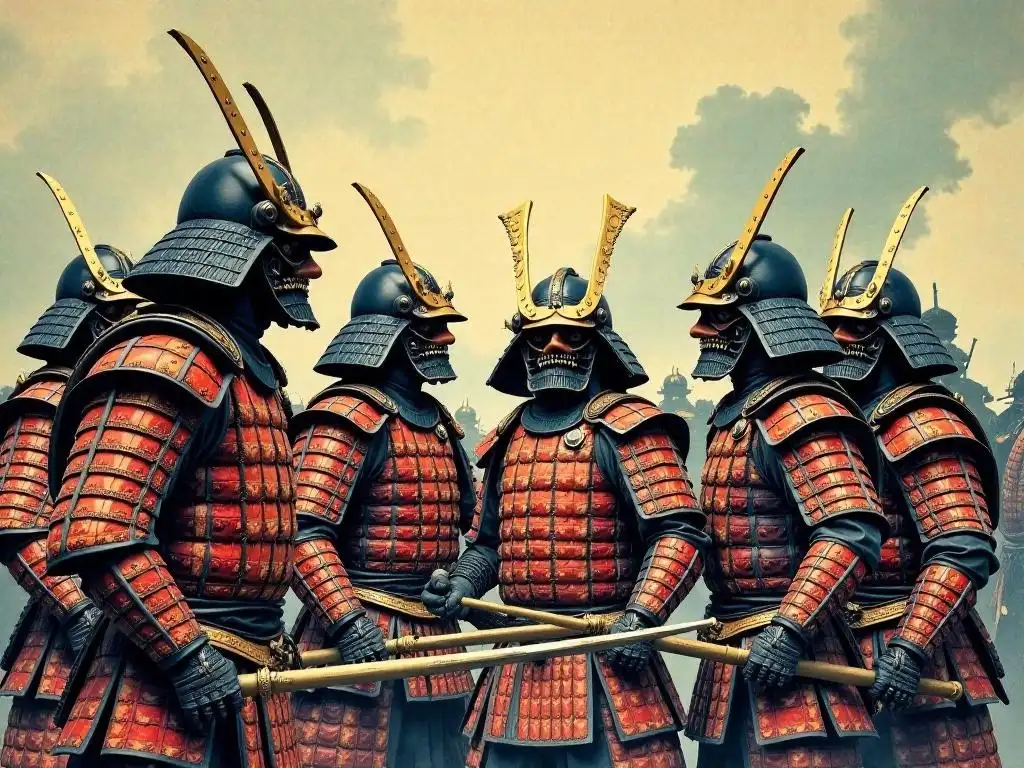
Welcome to Feudal Japan History, where we invite you to embark on a captivating journey through the intricate tapestry of Japan’s feudal era. Here, history unfolds through expert-driven articles that delve into the cultural, societal, and military aspects of this fascinating period. In our featured article, “The Art of War: Samurai Tactics That Shaped Feudal Japan,” you’ll uncover the strategic brilliance and innovative techniques that defined the legendary samurai warriors.
Prepare to be intrigued as we peel back the layers of history, revealing the profound impact of these tactics on the course of Japan's past. Dive deeper, and let your curiosity guide you through the annals of time!
Introduction to Samurai Tactics in Feudal Japan
The samurai, as the elite warrior class of feudal Japan, played a pivotal role in shaping the military landscape of the era. Their tactics and strategies not only influenced the outcomes of countless battles but also left a lasting legacy on Japanese culture and society.
Understanding samurai tactics in feudal Japan involves delving into a complex web of historical contexts, social structures, and evolving warfare techniques that defined a significant period in Japan's history. Through this exploration, we will uncover how samurai warfare reflected the values and philosophies of the time, as well as how these methods of combat contributed to the broader narrative of Japan's feudal era.
Overview of Feudal Japan’s Military Structure
Feudal Japan, spanning from the 12th to the 19th century, was characterized by a decentralized political system where power was held by regional lords, known as daimyōs. The military structure of this period was hierarchical and organized, with samurai serving as the primary warriors. Here’s an overview of the key components:
- Daimyōs: Feudal lords who controlled vast lands and commanded armies of samurai.
- Samurai: The warrior class, known for their martial skills, loyalty, and adherence to the bushidō code.
- Ashigaru: Foot soldiers, often recruited from the peasantry, who supported samurai in battle.
- Strategic Alliances: Marriages and treaties were common to strengthen positions and alliances among daimyōs.
This military structure not only dictated the dynamics of warfare but also influenced social hierarchies and political relationships, creating a landscape where samurai tactics thrived.
Importance of Samurai in Japanese Warfare
The samurai were more than just warriors; they were cultural icons who embodied the values of loyalty, honor, and discipline. Their importance in Japanese warfare can be summarized as follows:
- Military Leadership: Samurai often held positions of command, utilizing their training and experience to lead troops effectively.
- Cultural Influence: The samurai code of honor, bushidō, shaped not only military conduct but also the ethical framework of Japanese society.
- Innovative Tactics: Samurai were known for their adaptability and innovation in battle, often employing strategies that would later become foundational to Japanese military doctrine.
Through their unique blend of martial prowess and cultural significance, samurai fundamentally shaped the nature of warfare in feudal Japan.
Historical Context of Samurai Tactics
To fully appreciate the tactics employed by samurai, it is essential to consider the historical context in which they operated. The evolution of warfare in Japan was marked by significant shifts driven by technological advancements, political changes, and social upheavals.
Evolution of Samurai Warfare Strategies
The strategies employed by samurai evolved significantly over time, reflecting changes in warfare technology and tactics. Key developments included:
- Introduction of Firearms: The arrival of Portuguese traders in the 16th century brought firearms to Japan, prompting samurai to adapt their tactics to include gunpowder weaponry.
- Formation Changes: The shift from traditional kumo-gata (cloud formations) to more flexible formations allowed for better mobility and adaptability in battle.
- Siege Warfare: With the rise of fortified castles, samurai developed strategies for both offense and defense during sieges, incorporating tactics such as surprise attacks and psychological warfare.
These evolving strategies highlight the samurai's ability to adapt to new realities on the battlefield.
Key Battles That Defined Samurai Tactics
Several pivotal battles in feudal Japan serve as critical examples of samurai tactics in action. Among these, the following stand out:
- Battle of Sekigahara (1600): This decisive battle marked the end of the Sengoku period and established Tokugawa Ieyasu as the shogun. The tactics employed here included strategic alliances and the use of terrain.
- Siege of Osaka (1614-1615): A showcase of siege tactics, this conflict demonstrated the effectiveness of coordinated attacks and the importance of logistics in warfare.
- Battle of Nagashino (1575): Notable for the effective use of firearms by the Takeda clan's enemies, this battle marked a turning point in samurai tactics, illustrating the integration of traditional and modern warfare methods.
These battles not only defined the military strategies of the samurai but also contributed to the overarching narrative of Japan's feudal history. Understanding them is crucial for grasping the complexities of samurai warfare and its enduring impact.
Core Samurai Tactics in Feudal Japan
The samurai of feudal Japan were not just skilled warriors; they were tacticians who developed a range of strategies that significantly influenced the art of warfare. Their tactics were deeply rooted in the bushido code, which emphasized honor, duty, and loyalty. Samurai tactics were diverse and evolved over centuries, adapting to the changing dynamics of warfare, including the rise of different military technologies and the shifting political landscape.
Central to samurai tactics was the combination of individual skill and collective strategy. Samurai warriors were trained in various martial arts, enabling them to engage effectively in one-on-one combat while also contributing to larger military operations. The samurai's ability to adapt and implement specific tactics based on the battlefield conditions was crucial for their success in numerous conflicts. This adaptability is reflected in their use of different weapons, formations, and psychological tactics to outmaneuver opponents.
The Art of Kenjutsu: Swordsmanship Techniques
Kenjutsu, the traditional art of Japanese swordsmanship, was a cornerstone of samurai combat training. The samurai's primary weapon, the katana, was not only a tool of war but also a symbol of their status and honor. Mastering kenjutsu involved rigorous practice and a deep understanding of timing, distance, and technique.
Key techniques within kenjutsu included:
- Iai: The art of drawing and cutting with the sword in a single motion, allowing for quick and decisive strikes.
- Kiri: Techniques focused on cutting, which emphasized the importance of blade angles and body movement to maximize the effectiveness of each strike.
- Nukitsuke: The skill of drawing the sword and striking simultaneously, often used to counter surprise attacks.
Samurai training in kenjutsu also encompassed mental discipline, ensuring that practitioners could maintain composure under pressure. This mastery of swordsmanship was not only vital for individual combat but also played a significant role in the samurai's effectiveness in larger battles.
The Role of Archery: Kyujutsu in Samurai Warfare
Kyujutsu, the art of archery, was another critical component of samurai warfare. Long before the katana became the symbol of the samurai, the bow was their primary weapon. The samurai were trained in the use of the yumi (longbow), which required significant skill and physical strength.
The advantages of kyujutsu included:
- Range: Samurai archers could engage enemies from a distance, allowing them to weaken enemy forces before close combat.
- Mobility: Archery allowed for greater mobility on the battlefield, as samurai could shoot while on horseback or from a distance, making it harder for opponents to close in.
- Psychological Impact: The sight of skilled archers could instill fear and panic in enemy ranks, often leading to disorganization before a battle even began.
In battle, archers often formed a key part of the samurai's strategy, providing crucial support by targeting enemy commanders or disrupting formations. The integration of kyujutsu with other tactics exemplified the samurai's comprehensive approach to warfare.
Use of Cavalry: The Impact of Horseback Fighting
The use of cavalry was a defining aspect of samurai tactics, particularly during the height of feudal Japan. Samurai warriors were not only trained to fight on foot but also to ride and fight from horseback, which provided them with several tactical advantages.
The impact of cavalry in samurai warfare included:
- Speed and Mobility: Cavalry units could cover ground quickly, allowing samurai to respond rapidly to changing battlefield conditions or to pursue fleeing enemies.
- Heightened Position: Fighting from horseback provided a height advantage, enabling samurai to strike down on foot soldiers with greater force.
- Flanking Maneuvers: Cavalry could effectively execute flanking maneuvers, encircling enemy forces and creating chaos within their ranks.
The integration of cavalry into samurai tactics signified a shift in warfare during feudal Japan, as these mounted units began to play a pivotal role in battles, influencing strategies for generations to come.
Strategic Innovations by Samurai
The strategic innovations employed by samurai were vital in shaping the outcomes of battles throughout feudal Japan. Their ability to adapt and innovate in response to the evolving nature of warfare set them apart from other military forces. These innovations included not only new tactics but also strategic concepts that would be studied in later military doctrines.
Formation Strategies: The Use of Tactics in Battle
Formation strategies were essential for organizing samurai troops during battle. The effectiveness of these formations depended on various factors, including the terrain, the size of the forces, and the type of enemy faced. Common formations included:
- Hoko: A spear formation that allowed for defensive tactics against cavalry charges.
- Tachi: A line formation that maximized the striking power of swordsmen.
- Wedge Formation: Used to break through enemy lines and disrupt their formations.
These formations were not static; samurai commanders would adapt them based on real-time assessments of the battlefield, demonstrating their tactical flexibility. The ability to reorganize and reform under pressure was a hallmark of samurai military strategy.
Psychological Warfare: Fear and Morale in Samurai Combat
Psychological warfare played a crucial role in samurai tactics. The samurai understood that instilling fear and disrupting enemy morale could often lead to victory without the need for prolonged combat. Techniques included:
- Intimidating Displays: The use of banners, war cries, and coordinated movements created a fearsome presence on the battlefield.
- Reputation and Stories: The legendary status of certain samurai warriors contributed to psychological warfare, as enemies would often be demoralized by the tales of their prowess.
- Deceptive Tactics: The use of feigned retreats or ambushes could lead opponents into traps, causing confusion and panic.
By employing psychological tactics, samurai could shift the balance of power even before physical combat began, showcasing the importance of mental fortitude in warfare.
Guerrilla Tactics: Unconventional Approaches to Warfare
Guerrilla tactics were an essential component of samurai strategy, especially in conflicts where they were outnumbered or faced more powerful foes. These unconventional approaches included:
- Ambushes: Samurai would often set traps in wooded areas or along narrow paths, leveraging their knowledge of the terrain to surprise larger enemy forces.
- Hit-and-Run Attacks: Small groups of samurai could execute quick strikes against an enemy and then retreat before a counterattack could be mounted.
- Infiltration: Samurai sometimes employed stealth to infiltrate enemy camps, gather intelligence, or eliminate key targets without engaging in open battle.
These guerrilla tactics demonstrated the samurai's ability to think creatively and adapt their strategies, allowing them to maintain effectiveness even in challenging circumstances. This adaptability remains a significant aspect of their legacy in military history.
Influential Samurai Leaders and Their Tactics
Throughout Japan's feudal era, several samurai leaders emerged, each contributing unique tactics that not only shaped their military successes but also influenced the course of Japanese history. These leaders utilized a combination of strategy, innovation, and cultural understanding to forge their paths. The effectiveness of their tactics can be seen in their ability to adapt to changing circumstances, leverage terrain, and inspire their troops, setting a precedent for future military practices.
Minamoto no Yoritomo: Foundational Tactics in the Genpei War
Minamoto no Yoritomo played a pivotal role in the Genpei War (1180–1185), which was a conflict between the Minamoto and Taira clans. His foundational tactics emphasized the importance of strategic planning and alliance-building. Yoritomo effectively utilized guerrilla warfare, striking swiftly and retreating before the enemy could mount a counterattack. He also focused on securing the loyalty of local lords, providing them with incentives to join his cause.
Yoritomo's use of terrain was particularly astute; he often chose battlegrounds that favored his forces, such as the narrow valleys where Taira forces could be outmaneuvered. Furthermore, his establishment of a military government in Kamakura marked a significant shift in power and governance, laying the groundwork for the samurai class's ascendancy in Japanese society.
Oda Nobunaga: Revolutionary Strategies in Unification Efforts
Oda Nobunaga was a transformative figure in the late 16th century, known for his innovative military strategies during the unification of Japan. He was a pioneer in the use of firearms, recognizing their potential to change the dynamics of battle. Nobunaga's tactics included the mass production of matchlock guns, allowing for coordinated volleys that could devastate enemy formations.
Moreover, Nobunaga employed psychological warfare, using fear as a tool to demoralize opponents. His famous tactic at the Battle of Nagashino in 1575 showcased his ability to integrate traditional samurai cavalry charges with modern firearm tactics, positioning his troops behind barricades to unleash a deadly barrage on advancing enemies. His strategic innovations not only contributed to his success but also altered the landscape of samurai warfare, influencing future leaders.
Toyotomi Hideyoshi: Adaptation and Innovation in Warfare
Toyotomi Hideyoshi, who rose to power following Nobunaga's death, is renowned for his adaptive approach to warfare. His strategies encompassed both military innovation and diplomatic prowess. Hideyoshi was adept at utilizing espionage and intelligence-gathering, allowing him to anticipate enemy movements and counteract them effectively.
One of his most notable campaigns was the invasion of Korea (1592-1598), where he showcased the importance of supply lines and logistics. Hideyoshi's forces were well-equipped and strategically positioned, allowing for prolonged engagements. He also emphasized the importance of discipline among his troops, ensuring that his soldiers were well-trained and cohesive, which proved critical in both offense and defense.
Cultural Aspects Influencing Samurai Tactics
The tactics employed by samurai were not just products of military necessity; they were deeply intertwined with the cultural and ethical frameworks of feudal Japan. The samurai's worldview, shaped by honor, spirituality, and symbolism, significantly influenced their approach to warfare.
The Role of Bushido: The Samurai Code of Honor
Bushido, or "the way of the warrior," was the ethical code that governed the lives of samurai. This code emphasized virtues such as loyalty, honor, and bravery, shaping their approach to combat and strategy. Samurai were expected to fight not only for their lord but also to uphold their personal honor and the honor of their clan.
In practice, this meant that samurai often engaged in battles that were as much about personal valor as they were about military objectives. The adherence to Bushido influenced tactical decisions, often leading samurai to prefer honorable combat over underhanded tactics. This cultural framework created a sense of duty that drove samurai leaders to develop strategies that reflected their values, such as seeking decisive battles that would enhance their reputations.
Spiritual Practices in Warfare: Zen Buddhism and Samurai Ethics
Zen Buddhism played a significant role in shaping the mindset of samurai warriors. The principles of Zen, including mindfulness and the acceptance of impermanence, were integrated into the samurai's approach to warfare. This spiritual practice emphasized the importance of mental discipline, allowing samurai to maintain clarity and composure in the chaos of battle.
The practice of meditation helped samurai cultivate focus and presence, which were critical during combat. Many samurai believed that a calm mind led to better decision-making on the battlefield. The synthesis of Zen principles with martial training created a unique approach that blended physical prowess with psychological preparedness, enhancing their effectiveness in warfare.
Symbolism in Samurai Armor and Weapons
The armor and weapons of samurai were not only functional but also rich in symbolism, reflecting their identity and values. Each element of samurai armor was designed with specific meanings, often representing the wearer's clan and personal achievements. For instance, the helmet (kabuto) was adorned with crests and motifs that indicated rank and lineage.
Weapons, particularly the katana, were regarded as extensions of the samurai's soul. The craftsmanship of a katana was a reflection of the warrior's status, and its use in combat was steeped in ritual and respect. The symbolic significance of these artifacts influenced how samurai approached warfare, as they fought not just with weapons but also with a deep sense of purpose and identity. Thus, the interplay of symbolism and practicality in samurai gear played a crucial role in shaping their tactics and strategies on the battlefield.
Comparison of Samurai Tactics with Other Feudal Forces
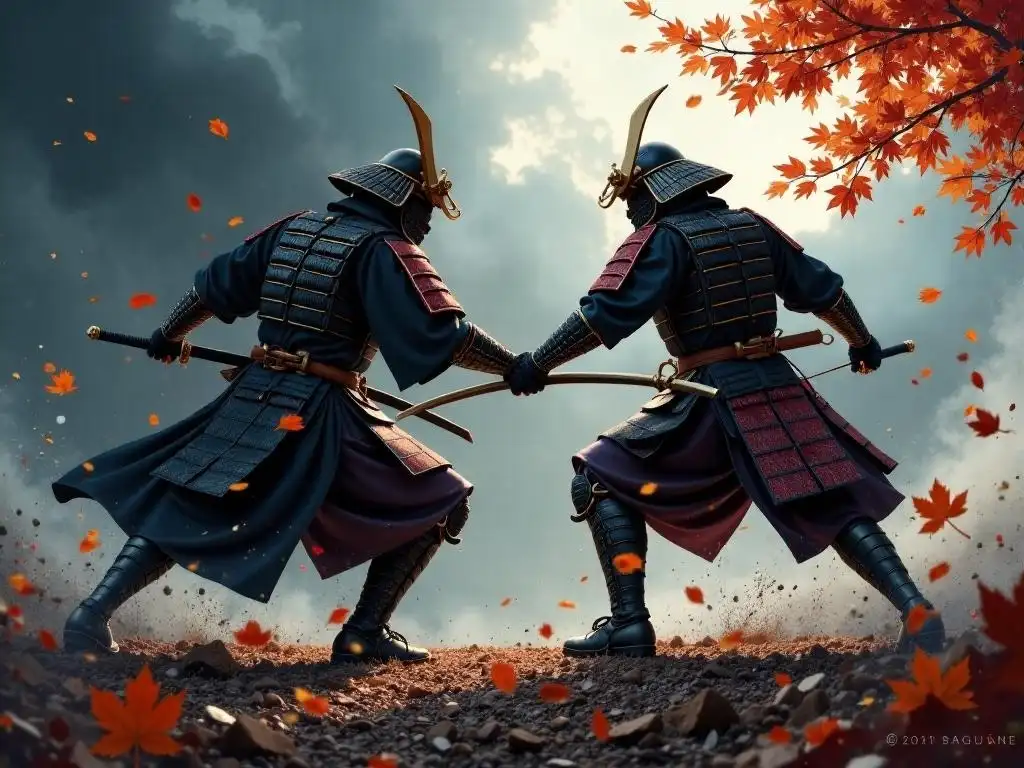
The tactics employed by samurai warriors during Japan's feudal era were distinct yet often contrasted with those of other feudal forces around the world. Samurai tactics were characterized by a combination of individual skill, martial prowess, and a deep-seated adherence to the bushido code, which governed their conduct in battle. In comparison, other feudal forces, such as European knights or the Mongol hordes, had different approaches influenced by their cultural contexts and military needs.
-
Individualism vs. Collective Strategy:
Samurai warfare emphasized individual skill, with a focus on one-on-one combat. This contrasts sharply with European knights, who often fought in formations and relied on heavy cavalry charges. In Mongol warfare, mobility and rapid maneuvers were paramount, showcasing a preference for collective tactics over individual heroics.
-
Weaponry and Combat Style:
Samurai employed a range of weapons, notably the katana, and favored close-quarters combat. Their techniques included precise strikes and fluid movement, reflecting their training in various martial arts. Conversely, European knights predominantly used lances and swords, often fighting from horseback, while Mongol warriors excelled in mounted archery and hit-and-run tactics.
-
Psychological Warfare:
Samurai tactics also incorporated psychological elements, such as the use of intimidation and the display of loyalty to their lords, which played a significant role in warfare. Other feudal forces, like the Aztecs, similarly utilized psychological tactics, often through elaborate rituals and displays of power, to demoralize their enemies.
Samurai vs. Ashikaga: Contrasting Warfare Styles
During the Ashikaga period (1336-1573), samurai tactics evolved significantly, reflecting the changing political landscape and military needs. The Ashikaga shogunate marked a shift from the rigid, honor-bound warfare of earlier samurai to more flexible and strategic approaches.
-
Shifting Alliances:
The Ashikaga period was characterized by a fragmented political structure, where samurai often shifted allegiances. This led to tactics that emphasized strategic marriages and diplomacy alongside military engagement, contrasting with the more straightforward, loyalty-driven tactics of earlier samurai.
-
Emphasis on Range and Mobility:
While traditional samurai tactics favored close combat, during the Ashikaga era, there was a growing emphasis on the use of long-range weapons, such as the yumi (longbow), which allowed for engagements at a distance. This shift reflected the need for adaptability in a time of civil strife and the rise of new military technologies.
-
Use of Fortifications:
The Ashikaga saw the development of more sophisticated fortifications and castle warfare, which altered traditional samurai tactics. Battles increasingly involved sieges and defenses, requiring a tactical shift from open-field confrontations to more strategic planning and resource management.
Conclusion: The Legacy of Samurai Tactics in Feudal Japan
Samurai tactics have left an indelible mark on Japan's military history, shaping not only the course of battles during the feudal era but also influencing later military practices and concepts of honor and strategy in Japan.
Lasting Impact on Modern Japanese Military Practices
The legacy of samurai tactics is evident in the modern Japanese Self-Defense Forces, where principles of discipline, strategy, and loyalty remain integral. Many military academies in Japan study historical samurai tactics to glean insights into leadership and strategic thinking. The emphasis on individual responsibility and teamwork can also be traced back to the samurai ethos, which continues to resonate within the framework of contemporary military training.
The Enduring Fascination with Samurai Warfare Tactics
The fascination with samurai warfare tactics extends beyond military applications, permeating popular culture, literature, and film. The romanticized portrayal of samurai in media highlights their tactical brilliance and warrior spirit, captivating audiences and preserving their legacy. Events such as reenactments and historical festivals serve to keep the memory of samurai tactics alive, emphasizing their importance in Japan's cultural identity and historical narrative. This enduring interest ensures that the lessons learned from samurai tactics continue to be relevant today, both in military contexts and in broader discussions of ethics and honor.
Suggested Further Reading on Samurai Warfare
To gain a deeper understanding of samurai tactics in feudal Japan, a variety of resources are available, including books, documentaries, and films that explore the intricacies of samurai warfare. These materials not only provide insight into the strategies and techniques employed by samurai but also delve into the broader context of Japan's feudal era. Below are some recommended resources to enrich your knowledge on this fascinating subject.
Books on Samurai Tactics in Feudal Japan
-
"Hagakure: The Book of the Samurai" by Yamamoto Tsunetomo
This classic text offers a window into the samurai's philosophy and code of conduct, known as bushido. Tsunetomo's reflections provide insight into the mindset of a samurai and the tactical considerations that informed their actions in battle.
-
"Samurai Warfare" by Michael John McNerney
This book examines the evolution of samurai tactics over the centuries, detailing the various strategies and formations employed in battles. McNerney's analysis is supported by historical examples that illustrate the effectiveness of samurai warfare.
-
"The Book of Five Rings" by Miyamoto Musashi
Written by one of Japan's most famous swordsmen, this text outlines Musashi's philosophy on strategy and combat. Musashi's insights into duals and the importance of mental discipline remain relevant to the study of samurai tactics.
-
"Samurai: The World of the Warrior" by Stephen Turnbull
Turnbull provides a comprehensive overview of the samurai's role in Japanese society, including their warfare tactics, equipment, and historical context. This book is an excellent resource for understanding the broader implications of samurai warfare.
-
"The Samurai: A Military History" by John M. McCormack
This work offers a detailed narrative of samurai military operations, tactics, and the impact of warfare on Japanese history. McCormack's thorough research provides readers with a clear understanding of how samurai shaped Japan's military landscape.
Documentaries and Films Exploring Samurai Warfare
-
"Samurai: Behind the Blade" (2006)
This documentary delves into the history and culture of the samurai, examining their martial techniques and the significance of their weapons. It features interviews with historians and martial artists, providing a rich context for samurai warfare.
-
"The Last Samurai" (2003)
While a fictional portrayal, this film captures the essence of the samurai ethos and provides insight into the tactics used during the transition from feudal Japan to the modern era. The film highlights the clash between traditional samurai values and Western influences.
-
"The Samurai: A History of Japan's Warrior Class"
This documentary series offers a comprehensive look at the samurai's evolution from the Heian period through the Edo period. It discusses various battles and tactics, showcasing how samurai warfare adapted over time.
-
"Shogun Assassin" (1980)
A cult classic, this film combines action with elements of samurai culture, portraying the life and tactics of a lone samurai on a quest for vengeance. It serves as an entertaining yet informative glimpse into the samurai warrior spirit.
-
"The Art of War: Samurai Tactics" (YouTube Series)
This online series breaks down specific samurai tactics and formations, offering visual demonstrations of historical techniques. It is a valuable resource for those interested in the practical aspects of samurai warfare.
By exploring these recommended readings and visual materials, enthusiasts can gain a well-rounded understanding of samurai tactics in feudal Japan, enriching their appreciation for this unique aspect of military history.
- Introduction to Samurai Tactics in Feudal Japan
- Overview of Feudal Japan’s Military Structure
- Importance of Samurai in Japanese Warfare
- Historical Context of Samurai Tactics
- Core Samurai Tactics in Feudal Japan
- Strategic Innovations by Samurai
- Influential Samurai Leaders and Their Tactics
- Cultural Aspects Influencing Samurai Tactics
- Comparison of Samurai Tactics with Other Feudal Forces
- Samurai vs. Ashikaga: Contrasting Warfare Styles
- Conclusion: The Legacy of Samurai Tactics in Feudal Japan
- Suggested Further Reading on Samurai Warfare
- What were the primary tactics used by Samurai in feudal Japan?
- How did Samurai tactics influence Japanese military strategy?
- What role did training play in the effectiveness of Samurai tactics?
- Were there any notable historical battles that showcased Samurai tactics?
- How did cultural values affect the tactics employed by Samurai?
Frequently Asked Questions
What were the primary tactics used by Samurai in feudal Japan?
Samurai employed a range of tactics including flanking maneuvers, ambush strategies, and the use of terrain to their advantage, which were essential in both individual duels and larger battles.
How did Samurai tactics influence Japanese military strategy?
Samurai tactics significantly influenced Japanese military strategy by introducing concepts like discipline, teamwork, and the importance of honor in warfare, shaping the way conflicts were approached throughout the feudal era.
What role did training play in the effectiveness of Samurai tactics?
Training was crucial for Samurai, as rigorous martial arts practice and battlefield simulations prepared them for real combat situations, allowing them to execute complex tactics effectively under pressure.
Were there any notable historical battles that showcased Samurai tactics?
Yes, battles such as the Battle of Sekigahara and the Genpei War highlighted the ingenuity of Samurai tactics, showcasing their skill in strategy, leadership, and combat techniques that ultimately determined the outcomes of these conflicts.
How did cultural values affect the tactics employed by Samurai?
Cultural values such as bushido (the way of the warrior) emphasized loyalty, honor, and self-discipline, which directly influenced the tactics used by Samurai, leading them to prioritize honorable combat over mere victory.
Final Reflection: The Enduring Legacy of Samurai Tactics in Feudal Japan
The intricate strategies and philosophies of samurai tactics in feudal Japan continue to resonate in today's world, reminding us that the principles of honor, discipline, and strategic thinking are timeless. As we navigate an increasingly complex global landscape, the lessons drawn from the samurai's approach to conflict and resolution remain profoundly relevant, illustrating that the art of war transcends mere combat; it encompasses the very essence of leadership and ethical conduct.
Culture and society are profoundly shaped by the values and tactics that emerge from historical contexts. The samurai's emphasis on loyalty and honor not only influenced military strategies but also laid the groundwork for social structures that valued integrity and respect. As we reflect on this legacy, we are reminded of the words of Sun Tzu: In the midst of chaos, there is also opportunity.
This quote encapsulates the samurai's ability to find clarity and purpose amidst turmoil, a skill that remains crucial in our fast-paced, often chaotic modern lives.
As we conclude this exploration of samurai tactics, I invite you to reflect on how these ancient principles can be applied in your own life. Consider how the samurai's commitment to strategy, honor, and resilience can inspire you to navigate your personal and professional challenges. Embrace the opportunity to learn from the past, allowing the wisdom of the samurai to guide your actions and decisions as you forge your path forward in an ever-evolving world.
Unleash Your Inner Samurai Today!
Thank you for immersing yourself in the fascinating world of samurai tactics and their influence on Feudal Japan. You've gained valuable insights into the strategies that shaped a culture renowned for its discipline and resilience. Now, it's time to take action and embrace the lessons learned!
Here are some simple ways to embody the spirit of the samurai in your daily life:
- Commit to a new goal: Whether it's mastering a skill, improving your health, or pursuing a passion project, **establish a clear objective** and take the first step today.
- Share your knowledge: Discuss what you’ve learned with friends or on social media to inspire others. **Initiate a conversation** and invite engagement!
- Explore samurai philosophy: Dive deeper into the principles of bushido by reading insightful literature or joining local study groups. **Broaden your understanding** further!
What samurai tactic will you implement in your life to foster discipline and focus? **We invite you to share your thoughts with us below! **