
The Lost Recipes of Feudal Japan: Cooking Techniques from the Past

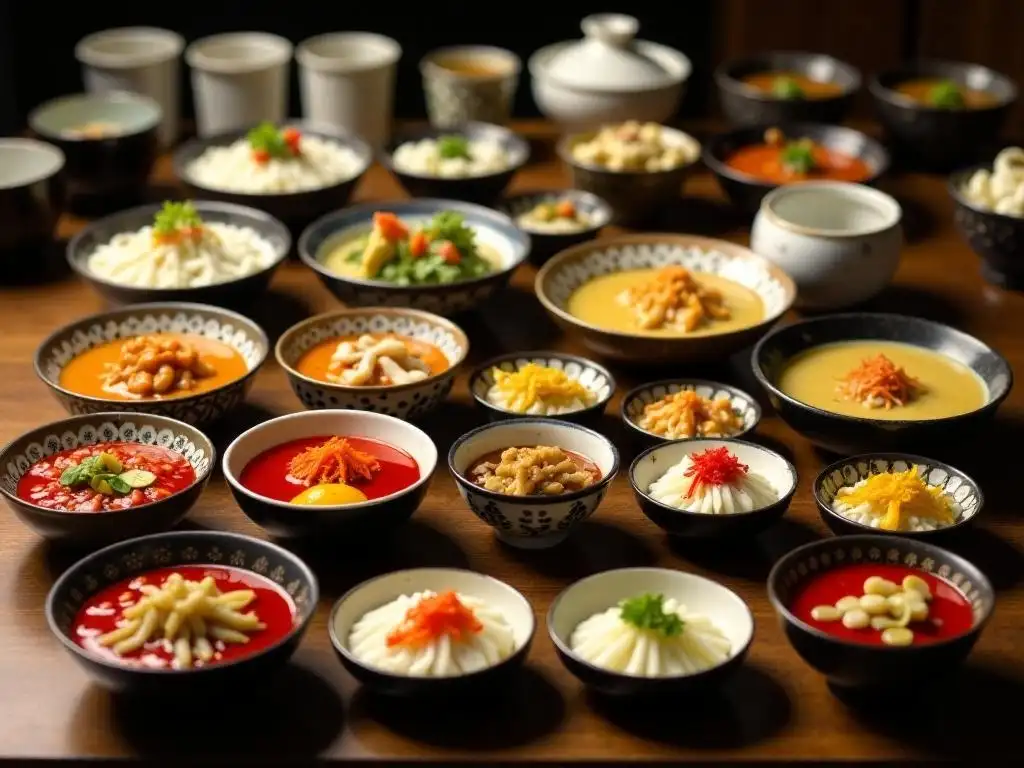
Welcome to Feudal Japan History, where we invite you to embark on a fascinating journey through the intricate tapestry of Japan’s feudal era. Here, we delve into the rich historical, cultural, and societal aspects that shaped this remarkable period. In our featured article, "The Lost Recipes of Feudal Japan: Cooking Techniques from the Past," we uncover the culinary traditions that have tantalized taste buds for centuries.
Are you curious about the flavors and cooking techniques that defined traditional feudal Japan? Join us as we explore these forgotten recipes and the stories behind them, sparking your appetite for knowledge and discovery!
Introduction to Traditional Feudal Japan Recipes
The culinary landscape of feudal Japan is a rich tapestry woven from the threads of history, culture, and tradition. This era, spanning from the 12th to the 19th century, was marked by significant social hierarchy and regional diversity, which heavily influenced the meals prepared and consumed.
Traditional feudal Japan recipes not only reflect the ingredients available at the time but also the practices and philosophies surrounding food preparation and consumption. As we delve into the lost recipes of this period, we uncover cooking techniques that have shaped modern Japanese cuisine while also learning about the societal norms and customs that dictated what was served on the table.
In this exploration, we will transport you back to the kitchens of feudal Japan, revealing the intricate methods and flavors that defined an age. From the humble hearths of peasant families to the elaborate feasts enjoyed by samurai and nobility, the variety of dishes showcases the balance of simplicity and sophistication that characterizes Japanese culinary art. We will also discuss how these traditional techniques can be adapted and revived in contemporary cooking, allowing anyone to bring a taste of history into their modern kitchen.
Historical Context of Feudal Japan Recipes
To fully appreciate the depth of traditional feudal Japan recipes, it is essential to understand the historical context in which they were developed. The feudal era was characterized by a rigid social structure, with the shogunate at the top, followed by samurai, farmers, artisans, and merchants. This hierarchy not only influenced the distribution of food and resources but also the types of ingredients that were accessible to different classes.
- Peasant Cuisine: The diet of peasants primarily consisted of rice, vegetables, and fish. Techniques such as pickling, fermenting, and drying were essential for preserving food throughout the year. Common dishes included:
- Narezushi: Fermented fish preserved in rice.
- Tsukemono: Pickled vegetables that added flavor and variety to meals.
- Samurai and Noble Meals: The samurai class had access to a wider range of ingredients and employed more sophisticated cooking techniques. Their meals often included:
- Sukiyaki: A hot pot dish made with thinly sliced beef and seasonal vegetables.
- Kaiseki: A multi-course meal that emphasized seasonal ingredients and artistic presentation.
- Cultural Influences: The introduction of Buddhism during this period also impacted dietary practices, leading to a greater emphasis on vegetarianism among certain classes. Dishes like Shojin ryori (Buddhist vegetarian cuisine) became prominent, showcasing the use of seasonal vegetables, tofu, and grains without the use of meat.
Through these lenses, we begin to unravel how the culinary practices of feudal Japan were not merely about sustenance but were also intertwined with the social dynamics and cultural beliefs of the time. Understanding these historical influences is crucial for anyone interested in recreating the flavors and techniques of traditional feudal Japan recipes in their own kitchens today.
Key Cooking Techniques from Feudal Japan
The culinary landscape of feudal Japan was shaped by a variety of cooking techniques that not only emphasized flavor but also respected the ingredients and their seasonal availability. These methods were passed down through generations and are still relevant today, providing a glimpse into the past while allowing modern cooks to recreate authentic dishes. The key cooking techniques from this era include grilling (yakimono), steaming (mushiyaki), and simmering (nitsuke). Each of these techniques has its unique approach, resulting in a diverse array of flavors and textures that define Japanese cuisine.
Grilling Techniques: Yakimono
Yakimono, or grilled dishes, were a staple in feudal Japanese cooking. This method often involved cooking fish, meat, and vegetables over an open flame or hot coals, imparting a distinct smoky flavor. The most common grilling method during this period was to skewer the food on bamboo sticks and cook it directly over the heat.
A quintessential example of yakimono is saba shioyaki, or grilled mackerel, which highlights the technique's ability to enhance the natural flavors of the ingredients. The seasoning typically involved salt, allowing the fresh taste of the fish to shine through. This technique not only preserved the food but also made it more palatable, as grilling helped to render excess fat while creating a satisfying char on the surface.
Steaming Techniques: Mushiyaki
Mushiyaki, or steaming, was another important cooking technique in feudal Japan. This method utilized bamboo steamers and rice cloths to gently cook ingredients, preserving their nutrients and moisture. Steaming was particularly favored for cooking rice and delicate vegetables, allowing for a soft texture without losing flavor.
One notable dish that exemplifies mushiyaki is chawanmushi, a savory egg custard that incorporates various fillings, such as shrimp, chicken, and mushrooms. The gentle steaming process results in a silky, smooth consistency, showcasing how this technique can elevate simple ingredients into a refined dish. Moreover, steaming was economical, requiring minimal resources while maximizing flavor retention, making it a practical choice for households during the feudal era.
Simmering Techniques: Nitsuke
Nitsuke refers to the simmering technique used to infuse flavors into ingredients while achieving a tender texture. This method often involves cooking vegetables, fish, or meat in a seasoned broth made from soy sauce, mirin, and dashi. The slow cooking process allows the flavors to meld beautifully, resulting in a rich and savory profile.
A classic example of nitsuke is nimono, which consists of root vegetables like carrots, daikon, and potatoes simmered to perfection. The vegetables absorb the umami flavors of the broth, becoming both flavorful and tender. This technique reflects the feudal philosophy of utilizing seasonal ingredients, emphasizing simplicity and depth in flavor while creating wholesome meals for families.
Traditional Feudal Era Dishes You Can Cook Today
Recreating traditional feudal era dishes in your own kitchen can be a rewarding experience. Each recipe below highlights the unique cooking techniques of feudal Japan while allowing you to explore the rich flavors and ingredients of this historical period.
Recipe 1: Grilled Mackerel (Saba Shioyaki)
Ingredients:
- 2 whole mackerel, cleaned
- Sea salt
- Lemon slices (for garnish)
Instructions:
- Rinse the mackerel under cold water and pat dry with paper towels.
- Sprinkle salt generously on both sides of the fish and let it rest for about 15 minutes.
- Preheat the grill or a grill pan over medium-high heat.
- Place the mackerel skin-side down on the grill. Cook for about 5-7 minutes, then flip and grill for another 5-7 minutes until the skin is crispy and the fish is cooked through.
- Serve hot with lemon slices for a refreshing touch.
Recipe 2: Simmered Root Vegetables (Nimono)
Ingredients:
- 1 medium carrot, sliced
- 1 small daikon radish, sliced
- 2 potatoes, cubed
- 2 cups dashi broth
- 2 tablespoons soy sauce
- 1 tablespoon mirin
- A pinch of sugar
Instructions:
- In a pot, combine the dashi broth, soy sauce, mirin, and sugar. Bring to a simmer.
- Add the root vegetables to the pot and cover. Simmer for about 30 minutes or until the vegetables are tender.
- Adjust seasoning as needed and serve warm, allowing the flavors to meld beautifully.
Recipe 3: Steamed Rice (Gohan)
Ingredients:
- 2 cups short-grain rice
- 2 1/2 cups water
Instructions:
- Rinse the rice under cold water until the water runs clear, then drain.
- In a rice cooker or pot, combine the rinsed rice and water. Let it soak for 30 minutes.
- If using a pot, bring the water to a boil, then cover and reduce to low heat. Cook for 15-20 minutes without lifting the lid.
- Remove from heat and let it sit for 10 minutes before fluffing with a fork.
- Serve as a base for various dishes or enjoy it on its own.
Tools and Ingredients for Authentic Feudal Japanese Cooking
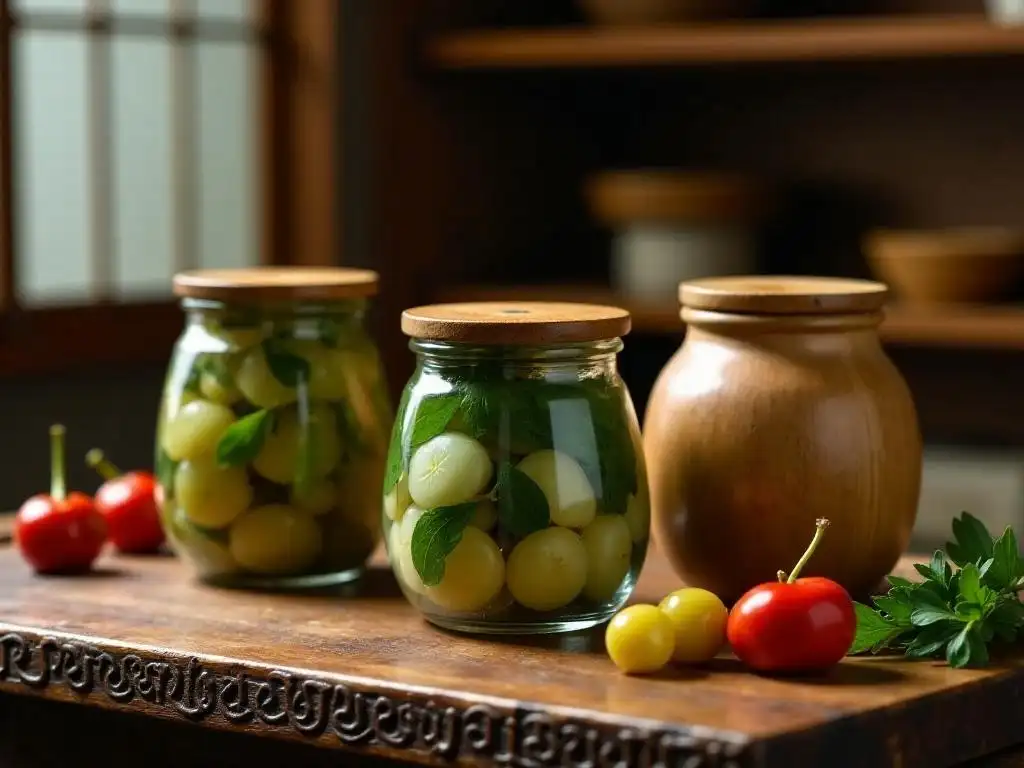
To truly appreciate and recreate the culinary traditions of feudal Japan, one must understand the essential tools and ingredients that shaped the cooking practices of the era. These elements not only reflect the practicality of the time but also embody the cultural significance of food in Japanese society.
Essential Cooking Tools
The tools used in feudal Japanese kitchens were often handcrafted and reflected the simplicity and efficiency of the time. Here are some of the most essential cooking tools that were commonly found in traditional kitchens:
- Donabe (Earthenware Pot): This versatile pot was used for slow cooking, steaming, and simmering. Its thick walls help retain heat, making it perfect for cooking rice or stews.
- Hangiri (Wooden Rice Mixing Bowl): Used primarily for preparing sushi rice, this flat wooden bowl allows for even cooling and seasoning of rice, critical for achieving the right texture and flavor.
- Hocho (Japanese Knives): A variety of knives, including the Santoku and Nakiri, were utilized for different cutting techniques. Each knife is designed for specific tasks, showcasing the precision in Japanese cooking.
- Tataki Bako (Grater Box): This tool was used for grating ingredients like daikon radish or ginger, crucial for flavoring dishes. The grater's design allows for maximum extraction of juices and flavors.
- Mizu Kake (Water Pot): Used for pouring water for cooking or serving, this simple yet essential tool highlights the importance of water in Japanese cuisine.
These tools not only facilitated the cooking process but also played a part in the aesthetic presentation of dishes, reflecting the Japanese principle of wabi-sabi, which finds beauty in simplicity and imperfection.
Key Ingredients for Traditional Recipes
The flavors of feudal Japan were shaped by a distinct set of ingredients that were locally sourced and seasonally available. Some of the key ingredients include:
- Rice: The staple food of Japan, rice was central to feudal diets. Varieties such as koshihikari and mochi rice were favored for their texture and taste.
- Soy Sauce (Shoyu): A fundamental seasoning, soy sauce adds depth and umami to many dishes. The fermentation process used in its production dates back centuries.
- Miso: This fermented soybean paste was not only used as a soup base but also as a seasoning for various dishes, showcasing its versatility and rich flavor profile.
- Seaweed (Nori and Kombu): Seaweeds were essential to Japanese cooking, used in soups, as wraps for sushi, and as flavor enhancers in broths.
- Fish and Seafood: Fresh fish, particularly mackerel and sardines, were staples due to Japan's island geography. These ingredients were often preserved through salting or drying methods.
- Vegetables: Seasonal vegetables like daikon, bamboo shoots, and mushrooms played a crucial role in the diet, often prepared in simple yet flavorful ways.
These ingredients not only formed the foundation of traditional feudal Japanese recipes but also reflect the harmony between nature and cuisine that is a hallmark of Japanese cooking.
The Cultural Significance of Traditional Recipes
Traditional recipes from feudal Japan are not merely culinary artifacts; they are deeply intertwined with the culture and history of the nation. Each dish tells a story, reflecting the agricultural practices, seasonal changes, and social customs of the time.
- Connection to Nature: The reliance on seasonal ingredients highlights the Japanese philosophy of shun, which emphasizes eating food at its peak freshness and flavor. This connection fosters a deep respect for nature and its cycles.
- Family and Community Bonds: Cooking and sharing meals has always been a communal activity in Japan. Feudal recipes often emphasize the importance of family gatherings and festivals, where specific dishes carry symbolic meanings tied to celebrations and rituals.
- Preservation of Heritage: As Japan modernizes, the preservation of these traditional recipes becomes vital for cultural identity. Many families pass down recipes through generations, ensuring that the culinary heritage remains alive.
- Aesthetic Philosophy: The presentation of food in feudal Japan was as important as the taste. The art of plating reflects the principles of kawaii (cuteness) and wabi-sabi, encouraging appreciation for the beauty in simplicity and imperfection.
Understanding the cultural significance of these traditional recipes enriches the experience of cooking and sharing feudal Japanese cuisine, reminding us that food is more than sustenance; it is a celebration of history, culture, and community.
Conclusion: Reviving Traditional Feudal Japan Recipes Today
Reviving traditional feudal Japan recipes not only serves as a culinary adventure but also as a means of connecting with the rich history and culture of Japan. The feudal era, spanning from the 12th to the 19th century, was a time of significant social and political change, which is reflected in the food and cooking techniques of the period. By exploring these recipes, we can gain insights into the daily lives of the samurai, farmers, and artisans who shaped this era.
One of the most compelling aspects of these recipes is their simplicity and reliance on local ingredients. Many traditional dishes were crafted using seasonal produce, grains, and fish, embodying a sustainable approach to cooking that resonates with today's culinary trends. For instance, dishes like miso soup and pickled vegetables not only provide a taste of history but are also easy to prepare with modern ingredients.
To successfully recreate these lost recipes, it is essential to focus on authenticity in both technique and flavor. This means understanding the traditional methods of preparation, such as slow cooking and fermentation, which are crucial in achieving the depth of flavor characteristic of feudal Japan cuisine. Emphasizing the use of traditional tools, like clay pots and wooden utensils, can enhance the cooking experience and transport home cooks back to the time when these dishes were first made.
Moreover, reviving these recipes can foster a deeper appreciation for Japanese culture and heritage. Cooking and sharing these dishes with family and friends can spark conversations about the historical significance of the feudal era, promoting cultural exchange and understanding. As more people show interest in authentic Japanese cuisine, chefs and home cooks alike can play a pivotal role in preserving these culinary traditions for future generations.
The journey of rediscovering and cooking traditional feudal Japan recipes is a rewarding endeavor that goes beyond just food. It is an opportunity to engage with history, embrace sustainable cooking practices, and celebrate the intricate flavors that have defined Japanese cuisine for centuries. By breathing new life into these recipes, we not only honor the past but also pave the way for a more enriched culinary future.
- Introduction to Traditional Feudal Japan Recipes
- Historical Context of Feudal Japan Recipes
- Key Cooking Techniques from Feudal Japan
- Traditional Feudal Era Dishes You Can Cook Today
- Tools and Ingredients for Authentic Feudal Japanese Cooking
- The Cultural Significance of Traditional Recipes
- Conclusion: Reviving Traditional Feudal Japan Recipes Today
- What are traditional feudal Japan recipes?
- How did cooking techniques in feudal Japan differ from modern practices?
- What types of ingredients were commonly used in feudal Japan recipes?
- Why is it important to study the recipes of feudal Japan?
- Where can I find authentic traditional feudal Japan recipes today?
Frequently Asked Questions
What are traditional feudal Japan recipes?
Traditional feudal Japan recipes refer to cooking techniques and dishes that were commonly prepared during the feudal era in Japan, reflecting the cultural and societal practices of the time.
How did cooking techniques in feudal Japan differ from modern practices?
Cooking techniques in feudal Japan often relied on local ingredients and seasonal availability, contrasting with modern practices that embrace a wider range of global ingredients and culinary styles.
What types of ingredients were commonly used in feudal Japan recipes?
Common ingredients included rice, fish, vegetables, and seaweed, which were staples in the Japanese diet and essential for creating the distinctive flavors of the time.
Why is it important to study the recipes of feudal Japan?
Studying the recipes of feudal Japan provides insight into the historical and cultural context of the era, helping us understand the evolution of Japanese cuisine and its connection to societal practices.
Where can I find authentic traditional feudal Japan recipes today?
Authentic traditional feudal Japan recipes can be found in historical cookbooks, specialized websites, and articles focusing on Japanese culinary history, offering a glimpse into the past.
Final Reflection: Rediscovering the Culinary Heritage of Feudal Japan
The exploration of traditional feudal Japan recipes reveals not only the artistry of ancient cooking techniques but also their profound relevance in today's culinary landscape. As we navigate a world increasingly dominated by fast food and convenience, the rich flavors and meticulous methods of feudal Japan serve as a reminder of the importance of patience and craftsmanship in cooking. The resurgence of interest in these lost recipes highlights a collective yearning for authenticity and connection to our cultural roots.
Cooking is an art form that transcends time, and the techniques from feudal Japan continue to influence modern culinary practices. The meticulous attention to detail and the harmony of flavors found in these traditional recipes resonate with chefs and home cooks alike, inspiring a renaissance of interest in historical cooking methods. Food is not just about sustenance; it's about culture, history, and the stories we tell through our meals.
This ongoing influence invites us to appreciate the depth of our culinary heritage and to recognize the stories behind each dish that has shaped our gastronomic landscape.
As you reflect on the lessons of feudal Japan's culinary traditions, consider how you can incorporate these timeless techniques into your own cooking. Embrace the art of slow cooking, the balance of flavors, and the respect for ingredients that were hallmarks of this era. Let the lost recipes inspire you to create meals that not only nourish the body but also honor the rich history of those who came before us. In doing so, you become a custodian of culture, preserving the essence of feudal Japan in every dish you prepare.
Reignite Ancient Flavors: Start Your Culinary Adventure Today!
Thank you for diving into the fascinating world of feudal Japanese cooking techniques! You've uncovered the rich tapestry of flavors that shaped a culinary legacy, and now it's time to bring those cherished recipes to life.
Embrace your inner chef with these next steps:
- Experiment with One Recipe: Select a traditional dish from feudal Japan and attempt to recreate it in your kitchen. Share your experience and photos on social media using #FeudalJapanFlavors!
- Gather a Cooking Circle: Invite friends or family for a themed cooking night where everyone prepares a different ancient dish. Discover together the unique history behind each recipe!
- Explore Local Ingredients: Visit your local market to find ingredients that resemble those used in feudal Japan. Challenge yourself to see how these can enhance your cooking!
What ancient flavor or technique are you most excited to try in your own kitchen? Share your thoughts below!