
From Rice to Riches: Staple Dishes of Feudal Japan You Can Make at Home

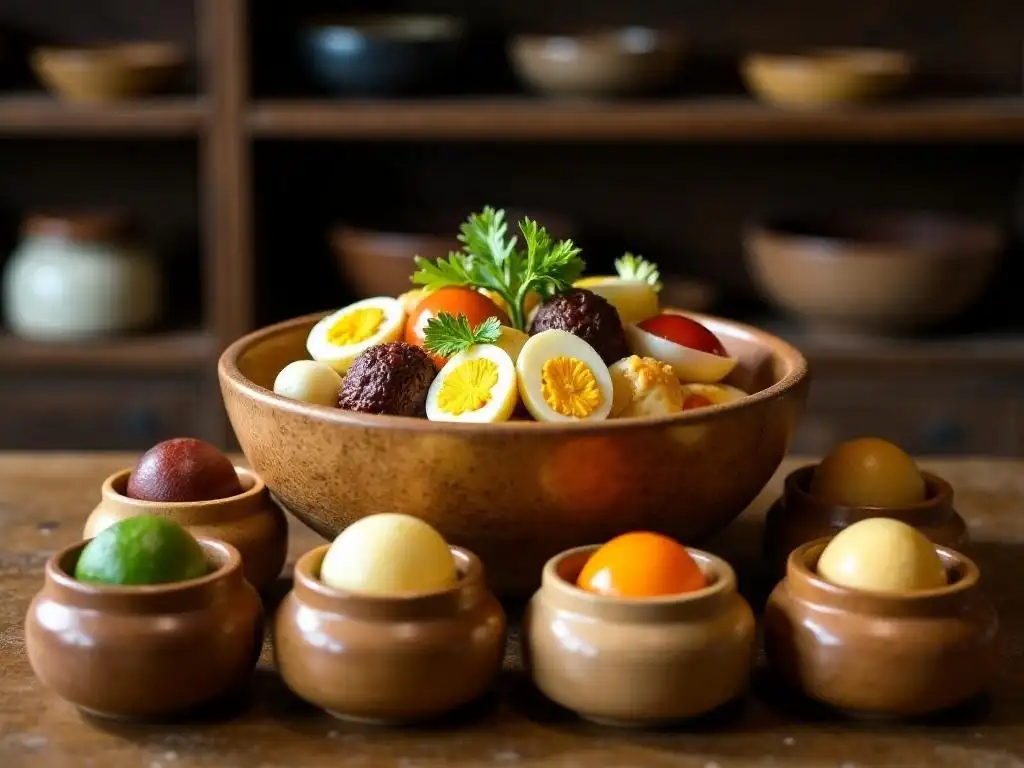
Welcome to Feudal Japan History, where we invite you to embark on a journey through the captivating world of Japan’s feudal era. Here, history intertwines with culture and cuisine, offering you a unique lens to view the past. In our featured article, “From Rice to Riches: Staple Dishes of Feudal Japan You Can Make at Home,” we delve into the delicious staple dishes that not only nourished the people but also tell the rich stories of their time.
Curious about what culinary treasures await you? Join us as we explore these age-old recipes that connect us to a bygone era and inspire your kitchen adventures!
- Introduction to Feudal Japan Staple Dishes Recipes
- Key Ingredients in Feudal Japan Staple Dishes
- Traditional Cooking Methods of Feudal Japan
- Signature Staple Dishes from Feudal Japan
- How to Recreate Feudal Japan Staple Dishes at Home
- Exploring the Cultural Significance of Feudal Japan Dishes
- Conclusion: Bringing Feudal Japan Staple Dishes into Modern Kitchens
- Additional Resources for Feudal Japan Culinary Exploration
- Frequently Asked Questions
- Final Reflection: Embracing Culinary Heritage for Modern Palates
- Unleash Your Inner Chef: Create Authentic Feudal Japanese Dishes!
Introduction to Feudal Japan Staple Dishes Recipes
The culinary landscape of Feudal Japan is a fascinating blend of tradition, culture, and agriculture, reflecting the daily lives and societal structures of its time. Staple dishes from this era not only highlight the importance of agriculture but also serve as a window into the customs and flavors that defined the Japanese diet for centuries.
As we embark on a comprehensive exploration of these dishes, we will uncover how the simplicity of ingredients, particularly rice, transformed into rich culinary experiences that resonate with modern palates. This article will provide you with insightful recipes inspired by the feudal era, allowing you to recreate these historical dishes in your own kitchen and appreciate the cultural significance behind them.
The Importance of Rice in Feudal Japan Cuisine
Rice, known as "kome" in Japanese, was not merely a food staple in Feudal Japan; it was the very foundation of the Japanese diet and a symbol of wealth and prosperity. The cultivation of rice was central to agricultural practices, influencing social hierarchy and economic structures. Here are some key points on its importance:
- Cultural Significance: Rice was associated with various rituals and festivals, often seen as a gift from the gods. It played a crucial role in religious ceremonies and was used as offerings in Shinto shrines.
- Economic Impact: The amount of rice produced directly correlated with wealth and status. Landowners who could cultivate rice were powerful, and rice became a form of currency in trade and taxation.
- Daily Diet: For the common people, rice was often served alongside seasonal vegetables and fish, creating a balanced diet that sustained the population.
In essence, rice was not just food; it was a vital part of life, influencing everything from daily sustenance to social structures.
Overview of Japanese Culinary Traditions in the Feudal Era
The culinary traditions during Feudal Japan were characterized by regional diversity and seasonal ingredients, reflecting the agrarian lifestyle of its people. With a reliance on natural resources, the cuisine was built around the principles of balance and harmony. Key aspects include:
- Seasonality: Dishes were prepared using fresh, seasonal ingredients, which meant that menus changed throughout the year. This practice not only ensured flavor but also highlighted the connection to nature.
- Simplicity and Elegance: Meals often consisted of a few key ingredients, prepared with precision and care. The presentation was equally important, emphasizing beauty and aesthetics in serving.
- Preservation Techniques: Fermentation, pickling, and drying were common methods of preserving food, allowing for a variety of flavors and textures in the diet, even during off-seasons.
These culinary traditions laid the groundwork for modern Japanese cuisine, enriching it with a historical depth that continues to influence cooking practices today. By understanding these foundational elements, we can appreciate the robust flavors and cultural significance of Feudal Japan's staple dishes.
Key Ingredients in Feudal Japan Staple Dishes
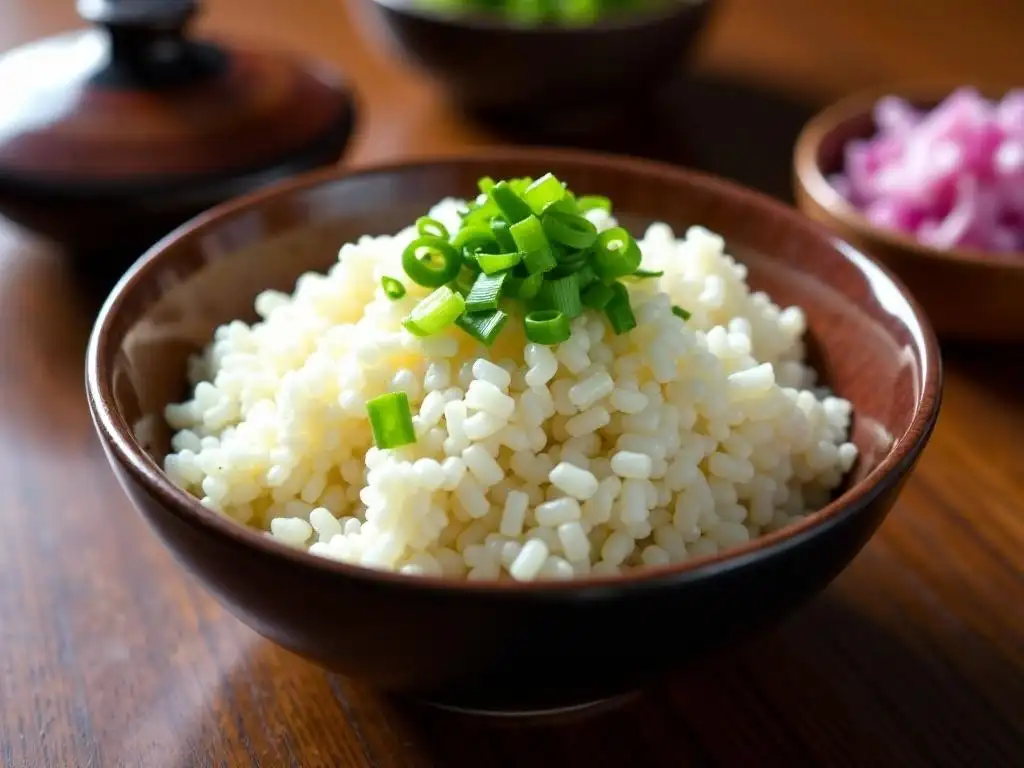
Feudal Japan's culinary landscape was shaped by a unique combination of geography, climate, and agricultural practices. The staple dishes from this era often revolved around a few key ingredients that provided the foundation for a diverse array of meals. Understanding these ingredients is essential for anyone looking to recreate authentic feudal-era dishes in modern kitchens.
Rice Varieties Used in Feudal Japan Cooking
Rice, known as "kome" (米), was the cornerstone of the Japanese diet during the feudal period. Different varieties of rice contributed to various dishes, and their cultivation was influenced by regional climates.
- Koshihikari:
- Originating from the Niigata Prefecture, this short-grain rice variety is prized for its sweet flavor and sticky texture, making it an ideal choice for sushi and traditional rice dishes.
- Akitakomachi:
- A popular variety from Akita Prefecture, Akitakomachi is known for its rich taste and excellent cooking quality, often used in ceremonial meals.
- Mochigome:
- This glutinous rice is essential for making mochi (rice cakes) and was often used in festive dishes, especially during the New Year celebrations.
The significance of rice extended beyond sustenance; it was also tied to social status and religious practices. For instance, rice was often offered to deities during Shinto rituals, signifying its sacred place in Japanese culture.
Seasonal Vegetables and Their Role in Staple Dishes
Vegetables played an integral role in the feudal Japanese diet, not only for their nutritional value but also for their seasonal availability. The Japanese have traditionally embraced a philosophy of eating with the seasons, which enhances the flavors and freshness of the ingredients.
- Daikon (大根):
- This versatile radish was commonly used in soups, pickles, and salads. Its crisp texture and ability to absorb flavors made it a staple in feudal kitchens.
- Negi (葱):
- A type of green onion, negi was frequently used as a garnish or in dishes like soba (buckwheat noodles) and nabe (hot pot), adding a mild onion flavor.
- Nasu (茄子):
- Eggplants were often grilled or stewed. They were not only a source of sustenance but also featured prominently in dishes during the summer months.
Incorporating seasonal vegetables into staple dishes was a way to celebrate the changing seasons and ensure a varied diet, enhancing both flavor and nutrition.
Proteins in Feudal Japanese Diet: Fish, Meat, and Tofu
The feudal Japanese diet relied heavily on proteins sourced from both land and sea. The availability of these proteins often varied by region, influenced by the proximity to water bodies or agricultural practices.
- Fish:
- Seafood was a primary protein source, with sardines, mackerel, and squid being popular choices. Fish was often prepared as sashimi, grilled, or simmered, showcasing the emphasis on freshness.
- Meat:
- While rice and fish were staples, meat consumption varied. Wild game such as deer and boar was hunted, while domesticated animals like pigs and chickens also provided protein, especially in rural areas.
- Tofu:
- Introduced from China, tofu became a significant protein source, especially for Buddhist monks and those adhering to vegetarian diets. Its versatility allowed it to be incorporated into various dishes, from soups to stir-fries.
The combination of these proteins with rice and seasonal vegetables created a balanced and nutritious diet that sustained the population through the feudal era. Exploring these key ingredients allows modern cooks to recreate the flavors and traditions of feudal Japan, offering a delicious glimpse into the past.
Traditional Cooking Methods of Feudal Japan
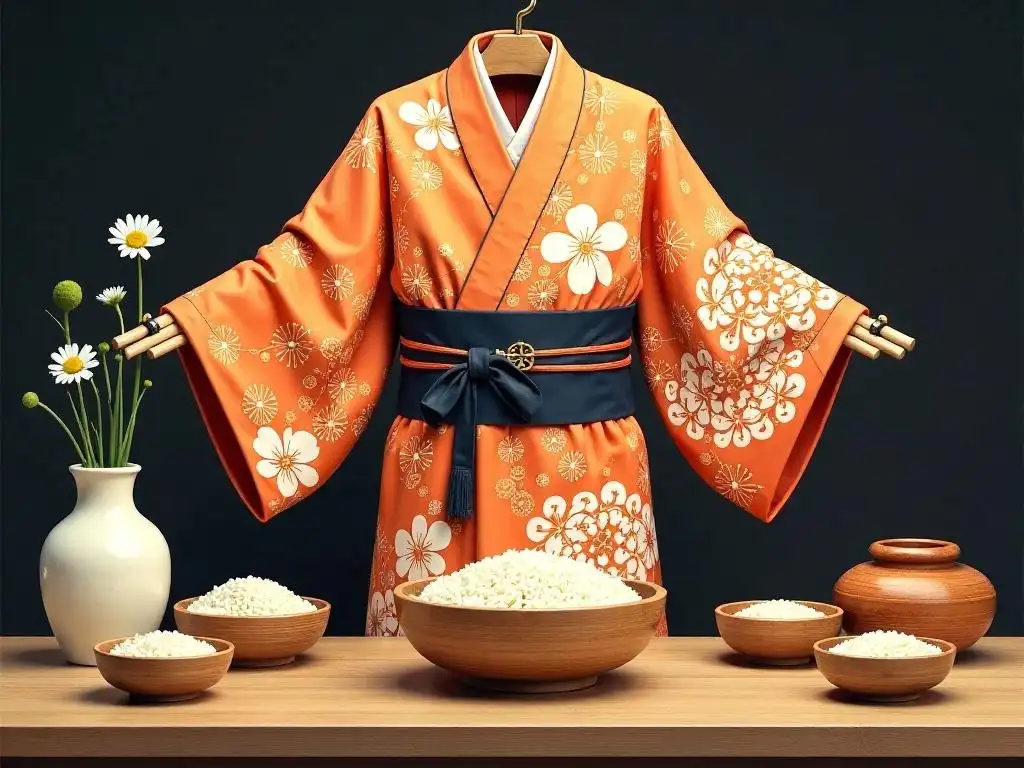
The culinary practices of Feudal Japan were deeply rooted in tradition, reflecting the agrarian lifestyle and seasonal availability of ingredients. The methods employed during this era not only influenced the flavors and textures of dishes but also played a vital role in preserving food. Below, we explore three key cooking methods that shaped the staple dishes of this period.
Steaming: The Art of Cooking Rice Perfectly
Steaming was a fundamental cooking technique in Feudal Japan, particularly for rice, which served as the cornerstone of the Japanese diet. The use of bamboo steamers 🥢 and specially designed pots allowed for the gentle cooking of rice, preserving its delicate flavor and texture.
- Essential Equipment:
- Hangiri: A flat, wooden tub for mixing rice with vinegar after cooking.
- Shaku: A wooden measuring cup used for measuring rice.
- Cooking Process:
- Rinse the Rice: This step removes excess starch, preventing the rice from becoming gummy.
- Soak: Soaking the rice for 30 minutes enhances its texture.
- Steam: Using bamboo steamers, the rice is cooked over simmering water, allowing the grains to absorb moisture evenly.
The result is perfectly fluffy rice, often served with a sprinkle of salt or as a base for various dishes. This technique is not only applicable to rice but can also be used for vegetables and fish, showcasing the versatility of steaming in Japanese cuisine.
Grilling and Searing Techniques for Authentic Flavors
Grilling and searing were prevalent methods in Feudal Japan, particularly for preparing fish and meat. The use of open flames or charcoal, known as sumibi, imparted a unique smokiness and depth of flavor to the dishes.
- Popular Grilling Methods:
- Yakitori: Skewered chicken grilled over a charcoal fire, often glazed with a savory-sweet sauce made from soy sauce, mirin, and sake.
- Saba Shioyaki: Grilled mackerel seasoned with salt, allowing the natural flavors of the fish to shine.
- Key Techniques:
- Direct Heat: Cooking food directly over flames for a charred exterior while keeping the inside tender.
- Marination: Marinating proteins in soy sauce or miso prior to grilling enhances flavor and tenderness.
This cooking method not only emphasizes the quality of ingredients but also aligns with the Japanese principle of umami, the savory taste that is a hallmark of many traditional dishes.
Fermentation: Creating Miso and Pickles
Fermentation played a crucial role in preserving food and enhancing flavors in Feudal Japan. Miso and pickles (tsukemono) were essential components of the Japanese diet, providing both nutrition and taste.
- Miso Production:
- Ingredients: Soybeans, koji (mold spores), and salt are the primary ingredients in miso production.
- Process:
- Soak and Cook Soybeans: The soybeans are soaked overnight and then boiled until soft.
- Mix with Koji and Salt: Once cooled, the soybeans are mixed with koji and salt, then packed into a container.
- Fermentation: The mixture is left to ferment for several months, developing its rich flavor.
- Pickling Techniques:
- Salt Pickles: Simple brines made from salt and water, allowing vegetables to ferment naturally.
- Nukazuke: A method using rice bran to create a flavorful fermentation base for pickling vegetables.
These fermentation methods not only preserved food but also provided essential nutrients during the harsh winters of Feudal Japan, making them indispensable in the Japanese culinary tradition.
By embracing these traditional cooking methods, modern home cooks can recreate the authentic flavors of Feudal Japan, allowing for a delightful culinary journey through history. Each technique highlights the importance of ingredient quality and preparation, laying the foundation for dishes that are not only delicious but also rich in cultural significance.
Signature Staple Dishes from Feudal Japan
Feudal Japan was a time when the culinary landscape was shaped by the availability of local ingredients, cultural practices, and the social hierarchy of the era. Among the myriad of dishes that emerged during this period, several have stood the test of time and can still be enjoyed today. Here, we explore two signature staple dishes from Feudal Japan that you can recreate in your own kitchen: Kamameshi and Dashi.
1. Kamameshi: The Hearty Rice Dish
Kamameshi is a traditional Japanese rice dish that embodies the essence of communal dining and seasonal ingredients. Originating from the Edo period, this dish is characterized by its unique cooking method — rice is cooked in a pot, often with a variety of vegetables, meats, and seafood, creating a flavorful one-pot meal.
Ingredients and Preparation of Kamameshi
To prepare Kamameshi, you'll need the following ingredients:
- 2 cups rice (preferably short-grain Japanese rice)
- 3 cups dashi (or water)
- 1 cup seasonal vegetables (such as mushrooms, carrots, and bamboo shoots)
- Protein options (chicken, fish, or tofu)
- Soy sauce and mirin for seasoning
- Optional garnish: green onions or shiso leaves
Preparation Steps:
- Rinse the Rice: Wash the rice under cold water until the water runs clear. This removes excess starch and helps achieve the right texture.
- Soak the Rice: Allow the rice to soak in water for about 30 minutes. This step helps the rice absorb moisture and cook evenly.
- Combine Ingredients: In a heavy pot (or a traditional kamameshi pot), add the soaked rice, dashi (or water), and vegetables. Add your chosen protein and season with soy sauce and mirin.
- Cook the Dish: Bring the mixture to a boil over medium heat. Once boiling, reduce the heat to low, cover, and let it simmer for about 20-25 minutes, or until the rice has absorbed all the liquid.
- Serve: Fluff the rice gently with a fork, garnish with green onions or shiso leaves, and serve hot, allowing everyone to enjoy the communal aspect of this dish.
Variations of Kamameshi through the Ages
Over the centuries, Kamameshi has evolved, showcasing regional ingredients and culinary influences. Here are some notable variations:
- Seafood Kamameshi: Utilizing fresh catches like shrimp, clams, and fish, this variation highlights the coastal regions of Japan.
- Vegetarian Kamameshi: With the rise of vegetarianism, many have adapted this dish using seasonal vegetables and tofu.
- Festival Kamameshi: During festivals, Kamameshi may include luxurious ingredients like truffles or wild mushrooms, making it a celebratory dish.
2. Dashi: The Umami Base of Many Dishes
Dashi is a fundamental component of Japanese cuisine, serving as the base for countless soups, stews, and sauces. Its deep umami flavor comes from ingredients such as kombu (dried kelp) and katsuobushi (dried bonito flakes). Understanding how to make Dashi is essential for anyone looking to explore the flavors of Feudal Japan.
How to Prepare Authentic Dashi at Home
Creating authentic Dashi at home is straightforward and requires minimal ingredients. Here’s how you can do it:
Ingredients:
- 4 cups water
- 1 piece of kombu (about 10 cm)
- 1 cup katsuobushi (dried bonito flakes)
Preparation Steps:
- Soak the Kombu: In a pot, combine the water and kombu. Let it soak for at least 30 minutes (or overnight for a stronger flavor).
- Heat the Mixture: Slowly heat the pot over medium heat until just before it boils. Remove the kombu when you see bubbles forming to prevent bitterness.
- Add Katsuobushi: Once the kombu is removed, add the katsuobushi to the pot. Boil for about 2-3 minutes.
- Strain the Dashi: Remove from heat and strain the mixture through a fine mesh sieve or cheesecloth, discarding the bonito flakes.
- Store or Use Immediately: Your Dashi is now ready to be used in soups, sauces, or as a cooking broth. It can be stored in the refrigerator for a few days or frozen for later use.
By mastering these Feudal Japan staple dishes, you not only connect with the rich culinary history of the era but also bring a taste of tradition into your modern kitchen. Enjoy your cooking journey!
3. Sushi: The Evolution from Feudal Staple to Modern Delight
Sushi, now a global culinary sensation, has its roots deeply embedded in the feudal era of Japan. Originally, sushi was not the elaborate rolls we see today but rather a method of preserving fish using fermented rice. This technique, known as narezushi, involved wrapping fish in rice to allow it to ferment, which extended the shelf life of the protein. Over time, as preservation methods evolved and rice became a staple of the Japanese diet, sushi transformed into a more immediate dining option.
By the Edo period (1603-1868), sushi began to resemble the more familiar forms of nigiri and maki that we enjoy today. Street vendors in bustling Edo (modern-day Tokyo) would serve fresh fish atop small balls of vinegared rice, making it a quick and convenient meal for the common populace. This shift marked sushi's evolution from a preservation method to a celebrated dish, showcasing the rich marine bounty of Japan's waters.
The modern interpretations of sushi, with their intricate presentations and diverse ingredients, owe their lineage to these feudal innovations. As sushi spread beyond Japan, it adapted to local tastes, resulting in various styles and flavors. Today, sushi remains a cultural emblem, bridging the past with contemporary culinary practices.
Traditional Sushi Techniques from the Feudal Era
The traditional sushi techniques from the feudal era reveal the ingenuity of Japanese cuisine. Here are a few key methods that have stood the test of time:
- Narezushi: This ancient form of sushi involved fermenting fish with rice, which was discarded after fermentation. This method not only preserved fish but also imparted a unique flavor.
- Nigiri: Originating in the Edo period, nigiri sushi is made by hand-pressing rice topped with fresh fish. The art of crafting nigiri requires skill and a deep understanding of the balance between fish and rice.
- Maki: Rolled sushi, or maki, became popular later on. This technique uses a mat to roll rice and fillings in seaweed, allowing for creative combinations and presentations.
- Vinegared Rice: The introduction of vinegar to rice transformed the flavor profile and texture, enhancing the overall sushi experience. This technique was pivotal in making sushi a favored dish.
These techniques not only highlight the craftsmanship involved in sushi-making but also reflect the cultural significance of food in feudal Japan, where each meal was a celebration of seasonal ingredients and regional flavors.
4. Miso Soup: A Comforting Feudal Staple
Miso soup, a quintessential dish in Japanese cuisine, has its origins in the feudal era, where it served as a nourishing staple for many households. Made primarily from miso paste, which is fermented soybeans, and dashi (a broth typically made from seaweed and fish), this soup exemplifies the umami-rich flavors that define Japanese cooking.
In feudal Japan, miso soup was not only a source of sustenance but also a reflection of the seasonality and regionality of ingredients. Villagers would often add whatever vegetables were locally available, making each bowl unique. The simplicity of miso soup allowed it to be accessible to all classes, from samurais to farmers, reinforcing its status as a staple dish.
Over the centuries, miso soup has retained its place in Japanese dining culture, often served as part of a traditional breakfast, alongside rice and pickles. Its comforting nature and health benefits continue to make it a favorite among both locals and those exploring Japanese cuisine.
Recipe for Classic Miso Soup with Seasonal Vegetables
Here’s a straightforward recipe to recreate the comforting flavors of feudal Japan’s miso soup at home:
Ingredients:
- 4 cups dashi (Japanese soup stock)
- 3 tablespoons miso paste (red or white, depending on preference)
- 1 cup tofu, diced
- 1 cup seasonal vegetables (e.g., green onions, mushrooms, spinach, or daikon radish)
- Optional: seaweed (wakame), sesame seeds for garnish
Instructions:
- Prepare the Dashi: If using instant dashi, dissolve it in 4 cups of water, following package instructions. For homemade dashi, simmer kombu (kelp) and bonito flakes in water.
- Add Vegetables: Bring the dashi to a gentle simmer. Add your choice of seasonal vegetables and cook until tender, about 5-7 minutes.
- Dissolve Miso: In a small bowl, mix the miso paste with a ladle of hot dashi to create a smooth mixture. Gradually stir this back into the pot, ensuring it doesn’t boil, as boiling can kill the beneficial bacteria in miso.
- Add Tofu: Gently add the diced tofu and let it heat through for another 2-3 minutes.
- Serve: Ladle the miso soup into bowls, garnishing with optional seaweed and sesame seeds.
This classic miso soup is not only a tribute to feudal Japan’s culinary practices but also a dish that can easily be adapted to modern tastes, making it a perfect addition to your home cooking repertoire. Enjoy this dish as a warm embrace of history and flavor!
How to Recreate Feudal Japan Staple Dishes at Home
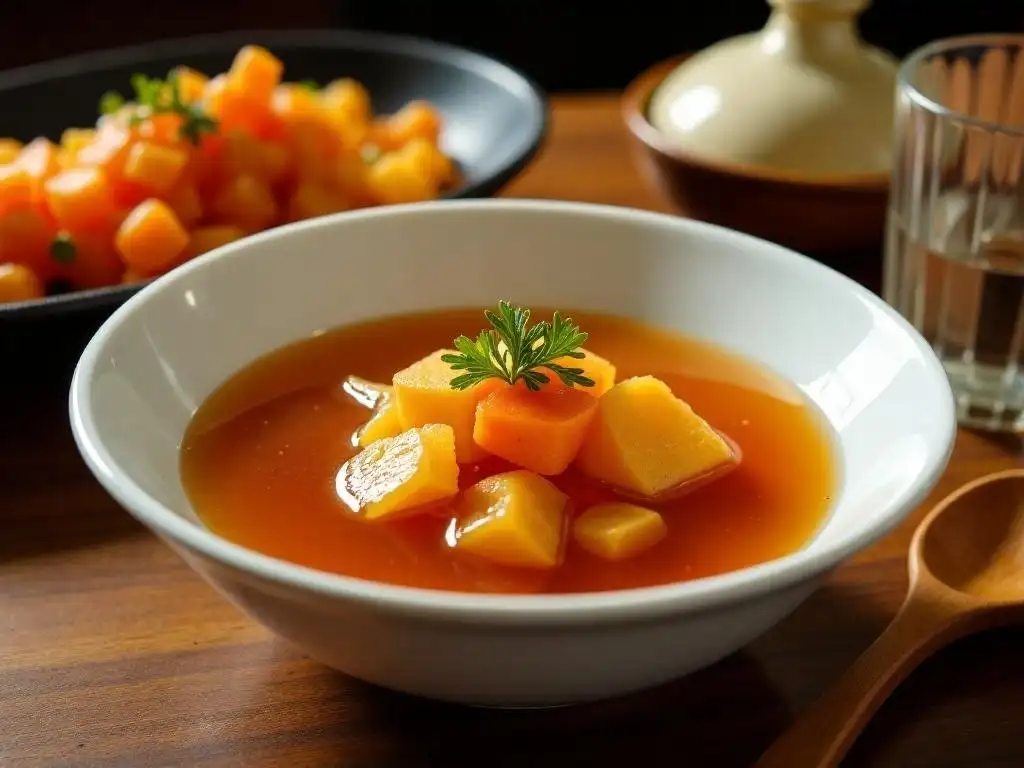
To recreate the flavors and textures of Feudal Japan staple dishes, you don't need to travel back in time; you can bring them to life right in your kitchen. This section will guide you through the essential tools required for cooking and provide a detailed recipe for one of the era's beloved dishes, Kamameshi.
Essential Tools for Cooking Feudal Japanese Dishes
Creating authentic Feudal Japan staple dishes necessitates the right tools and equipment. Below are some of the essential items that will enhance your cooking experience.
Recommended Cookware and Utensils (e.g., Donabe, Tataki)
-
Donabe
A traditional Japanese clay pot, perfect for steaming rice or making hot pot dishes. Its ability to retain heat makes it ideal for slow-cooking and enhancing flavors.
-
Tataki
This refers to a cooking method as well as a grill-like pan. A tataki grill is excellent for searing meats and vegetables, allowing for a smoky flavor reminiscent of Feudal Japan's cooking techniques.
-
Hangiri
A flat, wooden tub used for cooling and seasoning sushi rice. While primarily associated with sushi, it can also be used to prepare rice dishes like Kamameshi, ensuring the grains remain fluffy.
-
Miso Suribachi
A mortar and pestle made from ceramic or wood, essential for grinding miso and other ingredients to create flavorful pastes and sauces.
-
Shamoji
A flat, wooden spatula essential for mixing rice without damaging the grains, crucial for achieving the desired texture in many dishes.
-
Chawan
A rice bowl that serves not only for serving but also for measuring portions. It reflects the aesthetic beauty prevalent in Feudal Japanese dining.
Step-by-Step Guide to Making Kamameshi
Kamameshi, or "kettle rice," is a quintessential dish that embodies the spirit of Feudal Japan. This one-pot rice dish is cooked with a variety of ingredients, such as vegetables, fish, or meat, making it a versatile meal. Here's how you can recreate this delicious dish at home.
Ingredients
- 2 cups short-grain rice
- 2 ½ cups dashi broth (or water)
- 100g of seasonal vegetables (e.g., carrots, shiitake mushrooms)
- 200g chicken or seafood (e.g., shrimp, fish)
- 2 tablespoons soy sauce
- 1 tablespoon sake
- 1 tablespoon mirin
- Salt to taste
- Optional: garnish with sliced green onions and shiso leaves
Instructions
-
Prepare the Ingredients
Rinse the rice under cold water until the water runs clear. Drain and let it sit for about 30 minutes. Chop the vegetables and protein of your choice into bite-sized pieces.
-
Combine the Ingredients
In a donabe or rice cooker, combine the rinsed rice, dashi broth, soy sauce, sake, mirin, and salt. Stir gently to distribute the ingredients evenly.
-
Layer the Toppings
Arrange the chopped vegetables and protein on top of the rice mixture. Do not stir after adding the toppings; this helps maintain the rice’s texture.
-
Cook the Kamameshi
Cover the pot with a lid and cook on medium heat. If using a donabe, bring it to a gentle boil, then reduce the heat to low and simmer for about 20-25 minutes. If using a rice cooker, follow the manufacturer’s instructions.
-
Let It Rest
Once cooked, turn off the heat and let the Kamameshi sit, covered, for an additional 10 minutes. This resting period allows the flavors to meld and the rice to finish cooking.
-
Serve and Enjoy
Fluff the rice gently with a shamoji, mixing the ingredients together. Serve hot in individual chawan bowls, garnished with green onions or shiso leaves if desired.
By following these steps, you can bring the essence of Feudal Japan into your kitchen and enjoy a hearty meal that reflects the rich culinary history of the era. Happy cooking! 🍚
Tips for Perfecting Your Miso Soup Recipe
Miso soup is a quintessential dish that has been enjoyed in Japan for centuries, embodying the essence of Japanese culinary tradition. To recreate a delicious and authentic miso soup at home, consider the following tips that will elevate your cooking experience:
-
Choose the Right Miso
Miso comes in various types, including white (shiro), red (aka), and mixed (awase).
- White Miso is sweeter and milder, perfect for light soups.
- Red Miso offers a stronger, saltier flavor and is ideal for heartier dishes.
- Mixed Miso provides a balanced profile, giving you the best of both worlds.
Experiment with different types to find the one that suits your taste!
-
Use Quality Dashi
Dashi is the stock base for miso soup, and its quality can significantly impact the final dish.
- Kombu Dashi: Made from kelp, this plant-based option is simple and delivers umami flavors.
- Katsuobushi Dashi: Incorporates bonito flakes for a more robust taste.
- For a quick option, instant dashi powders are available, but using homemade dashi will provide the most authentic flavor.
-
Add Fresh Ingredients
The beauty of miso soup lies in its versatility. Consider adding seasonal vegetables and proteins:
- Vegetables: Radishes, mushrooms, green onions, and spinach are commonly used.
- Proteins: Tofu (silken or firm) and seaweed (wakame) are traditional additions.
Aim to incorporate a colorful mix to enhance both presentation and nutrition.
-
Timing is Key
To preserve the unique flavors of miso, it's crucial to avoid boiling the soup after adding miso paste.
- Dissolve Miso Separately: Take a ladle of hot dashi and mix it with miso paste in a separate bowl before returning it to the pot.
- Heat Gently: Once the miso is added, heat the soup gently to prevent destroying the beneficial probiotics.
-
Garnish Creatively
Garnishes can elevate the appearance and flavor of your miso soup.
- Green Onions: Thinly sliced green onions add freshness.
- Sesame Seeds: Toasted sesame seeds introduce a delightful crunch.
- Shichimi Togarashi: This spice blend can add a subtle kick to your soup.
By following these tips, you can create a bowl of miso soup that not only embodies the spirit of feudal Japan but also delights the palate with its rich flavors and comforting warmth. Enjoy the process of cooking, and don't hesitate to experiment with different ingredients to make the recipe your own!
Exploring the Cultural Significance of Feudal Japan Dishes
How Staple Dishes Reflect Feudal Society and Class Structure
The staple dishes of Feudal Japan serve as a fascinating reflection of the complex societal hierarchy and class structure of the time. Food was not just sustenance; it was an indicator of social status and cultural identity. The diet of the samurai, for instance, markedly differed from that of the peasantry, showcasing the disparities in wealth and privilege.
Key Aspects of Class-Based Culinary Practices
- Samurai Diet: The samurai class enjoyed a diverse diet that included rice, fish, and seasonal vegetables. Their meals often featured elaborate preparations, emphasizing presentation and flavor. This abundance was a sign of their elevated social status.
- Peasant Fare: In contrast, the peasant diet was primarily centered around rice, millet, and root vegetables. The simplicity of their meals reflected their hard labor and limited resources. For peasants, rice was a staple, but it was often mixed with barley or millet to stretch limited supplies.
- Regional Variations: The availability of ingredients dictated local cuisines. For example, coastal regions had access to fresh seafood, which was a luxury for those in mountainous areas. Thus, regional dishes emerged, each representing the resources and culture of that area.
Symbolism of Ingredients
Each ingredient used in feudal dishes carried significant meaning. For instance:
- Rice: More than just food, rice symbolized wealth and prosperity. It was often used in rituals and offered to deities as a sign of gratitude and respect.
- Fish: Fish represented both abundance and the connection to nature, essential elements in the Shinto belief system prevalent during the feudal era.
The staple dishes of Feudal Japan are not merely recipes but a rich tapestry interwoven with the threads of social hierarchy, regional diversity, and cultural identity. Understanding these culinary practices provides insight into the values and traditions that shaped Japanese society.
The Rituals and Traditions Surrounding Feudal Meals
The meals of Feudal Japan were steeped in rituals and traditions that transcended mere eating. They were events that reinforced social bonds, cultural values, and spiritual beliefs. The way food was prepared, presented, and consumed played a critical role in daily life and special occasions alike.
Meal Preparation and Presentation
- Seasonal Influence: Dishes were prepared with a strong emphasis on seasonal ingredients, aligning with the Japanese belief in living in harmony with nature. This practice not only enhanced the flavor but also represented respect for the environment.
- Ceremonial Aspects: The preparation of meals often involved specific rituals, such as purification rites before cooking. The act of cooking was seen as a sacred duty, and care was taken to ensure that food was not only delicious but also aesthetically pleasing.
Communal Dining Customs
- Shared Plates: Meals were typically served family-style, with shared plates encouraging communal eating. This practice fostered a sense of community and togetherness among family members and guests.
- Etiquette and Manners: Dining etiquette was crucial in feudal society. For instance, it was customary for the host to serve the guests first, highlighting the importance of respect and hierarchy during meals.
Festivals and Food Offerings
Food played an integral role in various festivals and religious ceremonies. Seasonal festivals often featured specific dishes that symbolized prosperity and good fortune. For example:
- Mochitsuki: The rice cake-making festival celebrated the harvest and involved communal effort to create mochi, representing abundance and community spirit.
- Shinto Offerings: During Shinto rituals, food offerings were made to kami (spirits), reflecting gratitude and a desire for blessings.
In essence, the rituals and traditions surrounding feudal meals were deeply rooted in the cultural fabric of Japan, emphasizing community, respect, and a profound connection to nature and spirituality. Understanding these customs enhances our appreciation for the culinary heritage of Feudal Japan, making it all the more relevant to modern cooks looking to recreate these staple dishes at home.
Conclusion: Bringing Feudal Japan Staple Dishes into Modern Kitchens
Exploring the staple dishes of Feudal Japan not only allows us to appreciate the culinary heritage of the era but also offers an opportunity to recreate these historic flavors in our modern kitchens. By integrating traditional ingredients and techniques into our cooking, we can experience the rich tapestry of flavors that defined Japanese cuisine during this fascinating period.
Embracing Tradition: Why You Should Try These Recipes
Cooking Feudal Japan staple dishes is more than just preparing food; it's an act of embracing history and culture. Here are several compelling reasons to embark on this culinary journey:
- Cultural Connection: Engaging with these recipes helps to connect us with the past, allowing us to understand the lifestyle, customs, and societal structures of the time.
- Nutritional Value: Many staple dishes from Feudal Japan are based on fresh, local ingredients, resulting in meals that are not only flavorful but also nutritious. For example, dishes that emphasize rice, vegetables, and fish are rich in essential nutrients.
- Culinary Skills: Trying your hand at traditional cooking techniques can enhance your culinary skills. Techniques such as steaming, fermenting, and pickling were prevalent in Feudal Japan and can elevate your cooking repertoire.
- Family and Community Bonding: Preparing these dishes can be a communal activity. Involving family members or friends in the cooking process fosters togetherness and creates shared memories around the dining table.
- Sustainability: Many of the ingredients used in Feudal Japan recipes encourage sustainable cooking practices, such as seasonal eating and minimizing waste.
Final Thoughts on the Rich History of Japanese Cuisine
Japanese cuisine is a reflection of the country's history, geography, and culture. The staple dishes from the Feudal era, like soba, miso soup, and narezushi, are not only delicious but also tell a story of the people who lived during that time.
The recipes we've explored offer a glimpse into a world where food was deeply intertwined with daily life, religion, and social status. By preparing these dishes today, we honor the traditions and values of our ancestors while also enjoying the vibrant flavors they cherished.
As you venture into the world of Feudal Japan staple dishes, remember that each meal is an opportunity to connect with history, celebrate cultural diversity, and appreciate the artistry of cooking. So gather your ingredients, roll up your sleeves, and bring a taste of Feudal Japan into your home kitchen. 🍚🍣
Additional Resources for Feudal Japan Culinary Exploration
Recommended Books on Feudal Japanese Cooking
For those looking to deepen their understanding of Feudal Japan staple dishes, several books provide exceptional insights into the culinary practices and recipes of the era. Here are some notable recommendations:
- "The Art of Japanese Cooking" by Junko Takagi
- This book not only covers traditional recipes but also delves into the history and cultural significance of various dishes, including those from the feudal period.
- "Japanese Cooking: A Simple Art" by Shizuo Tsuji
- This comprehensive guide offers a detailed look at Japanese culinary techniques and includes sections dedicated to historical recipes that reflect the feudal era's influence.
- "Kaiseki: The Exquisite Cuisine of Japan" by Yoshihiro Murata
- Although primarily focused on kaiseki, this book provides context to the seasonal ingredients and cooking methods that originated in feudal Japan, making it a valuable resource.
- "The Book of Miso" by William Shurtleff and Akiko Aoyagi
- Miso is a staple in Japanese cooking, with roots tracing back to feudal times. This book covers its history, production methods, and recipes, adding depth to your culinary repertoire.
- "Feasts: The World of Banquets" by David K. Dunaway
- This book explores the cultural aspects of feasting in various societies, including Japan. It provides insights into the types of dishes served during feudal banquets, enriching the understanding of the era's cuisine.
Online Courses and Tutorials for Authentic Japanese Cuisine
To enhance your culinary skills and recreate Feudal Japan staple dishes, several online platforms offer courses and tutorials focused on authentic Japanese cooking techniques. Here are some excellent options:
- Udemy
- Offers various courses on Japanese cooking, including traditional methods and recipes. Look for courses specifically addressing historical dishes from the feudal era, as these will give you both practical skills and context.
- MasterClass
- Features classes by renowned chefs like Masaharu Morimoto, where you can learn the fundamentals of Japanese cuisine. While not exclusively focused on the feudal era, the techniques taught can be applied to historical recipes.
- YouTube Channels
- Channels such as "Cooking with Dog" and "Just One Cookbook" provide tutorials on Japanese dishes, including those that have roots in the feudal period. These visual guides can be incredibly helpful for beginners.
- Skillshare
- Offers classes tailored to Japanese cooking, where you can explore traditional recipes and techniques. Look for classes that emphasize seasonal ingredients and historical context to align with the feudal theme.
- Culinary Institute of America
- Provides online courses that cover various aspects of Japanese cuisine, including traditional cooking methods. Their courses often include historical perspectives, making them suitable for those interested in feudal Japan dishes.
These resources are designed to enhance your understanding and appreciation of Feudal Japan’s culinary heritage, allowing you to recreate authentic dishes in your own kitchen. Whether through books or online courses, immersing yourself in the cooking traditions of the past can enrich your culinary journey.
Frequently Asked Questions
What were the staple dishes in Feudal Japan?
Feudal Japan's staple dishes primarily included rice, miso soup, and various pickled vegetables. These ingredients formed the foundation of everyday meals and were essential for the diet of the time.
How did rice influence the diet in Feudal Japan?
Rice was considered the cornerstone of the Japanese diet during the feudal era. It was not only a primary food source but also held cultural significance, often linked to wealth and status.
What are some traditional recipes from Feudal Japan?
Traditional recipes include sushi, miso soup, and nabe (hot pot). These dishes reflect the seasonal ingredients and cooking techniques prevalent during the feudal period.
How can I recreate Feudal Japan dishes at home?
You can recreate these dishes by using authentic ingredients such as short-grain rice, miso paste, and seasonal vegetables. Various online resources and cookbooks offer recipes inspired by feudal cuisine.
What role did food play in the culture of Feudal Japan?
Food in Feudal Japan was a reflection of social hierarchy and cultural practices. Meals often included ritualistic elements, and the preparation and presentation of food were seen as forms of art and respect.
Final Reflection: Embracing Culinary Heritage for Modern Palates
In exploring the staple dishes of feudal Japan, we uncover a rich tapestry of history, culture, and culinary tradition that remains remarkably relevant today. As we navigate a world increasingly dominated by fast food and convenience, the timeless recipes from feudal Japan remind us of the importance of nourishing our bodies and souls with wholesome, home-cooked meals. These dishes not only provide sustenance but also serve as a bridge connecting us to our ancestors and their way of life.
The influence of feudal Japanese cuisine extends beyond mere sustenance; it has shaped our cultural landscape and continues to inspire chefs and home cooks alike. By embracing these traditional recipes, we honor the craftsmanship and dedication of those who came before us. As the renowned chef Masaharu Morimoto once said, Cooking is about creating an experience, not just a meal.
This sentiment resonates deeply as we incorporate these age-old recipes into our modern kitchens, fostering a sense of community and connection through shared meals.
As you reflect on the culinary journey through feudal Japan, I invite you to take action by trying your hand at these recipes. Let the flavors of the past inspire your present and create a space for meaningful connections around the dinner table. By cooking and sharing these dishes, you not only preserve a vital part of history but also enrich your own life and the lives of those around you. So gather your ingredients, roll up your sleeves, and embark on this delicious adventure—your kitchen awaits!
Unleash Your Inner Chef: Create Authentic Feudal Japanese Dishes!
Thank you for exploring the fascinating world of feudal Japan with us! We hope you enjoyed learning about the staple dishes that shaped this unique culinary history. Now, it's time to bring these vibrant flavors into your own kitchen and experience the magic of these ancient recipes firsthand.
Here are some easy steps to get started on your culinary journey:
- Dive into a recipe: Choose one of the featured dishes from the article and gather your ingredients. Try making your own miso soup or soba noodles for an authentic taste of feudal Japan!
- Share your experience: After cooking, snap a photo and share it on social media, tagging us to showcase how you've embraced these traditional flavors. Encourage your friends to join in the culinary fun!
- Explore a cooking class: Look for local or online classes that focus specifically on Japanese cuisine. Participating in these classes is a fantastic way to deepen your knowledge and meet others who share your passion for cooking!
Which dish are you most excited to recreate, and how do you believe it will connect you to the rich culture of feudal Japan?