
The Art of Tansu: Crafting Traditional Japanese Storage Solutions

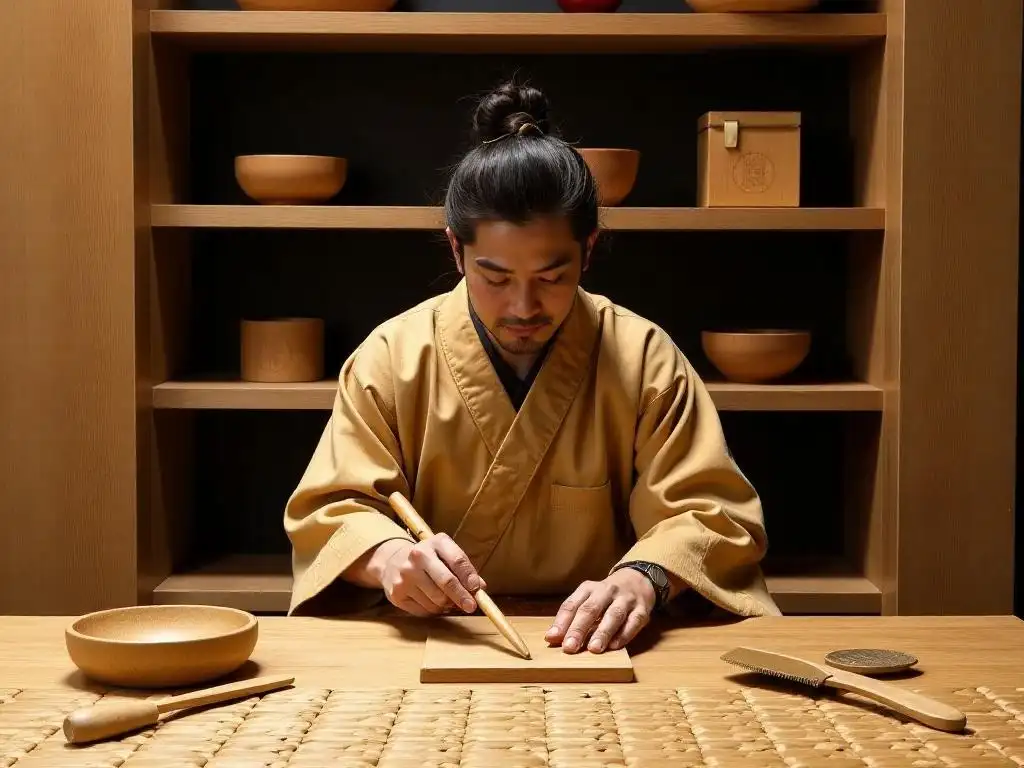
Welcome to Feudal Japan History, where we embark on a captivating journey through the rich tapestry of Japan's feudal era. Here, history comes alive as we delve into the intricate details of cultural practices, societal norms, and historical narratives that shaped this fascinating period. In our latest piece, "The Art of Tansu: Crafting Traditional Japanese Storage Solutions," we invite you to discover the craftsmanship and significance behind these unique storage solutions that reflect the harmony of function and artistry.
What secrets do these timeless pieces hold? Join us as we unveil the stories woven into the very fabric of feudal Japan!
Introduction to Traditional Japanese Storage Solutions
In the rich tapestry of Japanese cultural history, the art of crafting traditional storage solutions stands out as a unique intersection of functionality and aesthetic beauty. Among these, Tansu — a term referring to a variety of wooden storage chests or cabinets — embodies not only practical utility but also reflects the artistic sensibilities and cultural values of its time.
This article delves into the intricate world of Tansu, exploring its historical significance, evolution, and the influences that shaped its design. By understanding Tansu, we gain insight into the broader context of Japan’s feudal era and the everyday lives of its people.
Overview of Tansu and Its Significance in Japanese Culture
Tansu are not merely storage solutions; they represent a cultural artifact deeply rooted in Japanese history. Traditionally crafted from wood and often adorned with intricate metalwork, these pieces served vital roles in households, from storing clothing and personal items to acting as display cases for precious belongings. The craftsmanship involved in creating Tansu reflects a profound respect for materials and an emphasis on simplicity and elegance, hallmarks of Japanese aesthetics.
The significance of Tansu extends beyond their practical use. They embody the principles of balance, harmony, and order that are central to Japanese culture. The careful arrangement of items within a Tansu can symbolize a deeper philosophical understanding of space and organization, making these storage solutions a meaningful aspect of daily life.
Historical Context of Storage Solutions in Feudal Japan
The historical backdrop of Tansu can be traced back to the feudal period of Japan, where societal structures and cultural practices heavily influenced domestic life. During this time, the need for efficient storage solutions arose due to limited living spaces and the necessity of protecting valuable possessions from the elements and potential conflicts.
The evolution of storage solutions mirrors the changes within Japanese society, particularly the transition from the Heian period to the Edo period, which saw shifts in economic stability and social organization. As trade flourished and the merchant class emerged, the designs of Tansu evolved to cater to the tastes and needs of a changing populace, incorporating both functionality and artistic expression.
The Evolution of Tansu: A Historical Perspective
Origins of Tansu in the Edo Period
The Edo period (1603-1868) marks a significant turning point in the development of Tansu. It was during this era that the art of crafting storage solutions became highly refined, with artisans dedicating their skills to creating exquisite pieces that were not only practical but also visually stunning. Tansu were often constructed using local woods such as cypress and elm, and their designs varied significantly based on regional styles and the social status of the owner.
As the demand for Tansu grew, so did the complexity of their designs, leading to the emergence of various types, including Kiri Tansu (Paulownia wood chests) and Bako (boxes for storage). These pieces became integral to Japanese homes, reflecting the status and taste of their owners while serving essential everyday functions.
Influence of Social Hierarchy on Storage Designs
The crafting of Tansu was deeply influenced by the social hierarchy of feudal Japan. The designs and materials used often signified the status of the owner; for instance, samurai families typically possessed more elaborate and finely crafted Tansu compared to those of commoners. This disparity is evident in the intricate lacquerware and metal fittings that adorned the chests of the upper class, while simpler designs characterized those of lower social standings.
Moreover, the evolution of Tansu also illustrates the interplay between practicality and status. As Japan transitioned into modernity, the designs continued to reflect the changing social landscape, adapting to the needs and values of a society that was increasingly blending tradition with modern influences.
Through these lenses, Tansu serve as a fascinating study of cultural history, encapsulating the essence of Japanese life during the feudal era while inviting us to appreciate the artistry involved in traditional Japanese storage solutions.
Types of Tansu: Exploring Various Styles
Tansu refers to traditional Japanese storage solutions that have evolved over centuries, showcasing not only functionality but also artistic craftsmanship. Each type of tansu serves a unique purpose and reflects distinct cultural influences, materials, and construction techniques. Here, we explore the most prominent styles of tansu, each with its own story and characteristics.
Dansu: The Versatile Drawer Storage
Dansu is one of the most common types of tansu, characterized by its multiple drawers. Traditionally used for storing clothing, textiles, and other household items, dansu is appreciated for its versatility and practicality. The design often features a combination of small and large drawers, allowing for organized storage of various items.
The aesthetic of dansu varies significantly depending on the region and the period in which it was crafted. While some dansus are adorned with intricate carvings and lacquer finishes, others may exhibit a more minimalist approach, focusing on the natural beauty of the wood. The materials used can range from sturdy hinoki (Japanese cypress) to more affordable woods, depending on the intended use and the socioeconomic status of the owner.
Katana Tansu: Sword Storage and Its Symbolism
Katana tansu is a specialized type of tansu designed specifically for storing swords, particularly the iconic katana. This storage solution is not just practical; it also symbolizes the importance of the samurai and the warrior class in Japanese culture. Typically, katana tansu features compartments that can securely hold one or more swords, often with additional space for accessories such as scabbards, maintenance tools, and armor.
The design of katana tansu reflects a deep respect for the sword as a cultural artifact. Many katana tansu are intricately decorated, showcasing the craftsmanship that goes into both the furniture and the swords themselves. This type of tansu often incorporates motifs that symbolize strength, honor, and tradition, embodying the values of the samurai ethos.
Kiri Tansu: The Lightweight and Practical Option
Kiri tansu, made from paulownia wood, is known for its lightweight properties and resistance to moisture, making it an ideal choice for storing delicate items such as clothing or textiles. This type of tansu is often utilized in homes that require easy-to-move storage solutions, as it can be relocated without much effort.
The natural light color of kiri wood provides a subtle elegance, allowing it to blend seamlessly into various interior designs. Kiri tansu is often left unadorned or lightly decorated, emphasizing the beauty of the wood itself rather than elaborate embellishments. The practical design and lightweight nature make it a popular choice among those who appreciate both functionality and aesthetics in traditional Japanese storage solutions.
Mizu Tansu: Combining Functionality with Aesthetics
Mizu tansu is a unique type of tansu that originally served as a water storage solution, particularly in rural areas. Characterized by its sturdy construction and watertight design, mizu tansu was used to store not just water but also other items that required protection from the elements.
Over time, mizu tansu has evolved into a stylish storage option that blends functionality with aesthetic appeal. Often crafted from durable woods and featuring beautifully crafted doors, mizu tansu is used in modern homes for various purposes, including as a decorative cabinet or a unique piece of furniture that holds dishes or linens. Its robust design and eye-catching appearance make it a prized possession in many households.
Crafting Techniques of Tansu: Traditional Methods
The craftsmanship behind tansu involves a range of traditional techniques that have been passed down through generations. Each method contributes to the durability, beauty, and functionality of these unique storage solutions. Understanding these techniques provides insight into the artistry and dedication involved in creating tansu.
Materials Used in Traditional Japanese Storage Solutions
The choice of materials is critical in tansu construction, influencing both the durability and aesthetic quality of the final product. Common woods used include hinoki, which is valued for its fragrant properties and resistance to decay; paulownia, known for its lightweight nature; and cedar, appreciated for its beautiful grain patterns.
Additionally, artisans may incorporate other materials like metal for hardware, lacquer for finishing, and textile elements for decorative purposes. The careful selection of these materials is essential not only for the functionality of the tansu but also for its visual appeal, ensuring that each piece is both a practical item and a work of art.
Joinery Techniques: Ensuring Durability and Aesthetic Appeal
Joinery techniques are a hallmark of traditional Japanese woodworking, emphasizing strength and beauty without the use of nails or screws. Artisans employ methods such as mortise and tenon, dovetail joints, and sliding dovetails to create sturdy connections between wood pieces.
These techniques not only enhance the durability of the tansu but also contribute to its aesthetic quality, as the joints are often left exposed, showcasing the craftsmanship involved. Mastery of these joinery methods is essential for creating tansu that can withstand the test of time while remaining visually appealing.
Surface Treatments and Finishes: Preserving Beauty and Function
To protect the wood and enhance its visual appeal, various surface treatments and finishes are applied to tansu. Traditional methods often include natural oils, waxes, and lacquers, which not only provide a protective barrier but also highlight the wood's grain and texture.
Artisans may use techniques such as urushi (Japanese lacquer) to create a glossy finish that adds depth and richness to the piece. These treatments are crucial for maintaining the beauty of tansu while ensuring that the storage solution remains functional in everyday use. Proper care and periodic reapplication of these finishes can significantly extend the life of traditional Japanese storage solutions, preserving their historical and cultural significance for future generations.
Cultural Significance of Tansu in Daily Life
Tansu, the traditional Japanese storage solution, holds a profound cultural significance that extends far beyond its functional purpose. Historically, these beautifully crafted pieces have been integral to Japanese homes, symbolizing not only practicality but also a deep reverence for craftsmanship and aesthetic beauty. The meticulous attention to detail in tansu construction reflects the values of harmony, simplicity, and the appreciation of natural materials that are central to Japanese culture.
In daily life, tansu serves as more than just a storage unit; it represents a way of organizing and preserving the memories and possessions of a household. These pieces often house heirlooms, clothing, and personal items, becoming repositories of family history and tradition. The placement and arrangement of tansu within homes also signify the importance of space management in Japanese interiors, where every piece is chosen with care to enhance the overall ambiance of the living area.
Role of Tansu in Japanese Homes and Interiors
Tansu plays a pivotal role in the design and functionality of Japanese homes. Traditionally, these storage solutions were crafted from wood, often featuring intricate joinery and natural finishes that highlight the beauty of the material. The versatility of tansu allows it to blend seamlessly into various interior styles, from rustic farmhouse aesthetics to minimalist modern designs.
In a typical Japanese home, tansu is strategically placed to optimize space and maintain a sense of order. It often serves as a focal point within a room, with its design and craftsmanship drawing the eye. Additionally, tansu is utilized in various ways: as a sideboard in the dining area, a display unit for decorative items, or even a makeshift partition in open-concept spaces. This adaptability underscores the importance of tansu in achieving both functionality and aesthetic appeal in Japanese interiors.
Symbolism of Storage Solutions in Japanese Art and Culture
Storage solutions like tansu are imbued with symbolism in Japanese art and culture. They embody the concept of "wabi-sabi," which appreciates beauty in imperfection and the transient nature of life. The wear and patina on a tansu piece often tell a story, reflecting the passage of time and the experiences of those who have used it.
Moreover, tansu embodies the principle of "ma," the space between objects that is essential in Japanese aesthetics. The empty spaces around and within tansu encourage mindfulness and appreciation of the objects stored within them, fostering a sense of tranquility and balance in the home. This philosophical approach to storage transcends mere functionality, elevating tansu to a status of cultural significance that resonates deeply within the Japanese ethos.
Contemporary Interpretations of Tansu
As contemporary design evolves, so too does the interpretation of traditional Japanese storage solutions like tansu. Modern artisans and designers are reimagining tansu to meet the needs of today's households while respecting its historical roots. This fusion of tradition and modernity is evident in both the materials used and the overall aesthetic of the pieces.
Modern Adaptations of Traditional Japanese Storage Solutions
Modern adaptations of tansu often incorporate contemporary materials such as metal and glass, while still retaining the essence of traditional craftsmanship. Designers are experimenting with new forms and functionalities, creating tansu that can serve multiple purposes in a home. For example, sleek, minimalist designs may include built-in shelving or modular components that cater to urban living spaces where maximizing functionality is essential.
These adaptations also emphasize sustainability, with many artisans sourcing reclaimed wood and eco-friendly finishes to create tansu that align with modern values of environmental consciousness. The integration of modern technology, such as hidden compartments for cable management in a digital age, showcases the versatility of tansu in meeting contemporary lifestyle demands without sacrificing its cultural heritage.
The Fusion of Tansu with Western Design Elements
The fusion of tansu with Western design elements offers a unique perspective on traditional Japanese storage solutions. As globalization continues to influence interior design, many contemporary tansu pieces reflect a blend of Eastern and Western aesthetics. This can be seen in the use of bold colors and innovative shapes that diverge from traditional expectations while still honoring the craftsmanship inherent in tansu.
Interior designers often incorporate tansu into eclectic spaces, pairing these storied pieces with modern furniture and art to create harmonious environments that celebrate diversity. This cross-cultural exchange enriches the narrative of tansu, making it not only a symbol of Japanese culture but also a versatile element in the global design landscape. By embracing both tradition and innovation, the art of tansu continues to evolve, ensuring its relevance in contemporary living.
Maintaining and Preserving Tansu
The maintenance and preservation of Tansu, traditional Japanese storage solutions, are crucial for ensuring their longevity and beauty. Tansu are not just functional pieces of furniture; they are also artistic expressions of Japan's rich cultural heritage. Proper care involves regular cleaning, avoiding exposure to harsh environmental conditions, and understanding the materials used in their construction.
One essential aspect of maintaining Tansu is to keep them in a controlled environment. Excessive humidity can lead to mold growth and warping of wood, while very dry conditions can cause cracking. Ideally, Tansu should be kept in rooms with stable temperature and humidity levels. Regular dusting with a soft, dry cloth can prevent dirt buildup and preserve the finish.
Additionally, it’s important to periodically check for signs of damage, such as loose joints or scratches. Addressing these issues early can prevent more significant problems down the line. For those who own antique Tansu, consulting with a professional conservator can provide insights on the best maintenance practices.
Best Practices for Caring for Traditional Japanese Storage Solutions
Caring for traditional Japanese storage solutions, such as Tansu, requires a thoughtful approach. Here are some best practices:
- Dust Regularly: Use a soft, lint-free cloth to gently wipe the surfaces of the Tansu. Avoid using water or cleaning solutions that may damage the finish.
- Avoid Direct Sunlight: Keep Tansu out of direct sunlight to prevent fading and discoloration of the wood and lacquer.
- Use Coasters and Mats: To protect surfaces, especially when placing items on top of the Tansu, use coasters or mats. This prevents scratches and marks.
- Inspect and Tighten Hardware: Regularly check hinges, handles, and locks for tightness. This not only ensures functionality but also contributes to the overall aesthetic appeal.
- Minimize Weight: Be mindful of the weight of items stored within the Tansu. Overloading can lead to structural damage over time.
Following these practices will ensure that your Tansu remains a cherished piece of Japanese cultural heritage for generations to come.
Restoring Antique Tansu: Techniques and Considerations
Restoration of antique Tansu is a delicate process that requires both skill and an understanding of historical craftsmanship. When considering restoration, it's essential to maintain the authenticity of the piece while ensuring its usability.
Key techniques for restoring Tansu include:
- Cleaning: A gentle cleaning process using soft brushes and cloths can remove dirt and grime without damaging the finish. Chemical cleaners should be avoided as they can strip the wood of its natural oils.
- Repairing Joints: Loose joints can be re-glued using traditional adhesives that are compatible with the materials, such as rice glue. This method preserves the integrity of the original craftsmanship.
- Refinishing: If the Tansu has significant wear, a light refinishing may be required. This should be done using period-appropriate finishes to maintain historical authenticity.
- Replacing Hardware: If hardware is missing or damaged, seek out period-appropriate replacements. This helps to maintain the aesthetic integrity of the Tansu.
It’s crucial to document any restoration work done, as this adds to the provenance of the piece and informs future caretakers about its history.
Conclusion: The Legacy of Tansu in Japanese Craftsmanship
The legacy of Tansu in Japanese craftsmanship is profound, reflecting centuries of tradition, artistry, and functionality. These storage solutions not only serve practical purposes but also embody the aesthetic values of Japanese culture, emphasizing simplicity, elegance, and harmony with nature.
Tansu represents a unique intersection of art and utility, showcasing the skill of craftsmen who have passed down their techniques through generations. This legacy is not just confined to the physical pieces but extends to the cultural practices surrounding their creation and use.
The Enduring Appeal of Traditional Japanese Storage Solutions
The enduring appeal of traditional Japanese storage solutions like Tansu lies in their timeless design and functionality. As modern living spaces evolve, many people seek out minimalist and functional furniture that also tells a story. Tansu fits this need perfectly, offering a blend of historical significance and practical use.
Moreover, the craftsmanship involved in creating Tansu is highly regarded. The meticulous attention to detail and use of high-quality materials make these pieces not only durable but also aesthetically pleasing. This fascination with Tansu has led to a resurgence in interest among collectors and interior designers alike.
Future Trends in Tansu Craftsmanship and Design
As we look to the future, Tansu craftsmanship and design are likely to evolve while still respecting traditional methods. Emerging trends may include:
- Sustainable Materials: With an increased focus on sustainability, future Tansu designs may incorporate eco-friendly materials and practices, appealing to environmentally conscious consumers.
- Hybrid Designs: Contemporary adaptations of Tansu could blend traditional aesthetics with modern functionality, such as integrating technology while maintaining the charm of classic designs.
- Customization: As personalization becomes more popular, craftsmen may offer more customizable options, allowing buyers to tailor Tansu to their specific needs and tastes.
While Tansu will always honor its historical roots, its future is bright, with innovative trends that respect tradition while embracing modernity. These developments ensure that traditional Japanese storage solutions will remain relevant and cherished in homes around the world.
- Introduction to Traditional Japanese Storage Solutions
- The Evolution of Tansu: A Historical Perspective
- Types of Tansu: Exploring Various Styles
- Crafting Techniques of Tansu: Traditional Methods
- Cultural Significance of Tansu in Daily Life
- Contemporary Interpretations of Tansu
- Maintaining and Preserving Tansu
- Conclusion: The Legacy of Tansu in Japanese Craftsmanship
Frequently Asked Questions
What is Tansu in the context of Japanese storage solutions?
Tansu refers to traditional Japanese storage cabinets or chests, known for their craftsmanship and functionality, designed to store various items while maintaining aesthetic appeal.
How did Tansu evolve during Japan's feudal era?
During the feudal era, Tansu evolved to meet the needs of changing lifestyles and societal structures, incorporating new designs and materials while reflecting the cultural values of the time.
What are the key features of traditional Tansu cabinets?
Key features include sliding doors, multiple compartments, and a modular design that allows for easy organization, all crafted from high-quality wood to ensure durability.
How do traditional Japanese storage solutions differ from modern ones?
Traditional Japanese storage solutions like Tansu emphasize minimalism, natural materials, and aesthetic harmony, whereas modern solutions often prioritize functionality and space efficiency.
Where can I find authentic Tansu cabinets today?
Authentic Tansu cabinets can be found at antique shops, specialized furniture retailers, and online marketplaces that focus on Asian antiques, often highlighting their historical significance.
Final Reflection: Embracing the Timeless Beauty of Traditional Japanese Storage Solutions
The art of Tansu is not merely a craft; it is a testament to the enduring relevance of traditional Japanese storage solutions in our modern lives. As we navigate an increasingly cluttered world, the elegance and functionality of Tansu remind us of the importance of simplicity and intentionality in our spaces. This ancient practice offers a profound lesson: that the objects we choose to surround ourselves with can reflect our values and enhance our well-being.
Cultural heritage is not just a relic of the past; it is a living influence that shapes our present and future. The intricate designs and meticulous craftsmanship of Tansu not only serve practical purposes but also foster a deep appreciation for artistry and sustainability. As we witness a resurgence in minimalism and eco-conscious living, the principles embodied in traditional Japanese storage solutions resonate more than ever. The beauty of Tansu lies in its ability to harmonize form and function, creating spaces that breathe life into our homes.
As you reflect on the lessons of Tansu, consider how you can incorporate the philosophy of traditional Japanese storage solutions into your own life. Take a moment to evaluate your surroundings—what items truly serve you, and which can be let go? Embrace the opportunity to curate your space with intention, allowing the beauty and functionality of Tansu to inspire a more mindful approach to living. In doing so, you not only honor a rich cultural tradition but also pave the way for a more harmonious and fulfilling existence.
Unveil the Elegance of Tansu: Take Action Today!
Thank you for diving into the exquisite world of Tansu! Your interest in traditional Japanese craftsmanship has surely expanded your appreciation for these stunning storage solutions. Now, it’s time to bring that inspiration to life.
Here’s how you can connect deeper with the art of Tansu and share this cultural treasure with others:
- Explore local galleries or antique shops to discover authentic Tansu pieces and learn about their unique histories.
- Share your newfound knowledge with friends on social media! Post about your favorite styles or share a photo of a Tansu piece that captivates you.
- Join an online workshop to learn about the craftsmanship behind Tansu and even try your hand at creating your own unique piece!
What Tansu design resonates with you the most, and how will you incorporate this beautiful craftsmanship into your living space?