
The Cultural Exchange through Naval Warfare: Japan and the West

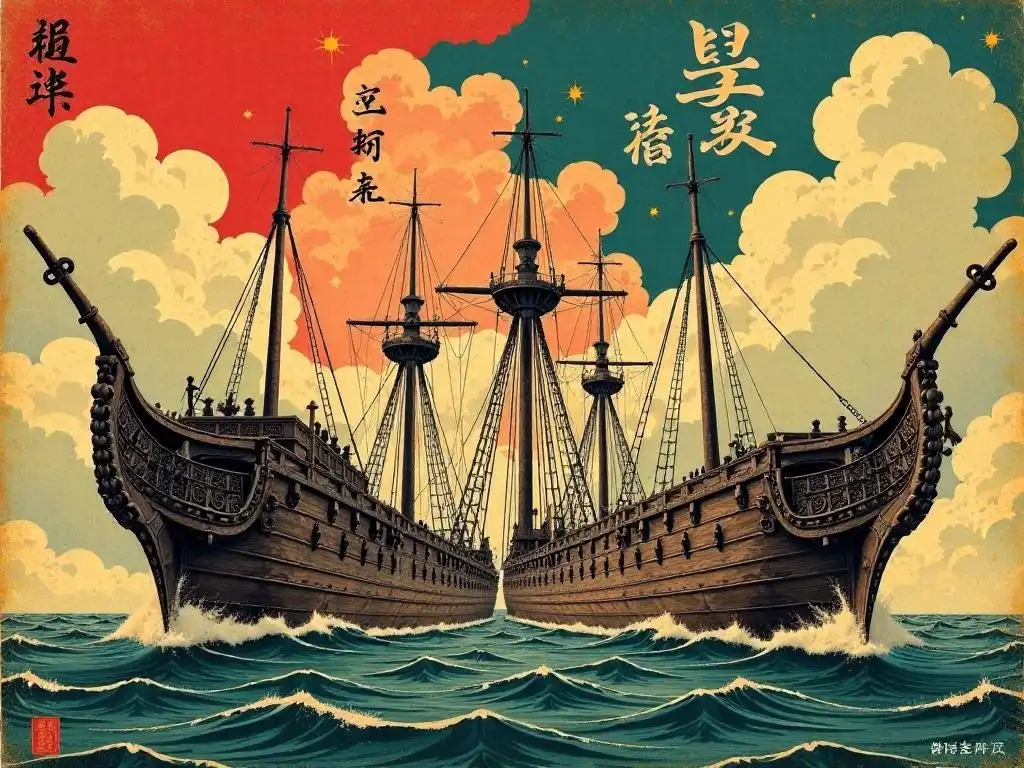
Welcome to Feudal Japan History, your gateway to an intriguing journey through the depths of Japan's feudal era. Here, we delve into the rich tapestry of historical, cultural, and societal narratives that shaped a nation.
In our featured article, "The Cultural Exchange through Naval Warfare: Japan and the West," we unravel the complex layers of cultural exchange in Japan's feudal era, highlighting how naval confrontations not only influenced military strategies but also fostered unexpected connections between East and West. Prepare to embark on a fascinating exploration that will challenge your perceptions and ignite your curiosity—dive in and discover the untold stories that await!
- Introduction to Cultural Exchange in Japan's Feudal Era
- Historical Context of Naval Warfare
- Key Players in the Cultural Exchange
- Major Events of Cultural Exchange through Naval Warfare
- The Impact of Naval Warfare on Japanese Society
- The Exchange of Technology and Knowledge
- Long-term Effects of Cultural Exchange on Japan
- Conclusion
-
Frequently Asked Questions
- What was the primary focus of the article "The Cultural Exchange through Naval Warfare: Japan and the West"?
- How did naval warfare facilitate cultural exchange in Japan's feudal era?
- What were some key cultural influences from the West on Japan during this period?
- How did Japan's feudal system impact these exchanges?
- What role did maritime trade play in cultural exchanges during the feudal era?
- Final Reflection: Embracing the Legacy of Cultural Exchange in Japan's Feudal Era
- Unlock the Secrets of Cultural Warfare!
Introduction to Cultural Exchange in Japan's Feudal Era
The feudal era of Japan, spanning from the late 12th century to the mid-19th century, was a time of significant transformation and interaction, particularly in the context of cultural exchange. This period saw the rise of powerful samurai clans, the establishment of shogunates, and the intricate dynamics of trade and diplomacy with foreign nations. One of the most intriguing aspects of this era is how naval warfare served not only as a means of conflict but also as a conduit for cultural exchange between Japan and the West.
The engagements at sea facilitated the movement of ideas, technologies, and cultural practices, shaping Japan's evolution in profound ways. This article delves into the multifaceted nature of cultural exchange during naval confrontations, illustrating how these encounters contributed to Japan's rich tapestry of history and culture.
Overview of Japan's Feudal Era
Japan's feudal era is characterized by a unique social structure known as the shūen system, where power was decentralized and land was held by local lords, or daimyō, who pledged loyalty to the shōgun. The era saw the establishment of a warrior class, the samurai, who adhered to a strict code of conduct known as bushidō, emphasizing honor, loyalty, and martial prowess.
During this time, Japan experienced periods of both isolation and openness to foreign influences. The Sengoku period (1467-1603), marked by civil wars and the quest for power among rival clans, saw a rise in naval confrontations. These conflicts not only shaped Japan's political landscape but also opened avenues for cultural exchange with Western nations, particularly during the late 16th and early 17th centuries.
- Key Features of Japan's Feudal Era:
- Social Hierarchy: Rigid class structure with the emperor at the top, followed by shōgun, daimyō, samurai, and peasants.
- Cultural Flourishing: Arts, literature, and philosophy thrived, influenced by both indigenous practices and foreign interactions.
- Religious Syncretism: Buddhism, Shinto, and Confucianism coexisted, shaping cultural identities.
Naval warfare played a pivotal role in the cultural exchange between Japan and the West. As Japan engaged in battles on the seas, it encountered Western powers, leading to the introduction of new technologies, military strategies, and cultural practices.
- Technological Advancements: The introduction of Western naval technologies, such as cannon artillery and shipbuilding techniques, significantly impacted Japanese maritime capabilities.
- Trade and Diplomacy: Naval engagements often accompanied diplomatic missions, leading to the establishment of trade routes that facilitated the exchange of goods and ideas. For instance, the arrival of the Portuguese in the 1540s marked the beginning of significant trade exchanges, including the introduction of firearms and various Western goods.
- Cultural Interactions: The interactions at sea fostered a blend of cultural practices, as seen in the adoption of Western art forms, culinary influences, and even religious exchanges, which enriched Japanese culture.
The interplay of naval warfare and cultural exchange in Japan's feudal era illustrates a dynamic historical narrative where conflict catalyzed transformation and integration of diverse cultural elements. As we delve deeper into specific episodes and their implications, this article aims to provide a comprehensive understanding of how naval confrontations shaped Japan's cultural landscape during this transformative period.
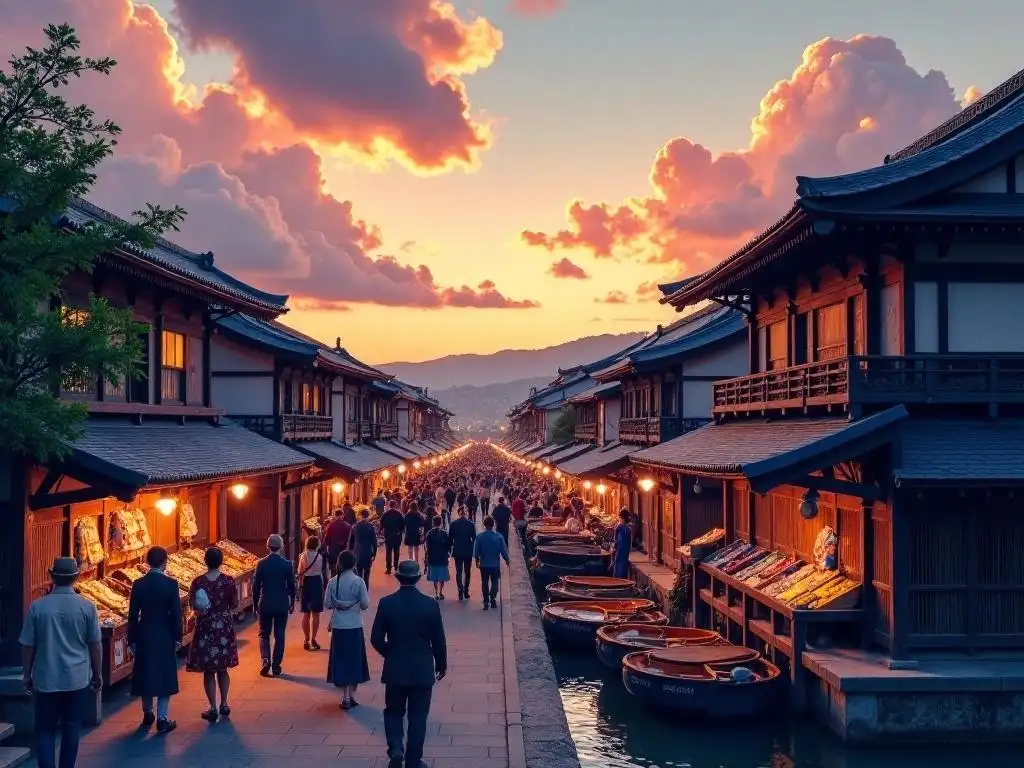
During Japan's feudal era, the development of naval strategies was intrinsically linked to the broader socio-political landscape and the emergence of powerful clans. The Minamoto and Taira clans, engaged in the Genpei War (1180-1185), were among the first to leverage naval power significantly. The conflict highlighted the importance of naval warfare in asserting dominance, as both clans built formidable fleets to engage in battles on water, particularly in the Seto Inland Sea.
The introduction of new shipbuilding techniques and the adaptation of vessels such as the atakebune, a large, flat-bottomed ship, allowed for greater maneuverability and troop transport. These innovations were crucial in the conflicts during the Kamakura period (1185-1333), where naval warfare became a vital component of military strategy. The Mongol invasions of 1274 and 1281 further catalyzed the evolution of Japan's naval capabilities. The Japanese, under the command of the Kamakura shogunate, effectively utilized their knowledge of local waters and ship design to repel the Mongol fleets, showcasing the importance of adaptation and local knowledge in naval warfare.
The arrival of Western powers in the 16th century marked a significant turning point in Japan's naval tactics. The Portuguese, followed by the Dutch and English, introduced advanced naval technologies and warfare strategies that influenced Japanese practices. The introduction of gunpowder weaponry transformed naval engagements, prompting Japanese leaders to rethink their tactics.
One notable instance of Western influence was during the Sengoku period (1467-1615), where the use of cannons on ships became more prevalent. Japanese naval commanders began to integrate these technologies into their fleets, leading to more powerful and effective naval operations. The Battle of Cagayan (1582) between Spanish and Japanese ships exemplified the clash of naval tactics, with Japan’s adaptation to Western firearms playing a pivotal role.
Moreover, the Tokugawa shogunate (1603-1868) recognized the strategic importance of Western naval advancements. After the Perry Expedition in 1853, which forcibly opened Japan to Western trade, the shogunate initiated significant reforms, leading to the establishment of a modern navy. The Meiji Restoration (1868) further propelled Japan towards a new era of naval power, as it sought to adopt and integrate Western naval technology and strategies into its military framework.
By understanding these aspects, we can see how cultural exchange during Japan's feudal era was not only shaped by internal dynamics but also significantly influenced by external forces, particularly through naval warfare.
Key Players in the Cultural Exchange
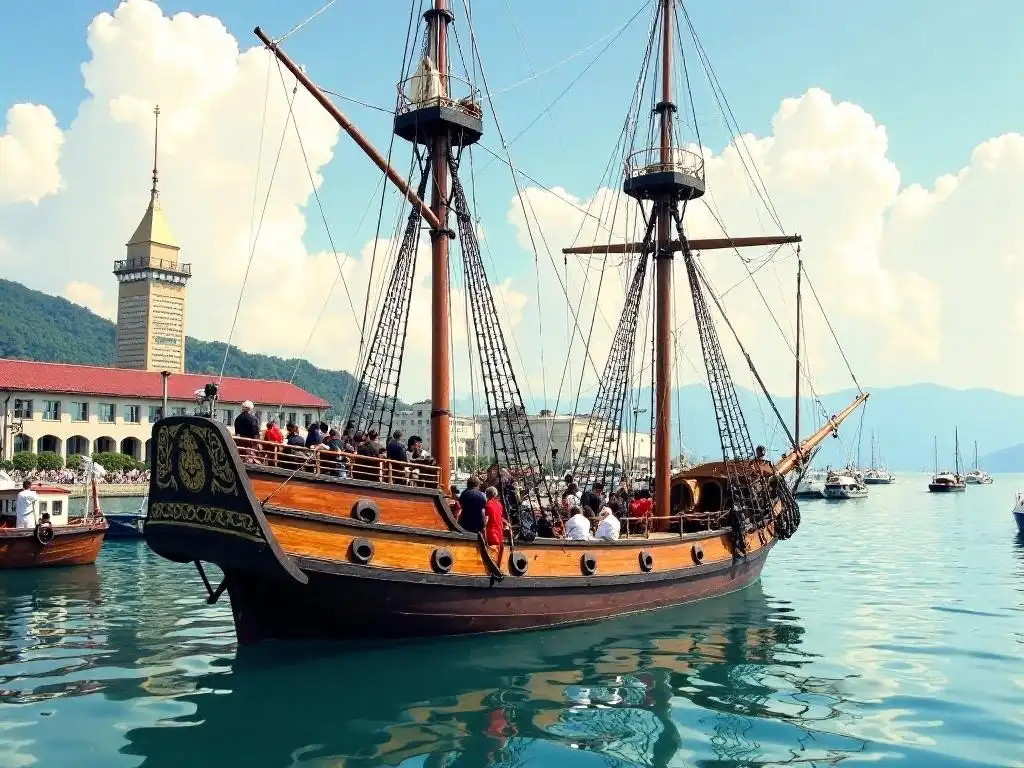
The dynamic interplay between Japan and Western naval forces during the feudal era created a foundation for significant cultural exchange. This interaction was not merely military; it involved the exchange of ideas, technologies, and cultural practices that would shape both Japanese society and the Western perception of Japan.
Japanese Maritime Powers
During Japan's feudal era, particularly from the late 16th century onward, Japanese maritime powers began to flourish. Initially, the Japanese engaged in maritime activities primarily for trade and fishing, but as the demand for foreign goods and the influence of Western powers grew, they began to develop a more robust naval presence.
- Wokou Pirates: These were Japanese pirates who engaged in maritime trade and raids along the coasts of China and Korea. Their activities contributed to the early interactions between Japan and Western traders, as they often disrupted established routes and drew the attention of European naval forces.
- Sengoku Period Clans: Powerful clans like the Toyotomi and Tokugawa recognized the importance of sea power. The Tokugawa shogunate, in particular, began to build a navy to protect trade routes and assert control over regional waters.
- Technological Adoption: The Japanese were quick to adopt Western shipbuilding techniques, which allowed for more formidable vessels. The introduction of firearms and Western naval tactics further enhanced their maritime capabilities.
Through these developments, Japan established itself as a significant player in maritime affairs, paving the way for a multifaceted cultural exchange with the West.
The arrival of Western naval forces in Japan marked a pivotal moment in the cultural landscape of the feudal era. Notable encounters included:
- The Portuguese: Their arrival in the 1540s introduced firearms and trade goods that had a lasting impact on Japanese warfare and culture. The Portuguese also established trade routes and facilitated the exchange of ideas, including aspects of Christianity.
- The Dutch: The Dutch East India Company played a crucial role in trade during the Edo period. The Dutch were one of the few Western nations allowed to trade with Japan under the sakoku (closed country) policy. They brought with them advanced scientific knowledge, art, and literature which influenced Japanese thought.
- American Naval Forces: Commodore Matthew Perry's expedition in 1853-54 forcibly opened Japan to the West, leading to significant changes in Japanese society. The introduction of Western naval technology and practices had profound implications for Japan's modernization efforts.
The interactions with these Western naval forces facilitated a complex cultural exchange that influenced various aspects of Japanese life, from military strategy to art and religion.
The Role of Trade in Cultural Exchange
Trade was a fundamental catalyst for cultural exchange during Japan's feudal era. It provided a framework for interaction that transcended mere commerce:
- Exchange of Goods: The influx of Western goods, such as textiles, spices, and technology, had a transformative impact on Japanese society. Similarly, Japanese products like silk and ceramics found new markets in Europe, increasing cultural appreciation.
- Cultural Artifacts: The importation of Western art and literature led to a burgeoning interest in foreign styles and ideas. The introduction of Western painting techniques, for example, influenced Japanese artists, leading to new artistic movements.
- Knowledge Transfer: The exchange of knowledge was perhaps the most profound aspect of trade. Scientific advancements from the West, particularly in medicine and navigation, were absorbed into Japanese practices, enhancing their understanding of the world.
Through these trade interactions, Japan not only acquired material goods but also engaged in a deeper cultural dialogue that would shape its trajectory well into the modern era. This cultural exchange in Japan's feudal era laid the groundwork for a unique synthesis of Eastern and Western influences that continues to resonate today.
The Arrival of Commodore Perry
In 1853, Commodore Matthew Perry of the United States Navy made a historic entrance into Japanese waters aboard his black ships, marking a pivotal moment in Japan's feudal era and its interactions with the West. This event led to the Convention of Kanagawa in 1854, which effectively ended Japan's 220 years of self-imposed isolation under the Tokugawa shogunate.
The negotiations initiated by Perry were underscored by a combination of military might and diplomatic strategy. Perry's insistence on opening Japan to American trade was facilitated by the display of naval power, as he brought with him a fleet that was technologically superior to any Japanese vessels of the time. This show of force not only intimidated Japanese officials but also sparked curiosity about Western technology and culture.
Key Outcomes:
- Opening of Japan: The Treaty allowed for the establishment of trade relations, with the U.S. gaining access to Japanese ports.
- Cultural Exchange: The influx of foreign goods, ideas, and technologies began to reshape Japanese culture, leading to a blend of Eastern and Western influences.
The arrival of Perry is often viewed as the catalyst for Japan’s rapid modernization during the Meiji Restoration, as it opened the floodgates for further cultural exchanges that would profoundly influence Japanese society.
The Opium Wars and Their Impact on Japan
The Opium Wars (1839-1842, 1856-1860) between Britain and China had significant repercussions for Japan, despite Japan not being a direct participant. As Britain sought to expand its influence in Asia, the resulting shift in regional power dynamics compelled Japan to reconsider its isolationist stance and engage with Western nations more proactively.
The primary impact of the Opium Wars on Japan was the recognition of the vulnerabilities of its own political and military systems. The humiliation China faced at the hands of Western powers served as a wake-up call for Japanese leaders. They realized that failure to adapt to global changes could lead to similar fates. Consequently, Japan embarked on a series of reforms aimed at modernization and strengthening its military capabilities.
Influences of the Opium Wars:
- Awareness of Western Power: The wars highlighted the need for Japan to foster diplomatic relations and military preparedness.
- Cultural Borrowing: Japanese officials began to study Western military tactics, technology, and legal systems, leading to an increased interest in Western education and culture.
In essence, the Opium Wars acted as a critical juncture for Japan, prompting it to engage in cultural exchange and modernization, ultimately positioning itself as a formidable power in Asia.
The Sino-Japanese War and Cultural Implications
The First Sino-Japanese War (1894-1895) marked a significant turning point in East Asian history, showcasing Japan’s emergence as a modern military power. The conflict was largely driven by competition over Korea and demonstrated Japan's successful adoption of Western military technology and strategies.
The victory over China not only bolstered Japan’s national pride but also affirmed its status as an emerging power in the eyes of the West. This triumph facilitated a greater cultural and diplomatic exchange with Western nations, leading to increased interest in Japanese culture abroad.
Cultural Implications:
- Increased Western Interest: Following the war, Japan became a subject of fascination for Western artists and intellectuals, contributing to a cultural exchange that saw Japanese art, fashion, and aesthetics influence Western styles.
- Cultural Nationalism: Within Japan, the war spurred a sense of nationalism and a desire to preserve traditional Japanese culture amidst a rapidly modernizing society, leading to a unique blend of traditional and Western influences.
The Sino-Japanese War thus served as both a military success and a catalyst for cultural exchange, reshaping Japan’s role on the global stage and paving the way for future interactions with the West.
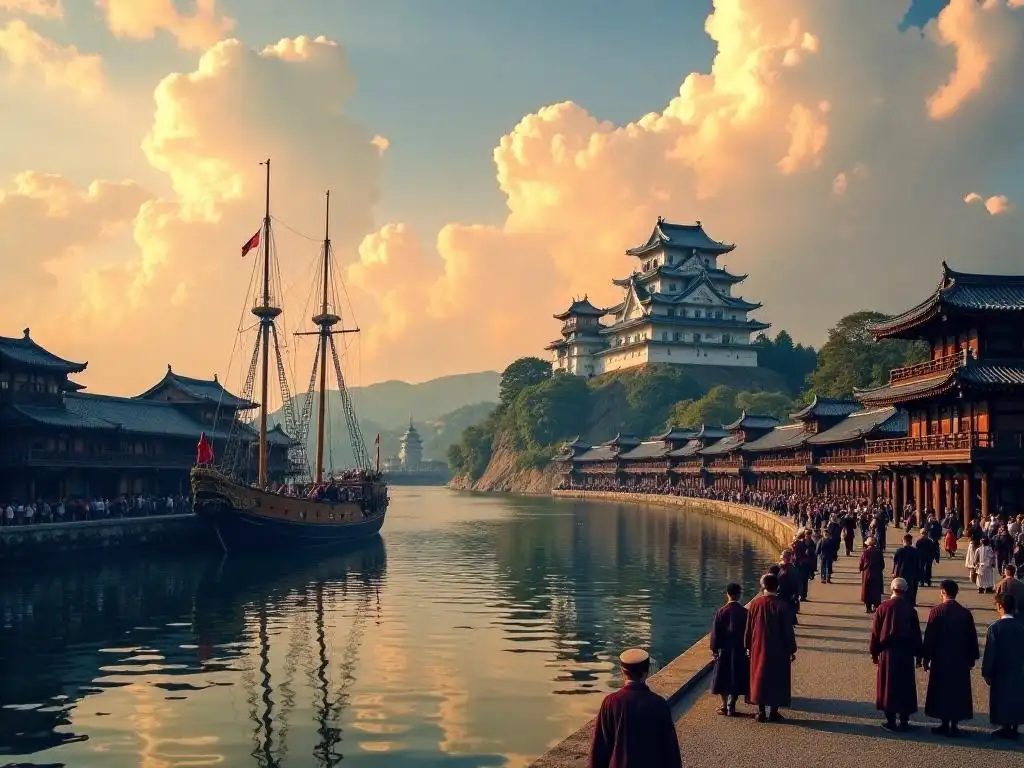
The influence of naval warfare on Japanese society during the feudal era extends far beyond mere military tactics; it permeated various aspects of culture, art, and social organization. This dynamic interaction with naval engagements not only reshaped Japan's military landscape but also fostered a unique cultural exchange that would resonate through the ages.
Changes in Military Organization and Strategy
The advent of naval warfare in Japan prompted significant changes in military organization and strategy. Historically, Japan relied heavily on land-based combat techniques, but the increasing frequency of naval encounters, particularly with Western powers, necessitated a shift in focus.
- Formation of Specialized Naval Forces: The need for naval proficiency led to the establishment of dedicated naval forces. For instance, the Tokugawa shogunate recognized the importance of a powerful navy, leading to the formation of fleets that could protect trade routes and assert territorial claims.
- Adoption of Western Techniques: With encounters with Western naval powers, such as the Portuguese and Dutch, Japan began to adopt new maritime technologies and strategies. The introduction of cannons and advanced shipbuilding techniques marked a turning point in naval warfare.
- Strategic Alliances and Conflicts: The geopolitical landscape of the time saw Japan engaging in both alliances and conflicts with Western nations. The Battle of Fukuda in the early 17th century serves as an example where Japanese naval forces engaged with foreign ships, highlighting the necessity for improved naval tactics and formations.
The transformation in military organization not only enhanced Japan's naval capabilities but also influenced its land warfare strategies, as commanders began to integrate naval insights into broader military planning.
Influence on Japanese Art and Literature
The naval encounters during Japan's feudal era significantly influenced its art and literature, fostering a cultural exchange that integrated Western themes and aesthetics into Japanese expressions.
- Naval Themes in Art: Artists began depicting naval battles and ships in their works, with notable examples like Ukiyo-e woodblock prints illustrating scenes of maritime conflict. These artworks often blended traditional Japanese styles with Western techniques, showcasing the impact of naval warfare on artistic expression.
- Literary Works and Historical Accounts: Literature also reflected the naval experiences of the time. Samurai narratives and historical epics began to include maritime themes, as poets and writers chronicled naval battles and the valor of seafaring warriors. The Tale of the Heike, for instance, includes vivid descriptions of naval engagements, illustrating how deeply naval warfare was woven into the cultural fabric of the era.
- Crossover of Ideas and Techniques: The interaction with Western cultures introduced new literary forms and storytelling techniques. Japanese authors incorporated Western literary styles, leading to a hybridization of narratives that enriched the literary landscape of the time.
This cultural infusion not only transformed artistic and literary expressions but also reflected a broader acceptance of foreign influences, paving the way for a more cosmopolitan society.
Transformation of Maritime Culture in Japan
Naval warfare brought about a profound transformation in Japan's maritime culture, shaping both societal norms and economic practices.
- Development of Trade Routes: The establishment of a strong naval presence facilitated the growth of trade routes, both domestically and internationally. The rise of merchant ships and trade networks allowed for the exchange of goods, ideas, and cultural practices, which further enriched Japanese society.
- Cultural Exchange and Adaptation: As Japan engaged in naval warfare, it encountered diverse cultures, leading to a unique blend of customs and practices. The adoption of foreign culinary styles, shipbuilding techniques, and navigation methods exemplified how naval engagements fostered cultural adaptability.
- Maritime Festivals and Traditions: The importance of the sea in Japanese life was reflected in the emergence of maritime festivals, celebrating the significance of naval prowess and the bounty of the ocean. These festivals often included rituals honoring sea deities, emphasizing the cultural importance of naval history.
The transformation of maritime culture during this era not only highlighted the strategic importance of naval warfare but also celebrated the cultural richness that emerged from Japan's interactions with the West. The legacy of these exchanges continues to resonate in contemporary Japanese society, demonstrating the enduring impact of naval warfare on cultural evolution.
The Exchange of Technology and Knowledge
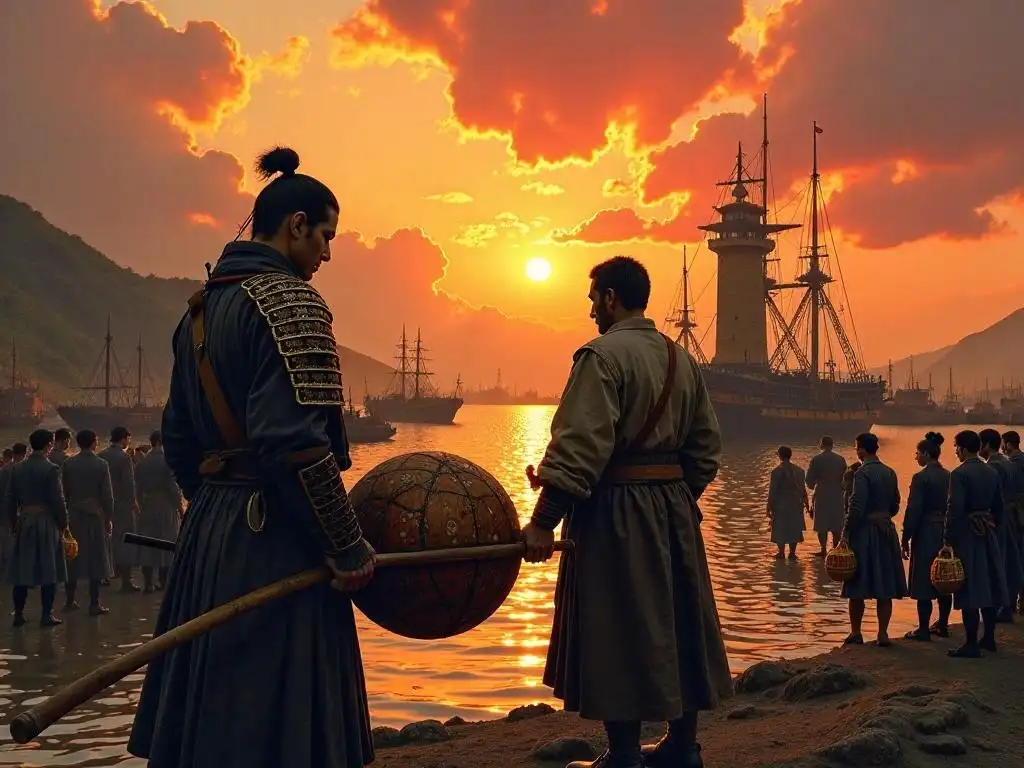
During Japan's feudal era, the exchange of technology through naval warfare significantly impacted the country's maritime capabilities. One of the most pivotal moments was the arrival of the Portuguese in the 16th century, which introduced advanced Western naval technology. This included improvements in ship design, such as the adoption of larger vessels with more robust hulls and the incorporation of cannons, which revolutionized naval engagements.
The Namban trade, or Southern barbarian trade, fostered a unique environment where Japanese shipbuilders began to integrate Western shipbuilding techniques. The introduction of the caravel and later the galleon allowed for greater cargo capacity and improved navigation capabilities. These ships were not only faster but also better armed, thus enhancing Japan's naval power during a time of increasing conflict with European powers.
Key technological adoptions included:
- Cannons and Gunpowder: The use of artillery on ships allowed for long-range engagements, transforming traditional naval tactics.
- Western Navigation Techniques: The introduction of the magnetic compass and improved cartography enabled more precise navigation, expanding Japan's maritime reach.
- Ship Design Innovations: The blending of Western and traditional Japanese designs led to the creation of unique hybrid vessels capable of both trade and warfare.
This adoption was crucial in the context of naval warfare, as it not only strengthened Japan's military capabilities but also facilitated cultural exchanges that would influence art, religion, and trade practices.
Education and training played a pivotal role in the evolution of naval warfare during Japan's feudal era. As Japan began to modernize its navy, the need for skilled sailors and officers became increasingly apparent. The integration of Western naval education methods marked a significant shift in how Japan approached maritime training.
Key aspects of naval education included:
- Formal Naval Academies: The establishment of naval academies modeled after Western institutions provided structured training for aspiring sailors and officers. These academies emphasized subjects such as navigation, ship handling, and gunnery.
- Practical Experience: Training often involved hands-on experience at sea, enabling recruits to develop essential skills in real-world conditions. This practical approach ensured a competent and capable naval force.
- Cross-Cultural Learning: As Western instructors began to teach Japanese students, there was a reciprocal exchange of knowledge. Japanese naval officers were able to share their unique practices, leading to a blend of Eastern and Western naval strategies.
The emphasis on education not only improved naval capabilities but also encouraged a culture of innovation. This was evident in the development of new tactics that incorporated Western techniques while retaining traditional Japanese elements, reflecting the ongoing cultural exchange.
Cross-Cultural Innovations in Shipbuilding
The interaction between Japanese shipbuilders and their Western counterparts led to remarkable innovations in shipbuilding practices during the feudal era. This cross-cultural collaboration resulted in unique designs that combined the strengths of both traditions.
- Hybrid Ship Designs: Japanese shipbuilders began to create vessels that featured Western elements, such as better hull shapes and rigging systems, while still maintaining traditional Japanese aesthetics and construction techniques. This hybridization enabled vessels to perform effectively in both trade and military contexts.
- Materials and Construction Techniques: The introduction of new materials, such as iron for hull reinforcements, allowed for stronger and more durable ships. Japanese artisans adapted these materials into their construction methods, enhancing the overall quality of their naval fleet.
- Cultural Reflections in Shipbuilding: The evolution of ship design also reflected broader cultural exchanges. For instance, the incorporation of decorative elements from Western ships into Japanese vessels showcased a blending of artistic traditions, illustrating how naval innovations were not merely functional but also cultural.
The synthesis of these diverse influences led to a period of growth and development in Japan's maritime capabilities, significantly impacting the nation’s role in regional and global conflicts during the feudal era. This cross-cultural innovation in shipbuilding not only enhanced Japan's naval prowess but also facilitated ongoing cultural exchanges with the West.
Long-term Effects of Cultural Exchange on Japan
Transformation of Japanese Identity
The cultural exchange during Japan's feudal era, particularly between Japanese warriors and Western naval powers, played a significant role in shaping a unique Japanese identity that integrated foreign influences while maintaining indigenous traditions. This transformation can be seen in various aspects:
- Adaptation of Western Technologies: The introduction of Western naval technologies, such as advanced shipbuilding techniques and artillery, prompted the Japanese to innovate their own maritime practices. This adaptation not only enhanced Japan's naval capabilities but also redefined the identity of the samurai, who began to view themselves as modern warriors equipped for global engagement.
- Cultural Syncretism: The interactions with Western traders and sailors led to a blending of cultural elements. For instance, the Japanese began to adopt certain Western customs, clothing, and even culinary practices. This syncretism resulted in a more cosmopolitan society, where traditional Japanese values coexisted with new influences, enriching the cultural tapestry of Japan.
- Philosophical Shifts: The exposure to Western ideas, particularly those related to governance and individual rights, initiated a shift in philosophical thought within Japan. This evolving mindset contributed to a reevaluation of the feudal system and the role of the samurai, paving the way for future reforms.
The cultural exchanges during the feudal era laid the groundwork for Japan's modern naval strategies, which are still influenced by historical precedents. Key points include:
- Strategic Maritime Doctrine: The naval engagements with Western powers, particularly during the late feudal period, led to the development of a strategic maritime doctrine that emphasized both offensive and defensive capabilities. This doctrine evolved into a comprehensive understanding of naval warfare, which continues to inform Japan's contemporary naval strategies.
- International Relations: The interactions between Japanese and Western naval forces during the feudal era established early frameworks for international diplomacy and maritime law, which remain relevant today. Japan's approach to naval engagements has historically emphasized negotiation and collaboration, reflecting lessons learned from past conflicts.
- Technological Innovations: The technological advancements introduced by Western navies prompted Japan to invest in its own military innovations. This legacy of embracing technological change remains a hallmark of Japan's naval strategy, with a focus on modernizing fleets and adopting cutting-edge technologies.
The Legacy of Cultural Exchange in Contemporary Japan
The cultural exchanges of the feudal era have left an indelible mark on contemporary Japan, influencing various facets of society:
- Cultural Festivals and Practices: Many cultural festivals celebrated in Japan today have roots in the interactions with Western cultures. These events often incorporate elements that reflect the historical exchanges, showcasing a blend of traditional Japanese and foreign influences.
- Education and Scholarship: The feudal era's emphasis on learning from Western sources laid the foundation for Japan's modern educational system. Today, Japan boasts a robust educational framework that encourages the study of foreign languages and international relations, reflecting the importance of cultural exchange.
- Art and Literature: Contemporary Japanese art and literature continue to exhibit influences from the feudal period's cultural exchanges. Artists and writers often draw inspiration from both traditional Japanese themes and Western styles, creating a dynamic cultural landscape that honors its historical roots while embracing global perspectives.
The long-term effects of cultural exchange during Japan's feudal era have profoundly shaped the nation's identity, naval strategies, and contemporary cultural practices, creating a legacy that is both rich and complex.
Conclusion
Summary of Key Takeaways on Cultural Exchange in Japan's Feudal Era
The cultural exchange during Japan's feudal era was profoundly influenced by naval warfare and the interactions with Western powers. Key takeaways from this exploration include:
- Impact of Trade Routes: The establishment of trade routes during naval conflicts facilitated exchanges of goods, ideas, and cultural practices between Japan and Western nations. Notable traders such as the Portuguese and Dutch played critical roles in introducing Western technology and philosophies to Japan.
- Technological Innovations: Naval warfare prompted Japan to adopt and adapt Western military technologies. The introduction of firearms and shipbuilding techniques significantly altered Japan's military landscape, leading to a fusion of Japanese and Western combat styles.
- Cultural Syncretism: The interactions between Japanese and Western cultures resulted in a unique blend of traditions. This syncretism is evident in various art forms, culinary practices, and even religious beliefs, showcasing the rich tapestry of cultural exchange that occurred amidst conflict.
- Diplomatic Relations: The necessity for alliances and treaties during naval confrontations led to diplomatic engagements that further enhanced cultural exchange. These relations laid the groundwork for future diplomatic and cultural interactions between Japan and the West.
The legacy of naval warfare in Japan's feudal era continues to resonate in contemporary cultural relations. The initial contacts established during this period have evolved into complex interactions that shape modern Japan's identity and its position in global affairs.
- Globalization of Culture: The early exchanges set the stage for Japan's eventual integration into a globalized world. Modern Japanese culture, from anime to cuisine, reflects the historical interactions initiated during the feudal era, underscoring the enduring impact of those early cultural exchanges.
- Military and Cultural Diplomacy: The lessons learned from naval warfare have informed Japan's approach to military diplomacy. Today, Japan engages in cooperative security arrangements with various nations, fostering cultural exchange through joint military exercises and peacekeeping missions.
- Continued Innovation: The historical context of adopting Western technologies during the feudal era serves as a reminder of the importance of innovation through cultural exchange. Japan's ongoing commitment to technological advancement is a testament to its historical willingness to learn from diverse influences.
The cultural exchange in Japan's feudal era, driven by naval warfare, not only shaped its historical narrative but also continues to influence its cultural and diplomatic relations today. The interplay of conflict and cooperation remains a pivotal aspect of Japan's identity on the global stage.
Frequently Asked Questions
The article emphasizes the impact of naval warfare on cultural exchange between Japan and Western nations during the feudal era, highlighting how military interactions influenced societies.
Naval warfare acted as a catalyst for interactions, introducing Western technologies and ideologies to Japan, which significantly shaped cultural practices and societal norms during the time.
What were some key cultural influences from the West on Japan during this period?
Key influences included artistic styles, military strategies, and philosophical ideas that emerged through contact with Western traders and military forces, enriching Japan's own cultural landscape.
How did Japan's feudal system impact these exchanges?
Japan's feudal system created a structured society where daimyos and samurai were influential, allowing them to selectively adopt and integrate foreign practices that aligned with their political and social goals.
What role did maritime trade play in cultural exchanges during the feudal era?
Maritime trade was crucial as it enabled continuous contact between Japan and the West, facilitating the flow of goods, ideas, and cultural interactions that had a lasting impact on both regions.
Final Reflection: Embracing the Legacy of Cultural Exchange in Japan's Feudal Era
The intricate dance of cultural exchange during Japan's feudal era, particularly through the lens of naval warfare, remains profoundly relevant today. As we navigate a world increasingly defined by globalization, the lessons learned from this historical interplay remind us that conflict can often serve as a catalyst for understanding and collaboration. The fusion of ideas, technologies, and practices that emerged from these encounters illustrates how even the most tumultuous relationships can yield rich cultural tapestries that shape societies.
The impact of cultural exchange during this period continues to resonate in contemporary society, influencing everything from art to technology. The stories of Japanese and Western interactions during naval conflicts reveal a shared humanity that transcends borders and ideologies. As historian John W. Dower aptly stated, "> The past is a foreign country; they do things differently there." This observation invites us to reflect on how our understanding of history can inform our present and future, urging us to appreciate the complexities of cultural interactions that have shaped our world.
As we ponder the lessons of cultural exchange from Japan's feudal era, I encourage you to consider how these insights can be applied in your own life. Reflect on the diverse influences that surround you and seek to engage with them thoughtfully. Embrace the idea that every interaction, whether harmonious or contentious, holds the potential for growth and understanding. By fostering an openness to cultural exchange, we can contribute to a more interconnected and empathetic world, honoring the legacy of those who navigated the turbulent waters of their time.
Unlock the Secrets of Cultural Warfare!
Thank you for taking the time to explore the fascinating interplay between Japan and the West during naval warfare! Your interest in this unique historical exchange has uncovered insights that enrich our understanding of cultural interactions. Now, it’s time to take action!
Here’s how you can dive deeper and further connect with this remarkable history:
- Explore further by reading about significant naval battles and their cultural impacts—there's so much to discover!
- Share your newfound knowledge with friends or engage in discussions in online forums about the cultural exchanges that occur during warfare.
- Consider visiting local museums or cultural centers to see if they host exhibits or events related to Japan’s naval history.
What aspect of the cultural exchange through naval warfare intrigues you the most, and why? We invite you to share your thoughts in the comments!