
Exploring the Culinary Heritage of Feudal Japan: Recipes for Modern Chefs

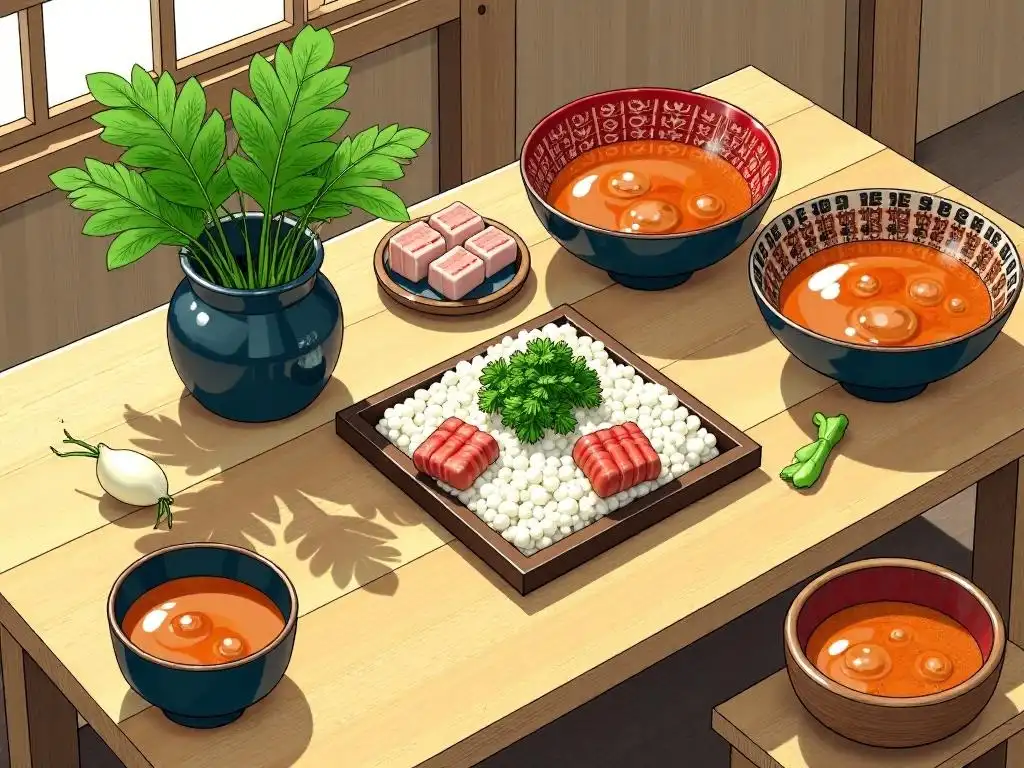
Welcome to Feudal Japan History, where we invite you to embark on an enthralling journey through the rich tapestry of Japan's feudal era. Here, history intertwines with culture, revealing the fascinating culinary traditions of feudal Japan that have shaped the palate of modern chefs. Prepare to uncover the flavors and recipes that not only tantalized taste buds but also narrated the stories of a time long past.
Dive deeper into our latest article, "Exploring the Culinary Heritage of Feudal Japan: Recipes for Modern Chefs," and let your curiosity guide you through the exquisite dishes and traditions that continue to inspire today’s culinary landscape. What secrets do these age-old recipes hold? The adventure awaits!
- Exploring the Culinary Traditions of Feudal Japan: A Historical Overview
- Authentic Feudal Japanese Recipes for Modern Chefs
- Key Ingredients in the Culinary Traditions of Feudal Japan
- The Legacy of Feudal Japanese Culinary Traditions Today
-
Frequently Asked Questions
- What are the culinary traditions of feudal Japan?
- How did social hierarchy affect food in feudal Japan?
- What role did religion play in feudal Japanese cuisine?
- Are there any traditional recipes from feudal Japan that modern chefs can use?
- How can the cultural significance of food in feudal Japan be understood today?
- Final Reflection: Embracing the Culinary Traditions of Feudal Japan
- Savor the Rich Flavors of Feudal Japan!
Exploring the Culinary Traditions of Feudal Japan: A Historical Overview
The culinary traditions of feudal Japan are a rich tapestry woven with historical significance, cultural practices, and societal influences. During this era, which spanned from the 12th to the 19th centuries, Japan's cuisine was shaped by various factors, including regional availability of ingredients, the rise and fall of different social classes, and the evolution of cooking techniques. Understanding these culinary traditions is not merely about recipes; it is an exploration of the very essence of Japanese identity, reflecting the values and lifestyles of the time.
As we delve into this exploration, we will uncover how the samurai class, with its unique perspectives on food and social hierarchy, shaped the culinary landscape. Additionally, we will examine the cultural significance behind various dishes that emerged during this period, many of which continue to influence modern Japanese cuisine. By connecting the past with the present, this article aims to provide modern chefs and food enthusiasts with a deeper appreciation for the dishes rooted in the feudal era, while also offering practical recipes that can be recreated today.
The Influence of the Samurai Class on Feudal Japanese Cuisine
The samurai class played a pivotal role in shaping the culinary traditions of feudal Japan. As the elite warrior class, samurai were not only concerned with martial prowess but also with the cultivation of a refined lifestyle, which included their approach to food. The samurai's dietary choices were influenced by their need for physical stamina, strategic thinking, and the performance of their duties, leading to the development of specific culinary practices.
- Dietary Restrictions and Preferences: Samurai often adhered to dietary restrictions that emphasized simplicity and moderation. Fish, rice, and seasonal vegetables were staples, while meat consumption was generally limited due to Buddhist influences. This led to a focus on umami and the balance of flavors in meals.
- Ceremonial Feasts: The samurai class also embraced elaborate feasts during celebrations and important gatherings. These banquets featured beautifully presented dishes, showcasing not only the culinary skills of the chefs but also the wealth and status of the host.
- Influence on Cooking Techniques: The samurai's emphasis on discipline and precision extended to cooking techniques. Methods such as grilling (yakimono), simmering (nimono), and pickling (tsukemono) became refined, allowing for greater depth of flavor and preservation of seasonal ingredients.
Through these practices, the samurai not only influenced the food they consumed but also established a framework for culinary artistry that persists in modern Japanese cooking.
Understanding the Cultural Significance of Feudal Era Dishes
The dishes that emerged during the feudal era of Japan are imbued with cultural significance, reflecting the values, beliefs, and social structures of the time. Each dish tells a story, offering insights into the lives of those who prepared and consumed them.
- Seasonality and Nature: Feudal Japanese cuisine was deeply connected to the seasons, with dishes crafted to highlight seasonal ingredients. This respect for nature is evident in the presentation of food, which often mimics natural landscapes, emphasizing beauty and harmony.
- Religious and Spiritual Influences: Many dishes were prepared with religious considerations in mind, reflecting the Buddhist principle of mindfulness in consumption. The practice of offering food to deities during festivals is a prime example of how food was intertwined with spirituality.
- Symbolism and Identity: Certain ingredients and dishes held symbolic meanings. For instance, the use of rice is not only a staple but also a symbol of prosperity and fertility. Furthermore, the preparation and sharing of food fostered communal bonds and reinforced social hierarchies.
By understanding the cultural significance behind these feudal era dishes, modern chefs can appreciate the depth and history that informs their culinary practices today. The recipes that have survived the passage of time are not just meals; they are a bridge connecting us to a rich past, filled with flavors, traditions, and stories waiting to be rediscovered.
Authentic Feudal Japanese Recipes for Modern Chefs
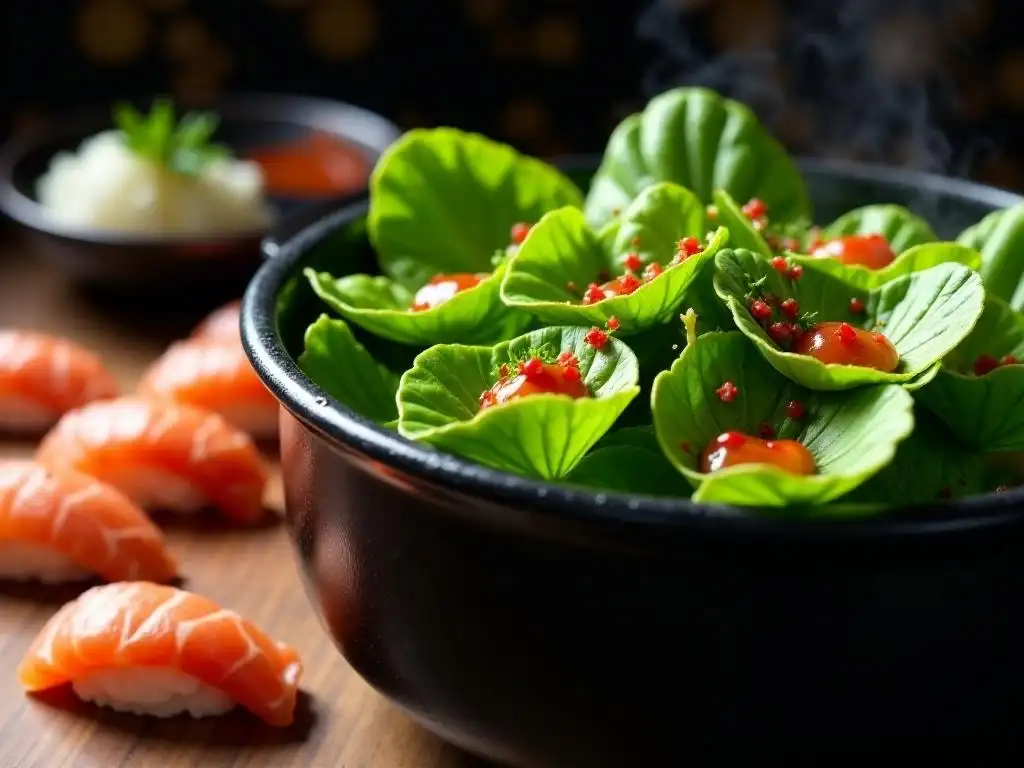
Recipe 1: Miso Soup - A Staple of Feudal Japanese Cuisine
Miso soup, a quintessential dish in the culinary traditions of feudal Japan, has deep historical roots. Originating during the Heian period (794-1185), this comforting soup became a staple in the diets of both the samurai class and commoners. It is traditionally made with miso paste, which is fermented soybean paste, and dashi, a simple broth made from kombu (seaweed) and bonito flakes.
Ingredients
- 4 cups dashi broth
- 3 tablespoons miso paste (white or red, depending on preference)
- 1/2 cup tofu, diced
- 1/4 cup green onions, chopped
- 1/2 cup wakame seaweed (rehydrated, if dried)
Instructions
- In a pot, bring the dashi broth to a gentle simmer.
- In a small bowl, mix miso paste with a ladleful of the hot broth until smooth.
- Add the miso mixture back into the pot, stirring gently to combine.
- Incorporate the tofu and wakame, simmering for an additional 5 minutes.
- Serve hot, garnished with green onions.
Miso soup's versatility allows for various additions, such as mushrooms or seasonal vegetables, reflecting the local ingredients available during the feudal era.
Recipe 2: Soba Noodles - The Heart of Feudal Japanese Meals
Soba noodles, made from buckwheat flour, were a vital component of feudal Japanese cuisine. Not only are they nutritious, but they also symbolize longevity and prosperity, making them a popular choice during celebrations. The simple preparation of soba highlights the importance of quality ingredients, a hallmark of feudal culinary traditions.
Ingredients
- 2 cups soba noodles
- 4 cups water
- 2 tablespoons soy sauce
- 1 tablespoon mirin
- 1 tablespoon sesame oil
- Chopped scallions and nori for garnish
Instructions
- Boil water in a pot and cook soba noodles according to package instructions, typically 4-5 minutes.
- Drain and rinse under cold water to stop the cooking process.
- In a bowl, mix soy sauce, mirin, and sesame oil.
- Toss the cooled noodles with the sauce mixture.
- Serve chilled or at room temperature, garnished with chopped scallions and nori strips.
Soba noodles can also be enjoyed in hot broth or stir-fried, showcasing their adaptability in feudal Japanese cuisine.
Recipe 3: Takikomi Gohan - A Flavorful Rice Dish from the Feudal Era
Takikomi gohan, a rice dish cooked with various ingredients, encapsulates the essence of seasonal cooking in feudal Japan. This dish traditionally utilized leftover ingredients, making it both economical and resourceful. The combination of rice with vegetables, meats, or fish reflects the agricultural practices and seasonal availability of feudal Japan.
Ingredients
- 2 cups Japanese short-grain rice
- 2 1/2 cups dashi broth
- 1 cup seasonal vegetables (such as carrots, mushrooms, and bamboo shoots)
- 1/2 cup chicken or tofu, diced
- 2 tablespoons soy sauce
- 1 tablespoon sake
- Salt to taste
Instructions
- Rinse the rice under cold water until the water runs clear, then drain.
- In a pot, combine the rinsed rice, dashi broth, vegetables, protein, soy sauce, sake, and salt.
- Bring to a boil, then reduce heat to low and cover the pot.
- Cook for 15-20 minutes until the rice is tender and the liquid has been absorbed.
- Let it rest for 10 minutes before fluffing with a fork and serving.
Takikomi gohan is often served at family gatherings and celebrations, symbolizing togetherness and the bounty of nature during the feudal period.
Key Ingredients in the Culinary Traditions of Feudal Japan
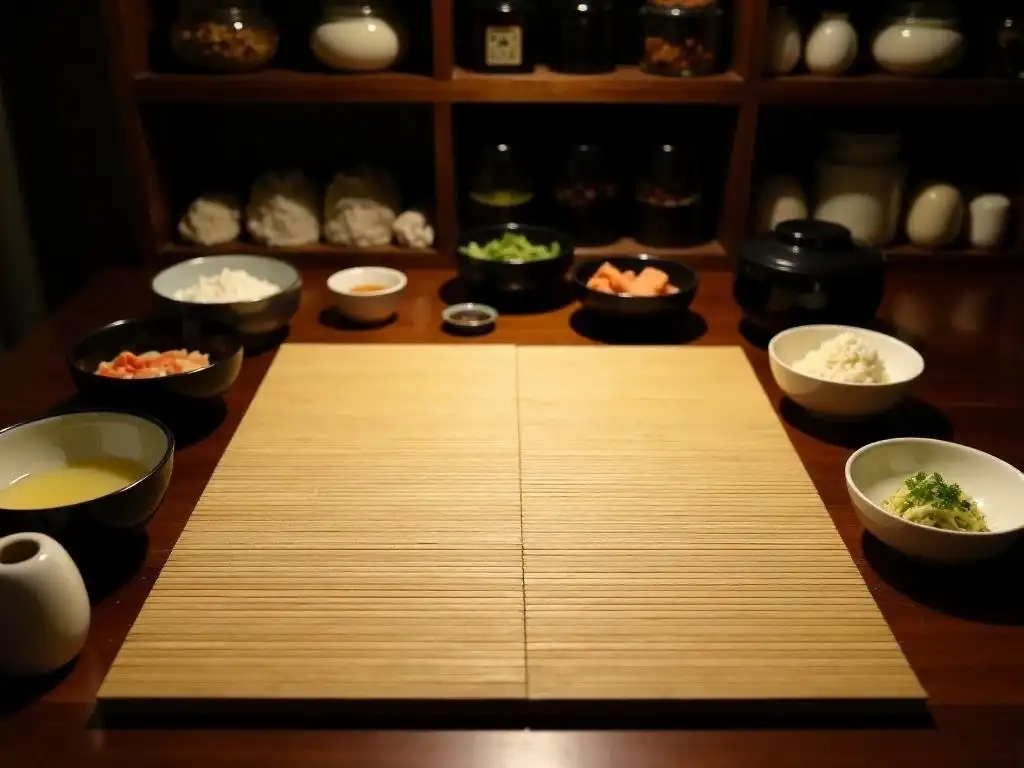
Common Ingredients Used in Feudal Japanese Cooking
The culinary traditions of feudal Japan were shaped by the natural resources available and the agricultural practices of the time. Here are some key ingredients that were staples in feudal Japanese kitchens:
- Rice: The cornerstone of Japanese cuisine, rice was not only a staple food but also a symbol of wealth and prosperity. Varieties such as koshihikari and suehiro were commonly cultivated.
- Soy Sauce: A fermented condiment made from soybeans, wheat, and salt, soy sauce added depth and umami to many dishes. The brewing process was a skilled art, passed down through generations.
- Miso: A fermented soybean paste, miso was used in soups, marinades, and sauces. Different regions produced various types, such as white miso ( shiro miso) and red miso ( aka miso), each with unique flavors.
- Seafood: Given Japan's extensive coastline, seafood played an essential role in diets. Fish like sardines, mackerel, and shellfish were commonly consumed, either raw or cooked.
- Vegetables: Seasonal vegetables such as daikon radish, burdock ( gobo), and lotus root were integral to feudal cuisine. They were often pickled or used in soups and stews.
- Tofu: Made from soybeans, tofu was a versatile protein source, enjoyed in various forms, from silken to firm. It was often paired with miso or used in hot pot dishes.
- Herbs and Seasonings: Ingredients like shiso leaves, green onions, and ginger added flavor and aroma to many dishes.
- Noodles: Though less common in earlier feudal periods, noodles such as soba (buckwheat) and udon (wheat) began to gain popularity towards the end of this era.
Sourcing Authentic Ingredients for Modern Dishes
To recreate the authentic flavors of feudal Japan, sourcing the right ingredients is crucial. Here are some tips for modern chefs looking to incorporate these traditional elements into their cooking:
- Local Asian Markets: Look for local Asian grocery stores that specialize in Japanese products. They often carry essential ingredients like soy sauce, miso, and rice varieties.
- Online Retailers: Many online platforms specialize in Asian ingredients. You can find authentic brands and specialty items that may not be available locally, such as specific types of miso or artisanal soy sauces.
- Farmers' Markets: For fresh vegetables and herbs, visiting farmers' markets can be a great way to find seasonal produce that mirrors what would have been available in feudal times.
- Community Supported Agriculture (CSA): Joining a CSA can provide access to local, organic vegetables. This can help you experiment with traditional recipes that rely on fresh, seasonal ingredients.
- Home Fermentation: Consider making your own miso or pickling vegetables at home. This not only gives you control over the ingredients but also connects you to the traditional methods of feudal cooks.
By focusing on these key ingredients and sourcing them authentically, modern chefs can create dishes that honor the culinary traditions of feudal Japan, bringing historical flavors to contemporary dining experiences.
The Legacy of Feudal Japanese Culinary Traditions Today
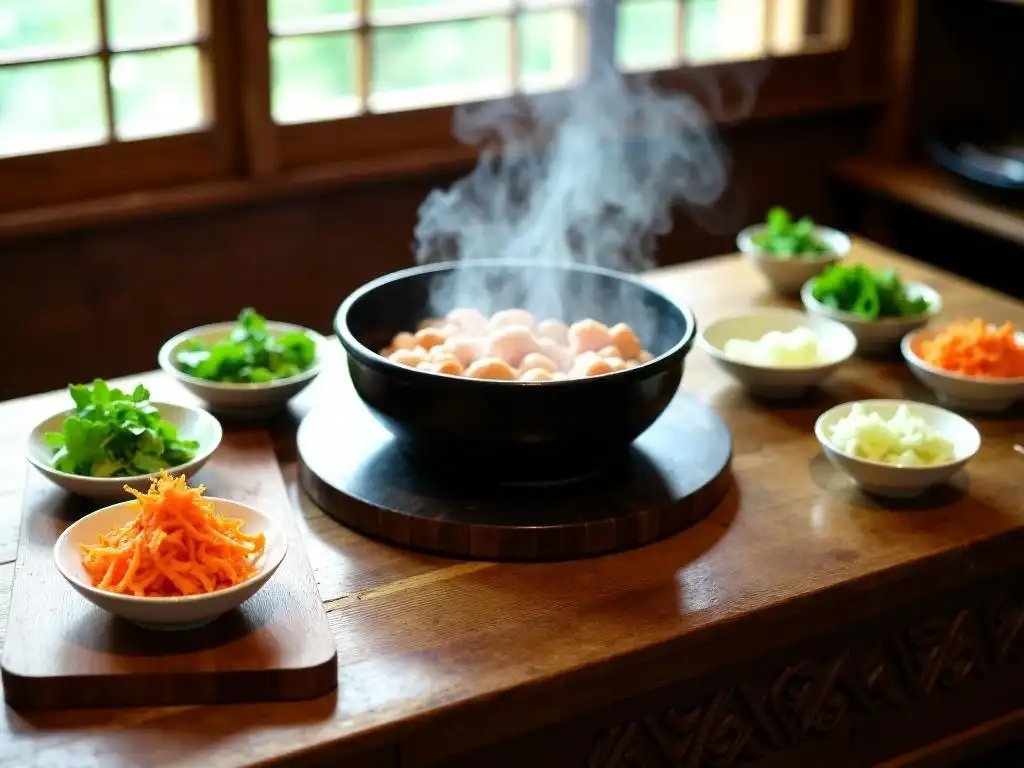
The culinary traditions of feudal Japan have left an indelible mark on modern Japanese cuisine, shaping not only the flavors but also the philosophies surrounding food preparation and consumption. The feudal era, spanning from the 12th to the 19th century, was a time of significant agricultural development, societal stratification, and cultural exchange. These elements coalesced to form a rich tapestry of culinary practices that resonate in today's dishes.
How Feudal Culinary Techniques Influence Modern Japanese Cuisine
Feudal Japan's culinary techniques are foundational to contemporary Japanese cooking. Here are several key influences:
- Seasonal Ingredients: The importance placed on seasonal ingredients during the feudal era persists in modern cuisine. Chefs today emphasize the use of fresh, local produce that reflects the changing seasons. This practice not only enhances flavor but also promotes sustainability.
- Preservation Methods: Techniques such as pickling (tsukemono), fermentation (narezushi), and drying were vital for food preservation in feudal Japan, ensuring that nutrients were retained throughout harsh winters. These methods have been adapted and are now celebrated in dishes like miso and soy sauce, integral components of many Japanese meals.
- Cooking Techniques: Traditional cooking techniques such as grilling (yakiyaki), steaming (mushi), and simmering (nitsuke) have been passed down through generations. Modern chefs frequently utilize these methods to enhance the texture and flavor profile of their dishes, ensuring that the essence of feudal cuisine is preserved while allowing for innovation.
- Presentation: The aesthetic presentation of food, which originated from the samurai culture of feudal Japan, is still paramount in Japanese cuisine today. The practice of arranging dishes artfully to please the eye is seen in kaiseki, a multi-course meal that emphasizes harmony, balance, and beauty.
- Culinary Philosophy: The feudal era's ethos of simplicity and respect for ingredients is echoed in modern culinary practices. The concept of "umami," the fifth taste, was formally recognized during this time, influencing how chefs balance flavors in contemporary dishes.
Preserving the Culinary Heritage of Feudal Japan
Preserving the culinary heritage of feudal Japan is essential for maintaining cultural identity and passing down knowledge to future generations. Here are some methods through which this heritage is safeguarded:
- Culinary Schools and Workshops: Institutions dedicated to teaching traditional Japanese cooking techniques play a crucial role in preserving feudal culinary traditions. These schools often include classes that focus on historical recipes and methods, passing on skills to aspiring chefs.
- Community Festivals: Local food festivals often celebrate traditional feudal dishes, showcasing recipes that have been handed down through families. These events foster a sense of community and encourage younger generations to engage with their culinary heritage.
- Research and Documentation: Scholars and culinary historians actively research and document feudal recipes and cooking practices, ensuring that this knowledge is not lost. Books, articles, and online resources are increasingly available, providing a wealth of information on traditional ingredients and techniques.
- Farm-to-Table Movements: Modern movements that emphasize local sourcing and organic farming align closely with feudal practices. By supporting local farmers and preserving heirloom varieties, chefs can maintain the integrity of feudal culinary traditions.
- Culinary Preservation Groups: Organizations dedicated to preserving traditional Japanese cooking techniques advocate for the continuation of these practices in restaurants and homes. They often promote workshops, cooking classes, and cultural exchanges to keep the spirit of feudal cuisine alive.
The culinary traditions of feudal Japan are not just relics of the past; they continue to thrive and evolve, influencing modern Japanese cuisine while providing a rich heritage for future generations to explore and enjoy.
Frequently Asked Questions
What are the culinary traditions of feudal Japan?
The culinary traditions of feudal Japan were heavily influenced by local ingredients, seasonal availability, and cultural practices. These traditions emphasize simplicity, balance, and the art of presentation.
The social hierarchy greatly influenced food consumption; the elite enjoyed elaborate meals with rare ingredients, while commoners had more modest diets based on staples like rice and vegetables.
What role did religion play in feudal Japanese cuisine?
Religion, particularly Buddhism, shaped dietary practices by promoting vegetarianism and the observance of certain rituals during food preparation and consumption, impacting the overall culinary landscape.
Are there any traditional recipes from feudal Japan that modern chefs can use?
Yes, many traditional recipes from feudal Japan can be adapted for modern chefs, such as sushi, tempura, and various rice dishes that emphasize seasonality and fresh ingredients.
How can the cultural significance of food in feudal Japan be understood today?
Understanding the cultural significance of food in feudal Japan involves exploring themes of hospitality, the art of presentation, and the connection between food and nature, which remain relevant in Japanese cuisine today.
Final Reflection: Embracing the Culinary Traditions of Feudal Japan
The culinary traditions of feudal Japan are not merely relics of the past; they are vibrant threads woven into the fabric of our contemporary culinary landscape. As we explore these age-old recipes and techniques, we uncover a treasure trove of flavors and philosophies that continue to resonate with modern chefs and food enthusiasts alike. The essence of feudal Japan's culinary heritage teaches us that food is more than sustenance; it is a powerful medium for storytelling and cultural expression.
The influence of feudal Japan's culinary traditions extends far beyond the kitchen, shaping our understanding of community, sustainability, and the art of simplicity. As we embrace these practices, we find ourselves connected to a lineage of cooks who valued the harmony of ingredients and the beauty of presentation. Food is a universal language that speaks to the heart and soul of a culture.
This ongoing dialogue between past and present inspires us to honor these traditions while adapting them to our modern palates, fostering a deeper appreciation for the rich tapestry of flavors that define Japanese cuisine.
As we reflect on the culinary heritage of feudal Japan, I invite you to embark on your own journey of exploration and experimentation in the kitchen. Consider how these ancient recipes can inspire your culinary creations, and challenge yourself to incorporate the principles of balance, seasonality, and respect for ingredients into your cooking. Let the lessons of the past guide you as you forge your own path in the culinary world, celebrating the timeless traditions that continue to enrich our lives today.
Savor the Rich Flavors of Feudal Japan!
Thank you for diving into the fascinating culinary heritage of Feudal Japan with us! You’ve uncovered the unique recipes and traditions that crafted a vibrant gastronomic landscape. Now, it’s time to put that inspiration to good use!
Here are some exciting ways to embrace and share the delicious history you’ve just explored:
- Try your hand at one of the traditional recipes and bring the authentic flavors of Feudal Japan into your kitchen.
- Join a local cooking class that focuses on classic Japanese cuisine to deepen your understanding and skills.
- Share your culinary creations on social media, using the hashtag #FeudalJapanCuisine to inspire others to explore these remarkable dishes.
What recipe do you think you'll try first, and how do you envision it connecting you to the rich traditions of Feudal Japan? Let's start the conversation!