
The Influence of Zen Buddhism on Japanese Arts and Crafts

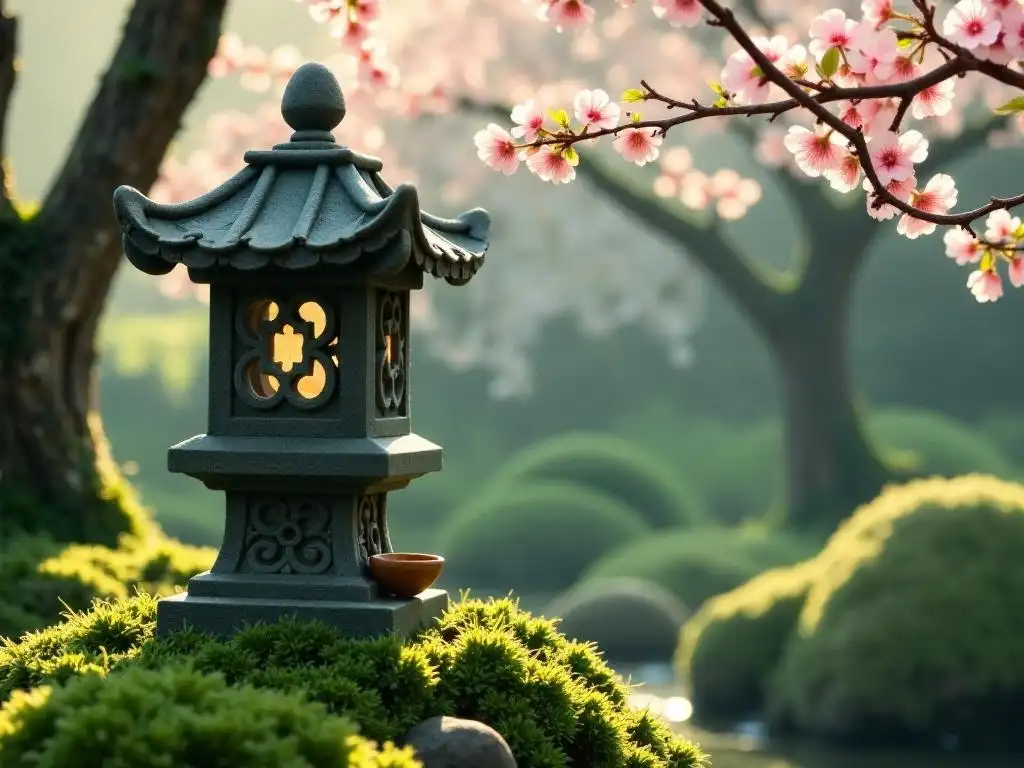
Welcome to Feudal Japan History, where we invite you on a fascinating journey through the intricate tapestry of Japan's feudal era. Here, you’ll uncover the profound influence of Zen Buddhism on Japanese arts and crafts, a theme that resonates deeply with the cultural and societal shifts of the time. As you delve into our expert-driven articles, prepare to be captivated by the harmonious blend of spirituality and creativity that shaped the artistic landscape of a nation. What secrets lie behind the brushstrokes and craftsmanship? Let your curiosity lead you further into this exploration of a rich historical legacy.
Introduction to Zen Buddhism in Japanese Arts
Zen Buddhism, a spiritual and philosophical system that emphasizes meditation and mindfulness, has profoundly shaped the landscape of Japanese arts and crafts. This influence can be traced back to the arrival of Zen teachings in Japan during the Kamakura period (1185-1333), where it began to intertwine with various forms of creative expression.
The principles of Zen, characterized by simplicity, tranquility, and a deep appreciation for nature, resonate within the fabric of Japanese culture, manifesting in diverse art forms such as tea ceremonies, ink painting, ceramics, and garden design. By exploring the intrinsic relationship between Zen Buddhism and Japanese arts, we gain insight into how spirituality can inform and elevate artistic endeavor.
Overview of Zen Buddhism and Its Principles
At its core, Zen Buddhism focuses on the direct experience of reality through meditation and the cultivation of awareness. Key principles of Zen include:
- Mindfulness: Being fully present in the moment, which allows artists to connect deeply with their materials and processes.
- Simplicity: Emphasizing minimalism and the beauty of unembellished forms, encouraging artists to strip away the unnecessary.
- Nature: A profound appreciation for the natural world, often leading to the incorporation of natural elements in artistic expression.
These principles guide not only the techniques employed in the creation of art but also the philosophy behind it, fostering a contemplative approach that enhances the aesthetic experience.
Historical Context of Zen Buddhism in Japan
Zen Buddhism was introduced to Japan from China in the late 12th century, gaining prominence among the samurai class and intellectuals. The establishment of Zen temples across the country, such as Daitoku-ji in Kyoto, served as hubs for both spiritual practice and artistic innovation. During the Muromachi period (1336-1573), the patronage of the Ashikaga shogunate allowed for a flourishing of art forms influenced by Zen principles. This era saw the emergence of distinct styles in various crafts, including:
- Ink Painting (Sumi-e): Characterized by its emphasis on brushwork and the use of negative space, reflecting Zen aesthetics.
- Ceramics: The creation of rustic tea bowls (Chawan) that embody the Zen appreciation for imperfection and natural beauty.
- Garden Design: Zen gardens, or karesansui, exemplify the principles of simplicity and harmony with nature, serving as spaces for meditation.
This historical backdrop provides a rich context for understanding the enduring legacy of Zen Buddhism in Japanese arts and crafts.
The Role of Zen Philosophy in Japanese Arts
Key Zen Concepts that Shape Artistic Expression
Zen philosophy has introduced several key concepts that have significantly influenced Japanese artistic expression. Among these, the following stand out:
- Wabi-Sabi: The acceptance of transience and imperfection, which celebrates the beauty found in the natural world and the aging process.
- Satori: A moment of enlightenment that can inspire artists to transcend conventional forms and create work that resonates on a deeper level.
- Yugen: A sense of mystery and depth that evokes an emotional response, often seen in traditional Japanese poetry and painting.
These concepts encourage artists to explore not just the physical form of their work but also the emotional and spiritual dimensions, leading to a more profound artistic experience.
The Impact of Zen on Aesthetic Values in Crafts
The integration of Zen principles into Japanese crafts has led to a unique set of aesthetic values that prioritize:
- Natural Materials: A preference for organic substances, which aligns with the Zen appreciation for nature.
- Functional Beauty: An emphasis on the utility of objects, where beauty is found in the practical use of the craft.
- Harmony and Balance: A focus on creating pieces that achieve visual and spiritual harmony, reflecting the interconnectedness of all things.
These aesthetic values not only define the artistic output of the period but also continue to influence contemporary Japanese artisans, making the impact of Zen Buddhism a lasting legacy in the world of arts and crafts.
Zen Buddhism’s Influence on Traditional Japanese Arts
Zen Buddhism has profoundly shaped various aspects of traditional Japanese arts, emphasizing simplicity, mindfulness, and the beauty of imperfection. The philosophy of Zen, which encourages practitioners to experience the present moment fully, has led to artistic expressions that prioritize natural beauty, tranquility, and the spiritual connection between the artist and their work.
This influence is particularly evident in disciplines such as painting, calligraphy, and the tea ceremony, where Zen principles guide both technique and aesthetic choices. The meditative nature of these arts fosters a sense of peace and introspection, allowing both the creator and the observer to engage in a deeper appreciation of beauty.
Zen Gardens: The Art of Simplicity and Tranquility
Zen gardens, also known as karesansui or dry landscape gardens, epitomize the Zen aesthetic of simplicity and tranquility. These gardens are characterized by their minimalist design, often featuring rocks, gravel, and carefully placed plants that symbolize natural landscapes such as mountains and rivers. The act of raking the gravel into patterns is not only a form of artistic expression but also a meditative practice that encourages mindfulness and reflection.
The design of Zen gardens is deeply symbolic, representing the transience of life and the importance of harmony between human beings and nature. Visitors to these gardens are invited to reflect on their own lives, creating a space where contemplation and serenity reign. The influence of Zen gardens extends beyond their physical beauty; they serve as a powerful reminder of the values of simplicity and balance that permeate Japanese culture and arts.
The Practice of Zen Calligraphy and Its Significance
Zen calligraphy, or shodō, is an essential art form that reflects the principles of Zen Buddhism. This practice involves writing Chinese characters with brush and ink, emphasizing the importance of the artist's state of mind during the creation process. Each stroke is executed with intention and mindfulness, allowing the calligrapher to express their inner thoughts and emotions.
The significance of Zen calligraphy lies not only in the visual aesthetics of the characters but also in the spiritual journey the artist undergoes. As practitioners engage with the brush, they cultivate a sense of presence, allowing the flow of ink to become a form of meditation. The resulting works often embody a sense of spontaneity and freedom, showcasing the beauty of imperfection and the transitory nature of existence. Zen calligraphy invites viewers to appreciate the deeper meanings behind the characters, transcending mere words to convey profound philosophical ideas.
The Aesthetics of Zen in Japanese Tea Ceremony
The Japanese tea ceremony, known as chanoyu, is a ritualistic practice deeply rooted in Zen Buddhism. This ceremonial art emphasizes harmony, respect, purity, and tranquility, mirroring the core values of Zen philosophy. The aesthetics of the tea ceremony are meticulously designed to create an environment conducive to mindfulness and appreciation of simplicity.
Every element of the ceremony, from the utensils used to the way tea is prepared and served, is imbued with meaning. The choice of tea bowls, often handcrafted and unique, reflects the Zen principle of wabi-sabi, which celebrates the beauty of imperfection and transience. Participants engage in a shared experience that transcends the act of drinking tea, fostering a sense of connection with nature, each other, and the moment itself. This profound engagement with the present is a hallmark of Zen influence, making the tea ceremony a quintessential representation of Zen aesthetics in Japanese culture.
Zen Buddhism and Japanese Crafts
Zen Buddhism has also significantly impacted Japanese crafts, encouraging artisans to embody mindfulness and simplicity in their creations. This influence is evident in various traditional crafts, where the focus on process and the philosophy of imperfection lead to unique and meaningful works. Crafts such as pottery, flower arrangement, and textiles showcase how Zen principles can be woven into the very fabric of craftsmanship, highlighting the relationship between the artisan and their medium.
Pottery and Ceramics: Embracing Imperfection
In Japanese pottery and ceramics, the influence of Zen Buddhism is reflected in the concept of wabi-sabi, which appreciates the beauty found in imperfection and the natural aging process of materials. This approach encourages potters to embrace flaws and irregularities, viewing them as integral parts of the piece's character. The result is often a unique, one-of-a-kind creation that tells a story and reflects the artisan's journey.
Zen pottery emphasizes the connection between the maker and the material, with a focus on mindful creation. The process of shaping clay becomes a meditative practice, allowing artisans to enter a state of flow where they can fully engage with their craft. This philosophy contributes to the overall aesthetic of Japanese ceramics, where the beauty of the piece lies not just in its form but also in the imperfections that make it distinctive.
The Craft of Ikebana: The Art of Flower Arrangement
Ikebana, the traditional Japanese art of flower arrangement, embodies the principles of Zen Buddhism through its emphasis on simplicity, asymmetry, and the interplay of natural elements. Unlike Western floral arrangements, which often prioritize abundance, ikebana focuses on the careful selection and placement of each stem and leaf, creating a harmonious composition that reflects the beauty of nature.
Practicing ikebana involves a meditative approach, where the artist cultivates mindfulness and awareness of their surroundings. Each arrangement is a reflection of the season, the materials used, and the artist's emotional state at that moment. This deep connection between the artist, the materials, and the environment allows for a profound appreciation of the fleeting beauty of life, making ikebana a powerful expression of Zen influence in the realm of crafts.
Textile Arts: Weaving Zen Principles into Fabric
The textile arts in Japan, including weaving and dyeing, also reflect the influence of Zen Buddhism. Craftsmen often approach their work with a sense of mindfulness, focusing on the rhythm and flow of the weaving process. The principles of simplicity and natural beauty guide their choices in materials, patterns, and colors, resulting in textiles that embody a sense of harmony and balance.
In traditional Japanese textiles, the use of natural dyes and fibers reinforces the connection to nature and the importance of sustainability. The imperfections that may arise during the weaving or dyeing processes are celebrated, reflecting the Zen belief in the beauty of the imperfect and the transient. This philosophy not only enhances the aesthetic appeal of the textiles but also imbues them with a deeper spiritual significance, making each piece a unique expression of the artisan's journey and connection to Zen principles.
The Evolution of Zen Influence in Modern Japanese Arts
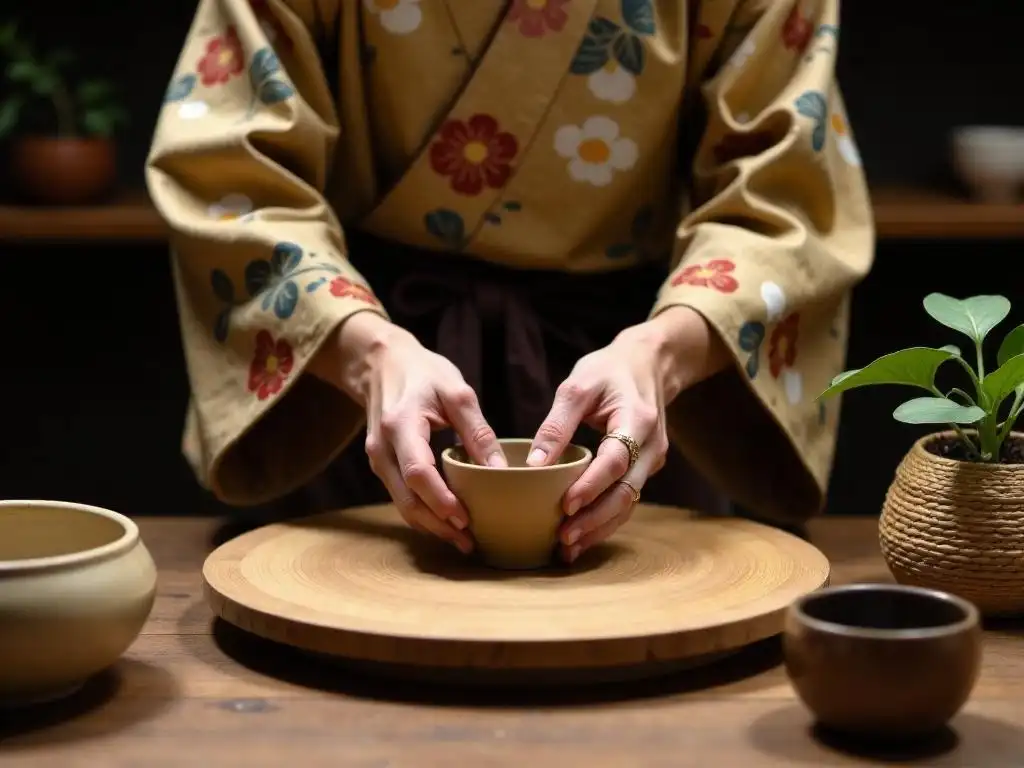
Zen Buddhism has profoundly shaped the trajectory of Japanese arts and crafts, influencing various forms from traditional practices to contemporary expressions. The transition from the classical to modern interpretations of Zen is marked by a continuous exploration of simplicity, nature, and mindfulness. In the early 20th century, artists began to reinterpret Zen aesthetics, bridging the gap between historical traditions and modern sensibilities.
The principles of Zen—such as the appreciation of impermanence (wabi-sabi) and the value of stillness—have permeated various art forms, including painting, ceramics, and calligraphy. For many contemporary artists, Zen serves as a guiding philosophy that informs their creative processes and personal reflections. By embracing Zen's core tenets, artists are able to create works that evoke a sense of tranquility and contemplation, allowing viewers to engage with the art on a deeper level.
As globalization has influenced contemporary art movements, the essence of Zen has been woven into diverse styles, creating a unique fusion of Eastern and Western techniques. Modern Japanese artists often experiment with traditional materials and methods while incorporating contemporary themes, resulting in a dynamic evolution of Zen-inspired art that resonates with audiences worldwide. The enduring influence of Zen Buddhism continues to inspire a generation of artists who seek to convey their understanding of existence through their craft.
Contemporary Interpretations of Zen in Art
Contemporary interpretations of Zen in art are characterized by a blend of traditional aesthetics and innovative practices. Artists today are exploring the relationship between the physical and metaphysical, often using minimalism to create spaces that encourage introspection and mindfulness. This approach resonates with Zen principles, emphasizing simplicity and the beauty found in everyday objects.
One notable trend is the incorporation of natural elements into art. Many contemporary artists draw inspiration from Zen gardens, landscapes, and the changing seasons, using these motifs to evoke a sense of harmony and balance. For instance, installations that utilize organic materials or take advantage of natural light help to create immersive experiences that reflect Zen's connection to nature.
Moreover, performance art has emerged as a significant medium for expressing Zen philosophies. Artists engage in practices such as tea ceremonies or meditative rituals, inviting audiences to participate in the experience of Zen. This interactive approach not only deepens the viewer's understanding of Zen principles but also challenges conventional notions of art as a static object.
Overall, contemporary interpretations of Zen in art serve to bridge the past and present, offering fresh perspectives that honor the rich heritage of Zen Buddhism while adapting to the evolving landscape of modern artistic expression.
The Influence of Zen on Japanese Design and Architecture
The influence of Zen Buddhism on Japanese design and architecture is profound and multifaceted, transcending mere aesthetics to embody philosophical principles. Zen's focus on simplicity, balance, and the harmonious integration of space has led to distinctive architectural styles that prioritize tranquility and reflection.
Traditional Japanese architecture, characterized by wooden structures, sliding doors (fusuma), and tatami mat flooring, embodies Zen principles. The design of these spaces encourages a fluid connection between indoor and outdoor environments, reflecting Zen's appreciation for nature. Gardens are often integral to this experience, designed to evoke landscapes in miniature, allowing occupants to engage with nature in a contemplative manner.
In modern architecture, the influence of Zen can be seen in the work of various architects who emphasize minimalism and functionality. For example, contemporary designs often utilize natural materials and open spaces that facilitate a sense of calm and clarity. The concept of "ma," or negative space, is a crucial element in both traditional and modern Japanese design, emphasizing the importance of what is not present as much as what is.
Additionally, the principles of Zen have permeated product design, where functionality and aesthetics are harmoniously intertwined. Everyday objects, from furniture to home décor, reflect a commitment to simplicity and craftsmanship, showcasing the Zen philosophy of finding beauty in the mundane.
Case Studies: Prominent Artists and Their Zen-Inspired Works
Case Study 1: Yoshio Taniguchi and Their Zen Philosophy
Yoshio Taniguchi is a renowned architect whose designs are deeply influenced by Zen philosophy. His work exemplifies the integration of traditional Japanese aesthetics with modern architectural practices. Taniguchi's approach emphasizes simplicity, natural materials, and a seamless connection between the built environment and nature.
One of his most notable projects, the expansion of the Museum of Modern Art in New York, showcases his ability to create tranquil spaces within an urban context. The use of light, space, and texture in his designs reflects Zen principles, encouraging visitors to engage with art in a meditative manner. Taniguchi's architecture invites contemplation, allowing spaces to breathe and resonate with the serenity of Zen.
His philosophy extends beyond mere visual appeal; it encompasses creating environments that foster mindfulness and reflection. By prioritizing the user experience and the interaction between space and human presence, Taniguchi's work stands as a testament to the enduring influence of Zen Buddhism in contemporary architecture.
Case Study 2: Shoji Hamada and the Integration of Zen in Craftsmanship
Shoji Hamada, a prominent potter and a key figure in the Mingei folk art movement, exemplifies the integration of Zen in craftsmanship. His approach to pottery embodies the wabi-sabi aesthetic, celebrating the beauty of imperfection and the natural qualities of materials. Hamada believed that the act of creating pottery should be a meditative practice, reflecting the Zen principles of mindfulness and simplicity.
In his work, Hamada often employed traditional techniques, such as wood firing, which enhances the character of the clay and results in unique, one-of-a-kind pieces. This process mirrors the Zen understanding of impermanence, where each piece tells a story of its creation and the forces of nature that shaped it.
Hamada's influence extends beyond his own creations; he played a significant role in reviving interest in traditional Japanese ceramics and promoting the appreciation of craftsmanship. His work is a celebration of the relationship between the artisan and their material, highlighting the spiritual connection that Zen fosters in the creative process.
Through his artistry, Hamada has left an indelible mark on the world of ceramics, demonstrating how Zen philosophy can inform and elevate craftsmanship, encouraging both artisans and admirers to find beauty in simplicity and authenticity.
Conclusion: The Lasting Legacy of Zen Buddhism in Japanese Arts and Crafts
Zen Buddhism has profoundly shaped the landscape of Japanese arts and crafts, creating a unique fusion of spirituality and creativity that resonates through various forms of artistic expression. The principles of Zen—simplicity, mindfulness, and an appreciation for nature—have not only influenced traditional crafts such as pottery, calligraphy, and tea ceremony but have also pervaded contemporary artistic practices. This legacy is visible in the delicate brush strokes of ink paintings, the serene aesthetics of Zen gardens, and the meticulous craftsmanship of handmade items, all reflecting a deep connection to Zen ideals.
The impact of Zen Buddhism extends beyond mere aesthetic choices; it has initiated a cultural shift that values the process of creation as much as the final product. Artists and craftspeople who embody Zen principles often engage in a meditative approach to their work, emphasizing the journey of creation and the beauty found in imperfection. This philosophy has led to the development of unique art forms that celebrate both tradition and innovation, allowing for a continuous evolution of Japanese arts in harmony with Zen thought.
Summary of Key Influences and Takeaways
- Simplicity and Minimalism: Zen Buddhism encourages simplicity, which has influenced Japanese arts to prioritize minimalism and clarity. This is evident in the clean lines of traditional ceramics and the understated beauty of ink wash paintings.
- Nature and Impermanence: The Zen appreciation for nature is reflected in various art forms, where natural materials and themes are predominant. The concept of wabi-sabi, which finds beauty in imperfection and transience, informs everything from architecture to floral arrangements.
- Mindfulness in Craftsmanship: The practice of mindfulness has led artisans to focus on the present moment during creation, resulting in works that embody tranquility and intentionality. This aspect of Zen has encouraged a deeper connection between the artist and the medium.
- Cultural Integration: Zen Buddhism's influence is not limited to traditional arts but continues to permeate modern creative expressions, demonstrating a dynamic interaction between historical practices and contemporary innovations.
The Future of Zen Philosophy in Japanese Creative Expressions
As the world becomes increasingly fast-paced, the principles of Zen Buddhism offer valuable insights for future artistic endeavors. The emphasis on mindfulness and simplicity is particularly relevant in today's context, where digital distractions often overshadow deeper connections to the creative process.
Artists and craftspeople in Japan and beyond are beginning to integrate Zen philosophies to counteract the overwhelming nature of modern life. This resurgence of interest in traditional practices, alongside new interpretations of Zen, suggests that the influence of Zen Buddhism will continue to thrive in contemporary art.
Moreover, as global interest in mindfulness and holistic living grows, the concepts rooted in Zen philosophy may find new expressions across various mediums, including digital art, performance, and collaborative projects. The ongoing dialogue between ancient practices and modern innovation ensures that the legacy of Zen Buddhism in Japanese arts will not only endure but flourish, inspiring future generations to explore the profound relationship between spirituality and creativity.
- Introduction to Zen Buddhism in Japanese Arts
- The Role of Zen Philosophy in Japanese Arts
- Zen Buddhism’s Influence on Traditional Japanese Arts
- Zen Buddhism and Japanese Crafts
- The Evolution of Zen Influence in Modern Japanese Arts
- Case Studies: Prominent Artists and Their Zen-Inspired Works
- Conclusion: The Lasting Legacy of Zen Buddhism in Japanese Arts and Crafts
Frequently Asked Questions
What is the main focus of the article on Zen Buddhism in Japanese arts?
The article explores the profound impact of Zen Buddhism on various forms of Japanese arts and crafts, highlighting how its principles influenced creativity and expression throughout history.
How did Zen Buddhism shape Japanese aesthetics?
Zen Buddhism introduced minimalism and naturalism into Japanese aesthetics, promoting simplicity and a deep connection with nature, which are evident in art forms such as ink painting and ceramics.
What are some examples of arts influenced by Zen Buddhism?
Key examples include traditional Japanese gardens, tea ceremonies, and calligraphy, all of which reflect Zen ideals of tranquility and mindfulness.
Why is Zen Buddhism significant in the context of Japanese culture?
Zen Buddhism is significant as it not only shaped artistic expression but also influenced philosophy, literature, and daily practices, embedding itself deeply in the cultural fabric of Japan.
How did Zen principles manifest in Japanese crafts?
Zen principles manifested in Japanese crafts through an emphasis on handcrafted quality, imperfection, and the beauty of transience, leading to unique creations that embody both functionality and artistry.
Final Reflection: The Enduring Legacy of Zen Buddhism in Japanese Arts
The profound influence of Zen Buddhism on Japanese arts and crafts remains remarkably relevant today, as it continues to shape not only artistic expression but also the way we perceive beauty and simplicity in our fast-paced world. In an era dominated by complexity and distraction, the principles of Zen—mindfulness, minimalism, and harmony—offer a refreshing perspective that encourages us to slow down and appreciate the subtleties of life.
The essence of Zen aesthetics, with its focus on the beauty of imperfection and the natural world, resonates deeply in contemporary art and design, reminding us that true artistry often lies in the understated.
The impact of Zen Buddhism on the cultural landscape of Japan is profound and ongoing, influencing not just artists but also everyday life. The teachings of Zen invite us to cultivate a deeper awareness of our surroundings, fostering a connection to nature that is often lost in modern society. As the renowned Zen master D.T. Suzuki once said, Zen is not a matter of the mind; it is a matter of the heart.
This sentiment underscores the importance of emotional engagement with art, urging us to seek not just visual pleasure but also a spiritual connection that enriches our lives.
As we reflect on the teachings of Zen Buddhism and their application in Japanese arts, I invite you to consider how these principles can be woven into your own life. Take a moment to embrace simplicity, find beauty in the mundane, and cultivate mindfulness in your daily activities. By doing so, you not only honor the legacy of Zen but also enrich your own experience of the world around you. Let the spirit of Zen inspire you to create, appreciate, and live with intention, transforming your perspective and perhaps even the lives of those around you.
Unveil the Serenity of Zen in Your Creative Journey!
Thank you for taking the time to explore the profound influence of Zen Buddhism on Japanese arts and crafts! You’ve learned how principles such as simplicity and mindfulness can significantly enhance creativity. Now, it’s time to integrate this inspiration into your own life.
Here are a few simple yet powerful steps you can take right now:
- Initiate a creative project that embodies Zen principles—whether it’s painting, calligraphy, or pottery, allow simplicity to guide your artistic expression.
- Visit local art galleries or browse online platforms that showcase Japanese art—this is a fantastic way to connect with the culture and draw inspiration for your own creations.
- Share your journey with friends or participate in community forums—discussing your insights can deepen your understanding and encourage others to embark on similar creative paths.
As you reflect on these actions, consider: How can you weave Zen principles into your daily creative practices? We invite you to join the conversation in the comments below!