
Flavorful Legacies: Dishes from Feudal Japan to Enrich Your Culinary Repertoire

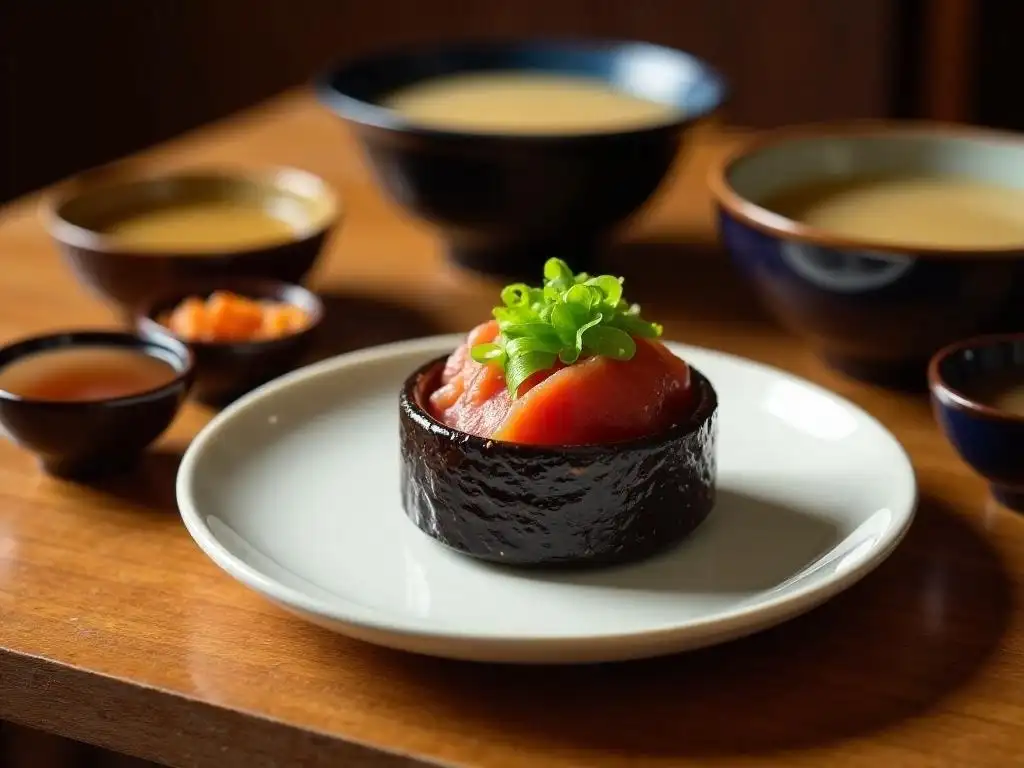
Welcome to Feudal Japan History, where the echoes of a rich past resonate through every story we tell. Dive into the captivating world of Feudal Japan traditional dishes, where culinary traditions intertwine with history and culture. In our featured article, "Flavorful Legacies: Dishes from Feudal Japan to Enrich Your Culinary Repertoire," we invite you to explore the unique flavors and time-honored recipes that have shaped Japanese cuisine. From savory delights to sweet indulgences, uncover the legacies that still influence our plates today. Join us on this culinary journey and discover the secrets that await within the pages of history!
Introduction to Feudal Japan Traditional Dishes
The culinary landscape of Feudal Japan is a rich tapestry woven from the threads of history, culture, and societal evolution. Spanning several centuries, this era not only shaped the political and social structures of Japan but also laid the foundation for its traditional dishes that continue to influence contemporary cuisine. Understanding Feudal Japan traditional dishes offers a unique glimpse into the daily lives of samurai, farmers, and merchants, showcasing the ingredients and methods that were prevalent during this time.
By examining these historical dishes, we can appreciate the intricate connections between food and culture, revealing how the flavors and cooking techniques of the past resonate in today's culinary practices. This exploration serves not just to enrich our understanding but also to inspire modern cooks to recreate these time-honored recipes, preserving the legacy of a remarkable period in Japanese history.
Historical Context of Feudal Japan Cuisine
Feudal Japan, which lasted from the late 12th century until the mid-19th century, was characterized by a rigid social hierarchy and a strong influence of the samurai class. Food during this era was not merely sustenance, but a reflection of one's status and cultural identity.
Key Influences on Cuisine:
- Social Class:
- The samurai class had access to a variety of ingredients, allowing for the creation of elaborate dishes often served at feasts.
- In contrast, farmers relied more on simple, seasonal produce, which shaped the regional variations of cuisine.
- Geographical Factors:
- The diverse landscapes of Japan contributed to a wide array of local ingredients, from coastal seafood to mountain vegetables.
- Cultural Exchange:
- Trade with other nations, particularly the introduction of new spices and cooking techniques, played a pivotal role in evolving Japanese cuisine.
Culinary Practices:
- Seasonality:
- Dishes were often prepared with an emphasis on seasonal ingredients, a practice that continues in modern Japanese cooking.
- Preservation Techniques:
- Techniques such as pickling and fermentation were commonly used to preserve food, leading to the development of iconic items such as tsukemono (pickled vegetables).
This historical backdrop not only informs our appreciation of Feudal Japan's traditional dishes but also invites us to explore the flavors and cooking methods that have persisted through time, offering a culinary legacy that enriches our modern repertoire.
Essential Feudal Japan Traditional Dishes to Try
Exploring the culinary landscape of Feudal Japan unveils a rich tapestry of flavors and techniques that continue to influence modern Japanese cuisine. The following traditional dishes not only provide a glimpse into the past but also offer delightful experiences for contemporary palates.
1. Sushi: The Evolution from Feudal Japan to Modern Cuisine
Sushi, often regarded as a quintessential Japanese dish, has its origins deeply rooted in Feudal Japan. Initially, sushi was a method of preserving fish in fermented rice, a practice known as narezushi. This method allowed fish to be stored for extended periods, showcasing the resourcefulness of the Japanese people in utilizing available ingredients. Over time, as the preservation techniques evolved, so did sushi itself. By the Edo period (1603-1868), the style of sushi known as nigirizushi emerged, where fresh fish was placed atop small balls of vinegared rice.
Today, sushi has transformed into a global phenomenon, with various styles and interpretations. However, its Feudal roots remain integral, emphasizing the importance of freshness and seasonality in Japanese culinary practices. Making sushi at home can be a rewarding experience, allowing cooks to appreciate this traditional art form while experimenting with flavors and presentations.
2. Soba Noodles: A Staple of Feudal Japanese Diet
Soba noodles, made primarily from buckwheat flour, were a dietary staple during the Feudal era. These noodles were not only nutritious but also versatile, found in various forms such as hot or cold dishes. The origins of soba can be traced back to the Edo period, where it gained popularity among the working class for its affordability and health benefits.
In feudal society, soba was often served with a dipping sauce or in a warm broth, showcasing its adaptability to different seasons and occasions. Today, soba remains a beloved dish in Japan, often enjoyed cold with a dipping sauce in summer or as a comforting soup in winter. Home cooks can recreate this traditional dish by preparing soba from scratch or using store-bought noodles, paired with seasonal vegetables and proteins to create a satisfying meal.
3. Tempura: A Fusion Dish with Feudal Roots
Tempura, a dish characterized by lightly battered and deep-fried vegetables and seafood, reflects the cultural exchanges that occurred during the Feudal era. While tempura has Portuguese influences, it became popular in Japan during the Edo period, evolving into a dish that showcases local ingredients and cooking techniques.
The batter used for tempura is typically made from cold water and flour, resulting in a light and crispy texture. Seasonal vegetables, such as sweet potatoes and green beans, as well as seafood like shrimp, are common ingredients. In today’s kitchens, tempura can be a fun and interactive cooking experience, allowing families and friends to gather and enjoy the process of frying together while savoring the enticing flavors of this traditional dish.
4. Miso Soup: A Comforting Tradition from Feudal Japan
Miso soup is a time-honored dish that has served as a comforting staple in Japanese households since the Feudal era. Made with fermented soybean paste, miso, and often combined with dashi (a flavorful broth), this soup reflects the principles of umami and balance in Japanese cuisine.
Traditionally, miso soup would include ingredients such as tofu, seaweed, and seasonal vegetables, making it a nourishing and versatile dish. Its simplicity and depth of flavor embody the essence of Japanese cooking. Today, miso soup remains a breakfast favorite and can easily be prepared at home by adjusting the ingredients to suit personal tastes, creating a warm and inviting bowl that pays homage to its historical roots.
Cooking Techniques and Tools from Feudal Japan
Understanding the cooking techniques and tools used in Feudal Japan enriches the experience of recreating traditional dishes. These methods and implements not only preserve the heritage of Japanese cuisine but also enhance the flavors and textures of the food.
1. Traditional Cooking Methods in Feudal Japan
Feudal Japanese cooking was characterized by methods that emphasized natural flavors and seasonal ingredients. Techniques such as steaming, grilling, and simmering were commonly used, allowing the inherent qualities of the ingredients to shine.
- Steaming: A prevalent method for preparing rice and vegetables, steaming helped retain nutrients and moisture, resulting in vibrant flavors.
- Grilling: Often done over charcoal, grilling imparted a smoky flavor to fish and meats, a technique that is still celebrated in dishes like yakitori.
- Simmering: This technique was widely used for soups and stews, allowing ingredients to meld together and develop complex flavors.
These methods can easily be adapted in modern kitchens, encouraging a mindful approach to cooking that honors the traditions of the past.
2. Essential Kitchen Tools for Recreating Feudal Dishes
To truly capture the essence of Feudal Japanese cooking, specific kitchen tools are essential. Some of these tools may even have historical significance and reflect the craftsmanship of the era.
- Donabe: A traditional clay pot used for simmering soups and stews, showcasing the art of slow cooking.
- Tatara: A flat cooking grill, ideal for preparing grilled dishes like fish and meat, emphasizing the importance of heat control.
- Miso Suribachi: A mortar and pestle specifically designed for grinding miso and other ingredients, allowing for a smooth texture in sauces and soups.
Incorporating these tools into culinary practices not only enhances the authenticity of the dishes but also connects cooks with the rich history of Japanese cuisine, fostering a deeper appreciation for the cultural heritage embedded in each meal.
Modern Adaptations of Feudal Japan Traditional Dishes
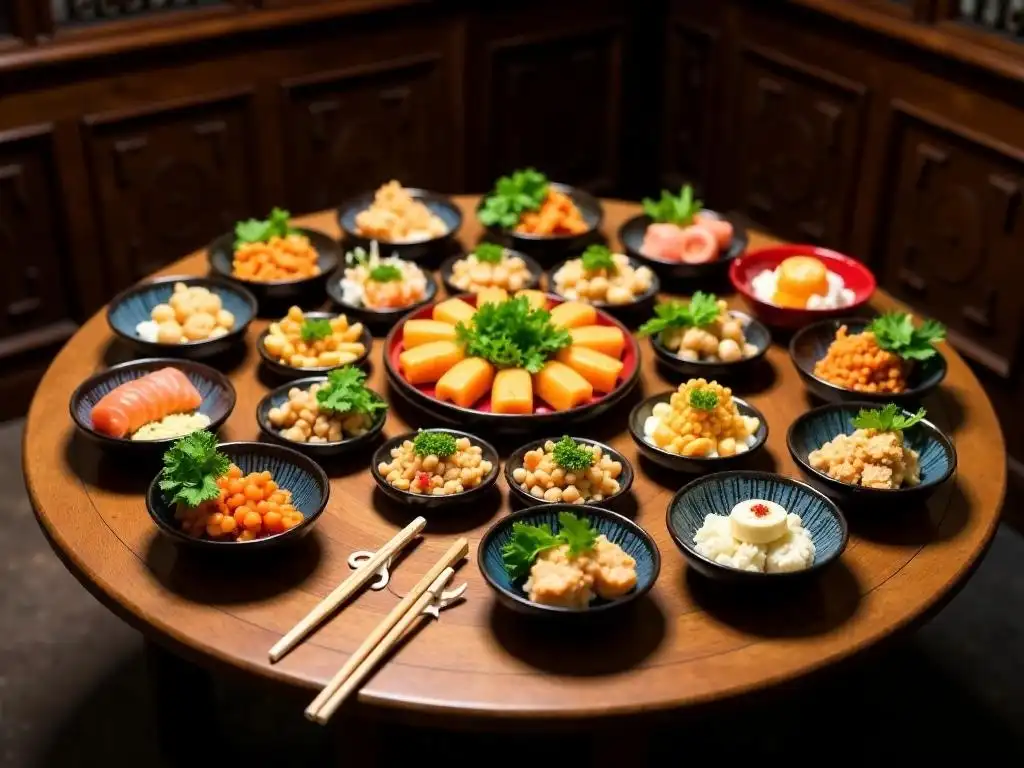
Modern adaptations of feudal Japan traditional dishes have emerged as chefs and home cooks alike seek to blend historical flavors with contemporary tastes. These adaptations often maintain the essence of the original recipes while incorporating modern cooking techniques and available ingredients.
For example, the classic soba noodles, a staple of feudal Japan, are now often served chilled with innovative dipping sauces that include flavors such as sesame, chili oil, and avocado. This not only enhances the texture but also introduces new flavor profiles that resonate with today’s palates.
Another dish that has seen modern reinterpretation is miso soup. Traditionally made with dashi, miso paste, and seasonal vegetables, today’s variations might include ingredients like kale, quinoa, or even tofu, which provide a nutritious twist while paying homage to the original recipe. These adaptations create a bridge between historical culinary practices and modern dietary preferences, allowing people to enjoy traditional flavors without sacrificing contemporary culinary trends.
Moreover, many chefs are experimenting with kaiseki, the multi-course dining experience that originated in feudal Japan. Modern kaiseki meals may feature seasonal ingredients sourced locally, incorporating international influences while still adhering to the principles of balance, harmony, and aesthetic presentation that define this traditional dining style.
Where to Find Ingredients for Feudal Japan Traditional Dishes
Finding authentic ingredients for feudal Japan traditional dishes can elevate your culinary experience and connect you more deeply with the cultural heritage of these recipes. Here are some key places to look:
- Asian Markets: These specialized grocery stores often carry essential ingredients such as miso paste, soy sauce, and specific types of rice like koshihikari or glutinous rice. Visiting an Asian market can also yield fresh produce, including daikon radish and shiso leaves, which are frequently used in feudal dishes.
- Online Retailers: For those in areas where Asian markets are scarce, numerous online retailers offer a wide range of traditional Japanese ingredients. Websites dedicated to international cuisine often feature hard-to-find items such as nori (seaweed), specialty teas, and artisanal soy sauces.
- Local Farmers’ Markets: Seasonal ingredients are vital in feudal Japanese cooking. Visiting farmers’ markets can provide access to fresh, locally sourced vegetables and fish, which can be used in dishes like sukiyaki or tempura. Engaging with local farmers also opens opportunities for discovering heirloom varieties that enhance authenticity.
- Culinary Supply Stores: These stores often stock kitchen tools and equipment that are essential for preparing traditional dishes. Items such as donabe (Japanese clay pots) and tataki grills can help replicate the cooking methods used in feudal Japan.
Conclusion: Enriching Your Culinary Repertoire with Feudal Japan Dishes
Incorporating feudal Japan traditional dishes into your culinary repertoire not only enriches your cooking skills but also deepens your appreciation for a unique cultural heritage. By exploring the flavors, techniques, and ingredients that shaped Japan's feudal era, you can create meals that tell a story and connect you to the past.
As you experiment with modern adaptations and seek out authentic ingredients, you’ll discover a diverse range of flavors and textures that can be celebrated at your dining table. Whether you’re preparing a simple bowl of udon or an elaborate kaiseki meal, the dishes of feudal Japan offer something for everyone, catering to both traditionalists and innovators alike. Embrace this flavorful legacy and let it inspire your culinary journey!
Additional Resources for Learning About Feudal Japan Cuisine
Exploring the culinary traditions of Feudal Japan can be a fascinating journey into the country’s rich history and culture. For those interested in deepening their understanding of Feudal Japan’s traditional dishes, a variety of resources are available that offer insights, recipes, and historical contexts. Here are some recommended resources to enhance your culinary repertoire:
Books
-
"The Book of Japanese Cooking" by Emi Kazuko
This comprehensive guide delves into traditional Japanese cooking techniques and dishes, providing an excellent foundation for beginners and experienced cooks alike. It includes historical context about meals during the feudal era.
-
"Japanese Cooking: A Simple Art" by Shizuo Tsuji
A classic in the culinary world, this book offers detailed recipes and insights into the philosophy behind Japanese cooking, including dishes that trace back to the feudal period.
-
"Food in Japan: A Cultural Encyclopedia" by Michael Ashkenazi and Jeanne Jacob
This encyclopedia provides a thorough exploration of Japanese food culture, including historical perspectives on how feudal times influenced contemporary culinary practices.
Online Courses
-
Coursera: "Japanese Cooking: A Culinary Exploration"
This online course, taught by Japanese chefs, covers various traditional dishes and techniques, highlighting the historical significance of each recipe in the context of Feudal Japan.
-
Udemy: "Mastering the Art of Japanese Cooking"
A hands-on approach to learning Japanese culinary techniques, this course includes modules specifically focused on traditional dishes that were popular during the feudal era.
Documentaries and Videos
-
"The Birth of Sake" (2015)
This documentary explores the ancient Japanese tradition of sake brewing, which dates back to the feudal era. It provides insights into the cultural significance of sake in Japanese cuisine.
-
YouTube Channels
Channels like "Just One Cookbook" and "Japanese Cooking 101" feature a plethora of tutorials on making traditional Japanese dishes, often including historical context and variations that trace back to feudal times.
Websites and Blogs
-
Nami's Just One Cookbook
This popular food blog offers a wide range of Japanese recipes, many of which are rooted in tradition. Each recipe is accompanied by detailed explanations of its background and cultural relevance.
-
The Japanese Food Report
A website dedicated to exploring Japanese cuisine, it features articles on historical dishes, including those from the feudal era, along with modern adaptations.
Culinary Workshops
-
Local Cooking Schools
Many culinary schools offer workshops focused on Japanese cuisine. Look for classes specifically centered on traditional cooking methods and feudal-era dishes to gain hands-on experience.
By utilizing these resources, you can gain a deeper appreciation for the flavors and techniques that characterize Feudal Japan’s culinary landscape. Whether you prefer reading, watching, or cooking, these tools will enrich your understanding and skills, allowing you to incorporate traditional dishes into your culinary repertoire.
- Introduction to Feudal Japan Traditional Dishes
- Historical Context of Feudal Japan Cuisine
- Essential Feudal Japan Traditional Dishes to Try
- Cooking Techniques and Tools from Feudal Japan
- Modern Adaptations of Feudal Japan Traditional Dishes
- Where to Find Ingredients for Feudal Japan Traditional Dishes
- Conclusion: Enriching Your Culinary Repertoire with Feudal Japan Dishes
- Additional Resources for Learning About Feudal Japan Cuisine
Frequently Asked Questions
What are some traditional dishes from Feudal Japan?
Traditional dishes from Feudal Japan include sushi, soba, and tempura. These dishes reflect the cultural influences and cooking techniques developed during the feudal era.
How did Feudal Japan influence modern Japanese cuisine?
Feudal Japan laid the foundations for many aspects of contemporary Japanese cuisine, emphasizing seasonality, presentation, and the use of local ingredients, which are still prevalent today.
What role did rice play in Feudal Japan's diet?
Rice was a staple food in Feudal Japan, symbolizing wealth and prosperity. It formed the basis of most meals and was often accompanied by various side dishes.
Were there any unique cooking techniques in Feudal Japan?
Yes, Feudal Japan saw the development of unique techniques such as grilling, steaming, and fermentation. These methods enhanced flavors and preserved food, contributing to the diversity of traditional dishes.
How can I incorporate Feudal Japan's traditional dishes into my cooking?
To incorporate these dishes, start by exploring simple recipes for sushi or tempura. Use fresh, seasonal ingredients and focus on presentation to honor the culinary traditions of Feudal Japan.
Final Reflection: Savoring the Rich Tapestry of Feudal Japan's Culinary Heritage
In exploring the traditional dishes of Feudal Japan, we uncover a rich tapestry of flavors and cultural significance that resonates deeply in today's culinary landscape. These dishes are not merely relics of the past; they are vibrant expressions of history, tradition, and identity that continue to influence modern cuisine. The art of Japanese cooking, with its emphasis on seasonal ingredients and meticulous preparation, serves as a reminder that food is more than sustenance—it's a connection to our heritage and a celebration of our shared humanity.
The legacy of Feudal Japan's culinary practices has left an indelible mark on the global food scene, inspiring chefs and home cooks alike to embrace simplicity, balance, and respect for ingredients. As we navigate our fast-paced lives, the mindful approach to cooking and eating that these traditional dishes embody encourages us to slow down and appreciate the flavors and stories behind our meals. Food is the ingredient that binds us together.
This quote encapsulates the essence of how these dishes foster community and connection, transcending time and geography to bring people together around the table.
As you reflect on the flavors and traditions explored in this article, I invite you to take action by incorporating these dishes into your culinary repertoire. Experiment with the recipes, share them with loved ones, and allow the rich history of Feudal Japan to inspire your cooking journey. Let each bite be a reminder of the past and a celebration of the present, as we honor the legacies that shape our culinary experiences and enrich our lives. Embrace the flavors of history, and allow them to guide you toward a deeper appreciation of the art of cooking.
Embark on Your Culinary Journey Today!
Thank you for exploring the rich flavors and traditions of feudal Japan with us! You've gained valuable insights into historical dishes that can enrich your culinary repertoire. Now, it’s time to take the next step and bring these vibrant tastes into your own kitchen.
Here are a few simple yet impactful actions you can take right now:
- Try your hand at recreating your favorite dish from this article! Gather the ingredients and step into the kitchen for a delicious cooking adventure.
- Share your culinary creations! Snap a picture of your dish and post it on social media, tagging us to inspire others.
- Dive deeper into feudal Japanese cuisine by researching lesser-known recipes and local ingredients that defined this fascinating era.
What dish are you most excited to make from our exploration of feudal Japan? We invite you to share your thoughts below!