
The Revival of Traditional Crafts: Preserving Feudal Art Forms Today

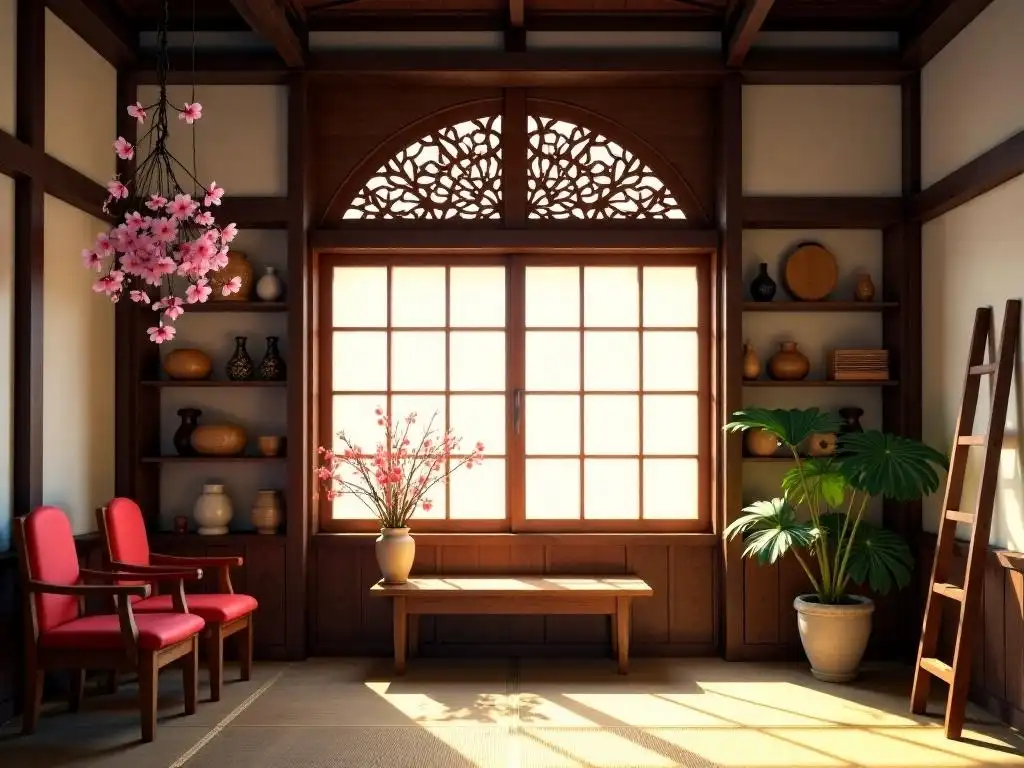
Welcome to Feudal Japan History, where we invite you to embark on a fascinating journey through the intricate tapestry of Japan’s feudal era. In our featured article, “The Revival of Traditional Crafts: Preserving Feudal Art Forms Today,” we delve into the art of preserving traditional Japanese crafts, uncovering the rich heritage and timeless skills that have shaped Japan's cultural identity.
As we explore the delicate balance between tradition and modernity, you'll discover stories that resonate with the spirit of craftsmanship and the passion behind each creation. Get ready to ignite your curiosity and dive deeper into the captivating world of feudal Japan!
The rich tapestry of traditional Japanese crafts, deeply rooted in the feudal era, offers a profound insight into the cultural identity and heritage of Japan. As modernization continues to reshape societies worldwide, the importance of preserving traditional Japanese crafts has gained renewed attention.
This article delves into the historical, cultural, and societal aspects of these crafts, exploring their evolution and significance, while shedding light on the ongoing efforts to keep these art forms alive in contemporary times. By understanding the nuances of craftsmanship that flourished during the feudal period, we can appreciate the legacy that continues to inspire artisans today.
Introduction to Traditional Japanese Crafts
Traditional Japanese crafts encompass a wide range of techniques and materials, reflecting the diverse cultural landscape of Japan. From intricate pottery and textiles to exquisite woodwork and metalwork, each craft tells a story of artistic expression and practical utility. The revival of these crafts is not merely about maintaining aesthetics; it is a vital effort to preserve a unique aspect of Japan’s cultural history.
Understanding the Importance of Craftsmanship in Feudal Japan
Craftsmanship in feudal Japan was not just a profession; it was an art form that embodied the values and beliefs of society. Craftsmen, often seen as custodians of tradition, played a crucial role in the daily lives of people. Their skills were passed down through generations, tightly woven into the fabric of community life.
- Symbol of Social Status: Many crafts were associated with specific clans or regions, reflecting social hierarchies and cultural affiliations.
- Spiritual Connections: Craftsmanship was often intertwined with spiritual practices; tools and artifacts were crafted with the intent of honoring deities or ancestors.
- Cultural Transmission: Crafts served as a medium through which cultural narratives and historical events were communicated, ensuring that traditions endured through time.
The Role of Craftsmanship in Japanese Cultural Heritage
The significance of craftsmanship extends beyond mere utility; it is a vital component of Japanese cultural heritage. Traditional crafts are celebrated as artistic expressions that embody the aesthetics, philosophies, and customs of Japan.
- Cultural Identity: Crafts contribute to a sense of national identity, linking contemporary society with its historical roots.
- Community Building: Craftsmanship fosters connections among artisans, communities, and consumers, reinforcing social bonds.
- Economic Impact: The revival of traditional crafts not only preserves heritage but also supports local economies and sustainable practices.
Historical Background of Traditional Crafts
To understand the current revival of traditional crafts, it is essential to explore their historical roots. The evolution of these crafts reflects broader socio-political changes throughout Japan’s feudal era.
The Evolution of Crafts During the Feudal Era
The feudal era, spanning from the 12th to the 19th century, marked a significant period for Japanese craftsmanship. This period saw the rise of a class of skilled artisans who specialized in various crafts, influenced by the patronage of samurai and elite classes.
- Regional Specialization: Different regions became renowned for particular crafts, such as ceramics from Arita and textiles from Nishijin.
- Innovations and Techniques: The feudal era was a time of experimentation and refinement, leading to the development of unique techniques that continue to influence modern crafts.
- Impact of Trade: Increased trade with other nations, particularly during the Edo period, introduced new materials and ideas, further enriching traditional crafts.
Key Craftsmanship Techniques and Materials Used in Feudal Japan
The techniques and materials used in traditional crafts during the feudal era reflect the ingenuity and resourcefulness of Japanese artisans. Understanding these elements is crucial for appreciating the craftsmanship that exists today.
- Pottery and Ceramics: Techniques such as wheel throwing and glazing were perfected, resulting in beautiful and functional pieces.
- Textile Weaving: The use of natural dyes and intricate weaving techniques led to the creation of textiles that were both durable and aesthetically appealing.
- Woodwork and Joinery: The precision of joinery techniques allowed for the construction of intricate wooden structures and furniture without the use of nails.
Through this exploration of traditional Japanese crafts, we can appreciate the ongoing efforts to preserve these art forms, ensuring they remain an integral part of Japan’s cultural identity in the modern world.
The Current State of Traditional Japanese Crafts
Traditional Japanese crafts represent a rich tapestry of cultural heritage that has evolved over centuries. Today, these crafts encompass a wide range of art forms, including pottery, textiles, metalwork, and woodworking. Despite the challenges posed by modernization and globalization, many artisans continue to practice these age-old techniques, often incorporating contemporary elements to appeal to modern audiences. The market for traditional crafts has seen a revival, particularly among younger generations who are increasingly seeking authentic, handcrafted items that reflect their cultural identity.
However, the current state of traditional Japanese crafts is a complex interplay of preservation and adaptation. While there is a renewed interest in these crafts, many artisans struggle with the economic viability of their work. The demand for handmade products often fluctuates, influenced by broader economic trends and consumer preferences. Additionally, the aging artisan population poses a significant risk; as experienced craftsmen retire, there is a pressing need to pass on their knowledge and skills to younger practitioners. This makes the preservation of traditional crafts not just a cultural imperative, but also an economic one.
Challenges Facing Traditional Craft Preservation Today
The preservation of traditional Japanese crafts is fraught with challenges that threaten their continued existence. One of the most pressing issues is the decline in the number of skilled artisans. As older craftsmen retire without a sufficient number of apprentices to take their place, many techniques and knowledge specific to certain crafts risk being lost forever.
Another challenge is the competition from mass-produced goods, which are often more affordable and widely available. These products can undermine the value placed on handmade crafts, leading to decreased sales for artisans. Additionally, the rapid pace of modernization and the influence of global culture can dilute traditional practices, as artisans may feel pressured to adapt their techniques and designs to cater to contemporary trends rather than uphold traditional standards.
Lastly, funding and support for traditional crafts can be limited. Many artisans operate on tight budgets and lack access to resources that could help them promote their work, such as marketing and business training. This financial strain can hinder their ability to innovate and reach broader markets, further complicating efforts to sustain their crafts.
The Impact of Modernization on Artisanal Practices

Modernization has had a profound impact on artisanal practices in Japan, reshaping both the production and consumption of traditional crafts. On one hand, technological advancements have made it easier for artisans to produce their work and reach wider audiences through online platforms. This accessibility has fostered a new appreciation for traditional crafts among younger consumers who value the authenticity and uniqueness of handmade items.
However, modernization also presents challenges. The convenience of mass production means that many consumers opt for cheaper, factory-made alternatives, leading to a decline in demand for handcrafted goods. Furthermore, the influx of modern design aesthetics can pressure artisans to compromise their traditional techniques in favor of contemporary trends, which may dilute the cultural significance of their work.
The landscape of craft production is changing, with some artisans embracing technology to enhance their practices. For example, digital marketing and e-commerce have enabled many craftsmen to establish a presence in global markets, allowing them to share their heritage with a broader audience. Nonetheless, striking a balance between innovation and tradition remains a crucial concern for the future of Japanese crafts.
Efforts in Preserving Traditional Japanese Crafts
Efforts to preserve traditional Japanese crafts are multifaceted, encompassing various stakeholders, including government bodies, non-profit organizations, and local communities. These initiatives aim to raise awareness about the cultural significance of traditional crafts and support artisans in their efforts to sustain these practices.
Government Initiatives for Craft Preservation
The Japanese government has recognized the importance of traditional crafts as an integral part of the nation's cultural heritage. Various programs have been established to provide financial support, training, and resources to artisans. One such initiative is the designation of "Traditional Crafts" by the Ministry of Economy, Trade and Industry (METI), which grants artisans access to funding and promotes their work through exhibitions and events.
Additionally, the government has implemented educational programs aimed at fostering interest in traditional crafts among young people. By incorporating craft education into school curricula and sponsoring workshops, these initiatives encourage the next generation to engage with and learn about their cultural heritage.
Community Engagement and Local Craft Workshops
Community engagement plays a vital role in the preservation of traditional crafts. Local workshops and events that invite public participation not only help artisans gain recognition but also foster a deeper appreciation for their work. These workshops often focus on hands-on experiences, allowing participants to learn traditional techniques directly from skilled artisans.
Moreover, collaborations between artisans and local businesses can create new opportunities for showcasing and selling traditional crafts. Community markets, festivals, and exhibitions serve as platforms for artisans to display their creations, engage with consumers, and share their stories. Such initiatives not only help sustain the crafts but also strengthen community ties and promote cultural awareness.
The combined efforts of government initiatives and community engagement are crucial for preserving traditional Japanese crafts in an ever-changing world. By addressing the challenges faced by artisans and promoting a culture of appreciation for these art forms, there is hope for the continued vibrancy of Japan's rich craft heritage.
Highlighting Notable Traditional Crafts
Japan's feudal era is rich with traditional crafts that have shaped its cultural identity. These crafts not only serve as artistic expressions but also carry significant historical and cultural meanings. In contemporary society, there is a renewed interest in these art forms, as artisans strive to preserve and revive techniques that have been passed down through generations. Here, we explore some of the most notable traditional crafts that exemplify the skill and artistry of feudal Japan.
Kintsugi: The Art of Repairing with Gold
Kintsugi, or "golden joinery," is a unique craft that turns the act of repairing pottery into an art form. Rather than disguising flaws, Kintsugi highlights them using lacquer mixed with powdered gold, silver, or platinum. This technique not only restores the item but also transforms it into a piece of art that celebrates its history and imperfections.
The philosophy behind Kintsugi aligns with the Japanese concept of wabi-sabi, which embraces beauty in imperfection and transience. This craft has seen a revival in recent years, with artisans using traditional methods to create stunning pieces that resonate with modern aesthetics. Workshops and exhibitions have emerged, allowing enthusiasts to learn this ancient technique and appreciate the deeper meanings behind each repaired piece.
Ikebana: The Japanese Art of Flower Arrangement
Ikebana, the traditional Japanese art of flower arrangement, transcends mere decoration. Originating from ancient Buddhist rituals, Ikebana emphasizes harmony, balance, and simplicity. Practitioners arrange flowers, branches, and leaves to create compositions that reflect the beauty of nature while conveying a sense of peace and tranquility.
Unlike Western floral arrangements that focus on abundance, Ikebana often utilizes minimalism, allowing each element to shine. The art form has evolved over the centuries, with various schools of Ikebana emerging, each with its own philosophy and style. Today, workshops and classes are widely available, helping to preserve this intricate craft while introducing it to a new generation of artists and enthusiasts.
Sado: The Way of Tea and Its Craftsmanship
Sado, or the "Way of Tea," is not just a practice of preparing and drinking tea; it is a spiritual and aesthetic experience rooted in Zen Buddhism. The meticulous preparation and presentation of matcha during a tea ceremony embody principles of harmony, respect, purity, and tranquility.
The craftsmanship involved in Sado encompasses various elements, including the creation of tea utensils, the art of calligraphy for scrolls, and the arrangement of the tea room. Artisans dedicated to this craft often focus on producing handcrafted tools that enhance the tea experience, such as tea bowls, whisks, and containers. Contemporary interest in Sado has led to the revival of traditional tea ceremonies and workshops that teach the intricate details of this cultural practice, ensuring its preservation for future generations.
The Role of Artisans in Craft Preservation
Artisans play a crucial role in preserving traditional Japanese crafts, acting as the custodians of techniques and cultural heritage. Their dedication to mastering and passing on their skills is vital for maintaining the connection between past and present. Through their work, they not only keep the crafts alive but also adapt them to resonate with contemporary audiences.
Profiles of Modern Artisans Reviving Feudal Techniques
Several modern artisans are making significant contributions to the revival of feudal techniques. For example, in the realm of Kintsugi, artisans like Kintsugi Master Kazuya Kawai have gained recognition for their innovative approaches while remaining true to traditional methods. Similarly, Ikebana practitioners such as Miyoko Kato have been pivotal in blending ancient arrangements with modern design principles, attracting new followers to the art form.
The dedication of these artisans can be seen in their commitment to teaching workshops, creating online content, and participating in cultural events that showcase their crafts. Their profiles inspire a new wave of craftspeople who are eager to learn and carry on these traditions.
The Importance of Apprenticeship in Craft Preservation
Apprenticeship is fundamental in ensuring the survival of traditional crafts. This age-old practice allows novice artisans to learn directly from masters, gaining hands-on experience and an understanding of the philosophy behind each craft. In Japan, this system is highly respected, with many artisans embarking on long-term apprenticeships that can last for several years.
The relationship between master and apprentice is built on trust and respect, with the latter absorbing not just techniques but also the cultural significance of the craft. As modern society shifts, maintaining this traditional apprenticeship model becomes increasingly important, ensuring that knowledge is not lost and that the artistry of feudal Japan continues to thrive in contemporary settings. Through these rigorous training programs, the legacy of Japanese crafts is preserved, allowing future generations to appreciate and practice these exquisite art forms.
Future Prospects for Traditional Japanese Crafts
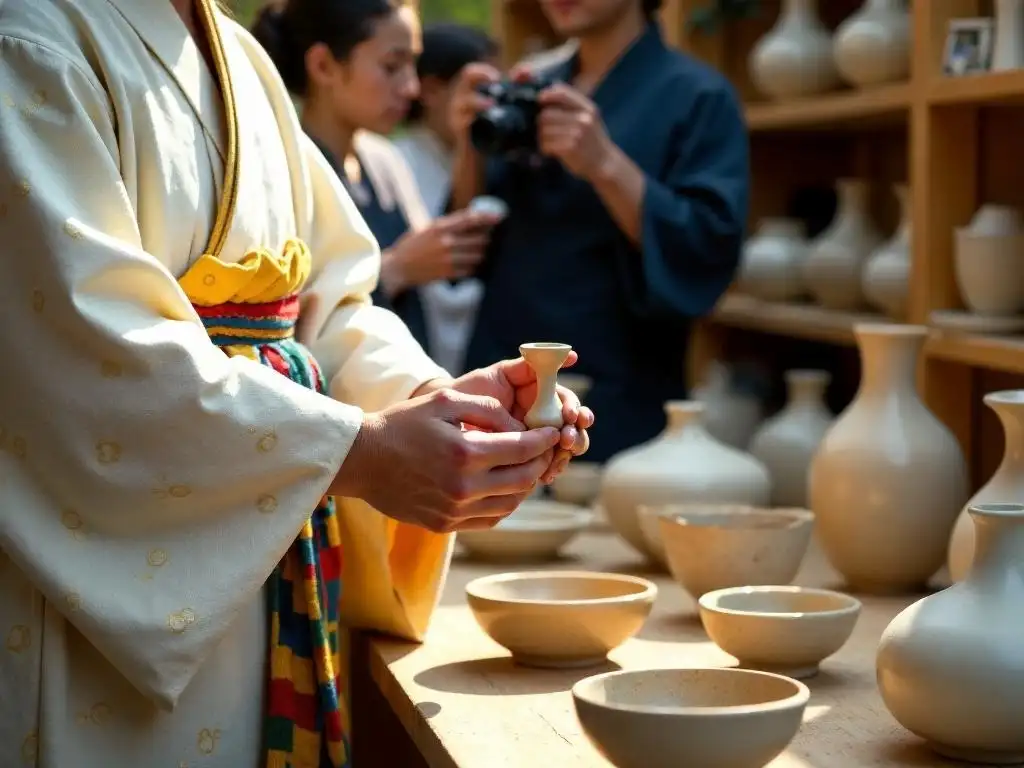
The future of traditional Japanese crafts looks promising, driven by a combination of renewed interest from younger generations, technological advancements, and a growing global appreciation for artisanal products. As society becomes increasingly aware of the value of sustainable and locally-sourced goods, traditional crafts are finding their place in modern markets. This revival is not just a trend; it represents a significant cultural shift towards valuing heritage and craftsmanship in a fast-paced world.
Moreover, educational initiatives aimed at teaching traditional craft techniques are emerging, allowing young artisans to learn from masters and ensure these skills are passed down. Organizations and workshops are sprouting across Japan, focusing on various crafts such as pottery, textiles, and woodworking. This not only helps preserve these art forms but also encourages innovation as artisans blend traditional methods with contemporary designs.
Integrating Traditional Crafts into Contemporary Society
Integrating traditional crafts into contemporary society involves embracing modern aesthetics while maintaining the essence of the original techniques. Designers and artisans are increasingly collaborating to create products that appeal to today’s consumers, such as home decor items, fashion accessories, and even everyday goods that feature traditional craftsmanship.
Events like craft fairs and exhibitions play a critical role in this integration, showcasing traditional works alongside modern interpretations. Additionally, online platforms provide artisans with a global audience, allowing them to sell their creations to customers who value authenticity and heritage. By creating a dialogue between the old and the new, traditional crafts can thrive in contemporary culture.
The Role of Technology in Preserving Craftsmanship
Technology plays a pivotal role in preserving traditional Japanese crafts, offering tools and platforms that enhance the visibility and viability of these art forms. Digital archiving of techniques and processes allows artisans to share their knowledge widely, ensuring that valuable skills are not lost to time. Online tutorials and video demonstrations can reach audiences far beyond geographical limitations, fostering a global community of craft enthusiasts.
Furthermore, advanced manufacturing techniques, such as 3D printing and computer-aided design (CAD), can be used to complement traditional methods. Artisans can experiment with new materials and approaches while retaining the essence of their craft. Technology thus serves as a bridge, connecting traditional craftsmanship with modern innovation, and ensuring its continued relevance in today’s society.
Conclusion: The Importance of Preserving Traditional Japanese Crafts
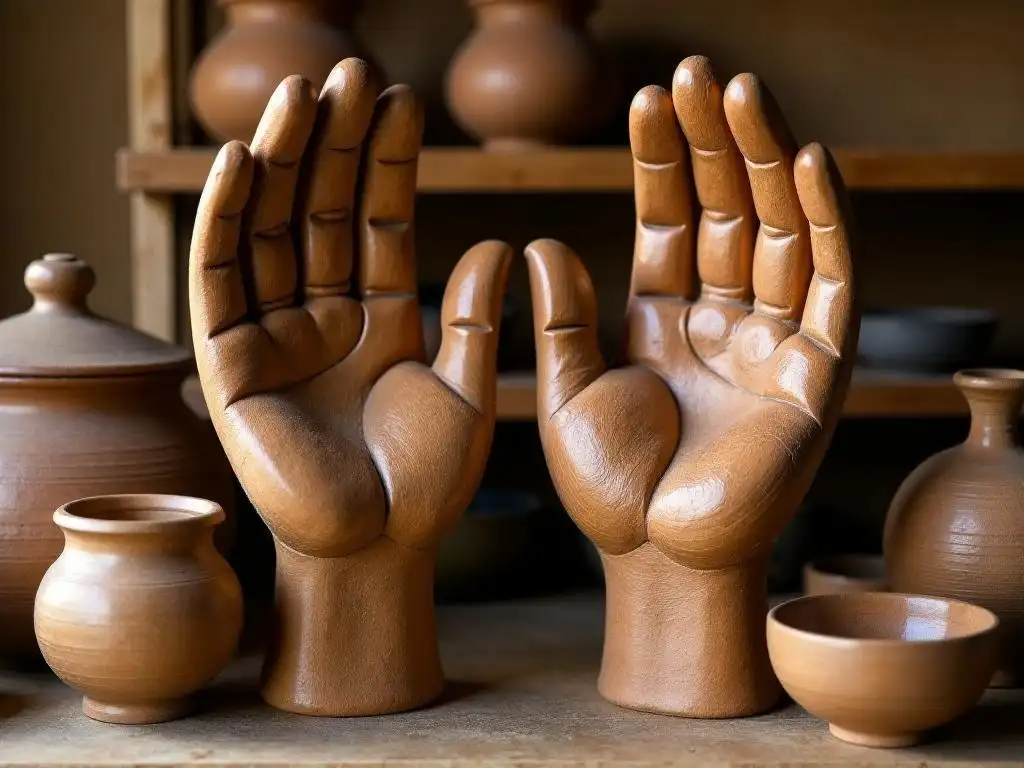
Preserving traditional Japanese crafts is crucial for maintaining cultural heritage and identity. These crafts embody centuries of history, philosophy, and artistry, reflecting the values and aesthetics of past generations. As globalization continues to shape cultural landscapes, the preservation of these art forms becomes even more vital to ensure diverse expressions of creativity are recognized and celebrated.
By cherishing traditional crafts, communities not only honor their ancestors but also enrich their own cultural identities. This preservation process fosters a sense of pride and belonging, connecting individuals to their roots and encouraging future generations to explore and appreciate their heritage.
Reflecting on Cultural Identity Through Craftsmanship
Craftsmanship is deeply intertwined with cultural identity, serving as a medium through which stories and values are expressed. Traditional Japanese crafts, such as kimono weaving, lacquerware, and pottery, carry symbolic meanings and reflect local customs and practices. Each piece tells a story, often rooted in the natural environment and the spiritual beliefs of the artisans.
In a world that is rapidly changing, embracing these crafts allows individuals to stay connected to their cultural narratives. This connection can foster a sense of community, as people gather to appreciate, learn, and create together. It underscores the idea that craftsmanship is not just about the finished product but about the relationships and cultural significance that come with it.
Call to Action: Supporting Traditional Crafts in Modern Japan
Supporting traditional crafts in modern Japan requires collective effort. Individuals can play a significant role by choosing to purchase handcrafted items, participating in workshops, and advocating for the inclusion of traditional arts in educational curriculums. By prioritizing local artisans and their crafts, consumers help sustain these art forms and promote economic viability for artisans.
Additionally, supporting organizations dedicated to the preservation of traditional crafts can amplify efforts to keep these practices alive. Engaging with local craft fairs, exhibitions, and cultural events not only raises awareness but also cultivates appreciation for the skills and stories behind each craft. Together, we can ensure that traditional Japanese crafts continue to flourish for future generations, enriching Japan’s cultural tapestry.
- Introduction to Traditional Japanese Crafts
- Historical Background of Traditional Crafts
- The Current State of Traditional Japanese Crafts
- Challenges Facing Traditional Craft Preservation Today
- The Impact of Modernization on Artisanal Practices
- Efforts in Preserving Traditional Japanese Crafts
- Highlighting Notable Traditional Crafts
- The Role of Artisans in Craft Preservation
- Future Prospects for Traditional Japanese Crafts
- Integrating Traditional Crafts into Contemporary Society
- The Role of Technology in Preserving Craftsmanship
- Conclusion: The Importance of Preserving Traditional Japanese Crafts
- Reflecting on Cultural Identity Through Craftsmanship
- Call to Action: Supporting Traditional Crafts in Modern Japan
Frequently Asked Questions
What are traditional Japanese crafts?
Traditional Japanese crafts are artistic skills and techniques that have been passed down through generations, often reflecting Japan's rich cultural heritage and historical significance.
Why is preserving traditional crafts important?
Preserving traditional crafts is vital for maintaining cultural identity and heritage, ensuring that future generations can appreciate and learn from these time-honored practices.
How are modern artisans reviving feudal craft forms?
Modern artisans are reviving feudal craft forms by blending traditional techniques with contemporary designs, making these crafts more accessible and relevant to today's market.
What role do organizations play in preserving these crafts?
Organizations play a crucial role by supporting artisans, providing education, and creating platforms to showcase and promote traditional crafts, ensuring they remain a vibrant part of Japan’s cultural landscape.
How can individuals contribute to the preservation of traditional crafts?
Individuals can contribute by supporting local artisans, attending workshops, and purchasing traditional crafts, helping to sustain these unique art forms and the communities that create them.
Final Reflection: Embracing Heritage Through Craftsmanship
The revival of traditional crafts is not just a nostalgic nod to the past; it is a vital bridge connecting us to our cultural roots. In today's fast-paced world, where mass production often overshadows individuality, the resurgence of traditional Japanese crafts serves as a powerful reminder of the artistry and skill that define our heritage. This movement is not merely about preservation; it is about celebrating the stories, techniques, and values that have shaped our identities over generations.
The influence of traditional crafts on our cultural landscape is profound and ongoing. As we witness a renewed interest in artisanal practices, we are reminded of the importance of craftsmanship in fostering community and identity. This revival encourages us to appreciate the meticulous work that goes into each piece, instilling a sense of pride in our cultural heritage. As the renowned Japanese artist Isamu Noguchi once said, The artist is not a special kind of person; rather, each person is a special kind of artist.
This sentiment resonates deeply as we recognize that everyone has the potential to engage with and contribute to the preservation of traditional crafts.
As we reflect on the significance of preserving traditional Japanese crafts, I invite you to consider your own relationship with craftsmanship and heritage. How can you incorporate the lessons of these art forms into your daily life? Whether it’s supporting local artisans, learning a craft yourself, or simply sharing the stories behind these traditions, every action counts. Let us embrace the beauty of our cultural legacy and commit to nurturing it for future generations, ensuring that the artistry of the past continues to inspire and enrich our lives today.
Embrace the Art of Preservation!
Thank you for diving into the fascinating world of traditional crafts and their significance in preserving unique art forms! Your interest in this rich history helps keep these artistic expressions alive. Now, let’s take actionable steps to connect with and support this revival!
- Get involved by attending a local workshop or class to learn a traditional craft firsthand.
- Share your newfound knowledge and passion by discussing these art forms with friends and family or by initiating conversations in community groups.
- Explore online platforms or community projects dedicated to preserving traditional crafts and consider contributing to these initiatives.
What traditional craft would you love to learn, and how might you share it with your community?