
The Influence of Buddhism on Kamakura Political Ideology


Welcome to Feudal Japan History, where we embark on a captivating journey through the intricate tapestry of Japan’s feudal era. Here, we delve deep into the historical, cultural, and societal dimensions that shaped this remarkable period. In our featured article, we unravel the profound influence of Buddhism on Kamakura political ideology—a topic that promises to challenge your understanding of how spirituality intertwined with governance. Prepare to explore the fascinating dynamics of faith and power that defined an era, and let your curiosity lead you into the rich narratives that await!
Introduction to Buddhism in Kamakura Politics
The interplay between Buddhism and politics during the Kamakura Period (1185-1333) marked a significant chapter in Japan's historical narrative, shaping not only governance but also the cultural and societal dynamics of the time. As the first military government of Japan, the Kamakura shogunate was characterized by a unique political structure that integrated Buddhist thought into its ideologies and practices.
This article delves into the profound influence of Buddhism on Kamakura political ideology, exploring how religious beliefs permeated the realm of governance and shaped the actions of political leaders. By examining the historical context, key Buddhist schools, and the specific role of Zen Buddhism, we can better understand the intricate relationship between faith and power during this pivotal era in Japanese history.
Overview of the Kamakura Period
The Kamakura Period, often referred to as the age of the samurai, was a transformative era in Japan's political landscape. Following the Genpei War, the establishment of the Kamakura shogunate by Minamoto no Yoritomo marked the transition from imperial rule to a feudal system dominated by military leaders. This period witnessed the rise of the samurai class, a shift in power dynamics, and the emergence of new cultural and religious ideologies.
During this time, the integration of Buddhism into the political framework became increasingly evident. The shogunate not only relied on military prowess but also sought legitimacy through religious endorsement, leading to a complex relationship between Buddhist institutions and the state. The influence of Buddhism during this period would leave a lasting imprint on Japan's political culture and governance.
Significance of Buddhism in Feudal Japan
Buddhism played a crucial role in shaping the moral and ethical foundations of feudal Japan. While it had been introduced to Japan centuries earlier, its influence deepened during the Kamakura Period as the religion adapted to the unique sociopolitical climate. The teachings of Buddhism provided a philosophical framework that emphasized loyalty, duty, and the impermanence of life—values that resonated deeply with the samurai ethos.
In addition to its ethical contributions, Buddhism also served as a source of political legitimacy. Leaders sought the blessings of powerful monks and Buddhist institutions to bolster their authority, which in turn led to a symbiotic relationship between the state and religion. This intertwining of faith and governance not only shaped political decisions but also influenced the daily lives of the populace, affecting everything from warfare strategies to social hierarchies.
Historical Context of Buddhism in Kamakura
The Arrival of Buddhism in Japan
Buddhism was introduced to Japan in the 6th century, primarily through the efforts of Korean envoys who brought Buddhist texts and images. Over the following centuries, the religion evolved and diversified, adapting to local customs and beliefs. By the time of the Kamakura Period, various schools of thought had emerged, each contributing to the rich tapestry of Japanese Buddhism.
The arrival of Buddhist teachings coincided with Japan's increasing engagement in international trade and cultural exchanges, which facilitated the spread of religious ideas. As Buddhism took root, it began to influence not only spiritual practices but also the sociopolitical landscape, laying the groundwork for its prominent role during the Kamakura Period.
Key Buddhist Schools Influencing Kamakura Politics
Several Buddhist schools significantly impacted Kamakura politics, each contributing unique philosophies and practices that shaped governance.
- Tendai Buddhism: With its emphasis on the Lotus Sutra and universal enlightenment, Tendai Buddhism laid the foundation for political thought during the early Kamakura Period, promoting the idea of a just ruler who governs with compassion.
- Pure Land Buddhism: This school offered hope in turbulent times, emphasizing salvation through devotion to Amida Buddha. Its popularity among the masses fostered a sense of community and loyalty, influencing samurai leaders who sought to gain favor with the common people.
- Zen Buddhism: Perhaps the most influential school during the Kamakura Period, Zen Buddhism emphasized meditation and direct experience of enlightenment. Its ascetic practices resonated with the samurai class, promoting discipline and a strong moral code.
Each of these schools contributed to the political ideology of the Kamakura shogunate, providing philosophical underpinnings that guided leaders in their pursuit of power and governance.
The Role of Zen Buddhism in Governance
Zen Buddhism emerged as a powerful influence in Kamakura politics, particularly due to its appeal to the warrior class. Its teachings on mindfulness, discipline, and the impermanence of life aligned closely with the values of the samurai. Leaders found that Zen practices, such as zazen (seated meditation), not only fostered personal discipline but also enhanced decision-making skills in the heat of battle.
Moreover, Zen monks often served as advisors to shoguns, providing spiritual guidance that intertwined with political strategies. The establishment of Zen temples as centers of power allowed for a unique collaboration between religious and political authorities, shaping the governance of the Kamakura shogunate and leaving a lasting legacy on Japanese political thought.
In the following sections, we will explore these themes in greater detail, revealing the intricate connections between Buddhism and Kamakura political ideology that defined this remarkable era in Japan's history.
Core Principles of Buddhism and Political Ideology

Buddhism significantly shaped the political ideology during the Kamakura period (1185-1333), primarily through its core principles of compassion, impermanence, and the interconnectedness of all life. These principles resonated deeply with the prevailing political landscape, encouraging leaders to govern with a moral compass that valued the well-being of their subjects. The doctrine of dependent origination emphasized that all actions have consequences, urging rulers to consider the long-term effects of their decisions on society and the environment.
Additionally, the idea of non-attachment taught leaders to approach governance with a sense of humility and detachment from power and material possessions. This philosophical framework fostered a political culture that encouraged leaders to prioritize the welfare of the people over personal gain, promoting a sense of ethical responsibility in governance. The integration of these Buddhist principles into political ideology laid the groundwork for a unique blend of spirituality and governance, which characterized the Kamakura shogunate.
Buddhist Teachings on Governance and Leadership
Buddhist teachings offer profound insights into governance and leadership, emphasizing the importance of moral integrity and ethical conduct. One of the essential tenets is right action, which encourages leaders to act justly and fairly, ensuring that their decisions align with the principles of compassion and wisdom. This approach was particularly vital in an era marked by conflict, as it urged rulers to seek peaceful resolutions and uphold justice within their domains.
Leaders were also influenced by the Bodhisattva ideal, which stresses selflessness and the desire to alleviate the suffering of others. This concept inspired Kamakura leaders to adopt a more benevolent approach to governance, striving to create a harmonious society. Moreover, the teachings of mindfulness and awareness encouraged leaders to remain attuned to the needs of their subjects, fostering a sense of accountability and responsiveness in political affairs.
The Concept of Compassion in Political Decisions
Compassion, a central theme in Buddhist philosophy, played a crucial role in shaping political decisions during the Kamakura period. The understanding that all beings are interconnected prompted leaders to consider the impact of their policies on the broader community. Compassionate governance meant advocating for the marginalized and ensuring that the voices of the less fortunate were heard.
This emphasis on compassion also reflected in the establishment of policies aimed at social welfare, such as the support of public works and the promotion of agricultural practices that benefited the peasantry. By prioritizing the well-being of their subjects, Kamakura leaders enhanced their legitimacy and authority, creating a political environment where empathy and care were valued alongside strength and power.
The Impact of Karma on Political Actions
The concept of karma, which refers to the principle of cause and effect, significantly influenced political actions during the Kamakura period. Rulers believed that their deeds, whether good or bad, would ultimately shape their destinies and the fate of their domains. This belief instilled a sense of responsibility among leaders, as they recognized that their actions had far-reaching consequences.
In political practice, the idea of karma encouraged leaders to engage in just governance, as unjust actions would lead to negative repercussions, both in this life and the next. This perspective was particularly relevant in a time of political upheaval, as it encouraged leaders to pursue ethical policies to avoid karmic backlash that could destabilize their rule or lead to unrest among the populace.
Buddhism's Influence on Kamakura Political Structures
Buddhism played a pivotal role in shaping the political structures of the Kamakura period, intertwining spiritual authority with temporal power. The integration of Buddhist principles into governance led to the establishment of various institutions and practices that reinforced the relationship between the state and religious authority.
The Shogunate and Buddhist Monasticism
The Kamakura shogunate recognized the importance of Buddhist monasticism in legitimizing its rule. Monasteries became influential centers of power, where Buddhist leaders often provided counsel to shoguns and other political figures. This collaboration facilitated the fusion of spiritual and political authority, reinforcing the shogunate's status as a divinely sanctioned government.
Buddhist monks were not only spiritual leaders but also acted as mediators in conflicts and advisors on ethical governance. Their teachings and influence contributed to the development of a political culture that valued moral integrity and social harmony, which were essential for maintaining stability in a feudal society.
Relationships Between Samurai and Buddhist Institutions
The relationship between the samurai class and Buddhist institutions was integral to the political landscape of the Kamakura period. Many samurai adopted Buddhist beliefs, which influenced their code of conduct and sense of duty. The principles of loyalty, honor, and compassion found in Buddhist teachings resonated with the samurai ethos, creating a moral framework that guided their actions in both warfare and governance.
Buddhist institutions often provided the samurai with spiritual guidance and support, helping them navigate the complexities of feudal loyalty and duty. This symbiotic relationship between samurai and monks fostered a political environment where ethical considerations were paramount, influencing the decisions made by the warrior class.
Buddhist Temples as Political Power Centers
Buddhist temples emerged as significant centers of political power during the Kamakura period. These temples not only served as places of worship but also as hubs of social and political activity. Monasteries often wielded considerable influence, with their leaders acting as advisors to local rulers and shoguns.
The wealth accumulated by Buddhist institutions enabled them to engage in land ownership and agricultural production, which further solidified their political power. Temples often served as neutral ground for conflict resolution, promoting peace and stability within feudal Japan. The integration of Buddhist practices into the political sphere helped shape the governance of the Kamakura period, illustrating the profound influence of Buddhism on the era’s political structures.
Case Studies: Notable Figures in Kamakura Politics
The Kamakura period (1185-1333) was a time of profound transformation in Japanese politics, characterized by the rise of the samurai class and the establishment of the shogunate. Buddhism played a significant role in shaping the political ideology of this era, influencing key figures and decisions. By examining notable individuals and their relationships with Buddhism, we can gain a clearer understanding of how spiritual beliefs intertwined with governance during this time.
Minamoto no Yoritomo and Buddhist Ideals
Minamoto no Yoritomo, the founder of the Kamakura shogunate, exemplified the integration of Buddhist ideals into political power. He sought legitimacy through Buddhist teachings, particularly the concepts of loyalty and duty, which resonated deeply within samurai culture. Yoritomo patronized various Buddhist sects, including the Tendai and Shingon schools, to bolster his authority and align himself with the divine.
His establishment of temples and support for monastic communities served not only as spiritual endorsements but also as strategic political moves. By fostering ties with Buddhism, Yoritomo aimed to unite the warrior class under a shared ideology, legitimizing his reign and reinforcing the moral foundations of the samurai code. This symbiosis between Yoritomo's political ambitions and Buddhist principles laid the groundwork for future governance in the Kamakura period.
The Role of Hōjō Clan in Promoting Buddhism
The Hōjō clan, which rose to prominence following Yoritomo's death, played a crucial role in promoting Buddhism as a political tool. They adopted the shogunate's patronage of Buddhist institutions, further intertwining religious authority with governance. The Hōjō regents, particularly Hōjō Tokimune, were instrumental in fostering the Rinzai Zen school, which became a favored sect among the samurai.
Hōjō Tokimune's support for Zen Buddhism not only enhanced the clan's prestige but also provided a philosophical framework that emphasized discipline and loyalty—qualities essential for samurai warriors. The clan's strategic patronage of Buddhist temples allowed them to consolidate power while also establishing a moral order that justified their rule. In this way, the Hōjō clan's promotion of Buddhism had lasting impacts on the political landscape of the Kamakura period.
Examples of Buddhist Influence on Political Decisions
Throughout the Kamakura period, numerous political decisions were influenced by Buddhist doctrines. For instance, the concept of jiriki (self-power) and tariki (other-power) found expression in the governance of the shogunate, where leaders often sought to justify their actions through spiritual reasoning. Decisions regarding warfare, land distribution, and even diplomatic relations were frequently framed within a Buddhist context.
One notable example is the shogunate's response to the Mongol invasions in the late 13th century. The Japanese attributed their successful defense against the invaders to divine intervention, often referring to the Buddhist notion of kami (gods) protecting the nation. This spiritual interpretation not only galvanized support for the shogunate but also reinforced the belief that governance was inherently tied to religious virtue, further embedding Buddhism into the political fabric of the period.
The Interaction Between Buddhism and Other Political Ideologies
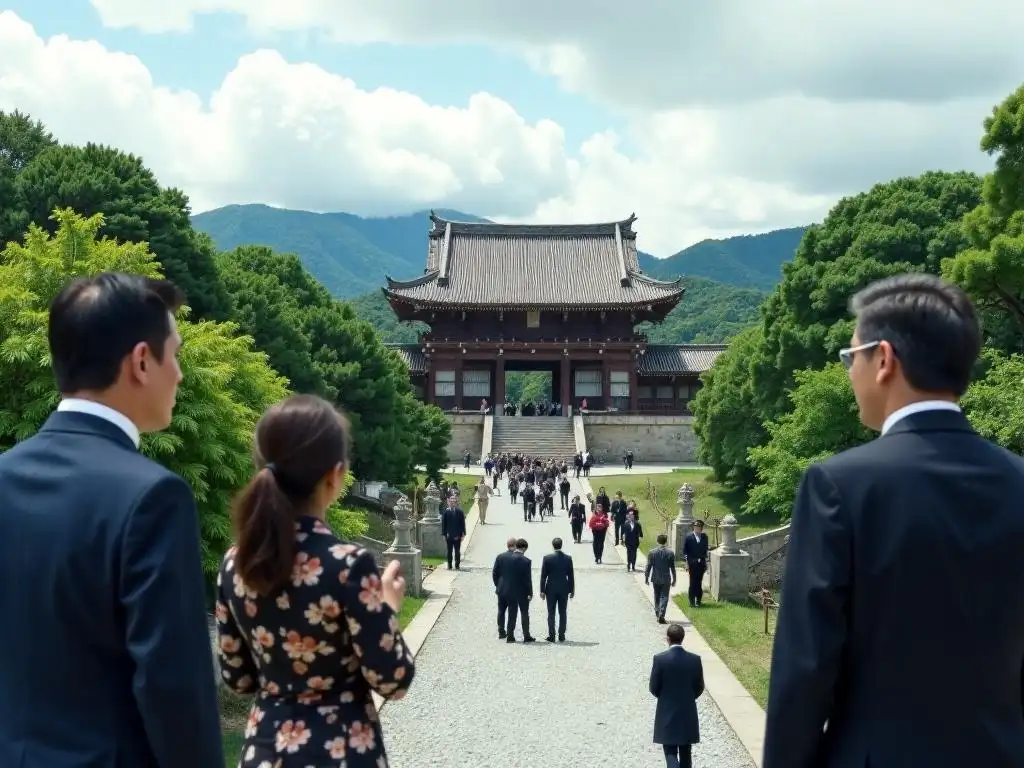
The Kamakura period was marked by the interaction of various ideological frameworks, with Buddhism often at the center of this dynamic. The relationship between Buddhism and other belief systems, such as Shintoism and Confucianism, played a significant role in shaping governance and societal values.
Shintoism and Its Relationship with Buddhism
Shintoism, as the indigenous belief system of Japan, coexisted alongside Buddhism during the Kamakura period. The two religions often influenced each other, leading to a unique syncretism that shaped political ideology. Shintoism's emphasis on ritual purity and the veneration of kami complemented Buddhist teachings, creating a religious landscape where the two could coexist.
Political leaders, including the shogunate, utilized Shinto practices to reinforce their legitimacy. The adoption of Shinto rituals in conjunction with Buddhist ceremonies helped solidify the notion of a divine right to rule. This blending of ideologies allowed leaders to appeal to a broader audience, fostering unity among the diverse spiritual practices present in Kamakura society.
Confucianism’s Role in Shaping Kamakura Governance
Confucianism, with its focus on social harmony and moral governance, also influenced political thought during the Kamakura period. While primarily associated with Chinese philosophy, Confucian teachings provided a framework for ethical governance that resonated with the samurai class. The principles of loyalty, filial piety, and duty were central to both Confucian and Buddhist ideologies, allowing for a harmonious integration of the two.
Leaders like the Hōjō clan often invoked Confucian ideals in their political strategies, promoting a moral code that aligned with Buddhist teachings. This synthesis of thought contributed to a governance model that emphasized ethical leadership, fostering a sense of responsibility among rulers and samurai alike.
Buddhism's Synthesis with Other Ideological Frameworks
The interaction between Buddhism and other political ideologies during the Kamakura period resulted in a rich tapestry of beliefs that influenced governance. This synthesis allowed for a multifaceted approach to politics, where leaders drew upon the strengths of various belief systems to create a cohesive ideological framework.
The fusion of Buddhist compassion with the martial virtues of the samurai created a unique political culture that valued both strength and benevolence. This dynamic interplay not only defined the governance of the Kamakura period but also laid the groundwork for the evolution of Japanese political thought in the centuries to come.
Conclusion: Lasting Impacts of Buddhism on Kamakura Political Ideology
The influence of Buddhism on Kamakura political ideology is profound and multifaceted, shaping not only the governance structures of the time but also the broader cultural and social frameworks of Japan. The Kamakura period (1185-1333) represents a pivotal era where the merger of military power and religious authority became evident. The ruling shogunate integrated Buddhist philosophies into their governing principles, which emphasized the importance of virtue, moral leadership, and the spiritual well-being of the populace.
The enduring impacts of this integration can still be observed in contemporary Japanese society. The principles of harmony, collective responsibility, and benevolence that were emphasized during the Kamakura period continue to resonate in Japan’s modern political and social environments. Furthermore, the use of Buddhist rituals and ideologies in state functions established a precedent for the intertwining of religion and politics that would persist throughout Japanese history.
Reflection on Buddhism's Role in Japanese Political History
Buddhism emerged as a significant force in Japanese political history, particularly during the Kamakura period when the emergence of the samurai class led to new forms of governance. The shogunate, recognizing Buddhism's influence on the populace, utilized it as a means to legitimize their rule. The teachings of various Buddhist sects, especially Zen Buddhism, provided ethical guidance that shaped the samurai code of conduct, known as Bushido.
Moreover, the incorporation of Buddhist practices into governance fostered a sense of unity and purpose among the ruling elite and the common people. Temples and monasteries served as centers for education, culture, and social support, further embedding Buddhism in the political landscape. This relationship established a framework in which Buddhist values became synonymous with the ideals of leadership and governance in Japan.
The Legacy of Buddhism in Modern Japanese Governance
The legacy of Buddhism’s influence on Kamakura political ideology extends into modern governance, particularly in the way that spiritual and ethical considerations are integrated into political discourse. Contemporary Japan continues to reflect the values instilled during the Kamakura period, such as communal harmony and moral responsibility, within its political framework.
In modern political practices, many leaders reference Buddhist teachings when discussing policies related to social welfare, environmental sustainability, and community engagement. The emphasis on mindfulness and ethical governance, rooted in Buddhist philosophy, has also permeated discussions around leadership styles in Japan today. Thus, the impact of Buddhism on Kamakura political ideology has laid the groundwork for ongoing dialogues about morality and ethics in governance.
Further Reading on Buddhism in Kamakura Politics
To deepen your understanding of the influence of Buddhism on Kamakura politics, the following resources provide valuable insights into the historical context and its implications:
Recommended Books and Articles
-
"The Buddhist World of Southeast Asia" by Donald K. Swearer
This book explores the broader implications of Buddhism, including its historical impact in Japan.
-
"Buddhism and Politics in Japan" by Shunjiro Saito
An in-depth examination of the relationship between Buddhism and political structures throughout Japanese history.
-
"Zen and the Art of Samurai Leadership" by John W. McCormick
This article discusses how Zen Buddhism shaped the samurai ethos and its implications for governance.
Online Resources for In-depth Study
-
National Diet Library of Japan
Offers a comprehensive collection of documents and resources related to the historical influence of Buddhism in Japan.
-
Buddhist Studies Resources
A compilation of online articles, research papers, and theses focused on Buddhism’s role in Japanese politics, available through various academic institutions.
-
The Kamakura Era and Its Legacy
An online exhibition curated by Japanese historians, showcasing the political, cultural, and religious developments of the Kamakura period.
By exploring these resources, readers can gain a deeper appreciation of how Buddhism has shaped Kamakura political ideology and continues to influence modern governance in Japan.
- Introduction to Buddhism in Kamakura Politics
- Overview of the Kamakura Period
- Significance of Buddhism in Feudal Japan
- Historical Context of Buddhism in Kamakura
- Core Principles of Buddhism and Political Ideology
- Buddhism's Influence on Kamakura Political Structures
- Case Studies: Notable Figures in Kamakura Politics
- The Interaction Between Buddhism and Other Political Ideologies
- Conclusion: Lasting Impacts of Buddhism on Kamakura Political Ideology
- Further Reading on Buddhism in Kamakura Politics
- What role did Buddhism play in Kamakura politics?
- How did the Kamakura shogunate incorporate Buddhist principles?
- What specific Buddhist sects were influential during the Kamakura period?
- How did Buddhism affect samurai culture in Kamakura?
- What was the relationship between Buddhism and the state in Kamakura Japan?
Frequently Asked Questions
What role did Buddhism play in Kamakura politics?
Buddhism significantly influenced Kamakura political ideology by providing a framework for governance and ethical conduct, promoting stability and social harmony.
How did the Kamakura shogunate incorporate Buddhist principles?
The Kamakura shogunate integrated Buddhist teachings into its policies, using them to legitimize authority and promote loyalty among vassals, ensuring a more unified rule.
What specific Buddhist sects were influential during the Kamakura period?
During the Kamakura period, Pure Land Buddhism and Zen Buddhism emerged as dominant sects, shaping both the spiritual landscape and political thought of the era.
How did Buddhism affect samurai culture in Kamakura?
Buddhism contributed to the ethical framework of the samurai, instilling principles such as compassion and self-discipline, which were vital for their role as warriors and leaders.
What was the relationship between Buddhism and the state in Kamakura Japan?
The relationship was symbiotic; the state supported Buddhist institutions for social order, while Buddhism provided spiritual legitimacy to the ruling class, reinforcing their political power.
Final Reflection: The Enduring Legacy of Buddhism in Kamakura Politics
The influence of Buddhism on Kamakura political ideology remains profoundly relevant today, as it shapes not only historical understanding but also contemporary governance and societal values. The intricate relationship between faith and politics during the Kamakura period serves as a powerful reminder of how spiritual beliefs can mold political landscapes and societal norms. In an era where the intersection of religion and governance continues to spark debate, the lessons drawn from this historical context resonate deeply with our current political discourse.
Clearly, the impact of Buddhism on Kamakura politics has left an indelible mark on Japan's cultural and social fabric. The principles of compassion, ethical governance, and communal responsibility that Buddhism espoused have influenced not only the political elite of the time but also the common people, fostering a sense of unity and purpose. The true essence of leadership lies in serving others, a lesson that transcends time and culture.
This ongoing influence invites us to reflect on how spiritual ideologies can guide political actions and societal expectations, urging us to consider the moral implications of our own governance structures today.
As we contemplate the lessons of Buddhism in Kamakura politics, I invite you to reflect on how these teachings can inspire your own life and community. Consider the values of compassion, mindfulness, and ethical leadership in your daily interactions and decision-making processes. By embracing these principles, we can cultivate a more harmonious society that honors the past while striving for a future where spirituality and governance coexist in a meaningful way. Let us carry forward the wisdom of the Kamakura period, ensuring that the legacy of Buddhism continues to inspire and shape our political ideologies for generations to come.
Unveil the Rich Legacy of Buddhism in Kamakura Politics!
Thank you for diving into the fascinating relationship between Buddhism and the political ideologies of the Kamakura period. Your engagement with this profound topic helps deepen our understanding of how spiritual beliefs shaped leadership and governance. Now, it’s time to put that knowledge into action!
Here’s how you can further explore this significant influence:
- Dive Deeper: Read a book or academic article exploring Buddhism's impact on Japanese politics to enhance your understanding and discover new perspectives.
- Join the Conversation: Engage with our community on our forum dedicated to Feudal Japan History to share your thoughts and learn from others interested in this vital historical intersection.
- Spread the Knowledge: Share this article with friends or on social media to foster discussions about the role of religion in shaping political landscapes across various cultures.
How do you think the teachings of Buddhism could continue to influence modern political ideologies today?