
The Art of Duel: Samurai Showdowns and Their Cultural Significance

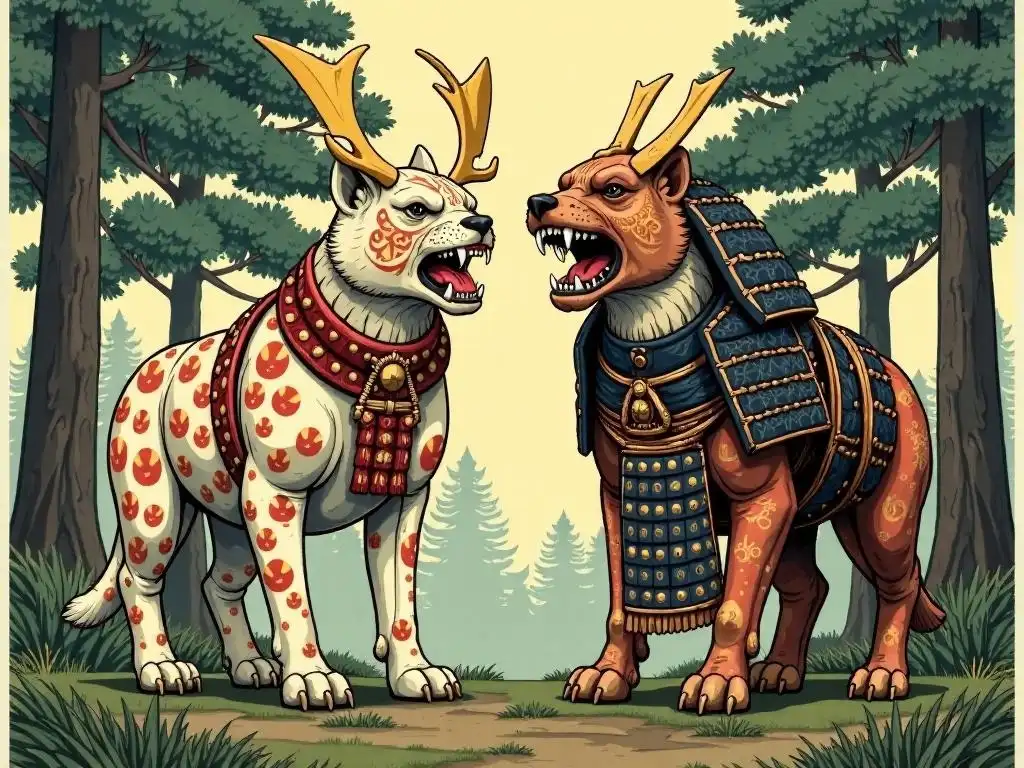
Welcome to Feudal Japan History, where we invite you to embark on an enthralling journey through the complexities of Japan's feudal era. Here, you will uncover the rich tapestry of historical, cultural, and societal aspects that shaped this fascinating period. In our featured article, "The Art of Duel: Samurai Showdowns and Their Cultural Significance," we delve into the intense world of samurai duels, exploring not just the physical confrontations, but their profound impact on Japanese culture and identity.
Prepare to be captivated by tales of honor, skill, and the intricate rituals that define these legendary encounters. Are you ready to discover what lies beneath the surface of these epic showdowns? Dive in and let the exploration begin!
Introduction to Samurai Duels
The samurai, Japan's esteemed warrior class, not only embodied martial prowess but also a rich cultural tapestry that defined feudal society. Central to their identity was the art of the duel, a practice that transcended mere combat to encapsulate values such as honor, loyalty, and skill. Understanding the cultural significance of samurai duels reveals insights into the broader societal norms and philosophies of feudal Japan.
These encounters were not only contests of strength and technique but also profound expressions of the samurai's code of conduct, known as Bushido, which emphasized virtues like respect, courage, and ethical conduct. As we delve into the intricate world of samurai showdowns, we will explore their historical context, origins, and the enduring legacy they left on Japanese culture and military traditions.
Overview of Samurai Warfare
Samurai warfare was characterized by a fusion of strategic acumen and a deep respect for martial arts. The samurai, trained from a young age in various combat techniques, mastered multiple weapons, most notably the katana. Their fighting style evolved over centuries, influenced by changing battlefield tactics, political power struggles, and the need for personal honor.
Key aspects of samurai warfare include:
- Weapon Mastery: Proficiency in the use of the katana, bow, and other weapons.
- Tactical Formation: Understanding formations like kōbō and tachi that maximized combat effectiveness.
- Spiritual Discipline: Embracing Zen principles that enhanced focus and mental fortitude in battle.
This multifaceted approach to warfare set the stage for the prominence of dueling, where individual skill and honor could be showcased in a direct confrontation.
Importance of Duels in Feudal Japan
Dueling served as a critical mechanism for resolving conflicts and asserting one’s reputation in feudal Japan. Unlike modern perceptions of duels as mere violence, samurai duels were often ritualistic, governed by strict codes and protocols, reflecting the societal values of the time.
Significant implications of dueling include:
- Conflict Resolution: Duels provided a means to settle disputes without escalating to full-scale warfare.
- Honor and Reputation: Winning a duel enhanced a samurai's status, while losing could lead to disgrace.
- Cultural Expression: Duels were often accompanied by ceremonies, poetry, and philosophical musings, revealing the deep interconnectedness of martial and artistic pursuits.
These elements illustrate how the art of duel was not merely about combat; it was a profound aspect of samurai culture that resonated with the ideals of the time.
Historical Context of Samurai Duels
The Origins of Samurai Duel Culture
The tradition of dueling among samurai can be traced back to the early Heian period (794-1185), when personal combat began to gain prominence as a means of settling disputes. Over time, these confrontations evolved into a respected practice, influenced by various factors, including:
- Military Code: The emergence of Bushido provided ethical guidelines that shaped the conduct of samurai in duels.
- Cultural Influences: The integration of Buddhist and Shinto beliefs emphasized the importance of honor and spiritual preparation in combat.
- Literary Depictions: Historical texts and narratives romanticized the concept of dueling, further embedding it into the samurai ethos.
As these elements coalesced, the culture of samurai duels became a defining feature of the warrior class.
Key Historical Events Influencing Duel Practices
Several pivotal events in Japanese history significantly impacted the practices and perceptions of samurai duels. Notable among these are:
- The Genpei War (1180-1185): This conflict solidified the role of samurai as not only warriors but also as key players in political power dynamics, leading to increased emphasis on personal valor and dueling.
- The Sengoku Period (1467-1603): A time of constant military conflict, the necessity for individual skill in battle flourished, contributing to the rise in the prevalence of duels.
- The Edo Period (1603-1868): Although marked by relative peace, the samurai class maintained their martial traditions, with dueling becoming a means to uphold honor in a society where warfare was less common.
These events shaped the evolving nature of dueling, intertwining it with the broader narrative of samurai history.
Notable Samurai Duels in History
Throughout history, certain duels have become legendary, reflecting the ideals and stakes associated with samurai combat. Some notable examples include:
- Miyamoto Musashi vs. Sasaki Kojiro: This iconic duel in 1612 is celebrated for Musashi's innovative tactics and strategic brilliance, symbolizing the clash of two legendary swordsmen.
- Tachibana no Hayanari vs. Kiyomori: A dramatic encounter highlighting the personal stakes involved in dueling, with the outcome affecting political allegiances.
- The Duel of the Swordsmen in the Shinsengumi: This series of duels during the late Edo period illustrated the transition of samurai practices into the modern era.
These duels not only provide insight into the martial skills of the samurai but also encapsulate their cultural significance and the values they upheld.
The Significance of Samurai Duels
Samurai duels were not merely contests of skill and strength; they represented a complex interplay of cultural values, personal honor, and social dynamics within feudal Japan. These showdowns served as a platform for samurai to demonstrate their martial prowess, uphold their family's honor, and reaffirm their commitment to the bushido code, which emphasized virtues such as loyalty, courage, and honor. The outcome of a duel could significantly impact a samurai's reputation, affecting not only their personal standing but also that of their clan.
Moreover, samurai duels acted as a means of conflict resolution, providing a structured and accepted method for settling disputes without resorting to larger-scale warfare. By engaging in a duel, samurai could maintain their dignity and integrity, preserving the social fabric of their communities. This ritualistic aspect of dueling contributed to its cultural significance, transforming what might be a violent confrontation into a deeply meaningful event in the life of a samurai.
Symbolism of the Duel in Samurai Culture
The duel embodied numerous symbolic meanings within samurai culture. It represented the ultimate test of one's skills and character, where the samurai's ability to maintain composure under pressure was as important as their physical prowess. The act of engaging in a duel symbolized the samurai's willingness to confront fate and honor through combat, showcasing their dedication to the principles of bushido.
Additionally, the duel served as a metaphor for the internal struggles faced by samurai, reflecting the constant battle between duty and personal desire. The ritualistic nature of the duel, with its formalized protocols and etiquette, underscored the importance of respect—both for the opponent and for the art of combat itself. In this way, dueling transcended mere physical confrontation, becoming a profound expression of cultural values and personal integrity.
The Role of Honor and Reputation in Samurai Showdowns
Honor and reputation were paramount in the world of the samurai, and duels played a critical role in shaping both. A samurai's standing within their clan and society at large depended heavily on their ability to defend their honor through successful showdowns. The fear of shame or dishonor often drove samurai to engage in duels, where they could either restore their reputation or risk tarnishing it.
Losing a duel could have dire consequences, not only for the individual but also for their family and clan. It was not uncommon for samurai to seek vengeance or redemption through subsequent duels if they felt their honor had been compromised. This cycle of dueling exemplified the intricate relationship between honor, reputation, and the samurai identity, influencing their actions and decisions throughout their lives.
Spiritual and Philosophical Aspects of Samurai Duels
The spiritual and philosophical dimensions of samurai duels were deeply intertwined with the samurai's martial practices. Many samurai believed that engaging in a duel was not just a physical confrontation but also a spiritual journey that tested their resolve and understanding of life and death. This perspective was heavily influenced by Zen Buddhism, which emphasized mindfulness and the acceptance of one's fate.
The practice of meditation and mental discipline was essential for samurai, allowing them to approach duels with clarity and focus. The duel became a space for self-discovery, enabling samurai to confront their fears and uncertainties. Philosophically, the outcome of a duel was often seen as a reflection of the samurai's inner state, where victory could be viewed as a manifestation of one's spiritual alignment with the universe.
The Techniques and Styles of Samurai Duels
The art of samurai dueling was characterized by a rich variety of techniques, styles, and strategies, all of which evolved over centuries. These elements were not only physical but also deeply rooted in the cultural and historical context of feudal Japan. Understanding these techniques provides insight into the complexity and depth of the samurai's martial traditions.
Traditional Samurai Weapons Used in Duels
The primary weapon used in samurai duels was the katana, a curved, single-edged sword known for its sharpness and balance. This weapon was not just a tool for combat; it was a symbol of the samurai's status and identity. The katana's craftsmanship often reflected the skill of the smith, making it a valued possession.
In addition to the katana, samurai sometimes employed other weapons in duels, including the wakizashi (a shorter sword), tanto (dagger), and naginata (polearm). Each weapon had its own set of techniques and strategies, contributing to the diversity of fighting styles. Understanding these weapons and their use in duels sheds light on the martial expertise of the samurai.
Different Duel Styles: Kenjutsu and Beyond
Kenjutsu, the art of swordsmanship, was the most prominent style practiced by samurai. This discipline encompassed a variety of techniques, strategies, and forms, including the use of footwork, timing, and distance. Kenjutsu training involved rigorous practice and often included kata (pre-arranged forms) that helped practitioners refine their skills.
Beyond kenjutsu, other styles such as iaijutsu (the art of drawing the sword) and naginatajutsu (the art of the naginata) were also practiced. Each style had its own philosophy and tactical considerations, allowing samurai to adapt their approach based on the circumstances of the duel. The diversity of duel styles highlighted the versatility and adaptability of samurai warriors in combat.
Training and Preparation for a Duel
Preparation for a duel was a comprehensive process that involved not only physical training but also mental and spiritual conditioning. Samurai engaged in rigorous practice, honing their techniques through repetitive drills and sparring sessions. This training emphasized the importance of precision, reaction time, and adaptability in the face of an opponent's actions.
Mental preparation was equally crucial, as samurai were taught to cultivate a focused mindset through meditation and reflection. This mental discipline allowed them to approach duels with clarity and poise, minimizing the influence of fear or anxiety. The combination of physical and mental training ensured that samurai were well-equipped to face the challenges of a duel, embodying the principles of bushido in every encounter.
The Cultural Impact of Samurai Duels
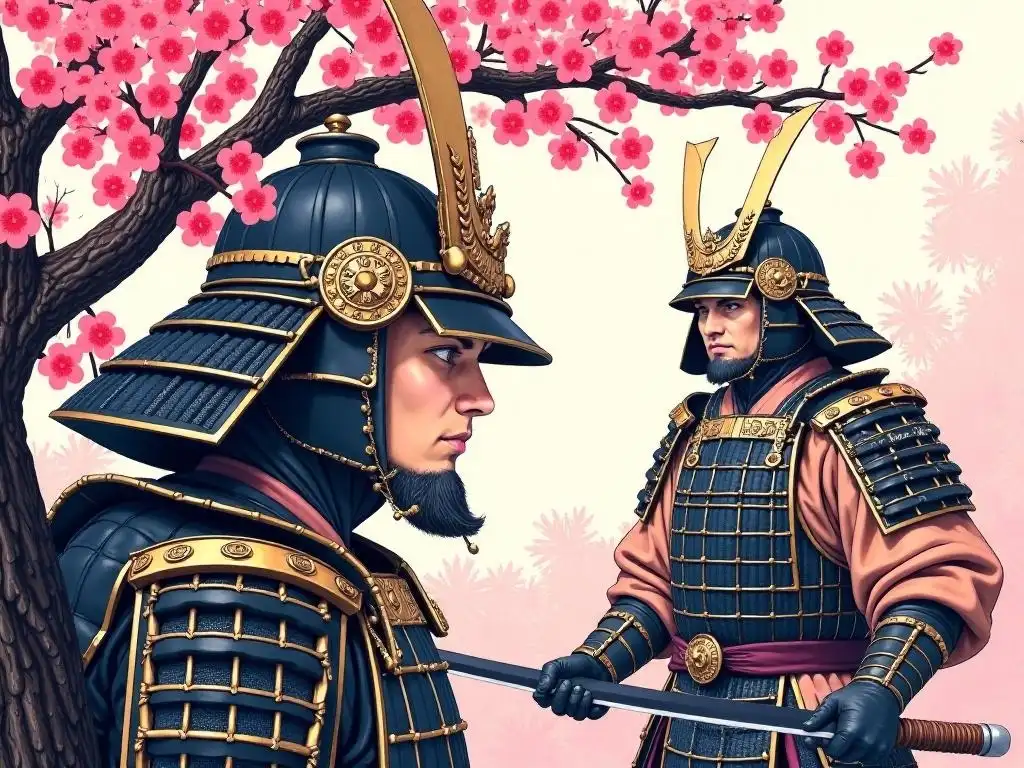
Samurai duels, or shinken shobu, have had a profound effect on Japanese culture, shaping not only the military practices of the time but also influencing various artistic expressions and societal values. These one-on-one combat encounters were not merely battles; they were steeped in a rich tapestry of honor, discipline, and the philosophical underpinnings of the samurai code, known as bushido. The cultural significance of these duels can be observed in literature, arts, cinema, and modern interpretations, revealing a deep connection between the past and present.
Influence on Japanese Literature and Arts
The samurai duel has been a prominent theme in Japanese literature, inspiring countless tales and narratives that explore the concepts of honor, loyalty, and the warrior spirit. Classic works, such as The Tale of the Heike and Musashi by Eiji Yoshikawa, delve into the motivations and philosophies behind the samurai way of life, often culminating in epic duels that symbolize the internal and external conflicts faced by warriors.
In the realm of visual arts, samurai duels have been immortalized in woodblock prints, paintings, and sculptures. Artists like Katsushika Hokusai and Utagawa Kuniyoshi captured the intensity and drama of these clashes through dynamic compositions and vivid imagery. The portrayal of samurai in art not only highlights their martial prowess but also serves as a reflection of the societal values of the time, emphasizing bravery, skill, and the inevitability of death in battle.
Depictions of Duels in Japanese Cinema
Japanese cinema has also played a crucial role in shaping the perception of samurai duels. Films from the mid-20th century, such as Akira Kurosawa's Seven Samurai and Yojimbo, showcase the intricacies of samurai combat and the moral dilemmas faced by warriors. These films often depict duels as climactic moments that encapsulate the essence of honor and sacrifice, resonating with audiences both in Japan and internationally.
The genre has evolved over the years, with modern films like 13 Assassins and Rashomon revisiting themes of loyalty, betrayal, and the human condition through the lens of samurai dueling. The stylized choreography of fight scenes and the philosophical undercurrents present in these films have contributed to the ongoing fascination with samurai culture and its enduring legacy.
Modern Interpretations of Samurai Duel Culture
Today, the samurai duel is interpreted in various ways, reflecting both respect for tradition and a contemporary understanding of martial arts. Many practitioners of traditional Japanese martial arts, such as Kendo and Kenjutsu, draw inspiration from historical duels, incorporating techniques and philosophies into their training. These practices not only preserve the technical aspects of samurai combat but also the ethical considerations of honor and respect that were central to the samurai identity.
Additionally, modern literature and media continue to explore the significance of samurai duels, often blending historical elements with fantasy. Works like the Rurouni Kenshin manga series and the video game Ghost of Tsushima highlight the romanticized view of samurai culture while encouraging discussions about morality, duty, and the implications of violence.
The Legacy of Samurai Duels in Contemporary Society
The legacy of samurai duels extends beyond the historical context, influencing various aspects of contemporary society. The values espoused by samurai warriors continue to resonate, fostering a sense of discipline, respect, and ethical behavior in modern martial arts and beyond.
How Samurai Duel Traditions Influence Modern Martial Arts
Samurai duel traditions have significantly shaped modern martial arts, particularly in Japan. Disciplines such as Kendo, Iaido, and Kenjutsu are direct descendants of the combat techniques used by samurai, focusing on precision, strategy, and the mental fortitude required in dueling. Practitioners of these arts engage in rigorous training that emphasizes not only physical skill but also the philosophical tenets of bushido, instilling values such as respect for opponents and self-discipline.
In addition, the global popularity of martial arts has led to a resurgence of interest in the samurai way of life, prompting many schools worldwide to incorporate elements of samurai philosophy and techniques into their curricula. This blending of traditional practices with contemporary training methodologies fosters a deeper appreciation for the historical significance of samurai duels.
The Continuing Fascination with Samurai Duels in Popular Culture
The fascination with samurai duels continues to thrive in popular culture, manifesting in various forms of entertainment, fashion, and even gaming. Video games, such as Sekiro: Shadows Die Twice, have captivated audiences by immersing players in the world of samurai combat, allowing them to experience the thrill and challenge of dueling firsthand.
Anime and manga frequently explore samurai themes, often romanticizing the duel as a rite of passage or a test of character. This ongoing interest reflects a broader cultural trend that seeks to understand the complexities of the samurai ethos and its relevance in today's world.
Preservation of Duel Traditions in Japan Today
In Japan, efforts to preserve the traditions of samurai duels are evident in the continued practice of classical martial arts, historical reenactments, and cultural festivals. Organizations dedicated to the study and practice of koryu (traditional schools) actively promote the techniques and philosophies of samurai warfare, ensuring that the legacy of these warriors endures.
Cultural events, such as the annual Bushi no Sato festival in Tochigi Prefecture, celebrate samurai heritage through performances, demonstrations, and educational workshops. Such initiatives not only honor the past but also engage younger generations, fostering a connection to their cultural roots and the historical significance of the samurai duel.
The cultural significance of samurai duels transcends time, continuing to influence modern society through martial arts, popular culture, and the preservation of traditions. The legacy of these encounters is a testament to the enduring impact of the samurai spirit, inspiring individuals to explore the values of honor, discipline, and respect that defined an era.
Conclusion: The Enduring Cultural Significance of Samurai Duels
The art of the samurai duel is not merely a reflection of martial prowess but a deep-seated expression of Japan’s historical and cultural identity. These encounters, characterized by their code of honor and intricate techniques, go beyond the battlefield; they encapsulate the values of bravery, loyalty, and discipline that define the samurai ethos. The cultural significance of samurai duels resonates through various facets of Japanese society, from literature and art to modern interpretations in film and popular culture.
The ritualistic nature of these duels, often steeped in tradition, provided a framework for resolving conflicts within the strict hierarchical structure of feudal Japan. This not only reinforced the samurai's status as elite warriors but also served to perpetuate a sense of order and respect among the classes. As a result, samurai duels have left an indelible mark on Japanese identity, shaping cultural narratives and contributing to the national consciousness.
Reflection on the Impact of Samurai Duels on Japanese Identity
Samurai duels have played a pivotal role in shaping the Japanese identity, both historically and in contemporary society. These confrontations symbolize the ultimate expression of the samurai’s commitment to their principles, and this commitment resonates with the broader Japanese cultural values of honor and sacrifice. The samurai's willingness to face death in combat for the sake of their lord or personal honor has become emblematic of the national spirit, influencing how Japanese people view bravery and duty.
Moreover, the legacy of samurai duels extends beyond mere historical events; they have been immortalized in literature and art, creating a romanticized image of the samurai that continues to captivate audiences. Works like "The Tale of the Heike" and modern adaptations in films and anime serve to highlight the heroic narratives surrounding these duels, fostering a sense of pride in the samurai tradition. This cultural reflection has also encouraged a resurgence of interest in martial arts and traditional practices, further embedding the significance of these duels into the fabric of modern Japanese identity.
Final Thoughts on the Art of Samurai Duel and Its Legacy
The art of samurai duel remains a fascinating subject that encapsulates the complexity of Japan's feudal past and its cultural evolution. While the era of actual samurai combat has long since passed, the principles and values derived from these duels continue to inform modern society. The legacy of the samurai duel can be seen in various forms, from the practice of kendo to the portrayal of samurai in contemporary media.
As we reflect on the cultural significance of samurai duels, it is evident that they are more than just historical events; they represent a profound aspect of Japan’s heritage that continues to influence its identity today. The interplay of honor, skill, and tradition in samurai duels serves as a reminder of the enduring values that have shaped not only the samurai but also the collective consciousness of the Japanese people. By appreciating the art of the samurai duel, we gain insight into the cultural fabric of Japan and the timeless qualities that resonate through its history.
- Introduction to Samurai Duels
- Historical Context of Samurai Duels
- The Significance of Samurai Duels
- The Techniques and Styles of Samurai Duels
- The Cultural Impact of Samurai Duels
- The Legacy of Samurai Duels in Contemporary Society
- Conclusion: The Enduring Cultural Significance of Samurai Duels
Frequently Asked Questions
What was the primary purpose of samurai duels in feudal Japan?
Samurai duels were primarily conducted to settle honor disputes and demonstrate martial prowess. These showdowns reflected the cultural values of loyalty, courage, and skill within the samurai class.
How did samurai duels influence Japanese culture?
Samurai duels influenced Japanese culture by reinforcing the code of bushido, which emphasized honor and discipline. They also contributed to the romanticized image of the samurai as noble warriors in literature and art.
What were the common weapons used in samurai duels?
The most common weapon in samurai duels was the katana, a curved, single-edged sword known for its sharpness and strength. Other weapons included wakizashi and bo staffs, depending on the duel's context.
Did samurai duels have any formal rules?
Yes, many samurai duels had formal rules that governed conduct, such as the conditions for engaging in a duel and the protocol for surrender. Adhering to these rules was crucial for maintaining one's honor and reputation.
How do contemporary perceptions of samurai duels differ from historical realities?
Contemporary perceptions often romanticize samurai duels, portraying them as glamorous and heroic. In reality, duels were often brutal and dangerous, highlighting the serious consequences of conflict in feudal Japan.
Final Reflection: The Enduring Legacy of Samurai Duels
The cultural significance of samurai duels transcends time, embodying the principles of honor, discipline, and the relentless pursuit of mastery. In today's fast-paced world, where conflicts often escalate into chaos, the samurai's approach to dueling serves as a poignant reminder of the value of respect and strategy in resolving disputes. The art of the duel is not merely a relic of the past; it continues to resonate in contemporary discussions about conflict resolution and personal integrity.
Clearly, the samurai duel has left an indelible mark on our cultural landscape, influencing everything from literature and film to martial arts and philosophy. The stories of these fierce confrontations encapsulate a deeper understanding of human nature and the complexities of honor. As noted by renowned historian John Donahue, The samurai duel represents a unique intersection of martial prowess and ethical consideration, shaping not just warriors but the very fabric of Japanese society.
This ongoing influence invites us to reflect on how the principles derived from these historical encounters can inform our own lives and interactions.
As we contemplate the lessons of the samurai duel, I invite you to consider how you can embody the spirit of honor and discipline in your daily life. Reflect on your own conflicts—how can you approach them with the same respect and strategy that defined the samurai? By embracing these timeless values, we can foster a culture of understanding and integrity, ensuring that the legacy of the samurai endures not just in history, but in our actions and choices today.
Experience the Spirit of the Samurai!
Thank you for diving into the intricate world of Samurai duels and their profound cultural significance! You've uncovered the rich layers of tradition and honor that define these legendary encounters. Now, it's time to take that passion and knowledge further.
Here are some actionable steps for you to connect even deeper with the spirit of the Samurai:
- Join a local martial arts class: Embrace the discipline and physicality of Samurai culture through Kendo or other martial arts that celebrate this heritage.
- Explore historical reenactments: Look for events or festivals where you can witness or actively participate in Samurai-themed experiences.
- Share your insights: Start a conversation with friends or on social media about what you’ve learned. Consider writing a blog post or sharing your perspective on the cultural impact of Samurai duels.
Now, we want to hear from you! What aspect of Samurai culture intrigues you the most, and how do you plan to explore it further?