
The Role of Martial Arts in Japanese Festivals and Rituals

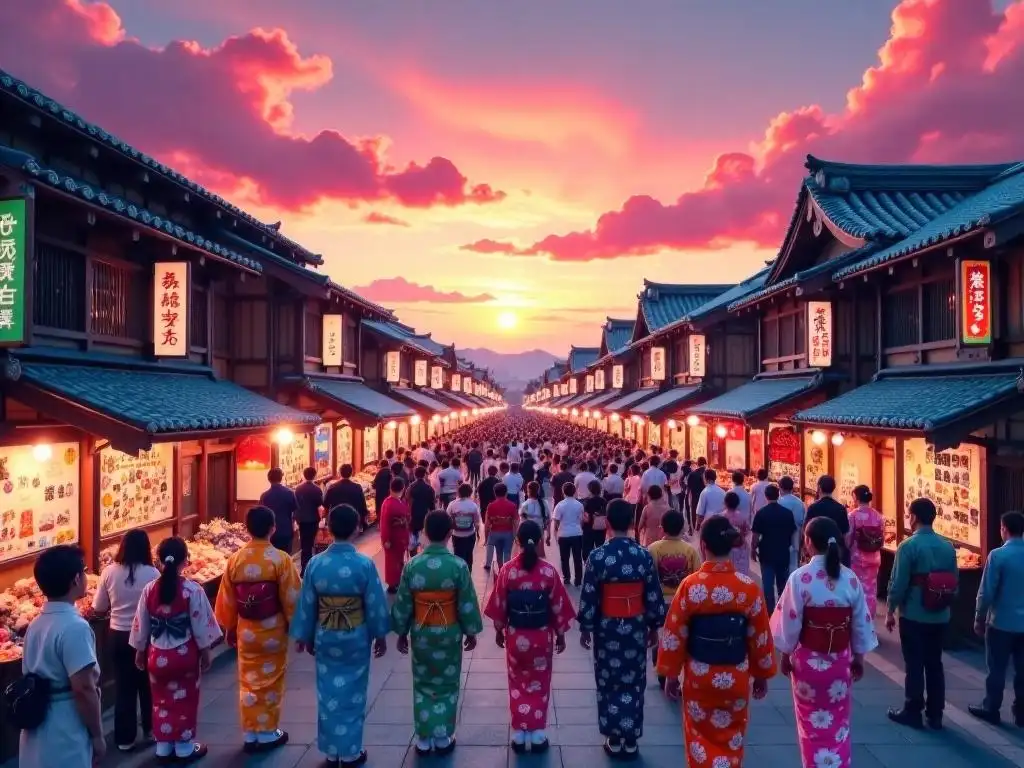
Welcome to Feudal Japan History, where we invite you to embark on an immersive journey through the intricate tapestry of Japan’s feudal era. Here, we delve deep into the historical, cultural, and societal nuances that shaped this remarkable time. In our featured article, “The Role of Martial Arts in Japanese Festivals and Rituals,” we uncover the vibrant world of Japanese martial arts festivals, revealing how these dynamic events intertwine with tradition and community spirit.
Prepare to ignite your curiosity as we explore the powerful connections between martial prowess and cultural celebration, and discover why these festivals are more than just displays of skill—they are a living testament to a rich heritage that continues to resonate today. Dive in and uncover the stories waiting to be told!
- Introduction to Japanese Martial Arts Festivals
- Historical Context of Martial Arts in Japan
- The Significance of Festivals in Japanese Society
- Types of Japanese Martial Arts Festivals
- Key Martial Arts Demonstrated at Festivals
- Rituals and Practices Associated with Martial Arts Festivals
- Cultural Impact of Martial Arts Festivals on Japanese Society
- Conclusion: The Enduring Legacy of Japanese Martial Arts Festivals
- References and Further Reading
-
Frequently Asked Questions
- What are Japanese martial arts festivals?
- How do martial arts play a role in Japanese festivals?
- What types of martial arts are commonly featured in these festivals?
- Are there specific locations known for their martial arts festivals in Japan?
- How do these festivals contribute to the preservation of Japanese martial arts?
- Final Reflection: The Enduring Spirit of Japanese Martial Arts Festivals
- Unleash the Spirit of Martial Arts in Your Life!
Introduction to Japanese Martial Arts Festivals
The rich tapestry of Japanese martial arts festivals offers a fascinating glimpse into the historical and cultural significance of these practices within Japan's feudal era. These festivals are not merely events showcasing physical prowess; they encapsulate centuries of tradition, spirituality, and community engagement, reflecting the values and beliefs of the Japanese people. From the disciplined movements of kendo to the elegant forms of aikido, martial arts have evolved alongside Japan's societal changes, deeply entwined with the various festivals that celebrate these ancient skills.
In this article, we will explore the multifaceted role of martial arts in Japanese festivals and rituals, examining their historical roots, cultural significance, and the ways they continue to resonate in modern Japan. We aim to provide a comprehensive understanding of how these events not only honor the martial arts themselves but also serve as vital expressions of Japanese identity and heritage.
Overview of Martial Arts in Japan
Japanese martial arts, known collectively as bujutsu and budō, encompass a wide range of disciplines that have been practiced for centuries. Historically, these arts were developed for practical combat purposes, with techniques honed through real-life conflict during Japan's feudal period. As the society transitioned from a warrior-based culture to one focused on peace and harmony, the purpose of martial arts evolved.
Today, martial arts in Japan are characterized by:
- Diverse Disciplines: From karate and judo to kendo and iaido, each martial art embodies unique philosophies, techniques, and training methods.
- Philosophical Underpinnings: Many martial arts emphasize the cultivation of character, discipline, and respect, reflecting the deep-rooted Bushido code of the samurai.
- Modern Adaptation: While traditional forms remain, contemporary interpretations and competitions have emerged, drawing global interest and participation.
These martial arts are not just physical activities; they serve as a conduit for cultural expression, historical remembrance, and community bonding, particularly during festivals.
Importance of Festivals and Rituals in Japanese Culture
Festivals and rituals hold a central place in Japanese culture, acting as a means of preserving traditions and fostering community spirit. These events often commemorate seasonal changes, historical events, or religious observances, with martial arts playing a significant role in many of them. The importance of festivals in Japanese society can be highlighted through several key aspects:
- Cultural Heritage: Festivals are a celebration of Japan's rich history and traditions, often featuring martial arts demonstrations that connect participants with their ancestors.
- Community Engagement: These events bring together individuals from diverse backgrounds, promoting social bonds and a sense of belonging within the community.
- Spiritual Significance: Many festivals incorporate elements of spirituality, where martial arts are performed as offerings to deities, seeking blessings for strength, health, and prosperity.
The interplay between martial arts and festivals in Japan illustrates the profound cultural significance of these practices, enduring from the feudal era to the present day. Understanding this relationship enriches our appreciation of Japanese martial arts and their role in shaping societal values and community identities.
Historical Context of Martial Arts in Japan
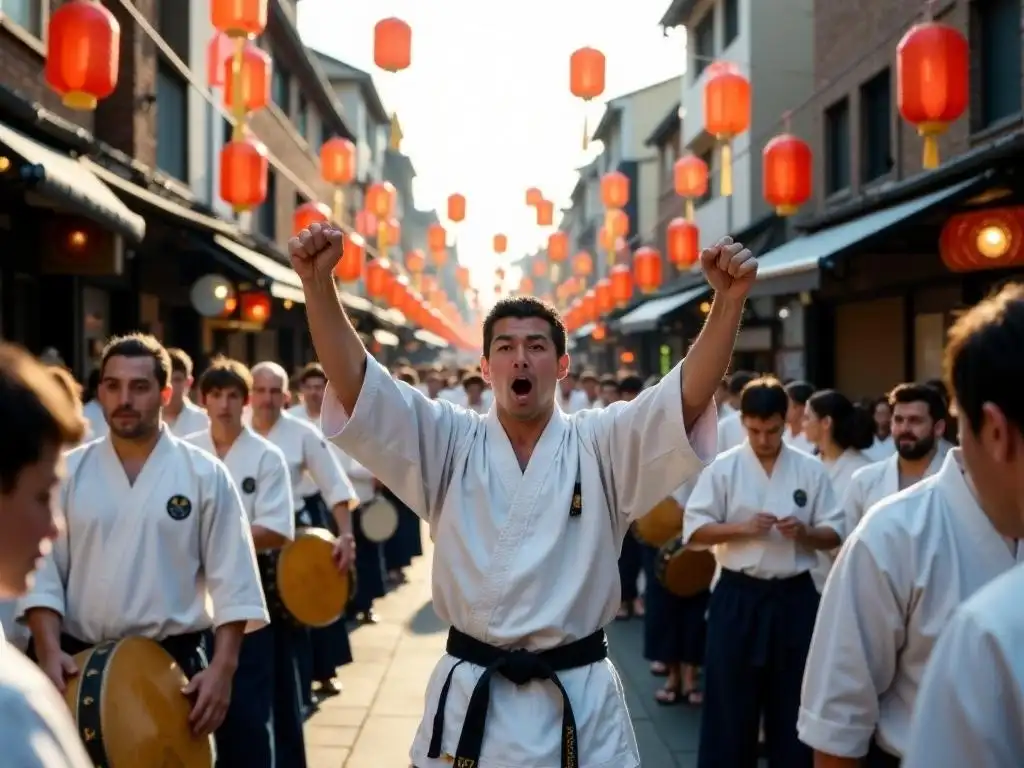
Origins of Japanese Martial Arts
Japanese martial arts have a rich and intricate history that dates back to ancient times, with their origins deeply rooted in the need for self-defense and military training. The earliest forms of combat training in Japan were influenced by Chinese martial arts, which were introduced to Japan around the 6th century. These early practices focused primarily on hand-to-hand combat, utilizing strikes and grappling techniques.
The term "Bujutsu" refers to the martial arts of Japan, encompassing a wide range of fighting styles and techniques. By the 12th century, during the late Heian period, the rise of the samurai class led to the formalization of combat training, with a greater emphasis on weaponry, particularly the sword. This era saw the development of various styles, including Kenjutsu (swordsmanship) and Sojutsu (spear fighting), which became integral to the samurai's martial education.
As Japanese martial arts began to evolve, they were not merely seen as methods of combat; they also became intertwined with spiritual and philosophical elements. The concepts of honor, discipline, and respect were cultivated, laying the groundwork for future practices. Many of these early martial arts systems were passed down through generations, often within families or schools known as "koryu."
Evolution of Martial Arts Throughout Feudal Japan
The feudal era in Japan, spanning from the 12th to the 19th century, marked a significant evolution in the practice and perception of martial arts. During this period, various regional schools emerged, each emphasizing different techniques and philosophies. The establishment of the shogunate led to a more structured society, where samurai became the ruling class, and martial arts training became essential for maintaining their status.
In the 16th century, the Warring States period (Sengoku Jidai) intensified the necessity for effective martial training, as clans battled for control. This era produced notable figures such as Miyamoto Musashi, who contributed to the evolution of martial arts through his writings, including "The Book of Five Rings," which emphasized strategy and mental discipline in combat.
With the unification of Japan under the Tokugawa shogunate in the early 17th century, the need for warfare diminished, leading to a shift in focus. Martial arts transitioned from practical combat skills to a means of personal development and cultural expression. This period saw the emergence of more structured forms, such as Kendo and Iaido, which emphasized not only technique but also the philosophical aspects of martial training.
The integration of martial arts within festivals and rituals became prominent during this time, as communities sought to celebrate their heritage and honor the warrior spirit. These events often featured demonstrations of skill, fostering camaraderie and reinforcing social ties among participants.
Connection Between Martial Arts and Samurai Culture
The samurai class played a pivotal role in shaping the landscape of Japanese martial arts. Their code of conduct, known as Bushido, emphasized virtues such as loyalty, bravery, and honor, which were integral to both martial arts training and the samurai's identity. This connection fostered a culture where martial prowess was not only a means of survival but also a path to spiritual enlightenment.
Many Japanese martial arts festivals celebrated the samurai’s legacy, showcasing traditional techniques and honoring historical battles. Events like the Honnō-ji Incident reenactments or the various matsuri (festivals) held across the country served as a way to preserve the martial arts heritage and instill a sense of pride within the community.
Moreover, the relationship between martial arts and samurai culture can be seen in the rituals associated with training. Practices such as "Shinjinkai" (a formalized training ceremony) and the use of "tatami" (straw mats) during training sessions reflect the deep respect for tradition and discipline that characterized the samurai way of life.
The evolution of Japanese martial arts throughout the feudal era is a testament to the complex interplay between combat, culture, and spirituality. The festivals celebrating these martial arts not only preserve historical practices but also serve to connect contemporary practitioners with the rich heritage of the samurai.
The Significance of Festivals in Japanese Society
Festivals in Japan hold profound significance, acting as vital expressions of community identity, cultural heritage, and spiritual beliefs. These events, often steeped in history, serve as a reflection of the values and traditions that shape Japanese society. They provide a platform for the collective participation of community members, fostering social bonds and reinforcing a sense of belonging.
Role of Festivals in Community Building
Festivals, or matsuri, are integral to community building in Japan. They serve various purposes, from celebrating seasonal changes to honoring deities and ancestors. Here are some key roles that festivals play in community cohesion:
- Gathering Place: Festivals act as a gathering point for local residents, encouraging interaction among individuals of all ages and backgrounds. This communal experience strengthens ties and fosters a sense of unity.
- Cultural Transmission: Through participation in festivals, younger generations learn about their cultural heritage. They engage in traditional practices, such as performing dances and wearing ceremonial attire, ensuring that customs are passed down.
- Local Economy: Festivals stimulate local economies by attracting visitors, which can lead to increased business for local vendors and artisans. This economic boost contributes to community pride and sustainability.
- Conflict Resolution: Participating in communal activities can help ease tensions within a community. Festivals often provide a space for reconciliation and understanding, allowing groups to come together and celebrate shared values.
The festivals that incorporate Japanese martial arts often highlight these aspects, as they not only showcase fighting techniques but also reinforce community solidarity through shared experiences.
Cultural and Spiritual Aspects of Japanese Festivals
Japanese festivals are deeply intertwined with cultural and spiritual elements, reflecting the country's rich heritage. Here are some cultural and spiritual dimensions that characterize these celebrations:
- Spiritual Significance: Many festivals are linked to Shinto rituals or Buddhist practices, celebrating deities or commemorating significant historical events. For example, the Aoi Matsuri in Kyoto is dedicated to the deities of the Kamo Shrine and involves processions that honor these spirits.
- Artistic Expression: Festivals often feature various forms of artistic expression, including traditional music, dance, and martial arts demonstrations. These performances serve to entertain while also conveying historical narratives and cultural values.
- Symbolism: Many elements of Japanese festivals carry symbolic meanings. Decorations, costumes, and performances often represent themes such as prosperity, fertility, and protection. For instance, the lion dance during New Year celebrations is believed to ward off evil spirits.
- Connection to Nature: Festivals frequently celebrate seasonal changes, reflecting the Japanese appreciation for nature's cycles. Events like the Hanami (cherry blossom viewing) emphasize the beauty of nature and the transient nature of life, reinforcing spiritual beliefs about impermanence.
Festivals in Japan are not merely events; they embody the essence of community life, cultural expression, and spiritual connection. The inclusion of Japanese martial arts festivals further enriches this tapestry, providing a unique lens through which to observe the interplay of tradition and community in Japanese society.
Types of Japanese Martial Arts Festivals
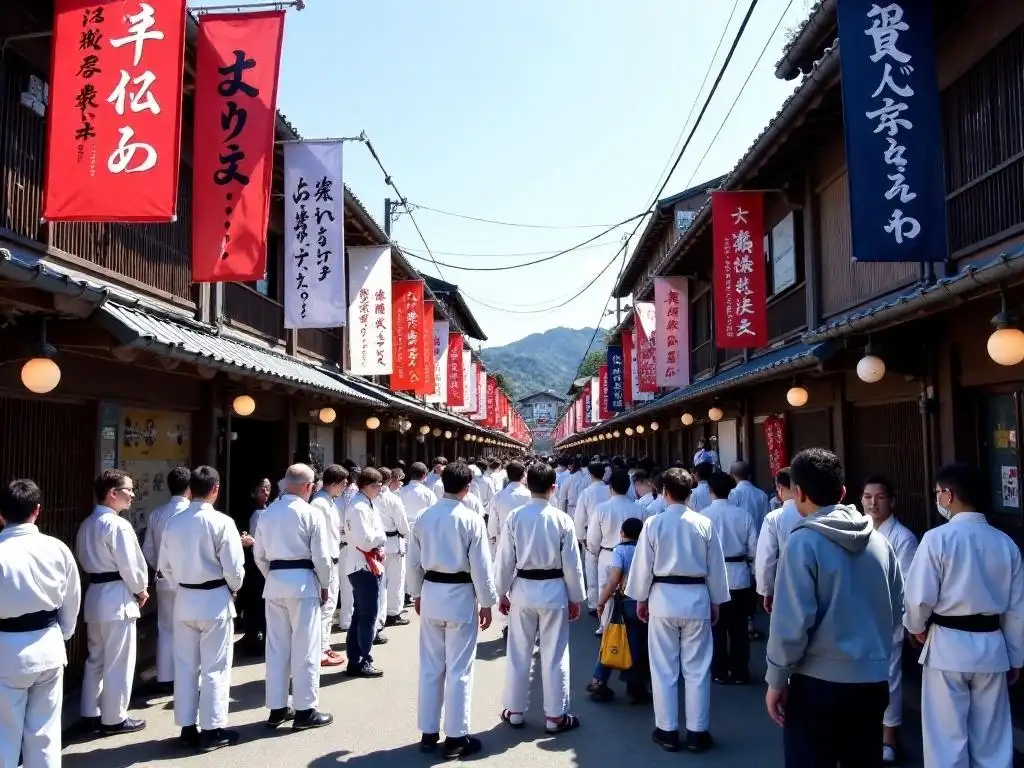
Traditional Festivals Featuring Martial Arts
Throughout Japan's rich history, martial arts have played a significant role in various traditional festivals, showcasing not only the discipline and skill of practitioners but also the cultural heritage of the country. These festivals often serve as a celebration of local customs, community spirit, and the martial arts that have been passed down through generations.
Butokuden Festival
The Butokuden Festival, held annually in Kyoto, is one of the most prestigious martial arts festivals in Japan. This festival dates back to the late 19th century and is dedicated to the memory of martial arts masters and the preservation of traditional practices. The festival is hosted at the Butokuden Hall, a historic venue that has witnessed countless martial arts demonstrations.
During the Butokuden Festival, various martial arts styles are represented, including kendo, iaido, and judo. Demonstrations feature high-level practitioners who perform kata (forms) and engage in sparring matches, highlighting the technical prowess and artistry of each discipline. The festival also includes workshops and seminars led by renowned instructors, allowing attendees to deepen their understanding of martial arts philosophy and technique.
Takamatsu Castle Festival
The Takamatsu Castle Festival is another notable event that celebrates martial arts in Japan. Held in the city of Takamatsu, Kagawa Prefecture, this festival is a vibrant blend of history and martial prowess. It commemorates the castle's rich heritage and the samurai culture that flourished in the region.
Events at the Takamatsu Castle Festival include sword-fighting demonstrations, archery contests, and displays of traditional weaponry. Participants often dress in historical samurai attire, which adds to the festival's authenticity and atmosphere. The festival not only showcases martial arts skills but also emphasizes the importance of strategy and discipline that characterizes samurai culture. Visitors can engage in interactive sessions, where they can try their hand at various martial arts under the guidance of experienced practitioners.
Modern Adaptations of Martial Arts Festivals
As Japan continues to evolve, so do its martial arts festivals. Modern adaptations have emerged, blending traditional practices with contemporary influences, creating unique experiences for both practitioners and spectators.
Fusion of Traditional and Contemporary Practices
In recent years, many festivals have embraced a fusion of traditional and contemporary practices, reflecting the dynamic nature of martial arts today. These modern festivals often feature a wider range of martial arts styles, including mixed martial arts (MMA), Brazilian jiu-jitsu, and capoeira, alongside traditional Japanese martial arts.
For example, the Tokyo Martial Arts Festival showcases a variety of disciplines, attracting a diverse audience. This festival not only highlights traditional Japanese martial arts but also incorporates demonstrations from international styles, creating a global atmosphere. Workshops and competitions encourage participation from all skill levels, making martial arts accessible to a broader audience.
Additionally, modern festivals often leverage technology, incorporating live streaming and social media to reach audiences beyond their physical locations. This approach enhances engagement and allows martial arts enthusiasts worldwide to participate in the celebration of Japanese martial arts, fostering a sense of community and shared passion for these venerable practices.
The evolution of Japanese martial arts festivals exemplifies the enduring spirit of martial arts in Japan, bridging the past and present while fostering a deeper appreciation for the cultural significance of these practices. Through both traditional and modern adaptations, these festivals continue to play a vital role in preserving, promoting, and evolving the art of combat in Japanese society.
Key Martial Arts Demonstrated at Festivals
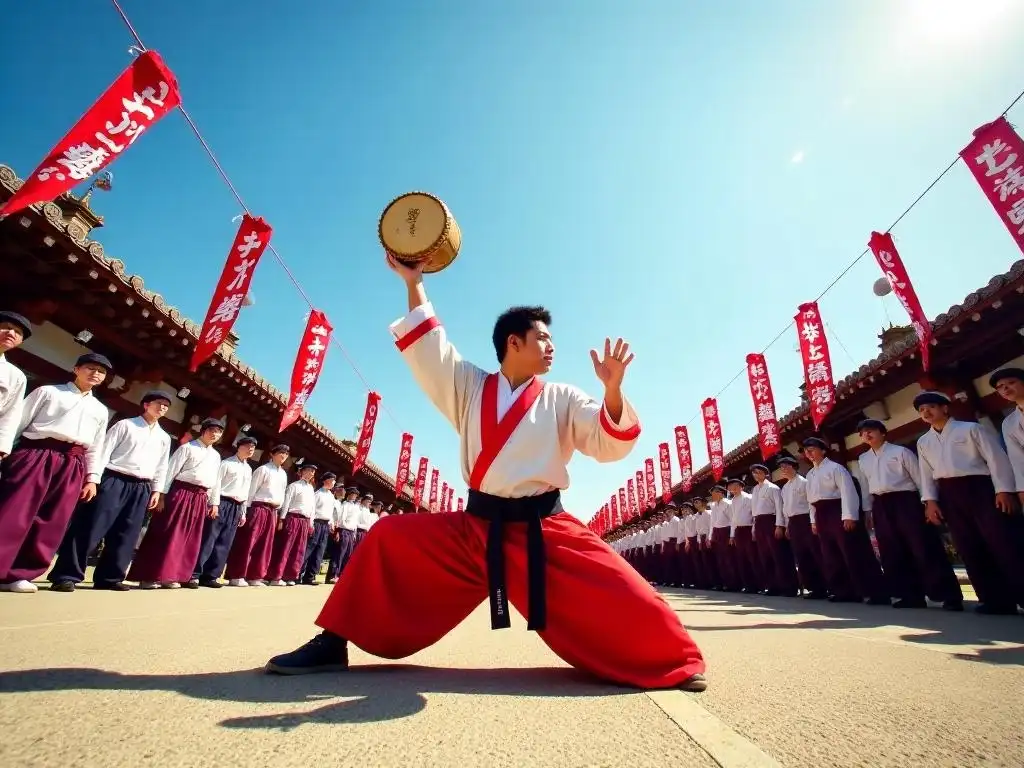
Japanese martial arts festivals are vibrant celebrations that showcase the rich heritage and skills associated with various martial disciplines. These festivals not only highlight the techniques and philosophies of martial arts but also serve as a means of cultural expression, community bonding, and preservation of traditions. Below are some of the key martial arts prominently featured at these festivals.
Kendo: The Way of the Sword
Kendo, often referred to as "the way of the sword," is a modern Japanese martial art that evolved from traditional swordsmanship (kenjutsu). It emphasizes discipline, respect, and the spirit of competition. During Japanese martial arts festivals, kendo practitioners don traditional armor (bōgu) and engage in matches that highlight their skill and technique.
- Demonstrations: Kendo festivals often include kata (forms) demonstrations, where practitioners display precise movements and techniques against imaginary opponents. These kata not only showcase technical proficiency but also embody the philosophical underpinnings of kendo, such as mental focus and spatial awareness.
- Competitions: Tournaments are a staple of kendo festivals, featuring practitioners of all ages and skill levels. Participants compete in a series of matches, culminating in finals that attract considerable attention. The atmosphere is charged with excitement, as spectators cheer on their favorite competitors.
- Cultural Significance: Kendo is deeply intertwined with Japanese culture, embodying values such as perseverance and respect for one's opponent. Festivals provide an opportunity to educate the public about these values while fostering a sense of community among practitioners.
Judo: The Gentle Way
Judo, which translates to "the gentle way," is a martial art that focuses on using an opponent's force against them rather than relying on brute strength. At Japanese martial arts festivals, judo is celebrated through various events that highlight its techniques, competitions, and underlying philosophy of mutual welfare and respect.
- Exhibitions: Judo festivals often include demonstrations where skilled judokas showcase throws, holds, and ground techniques. These exhibitions emphasize the fluidity of movement and the importance of balance and timing in judo practice.
- Competitions: Similar to kendo, judo festivals feature competitive matches, where judokas spar in a controlled environment. These competitions are categorized by weight classes and skill levels, allowing participants to compete fairly.
- Philosophical Aspects: Judo's emphasis on respect, discipline, and self-improvement resonates throughout the festival. Educational workshops and discussions are often conducted to enlighten attendees about the philosophy of judo and its application in daily life.
Aikido: The Way of Harmony
Aikido, known as "the way of harmony," is a unique martial art that focuses on blending with an opponent's movements and redirecting their energy. It is characterized by fluid and circular movements, emphasizing non-resistance and peaceful resolution of conflict. Festivals featuring aikido offer a glimpse into its harmonious approach to martial arts.
- Demonstrations: During aikido festivals, practitioners perform various techniques, showcasing how they can neutralize an opponent's attack through graceful movements. These demonstrations often include multiple attackers and skilled counters, illustrating the effectiveness of aikido principles.
- Workshops: Many aikido festivals include workshops for participants of all levels. These sessions allow attendees to practice under the guidance of experienced instructors, helping them to understand the core concepts of aikido and cultivate their skills.
- Community Building: Aikido festivals often emphasize the importance of community and cooperation. Participants are encouraged to work together, fostering camaraderie and mutual respect among practitioners, regardless of their skill levels.
Japanese martial arts festivals play a crucial role in preserving and promoting the rich traditions of kendo, judo, and aikido. These events not only serve as platforms for competition but also as opportunities for cultural exchange and community engagement, highlighting the profound impact of martial arts on Japanese society.
Karate: The Empty Hand Technique
Karate, a martial art originating from the Ryukyu Kingdom, has become one of the most recognized and practiced forms of Japanese martial arts globally. The term "Karate" translates to "empty hand," which reflects its primary characteristic: the use of striking techniques without weapons. This discipline became prominent during the early 20th century and has since been integrated into various Japanese festivals and rituals, showcasing its cultural significance and martial prowess.
At Japanese festivals, Karate is often demonstrated through kata, which are pre-arranged forms representing various techniques and movements. These kata not only serve as a training tool but also embody the philosophical and spiritual values of Karate. During festivals, practitioners perform these forms in synchronized displays, emphasizing precision, strength, and discipline. The performances are typically accompanied by traditional music, enhancing the overall atmosphere and connection to cultural heritage.
Karate festivals also feature kumite, or sparring, showcasing the practical application of techniques in dynamic, real-time exchanges. This aspect of Karate is particularly engaging for spectators, as it highlights the combat effectiveness and adaptability of the martial art. Tournaments held during these festivals often attract participants from various dojos, fostering a sense of community and competition among practitioners.
Moreover, the role of Karate in festivals extends beyond mere performance. It serves as a means of cultural expression, allowing practitioners to connect with their roots and share their art with a broader audience. The inclusion of Karate in these celebrations underscores its importance in Japanese identity and its evolution as a respected martial art worldwide. Through such events, Karate continues to thrive, preserving its techniques while adapting to contemporary contexts, ensuring its legacy for future generations.
Rituals and Practices Associated with Martial Arts Festivals
Ceremonial Practices in Martial Arts
Japanese martial arts festivals are deeply intertwined with cultural and ceremonial practices that reflect the rich heritage of Japan. These ceremonies often serve as a means of honoring the martial arts traditions, the instructors, and the spirits of the ancestors. Here are some notable ceremonial practices associated with these festivals:
- Opening Ceremonies: Most festivals commence with a formal opening ceremony that includes
- 🔥 Ritualistic offerings to deities or spirits to seek protection and blessings.
- 🎶 Traditional music played on instruments like the shamisen, setting a solemn atmosphere.
- Mikoshi Processions: Many festivals feature a mikoshi (portable shrine) carried by participants. This symbolizes the presence of deities and is a way to invite them to bless the martial arts practitioners and the festival itself.
- Demonstrations and Exhibitions: Martial arts demonstrations are often performed as part of the festivities. These displays include:
- Kata (forms) showcasing the precision and skill of practitioners.
- Sparring matches that not only entertain but also honor the spirit of competition.
- Prayer and Meditation: Practitioners often engage in moments of prayer and meditation before competitions or demonstrations. This practice emphasizes
- 🧘♂️ Mental focus and clarity.
- 🤲 Respect towards the martial art and its history.
These ceremonial practices are essential in maintaining the cultural significance of martial arts within Japanese society, reinforcing the connection between martial arts and spiritual beliefs.
The Role of Rituals in Training and Competitions
Rituals play a pivotal role in both training and competitions within Japanese martial arts, serving various purposes that enhance the overall experience and significance of martial arts festivals. The following are key aspects of how rituals influence training and competitions:
- Discipline and Respect: Rituals instill a sense of discipline among practitioners. Before training sessions or competitions, rituals such as bowing to instructors and fellow students reinforce respect. This adherence to tradition cultivates an environment of mutual respect and dedication.
- Mental Preparation: Rituals act as a form of mental preparation.
- Meditative practices help practitioners to focus and calm their minds, which is crucial before engaging in intense physical activities.
- Breathing techniques often incorporated into rituals are essential for maintaining composure during competitions.
- Unity and Team Spirit: In group training sessions, shared rituals foster a sense of unity among participants.
- Group bowing, collective warm-ups, and synchronized movements build camaraderie and enhance team spirit, essential for team-based competitions.
- Cultural Identity: Engaging in rituals during training and competitions reinforces cultural identity. Practitioners connect with their heritage, acknowledging the traditions passed down through generations.
- Traditional attire, such as the gi, worn during these rituals, further emphasizes this connection.
- Symbolic Acts of Dedication: Many martial arts include symbolic acts, such as breaking boards or bricks, which serve as a rite of passage during festivals.
- These acts symbolize overcoming obstacles and demonstrate the practitioner's skill and dedication.
In essence, rituals are not just formalities but integral components that enhance the overall experience of martial arts festivals. They shape the identity of practitioners, reinforce the values of respect and discipline, and connect participants to the broader cultural narrative of Japan.
Cultural Impact of Martial Arts Festivals on Japanese Society
Promotion of Discipline and Respect
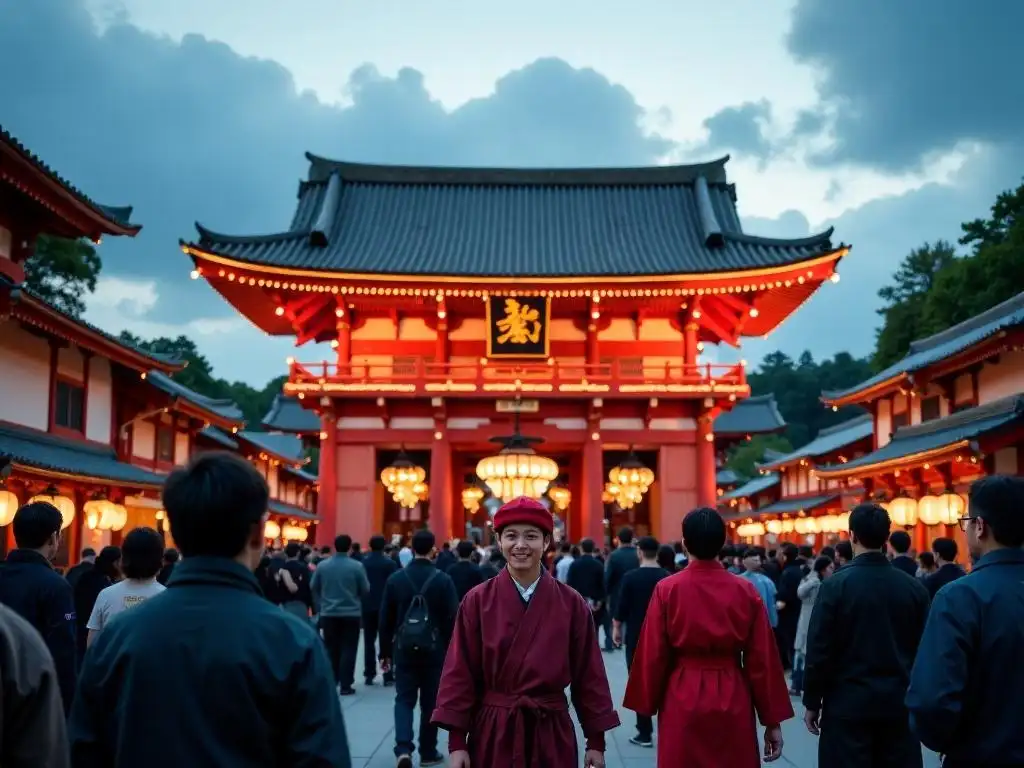
Martial arts festivals in Japan serve as a pinnacle of discipline and respect, deeply rooted in the teachings of various martial arts traditions such as karate, judo, and kendo. These festivals not only showcase the technical prowess of practitioners but also embody the ethical principles that underpin Japanese martial arts.
- Code of Conduct: Central to these festivals is the emphasis on bushido, the samurai code that highlights virtues like loyalty, honor, and respect. Participants are often required to adhere to strict codes of conduct, demonstrating behaviors such as bowing to instructors and opponents, which reinforces mutual respect within the martial arts community.
- Formal Training: Many festivals include demonstrations of kata (forms) and kumite (sparring), where precision and discipline are essential. Practitioners spend countless hours honing their skills, which translates into a strong work ethic and a commitment to personal improvement. This dedication is evident in the ranks and belts that signify a martial artist's journey, mirroring the discipline required in other aspects of Japanese society.
- Community Engagement: Festivals also foster a sense of community, as families and local residents gather to witness and participate in the events. This communal spirit encourages respect for one another, creating a supportive environment where practitioners can thrive. The involvement of local schools and organizations in these events further promotes a culture of discipline and respect across generations.
Influence on Japanese Identity and Heritage
Japanese martial arts festivals not only celebrate the physical aspects of martial arts but also play a crucial role in shaping national identity and preserving cultural heritage. These festivals are often infused with historical significance and symbolic meaning, offering a profound connection to Japan's past.
- Cultural Celebrations: Many festivals coincide with historical events or traditional celebrations, such as Tanabata or Shichi-Go-San. During these times, martial arts demonstrations become a method of storytelling, linking contemporary practices to Japan's storied past. This connection reinforces the significance of martial arts as a living tradition that continues to evolve while honoring its roots.
- Global Representation: As Japan has become a cultural ambassador through its martial arts, these festivals serve as a showcase for international audiences. They highlight the uniqueness of Japanese culture, contributing to a global understanding of its values and traditions. Events like the All Japan Kendo Championships attract participants from around the world, fostering intercultural dialogue and appreciation for Japanese martial arts.
- Youth Participation: The involvement of youth in martial arts festivals is crucial in instilling a sense of national pride and identity. Through participation, young practitioners learn about the historical foundations of their martial arts, gaining insights into their heritage and the cultural significance of their practices. This educational aspect ensures that the legacy of Japanese martial arts is passed down, sustaining its importance in modern society.
The cultural impact of martial arts festivals in Japan is profound, promoting discipline and respect while also influencing the national identity and heritage of the country. These events not only serve as competitions but as vital expressions of cultural continuity, ensuring that Japanese martial arts remain a respected and integral part of the nation's cultural fabric.
Conclusion: The Enduring Legacy of Japanese Martial Arts Festivals
The rich tapestry of Japanese martial arts festivals reveals a deep-seated cultural heritage that continues to influence contemporary practices. These festivals are not merely showcases of physical prowess; they serve as vital conduits for transmitting historical values, traditions, and community bonds. The events encapsulate centuries of evolution in martial arts, intertwining historical significance with modern expressions.
Summary of Key Points
- Cultural Significance: Japanese martial arts festivals, such as the famous Awa Odori or Gion Matsuri, reflect the blend of martial prowess with cultural expressions, showcasing various styles like Kendo, Judo, and Karate.
- Community Engagement: These festivals foster community spirit, bringing together practitioners, families, and spectators in a celebration of shared history and values. They promote unity and continuity of tradition across generations.
- Educational Aspects: Many festivals include demonstrations and workshops, providing opportunities for education and engagement, allowing newcomers to experience martial arts firsthand.
- Tourism and Global Impact: The rise in international interest in Japanese martial arts amplifies the global presence of these festivals, attracting tourists and enthusiasts, which in turn supports local economies.
Future of Martial Arts in Japanese Festivals
As we look to the future, the role of Japanese martial arts festivals is poised for evolution. Here are several trends and predictions:
- Increased Global Participation: With the globalization of martial arts, we can anticipate growing participation from international martial artists, enriching the cultural exchange and diversity within these festivals.
- Integration of Technology: The use of technology, including live streaming and social media, will likely enhance the visibility of these events, allowing for wider audience engagement and participation beyond geographic limitations.
- Sustainability Initiatives: Many festivals are beginning to prioritize sustainability, incorporating eco-friendly practices and promoting awareness about environmental responsibility within martial arts communities.
- Interdisciplinary Collaborations: Future festivals may see increased collaboration between various disciplines, merging martial arts with other forms of traditional Japanese arts, such as Ikebana or Calligraphy, creating a holistic cultural experience.
- Preservation of Tradition: While adapting to modern trends, the essence of tradition will remain paramount. Festivals will continue to honor historical practices, ensuring that the legacy of martial arts is preserved for future generations.
The enduring legacy of Japanese martial arts festivals not only celebrates the historical roots of these practices but also paves the way for their future evolution, ensuring that they remain a vibrant part of Japan's cultural landscape.
References and Further Reading
To deepen your understanding of the role of martial arts in Japanese festivals and rituals, as well as the broader context of Japanese martial arts throughout history, the following resources are invaluable.
Suggested Literature on Japanese Martial Arts
-
"The Book of Five Rings" by Miyamoto Musashi
A classic text on strategy and martial arts, this book provides insights into the philosophy and techniques of one of Japan's most famous swordsmen.
-
"Hagakure: The Book of the Samurai" by Yamamoto Tsunetomo
This book offers a unique perspective on the samurai code and the spiritual aspects of martial arts, reflecting on the values that permeate Japanese culture.
-
"The Essence of Aikido: The Philosophy of Takemusu Aiki" by Morihei Ueshiba
Written by the founder of Aikido, this work emphasizes the philosophical underpinnings of martial arts, focusing on harmony and the spiritual journey of a martial artist.
-
"Japanese Martial Arts: A Historical Perspective" by Donn F. Draeger
This comprehensive overview covers various forms of Japanese martial arts, detailing their evolution and significance in cultural practices, including festivals.
-
"Martial Arts in Japan: A Cultural Perspective" by David A. Hall
This book examines the relationship between martial arts and Japanese culture, including their roles in rituals, ceremonies, and community events.
-
"The Spirit of Aikido" by Morihei Ueshiba
A collection of teachings from the founder of Aikido, this text explores the deeper meanings behind martial practices and their applications in daily life.
-
The Influence of Samurai Culture on Modern Japan
An exploration of how the values and practices of the samurai continue to shape contemporary Japanese society and martial arts.
-
Festivals in Feudal Japan: A Glimpse into Cultural Traditions
A detailed look at various festivals that highlight the interplay between cultural traditions and martial practices during the feudal era.
-
The Evolution of Japanese Martial Arts Through the Ages
This article traces the development of martial arts from ancient times through the feudal period, focusing on key transformations and influences.
-
Rituals and Ceremonies of the Samurai
An in-depth examination of the ceremonial practices that defined the samurai's life, including the integration of martial arts into their rituals.
-
The Role of Religion in Japanese Martial Arts
A discussion on how spiritual beliefs and religious practices have intertwined with martial arts throughout Japan's history.
By engaging with these resources, readers can gain a comprehensive understanding of the intricate relationship between Japanese martial arts and the cultural and societal frameworks that shaped them during the feudal era.
Frequently Asked Questions
What are Japanese martial arts festivals?
Japanese martial arts festivals are cultural events that celebrate various traditional martial arts through demonstrations, competitions, and rituals, showcasing their historical significance and community involvement.
How do martial arts play a role in Japanese festivals?
Martial arts are integral to Japanese festivals as they often feature performances and rituals that highlight the martial traditions, promoting a sense of community and heritage among participants and spectators.
What types of martial arts are commonly featured in these festivals?
Festivals may showcase a variety of martial arts such as Kendo, Judo, Aikido, and Karate, each reflecting unique techniques and philosophies that are deeply rooted in Japanese culture.
Are there specific locations known for their martial arts festivals in Japan?
Yes, certain regions like Kyoto and Okinawa are renowned for hosting martial arts festivals, where local traditions and community spirit are celebrated through various martial arts events.
How do these festivals contribute to the preservation of Japanese martial arts?
These festivals play a crucial role in the preservation of Japanese martial arts by promoting education, training, and cultural exchange, ensuring that these ancient practices continue to thrive in modern society.
Final Reflection: The Enduring Spirit of Japanese Martial Arts Festivals
The role of martial arts in Japanese festivals and rituals is not just a historical footnote; it is a vibrant thread woven into the fabric of contemporary culture. Today, these festivals serve as a dynamic platform for showcasing traditional practices while fostering community spirit and cultural pride. The integration of martial arts into these celebrations highlights their significance beyond mere combat; they embody discipline, respect, and a deep connection to heritage.
Cultural expressions like these are essential in preserving the essence of Japanese identity. The ongoing influence of martial arts in festivals reminds us of the values they instill in participants and spectators alike. As one practitioner noted, Martial arts are not just about fighting; they are about understanding oneself and connecting with others.
This sentiment resonates deeply as we witness how these festivals continue to unite people, bridging generations and fostering a sense of belonging in an ever-changing world.
As you reflect on the themes presented in this article, consider how the lessons of discipline, respect, and community found in martial arts can be applied to your own life. Engage with your local culture, participate in community events, or even explore martial arts yourself. By embracing these traditions, you not only honor the past but also contribute to the vibrant tapestry of the present and future. Let the spirit of Japanese martial arts festivals inspire you to cultivate a deeper connection with your own cultural practices and the communities around you.
Unleash the Spirit of Martial Arts in Your Life!
Thank you for taking the time to explore how martial arts play a vital role in Japanese festivals and rituals. We hope you've gained a deeper appreciation for the rich cultural context and traditions that shape this art form. Now, it’s your turn to engage with this fascinating aspect of history!
Here are some empowering actions you can take:
- Join a local martial arts class to experience the discipline and culture firsthand.
- Explore upcoming Japanese festivals in your area and participate in community events that celebrate these traditions.
- Share your insights by discussing this article with friends or connecting with others who share your enthusiasm online.
What element of martial arts in festivals inspires you the most to take action?