
Psychological Warfare: How Feudal Japan’s Generals Manipulated Fear


Welcome to Feudal Japan History, where we embark on a captivating journey through the rich tapestry of Japan's feudal era. Here, we delve deep into the intriguing world of psychological tactics in feudal Japan, revealing how cunning generals wielded fear as a weapon to manipulate their opponents. Prepare to uncover the secrets of military strategy and the profound influence of culture and society during this remarkable period.
As you explore our expert-driven articles, you’ll find that the past is not merely history—it’s a source of inspiration and insight waiting to be discovered. Join us as we unravel the complexities of psychological warfare that shaped the fate of a nation.
The feudal era of Japan, spanning from the late 12th century to the early 19th century, was marked not only by fierce battles and territorial struggles but also by the intricate psychological tactics employed by its generals. Understanding psychological tactics in feudal Japan reveals a complex interplay of fear, strategy, and human emotion that played a pivotal role in shaping the outcomes of conflicts.
As military leaders sought to gain the upper hand over their adversaries, they often turned to psychological warfare—a strategy designed to manipulate and intimidate opponents, instilling fear and uncertainty long before the first sword was drawn.
This article will delve into the various methods of psychological manipulation that defined the battlefield during feudal Japan, exploring the motivations behind these tactics and their effectiveness. By examining historical case studies and the cultural context of the time, we will uncover how fear was not merely a byproduct of war but a weapon wielded with precision and intent. Join us as we explore the depth of psychological warfare in this fascinating period of history, where the mind became as significant a battlefield as the physical realm.
The Role of Fear in Feudal Conflicts
Fear has always been a powerful tool in warfare, and in feudal Japan, it was utilized strategically by generals to undermine their enemies' resolve. The psychological impact of fear could lead to demoralization, surrender, or even betrayal among ranks.
- Tactics to Induce Fear:
- Intimidation through Reputation: Many generals cultivated a fearsome reputation, often exaggerated by tales of their prowess and ruthlessness.
- Use of Deception: Misinformation was frequently employed to create a false sense of danger or to overstate the size and strength of an army.
- Psychological Operations: These included showcasing the aftermath of battles, displaying captured enemies, or using ominous symbols to strike fear into the hearts of opponents.
Historical Examples of Psychological Warfare
To understand the effectiveness of these tactics, we can examine specific historical instances where psychological warfare altered the course of battles.
- The Siege of Osaka (1614-1615):
- Tokugawa Ieyasu's forces employed tactics designed to intimidate the defenders, including the extensive use of propaganda to highlight their military might.
- The Battle of Nagashino (1575):
- Oda Nobunaga's innovative use of firearms was complemented by psychological tactics that sowed confusion and fear among enemy ranks.
The Cultural Context of Psychological Warfare
The use of psychological tactics in feudal Japan cannot be fully understood without considering the cultural and societal beliefs that underpinned them.
- Bushido and Honor: The samurai code of conduct, Bushido, emphasized honor and loyalty, making the manipulation of fear particularly potent.
- Superstitions and Beliefs: Many generals exploited existing superstitions, using them to create an atmosphere of dread.
Conclusion: The Legacy of Psychological Warfare
The psychological tactics employed by feudal Japanese generals not only shaped the outcomes of battles but also left a lasting legacy on military strategy worldwide. Understanding these tactics provides insight into the broader narrative of feudal Japan's history, illustrating how the interplay of fear and strategy was instrumental in the art of war.
- The Role of Fear in Feudal Conflicts
- Historical Examples of Psychological Warfare
- The Cultural Context of Psychological Warfare
- Conclusion: The Legacy of Psychological Warfare
- What were the primary psychological tactics used in feudal Japan?
- How did fear influence the outcome of battles in feudal Japan?
- Were there any notable generals known for their psychological tactics?
- How did cultural beliefs shape psychological warfare strategies?
- What impact did psychological tactics have on the societal structure of feudal Japan?
Introduction to Psychological Warfare in Feudal Japan
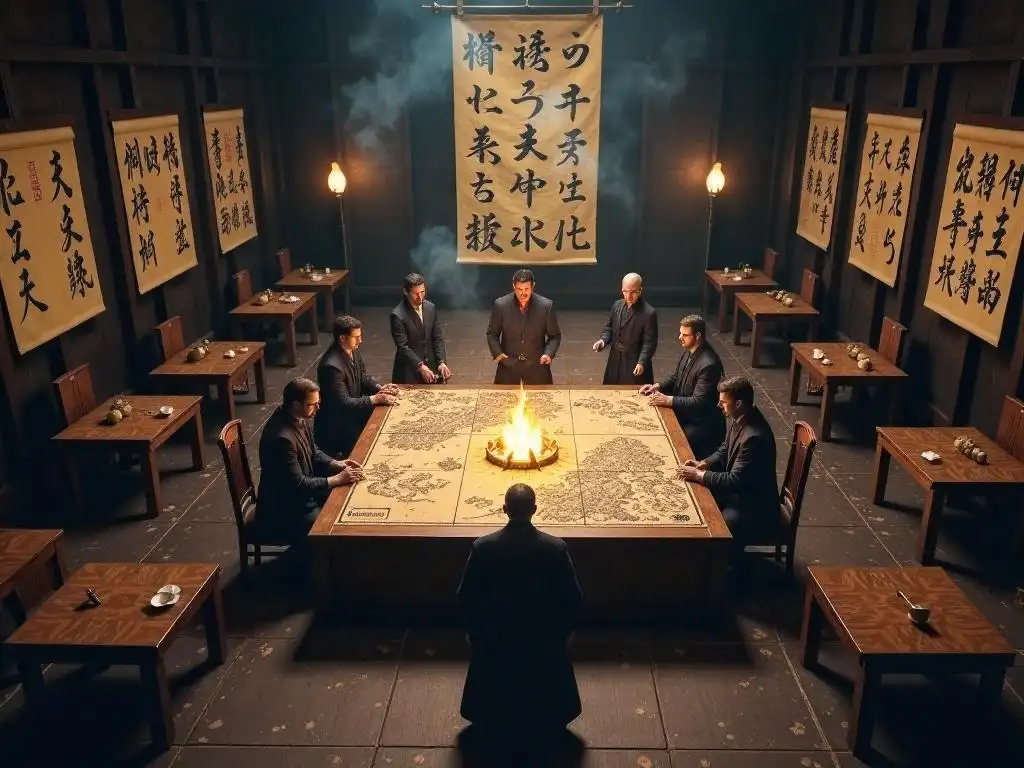
Psychological warfare played a crucial role in the military strategies of feudal Japan, where the battlefield was not solely defined by physical confrontations but also by the manipulation of the enemy's mind. Generals of the time understood that instilling fear could be as effective as a well-placed sword strike. This approach allowed them to gain the upper hand, often without the need for direct conflict.
The concept of psychological tactics in feudal Japan can be traced back to early samurai culture, where honor and reputation were paramount. The psychological state of both the warrior and the enemy influenced the outcome of battles significantly. Understanding how fear influenced soldiers’ morale and the decision-making processes of commanders became a cornerstone of military strategy.
In this section, we will delve deeper into the definition of psychological tactics in feudal Japan and explore the significance of fear as a weapon in warfare.
Definition of Psychological Tactics in Feudal Japan
Psychological tactics in feudal Japan refer to a range of strategies employed by military leaders to influence the perceptions, emotions, and behaviors of their adversaries. These tactics were designed to create uncertainty, doubt, and fear within enemy ranks, ultimately leading to a psychological advantage.
Some of the key psychological tactics included:
- Deception: Utilizing misinformation or feigned retreats to mislead opponents about troop strength or intentions.
- Intimidation: Employing the fearsome reputation of warriors or the use of terrifying battle cries and visual symbols (such as banners or armor) to strike fear into the hearts of enemies.
- Propaganda: Spreading rumors or exaggerated tales of victories to demoralize opponents before a battle even began.
- Psychological Manipulation: Targeting the enemy's values and beliefs to exploit weaknesses, such as attacking perceived dishonor or cowardice.
These tactics were not merely about causing fear; they were also about controlling the narrative on the battlefield, which could lead to a significant advantage in combat situations.
Importance of Fear as a Weapon in Battle
Fear has often been regarded as one of the most potent weapons in the arsenal of a military commander. In feudal Japan, the importance of fear as a weapon can be understood through various lenses:
- Morale Disruption: Fear can severely undermine the morale of soldiers. A frightened soldier is less likely to fight effectively and may even flee the battlefield. Historical accounts suggest that many battles were won not by superior strength but by the ability to instill terror in the enemy ranks.
- Psychological Advantage: When fear is present, it can lead to a breakdown in communication and decision-making among enemy forces. This chaos often allows the attacking force to capitalize on the confusion, turning the tide of battle in their favor.
- Reputation and Legacy: The fearsome reputation of certain generals and clans often preceded them in battle. This psychological phenomenon could lead to pre-emptive surrenders or retreats, as opposing forces would choose to avoid confrontation altogether.
- Cultural Context: The societal values of honor and shame in feudal Japan meant that the fear of losing face was a powerful motivator. Generals exploited this by threatening disgrace, thereby enhancing the psychological impact of fear on their adversaries.
The integration of psychological tactics into the military strategies of feudal Japan underscores the complexity of warfare during this period. Understanding how fear was manipulated not only provides insight into historical battles but also highlights the intricate relationship between psychology and military success.
Historical Context of Feudal Japan’s Military Strategies
Overview of the Feudal Era in Japan
Feudal Japan, spanning from the late 12th century to the mid-19th century, was characterized by a decentralized political structure dominated by military leaders known as daimyōs. This era, particularly the Kamakura (1185-1333), Muromachi (1336-1573), and Edo (1603-1868) periods, witnessed intense power struggles and warfare among various clans. The samurai, as the warrior class, played a crucial role in this landscape, not only engaging in direct combat but also employing psychological tactics in feudal Japan to influence outcomes on the battlefield.
Psychological warfare was integral to military strategies, as generals recognized that instilling fear or confidence could tip the scales of battle without relying solely on sheer force. For instance, the use of intimidation, deception, and propaganda became commonplace. Generals like Oda Nobunaga and Toyotomi Hideyoshi were renowned for their ability to manipulate the perception of their enemies, leading to significant victories with minimal conflict.
Key Battles that Highlighted Psychological Tactics
Several key battles during the feudal era exemplify the effective use of psychological warfare:
- The Battle of Okehazama (1560)
- Oda Nobunaga faced a much larger army led by Imagawa Yoshimoto. Rather than engaging in direct confrontation, Nobunaga executed a surprise attack that leveraged the element of surprise, creating chaos among Imagawa's forces. The rapid and unexpected nature of the assault led to a significant psychological blow, as the enemy could not comprehend the swift change in their fortunes.
- The Siege of Osaka (1614-1615)
- The Tokugawa shogunate employed a combination of fear tactics and psychological manipulation to weaken the resolve of Toyotomi loyalists. The display of overwhelming force, coupled with rumors of impending doom, sapped the morale of the defenders. This siege showcased how the fear of annihilation could compel a formidable enemy to surrender.
- The Battle of Sekigahara (1600)
- This pivotal battle saw Tokugawa Ieyasu's forces strategically spread misinformation about their troop strength and intentions. By cultivating an image of invincibility, Ieyasu manipulated the battlefield psychology, leading to defections among rival factions and ultimately securing his dominance over Japan.
These battles illustrate that the manipulation of perception and information was just as crucial as physical prowess in achieving victory.
The Role of Samurai in Psychological Warfare
The samurai, revered not only for their martial skills but also for their adherence to the bushidō code, played a significant role in psychological warfare. Their reputation was carefully cultivated to instill fear and respect among enemies and allies alike.
-
Cultivation of Fear
Samurai often engaged in acts designed to evoke dread. This included public displays of skill, such as executing prisoners or showcasing trophies from battles, which served to communicate their prowess and ruthlessness. The fear of facing a skilled samurai could deter potential adversaries from engaging in conflict.
-
Ritual and Pageantry
The samurai utilized elaborate rituals and ceremonies to enhance their image. The intimidating appearance of samurai in full armor, coupled with their distinctive banners and war cries, was designed to unnerve opponents before combat even began. The psychological impact of a well-coordinated display could demoralize rival troops.
-
Use of Spies and Intelligence
Samurai also employed espionage to gather intelligence on enemy movements and morale. The dissemination of rumors and misinformation, often attributed to kunoichi (female spies), was a common tactic to create disarray within enemy ranks. This manipulation of information played a vital role in undermining the confidence of adversaries.
The integration of psychological tactics in feudal Japan was a hallmark of military strategy. The samurai, with their unique code and cultural significance, were central to these tactics, shaping the outcomes of battles and the very nature of warfare in Japan.
Psychological Tactics Employed by Feudal Japanese Generals

Use of Deception and Misinformation
In the intricate tapestry of feudal Japan's military strategies, deception and misinformation played pivotal roles in shaping the outcomes of conflicts. Generals utilized a variety of tactics aimed at misleading their opponents, creating an advantage that often outweighed mere numbers on the battlefield.
One prominent example involves the "kakehashi" or "false retreat" strategy, where soldiers would feign a withdrawal to lure enemies into a vulnerable position. This tactic capitalized on the enemy's assumptions, leading them to believe victory was near, only to be ambushed by hidden forces. Such psychological manipulation not only affected the enemy's morale but also instilled a sense of overconfidence, making them more susceptible to defeat.
Additionally, misinformation about troop strength and battle readiness was rampant. Generals would deliberately spread rumors about the size of their armies. For instance, Takeda Shingen was known for exaggerating his forces, leading his rivals to underestimate his capabilities. This tactic created a psychological barrier, where the enemy hesitated or miscalculated their own strategies, often leading to their downfall.
Manipulation of Superstitions and Beliefs
Feudal Japan was steeped in a rich tapestry of superstitions and spiritual beliefs, which generals adeptly manipulated to instill fear and uncertainty in their adversaries. The belief in supernatural omens, divine retribution, and ancestral spirits played a significant role in the mindset of warriors and common folk alike, making these cultural elements ripe for exploitation.
For example, generals would often consult onmyoji (Japanese sorcerers) to predict outcomes or to invoke curses against their enemies. By spreading tales of ill omens related to their opponents—such as unfortunate weather or strange animal behavior—generals could create an atmosphere of dread. This manipulation not only affected the morale of the opposing troops but also caused them to second-guess their decisions, leading to hesitation in battle.
Moreover, the use of war banners and symbols also supported this psychological warfare. Banners depicting fearsome deities or legendary creatures could instill terror in the hearts of enemy soldiers. The sight of a Tengu or Kitsune banner, for instance, could evoke fears of supernatural retribution, compelling the enemy to reconsider their resolve in engaging in battle.
Creating an Image of Invincibility
The perception of invincibility was a crucial element in psychological warfare during feudal Japan. Generals understood that if they could project an image of unassailable power, they would not only intimidate their opponents but also inspire unwavering loyalty among their own troops.
One way this was accomplished was through the display of battle scars and heroic exploits. Generals like Minamoto no Yoshitsune were celebrated for their battlefield prowess, and stories of their invincibility circulated among both allies and enemies. By cultivating a reputation for exceptional skill and survival against overwhelming odds, these leaders built a mythos around their personas that elevated their perceived strength.
Additionally, the strategic use of fortifications and formations during battles further contributed to this image. The Yamabukigata formation, for example, was designed to convey an unyielding front, reinforcing the notion that retreat was not an option, which consequently instilled fear in the enemy ranks.
Furthermore, the psychological impact of victorious battles was magnified by the enactment of rituals and celebrations that followed. These spectacles not only reinforced the general’s power but also served to demoralize opponents who were aware of these displays of strength, often leading to a psychological advantage before the battle even commenced.
The combination of deception, manipulation of beliefs, and the creation of an invincible persona formed a triad of psychological tactics employed by feudal Japanese generals. These strategies were integral to their military successes, showcasing the profound impact of psychological warfare in historical conflicts.
Case Studies of Notable Generals and Their Tactics
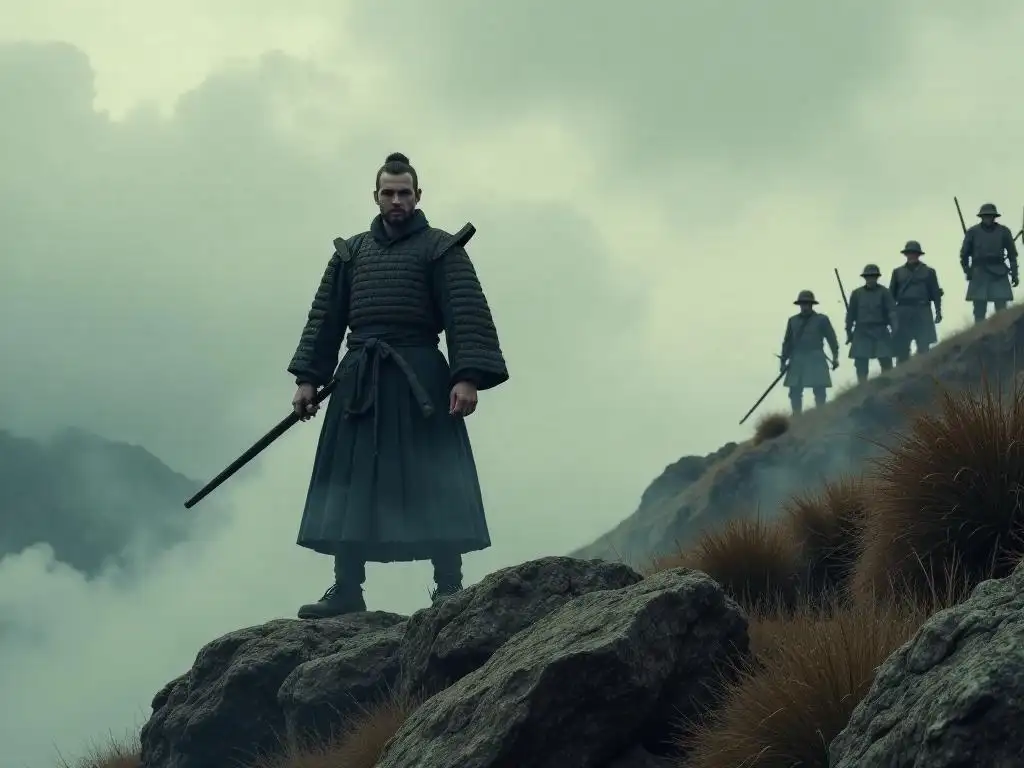
Takeda Shingen: Master of Psychological Warfare
Takeda Shingen, one of the most renowned samurai generals of the Sengoku period, is often celebrated not only for his military prowess but also for his exceptional use of psychological tactics in feudal Japan. His ability to manipulate fear and uncertainty among his enemies played a significant role in his many victories.
The "Kōsō" Strategy
Shingen's approach to psychological warfare included the Kōsō strategy, which involved creating an image of invincibility. He would often use the following tactics:
- Deceptive Strength: Shingen would exaggerate the size and capability of his armies through tales and rumors, instilling fear in his opponents.
- Calculated Retreats: By occasionally retreating, he allowed his enemies to believe they had gained the upper hand, only to counterattack with increased ferocity, leading to psychological destabilization.
This manipulation of perception not only affected the morale of his enemies but also affected the loyalty of his own troops, as they were emboldened by the general's reputation.
The Battle of Kawanakajima
During the famous battles at Kawanakajima, Shingen employed psychological tactics that included:
- Dramatic Displays: He would conduct large-scale parades and training exercises to showcase his army's discipline and readiness.
- Intimidating Symbols: Shingen's use of the Takeda clan's emblem, a three-furred tiger, served as a fearsome symbol that became synonymous with his might on the battlefield.
The psychological impact of these tactics contributed to the eventual fear and hesitation exhibited by his enemies, demonstrating the profound effect of mental warfare in feudal Japan.
Oda Nobunaga: Fear and Ruthlessness in Battle
Oda Nobunaga is often recognized as a pivotal figure in the unification of Japan during the late 16th century, and his methods of psychological warfare were no less brutal than they were effective. His reputation for ruthlessness was a calculated element of his overall strategy.
The "Demonic Reputation"
Nobunaga cultivated a demonic reputation that served to instill fear in both his enemies and potential defectors. He achieved this through:
- Public Executions: Nobunaga would execute his enemies publicly, showcasing his power and willingness to eliminate any threats. This act served as a grim warning to others.
- Brutal Tactics: His infamous siege of Honnō-ji, where he turned against his own ally, demonstrated that betrayal and violence were part of the game. This betrayal not only solidified his power but also spread fear among rival clans.
The Use of Firearms
Nobunaga was one of the first generals to effectively incorporate firearms in battle, which had a significant psychological impact:
- Shock and Awe: The sight and sound of gunfire were terrifying for traditional samurai forces, who had to adapt quickly to this new form of warfare.
- Psychological Domination: His use of firearms in the Battle of Nagashino helped secure a decisive victory, showcasing the effectiveness of modern weaponry combined with psychological intimidation.
Nobunaga's ability to manipulate fear through his ruthless tactics and innovative strategies was instrumental in his quest for power and control over Japan.
Toyotomi Hideyoshi: Unifying Japan Through Psychological Tactics
Toyotomi Hideyoshi, the successor to Nobunaga, further refined psychological tactics in the quest for unification. His strategies were deeply rooted in diplomacy, manipulation, and the cultivation of loyalty among his allies and subjects.
The "Carrot and Stick" Approach
Hideyoshi adeptly employed a "carrot and stick" approach, balancing rewards with threats to maintain control over his followers:
- Generosity: He would reward loyalty with land, titles, and riches, thus creating a psychological bond that encouraged allegiance.
- Fear of Retribution: Simultaneously, he would remind potential dissenters of the fates that befell those who opposed him, such as the swift punishments meted out to rebels.
The Siege of Odawara
During the Siege of Odawara, Hideyoshi utilized psychological warfare to great effect:
- Siege Psychology: Instead of a direct assault, he surrounded the castle and demonstrated his overwhelming strength, fostering despair among the defenders.
- Information Warfare: Hideyoshi spread rumors about the might and numbers of his forces, causing panic among the besieged.
Ultimately, the psychological tactics employed by Hideyoshi not only led to military victories but also facilitated the unification of Japan under his rule, showcasing the integral role of psychological tactics in feudal Japan's military history.
The Psychological Impact on Enemies
Understanding Fear: How It Affects Decision Making
Fear is a powerful emotion that can drastically alter decision-making processes, especially in the context of warfare. In feudal Japan, generals understood that instilling fear in their opponents could lead to strategic advantages on the battlefield. For instance, the psychological concept known as "loss aversion" suggests that individuals are more motivated to avoid losses than to achieve gains. This principle was exploited by Japanese warlords who employed various tactics to create a sense of dread among their enemies.
- Fear of the Unknown: Generals often utilized misinformation and deception to create uncertainty. For example, they might spread rumors about the strength of their forces or the ferocity of their warriors. This ambiguity would lead enemy leaders to hesitate or make decisions based on fear rather than rational strategic planning.
- Public Executions and Displays: Executions of captured enemies were sometimes carried out in public as a warning to others. These brutal displays were designed not only to punish the captured but also to serve as a psychological weapon, instilling fear in the hearts of potential adversaries.
- Surprise Attacks: The element of surprise can amplify fear. Feudal Japanese generals often employed guerrilla tactics, launching sudden assaults on unsuspecting enemy camps. The shock and confusion experienced during these attacks could lead to panic, causing enemy troops to flee or collapse in morale.
The Effectiveness of Intimidation in Warfare
Intimidation was a cornerstone of many Japanese military strategies, with feudal lords often leveraging their reputations and the fearsome imagery associated with their samurai warriors. The effectiveness of intimidation can be analyzed through several key aspects:
- Symbolism and Imagery: The use of distinctive armor, banners, and war cries were not merely for aesthetics; they were designed to evoke fear. The sight of a well-armed samurai, adorned in ornate armor, could strike terror into the hearts of enemy soldiers even before a battle commenced.
- Psychological Warfare Tactics: Generals employed various psychological tactics to enhance their soldiers' perception of invincibility. The famous battle cry "Tachi Uchi no Ketsu," meaning "the decisive battle of the mounted warriors," was not only a rallying cry but also a psychological tool to create an aura of invincibility, demoralizing opponents before conflict began.
- Reputation and Legacy: Historical figures like Oda Nobunaga and Takeda Shingen were known for their ruthless tactics and formidable reputations. Their actions often led to widespread fear across rival clans, convincing enemies to surrender without a fight or to avoid confrontation altogether.
Long-term Psychological Effects on Captured Soldiers
The psychological effects of warfare extended beyond the battlefield, especially for soldiers who were captured. In feudal Japan, the treatment of prisoners could have profound long-term impacts:
- Trauma and Resilience: Captured soldiers often faced harsh treatment, leading to severe psychological trauma. Many endured torture or forced labor, which could instill deep psychological scars that lasted long after their release. This trauma could manifest in various ways, including PTSD, depression, and anxiety.
- Reintegration Challenges: Former captives often struggled to reintegrate into their clans and societies. The stigma attached to being captured could lead to feelings of shame and isolation. Some soldiers were unable to reestablish their identities, which could result in a loss of social status and purpose.
- Use as Psychological Tools: Captured soldiers were sometimes paraded before their former allies to serve as a psychological tool, demonstrating the futility of resistance. This act could break the morale of enemy troops and reinforce the power of the victor, effectively using the captured soldiers as instruments of psychological manipulation.
Psychological tactics in feudal Japan played a crucial role in military strategy. Understanding the impact of fear, the effectiveness of intimidation, and the long-term psychological effects on captured soldiers reveals how deeply intertwined psychology and warfare were during this era. These tactics not only shaped the outcomes of battles but also influenced the broader societal and cultural narratives of feudal Japan.
Cultural Reflections of Psychological Warfare in Feudal Japan

Literature and Arts Influenced by Military Tactics
During the feudal era in Japan, psychological tactics were not just confined to the battlefield; they permeated the cultural and artistic expressions of the time. The literature and arts of the period often reflected the strategies employed by generals to instill fear and manipulate perceptions.
- Samurai Literature:
- Works such as The Tale of the Heike encapsulate the valor and tragedy associated with warfare. These narratives often highlight the psychological struggles of warriors facing their demise, reflecting the manipulation of fear as a tool for motivating soldiers and instilling a sense of honor.
- The concept of bushido (the way of the warrior) became a prominent theme, emphasizing loyalty and fearlessness. This code was not only a guide for samurai conduct but also served as a psychological tactic to bolster morale and deter cowardice.
- Noh and Kabuki Theatre:
- Traditional Japanese theatre forms, such as Noh and Kabuki, frequently depicted historical battles and the psychological tensions surrounding them. The portrayal of supernatural elements, such as vengeful spirits of fallen warriors, served to evoke fear and respect for the consequences of warfare.
- Actors would often use exaggerated expressions and movements to amplify the emotional impact of fear and courage, directly linking the audience's response to the psychological warfare themes presented in the plays.
- Visual Arts:
- Paintings and woodblock prints, like those by ukiyo-e artists, often depicted scenes of battle, heroism, and the psychological torment of warriors. The use of dramatic imagery served to inspire awe and fear among viewers, reinforcing the potency of psychological tactics in warfare.
- Works such as The Thirty-Six Views of Mount Fuji by Hokusai include symbolism that reflects the tumultuous nature of war, where nature itself is often portrayed as a powerful force that evokes fear.
Legends and Folktales about Fear and Courage
The rich tapestry of Japanese folklore and legends is steeped in narratives that revolve around fear and courage, reflecting the psychological warfare experienced during the feudal era. These stories not only entertained but also served as moral lessons, embedding the cultural understanding of psychological tactics within the collective consciousness.
- The Tale of Yamata no Orochi:
- This legend features the hero Susanoo, who confronts the eight-headed serpent Yamata no Orochi. The tale encapsulates themes of fear, bravery, and cunning strategy. Susanoo's approach to defeating the serpent involved psychological manipulation by luring it with offerings, showcasing an early example of tactical deception.
- The Ghosts of the Samurai:
- Many folktales recount the spirits of samurai who met untimely deaths due to betrayal or cowardice. These tales serve as cautionary reminders of the consequences of failing to uphold honor, instilling fear in future generations about the importance of bravery and loyalty.
- Stories of onryō, or vengeful spirits, emphasize the idea that fear can transcend death, further illustrating the psychological impact of warfare on both the living and the deceased.
- Courageous Women in Folklore:
- Tales of women who displayed remarkable bravery during times of conflict, such as Tomoe Gozen, serve to inspire and reinforce the notion that courage can manifest in various forms. These narratives often highlight the psychological strength required to confront fear and the societal value placed on such traits.
The Legacy of Psychological Tactics in Modern Japan
The psychological tactics employed during feudal Japan have left a lasting legacy that continues to influence contemporary Japanese society. The understanding of fear as a tool for manipulation has evolved, yet its roots can be traced back to the strategies used by generals and warriors during the feudal era.
- Modern Warfare Strategies:
- Contemporary Japan's military strategies still reflect the psychological insights gained from feudal conflicts. Modern military leaders study historical tactics, recognizing the importance of psychological operations in warfare, including the use of misinformation and the manipulation of public perception.
- Cultural Resilience:
- The stories of courage and fear from the feudal era continue to inspire Japanese culture, from literature to film. These narratives serve as reminders of the psychological strength required to face adversity, fostering a sense of resilience within the population.
- Psychological Warfare in Popular Media:
- The themes of psychological warfare are prevalent in modern Japanese media, including anime, manga, and films. These narratives often explore the complexities of fear, manipulation, and honor, reflecting the enduring impact of historical tactics on contemporary storytelling.
The intricate relationship between psychological warfare and cultural expressions in feudal Japan demonstrates how deeply embedded these tactics are within the fabric of Japanese society. The legacy of fear and manipulation continues to resonate, shaping both historical understanding and modern interpretations of courage and strategy.
Conclusion: The Enduring Influence of Psychological Tactics in Feudal Japan
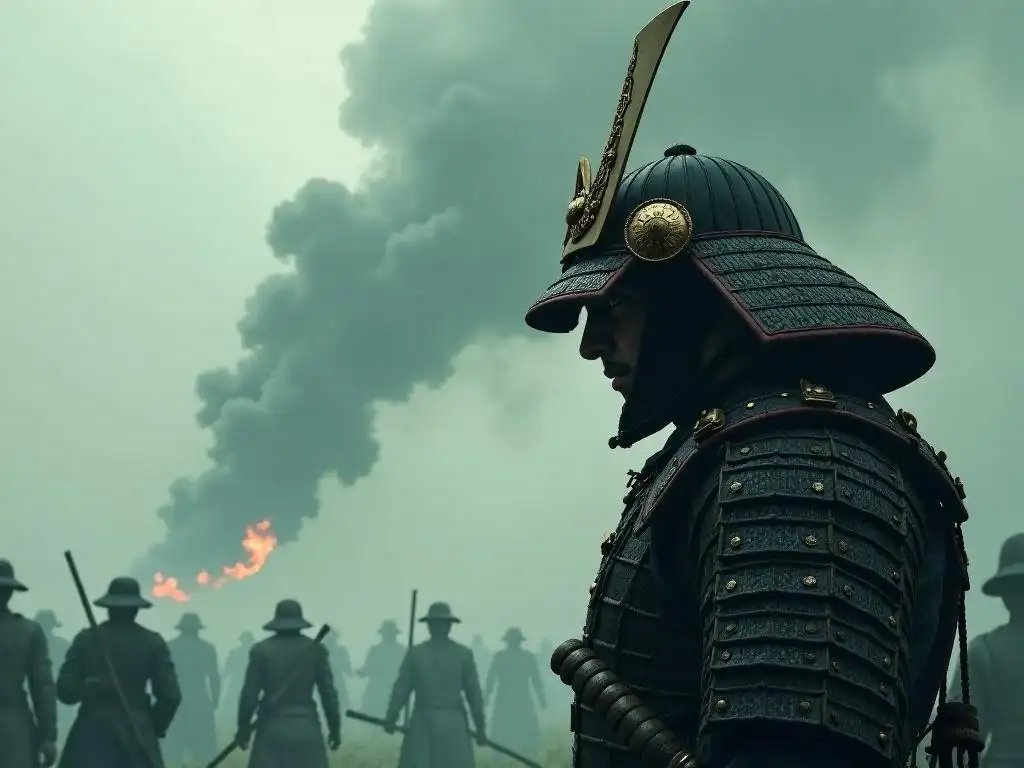
The legacy of psychological tactics in feudal Japan continues to resonate in both military strategy and broader societal interactions. Generals such as Takeda Shingen and Uesugi Kenshin employed sophisticated methods of manipulation that transcended mere battlefield prowess, tapping into the psyche of their opponents and their own troops alike. This manipulation of fear, morale, and perception remains a compelling study for military historians and strategists today.
The strategic use of psychological warfare not only shaped the outcomes of battles but also influenced the cultural narratives surrounding samurai and their honor. As these tactics evolved, they laid the groundwork for modern psychological operations in warfare, demonstrating that the mind can often be a more powerful weapon than the sword.
Summary of Key Psychological Strategies
Several key psychological strategies were utilized by feudal Japanese generals to gain the upper hand in warfare:
- Fear Induction:
- Ambush Tactics: Surprise attacks designed to instill fear and uncertainty in the enemy ranks.
- Dreadful Reputation: Generals cultivated fearsome reputations, often exaggerated through folklore, to intimidate adversaries even before battles commenced.
- Deception:
- False Retreats: Feigned withdrawals to lure enemies into traps, creating a psychological edge.
- Misinformation: Spreading rumors to create confusion and distrust among enemy forces.
- Symbolism and Ritual:
- Use of Omen and Prophecies: Harnessing local beliefs to influence enemy morale; for instance, interpreting natural events as bad omens for opponents.
- Ceremonial Displays: Grand displays of might, such as elaborate armor and war banners, aimed at demoralizing foes before combat.
These strategies reveal how deeply intertwined psychological warfare was with the fabric of feudal society, illustrating that the battlefield was not only a physical space but also a psychological arena.
Lessons Learned from Feudal Japan’s Use of Fear in Warfare
The strategic application of fear in feudal Japan offers several enduring lessons that remain relevant in contemporary military strategy:
- Understanding the Enemy's Mindset: Successful manipulation of fear requires a deep understanding of an opponent's psychological state. This insight can lead to tailored tactics that exploit specific vulnerabilities.
- Morale Matters: The psychological state of troops can significantly influence outcomes. Maintaining high morale while instilling fear in the enemy can tip the scales in favor of the commanding general.
- Adaptability in Strategy: The ability to shift tactics based on the psychological landscape of the battlefield is crucial. Just as feudal generals adapted their strategies, modern leaders must remain flexible, using psychological insights to inform their decisions.
- Legacy of Psychological Warfare: The methods employed in feudal Japan serve as a historical foundation for contemporary psychological operations (PSYOPS). Understanding these tactics can enhance the effectiveness of modern military engagements.
The exploration of psychological tactics in feudal Japan reveals a complex interplay of fear, manipulation, and strategy that not only influenced historical battles but continues to inform modern military thinking. The lessons learned from this era emphasize the importance of psychological warfare as an essential component of military strategy.
Further Reading on Psychological Tactics in Feudal Japan
Recommended Books and Articles
For those looking to deepen their understanding of psychological tactics in feudal Japan, several noteworthy books and articles provide rich insights into the strategies employed by samurai generals. Here are some essential readings:
- "The Book of Five Rings" by Miyamoto Musashi
- This classic text, written by the legendary swordsman Musashi, explores not only combat techniques but also the mental and psychological aspects of battle. Musashi emphasizes the importance of understanding one’s enemy and manipulating their perceptions.
- "Hagakure: The Book of the Samurai" by Yamamoto Tsunetomo
- This work delves into the mindset of the samurai, offering philosophical insights that reveal how fear and honor were utilized to influence both warriors and civilians during conflicts.
- "Samurai Warfare: The Psychological Strategies of the Samurai" by Stephen Turnbull
- Turnbull’s comprehensive analysis highlights various psychological strategies, including intimidation and fear tactics, that were integral to samurai warfare.
- "The Art of War" by Sun Tzu (translated with a focus on Japanese interpretations)
- Although originally a Chinese text, it has been influential in Japan. The principles of deception, manipulation, and psychological warfare discussed in this classic remain relevant to understanding feudal Japanese tactics.
- Articles from the Journal of Japanese Studies
- Academic articles in this journal often explore specific battles and the psychological elements involved, providing detailed case studies that illustrate the application of psychological tactics.
Documentaries and Films Exploring Psychological Warfare
Visual storytelling can be a powerful way to grasp the intricacies of psychological warfare in feudal Japan. Here are some recommended documentaries and films that explore this theme:
- "The Samurai: A History" (Documentary)
- This documentary provides an overview of samurai culture, with segments dedicated to the psychological tactics employed in battles, including the use of fear and reputation.
- "The Last Samurai" (Film)
- While dramatized, this film offers insights into the samurai ethos and highlights the psychological warfare aspects, particularly in the way the samurai were portrayed to instill fear or respect.
- "Ghosts of the Samurai" (Documentary)
- This documentary examines the spiritual and psychological elements of the samurai culture, including how fear and mythology were used to influence both warriors and their enemies.
- "Kagemusha" (Film by Akira Kurosawa)
- This epic film portrays the use of deception and psychological manipulation through the story of a thief who takes the place of a warlord, illustrating the tactics of fear and misrepresentation.
These resources provide valuable context and depth, enhancing the understanding of how psychological tactics in feudal Japan shaped battles and influenced the course of history. By studying these materials, readers can gain a more nuanced perspective on the complexities of warfare during this fascinating period.
Frequently Asked Questions
What were the primary psychological tactics used in feudal Japan?
Feudal Japan's generals employed deception, intimidation, and surprise attacks to manipulate their enemies' fears and gain strategic advantages in battle.
How did fear influence the outcome of battles in feudal Japan?
The use of psychological warfare instilled fear in opposing troops, often leading to demoralization and surrender before actual combat began, which could decisively shift the balance of power.
Were there any notable generals known for their psychological tactics?
Yes, figures like Oda Nobunaga and Toyotomi Hideyoshi are renowned for their innovative use of psychological warfare, utilizing tactics that leveraged fear and misinformation to outmaneuver their rivals.
How did cultural beliefs shape psychological warfare strategies?
Cultural beliefs in honor, shame, and supernatural influence played a crucial role, as generals crafted narratives that preyed on these sentiments to manipulate enemy perceptions and morale.
What impact did psychological tactics have on the societal structure of feudal Japan?
The effective use of psychological warfare not only affected military outcomes but also reinforced the hierarchical nature of society, as power dynamics shifted and new leaders emerged through manipulation and fear.
Final Reflection: The Enduring Legacy of Psychological Tactics in Feudal Japan
The intricate strategies employed by feudal Japan's generals reveal a profound understanding of human psychology that remains relevant today. In an era where information is power, the manipulation of fear and perception continues to shape conflicts and negotiations across the globe. The lessons drawn from these historical tactics remind us that the battlefield is not solely defined by physical confrontations but also by the psychological warfare that can sway the hearts and minds of individuals and nations alike.
The psychological tactics utilized by these generals have left an indelible mark on our cultural and social landscape. From literature to modern military strategy, the echoes of their cunning methods resonate in various forms, illustrating the timeless nature of fear as a tool for control. As Sun Tzu wisely stated, “All warfare is based on deception.” > This quote encapsulates the essence of psychological warfare, emphasizing that understanding and manipulating the human psyche can often determine the outcome of conflicts, both historical and contemporary.
As we reflect on the lessons of psychological warfare in feudal Japan, let us consider how we can apply these insights to our own lives. How can we harness the power of perception and understanding in our daily interactions? I invite you to explore the dynamics of fear and influence within your own environment, whether in personal relationships, professional settings, or broader societal contexts. By recognizing the psychological tactics at play around us, we can become more adept at navigating our realities, fostering resilience, and promoting understanding in a world that often thrives on division.
Unleash Your Inner Strategist: Master the Art of Psychological Warfare!
Thank you for diving into the fascinating world of psychological warfare as practiced by feudal Japan’s generals! You've gained insights into their tactical mastery of fear, which still resonates today. Now, it's time to transform that knowledge into action and explore strategies that can empower you in your own endeavors.
- Start a Journal: Reflect on your personal experiences with fear and strategy. Document moments where psychological tactics have influenced your life decisions—whether in leadership, relationships, or personal goals.
- Engage with the Community: Join online forums or social media groups related to historical tactics. Share your thoughts on the article and learn from others' insights into psychological warfare and its modern applications.
- Experiment with a Strategy: Try implementing a psychological tactic in your daily life or work! Whether it’s using motivational techniques to inspire your team or leveraging emotional intelligence in negotiations, observe how these insights can enhance your interactions.
What strategies will you explore to navigate the complexities of fear and motivation in your life? Share your thoughts in the comments!