
A Historical Overview of the Different Schools of Japanese Martial Arts

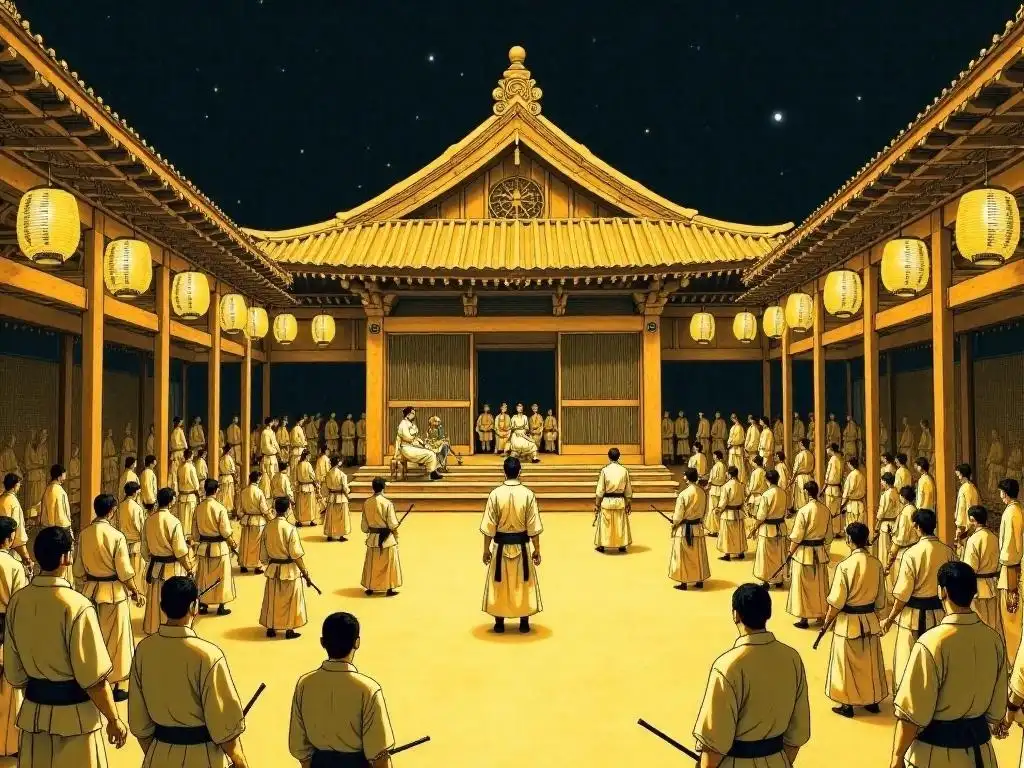
Welcome to Feudal Japan History, where we invite you to embark on a fascinating journey through the intricate tapestry of Japan's feudal era. Here, you will uncover the rich historical, cultural, and societal dimensions that shaped a nation.
Our featured article, "A Historical Overview of the Different Schools of Japanese Martial Arts," will take you deep into the Japanese martial arts history—a captivating exploration of the techniques, philosophies, and legends that have endured through the ages. Prepare to be intrigued as you delve into the stories behind the masters and their schools, igniting your curiosity to learn more about this remarkable chapter of military history.
Introduction to Japanese Martial Arts History
Japanese martial arts hold a profound place in the tapestry of Japan's cultural and historical landscape, representing a synthesis of philosophy, physicality, and tradition. The evolution of these martial disciplines is deeply intertwined with the socio-political dynamics of the country, especially during the feudal era. This article provides a comprehensive exploration of the different schools of Japanese martial arts, delving into their historical roots and examining the societal developments that shaped them. Understanding the history of Japanese martial arts not only enriches our appreciation of these disciplines but also highlights their significance in the broader context of Japanese heritage.
Definition and Importance of Japanese Martial Arts
Japanese martial arts, known as bujutsu and budō, encompass a wide range of combat techniques and philosophies. These practices are not merely physical sports; they embody a rich cultural heritage that reflects the values and traditions of Japanese society.
- Bujutsu refers to the practical techniques of martial arts, focusing on combat effectiveness.
- Budō translates to "the way of the warrior," emphasizing personal development, moral integrity, and spiritual growth.
The importance of these martial arts extends beyond the battlefield, influencing various aspects of Japanese culture, including art, literature, and philosophy. Furthermore, they foster discipline, respect, and perseverance among practitioners, qualities that resonate well beyond the dojo.
Overview of the Feudal Era Context
The feudal era in Japan, spanning from the 12th to the 19th century, was characterized by a decentralized political structure and a class system dominated by the samurai warriors. This period provided the fertile ground for the development of various martial arts schools, each cultivating unique techniques and philosophies.
- Political Instability: The constant power struggles among feudal lords led to the need for effective combat training.
- Social Hierarchy: The samurai class emerged as both warriors and cultural icons, influencing the martial arts landscape significantly.
As a result, the martial arts that developed during this time were not just about fighting; they were also about embodying the samurai ethos, which included loyalty, honor, and discipline. This historical backdrop is essential for understanding the evolution of Japanese martial arts.
Origins of Japanese Martial Arts
Japanese martial arts have a rich history that traces back to ancient times, reflecting a blend of indigenous practices and foreign influences. Understanding these origins is crucial for appreciating the diversity and complexity of martial arts in Japan.
Ancient Influences on Martial Arts Development
The roots of Japanese martial arts can be traced back to ancient warfare techniques and the influence of neighboring cultures. Key elements include:
- Indigenous Techniques: Early Japanese warriors utilized various forms of hand-to-hand combat and weaponry that laid the groundwork for future martial arts.
- Chinese Influence: The introduction of Chinese martial arts, particularly during cultural exchanges in the 6th century, significantly shaped Japan's martial traditions. Concepts such as philosophy and strategy were integrated into Japanese systems.
This fusion of native practices and foreign influences provided a diverse foundation upon which Japanese martial arts would flourish.
The Role of Samurai in Shaping Martial Traditions
The samurai played a pivotal role in the evolution of martial arts during the feudal era. As the ruling warrior class, their needs and values directly influenced the development of various schools of thought and practice.
- Code of Bushido: The samurai adhered to a strict code of conduct known as bushido, which emphasized virtues such as bravery, honor, and loyalty. This philosophy became deeply embedded in martial arts training.
- Formalization of Techniques: The need for effective combat methods led to the establishment of formalized schools, or ryū, where specific techniques and philosophies were codified and passed down through generations.
As we explore the distinct schools of Japanese martial arts in the following sections, it becomes evident how the contributions of the samurai and the context of feudal society have shaped these practices into what we recognize today.
Major Schools of Japanese Martial Arts
Japanese martial arts encompass a rich tapestry of traditions, philosophies, and techniques, reflecting the historical context in which they were developed. The major schools can be categorized into traditional schools (Koryu) and modern schools (Gendai), each with its unique characteristics and lineage. Understanding these schools provides insight into the evolution of martial practices in Japan, illustrating how they have been shaped by cultural, social, and political influences over centuries.
Koryu Martial Arts: The Birth of Traditional Schools
Koryu martial arts represent the earliest forms of organized martial training in Japan, with origins tracing back to the 16th century or earlier. These schools were established during the turbulent times of feudal Japan, where samurai were expected to master various combat techniques. Koryu includes a diverse range of disciplines, such as kenjutsu (swordsmanship), iaijutsu (the art of drawing the sword), and sojutsu (spear techniques), among others.
Each Koryu school is characterized by its unique curriculum, techniques, and philosophy, often passed down through generations. Notable Koryu schools include:
- Muso Jikiden Eishin-ryu: Focusing on iaijutsu, it emphasizes the swift drawing and cutting techniques of the katana.
- Tenshin Shoden Katori Shinto-ryu: One of the oldest martial arts schools, teaching a comprehensive system that includes various weapons and strategy.
- Yagyu Shinkage-ryu: Renowned for its emphasis on strategy and timing, as well as its contribution to the education of the Tokugawa shogunate.
Koryu schools not only trained warriors but also instilled a sense of discipline, respect, and tradition, making them foundational to the martial arts culture in Japan.
Edo Period Schools: Evolution and Adaptation
The Edo period (1603-1868) was a time of relative peace in Japan, leading to significant changes in the practice and perception of martial arts. During this era, many Koryu schools evolved to adapt to the new social dynamics, where the samurai class transitioned from warriors to bureaucrats, and the focus shifted from battlefield effectiveness to personal development and cultural refinement.
New schools emerged during the Edo period, emphasizing not just combat techniques but also philosophical teachings, aesthetics, and sportsmanship. This period saw the rise of schools like:
- Judo: Founded by Jigoro Kano in the late 19th century, it emphasized throwing techniques and grappling, evolving into a popular sport and Olympic discipline.
- Kendo: Developed from kenjutsu, it focuses on the art of fencing with bamboo swords and is now one of Japan's most recognized martial arts.
The evolution during this time was characterized by the integration of martial arts into education and the arts, leading to a more holistic approach that valued both skill and character development.
Modernization of Japanese Martial Arts
As Japan entered the 20th century, the modernization of martial arts became prevalent, influenced by both national identity and global interactions. Traditional practices began to undergo significant reforms to adapt to contemporary society, emphasizing physical fitness, competition, and international appeal.
The Impact of Western Influence
Western influence played a crucial role in shaping modern Japanese martial arts. The introduction of Western sports and physical education led to a reevaluation of traditional practices. Many martial arts were systematized into formalized sports to align with international standards, resulting in changes to training methods, rules, and competition formats.
This adaptation also included the promotion of martial arts as a means of fostering discipline and self-improvement, resonating with both Japanese and international practitioners. The global interest in martial arts spurred the development of organizations, competitions, and the establishment of schools outside Japan, creating a worldwide community of martial arts enthusiasts.
The Establishment of Gendai Schools
The Gendai martial arts schools, which emerged in the 20th century, represent the culmination of the evolution of Japanese martial arts. These schools, such as Aikido and Karate, focus on modern practices and often incorporate elements from both Koryu and Western martial arts. Gendai schools emphasize:
- Philosophy: Many Gendai schools promote personal growth, peace, and harmony, reflecting a shift from purely combative training to more holistic life skills.
- Competition: Gendai martial arts often feature sport-oriented competitions that attract participants from around the world, contributing to the martial arts' global popularity.
The establishment of Gendai schools marks a significant turning point in Japanese martial arts history, showcasing adaptability and the ongoing relevance of these traditions in a modern context. The blend of historical techniques with contemporary practices continues to shape the identity of martial arts in Japan and beyond.
Key Elements of Japanese Martial Arts History
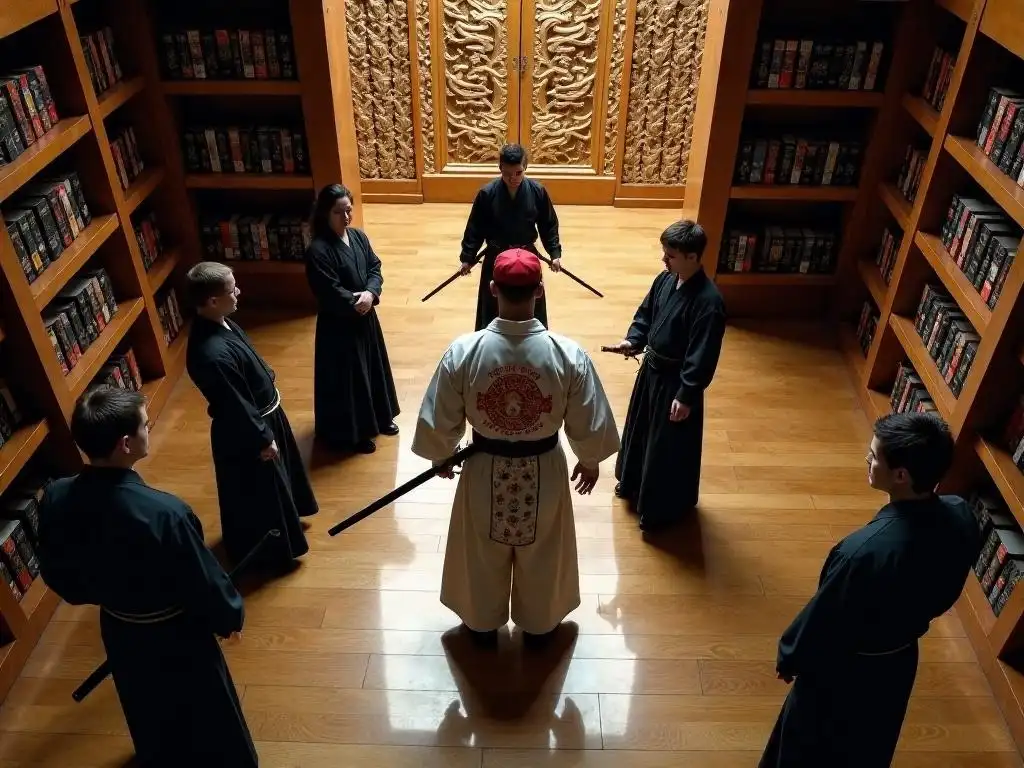
The history of Japanese martial arts is a rich tapestry woven from centuries of tradition, warfare, and cultural evolution. At its core, Japanese martial arts encompass various disciplines that evolved from the need for self-defense and combat training among the samurai class. The origins can be traced back to ancient combat techniques, which were formalized into distinct schools or ryu during the feudal era.
Key elements that define this history include:
- Samurai Training: Martial arts were crucial for samurai, who were not just warriors but also held social and political power. Techniques were often passed down through generations, emphasizing lineage and heritage.
- Diverse Disciplines: The evolution of martial arts led to the emergence of numerous styles, including kendo (swordsmanship), judo (gentle way), karate (empty hand), and aikido (the way of harmony), each with unique techniques and philosophies.
- Influence of Zen Buddhism: The integration of Zen principles into martial arts training emphasized mental discipline, focus, and the importance of mindfulness, shaping the ethos of many martial arts schools.
- Global Influence: While deeply rooted in Japanese culture, these martial arts have transcended borders and have been adapted and embraced worldwide, influencing various modern fighting sports and self-defense systems.
Philosophy and Ethics in Martial Arts
The philosophy underlying Japanese martial arts extends beyond physical combat, embodying a set of ethical principles and mental discipline. Central to this philosophy is the idea of bushido, or the "way of the warrior," which emphasizes virtues such as loyalty, honor, and respect.
- Moral Development: Practitioners engage in martial arts not only to learn techniques but also to cultivate character. The training often includes lessons on humility, perseverance, and the importance of self-control.
- Balance of Mind and Body: The integration of mental and physical training is crucial. Philosophies derived from Zen Buddhism stress that martial arts practice is as much about self-discovery and introspection as it is about mastering combat techniques.
- Ethical Martial Arts: Many schools advocate for non-violence and the responsible use of skills. The principles instilled during training encourage practitioners to seek peaceful resolutions and to use their abilities only when necessary.
The Role of Training and Rituals in Schools
Training in Japanese martial arts often involves rigorous physical preparation, but it is equally defined by the rituals and traditions that accompany it. These rituals serve to reinforce discipline, respect, and community within the martial arts schools.
- Structured Learning: Most schools follow a hierarchical structure where students progress through ranks, each requiring mastery of specific techniques and understanding of the philosophical underpinnings. This structure fosters respect for teachers and fellow students.
- Rituals and Ceremonies: Rituals such as bowing to instructors, performing kata (pre-arranged forms), and engaging in meditation are integral to the training process. These practices promote focus and a sense of belonging to a larger tradition.
- Cultural Transmission: Through training and rituals, martial arts schools pass down not only techniques but also cultural values and historical narratives, ensuring that the essence of the art remains intact for future generations.
Cultural Significance of Japanese Martial Arts
Japanese martial arts hold profound cultural significance, reflecting the values, history, and aesthetics of Japanese society. They serve as a bridge connecting ancient traditions with contemporary practices, embodying a rich cultural heritage.
Martial Arts as a Reflection of Japanese Culture
The development of martial arts in Japan is intrinsically linked to the country's cultural identity.
- Artistic Expression: Many forms of martial arts are considered as much an art as they are a means of combat. The aesthetics of movements, the design of uniforms, and the philosophy behind each technique all contribute to a rich cultural expression.
- Historical Narratives: Each martial art carries its own history and story, often tied to significant historical events or figures. This connection to history enriches the practice and gives practitioners a sense of purpose and belonging.
- Integration with Other Arts: Japanese martial arts often intersect with other cultural domains, such as traditional music, theater, and calligraphy, creating a holistic cultural experience that transcends mere combat training.
The Influence of Martial Arts on Japanese Society
The impact of martial arts extends beyond the dojos (training halls) and has shaped various aspects of Japanese society.
- Social Cohesion: Martial arts promote camaraderie and community among practitioners. Dojos often serve as social hubs where individuals from diverse backgrounds come together, fostering mutual respect and understanding.
- Education and Character Building: Many schools have integrated martial arts into educational curricula, emphasizing not only physical fitness but also character development and discipline among youth.
- Cultural Diplomacy: Japanese martial arts have become a symbol of cultural exchange, with international practitioners bringing attention to Japanese traditions and fostering goodwill through sportsmanship.
The historical overview of Japanese martial arts reveals a complex interplay of philosophy, ethics, training, and cultural significance, highlighting their enduring influence on both individuals and society as a whole.
Conclusion: The Legacy of Japanese Martial Arts
Japanese martial arts have a rich and complex history that reflects the broader societal changes in Japan over the centuries. From the samurai's code of bushido to the modern practices seen in dojos around the world, these martial disciplines embody principles of discipline, respect, and skill. The evolution of styles, techniques, and philosophies reveals not just the martial prowess of the practitioners, but also the cultural values that have shaped Japan.
The legacy of these arts is evident today, as they continue to be practiced and revered across the globe. Beyond self-defense, they emphasize mental fortitude, personal growth, and a deep connection to tradition. Each school carries its own unique history, contributing to the diverse tapestry of Japanese martial arts. This legacy not only preserves ancient techniques but also fosters a sense of community among practitioners.
Continuing Traditions in Contemporary Practice
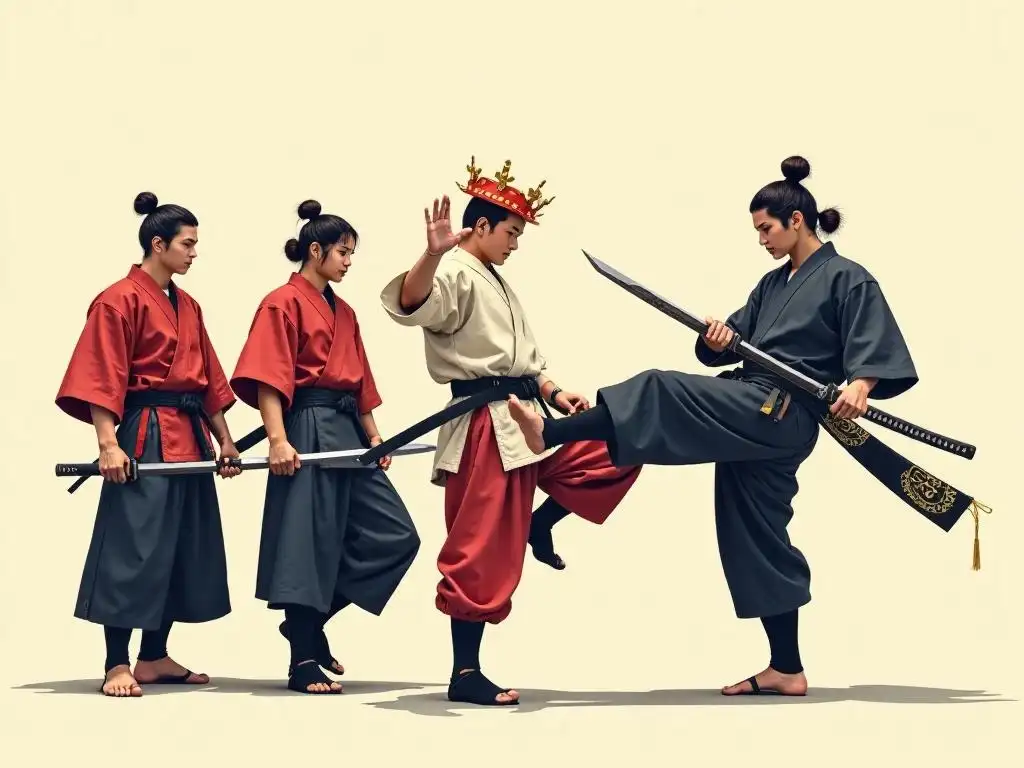
Today, many traditional Japanese martial arts continue to thrive, adapting to modern contexts while preserving their historical roots. Disciplines such as kendo, judo, aikido, and karate have become widespread, with numerous organizations and tournaments promoting their practice. These schools often emphasize the importance of etiquette, discipline, and personal development, reflecting the values instilled by their historical origins.
Moreover, contemporary practice has seen a rise in integrated forms of training, such as mixed martial arts, which borrow techniques from various styles, including those rooted in Japanese traditions. This blending of techniques illustrates how the essence of Japanese martial arts remains relevant, appealing to new generations of martial artists who seek both physical and philosophical training.
The Global Impact of Japanese Martial Arts History
The influence of Japanese martial arts extends far beyond Japan's borders. Following World War II, martial arts gained significant popularity in the West, primarily due to returning soldiers and cultural exchanges. This led to the establishment of dojos worldwide, where individuals could learn and practice various forms of Japanese martial arts.
The global impact is evident in the numerous martial arts competitions, seminars, and cultural festivals that celebrate these traditions. Films and media have also played a crucial role in popularizing Japanese martial arts, showcasing their beauty and effectiveness. As a result, millions of practitioners now engage with these traditions, creating a vibrant global community that transcends geographical and cultural boundaries.
References
Suggested Reading on Japanese Martial Arts History
- "The Book of Five Rings" by Miyamoto Musashi: A classic text exploring the philosophy of martial arts and strategy.
- "Hagakure: The Book of the Samurai" by Yamamoto Tsunetomo: This work delves into the samurai code, providing insights into the spiritual aspects of martial training.
- "A History of Japanese Martial Arts" by John G. McCarty: A comprehensive overview of the development of various martial arts forms in Japan.
Additional Resources for Further Exploration
- Documentaries: Look for documentary series on martial arts that explore their historical context and evolution.
- Workshops and Seminars: Many dojos offer workshops that delve into the history and philosophy of martial arts, providing firsthand experience.
- Online Courses: Platforms like Coursera and Udemy feature courses that cover the history and techniques of Japanese martial arts, catering to both beginners and advanced practitioners.
These resources provide a pathway for further exploration into the rich tapestry of Japanese martial arts history, encouraging both study and practice.
- Introduction to Japanese Martial Arts History
- Origins of Japanese Martial Arts
- Major Schools of Japanese Martial Arts
- Koryu Martial Arts: The Birth of Traditional Schools
- Edo Period Schools: Evolution and Adaptation
- Modernization of Japanese Martial Arts
- The Impact of Western Influence
- The Establishment of Gendai Schools
- Key Elements of Japanese Martial Arts History
- Cultural Significance of Japanese Martial Arts
- Conclusion: The Legacy of Japanese Martial Arts
- Continuing Traditions in Contemporary Practice
- The Global Impact of Japanese Martial Arts History
- References
- What is the significance of Japanese martial arts history in feudal Japan?
- How did the different schools of Japanese martial arts emerge?
- What are some key martial arts styles mentioned in the article?
- How did societal changes affect the evolution of Japanese martial arts?
- Are there any cultural influences on the development of Japanese martial arts?
Frequently Asked Questions
What is the significance of Japanese martial arts history in feudal Japan?
The Japanese martial arts history is crucial as it reflects the warrior culture of feudal Japan, illustrating the skills and philosophies that shaped the samurai class and their code of conduct.
How did the different schools of Japanese martial arts emerge?
The different schools of Japanese martial arts emerged from the need for various combat techniques adapted for specific weapons and fighting styles, influenced by the political and social dynamics of the time.
What are some key martial arts styles mentioned in the article?
The article highlights styles such as Kendo, Judo, and Aikido, each with its own unique history and principles that evolved through the feudal era and beyond.
How did societal changes affect the evolution of Japanese martial arts?
Societal changes, including the end of the samurai era and the modernization of Japan, led to a shift in martial arts from combat training to sport and self-defense practices.
Are there any cultural influences on the development of Japanese martial arts?
Yes, the development of Japanese martial arts was heavily influenced by Buddhism, Shintoism, and the philosophies of Zen, which emphasized discipline, respect, and the spiritual aspect of martial training.
Final Reflection: The Enduring Legacy of Japanese Martial Arts
The rich tapestry of Japanese martial arts history is not just a relic of the past; it is a living testament to the resilience and adaptability of cultural traditions. As we explore the evolution of these martial disciplines, we uncover the profound impact they have on contemporary society, shaping not only physical prowess but also mental fortitude and ethical values. The lessons learned from centuries of practice resonate deeply today, reminding us that the spirit of martial arts transcends mere combat techniques.
Cultural heritage is a powerful force that continues to influence our lives, and Japanese martial arts stand as a prime example of this enduring legacy. The philosophies and practices rooted in these arts have permeated various aspects of modern life, from personal discipline to community building. As the renowned martial artist Morihei Ueshiba once said, The purpose of training is to tighten up the slack, toughen the body, and polish the spirit.
This sentiment encapsulates the ongoing relevance of martial arts, encouraging individuals to seek balance and self-improvement in their daily lives.
As you reflect on the historical significance of Japanese martial arts, consider how these teachings can inspire you personally. Embrace the principles of dedication, respect, and continuous growth that these arts embody. Whether you are a practitioner or an admirer, let the wisdom of the past guide you in your journey forward. Take a moment to contemplate how you can integrate the spirit of martial arts into your own life, fostering resilience and harmony in a world that often feels chaotic.
Embrace the Spirit of Martial Arts!
Thank you for taking the time to delve into the rich history of Japanese martial arts! You've uncovered the essence of traditions that have shaped not only combat techniques but also philosophies that endure today. Now, it’s your turn to connect with this profound heritage and take action.
Here are some great ways to immerse yourself further:
- Join a local dojo to experience the discipline and camaraderie of martial arts firsthand.
- Explore online resources or classes to learn a specific style that resonates with you, whether it's Aikido, Kendo, or Judo.
- Share your passion with others by discussing your insights or inviting a friend to a seminar or exhibition.
What aspect of Japanese martial arts intrigues you the most, and how do you plan to incorporate it into your life? Let's keep the conversation going!