
The Cultural Significance of Armor in Samurai Rituals and Ceremonies

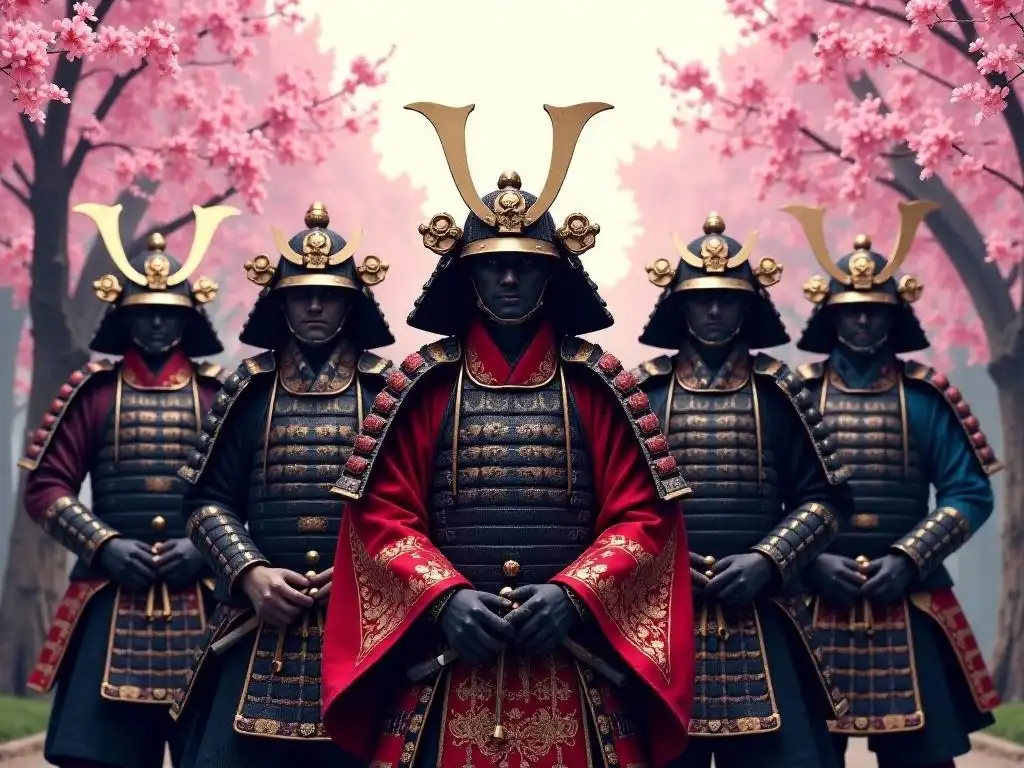
Welcome to Feudal Japan History, where the echoes of an ancient era come alive through our in-depth exploration of Japan's feudal past. Here, we delve into the cultural significance of samurai armor, revealing the intricate rituals and ceremonies that surrounded these iconic warriors. As you embark on this journey, prepare to uncover the fascinating layers of tradition, honor, and artistry that defined the samurai's existence. What secrets does this armor hold? Join us as we unravel the stories woven into the very fabric of feudal Japan, and discover how these ceremonial garments shaped a society’s values and identity.
-
The Cultural Significance of Samurai Armor in Rituals and Ceremonies
- Introduction to the Cultural Significance of Samurai Armor
- Historical Context of Samurai Armor
- Rituals Involving Samurai Armor
- Cultural Practices Associated with Samurai Armor
- The Legacy of Samurai Armor in Modern Culture
- Influence of Samurai Armor in Contemporary Society
- Preservation of Samurai Armor Heritage
- Conclusion: The Enduring Cultural Significance of Samurai Armor
- Frequently Asked Questions
- Final Reflection: The Enduring Legacy of Samurai Armor
- Embrace the Spirit of the Samurai: Take Action Today!
The Cultural Significance of Samurai Armor in Rituals and Ceremonies
Introduction to the Cultural Significance of Samurai Armor
The cultural significance of samurai armor transcends mere functionality in battle; it embodies a rich tapestry of historical, spiritual, and social narratives that have shaped Japan's feudal era. Armor was not just a protective layer for the samurai warrior; it was a profound representation of identity, status, and the warrior's code of honor known as Bushido.
Throughout various rituals and ceremonies, samurai armor played a pivotal role, reflecting the values, beliefs, and artistry of the time. This article delves into the multifaceted importance of samurai armor, exploring its historical context, evolution, and symbolism within rituals and ceremonies that highlighted the samurai's place in society.
Historical Context of Samurai Armor
To fully appreciate the cultural significance of samurai armor, it is essential to understand its historical context. From the early Heian period (794-1185) to the Edo period (1603-1868), armor evolved significantly alongside the changing nature of warfare and societal structures in Japan.
Evolution of Samurai Armor Through the Ages
The evolution of samurai armor can be categorized into several distinct periods:
- Heian Period (794-1185):
- Armor was primarily made of leather and simple metal plates.
- The focus was on mobility and flexibility for horseback combat.
- Kamakura Period (1185-1333):
- Introduction of more complex designs like the dō (chest armor) and kabuto (helmet).
- Armor began to reflect individual clan identities with unique designs and colors.
- Muromachi Period (1336-1573):
- Full suits of armor became more common, featuring intricate lacquerwork and ornate designs.
- The display of armor evolved into a form of art, showcasing both beauty and craftsmanship.
- Edo Period (1603-1868):
- Armor transformed from a necessity of war to a symbol of status and cultural pride.
- Samurai armor began to be used in ceremonies and rituals, emphasizing its ceremonial significance.
Symbolism of Samurai Armor
Samurai armor is imbued with various layers of symbolism that extend beyond its practical use. Key aspects include:
- Identity and Status: The design and quality of armor indicated a samurai's rank and lineage. Distinctive motifs, colors, and craftsmanship served as a status symbol within Japanese society.
- Spiritual Protection: Many samurai believed that their armor provided not just physical protection but also spiritual defense against evil spirits. Rituals often included blessings for armor before battles.
- Artistic Expression: The elaborate designs and craftsmanship of samurai armor highlighted the artistic skills of the period. Each piece was often adorned with family crests, representing loyalty and honor.
Samurai armor was not merely a tool of warfare but a significant cultural artifact that played an integral role in the rituals and ceremonies of the samurai, reflecting their values, beliefs, and the artistry of their time. Understanding this context enriches our appreciation of Japan's feudal history and the complex layers of meaning embedded within samurai culture.
Rituals Involving Samurai Armor
The role of samurai armor in Japanese rituals and ceremonies extends far beyond mere functionality or aesthetics; it serves as a profound symbol of identity, honor, and tradition. In feudal Japan, armor was intricately tied to the samurai's status and the rituals that defined their lives. Various ceremonies, such as coming-of-age rituals and funerals, prominently featured armor as a testament to the samurai's dedication to their craft and the values they upheld.
During these rituals, the presence of armor often signified the transition from youth to adulthood, marking the samurai's readiness to undertake the responsibilities of warrior life. Additionally, armor was employed in ceremonies to honor the deceased, connecting the living with their ancestors and reinforcing the importance of heritage and loyalty within samurai culture.
Armor in Samurai Ceremonies
Samurai ceremonies often integrated armor as a central element, embodying the warrior's spirit and their commitment to service. For instance, during the Shichi-Go-San ceremony, a traditional rite of passage for boys and girls aged three, five, and seven, young samurai would don traditional attire that sometimes included elements of armor. This practice served as a way to instill the values of bravery and honor from an early age.
Another significant ceremony was the Mizukake Jinja, where samurai would offer prayers for victory in battle while adorned in their armor. This not only showcased the importance of armor in spiritual practices but also underscored the belief in divine protection during warfare. These ceremonies reinforced the cultural significance of samurai armor, intertwining it with the samurai's identity and the values they cherished.
The Ritual of Donning Armor
The ritual of donning armor, known as Kusazuri, was steeped in symbolism and often performed with great reverence. This process was not just about putting on protective gear; it was a ceremonial act that involved meticulous preparation and mindfulness. Each piece of armor was carefully adorned, often accompanied by prayers and chants to invoke protection and strength.
The ritual emphasized the transformation of the samurai from an ordinary individual into a warrior, embodying the spirit of Bushido—the way of the warrior. The act of donning armor was a moment of introspection, allowing the samurai to reflect on their duties, honor, and the possibility of sacrifice. This ritual underscored the profound emotional connection between the samurai and their armor, elevating it to a sacred status that resonated deeply within their culture.
Cultural Practices Associated with Samurai Armor
Cultural practices surrounding samurai armor were integral to the fabric of feudal Japanese society. The multifaceted role of armor in various cultural contexts exemplified its significance beyond the battlefield, influencing festivals, spiritual beliefs, and communal celebrations.
Armor in Festivals and Celebrations
Armor played a pivotal role in numerous festivals and celebrations throughout Japan's history. During events such as the Jidai Matsuri (Festival of Ages) in Kyoto, participants don traditional samurai attire, complete with armor, to represent different historical periods. This not only honors the legacy of the samurai but also serves as a reminder of their contributions to Japanese culture.
Additionally, festivals often included parades featuring samurai in full armor, showcasing the artistry and craftsmanship involved in armor-making. These displays reinforced communal ties and a shared cultural identity, allowing the public to connect with the samurai's storied past. Such practices helped perpetuate the cultural significance of samurai armor as a symbol of heritage and tradition, fostering a sense of pride within the community.
Spiritual Significance of Samurai Armor
The spiritual significance of samurai armor cannot be overstated, as it often symbolized the connection between the physical and spiritual realms. Armor was believed to possess protective qualities, safeguarding the wearer not only from physical harm but also from negative spiritual influences. This belief was deeply ingrained in the samurai ethos, where honor and spirituality were seen as intertwined aspects of a warrior's life.
Furthermore, specific armor types were often associated with particular deities or protective spirits. For example, the Kabuto (helmet) was sometimes adorned with symbols representing the wearer’s guardian deity, serving as a talisman during battles and rituals. This infusion of spirituality into armor highlighted its role as a conduit between the samurai and the divine, emphasizing the importance of faith and protection in their lives.
The cultural significance of samurai armor in rituals and ceremonies reflects a rich tapestry of tradition, spirituality, and identity that resonates within the historical narrative of feudal Japan.
The Legacy of Samurai Armor in Modern Culture
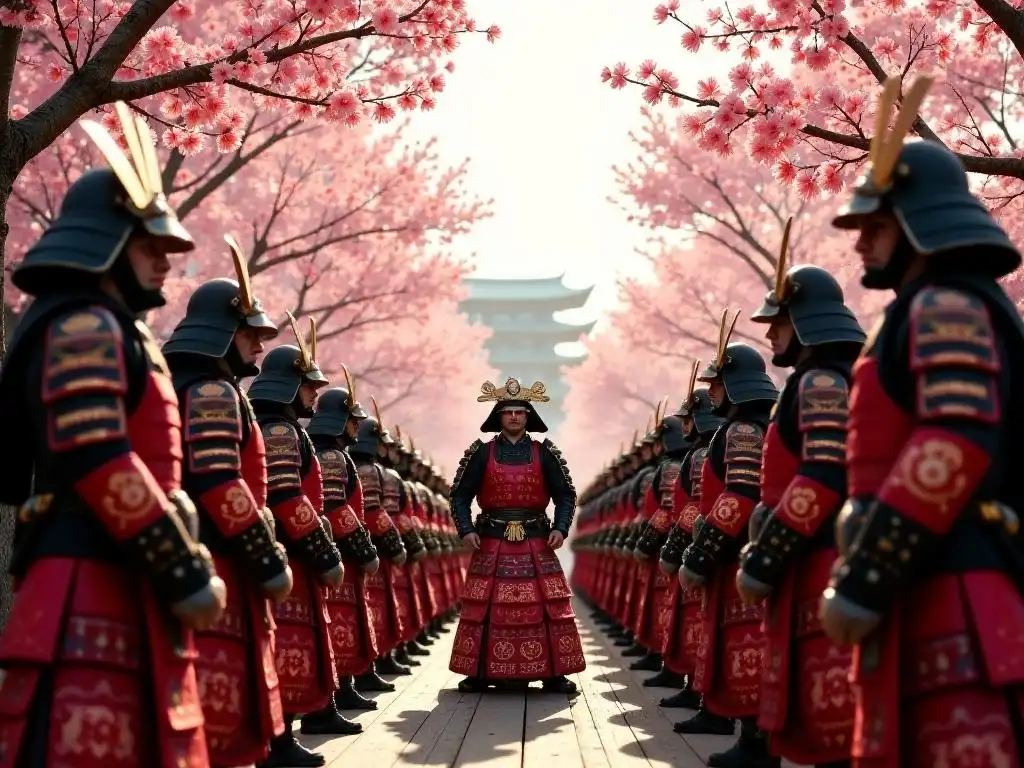
The legacy of samurai armor extends far beyond the feudal period, permeating various facets of modern culture. Today, samurai armor is symbolic of honor, discipline, and the martial spirit that defines Japanese heritage. This legacy is particularly evident in visual arts, fashion, and popular media, where the striking aesthetics and intricate designs of samurai armor continue to captivate audiences.
Visual Arts and Fashion:
Contemporary artists often draw inspiration from the elegant yet formidable designs of samurai armor. This influence can be seen in various forms of art, from traditional paintings to modern sculptures. Additionally, fashion designers have incorporated elements of samurai armor into their collections, celebrating its unique silhouette and craftsmanship. The fusion of traditional armor aesthetics with modern styles not only honors the past but also reinterprets it for new generations.
Popular Media:
The portrayal of samurai armor in films, anime, and video games has solidified its status as a cultural icon. Productions like "Seven Samurai" and "Rashomon" have showcased the significance of armor in samurai culture, influencing countless filmmakers worldwide. Similarly, video games such as "Ghost of Tsushima" allow players to visually experience and interact with samurai armor, further embedding it into contemporary culture. These representations serve to educate audiences about the values and traditions of the samurai while also fostering a sense of nostalgia for Japan's rich history.
Influence of Samurai Armor in Contemporary Society
The influence of samurai armor in contemporary society is multifaceted, affecting various domains such as fashion, art, and education.
-
Fashion and Design:
Many fashion designers are inspired by the aesthetics of samurai armor, integrating its elements into modern clothing. This trend not only showcases the beauty of traditional armor but also promotes a dialogue between past and present styles. Some high-end brands have even created limited-edition collections inspired by samurai motifs, highlighting the timeless appeal of this cultural artifact.
-
Cultural Education and Awareness:
Museums and cultural institutions play a crucial role in educating the public about samurai armor. Exhibitions often feature authentic pieces, allowing visitors to appreciate the craftsmanship and historical significance of these artifacts. Workshops and lectures further contribute to the understanding of samurai culture and the role armor played in rituals and ceremonies.
-
Martial Arts:
The practice of traditional martial arts, such as Kendo and Iaido, often incorporates the history and significance of samurai armor into training and competitions. Practitioners not only learn techniques but also the philosophical underpinnings of the samurai ethos, which emphasizes respect, discipline, and honor.
Preservation of Samurai Armor Heritage
Preserving the heritage of samurai armor is essential for maintaining a connection to Japan's feudal past. Various initiatives and organizations are dedicated to this mission, ensuring that the artistry and significance of samurai armor are not lost to time.
-
Restoration Projects:
Many museums and cultural heritage organizations undertake restoration projects to preserve authentic samurai armor. These efforts require skilled artisans who utilize traditional techniques to repair and restore armor, ensuring that it remains in excellent condition for future generations.
-
Cultural Festivals:
Events such as Jidai Matsuri (Festival of Ages) and other cultural festivals often feature displays of samurai armor, providing a platform for public engagement. These festivals not only celebrate the artistry of armor but also educate attendees about its historical context and cultural significance.
-
Academic Research:
Scholars and historians continue to study samurai armor, contributing to a deeper understanding of its role within samurai society. This research often results in publications, documentaries, and presentations that further disseminate knowledge about samurai armor and its intricate relationship with Japanese culture.
Conclusion: The Enduring Cultural Significance of Samurai Armor
The cultural significance of samurai armor transcends its functional purpose in warfare. It embodies the values, aesthetics, and traditions of the samurai class, serving as a potent symbol of honor and bravery. The legacy of samurai armor continues to resonate in modern culture, influencing art, fashion, and education while preserving the rich heritage of Japan's feudal era. As we move forward, it is vital to recognize and celebrate this enduring significance, ensuring that the stories and values associated with samurai armor are passed down through generations. The armor serves not only as a relic of the past but also as a bridge connecting contemporary society to its historical roots.
Frequently Asked Questions
What is the cultural significance of samurai armor in Japan?
The cultural significance of samurai armor lies in its representation of status, identity, and tradition. It is a symbol of the samurai's role in society and their adherence to the bushido code.
How did samurai armor evolve over time?
Samurai armor evolved significantly from the Heian period to the Edo period, reflecting changes in battle tactics, aesthetic preferences, and social structures. Each era brought innovations that enhanced both functionality and symbolism.
What materials were traditionally used to make samurai armor?
Samurai armor was crafted from a combination of metal, leather, and textiles. These materials were chosen for their durability and ability to provide protection while allowing for mobility in battle.
How is samurai armor used in modern Japanese culture?
Today, samurai armor is often featured in ceremonies, festivals, and cultural events. It serves as a reminder of Japan's rich heritage and the values associated with the samurai way of life.
What role did armor play in samurai rituals and ceremonies?
Armor played a crucial role in rituals and ceremonies, symbolizing the samurai's commitment to their duty and honor. It was often donned during important events to signify readiness and respect for tradition.
Final Reflection: The Enduring Legacy of Samurai Armor
The cultural significance of samurai armor transcends mere historical artifacts; it embodies the values, rituals, and identities of a warrior class that has shaped Japanese culture for centuries. Today, as we navigate a world increasingly disconnected from its traditions, the intricate designs and ceremonial roles of samurai armor remind us of the importance of heritage and the stories woven into our collective consciousness. The armor stands not just as a protective gear but as a symbol of honor, discipline, and the spiritual journey of the samurai.
The influence of samurai armor extends beyond the battlefield, permeating art, literature, and modern interpretations of Japanese culture. Its aesthetic and philosophical dimensions continue to inspire contemporary artists and filmmakers, fostering a deeper appreciation for the values it represents.
As noted by historian John M. Manjiro, > “The samurai armor is not merely a relic of the past; it is a testament to the enduring spirit of a culture that values honor and duty above all.” This ongoing dialogue between past and present invites us to reflect on how these ancient practices inform our understanding of identity and belonging in today's society.
As we conclude our exploration of the cultural significance of samurai armor, I invite you to reflect on your own relationship with tradition and heritage. Consider how the values embodied in the samurai's journey resonate with your life today. Whether through embracing your own cultural practices or seeking to understand the traditions of others, let the legacy of the samurai inspire you to honor the past while forging your path into the future.
Embrace the Spirit of the Samurai: Take Action Today!
Thank you for diving into the fascinating world of Samurai armor and its profound cultural significance. Your exploration of these traditions not only enriches your understanding but also honors the legacy of these remarkable warriors. Now, it's time to bring that knowledge to life!
Here are a few ways you can deepen your connection and celebrate this rich history:
- Join a local or online community focused on Japanese history to share your insights and learn more about Samurai culture.
- Visit a museum or historical site showcasing Samurai artifacts to experience their legacy firsthand.
- Create a cultural project—whether it’s an art piece, a written work, or a presentation—that highlights the significance of armor in Samurai rituals and ceremonies.
Which aspect of Samurai culture inspires you the most, and how do you plan to explore it further?