
The Legacy of Feudal Martial Arts in Contemporary Japan


Welcome to Feudal Japan History, where we invite you to delve into the rich tapestry of Japan’s feudal era. This is not just a journey through time but an exploration of how the legacy of feudal martial arts continues to shape modern Japan. As we unravel the intricate connections between ancient combat techniques and today’s martial disciplines, you’ll discover the profound impact these traditions have on contemporary society. Join us as we examine the enduring spirit of the samurai and the art of war that transcends generations—your adventure into this captivating chapter of history begins now!
Introduction to Feudal Martial Arts in Japan
Feudal martial arts in Japan represent a captivating intersection of history, culture, and combat technique, having shaped the very fabric of Japanese society and its military traditions. From the rise of the samurai class to the intricate techniques developed over centuries, the legacy of these martial practices continues to resonate in modern Japan.
This article delves deep into the historical, cultural, and societal aspects of feudal martial arts, examining their evolution and the profound impact they have had on contemporary martial practices. By understanding the roots of these techniques, we can appreciate their ongoing relevance and influence in today's world.
Overview of Feudal Japan and Its Martial Traditions
Feudal Japan, spanning from the 12th to the 19th century, was characterized by a strict social hierarchy and constant military conflict. The samurai, as the warrior class, played a pivotal role in this era, with martial arts being not just a means of combat but a way of life.
- Key Martial Traditions:
- Kenjutsu: The art of swordsmanship, often associated with the katana.
- Bojutsu: The use of the long staff as a weapon.
- Sojutsu: The techniques of spear fighting.
These martial arts were not merely techniques; they encompassed philosophies and ethical codes, providing the samurai with a framework to navigate both battlefield and society.
Significance of Martial Arts in the Feudal Era
The significance of martial arts during the feudal era cannot be overstated. They were instrumental in shaping not only the skills of the samurai but also their identity and values.
- Cultural Importance:
- Bushido: The way of the warrior, emphasizing loyalty, honor, and discipline.
- Rituals and Training: Martial arts training was often steeped in ritual, reinforcing the samurai's commitment to their craft and their lord.
- Social Dynamics:
- Martial arts created a sense of camaraderie among warriors and served as a means of social mobility for those of lower classes aspiring to become samurai.
Historical Context of Feudal Martial Arts
Understanding the historical context of feudal martial arts is crucial for appreciating their legacy today. The evolution of these practices reflects broader societal changes and conflicts throughout Japanese history.
The Origins of Martial Arts in Feudal Japan
The origins of martial arts in Japan can be traced back to ancient times, influenced by both indigenous practices and external martial traditions. The introduction of Chinese martial arts and philosophies, along with the adaptation of local techniques, laid the groundwork for what would become a distinct martial heritage.
- Early Influences:
- Chinese Martial Arts: Early interactions with China introduced various combat techniques.
- Native Japanese Practices: Indigenous forms of wrestling and weapon techniques were integrated into the evolving martial culture.
Evolution of Techniques and Styles During the Feudal Era
As Japan transitioned through various feudal periods, martial arts evolved significantly, adapting to the changing nature of warfare and societal structures.
- Changes in Warfare:
- The shift from large-scale battles to smaller skirmishes necessitated new techniques and strategies.
- Development of Schools:
- The establishment of various schools (koryu) focused on different weapons and philosophies, allowing for the specialization and refinement of techniques.
Prominent Martial Arts Schools and Their Influence
Several prominent martial arts schools emerged during the feudal era, each contributing uniquely to the development of Japan's martial arts legacy.
- Notable Schools:
- Kashima Shinto-ryu: Focused on swordsmanship and strategy, heavily influencing other schools.
- Muso Jikiden Eishin-ryu: Renowned for its iaijutsu, the art of drawing and cutting with a sword.
These schools not only preserved the techniques of their time but also influenced the formation of modern martial arts practices, ensuring that the legacy of feudal martial arts endures in contemporary Japan.
Key Features of Feudal Martial Arts
Feudal martial arts in Japan, often referred to as koryū, were characterized by a unique blend of combat techniques, philosophical teachings, and traditional practices that evolved over centuries. These martial arts were not just physical disciplines; they encompassed a holistic approach to warfare and personal development.
Key features include:
- Focus on Combat Effectiveness: The primary aim of feudal martial arts was to prepare warriors for real-life combat situations. Techniques were designed to be practical and effective in battle.
- Discipline and Ritual: Training involved rigorous discipline, often incorporating rituals that emphasized respect for the art, the instructor, and fellow students.
- Integration of Strategy: Techniques were often taught alongside strategic thinking, emphasizing the importance of mental acuity in addition to physical prowess.
- Cultural Significance: Feudal martial arts were deeply intertwined with the social and cultural fabric of medieval Japan, reflecting the values and beliefs of the samurai class.
Training Methods and Philosophies
Training methods in feudal martial arts were diverse and tailored to the needs of the practitioners.
- Renshu: This term refers to the repetitive practice of techniques. Renshu was essential for developing muscle memory and precision in combat movements.
- Dōjō Practices: Training often took place in a dōjō, a dedicated training hall where practitioners engaged in kata (pre-arranged forms), sparring, and weapon techniques.
- Philosophical Underpinnings: Many feudal martial arts were influenced by Zen Buddhism, emphasizing mindfulness, focus, and the pursuit of self-perfection.
- Teacher-Student Relationships: The bond between teacher (sensei) and student (deshi) was crucial, fostering a deep respect for lineage and tradition.
Weapons and Techniques Used in Feudal Combat
Feudal martial arts encompassed a wide array of weapons and techniques, each with its own specific applications and training methods.
- Katana: The quintessential Japanese sword, which became a symbol of the samurai. Techniques for drawing, cutting, and thrusting were central to katana training.
- Bō: A long staff used in various martial arts, emphasizing reach and technique in combat.
- Naginata: A polearm that combined the cutting power of a sword with the reach of a spear, used by both samurai and foot soldiers.
- Unarmed Combat: Techniques such as jūjutsu focused on grappling, joint locks, and throws, showcasing the versatility of martial arts beyond weaponry.
The Role of Bushido in Martial Arts Practice
Bushido, the "Way of the Warrior," greatly influenced the practice and philosophy of feudal martial arts.
- Ethical Framework: Bushido provided a moral compass for samurai, emphasizing virtues such as loyalty, honor, and courage, which were reflected in martial arts training.
- Mental Discipline: The principles of Bushido encouraged practitioners to cultivate mental fortitude and resilience, key traits for both martial arts and warfare.
- Rituals and Ceremonies: Many martial arts practices included rituals that honored the spirit of Bushido, reinforcing the connection between martial training and ethical living.
The Transition from Feudal to Modern Martial Arts
The transition from feudal martial arts to modern forms was marked by significant changes in societal structure, culture, and the purpose of martial training.
Factors Leading to the Decline of Feudal Martial Arts
Several factors contributed to the decline of feudal martial arts in Japan:
- End of the Samurai Era: The Meiji Restoration in 1868 dismantled the feudal system and the samurai class, leading to a loss of patronage and traditional training methods.
- Western Influence: The introduction of Western military techniques and the modernization of the Japanese military diminished the relevance of traditional martial practices.
- Social Changes: As Japan transitioned into a more modern, industrialized society, the focus shifted away from the warrior culture that had sustained feudal martial arts.
The Transformation of Martial Arts in the Meiji Era
The Meiji Era (1868–1912) brought about transformative changes in martial arts:
- Standardization and Formalization: Many traditional martial arts began to formalize their practices, creating structured systems and curricula to preserve their techniques.
- Cultural Revival: A renewed interest in Japanese heritage led to a resurgence of traditional martial arts among civilians, although often as cultural pursuits rather than for warfare.
- Establishment of Organizations: The creation of martial arts organizations facilitated the dissemination and teaching of traditional techniques, adapting them for a broader audience.
Integration of Traditional Techniques into Modern Practices
Today, traditional techniques from feudal martial arts have integrated into various modern practices:
- Kendo: The practice of sword fighting has evolved from the techniques of the katana, emphasizing discipline, respect, and sportsmanship.
- Aikido and Judo: These modern martial arts incorporate principles from jūjutsu and emphasize fluid movement, balance, and self-defense rather than aggression.
- Cultural Preservation: Many practitioners today study traditional martial arts for their cultural and historical significance, preserving the legacy of feudal martial arts while adapting them for contemporary contexts.
The legacy of feudal martial arts in Japan is a rich tapestry of history, philosophy, and transformation that continues to influence martial arts practices today.
Contemporary Expressions of Feudal Martial Arts Legacy
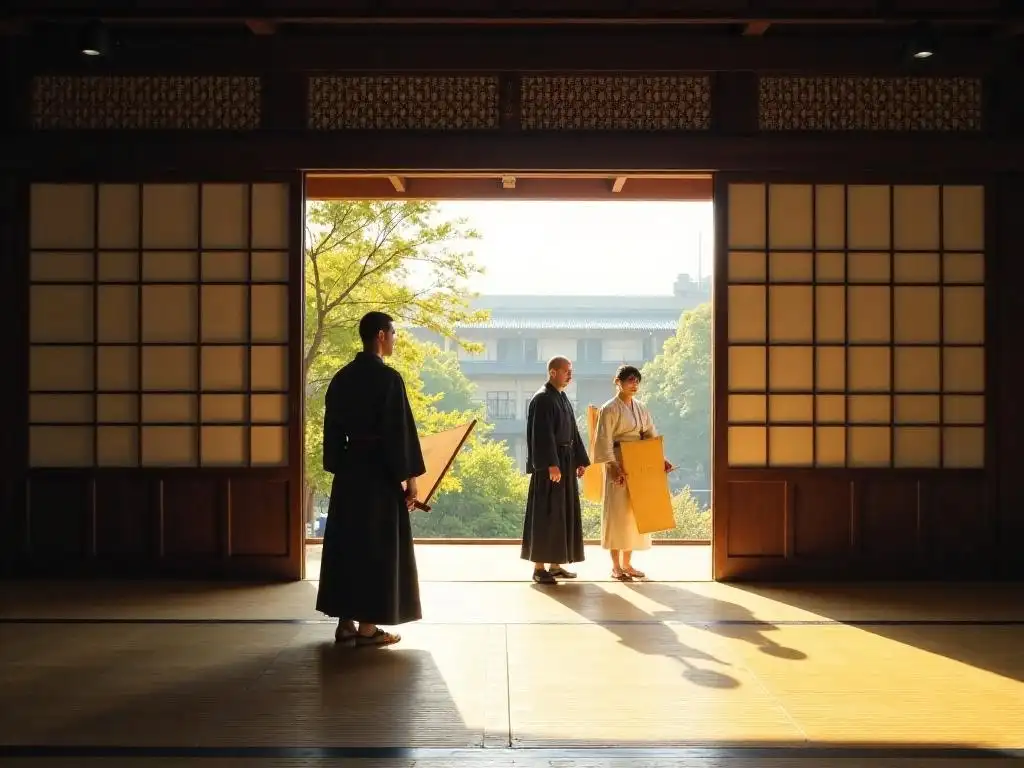
The legacy of feudal martial arts in Japan is not just a relic of the past but continues to resonate in contemporary society. Today, various martial arts schools, known as "dōjō," actively teach traditional forms that have their roots in the feudal era. These schools maintain the techniques, philosophies, and rituals that characterized ancient combat practices. Modern practitioners often train in disciplines such as Kendo, Aikido, Iaido, and Kenjutsu, which have preserved the essence of their feudal predecessors.
Moreover, these martial arts are not merely physical practices; they also embody a spiritual and philosophical depth that reflects the values of discipline, respect, and honor from the feudal period. Events such as tournaments and demonstrations showcase these arts, allowing practitioners to engage with their heritage while adapting to contemporary contexts. The integration of modern technology, such as online classes and virtual competitions, further supports the evolution and preservation of these traditions, ensuring their relevance for future generations.
Preservation of Traditional Martial Arts in Japan Today
The preservation of traditional martial arts in Japan is evident through numerous organizations dedicated to maintaining historical practices and philosophies. Many of these organizations focus on teaching the core principles of feudal martial arts, emphasizing the importance of discipline, etiquette, and mental focus. Schools like the All Japan Kendo Federation and the Nihon Jujutsu Federation provide structured training programs that adhere to traditional methodologies while promoting the arts in a modern context.
Additionally, regular seminars and workshops led by masters and senseis help bridge the gap between ancient techniques and contemporary practice. These gatherings not only serve to educate new practitioners but also foster community among martial artists, providing a sense of continuity and belonging. The commitment to preserving these arts is further supported by cultural events, exhibitions, and competitions that celebrate the rich history and evolution of martial practices in Japan.
Influence of Feudal Martial Arts on Modern Disciplines
Feudal martial arts have significantly influenced various modern disciplines, shaping both the techniques and philosophies of contemporary martial arts. For instance, Kendo, which evolved from the swordsmanship of the samurai, retains many of the techniques and strategies used in feudal combat. Similarly, Aikido incorporates principles of harmony and balance, reflecting the philosophical underpinnings of earlier martial practices.
Moreover, elements from feudal martial arts have permeated into other areas such as self-defense systems and fitness regimes. The emphasis on mental discipline and physical conditioning found in traditional practices has been widely adopted in modern training programs. The cross-pollination of ideas has led to hybrid martial arts that blend traditional techniques with contemporary approaches, creating a dynamic landscape for martial artists today.
Case Studies of Modern Martial Artists Inspired by Feudal Traditions
Numerous modern martial artists draw inspiration from feudal traditions, embodying the spirit and techniques of their ancestors in their practice. One notable example is Hiroshi Kato, a fourth-degree black belt in Kendo, who emphasizes the importance of historical context in his training. Kato often incorporates the philosophy of bushido, the samurai code, into his teachings, encouraging his students to develop not just physical skills but also character and ethics.
Another example is Yuki Tanaka, a practitioner of Iaido, who regularly participates in national competitions and demonstrates the precision and grace of this sword-drawing art. Tanaka's commitment to preserving the techniques of the samurai has garnered her recognition as a leading figure in the Iaido community, inspiring a new generation of martial artists to explore their feudal roots.
Cultural Impact of Feudal Martial Arts
Feudal martial arts have had a profound cultural impact on Japan, influencing various aspects of society including art, philosophy, and national identity. The principles and aesthetics derived from these martial practices permeate Japanese culture, reflecting a unique synthesis of physical prowess and spiritual depth.
Representation in Popular Culture: Films and Literature
The legacy of feudal martial arts is prominently represented in popular culture, particularly in films and literature. Iconic movies such as "Seven Samurai" and "Crouching Tiger, Hidden Dragon" showcase the artistry and philosophy of martial arts, often set against the backdrop of feudal Japan. These films not only entertain but also educate audiences about the historical significance and cultural values associated with martial practices.
Literature, too, reflects this influence, with many authors incorporating themes of honor, discipline, and the samurai way of life into their works. Texts such as "The Book of Five Rings" by Miyamoto Musashi provide insight into the mindset of a martial artist, blending strategy and philosophy in a way that continues to resonate with readers today.
The Role of Martial Arts in Japanese Identity and Heritage
Martial arts play a vital role in shaping Japanese identity and heritage, serving as a connection to the past. The practice of traditional martial arts fosters a sense of pride and belonging among practitioners, who often view their training as a way to honor their ancestors. This cultural significance extends beyond the dojo, as martial arts are celebrated in festivals and community events, reinforcing their place in the national narrative.
Moreover, martial arts education in schools highlights their importance in cultivating discipline and respect among the younger generation. This integration of martial arts into educational curricula helps instill a sense of cultural continuity and encourages appreciation for Japan's rich historical legacy.
Global Influence of Japanese Martial Arts in the Modern World
The influence of Japanese martial arts has transcended national boundaries, making a significant impact on the global martial arts community. Disciplines such as Karate, Judo, and Aikido have gained international recognition, with practitioners and organizations emerging worldwide. This global proliferation has led to the establishment of international competitions and federations, further promoting the exchange of techniques and philosophies.
In addition to physical practice, Japanese martial arts have also influenced self-defense systems and fitness trends across various cultures. The principles of mindfulness, respect, and focus inherent in these martial practices have found resonance in diverse contexts, from corporate training programs to wellness workshops. This global embrace of Japanese martial arts not only honors their feudal origins but also ensures their continued evolution and relevance in the modern world.
Conclusion: The Enduring Legacy of Feudal Martial Arts in Japan
The legacy of feudal martial arts in Japan is a profound and multifaceted aspect of the nation’s cultural heritage. Rooted deeply in the samurai ethos, these martial practices not only shaped the physical prowess of warriors but also influenced the ethical and philosophical frameworks that govern contemporary martial arts. The principles of discipline, honor, and respect that originated in the feudal era continue to resonate within modern dojo environments, ensuring that the teachings of historical masters are preserved and adapted for new generations.
Moreover, the aesthetics, techniques, and weapons of feudal martial arts remain highly regarded, not just in Japan but around the world. This enduring legacy serves as a bridge connecting the past with the present, allowing practitioners to engage with history while cultivating their own martial skills. As students of various disciplines immerse themselves in traditional training, they are also engaging in a cultural dialogue that celebrates the rich tapestry of Japan's martial heritage.
Summary of Key Points on Feudal Martial Arts Japan Legacy
- Historical Significance: Feudal martial arts emerged during Japan's feudal era, primarily among the samurai class, emphasizing combat effectiveness and strategic warfare.
- Cultural Impact: These martial arts forms have played a pivotal role in shaping the national identity and cultural values that emphasize discipline, respect, and honor.
- Modern Adaptations: Contemporary martial arts in Japan, such as Kendo, Aikido, and Iaido, draw heavily from their feudal predecessors, adapting techniques and philosophies while maintaining core principles.
- Global Influence: The martial arts legacy of feudal Japan has transcended borders, influencing global martial arts practices and fostering an international appreciation for Japanese culture.
- Preservation and Education: Various dojos and organizations work to preserve traditional techniques and teachings, ensuring that the wisdom of feudal martial arts continues to thrive in modern society.
Future of Feudal Martial Arts in Contemporary Society
The future of feudal martial arts in Japan appears bright as interest in traditional practices continues to grow. With an increasing number of individuals seeking holistic approaches to physical fitness and mental well-being, the principles inherent in these martial arts resonate with a contemporary audience. Moreover, the rise of global connectivity has facilitated a cross-cultural exchange of martial arts knowledge, allowing international practitioners to engage with and appreciate the rich traditions of feudal Japan.
In addition to physical training, there is a burgeoning interest in the historical and philosophical aspects of these martial arts. Educational programs and workshops that focus on the samurai code (Bushido) and the historical context of various martial arts forms are gaining traction, further solidifying their relevance in today’s society. As more practitioners embrace both the physical and mental dimensions of feudal martial arts, they ensure that these practices will not only survive but flourish for future generations.
Further Reading and Resources
To delve deeper into the legacy of feudal martial arts in Japan, the following resources provide valuable insights and knowledge.
Recommended Books and Articles on Feudal Martial Arts
- "The Book of Five Rings" by Miyamoto Musashi - A classic text on strategy, philosophy, and martial arts by the famed swordsman and philosopher.
- "Hagakure: The Book of the Samurai" by Yamamoto Tsunetomo: - An essential guide to the samurai way of life and the principles that underlie feudal martial arts.
- "The Samurai: A Military History" by Stephen Turnbull: - A comprehensive overview of the samurai as a warrior class and their martial traditions.
- "Martial Arts of the World: An Encyclopedia" by Thomas A. Green: - Offers a broad perspective on various martial arts, including their evolution from feudal practices.
Notable Martial Arts Dojos and Schools in Japan
- Hombu Dojo (Aikido) - Located in Tokyo, it serves as the headquarters for Aikido, emphasizing the fluid, defensive nature of martial arts rooted in feudal traditions.
- Katori Shinto-ryu - One of the oldest martial arts schools in Japan, focusing on traditional weapons and combat techniques from the feudal era.
- Mugai-ryu - A traditional school of swordsmanship that teaches techniques developed during the samurai period, continuing to influence modern practices.
- Shiva Dojo - A contemporary dojo that integrates traditional training methods with modern martial arts, promoting a holistic approach to feudal martial arts.
These resources and institutions not only serve as gateways to understanding feudal martial arts but also as platforms for continuing their legacy in contemporary society.
- Introduction to Feudal Martial Arts in Japan
- Historical Context of Feudal Martial Arts
- Key Features of Feudal Martial Arts
- The Transition from Feudal to Modern Martial Arts
- Contemporary Expressions of Feudal Martial Arts Legacy
- Cultural Impact of Feudal Martial Arts
- Conclusion: The Enduring Legacy of Feudal Martial Arts in Japan
- Further Reading and Resources
- What are feudal martial arts in Japan?
- How has the legacy of feudal martial arts impacted modern Japan?
- Are there any specific martial arts that originated in feudal Japan?
- How do contemporary martial arts embody the values of feudal Japan?
- What role do rituals and traditions play in modern martial arts?
Frequently Asked Questions
What are feudal martial arts in Japan?
Feudal martial arts refer to the combat techniques and strategies developed during Japan's feudal period, influenced by the samurai culture and the need for self-defense in a turbulent society.
How has the legacy of feudal martial arts impacted modern Japan?
The legacy of feudal martial arts continues to shape modern Japanese culture through martial arts schools, practices, and the philosophies that emphasize discipline, respect, and self-improvement.
Are there any specific martial arts that originated in feudal Japan?
Yes, several martial arts such as Kendo, Judo, and Aikido have roots in feudal Japan, evolving from the techniques used by samurai and adapting to contemporary training and competition.
How do contemporary martial arts embody the values of feudal Japan?
Contemporary martial arts often promote values like honor, discipline, and resilience, reflecting the ethical codes of the samurai, thus maintaining a connection to the feudal past.
What role do rituals and traditions play in modern martial arts?
Rituals and traditions in modern martial arts often serve to preserve the cultural history of feudal Japan, providing practitioners with a sense of identity and a connection to their heritage.
Final Reflection: Embracing the Legacy of Feudal Martial Arts in Contemporary Japan
The legacy of feudal martial arts in Japan is not just a relic of the past; it is a vibrant thread woven into the fabric of modern Japanese culture. Today, as we navigate a world increasingly dominated by technology and globalization, the principles and philosophies rooted in these ancient practices offer invaluable insights into discipline, respect, and personal growth. The enduring relevance of these martial arts reminds us that the lessons of history can guide us in our contemporary lives, shaping our identities and values in profound ways.
Cultural practices are often the heartbeat of a society, and the influence of feudal martial arts continues to resonate in various aspects of Japanese life. From the way martial artists train with unwavering dedication to the respect shown in everyday interactions, these traditions foster a sense of community and personal responsibility. As the renowned martial artist Morihei Ueshiba once said, The purpose of training is to tighten up the slack, toughen the body, and polish the spirit.
This sentiment encapsulates the ongoing impact of these martial arts, as they not only cultivate physical prowess but also nurture the spirit of perseverance and harmony within individuals and society.
As we reflect on the rich legacy of feudal martial arts, I invite you to consider how these teachings can inspire your own journey. Take a moment to explore the values of discipline, respect, and resilience in your daily life. Whether through practicing a martial art, engaging in self-reflection, or fostering a sense of community, let the wisdom of the past guide you toward a more fulfilling and purposeful future. Embrace the lessons of feudal martial arts, and carry their legacy forward in your own unique way.
Embrace the Spirit of Feudal Martial Arts Today!
Thank you for diving into the rich tapestry of feudal martial arts and their legacy in contemporary Japan. Your curiosity has illuminated the profound connections between the past and present, showcasing the resilience and cultural richness that these traditions embody.
Now it's time to take action and deepen your engagement with this fascinating topic! Here are a few steps you can take:
- Join a local dojo to experience martial arts firsthand and connect with practitioners who share your passion.
- Explore online resources or documentaries to further enrich your understanding of traditional techniques and philosophies.
- Share your journey: Discuss your learnings or experiences on social media to inspire others on their own paths.
How has discovering the legacy of feudal martial arts impacted your view of modern techniques or practices? Let's continue the conversation!